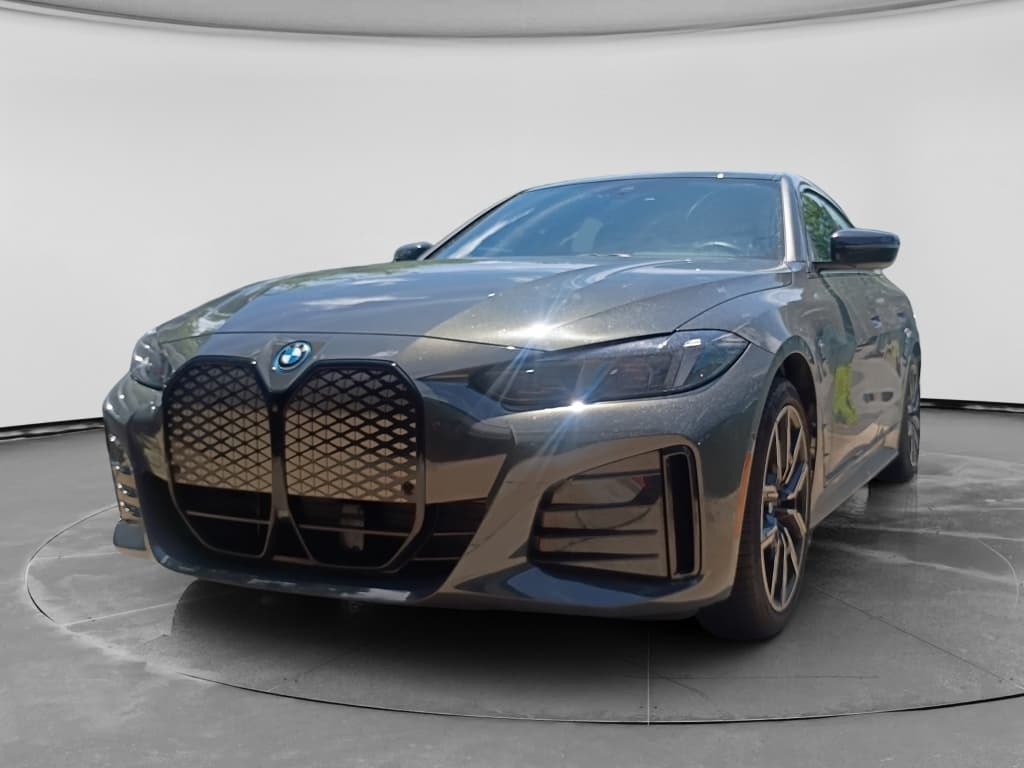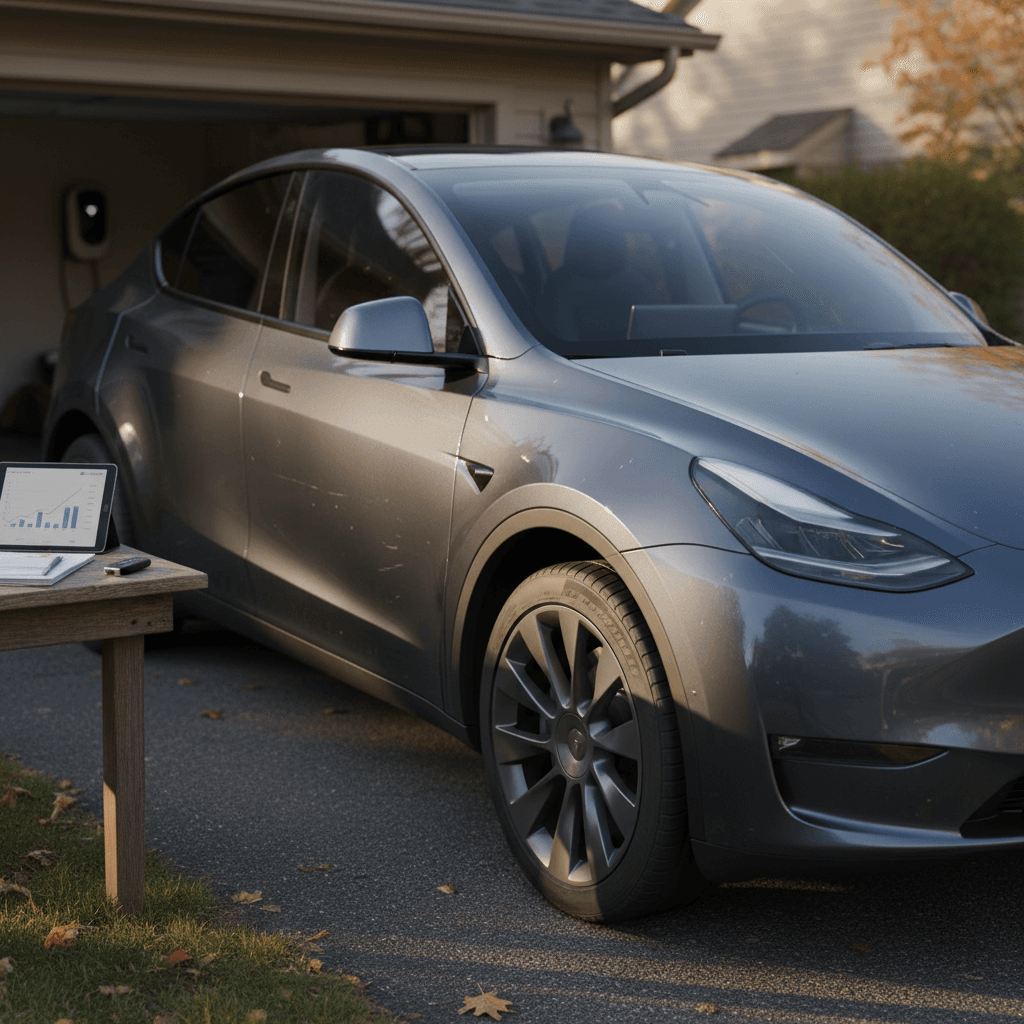
If you’re considering a BMW i4, you’re probably not just thinking about the test drive. You’re wondering what this sleek electric BMW will really cost to own over five, eight, maybe even ten years. Between depreciation, electricity, tires, insurance, and battery health, the BMW i4 long term ownership cost can look very different from the window sticker price, especially if you’re smart and buy used.
Quick take
BMW i4 ownership cost at a glance
Typical 5‑year BMW i4 cost snapshot (U.S.)
Those numbers are broad estimates, but they frame the real story: depreciation, electricity, and insurance will dominate what you spend on an i4. Maintenance stays relatively tame compared with a gas 3 Series or 4 Series, but tires and accident repairs can still sting.
About the numbers in this guide
Purchase price and depreciation: new vs used BMW i4
The BMW i4 launched in the U.S. for the 2022 model year and slots roughly where a 4 Series Gran Coupe would sit in BMW’s world. That means it starts life as a fairly expensive car, and like most premium EVs it takes its biggest hit in the first three to four years.
How depreciation shapes BMW i4 ownership cost
The single biggest lever in your long‑term cost is when you buy into the curve.
New BMW i4
- Higher upfront price but you get the newest software, features, and full factory warranty.
- Steepest depreciation is usually in the first 3 years, especially for luxury EVs.
- Great fit if you want to keep the car 8–10 years and don’t mind that early value drop.
Used BMW i4
- Lower purchase price after someone else absorbs the early hit.
- 3–5‑year‑old i4s often strike the best balance of price, technology, and remaining battery warranty.
- Perfect if you care more about total cost of ownership than being the first name on the title.
Why a used i4 often makes the most sense
This is exactly where a marketplace like Recharged helps. Every used EV includes a Recharged Score Report with verified battery health and fair‑market pricing, so you’re not guessing how much range or value you’re leaving on the table when you choose a specific i4.
Electricity and charging costs for a BMW i4
An EV’s fuel bill is mostly electricity. The BMW i4 is reasonably efficient for a premium sedan, but what you pay per mile depends heavily on how, and where, you charge.
Typical BMW i4 charging cost scenarios
Assuming ~3.0–3.3 miles per kWh and 12,000 miles driven per year.
| Scenario | Where you charge most | Estimated energy cost / kWh | Rough annual cost (12k mi) |
|---|---|---|---|
| Home, standard rates | Residential Level 2 | $0.14–$0.20 | $510–$800 |
| Home, off‑peak plan | Residential Level 2 with EV time‑of‑use | $0.08–$0.14 | $290–$560 |
| Mix of home + public | Home + some DC fast charging | $0.20–$0.30 | $800–$1,200 |
| Mostly public fast charging | DC fast chargers on road trips/urban use | $0.35–$0.55+ | $1,400–$2,200+ |
These are directional ranges. Check your local utility rates and charging network pricing for exact figures.
BMW i4 efficiency basics
- If you can charge at home on a 240V Level 2 setup, your “fuel” bill is usually far lower than a comparable gas BMW.
- Time‑of‑use (off‑peak) utility plans can cut your cost per kWh dramatically if you charge overnight.
- Relying heavily on public DC fast chargers makes EV ownership more expensive and can erode the i4’s fuel‑cost advantage over gas.
Set it and forget it with scheduled charging
BMW i4 maintenance and repair expectations
Here’s the good news: there’s no turbocharged gas engine hiding under the hood, so the i4 skips a lot of traditional maintenance. No oil changes, spark plugs, timing chains, or exhaust systems. But that doesn’t mean zero cost.
Where the BMW i4 saves you money, and where it doesn’t
EVs are simpler than gas cars, but not maintenance‑free.
What you don’t pay for
- Engine oil and filters every 5–10k miles.
- Ignition components and many drive belts.
- Complex exhaust and emissions systems.
What you still pay for
- Tires (often more frequently; EV torque is hard on rubber).
- Brake fluid changes and occasional pads/rotors.
- Cabin air filters and wiper blades.
Repairs to watch
- Out‑of‑warranty suspension or steering components.
- Body and glass repairs, BMW parts and labor are not cheap.
- Out‑of‑warranty infotainment or driver‑assist components.
Tires: the stealth expense
Over five years of typical use, many i4 owners will see maintenance costs lower than a comparable gas BMW, but not dramatically lower once you factor in tires. Where you really win is in avoiding the big‑ticket engine or transmission repairs that can surprise owners of older internal‑combustion luxury cars.
Insurance, tires, and other running costs
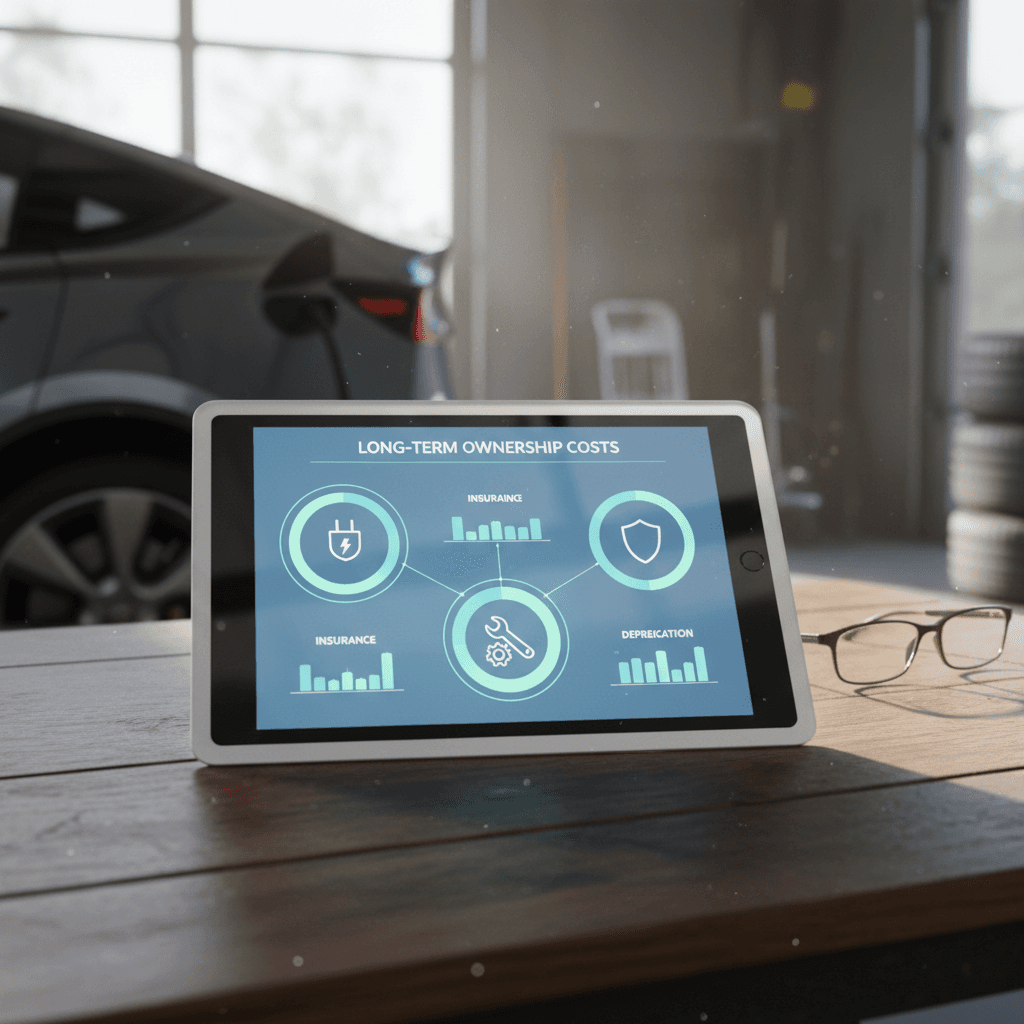
You can’t talk about BMW i4 long‑term ownership cost without looking at the parts of the budget that aren’t fuel or maintenance. Insurance, tires, registration, and taxes can swing the total picture by thousands of dollars.
Insurance
Because the i4 is an expensive, tech‑heavy car, insurers tend to price premiums on the higher side of the spectrum. Compared with an average midsize sedan, you might see:
- Higher repair costs for accidents, especially if high‑voltage or ADAS components are damaged.
- Savings potential if your driving profile is low‑risk (clean record, low mileage, garage parking).
Shopping quotes from EV‑friendly insurers and adjusting coverage deductibles can trim this line item significantly.
Tires and misc. costs
The i4’s weight and performance can wear tires more quickly than a non‑luxury gas sedan. Budget for:
- Quality tires: often $1,000–$1,600 per set mounted and balanced.
- Rotation and alignment: staying on top of this extends tire life.
- Registration and taxes: in some states, EVs pay extra fees to offset lost gas‑tax revenue.
How a used i4 can lower insurance
Battery health, range loss, and warranty coverage
For many shoppers, the biggest mental hurdle with an older EV is the battery. How much range has it lost? What happens if something fails? And does that mean a sudden five‑figure repair bill?
- BMW backs the i4’s high‑voltage battery with a long warranty (typically 8 years or around 100,000+ miles, with a minimum capacity guarantee).
- Normal battery degradation over that period usually means modest range loss, not a dead car, think in terms of a 10–20% drop over many years in typical use.
- Extremely fast‑charge‑heavy use, high mileage, and harsh climates can accelerate degradation, while gentle charging habits and garage storage help preserve capacity.
Why verified battery health matters on a used i4
This is exactly what the Recharged Score is built for. When you shop a used BMW i4 on Recharged, you get a battery‑health diagnostic as part of the Score Report, along with range projections and pricing that reflect the car’s real condition, not just its age and mileage.
Peace of mind in plain English
Practical ways to reduce BMW i4 long-term costs
You can’t dodge every expense with a premium EV, but you have more control than you might think. A few strategic choices up front and in daily use can trim thousands from your lifetime BMW i4 ownership cost.
Four smart levers that lower your i4’s lifetime cost
Think in terms of where money quietly leaks out over the years.
Buy at the right age
Prioritize home charging
Use off‑peak rates
Right‑size insurance
What can unexpectedly drive costs up
BMW i4 long-term cost checklist
Run through this list before you buy
1. Decide new vs used with your budget in mind
Price out both a new i4 and a 2–4‑year‑old example. Look at total ownership cost over 5–8 years, not just the monthly payment.
2. Confirm your home charging plan
Do you have access to a 240V outlet or can you install one? If not, check public charging options near home and work so you’re not surprised later.
3. Get a real battery health picture
On a used i4, don’t settle for “seems fine.” Use a marketplace like Recharged that provides a verified battery‑health report and realistic range expectations.
4. Shop insurance before you sign
Get quotes using the exact VIN or at least the correct trim to avoid shock when your first bill arrives. EV‑savvy insurers can sometimes be hundreds cheaper per year.
5. Budget for tires and routine service
Plan on premium tire replacements every 20k–30k miles, plus regular inspections, cabin filters, brake fluid, and alignments.
6. Check incentives and tax considerations
Federal and state EV incentives change over time, and some apply only to new vehicles, others to used or private‑party purchases. Factor that into your math.
BMW i4 ownership cost FAQ
Common questions about BMW i4 long-term costs
So…is a BMW i4 worth it long term?
If you want a premium electric sedan with BMW driving character and a cabin that still feels special five years down the road, the i4 can be a smart long‑term play. Its running costs are generally lower than a comparable gas BMW, but only if you take advantage of home charging, manage tires and insurance thoughtfully, and buy into the right spot on the depreciation curve.
Where this car really shines is as a carefully chosen used EV. When you combine a fair purchase price with verified battery health, transparent history, and smart financing, the BMW i4’s long‑term ownership cost looks a lot friendlier than its badge suggests. That’s the idea behind Recharged: pairing you with vetted used EVs, expert support, and tools like the Recharged Score so you can enjoy the drive, and worry less about the math.