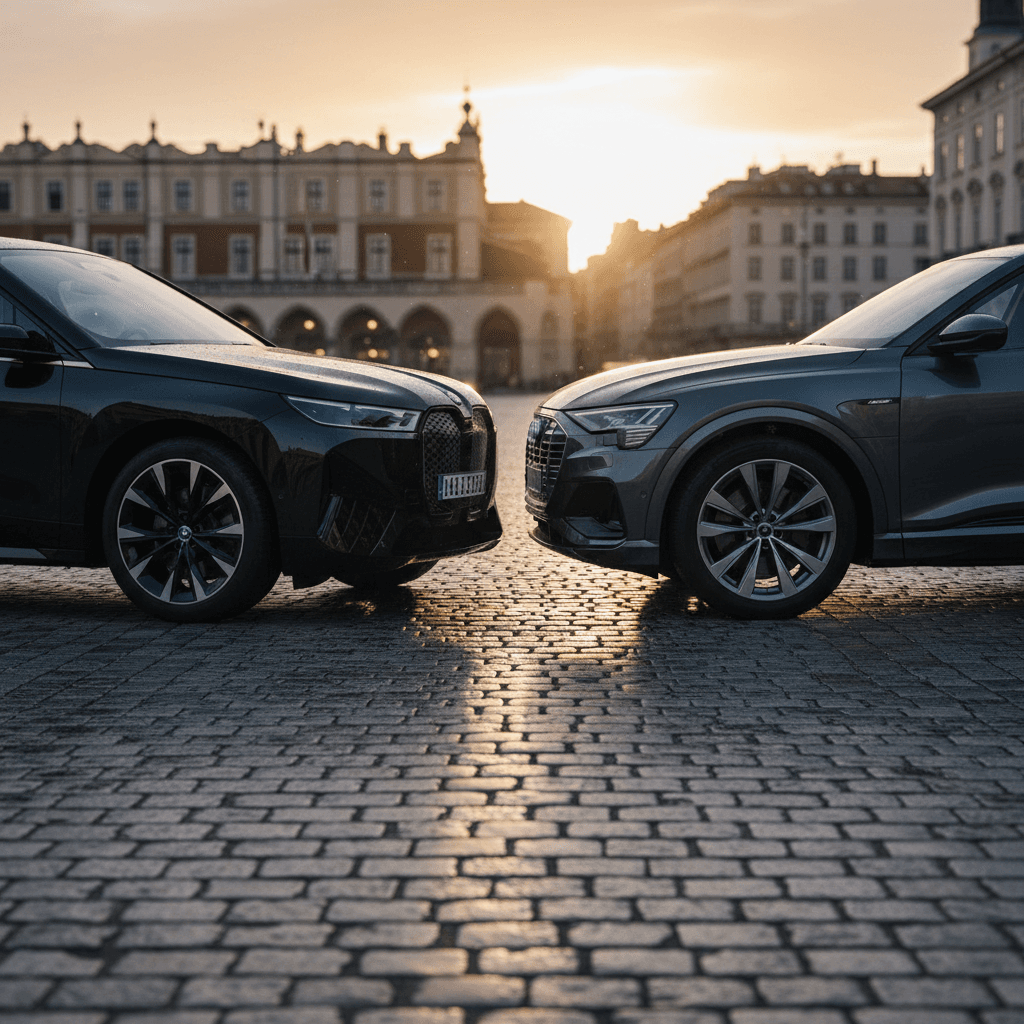
Shopping for a luxury electric SUV and torn between the BMW iX and Audi Q8 e-tron? Both are flagship battery-electric crossovers from legacy German brands, but they take very different approaches to performance, efficiency and tech. Understanding those differences is key, especially if you’re considering a used example, where pricing and battery health can swing the value equation dramatically.
Who this comparison is for
Overview: BMW iX vs Audi Q8 e-tron
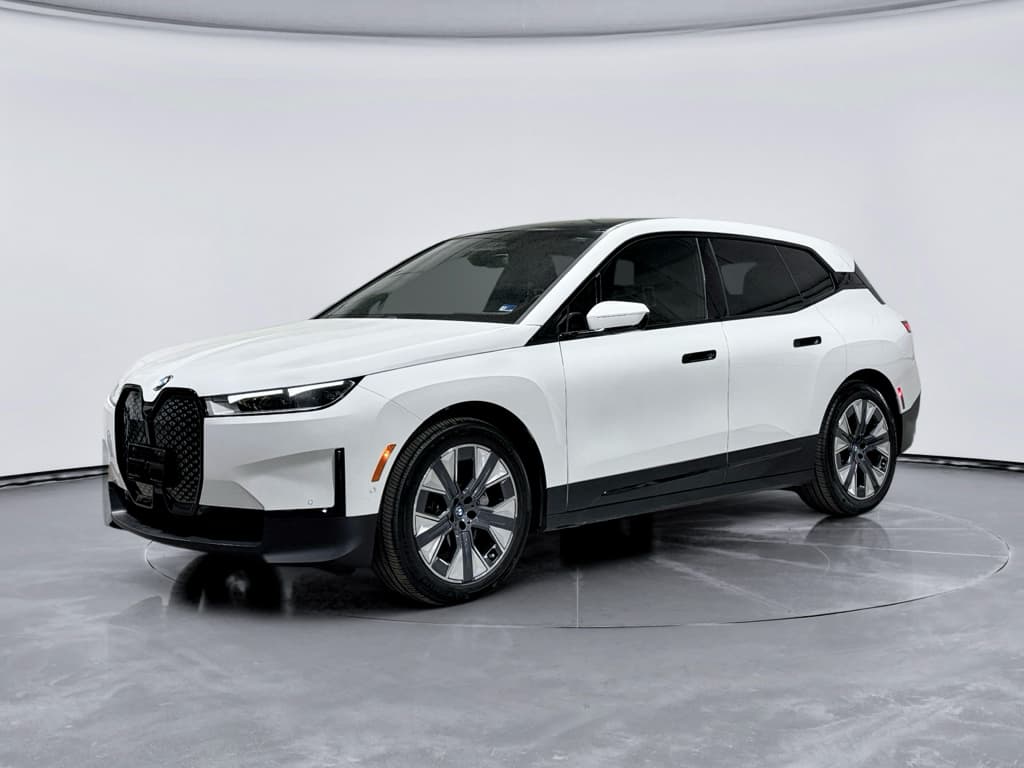
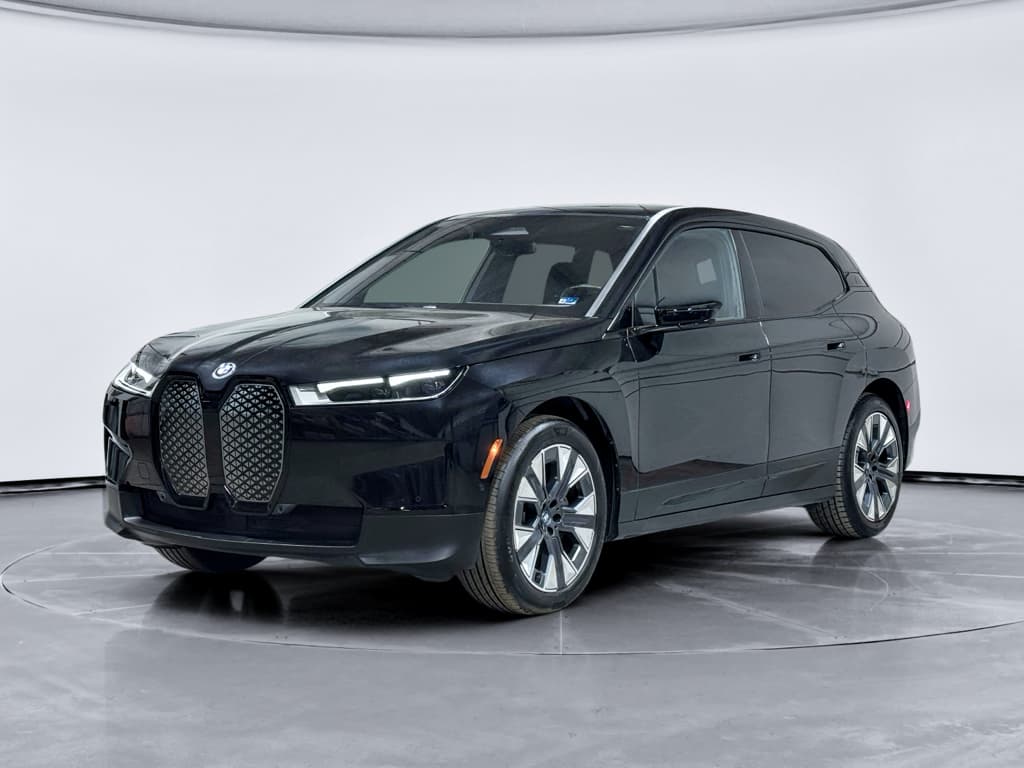
BMW iX: Bold, efficient and performance-focused
The BMW iX was engineered from the ground up as an EV. Its skateboard platform, low drag coefficient and focus on efficiency mean it delivers strong range and serious performance, especially in M60 form. The design is polarizing, but if you want a tech-forward, quick luxury EV that still feels like a BMW to drive, the iX leans in that direction.
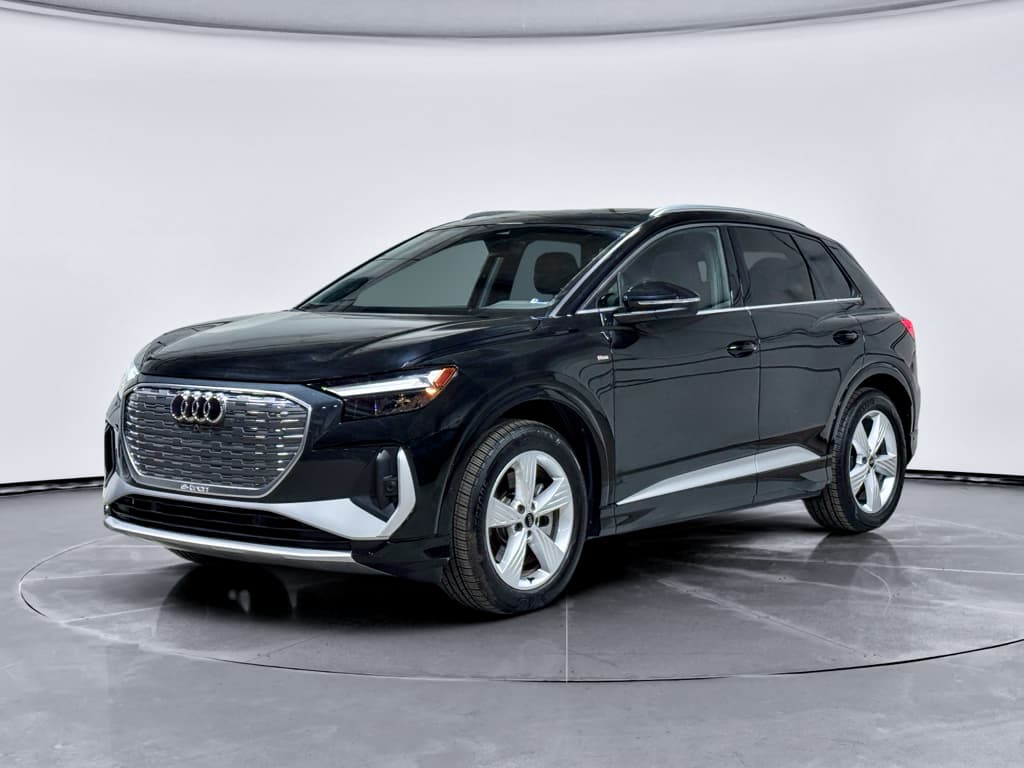
Audi Q8 e-tron: Familiar luxury first, EV second
The Audi Q8 e-tron evolves from Audi’s earlier e-tron SUV rather than starting from a clean sheet. It feels like a conventional Audi Q8 that happens to be electric: ultra-quiet, superbly finished, and easy to live with. Range and efficiency lag some newer rivals, but the experience is refined and predictable, especially appealing if you value comfort over cutting-edge performance.
Quick takeaway
Key specs at a glance
BMW iX vs Audi Q8 e-tron: core specs
Approximate specs for popular U.S. trims. Exact numbers vary slightly by model year and wheel/tire choice.
| BMW iX xDrive50 | BMW iX M60 | Audi Q8 e-tron 55 (SUV) | Audi Q8 Sportback e-tron 55 Ultra | |
|---|---|---|---|---|
| Battery (usable, kWh) | ~105 kWh | ~105 kWh | 106 kWh | 106 kWh |
| EPA range (mi, best-case trims) | up to ~324 mi | ≈ 296 mi | ≈ 285 mi | up to 300 mi |
| 0–60 mph (approx.) | 4.4 s | 3.6 s | 5.5–6.0 s | 5.5–6.0 s |
| Max DC fast charge rate | ≈ 195 kW | ≈ 195 kW | 170 kW | 170 kW |
| Onboard AC charger | 11 kW | 11 kW | 9.6–19.2 kW (opt pkg) | 9.6–19.2 kW (opt pkg) |
| Drive layout | Dual-motor AWD | Dual-motor AWD | Dual- or tri-motor AWD | Dual- or tri-motor AWD |
| Length (approx.) | 195 in | 195 in | 193 in | 193 in |
| Starting MSRP (recent MY) | high $80Ks | low $110Ks | mid–high $70Ks | high $70Ks |
Always verify exact specs for the specific vehicle and model year you’re considering, especially on the used market.
Spec nuance
Range, battery and efficiency
In practice, range and efficiency are where the BMW iX tends to outshine the Audi Q8 e-tron. BMW’s dedicated EV platform and slippery aero pay off at highway speeds, whereas the Audi is heavier and shaped more like a traditional SUV.
Real-world range expectations
What you can realistically expect on mixed driving with 20–21 inch wheels and no extreme weather.
BMW iX
- xDrive50: Many owners see 270–310 miles per charge in moderate weather.
- M60: More power but similar pack; plan on roughly 240–280 miles depending on how often you use the performance.
- Excellent highway efficiency for a big SUV thanks to low drag and well-tuned thermal management.
Audi Q8 e-tron
- Q8 55 SUV: Real-world results often land closer to 230–260 miles, less in cold weather or at high speed.
- Sportback Ultra: Aerodynamic tweaks can get you nearer to the 280–300 mile claim if you drive gently.
- The pack is large, but efficiency isn’t class-leading, so you use more kWh per mile.
Cold-weather reality
Battery size vs. range: why efficiency matters
How Recharged helps with battery uncertainty
Charging speed and road-trip ability
On paper, both SUVs support serious DC fast charging and comfortable home charging. The differences show up in the details: peak charge rate, how long that peak is sustained, and what equipment the car actually has onboard.
Public fast charging: iX vs Q8 e-tron
How they behave on a modern 150–350 kW DC fast charger.
BMW iX
- Peak DC power around 195 kW, with a relatively flat curve up to ~50–60% SOC.
- 10–80% sessions around 30–35 minutes in good conditions.
- Strong efficiency means you add useful miles quickly, especially from 10–60%.
Audi Q8 e-tron
- Peak DC rate of 170 kW, typically tapering earlier than BMW.
- Manufacturer quotes ~31 minutes for 10–80%, which lines up with early testing.
- Because the Audi uses more energy per mile, you’ll stop a bit more often on very long trips.
Road-trip verdict
Home charging: what to look for on each model
1. Confirm onboard AC charger
Most BMW iX models in the U.S. ship with an 11 kW onboard charger, ideal for a 48‑amp Level 2 home station. Some Q8 e-trons have the optional 19.2 kW onboard charger, great if you have an 80‑amp circuit, but overkill for many homes.
2. Check included charging accessories
Used vehicles may or may not include the original portable EVSE or wallbox. Replacing these can cost hundreds of dollars, so verify what’s included in the sale.
3. Match charger to your panel
An iX or Q8 e-tron can recharge overnight on a 40–48 amp circuit. If your electrical panel is limited, talk with an electrician before assuming you can use a max‑power onboard charger.
4. Factor in your daily miles
If you drive 40–60 miles a day, either EV will comfortably recharge overnight at Level 2. Heavy commuters or frequent weekend trips benefit more from the iX’s efficiency and the Audi’s optional higher-power AC charging.
Performance and driving feel
Both SUVs are quick by gas-SUV standards, but their personalities are very different. The BMW iX leans into instant torque and sharp responses, while the Audi Q8 e-tron majors in relaxed, quiet cruising.
How they drive: character comparison
Think beyond 0–60 times and look at what they feel like in daily use.
Acceleration
- iX xDrive50: Mid‑4 second 0–60 mph, effortless passing power.
- iX M60: Low‑3 second sprints rivaling performance sedans.
- Q8 55: Around mid‑5s to 6 seconds; brisk but not neck‑snapping.
Handling & ride
- BMW: Feels lighter on its feet than its size suggests, with accurate steering and composed body control.
- Audi: Softer, more isolated ride, especially with air suspension, prioritizing comfort over sharp turn‑in.
Noise & refinement
- BMW: Quiet, but some tire noise on coarse pavement; synthesized EV sound in sportier modes.
- Audi: Exceptionally hushed cabin, minimal wind noise; feels like a traditional Audi flagship SUV gone electric.
Test-drive advice
Interior tech, space and comfort
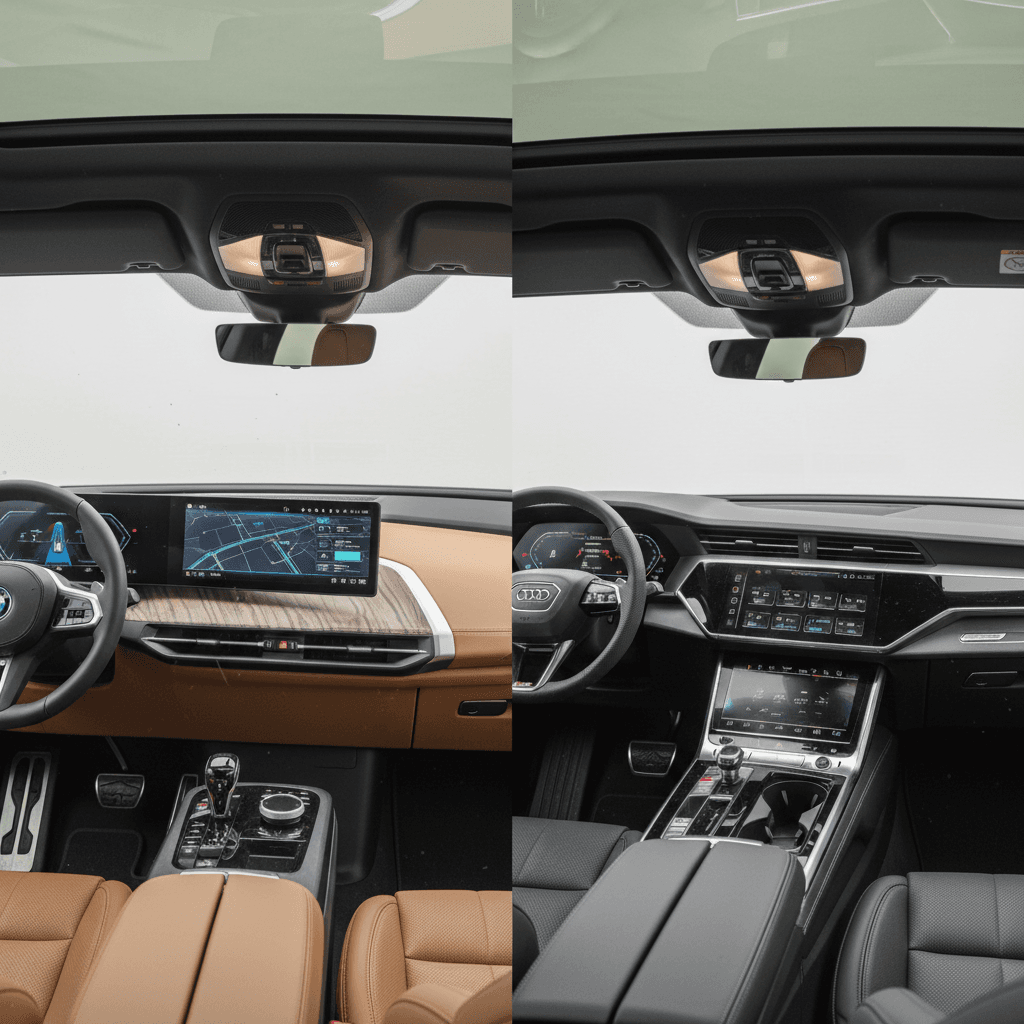
BMW iX: Concept-car interior brought to life
The iX interior feels like a lounge: open, airy, and deliberately futuristic. A large curved display houses both the instrument cluster and infotainment, with expansive use of sustainable materials and available crystal‑style controls. Rear passengers enjoy generous legroom and a flat floor, and the seats are typically soft and supportive.
On the downside, BMW’s iDrive system can feel busy at first, and the design won’t appeal to traditionalists who prefer analog controls and simpler layouts.
Audi Q8 e-tron: Classic Audi luxury with screens everywhere
The Q8 e-tron cabin will feel instantly familiar if you’ve been in any recent Audi SUV. Twin center touchscreens handle infotainment and climate, with a separate digital instrument cluster. Material quality is top‑notch, and there are more physical switchgear cues than in the BMW.
Space is good rather than exceptional, the Q8 rides on a platform originally designed for internal‑combustion powertrains, so it can’t match the iX’s packaging tricks. But ergonomics are excellent and the aesthetic is conservative, which many buyers prefer.
Space and practicality
Family use, cargo and everyday livability.
Passenger space
Cargo
Infotainment & UX
Ownership costs, incentives and depreciation
Owning a luxury EV SUV isn’t just about MSRP. Insurance, maintenance, charging costs and, crucially, depreciation all affect your long-term outlay. Here, both vehicles have shed value faster than equivalent gas SUVs, which can be a headache for first owners but a big win for used shoppers.
How the money side usually plays out
Watch out for options and trims
New vs used: which offers better value?
Because both of these are high‑end EVs that launched into a rapidly evolving market, they’ve depreciated faster than mainstream gas models. That means a well‑vetted used BMW iX or Audi Q8 e-tron can deliver a lot of luxury and tech for the money, as long as you understand what you’re getting.
Value snapshot: new vs used
How the math often looks for U.S. buyers as of mid‑2020s.
Buying new
- BMW iX: Commands higher MSRPs than the Audi, especially for M60 trims, but delivers stronger range and performance.
- Audi Q8 e-tron: Starts lower than iX in many trims and sometimes sees aggressive leasing or purchase incentives from Audi dealers.
- New-car incentives and potential tax credits change frequently, always confirm current programs before you commit.
Buying used
- BMW iX: Depreciation plus strong specs can make lightly used examples very compelling vs a new Q8 e-tron.
- Audi Q8 e-tron: Early depreciation and modest range mean used pricing can be particularly attractive if you mostly drive locally.
- Battery health, charging history and warranty status matter more than small MSRP differences in the used market.
How Recharged simplifies used EV shopping
- A Recharged Score report with verified battery health and charging behavior trends.
- Transparent pricing benchmarked to fair market value.
- EV‑specialist support to help you compare trims, incentives and total cost of ownership.
- Nationwide delivery and digital paperwork, so you can shop for the right spec, not just what’s on a nearby lot.
Ready to find your next EV?
Browse VehiclesWhich should you buy: BMW iX or Audi Q8 e-tron?
Best fit by buyer type
Use these scenarios to sanity‑check your short list.
You value range & performance
You prioritize comfort & familiarity
You mostly drive locally
When the BMW iX is the smarter play
- You regularly drive 150+ miles in a day or road-trip several times a year.
- You care about acceleration and steering feel.
- You’re comfortable with a more polarizing, high‑tech interior and exterior design.
- You want an EV that will still feel competitive on range a few years from now.
When the Audi Q8 e-tron makes more sense
- Your driving is primarily suburban or urban, and DC fast charging is rare.
- You value a traditional luxury ambiance and ultra‑quiet ride over speed.
- You find a used or incentivized new Q8 e-tron at a significant discount vs a comparable iX.
- You prefer Audi’s design language and dealer network experience.
Whichever way you lean in the BMW iX vs Audi Q8 e-tron debate, the key is to evaluate specific vehicles, not brochure ideals. Battery health, wheel size, options and how the last owner actually used the SUV all matter. A properly inspected used example, with transparent battery data, often delivers the best balance of price, performance and peace of mind. That’s exactly the gap Recharged is designed to fill.
FAQ: BMW iX vs Audi Q8 e-tron
Frequently asked questions
The most underrated advantage of today’s luxury EVs is how quickly they’re improving, great news for used buyers, who can now get yesterday’s flagship hardware at much more approachable prices.
If you’re trying to decide between the BMW iX and Audi Q8 e-tron, start with your real usage pattern: how far you drive, how often you road‑trip, and how much you care about sharp handling versus serene comfort. Then compare specific used examples with clear battery and pricing data, rather than chasing brochure numbers. When you’re ready for that step, platforms like Recharged exist to turn that research into a confident purchase, with transparency around the single most important component in any EV: the battery.