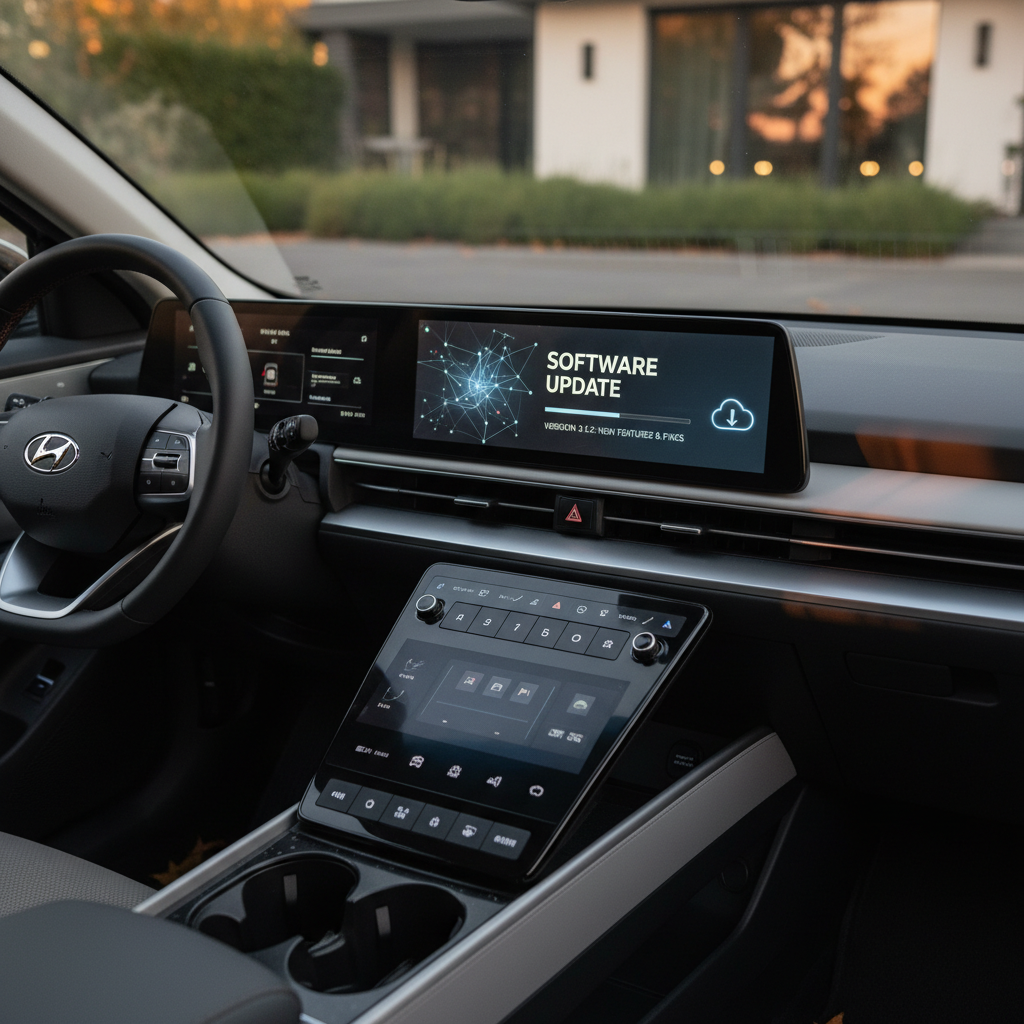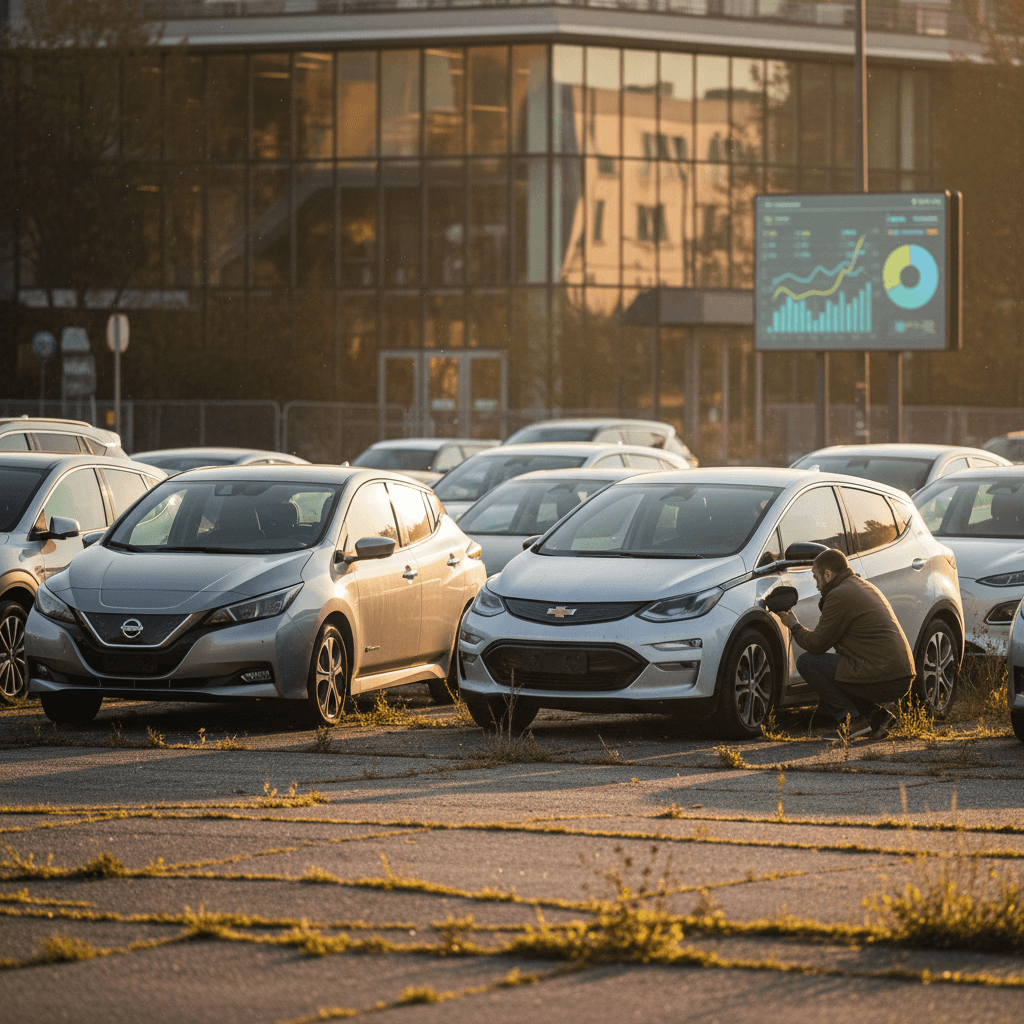
You picked a good year to go electric on a budget. In 2026, some of the best value used EVs on the market are former darlings of the tech press: cars that were $40,000–$60,000 new and are now sitting on dealer lots for the price of a middling crossover. Thanks to aggressive depreciation, expiring tax credits and still-healthy batteries, the **best value used EVs in 2026** can undercut gas cars on both purchase price and running costs.
Value window, briefly open
Why 2026 is a sweet spot for used EV value
Used EV value landscape in 2026
Three things make 2026 particularly friendly for used EV shoppers: 1. **Steep early depreciation is behind you.** Early-build EVs, especially 2020–2022 models, were punished as new technology and bigger batteries arrived. As a buyer, that means you often pay 40–60% of original MSRP for 70–90% of the real-world utility. 2. **Battery warranties still have runway.** Most mainstream EVs carry 8–10 year battery warranties and 100,000–150,000‑mile limits. A 3–5‑year-old car in 2026 very often has years of coverage left. 3. **Charging keeps getting easier.** More CCS fast-chargers, more home Level 2 installs, and the big one: a broad shift to Tesla’s NACS standard and access to portions of the Supercharger network for non-Tesla brands. That future-proofs many of the cars on this list.
One important 2026 change: used EV tax credit
How we picked the best value used EVs for 2026
“Best value” is not the same as “cheapest.” For this 2026 guide, we looked for used EVs that hit a high score across five dimensions: - Purchase price vs. original MSRP: Has the car taken the big depreciation hit already? - Battery health and warranty: Does the pack age well, and how many warranty years/miles are left? - Real-world range: Is there enough highway range for your life after a few years of degradation? - Charging experience: CCS or NACS access, charging curve quality, and network support. - Ownership costs: Insurance trends, tires, and repair surprises, or the lack of them. We also leaned heavily on real-world used pricing bands like those covered in Recharged’s own **used EV prices guide**, plus broader total-cost-of-ownership studies comparing EVs to gas cars. The result is a shortlist that spans sub‑$15k commuters up to $35k crossovers.
How to read this guide
Best value used EVs in 2026, by budget
Best value used EVs in 2026 by price band
Approximate U.S. retail price ranges in early 2026 for well-kept examples with typical mileage. Local markets will vary.
| Budget (USD) | Typical Model Years | Standout Models | Why They’re Good Value |
|---|---|---|---|
| $12,000–$17,000 | 2017–2021 | Chevy Bolt EV, Chevy Bolt EUV, Nissan Leaf (40 kWh), Hyundai Ioniq Electric | Lowest cost of entry; great for short to medium commutes if you don’t need road-trip range. |
| $18,000–$24,000 | 2019–2022 | Chevy Bolt EV/EUV (newer), Nissan Leaf Plus (62 kWh), Kia Niro EV, Hyundai Kona Electric | More range, newer safety tech, and still modest purchase prices. |
| $25,000–$30,000 | 2018–2022 | Tesla Model 3 Standard Range/Standard Range Plus, VW ID.4, Kia EV6 Light, Hyundai Ioniq 5 SE | Sweet spot for many shoppers: modern platforms, DC fast charging, and strong battery warranties. |
| $30,000–$40,000 | 2021–2024 | Tesla Model 3 Long Range, Tesla Model Y, newer Ioniq 5/EV6 trims, Mustang Mach‑E | Newer crossovers and AWD variants with long range and the latest driver-assist tech. Value is strong but no longer “cheap.” |
Use this as a starting point; actual listings depend on mileage, trim, options, and battery health.
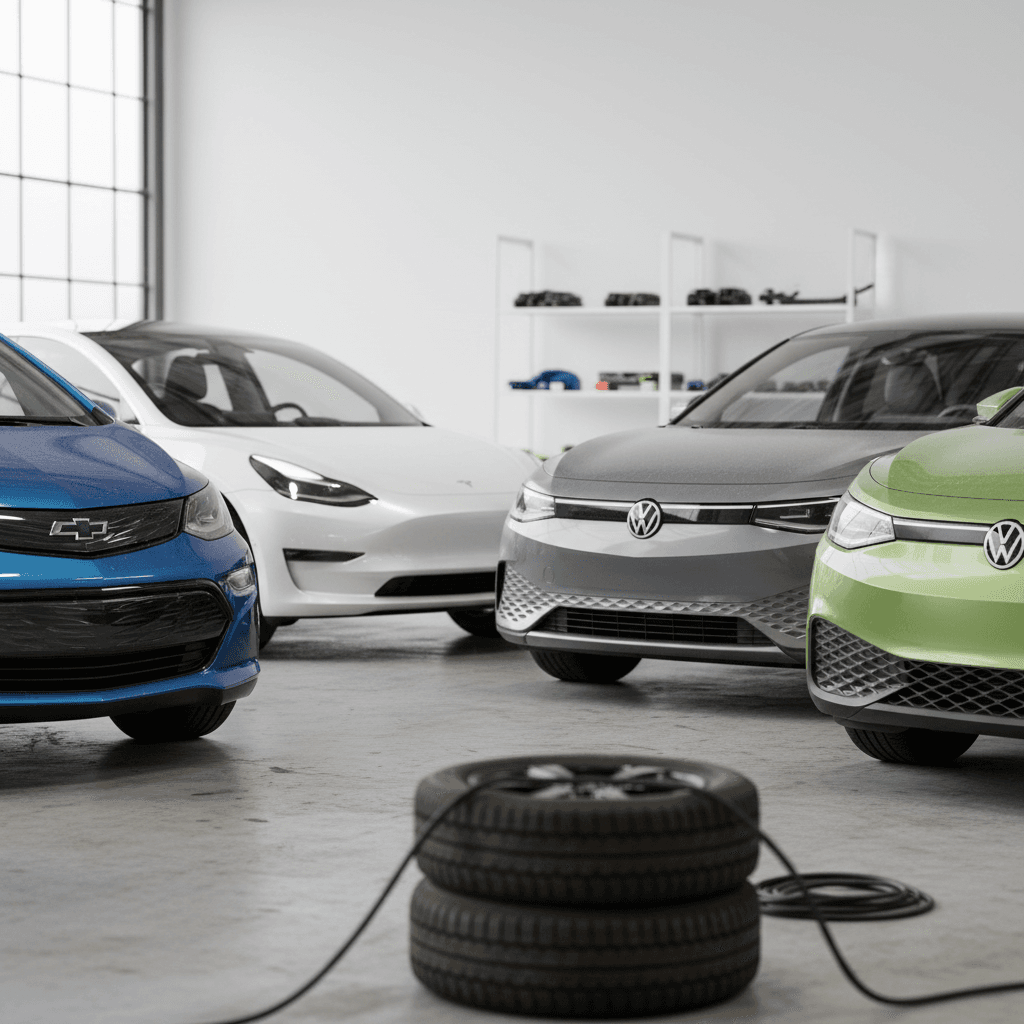
Spotlight: Chevy Bolt EV/EUV – maximum value per dollar
Why the Chevy Bolt family still rules the value charts
Excellent efficiency, big depreciation, and simple packaging make the Bolt a perennial used-EV bargain.
Price & depreciation
2020–2023 Bolt EV and Bolt EUV models often list in the mid‑teens to low‑$20k range, despite original MSRPs around $30k–$35k. That’s roughly half price for a car that still feels modern inside.
Range & efficiency
The later Bolts deliver around 247–259 miles EPA, and many owners still see 200+ miles on a full charge after several years. Efficiency is excellent, keeping energy costs low even on pricey electricity.
What to watch
Post‑recall cars have updated battery packs, which is actually a plus: you’re getting a newer battery than the build date suggests. Check for confirmation of the recall work and look closely at tire wear, Bolts are hard on rubber if driven enthusiastically.
Bolt EV/EUV: who it’s perfect for
Spotlight: Tesla Model 3 – value play with charging perks
Why the Model 3 is a 2026 value anchor
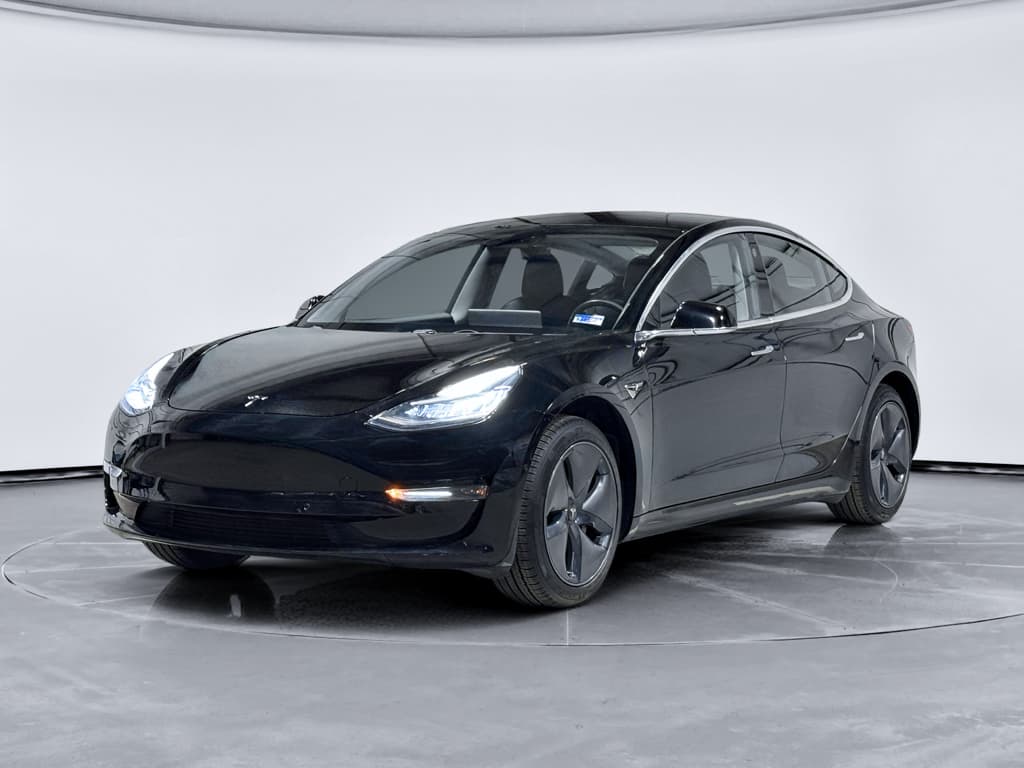
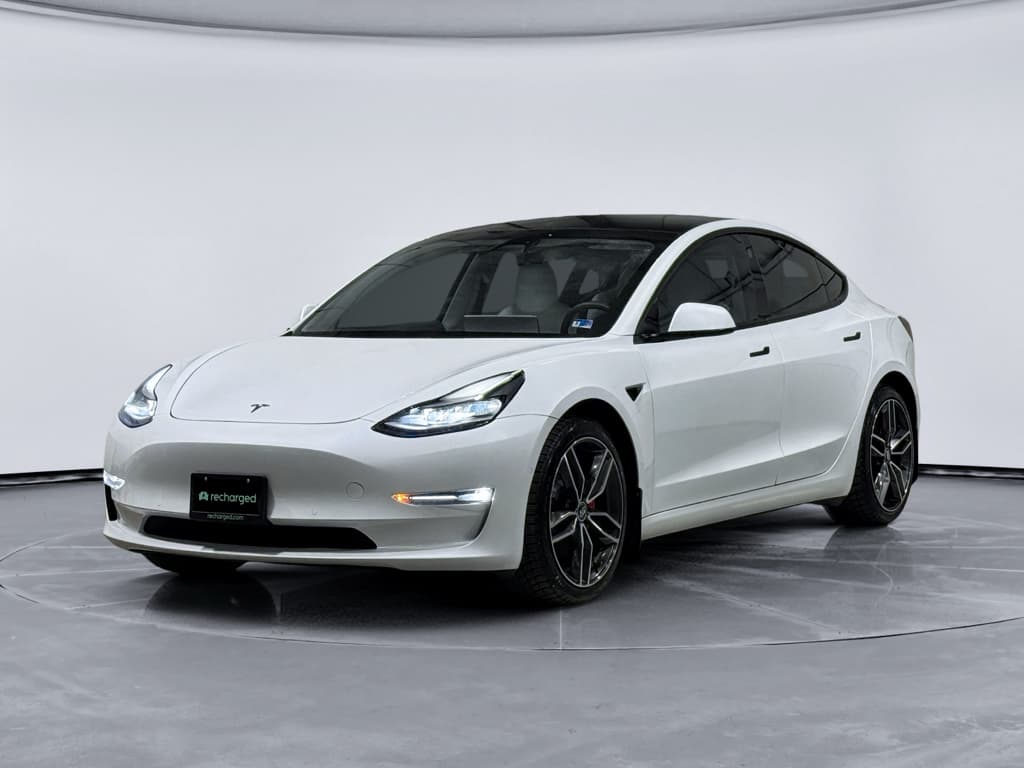
Used Tesla Model 3 prices rode a roller coaster earlier in the decade, but by 2026 many early cars from 2018–2021 have settled into the mid‑$20k to mid‑$30k range. For that money you’re getting:
- 200–300+ miles of real‑world range depending on trim and climate.
- Access to the Supercharger network, still the gold standard for reliability and simplicity.
- Over‑the‑air software updates that keep the cabin tech from feeling dated.
Model 3 value pros and cons
- Pros: Strong resale support, excellent charging network, solid battery track record, and a driving experience that still feels premium and quick.
- Cons: Stiffer ride than many crossovers, repair costs can be higher out of warranty, and build quality on some early cars is inconsistent, panel gaps and trim rattles aren’t rare.
- Tip: If your budget allows, a Long Range variant with remaining battery warranty and clean service history is the sweet spot.
Reality check on Tesla repair costs
Spotlight: Hyundai Ioniq 5 & Kia EV6 – long warranty, road-trip ready
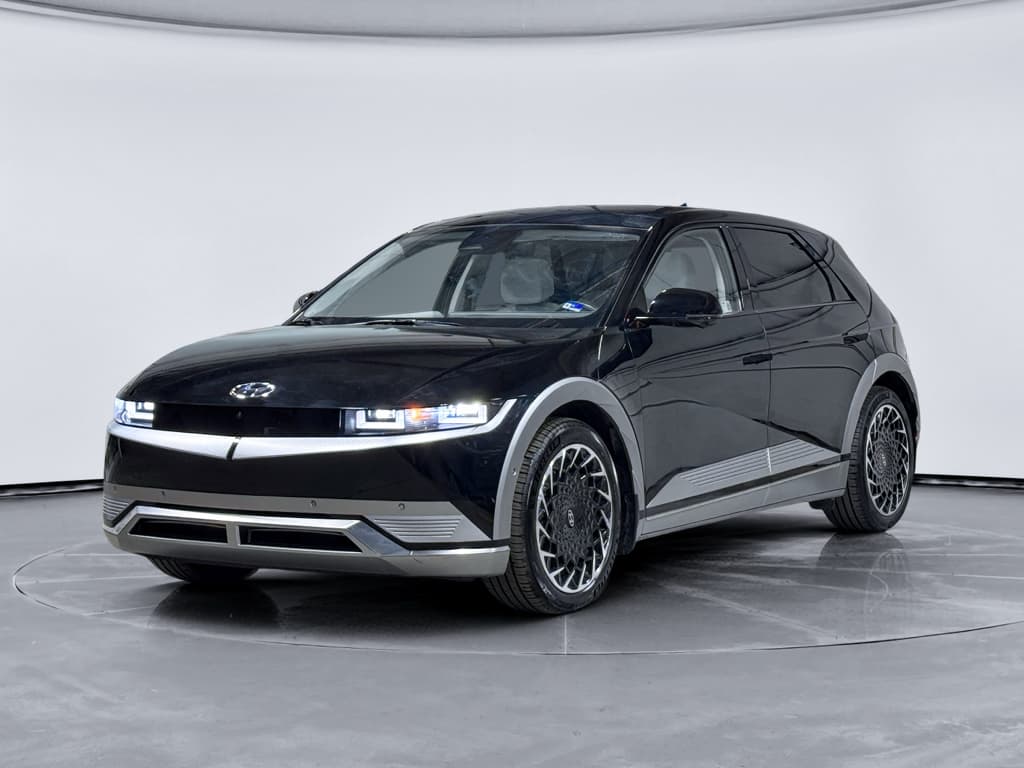
Hyundai’s Ioniq 5 and Kia’s EV6 are the poster children for the “golden age” of EV engineering: ultra‑fast 800‑volt charging, comfortable ride quality, and cabin tech that doesn’t feel like a beta test. As used buys in 2026, they have an ace up their sleeve: **10‑year/100,000‑mile battery warranties** from new in the U.S., which means many 2022–2024 examples will carry coverage well into the early 2030s.
Ioniq 5 & EV6: value snapshot for 2026 shoppers
Fast‑charging road‑trip specialists with unusually long warranty tails.
Charging & road trips
On a capable DC fast charger, these cars can add a large chunk of range in under 20 minutes. That makes them standouts if you do frequent highway travel and don’t want to live by a slow charging curve.
Warranty advantage
The long battery and powertrain warranty means a 3–4 year old Ioniq 5 or EV6 often has 6+ years of factory battery coverage left, which props up resale value but also protects you from worst‑case scenarios.
Where prices land
By 2026, early Ioniq 5 and EV6 Light/SE trims commonly sit in the high‑$20k to mid‑$30k range, depending on mileage, options, and region. You’re not bargain‑basement shopping here, but the tech and comfort justify the spend.
Spotlight: Volkswagen ID.4 – roomy crossover deal
The VW ID.4 quietly became one of the more common family EVs on U.S. roads, and depreciation has done its usual German‑car thing. A 2021 ID.4 Pro that launched north of $40,000 can easily show up in the low‑$20k range as a used buy in 2026, depending on mileage and region. That’s real crossover space and comfort for compact‑car money.
- Comfortable, quiet ride and a familiar SUV driving position that many first‑time EV buyers prefer.
- Range that’s competitive (especially in later years) and perfectly workable for suburban families.
- Improved software and infotainment in newer models; early builds had clunky interfaces and some bugs.
- Depreciation that’s already taken a big bite, making it a strong value versus a new gas SUV.
ID.4 model‑year tip
Biggest used EV bargains vs. models to approach carefully
Biggest bargains in 2026
- Chevy Bolt EV/EUV: The poster child for high depreciation, low operating costs. Great if you can live without blazing‑fast DC charging.
- Early Tesla Model 3 (2018–2020): Often undercuts newer Model 3s by thousands while offering similar range and charging. Condition is everything here, buy the best example you can find.
- VW ID.4 (2021–2022): Family‑sized practicality at compact‑car money, especially in regions where EVs are plentiful.
- Nissan Leaf (40 kWh): Dirt‑cheap urban runabout if you don’t need highway‑road‑trip capability or cutting‑edge battery chemistry.
Approach more carefully
- Early Leafs in hot climates: Older, passively cooled packs in high‑heat regions can show heavy degradation. Range and value suffer.
- Orphan models or very low‑volume imports: Parts and service can be slow or expensive, and resale may be murky.
- Flood or salvage vehicles: Tempting prices, but high risk. EVs don’t like compromised high‑voltage systems. A cheap car with hidden corrosion can become the most expensive mistake you ever make.
Never skip a battery health check
Used EV depreciation: what the numbers look like in 2026
EV depreciation has been the drama queen of the car market. After a wild ride, 2026 looks more rational. What you’ll typically see now:
- Many mainstream EVs shed roughly 40–55% of their MSRP in the first 3–4 years, then depreciation slows.
- Premium brands can fall harder in dollar terms, especially when new‑car tech leapfrogs them, but may recover some value as enthusiasts discover used bargains.
- Hatchbacks and compact sedans (Bolt, Leaf, early Model 3) often depreciate more than crossovers, because America is a nation of SUV loyalists. That’s bad news for the original owner, great news for you.
Why depreciation is your friend now
Battery health, range loss and warranties
Forget cupholders and paint colors for a moment. With a used EV, the single most important component is the battery pack. The good news: modern packs across Tesla, Hyundai/Kia, GM, VW and others have shown **low real‑world failure rates** under warranty, and most retain the majority of their range for at least 8–10 years under normal use.
Typical EV battery warranties in the U.S.
Exact terms vary by model, but these are common headline figures.
Tesla
Usually 8 years / 100,000–150,000 miles with a 70% capacity guarantee, depending on model and pack size.
Hyundai / Kia
10 years / 100,000 miles on battery and often powertrain, with a 70% capacity guarantee. A big plus for value‑focused buyers.
Most others
Commonly 8 years / 100,000 miles with around 70% capacity coverage. Always confirm the exact terms for the year and trim you’re shopping.
Range expectations in 2026
How to evaluate a used EV like an expert
7‑step checklist for picking the best value used EV
1. Start with your real range needs
List your normal daily miles, your longest regular trip, and how often you road‑trip. A 150‑mile commuter car is a bargain if you never need 300 miles; the opposite is also true.
2. Check battery warranty time and miles left
Look up the in‑service date and current odometer. A car with three or more years of battery coverage remaining is usually worth paying a bit extra for compared with a similar model that’s already out of warranty.
3. Get a real battery health report
Use first‑party tools where available, or a third‑party diagnostic like the Recharged Score battery report. You’re looking for clear State‑of‑Health (SoH) data, not just a dash estimate or seller’s opinion.
4. Verify fast‑charging behavior
If possible, review charging logs or do a short DC fast‑charge session. Some cars with abused packs or thermal issues charge more slowly than they should, which hurts long‑trip usability.
5. Inspect tires, brakes and suspension
EVs are heavy and instant torque can be hard on consumables. Uneven tire wear, tired dampers, or groaning brakes all cost money soon after purchase and should be priced in or fixed before delivery.
6. Ask about software and recalls
Make sure major software updates, battery recalls, and safety campaigns have been done. With many EVs, updated software can improve range prediction, charging behavior, and even performance.
7. Compare total cost, not just price
Factor in electricity rates, likely insurance costs, and any home charging upgrades. A “more expensive” EV with better efficiency and warranty coverage can be the true bargain over five years.
What Recharged checks for you
Why buy a used EV through Recharged
A used EV is not just a cheap gas car with a plug; it’s a rolling high‑voltage device with software, thermal management and chemistry quirks. That’s why Recharged was built around making EV ownership **simple and transparent**, especially on the used side of the market.
How Recharged helps you find real value
Not just listings, diagnostics, guidance, and delivery built for EVs.
Recharged Score battery diagnostics
Every car gets a Recharged Score Report with verified battery State‑of‑Health, charging data, and fair‑market pricing so you can compare a 50,000‑mile Bolt and a 90,000‑mile Bolt with your eyes open.
Financing & trade‑in options
Roll your used EV into a single, transparent deal with financing, trade‑in, or consignment. You can also get an instant offer on your current car and apply the value toward a better EV.
Nationwide delivery, local expertise
Shop fully digitally with nationwide delivery, or visit the Recharged Experience Center in Richmond, VA if you like to kick tires in person. EV‑specialist support walks you through charging, incentives, and ownership questions before you buy.
Ready to find your next EV?
Browse VehiclesFAQ: Best value used EVs in 2026
Frequently asked questions about 2026 used EV value
Bottom line: Finding the best value used EV in 2026
In 2026, the best value used EV is the one that lines up with your life, not the internet’s idea of status. For some buyers, that’ll be a humble Bolt that annihilates a long commute for pennies a mile. For others, it’s a Tesla Model 3 or Ioniq 5/EV6 that can swallow family road trips without turning every charging stop into a math problem. What unites the winners is simple: heavy early depreciation that you don’t have to pay for, batteries that still have plenty of healthy miles left, and charging ecosystems that are finally growing into their promise.
If you pair that reality with a clear battery health report, careful inspection, and honest total‑cost‑of‑ownership math, a used EV can be the best car‑buying decision you make this decade. And if you’d rather not decode pack voltages and charging curves on your own, letting a specialist like Recharged vet the car, score the battery, and deliver it to your driveway isn’t a bad way to start your electric era.