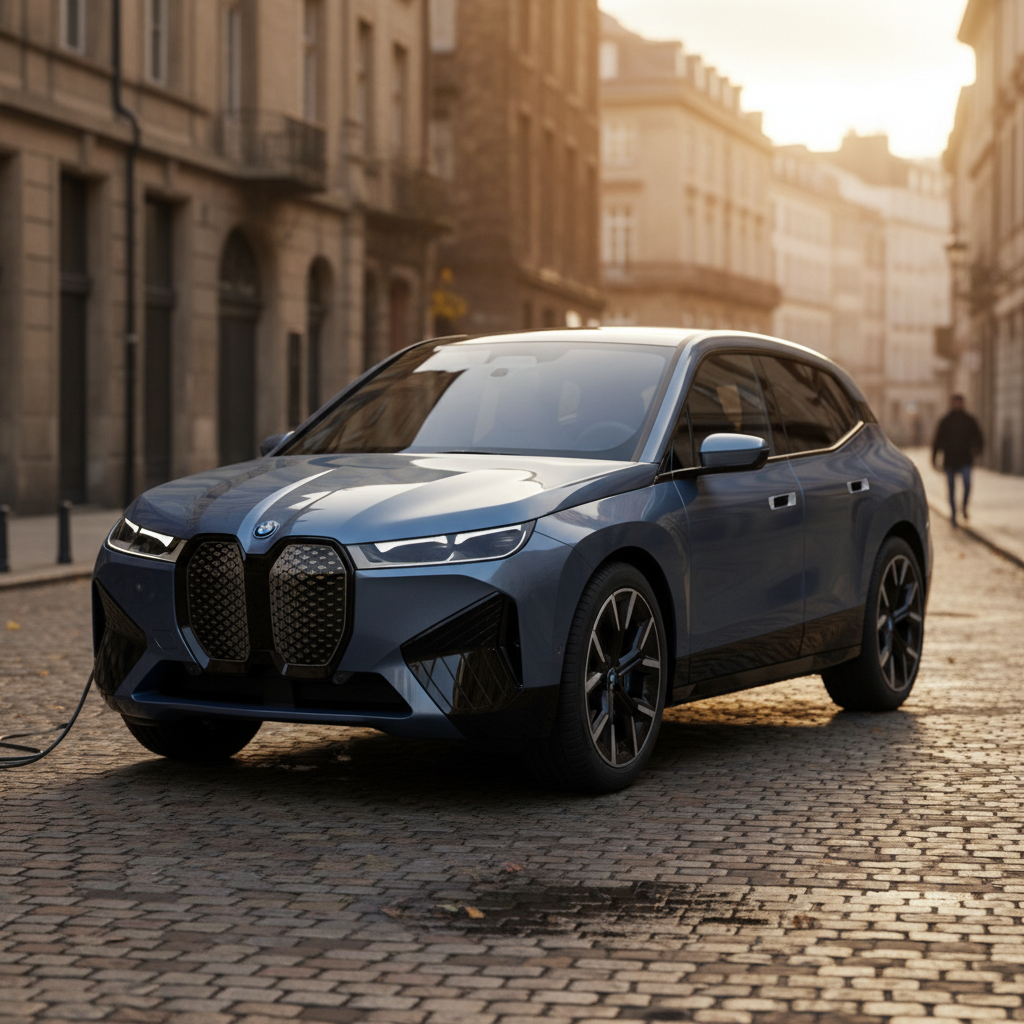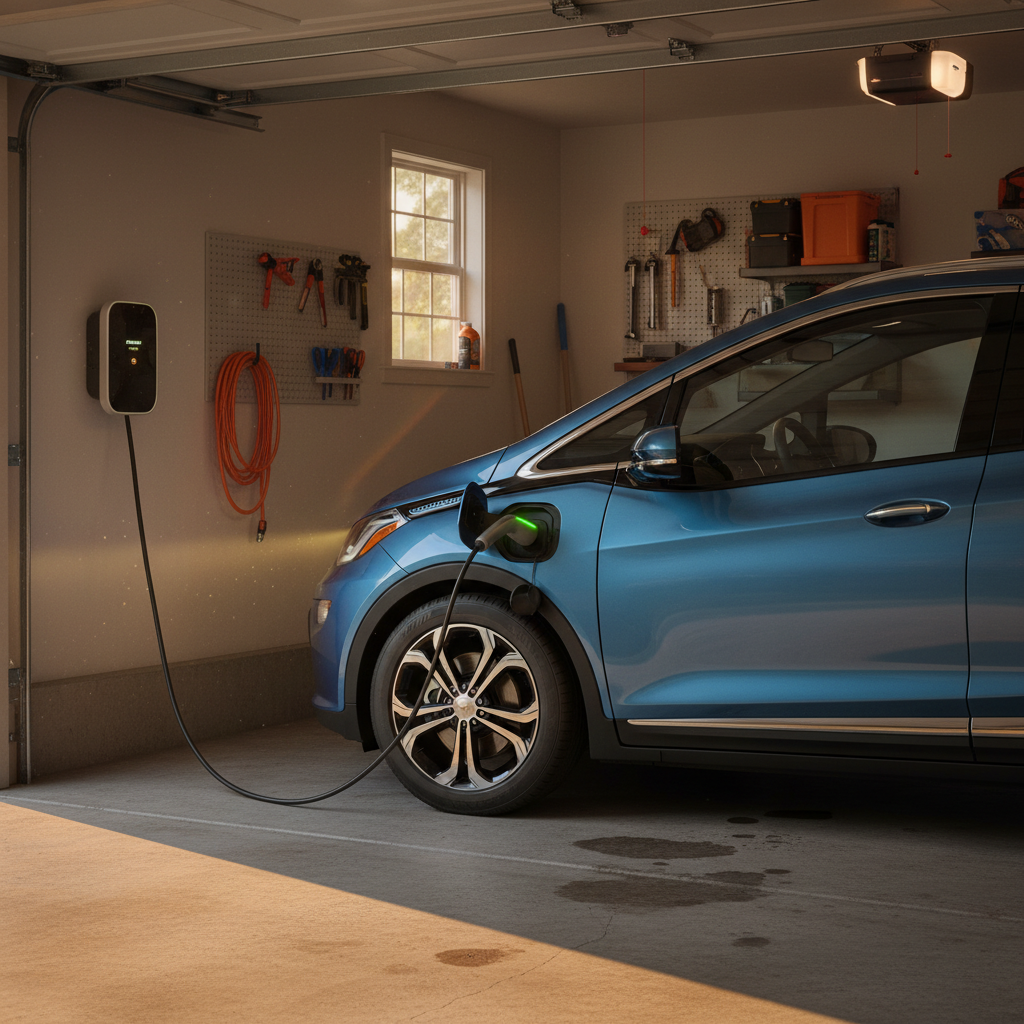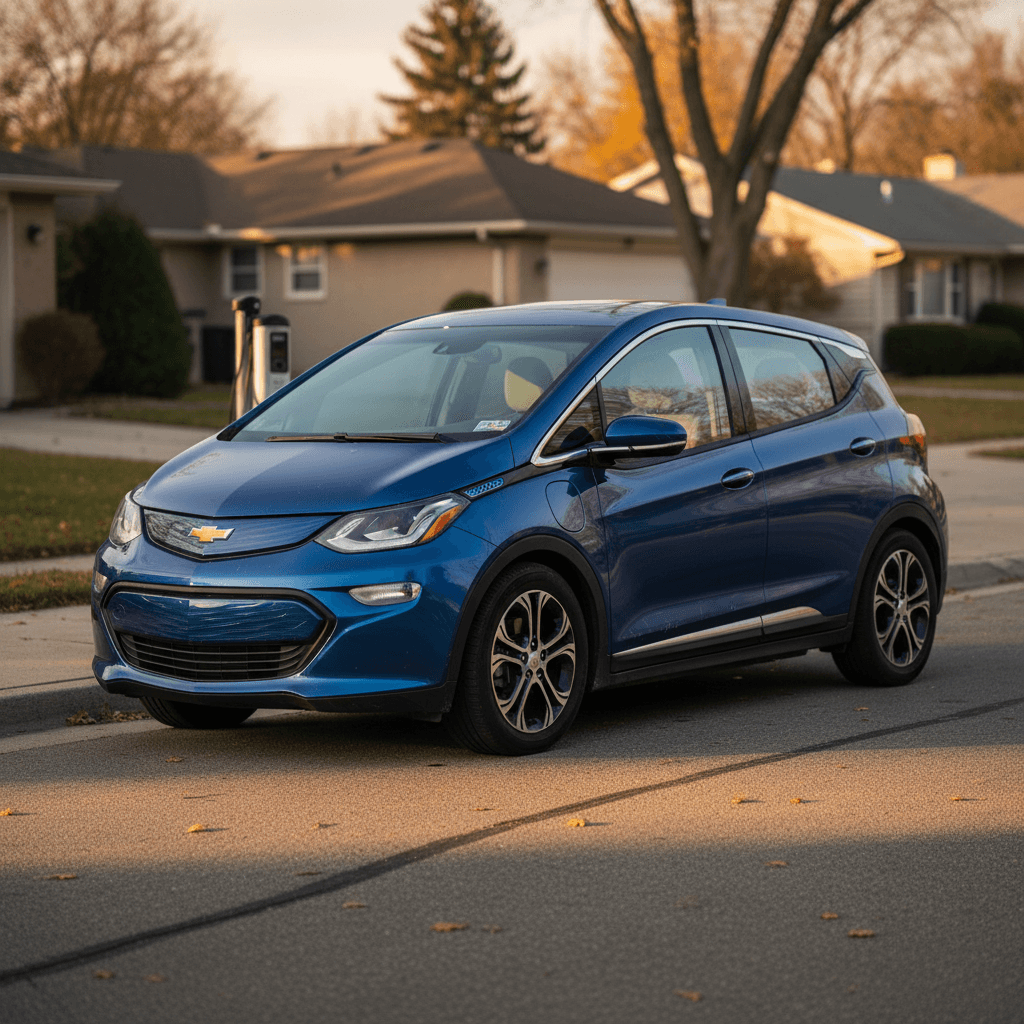
If you’re hunting for the best used EV under $30,000 in 2026, you’re shopping in the sweet spot of today’s electric market. Prices on many early EVs have fallen sharply, but battery tech has held up well on the right models, which means you can get real range, modern safety tech, and lower running costs without stretching your budget into luxury territory.
The short version
Why $30,000 Is a Smart Cutoff in 2026
Where $30,000 Sits in the 2026 Used Market
Why does that matter for you? Because $30,000 is no longer a “cheap car” number, it’s the average price of a fairly new used vehicle in the U.S. But in the EV world, that same budget can get you a better mix of tech, safety, and lifetime running costs than most gas alternatives, especially if you’re open to a 3–6‑year‑old car with solid battery health.
How We Picked the Best Used EVs Under $30K
- Typical U.S. used asking prices under $30,000 as of late 2025–early 2026 for clean-title cars with average mileage.
- EPA‑rated range when new of roughly 200 miles or better (or exceptional value if less).
- Strong reliability and battery track record, including how the pack handles real‑world aging.
- Remaining factory battery warranty where possible, or at least a good reputation for durability.
- Availability in multiple U.S. markets, not just one or two cities.
- Value per dollar: how much range, tech, and practicality you get for the price.
Where Recharged fits in
Quick Ranking: Best Used EVs Under $30,000 in 2026
Best Used EVs Under $30K in 2026 – At a Glance
Typical U.S. asking prices and headline specs for strong examples in 2026 (actual prices vary by mileage, trim, and region).
| Rank | Model (Typical Years) | Approx. Price Range (USD) | Est. EPA Range When New (mi) | Why It’s a Winner |
|---|---|---|---|---|
| 1 | Chevrolet Bolt EV / EUV (2020–2023) | $15,000–$24,000 | 247–259 | Outstanding value, great range per dollar, simple to own. |
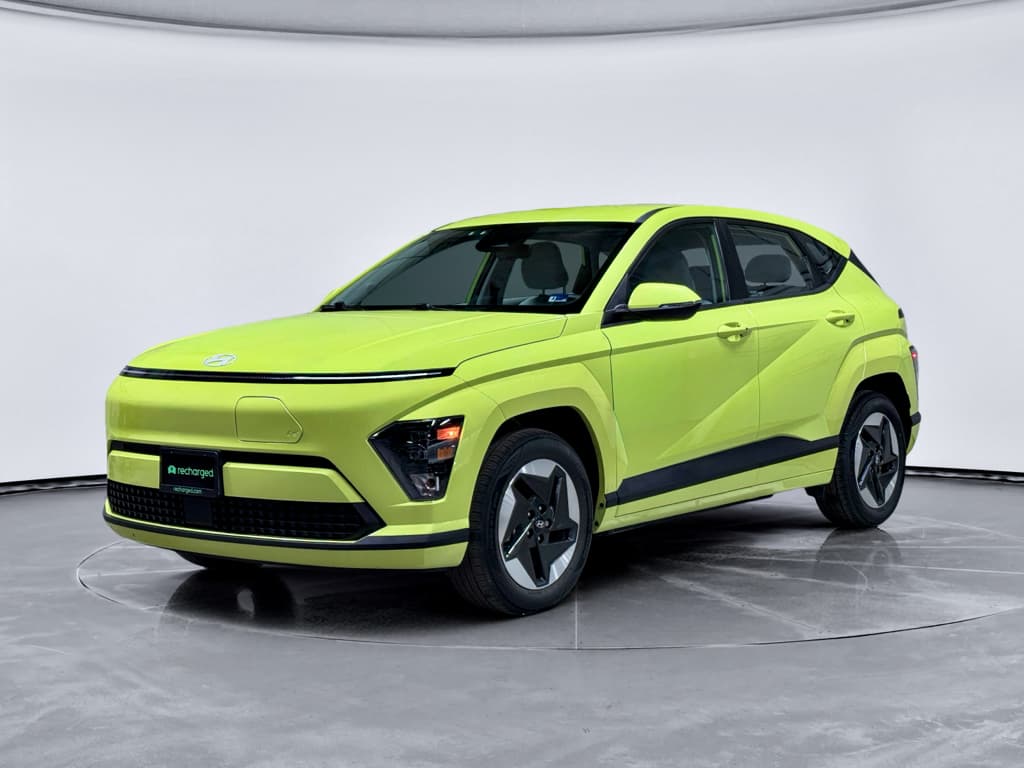
| 2 | Hyundai Kona Electric (2019–2023) | $18,000–$26,000 | 258 | Long range in a compact footprint, strong warranty support. |
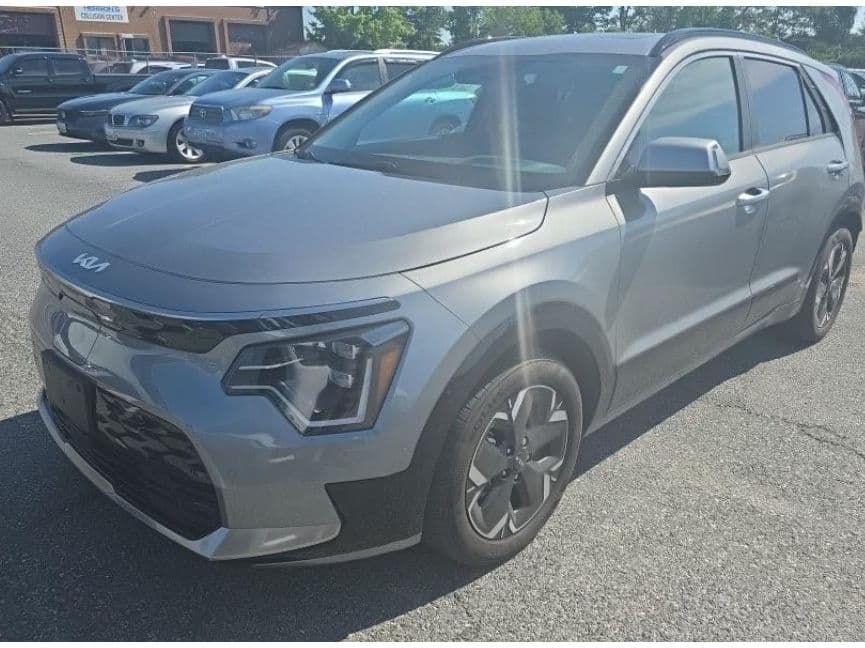
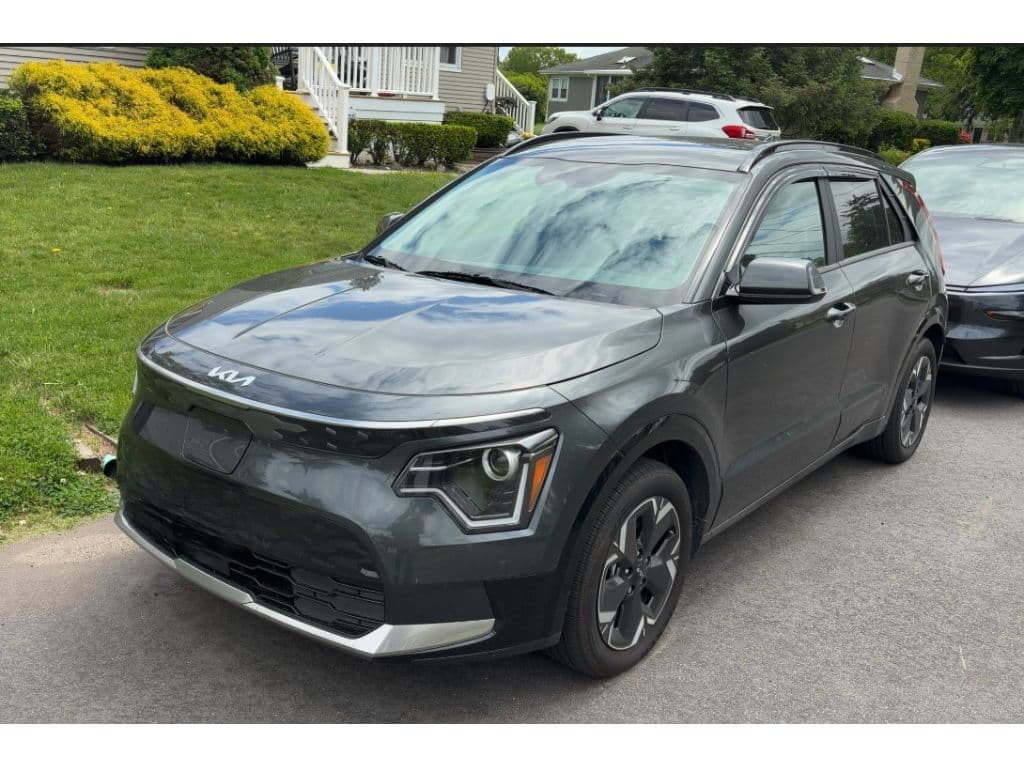
| 3 | Kia Niro EV (2019–2022) | $18,000–$25,000 | 239–253 | Practical crossover shape, efficient and comfortable daily driver. |
| 4 | Tesla Model 3 RWD / LR (2017–2020) | $20,000–$29,000 | 220–322 | Access to Tesla ecosystem, strong DC fast charging and tech. |
| 5 | Nissan Leaf Plus (2019–2022) | $12,000–$20,000 | 215–226 | Low prices, simple to drive, good if CHAdeMO still works for you. |
| 6 | Volkswagen ID.4 (2021–2022) | $23,000–$30,000 | 240–260+ | Spacious crossover, comfortable highway cruiser. |
You’ll see a lot of overlap in price bands, your best choice depends on how you value range, space, and brand ecosystem.
About price ranges
Chevy Bolt EV/EUV – Best All-Around Bargain
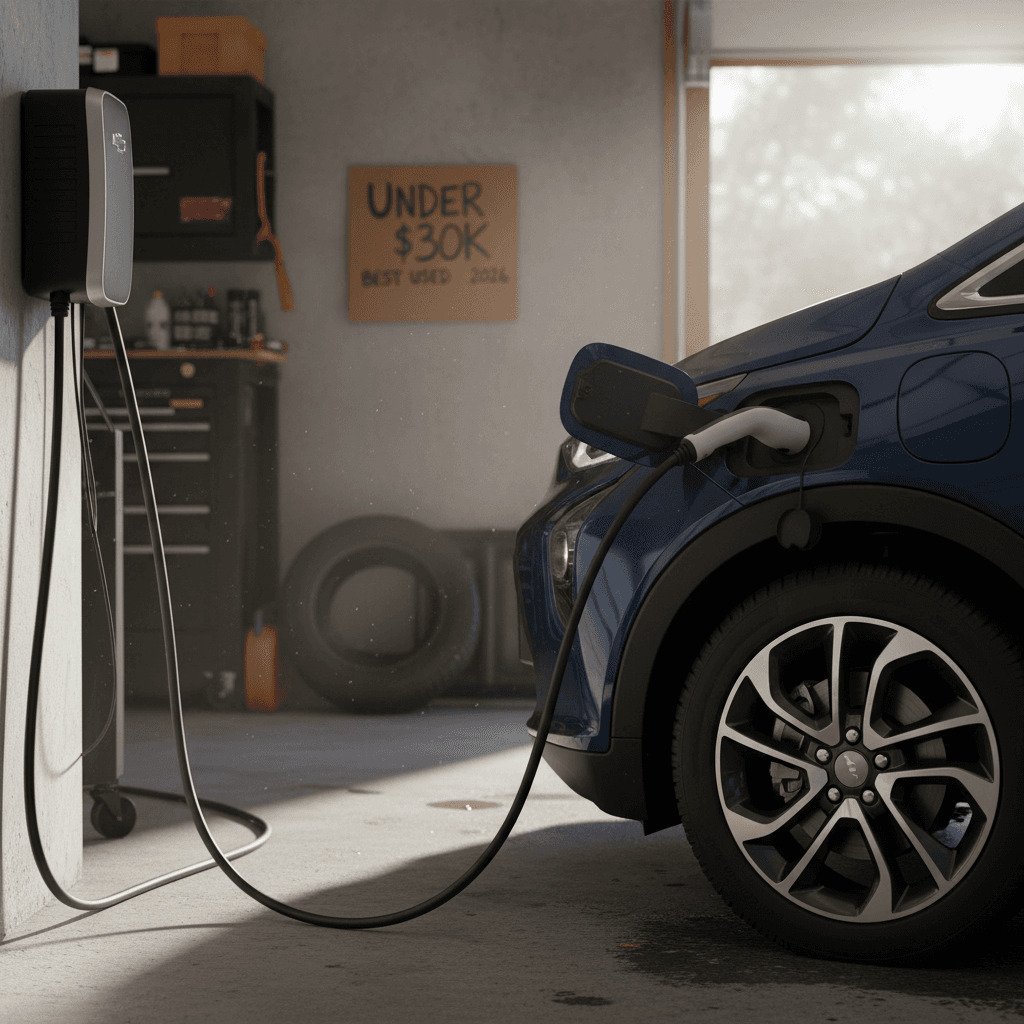
If you ask experienced EV shoppers what the best value used EV is in 2026, the Chevrolet Bolt EV (hatchback) and Bolt EUV (slightly larger crossover) are at the top of the list. GM aggressively discounted them new, then ended production, which left plenty of supply and pushed used prices into very friendly territory.
Chevy Bolt EV/EUV – What You Get Under $30K
Focus on 2020–2023 for the best mix of price, range and safety updates.
Real range for real life
Later‑model Bolts deliver an EPA‑rated 247–259 miles of range when new. Even with some degradation, most healthy packs still support typical U.S. commutes with plenty of buffer.
Simple charging setup
CCS DC fast charging and standard J1772 AC make the Bolt easy to charge at home or on public networks like Electrify America, EVgo, or ChargePoint.
Updated batteries
After the well‑publicized battery recall, most Bolts received replacement packs or comprehensive fixes. That means many now have newer packs than their model year suggests.
Best Bolt sweet spots
For a shopper with a $20,000–$25,000 budget, it’s hard to beat a well‑cared‑for Bolt. You’re getting modern safety tech, easy maneuverability, and fuel costs that can drop your “fuel” bill to tens, not hundreds, of dollars a month. On Recharged, the Recharged Score Report calls out recall status and measured battery health so you’re not guessing about the pack’s history.
Hyundai Kona Electric – Value Long-Range Hatchback
If you prefer a slightly more conventional compact‑SUV feel, the Hyundai Kona Electric is one of the best long‑range used EVs you can buy under $30,000 in 2026. Early cars are now old enough to be very affordable, but they still offer excellent range and strong warranty coverage if you choose carefully.
Why the Kona Electric stands out
- Range: About 258 miles EPA when new on most trims.
- Efficiency: One of the more frugal EVs in real‑world kWh per mile.
- Warranty: Hyundai’s 8‑year/100,000‑mile battery warranty is among the best in the business.
- Comfort: Quiet, solid on the highway for a small vehicle.
What to watch for
- Earlier U.S. cars (2019–2020) had some battery‑related recalls; make sure work was completed.
- Rear seat and cargo room are adequate but not huge; families may prefer a Niro EV or ID.4.
- Charging curve is decent but not the fastest, plan a bit more time at DC fast chargers on long trips.
Best years for most buyers
Kia Niro EV – Practical Family All‑Rounder
Need more practicality than a Bolt or Kona, but still want to stay under $30K? The Kia Niro EV (not the hybrid) belongs on your short list. It’s a compact crossover with a more upright seating position and useful cargo area without jumping into full‑size SUV territory.
Kia Niro EV – Strengths for Under-$30K Shoppers
Great for one‑car households that don’t want to give up versatility.
Right-sized crossover
Roomier than a typical hatchback, smaller than a midsize SUV. Easy to park, yet easier to live with than a subcompact EV if you have kids or pets.
Commuting & road trips
EPA range of roughly 239–253 miles when new lets you cover daily commuting and weekend trips with modest charging planning.
Comfort & refinement
Quieter and more refined than some bargain EVs, with a conventional interior layout that makes it easy to adapt from a gas car.
Used 2019–2022 Niro EVs often sit in the $18,000–$25,000 band depending on mileage and trim. If you’re shopping on Recharged, the Score Report will help you compare battery health and projected remaining range between Niro, Kona, and Bolt examples at the same price so you can see which one truly fits your lifestyle.
Tesla Model 3 – Yes, You Can Find One Under $30K
The Tesla Model 3 isn’t just an aspirational new‑car EV anymore. By 2026, plenty of early Model 3s, especially 2017–2020 rear‑wheel‑drive and some early Long Range cars, regularly list under $30,000. In some markets, high‑mileage or base‑trim cars fall closer to the mid‑$20Ks.
Why a used Model 3 is tempting
- Charging access: Direct use of Tesla’s Supercharger network without adapters, which remains the most robust DC fast‑charging network in the U.S.
- Performance: Even base trims feel quick; Long Range and Performance trims can be genuinely fast.
- Software: Over‑the‑air updates and a clean interface still feel modern in 2026.
- Resale: Tesla’s brand strength generally helps future resale value, though prices have come down recently.
What to scrutinize on an older Model 3
- Battery and motor warranties depend on year and trim, verify what’s left by VIN.
- Check for uneven tire wear, suspension clunks, and paint/trim issues, especially on early build years.
- Fast‑charging history: heavy Supercharger use isn’t a deal‑breaker, but you’ll want a real battery health readout, not just a gut feeling.
Don’t buy on brand alone
Other Solid Used EVs Under $30K to Consider
- Nissan Leaf Plus (62 kWh, 2019–2022) – Affordable and simple with 215–226 miles of EPA range when new. Best for commuters who don’t rely heavily on DC fast charging, since the CHAdeMO standard is slowly fading in the U.S.
- Volkswagen ID.4 (2021–2022) – Spacious crossover with around 240–260 miles of range and a comfortable ride. Early software quirks improved with updates; check that the latest revisions are installed.
- Hyundai Ioniq 5 (early years) – Some higher‑mileage 2022 examples are starting to approach the upper $20Ks. Outstanding 800‑volt fast charging, but availability under $30K is still hit‑or‑miss in 2026.
- Ford Mustang Mach‑E (select trims) – Certain lower‑range or high‑mileage units dip below $30K. Great style and decent space; just be realistic about the range you’re actually getting for the price.
Why you don’t see every EV here
Range & Battery Health: What Really Matters
The biggest mental hurdle when buying a used EV is almost always the battery. You’re not just buying a car, you’re buying a large, expensive energy storage system. The good news: most mainstream EV packs have aged better than many shoppers expect, especially when they haven’t been abused by heat or constant fast charging.
Key Battery & Range Signals to Check
You don’t need to be an engineer, but you do need to ask the right questions.
Displayed range at 100%
Compare the car’s full‑charge range today to its original EPA figure. A modest drop (5–15%) is normal; anything more than that deserves closer scrutiny.
Climate history
EVs living in very hot climates can see faster degradation. A lightly used car from a milder region often ages better than a high‑mileage desert commuter.
Charging behavior
Ask how the previous owner charged. Mostly home Level 2 with occasional road‑trip DC fast charging is ideal for long‑term health.
Leverage objective battery data
Financing & Total Cost of Ownership Under $30K
A $25,000–$30,000 used EV might feel like a stretch compared with a $17,000 older gas car, but your total cost of ownership can be surprisingly close, or even better, once you add fuel, maintenance, and possible incentives.
Where used EVs save you money
- Fuel: Driving 1,000 miles/month, many owners see electricity costs in the $30–$60 range, versus $120–$200 in gasoline for similar cars.
- Maintenance: No oil changes and fewer moving parts. You’re mostly budgeting for tires, brake fluid, and cabin filters.
- Incentives: If you qualify, the federal used EV tax credit (up to $4,000, income and price‑capped) can effectively drop a $24,000 car into the high teens.
Costs you still need to plan for
- Home charging: A basic Level 2 charger plus installation might run $500–$1,500, depending on your electrical panel and distance to the parking spot.
- Insurance: Some EVs cost more to insure than equivalent gas cars. Get a quote on the specific model year and trim, not just the name.
- Future resale: As new, cheaper EVs arrive, older models may continue to soften in value. Buying carefully at the right price today helps protect you later.
How Recharged can help on the money side
Ready to find your next EV?
Browse VehiclesUsed EV Buying Checklist (Do This Before You Pay)
Pre‑Purchase Checklist for Any Used EV Under $30K
1. Confirm battery warranty and health
Check the original battery warranty terms and remaining time/mileage. Use a service like the Recharged Score or a specialist inspection to measure current usable capacity.
2. Look up charging port and standard
Make sure the car’s connector (CCS, J1772, Tesla/NACS, or CHAdeMO) matches the networks you plan to use, or that adapters are readily available where you live.
3. Review charging and service history
Ask for service records and, if possible, charging history. Multiple DC fast‑charge sessions on road trips are fine; constant daily DCFC is less ideal in hot climates.
4. Inspect tires, brakes, and suspension
EVs are heavy; they can be harder on tires and suspension. Uneven wear or clunks over bumps are red flags that may indicate more spending soon.
5. Test all driver‑assist features
On cars with adaptive cruise, lane keeping, or Tesla Autopilot, confirm sensors and cameras work correctly and that there are no warning lights or disabled features.
6. Verify home charging plan
Before you buy, confirm where and how you’ll charge. Do you have a 240V outlet or panel capacity for one? Is workplace charging an option? Public‑only charging is possible, but it changes which models make sense.
Public‑charging‑only buyers: choose carefully
FAQ: Best Used EV Under $30,000 in 2026
Frequently Asked Questions
Bottom Line: Finding Your Best Used EV Under $30K
Shopping for the best used EV under $30,000 in 2026 isn’t about chasing the newest badge or the biggest screen. It’s about finding the right combination of price, battery health, range, and practicality for the way you actually drive. For many buyers, that points toward a Chevy Bolt EV/EUV, Hyundai Kona Electric, Kia Niro EV, or carefully vetted Tesla Model 3.
If you keep your budget realistic, insist on objective battery data, and think through how and where you’ll charge, a used EV in this price band can deliver years of quiet, low‑maintenance driving, and substantially lower fuel bills than a comparable gas car. Platforms like Recharged are designed to make that easier, with transparent pricing, expert EV guidance, and a Recharged Score Report on every vehicle so you can buy with confidence instead of crossing your fingers.