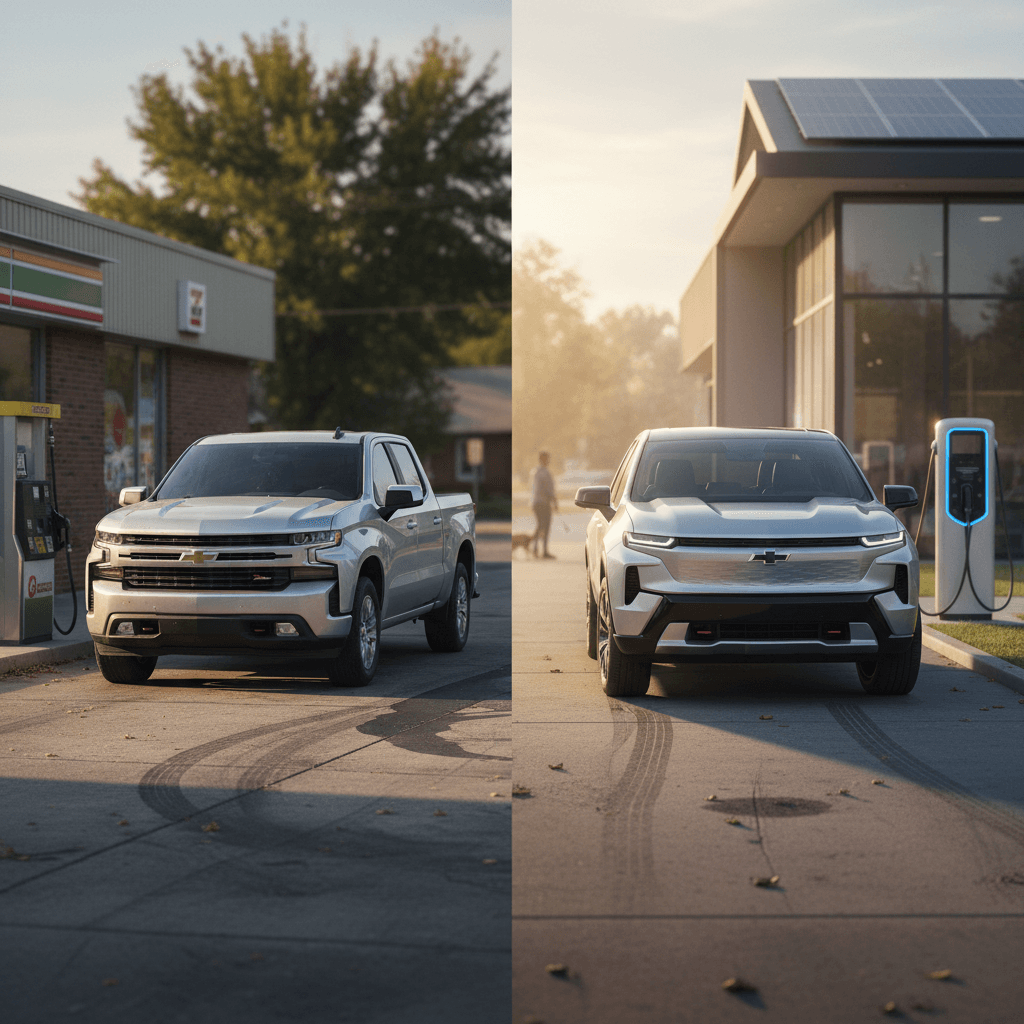
If you’re cross‑shopping a traditional Chevrolet Silverado 1500 against the all‑electric Chevrolet Silverado EV, the obvious question isn’t just “Which one do I like more?” It’s “Which one actually costs less to own over five or ten years?” That’s where total cost of ownership (TCO) comes in, and it can flip your assumptions about gas vs electric trucks.
What “total cost of ownership” really means
Why total cost of ownership matters more than sticker price
The Silverado EV is still the new, high‑tech kid on the jobsite, with a price tag to match. Many buyers glance at its MSRP, compare it to a gas Silverado, and call it a day. But over five years, fuel, maintenance and depreciation usually cost you more than the sticker ever did. AAA’s latest data pegs the average annual cost of new‑vehicle ownership at over $11,500, with depreciation and fuel as the biggest line items, especially for full‑size pickups. That’s exactly where an electric truck quietly claws back money.
What really drives pickup truck ownership costs
How we compared the Silverado and Silverado EV
To keep this practical, we’ll compare a mainstream gas Silverado 1500 4x4 to a Silverado EV WT/RST‑type truck over five years and 75,000 miles (15,000 miles per year). The exact trims and prices will vary by market and negotiation, but the cost dynamics stay broadly similar.
- Daily‑driven truck doing a mix of commuting, errands and light hauling
- U.S. average gasoline price of about $3.50 per gallon over the period
- Home charging rate around $0.15 per kWh with occasional public fast charging
- No major accidents, normal wear‑and‑tear usage
- Financed purchase (we’ll mention where cash changes the picture, but it doesn’t alter the gas vs EV gap much)
Real‑world, not lab‑perfect
Purchase price, incentives, and depreciation
Let’s talk about the painful part first: what you actually pay to get a truck in the driveway. A well‑equipped gas Silverado 1500 4x4 (LT/RST‑type trim) commonly lands in the mid‑$50,000s to low‑$60,000s out the door. Early Silverado EV RST models were nosebleed expensive, but transaction prices on WT and mid‑spec EV trims have been softening as supply improves and incentives appear.
Gas Silverado 1500
- Typical new transaction: roughly $50,000–$60,000 for a nicely equipped 4x4.
- Incentives: rebates and discounts depend on your region and timing; gas trucks often see more conventional rebates.
- Used market: deep supply; you can find 2–3‑year‑old trucks well under new MSRP.
Chevrolet Silverado EV
- Typical new transaction: early RSTs stretched toward $80,000; work‑oriented WT and 3WT trucks cluster more in the $60,000s as incentives and dealer discounts stack up.
- Incentives: some trims and buyers qualify for a federal clean vehicle credit, and many dealers effectively bake that into lease or purchase deals as a discount.
- Used market: 1‑ to 2‑year‑old Silverado EVs are already trading below new pricing, which takes the sting out of initial depreciation if you buy used.
Depreciation cuts both ways
Fuel vs electricity costs for a Silverado
Here’s where the Silverado EV quietly shines. Full‑size gas pickups are thirsty by nature; even with cylinder deactivation and 10‑speed gearboxes, many real‑world owners see 17–19 mpg combined from their V8 or turbo‑4 Silverados. By contrast, a big‑battery electric truck typically uses around 40 kWh per 100 miles in mixed driving, depending on load and weather.
5‑year fuel vs electricity cost estimate (75,000 miles)
Illustrative U.S.‑average energy cost comparison for a gas Silverado 1500 vs Silverado EV.
| Truck | Energy use | Price assumption | 5‑year energy cost (75,000 mi) |
|---|---|---|---|
| Silverado 1500 (gas) | ~3,950 gallons | $3.50 per gallon | ≈ $13,800 |
| Silverado EV | ~30,000 kWh | Effective $0.17 per kWh blended | ≈ $5,100 |
Assumes 19 mpg combined for the gas truck at $3.50/gal, and 40 kWh/100 mi for the EV at $0.15/kWh home charging with 10% of miles on pricier public fast charging averaged in.
Energy savings in plain English
Maintenance, repairs, and downtime
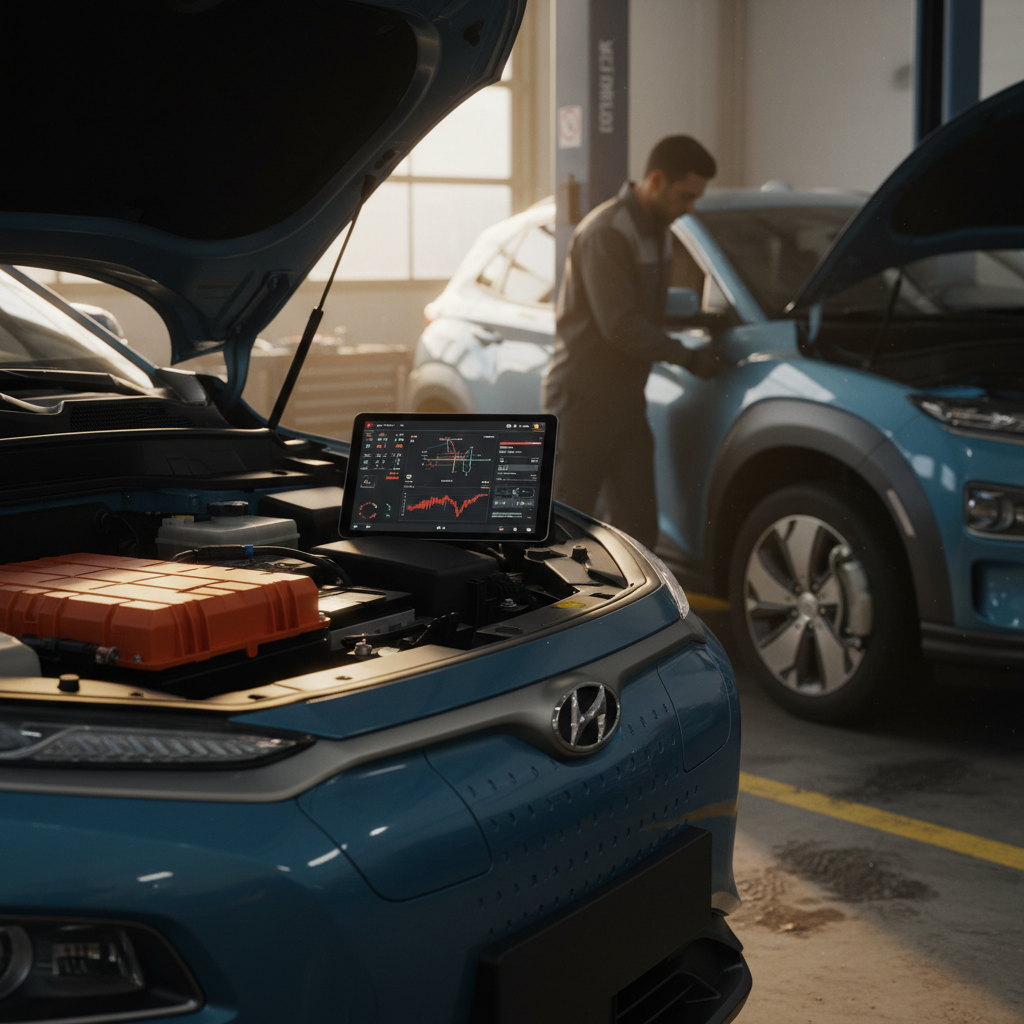
At a glance, a gas Silverado 1500 is old‑school simple: cast‑iron dependability, parts at every corner shop, any mechanic can work on it. But modern gasoline trucks are complex machines, direct injection, turbocharging, emissions hardware, 10‑speed automatics, and the bills add up over time. The Silverado EV, by comparison, deletes a huge number of service items entirely.
Gas Silverado vs Silverado EV: what you actually service
Over 5 years and 75,000 miles of mixed use
Gas Silverado 1500
- Regular oil and filter changes (2–3 per year).
- Transmission fluid service (mileage‑dependent).
- Spark plugs, belts, engine air filters.
- Exhaust and emissions components over time.
- More frequent brake service in heavy stop‑and‑go use.
Silverado EV
- No engine oil, plugs, or exhaust system.
- Single‑speed reduction gearing, far less to service.
- Brake pads last longer thanks to regenerative braking.
- Coolant service intervals for the battery/drive units.
- Tires may wear faster, instant torque is addictive.
Typical cost pattern
- Industry data shows EVs spending thousands less on maintenance over their life.
- Pickup trucks sit at the top of the maintenance‑cost charts among gas vehicles; EVs tend to sit lower.
- For a Silverado‑class truck, expect the EV to save roughly $1,500–$2,500 on maintenance over five years.
Don’t ignore tires on an EV truck
Insurance, taxes, and fees
Insurance is where the Silverado EV sometimes gives back some of its savings. Because EVs are newer, heavier, and often more expensive to repair when body or battery damage is involved, insurers may rate them higher than comparable gas trucks, especially in the first few model years. On the other hand, some states offset ownership costs with EV‑specific tax credits or reduced registration fees.
- Expect a higher comprehensive/collision premium for a brand‑new Silverado EV than for a comparable gas Silverado, especially if the EV’s MSRP is much higher.
- State and local incentives may include reduced registration fees, HOV access, or occasional rebates for installing home chargers, indirectly improving EV TCO.
- If you’re putting the truck into commercial service, a fleet‑savvy insurance agent can sometimes narrow the EV vs gas gap with tailored coverage.
Quote both trucks on the same day
5‑year Silverado vs Silverado EV TCO comparison
Let’s bundle everything into a single, simplified five‑year picture. These are illustrative numbers using recent market data and national averages; they are not quotes. The important thing is the pattern, where each truck is expensive, and where it’s cheap.
Illustrative 5‑year total cost of ownership: Silverado 1500 vs Silverado EV
Approximate 5‑year TCO for a new, well‑equipped gas Silverado 1500 vs a similarly priced Silverado EV, assuming 75,000 miles of use. All numbers are rounded for clarity.
| Cost component (5 yrs) | Gas Silverado 1500 | Silverado EV |
|---|---|---|
| Purchase price minus resale | ≈ $25,000 depreciation | ≈ $28,000 depreciation (higher early hit) |
| Fuel / electricity | ≈ $13,800 gasoline | ≈ $5,100 electricity |
| Maintenance & repairs | ≈ $5,000 | ≈ $3,000 |
| Insurance | ≈ $8,000 | ≈ $9,000 |
| Taxes & fees | ≈ $4,000 | ≈ $4,000 |
| Estimated 5‑year TCO | ≈ $55,800 | ≈ $49,100 |
Actual results will vary by trim, incentives, energy prices, and how hard you work the truck, but the relative differences in fuel and maintenance tend to hold.
Who wins on 5‑year TCO?
When a gas Silverado still makes more sense
There are still plenty of situations where the traditional gas Silverado remains the rational choice, even if the spreadsheet tilts slightly toward the EV. Total cost of ownership is not the only reason you buy a truck; it’s the backdrop.
Scenarios where a gas Silverado 1500 shines
Lower complexity, more refueling options, simpler use cases
Unpredictable long‑distance work
Heavy upfitting
Low annual mileage
TCO can’t fix a bad use case
Why used Silverado EVs are a TCO sweet spot
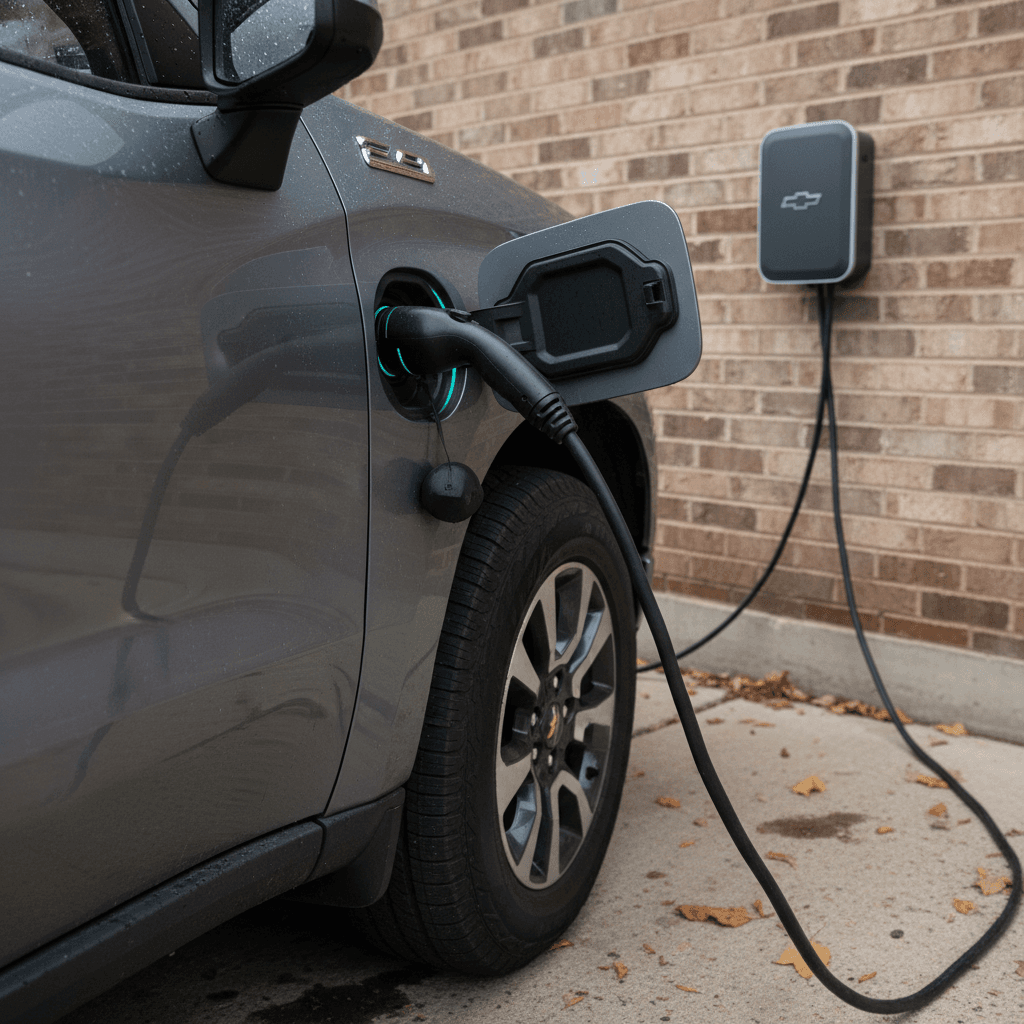
Early adopters paid a premium for Silverado EVs. As the market normalizes, that first wave of depreciation means you can now find low‑mile trucks for far less than their original sticker. From a total‑cost‑of‑ownership standpoint, that’s exactly where the math starts to look almost unfair, especially when you layer in battery health data.
How a used Silverado EV can beat a new gas truck on TCO
1. Let someone else pay the early depreciation
Buying a 1‑ to 3‑year‑old Silverado EV means the steepest part of the depreciation curve is already in the rear‑view mirror. You’re paying closer to its real market value, not the hype price.
2. Lock in lower energy and maintenance costs
Once you own the truck, the EV’s structural advantages, cheap energy, fewer moving parts, long‑life brakes, start paying you back immediately. Over another 75,000–100,000 miles, those savings compound.
3. Use battery health to de‑risk the purchase
The biggest question with any used EV is battery condition. Recharged’s <strong>Recharged Score Report</strong> includes verified battery‑health diagnostics, so you can see how the pack is actually aging on a specific Silverado EV before you buy.
4. Take advantage of modern features for longer
EV trucks tend to arrive loaded with tech, big infotainment screens, advanced driver assistance, over‑the‑air updates. When you buy used, you’re getting those higher‑end features at mid‑tier prices.
Where Recharged fits in
How to run your own Silverado TCO calculation
No online calculator knows your routes, your right foot, or your local fuel and electricity prices. To make a Chevrolet Silverado vs Silverado EV total cost of ownership decision that fits your reality, you should customize the inputs. Fortunately, you only need a handful of numbers to get meaningful results.
DIY Silverado vs Silverado EV TCO in 20 minutes
Step 1: Gather basic numbers
Get real out‑the‑door prices or quotes for the gas Silverado and Silverado EV you’re considering (new or used).
Ask dealers or use guides to estimate 5‑year resale values for each truck based on your expected mileage.
Pull your last few months of electricity bills to find your all‑in $/kWh rate at home.
Step 2: Estimate energy use
Use your typical mileage (commute, weekend hauling, road trips) to get an annual miles figure.
For the gas Silverado, divide annual miles by realistic mpg (not the window sticker) and multiply by your local fuel price.
For the Silverado EV, multiply annual miles by kWh per mile (0.4 is a good starting point for a full‑size truck) and your blended electricity rate, including some public fast charging if you’ll use it.
Step 3: Add maintenance and insurance
Get actual insurance quotes for both VINs or at least same‑trim examples with similar MSRPs.
Ask your service advisor, or search owner forums, for realistic 5‑year maintenance estimates on both trucks.
Add in any known extras: tire sets, extended warranties, upfits that won’t transfer to your next vehicle.
Step 4: Compare and stress‑test
Sum each column to get a 5‑year total for both trucks.
Run a “what if gas is $4.50?” and a “what if electricity is $0.25/kWh?” scenario to see which truck is more sensitive to energy‑price swings.
Factor in the soft costs: time saved fueling, access to HOV lanes, charging access at work, and how long you realistically plan to keep the truck.
Shortcut with an expert
Chevrolet Silverado vs Silverado EV TCO FAQ
Frequently asked questions about Silverado vs Silverado EV total cost of ownership
Bottom line: Silverado vs Silverado EV
If you strip away the marketing and the tribal arguments about engines vs electrons, the math is surprisingly straightforward. For a typical U.S. driver putting real miles on a full‑size truck, the Chevrolet Silverado EV often wins the total‑cost‑of‑ownership game over five years, thanks to much cheaper energy and lower maintenance, even when you give the gas Silverado some breaks on purchase price and repairs.
A traditional gas Silverado 1500 still makes sense if you live far from charging, tow heavy at long distances, or simply find a screaming deal on a used truck you know and trust. But if you want to keep more of your money while driving something that feels like the future, running the numbers on a new or used Silverado EV is worth your time.
When you’re ready to compare actual trucks instead of hypotheticals, Recharged can help you line up specific Silverado 1500s and Silverado EVs, walk through the TCO step‑by‑step, and back every used EV with a verified Recharged Score battery‑health report. That’s the difference between buying a truck and buying a long‑term solution that actually fits the way you live and work.