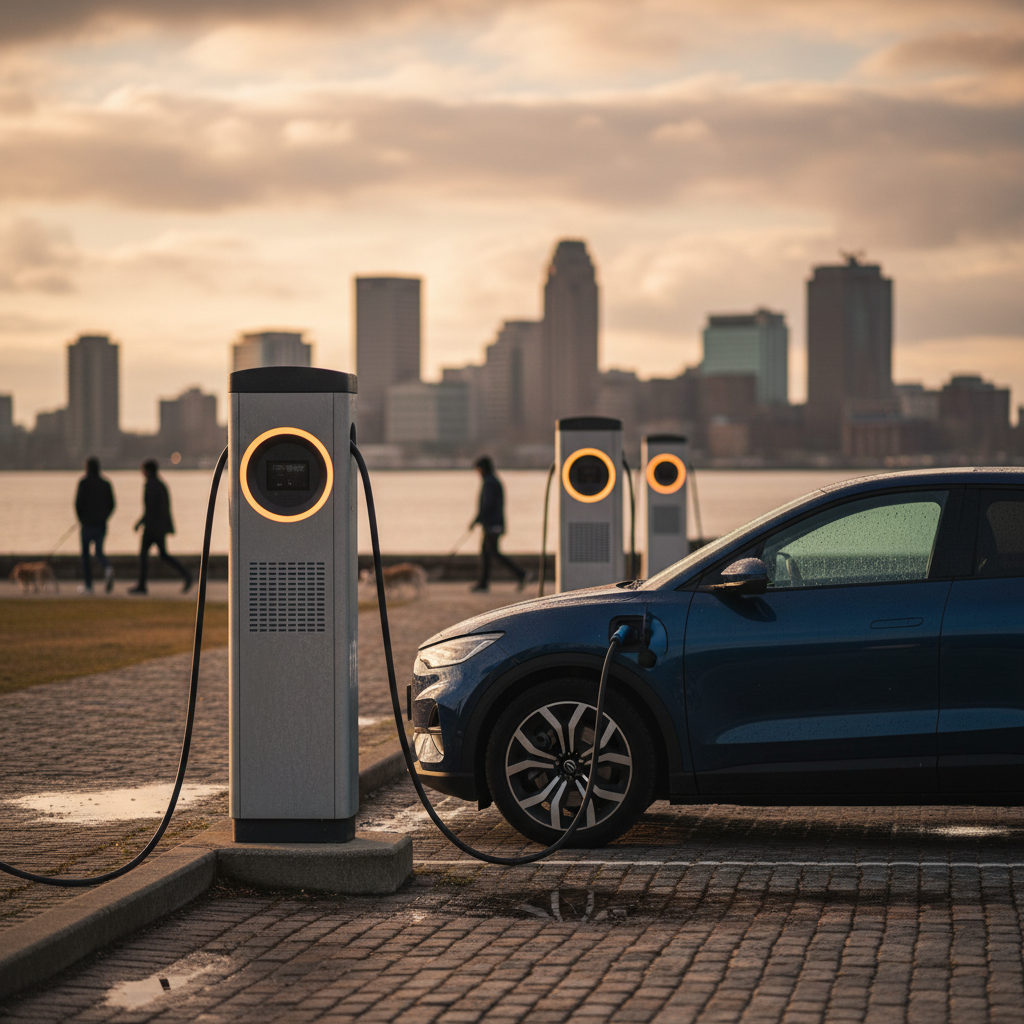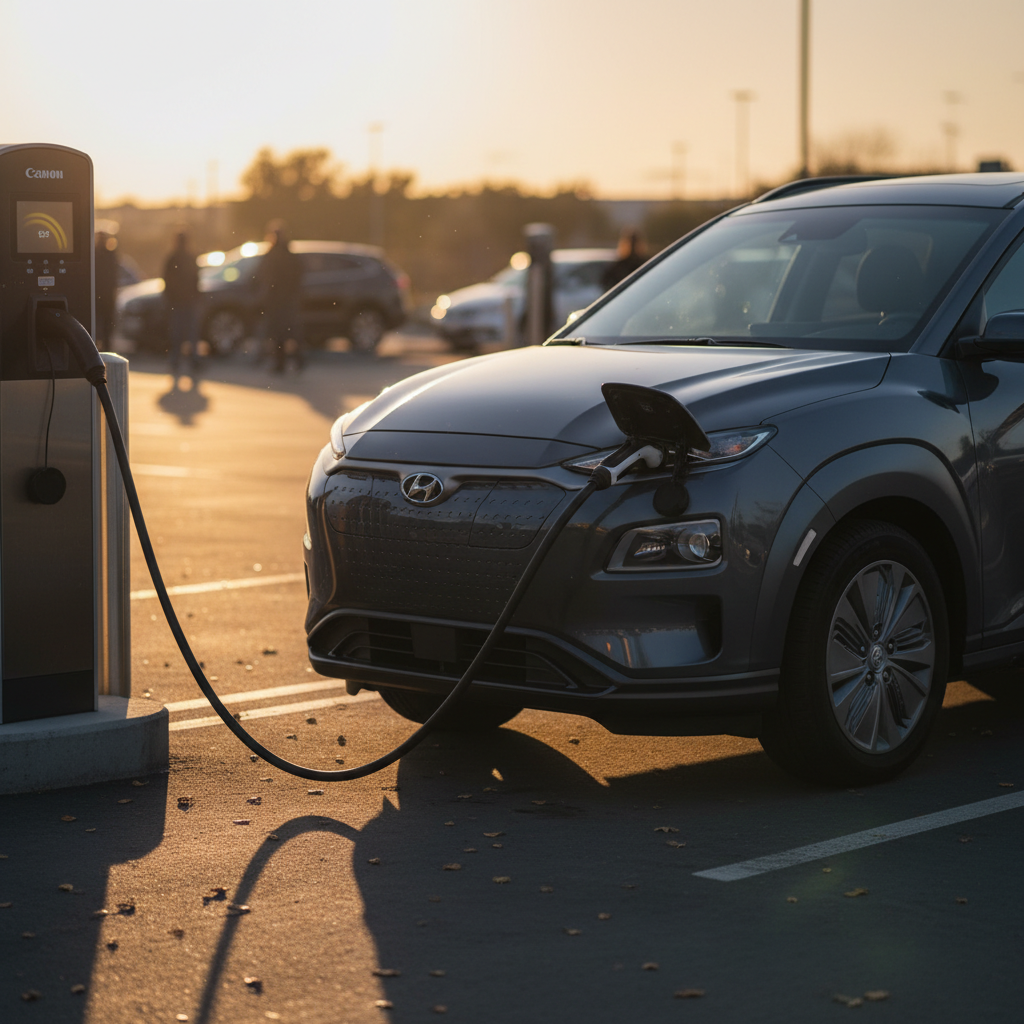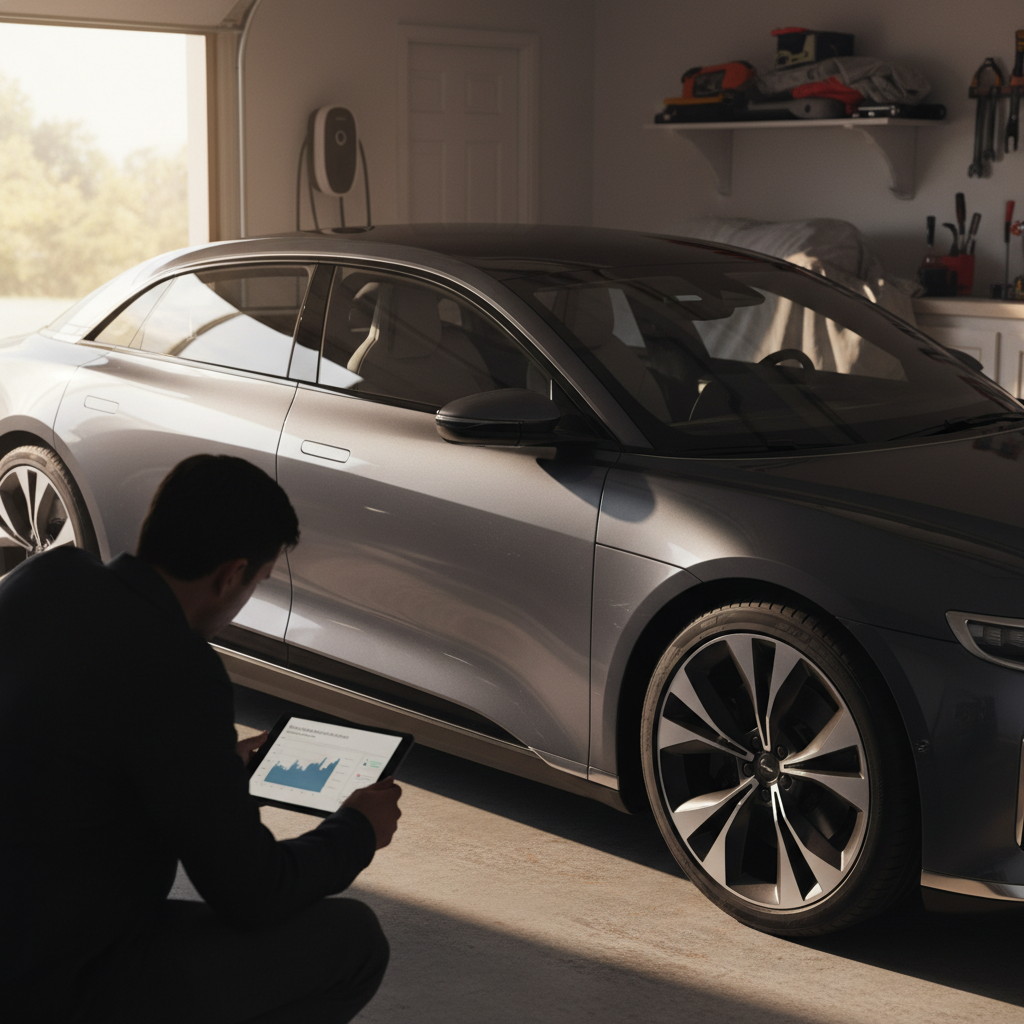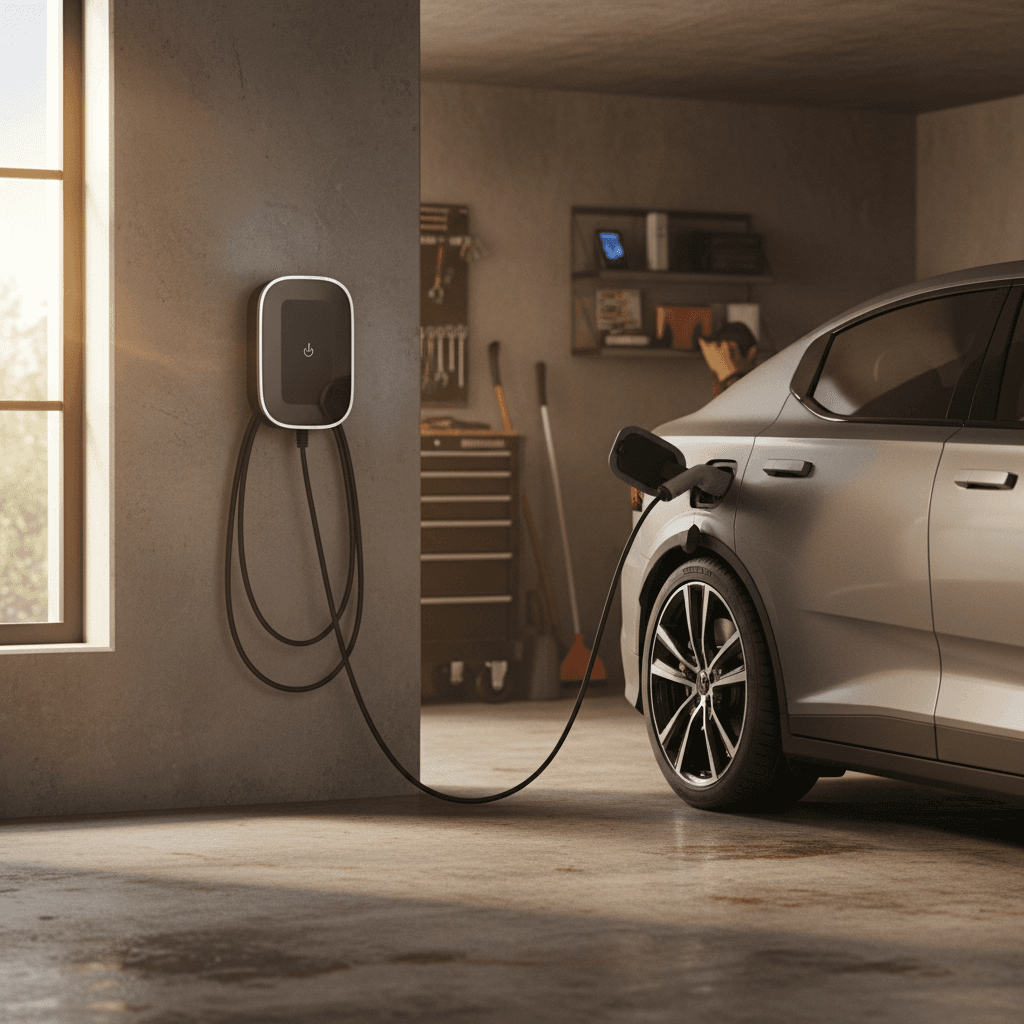
The best charger isn't necessarily the most powerful or the one with the longest feature list. It is the unit that can safely deliver the charging your routine requires without exceeding what your car or home can accept. In most cases, that means a Level 2 charger, equipment that uses a dedicated higher-voltage household circuit, selected only after an electrician evaluates the installation. For an overview of the charging levels, see Recharged's Level 1 versus Level 2 charging guide.
Which type of home EV charger fits your home?
A hardwired, adjustable Level 2 charger is the strongest all-around choice for a permanent installation, while the other formats solve more specific problems. Plug-in units are easier to remove or replace, portable equipment favors flexibility, and smart chargers provide scheduling and energy-management controls. Use the table to identify the format, not a brand, that best matches your parking and electrical setup.
Home charging formats at a glance
Compare the main choices before selecting specific hardware.
| Charger type | Best for | Main advantage | Watch for |
|---|---|---|---|
| Hardwired Level 2 | Permanent home setup | Clean, fixed connection | Professional installation |
| Plug-in Level 2 | Replaceable equipment | Easy hardware changes | Correct outlet required |
| Portable charger | Travel and backup | Flexible use | Limited daily convenience |
| Smart Level 2 | Scheduling and controls | Energy-use management | App and network support |
The final choice should be confirmed against your vehicle and electrical capacity.
Choose smart features only when they solve a real need, such as scheduled charging, usage tracking, shared-circuit management, or coordination between two EVs. A connected app doesn't make a charger faster by itself; charging speed still depends on the equipment, circuit, and vehicle. Renters should also get written permission before changing wiring or mounting permanent hardware.
Safety, compatibility, and panel capacity decide the winner
The right charger must be safety-certified, connector-compatible, weather-appropriate, and supported by your home's electrical system. Look for equipment listed by a recognized testing laboratory such as UL or ETL, rather than relying on a marketplace description alone. Check whether your EV uses NACS, the North American Charging Standard, or J1772, and confirm any adapter arrangement with the vehicle and charger manufacturers. Finally, match the installation to how quickly you actually need to replenish the battery between trips.
What to verify before you buy
Electrical capacity
Have a licensed electrician evaluate the panel, existing loads, circuit route, and need for load-management equipment.
Vehicle acceptance
Check the car's onboard AC charging capability so you don't pay for output the vehicle cannot use.
Connector and cable
Match the vehicle inlet and make sure the cable comfortably reaches the charge port without being stretched.
Installation environment
Choose hardware rated for the garage, carport, driveway, temperature, and exposure conditions where it will operate.
Safety certification
Verify the certification mark on the actual product and confirm that warranty support is available.
Useful controls
Prioritize scheduling, access control, power sharing, or load management only when those features fit your household.
An existing outlet isn't automatic approval
What does Recharged sales data mean for your charger budget?
Recharged sales data suggests that charger and installation costs should be considered as part of the complete used-EV budget, not as an afterthought. Across 1,796 EVs Recharged sold during the trailing 12 months, the median retail price buyers paid was $27,297. Among 417 EVs listed on Recharged at the snapshot date, the median asking price was $30,997. The practical takeaway is to price the car, charger, electrical work, insurance, and routine ownership needs together before deciding what is affordable.
Those retail figures cover many different EVs and do not predict what one vehicle or one charging installation will cost. They do show why it makes sense to right-size charging equipment instead of automatically buying the highest-output product. Recharged shoppers can also review how verified battery condition fits into a used-EV decision in the EV battery health guide.
Recharged data
Recent EV sold prices
$27,297
median sold price
What buyers actually paid through Recharged, not list price.
- Lowest
- $500
- Average
- $29,901
- Highest
- $129,998
Monthly median sold price
Based on Recharged sales in the last 12 months
Recharged data
Used EV prices at Recharged
$30,997
median list price
Current list prices for matching inventory at Recharged.
- Lowest
- $12,996
- Average
- $34,803
- Highest
- $146,998
Average Recharged Score on these listings
4.8 / 5
Range
3.7 – 5.0
Based on available listings
Every EV is battery-tested with a Recharged Score. Nationwide delivery.
Plan the installation before buying hardware
The installation plan should come before the charger purchase because wire routing, panel capacity, parking position, and local requirements can change which product works. Ask a licensed electrician to assess the complete path from the panel to the parking space and identify any permitting or inspection requirements. If the panel has limited spare capacity, ask whether adjustable output or automatic load management can avoid unnecessary work. For broader budgeting, review what it costs to charge an EV.
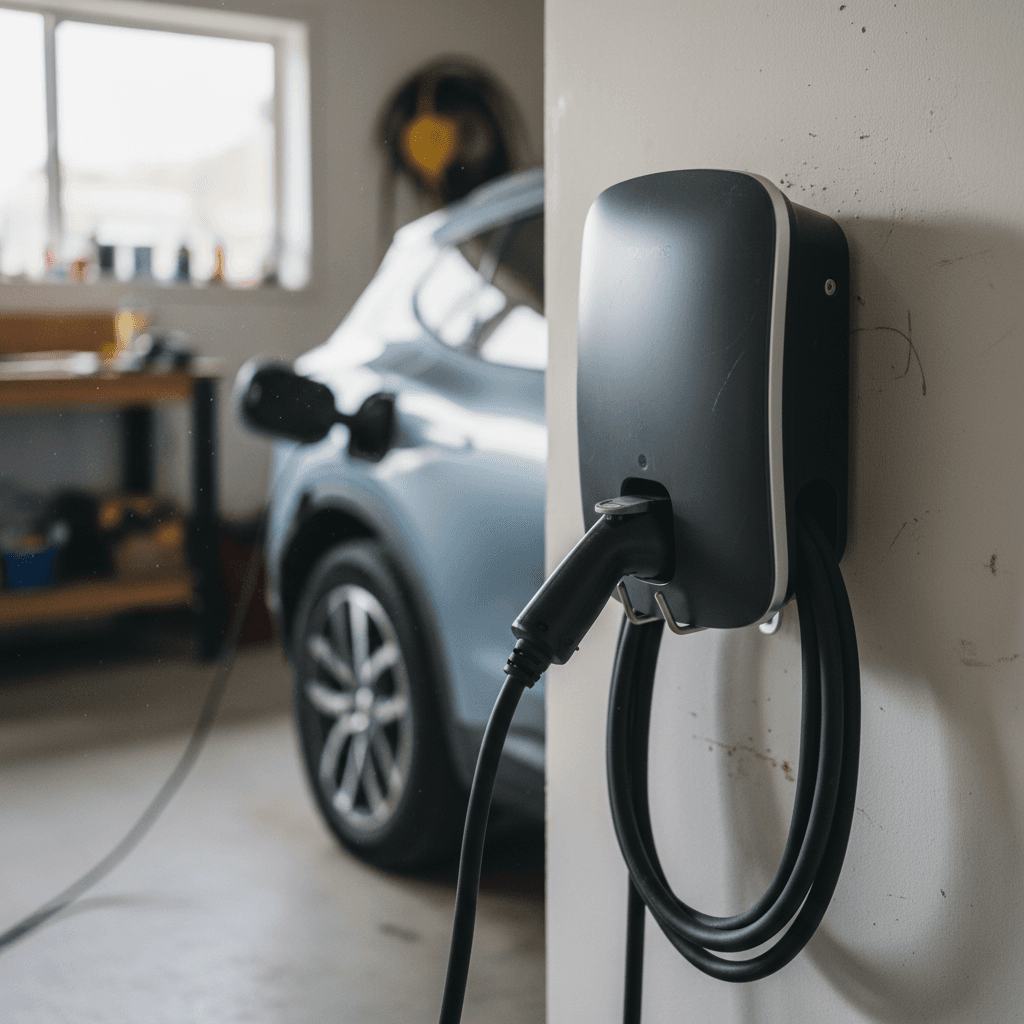
Place the charger where its cable reaches the EV's charge port without crossing a walkway or sitting under tension. Think beyond your present parking direction because a replacement EV may place its charge port elsewhere. If outdoor charging is necessary, select hardware and mounting arrangements specifically suitable for that environment.
Instant offer, trade-in, or consignment. Pickup available.
Home EV charger FAQ
The best choice is the one your home can support
The best home EV charger is a properly certified unit matched to your car, panel, parking space, and daily mileage, not simply the product with the largest advertised output. Start with an electrical assessment, then choose between hardwired, plug-in, portable, and smart equipment. Prioritize dependable support and useful controls over features you won't use. If you're still choosing a vehicle, Recharged's used-EV buying guide can help you evaluate the car and its charging needs together.