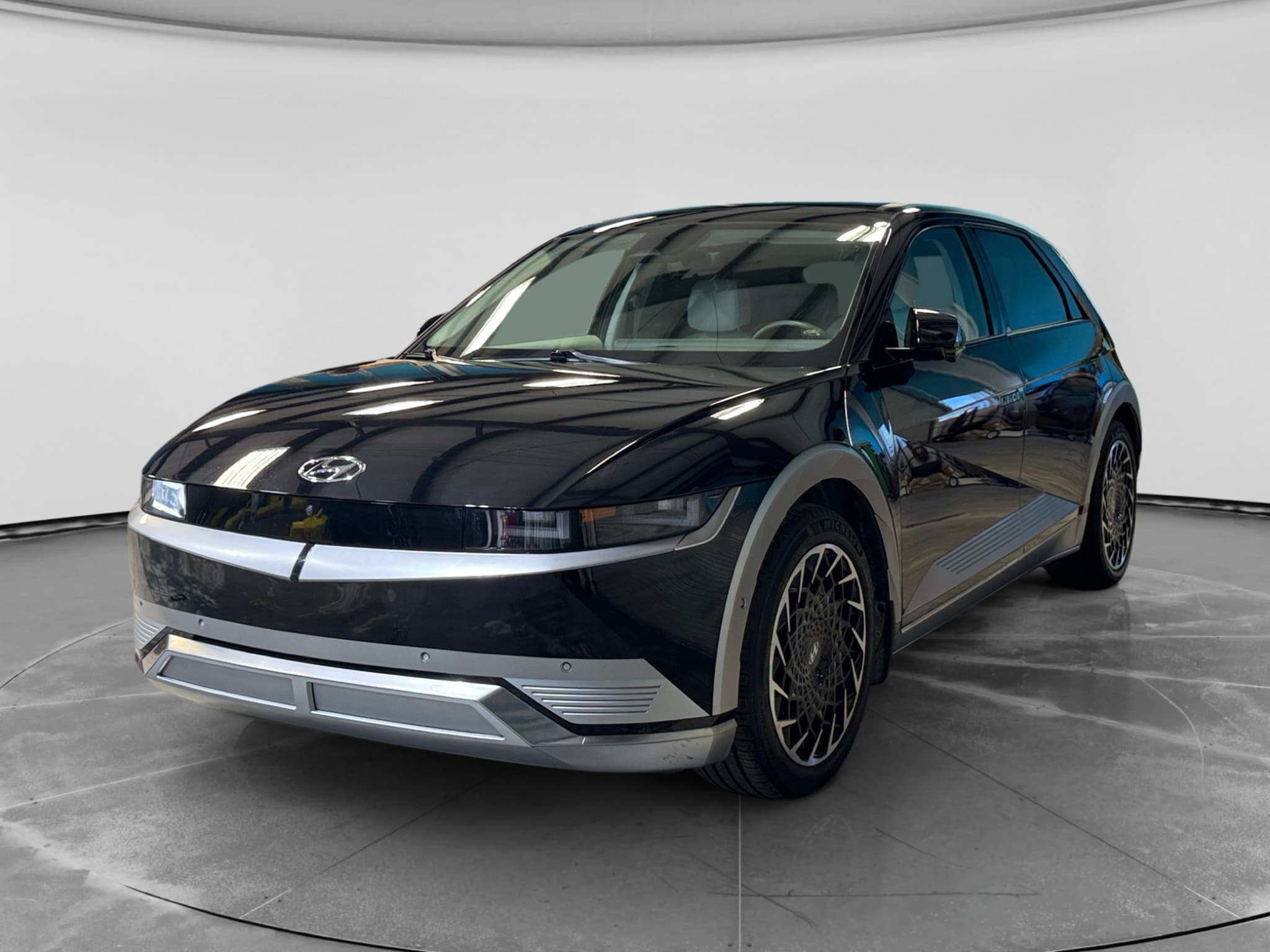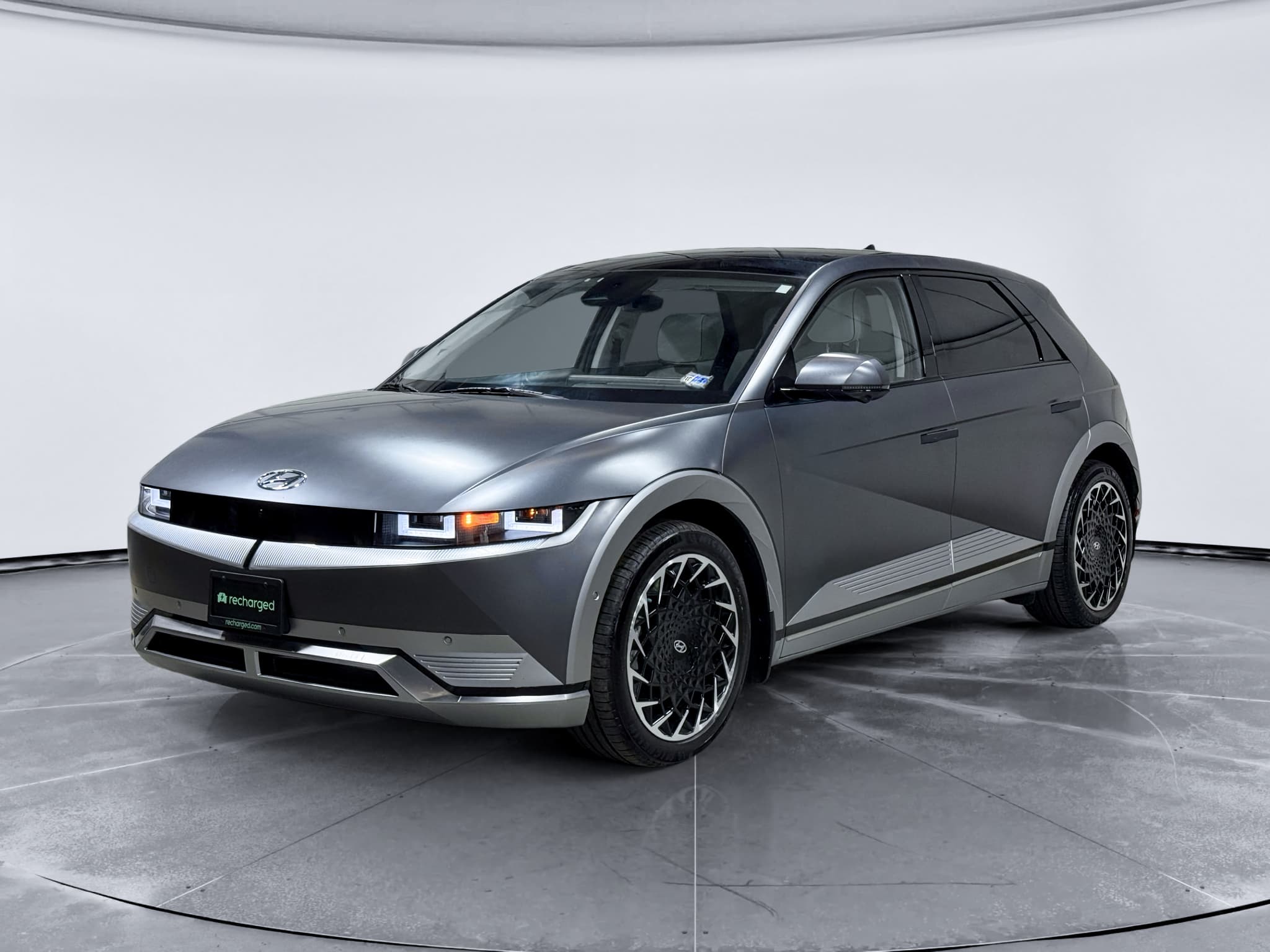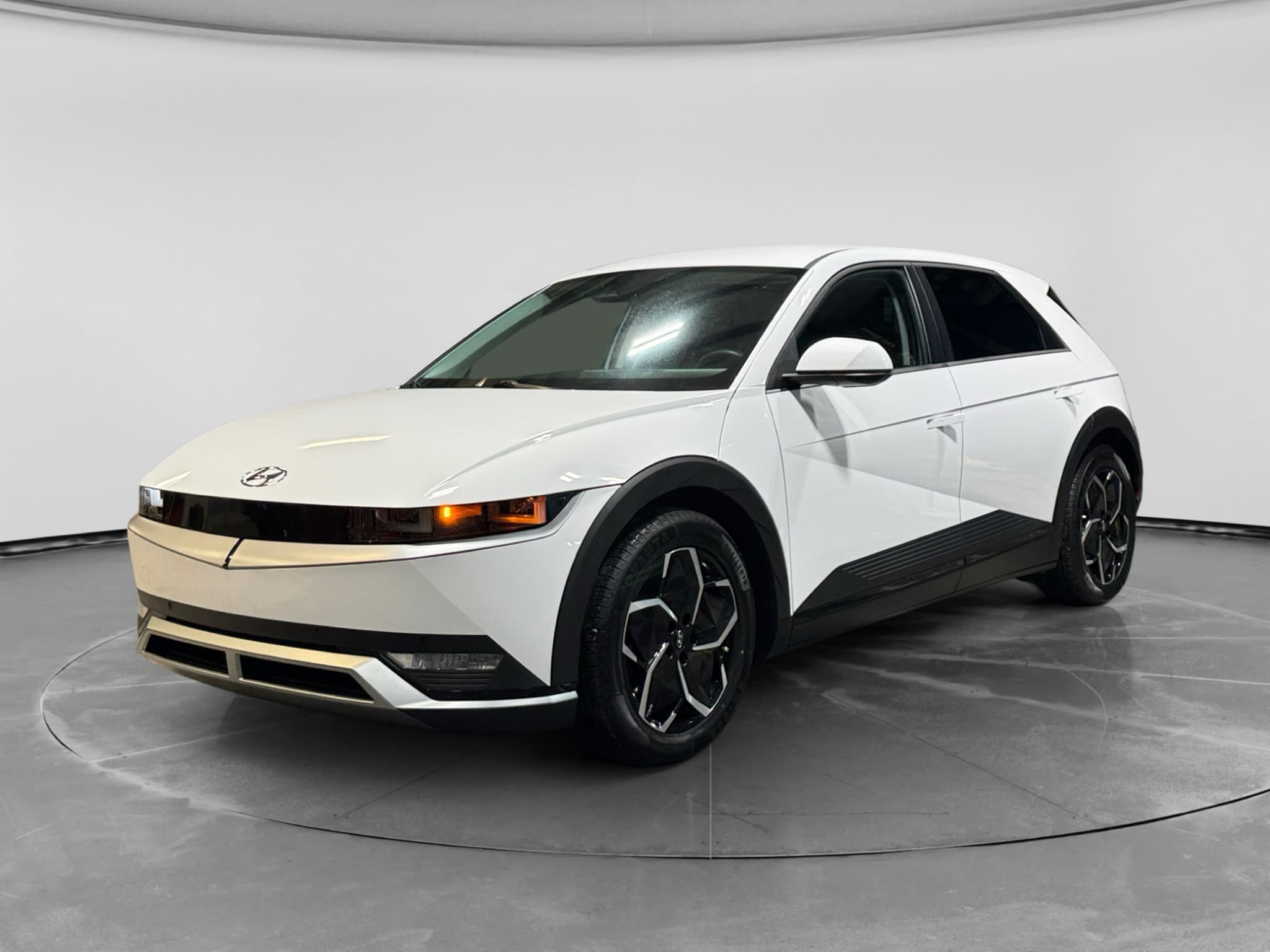
Who should buy a used IONIQ 5?
A used IONIQ 5 makes the most sense if you value a spacious cabin, flexible storage, and strong verified battery results. It can work especially well for commuting and family use, provided its tested range fits your routine and you have a dependable charging plan. Buyers who cannot conveniently charge or who need predictable performance on frequent long trips should examine the specific car and their regular routes more carefully. Start with the broader used-EV buying process, then judge each IONIQ 5 by its inspection report rather than its appearance or odometer alone.
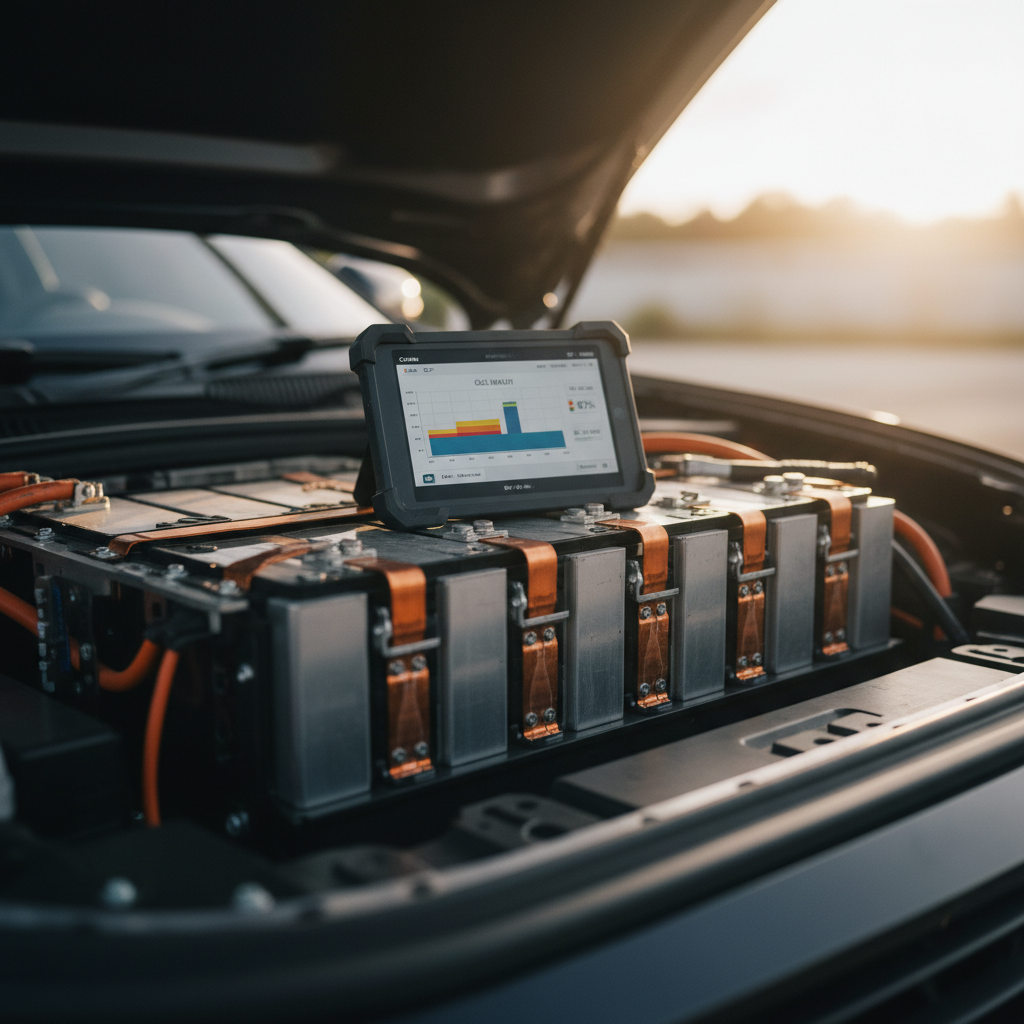
Our battery checks are why we tell shoppers to compare the tested car, not just the model name. The IONIQ 5 results are strong overall, but the individual report is what you’re buying.
What Recharged data says
Recharged data shows strong battery capacity across a sizable group of inspected Hyundai IONIQ 5s. In 229 Recharged Score battery diagnostics, tested remaining capacity averaged 98% of original capacity, with a 100% median and an observed range from 88% to 100%. Tested real-world range averaged 265 miles, with individual results running from 220 to 318 miles. That spread makes the specific vehicle’s battery-health and range report more useful than a model-wide assumption.
Current Recharged asking prices also show a meaningful selection across the used market. Among 34 matching listings in the snapshot, prices averaged $28,560 and had a $28,126 median, with asking prices from $23,598 to $34,498. A lower price is not automatically the better value because mileage, equipment, physical condition, tested range, and battery capacity can differ. Compare those factors together before deciding what a particular car is worth to you.
The data-backed takeaway

Recharged data
Used Hyundai Ioniq 5 battery health
98%
avg remaining capacity
From Recharged battery inspections, not manufacturer estimates.
- Lowest
- 88%
- Median
- 100%
- Highest
- 100%
- Est. range
- 265 mi avg
- Cell balance pass
- 100%
- Quick charges
- 24 avg
- Slow charges
- 74 avg
Average cell imbalance: 3.0 mV
Based on vehicles Recharged tested
Recharged data
Used Hyundai Ioniq 5 prices at Recharged
$28,126
median list price
Current list prices for matching inventory at Recharged.
- Lowest
- $23,598
- Average
- $28,560
- Highest
- $34,498
Average Recharged Score on these listings
4.9 / 5
Range
4.7 – 5.0
Based on available listings
Every EV is battery-tested with a Recharged Score. Nationwide delivery.
The cabin is a practical strength
The IONIQ 5’s open cabin layout is one of its clearest everyday advantages. Recharged team walkarounds highlight the open area around the center console, where bags, bottles, snacks, and other daily items can fit without a large fixed console occupying the space. The team also found useful rear-seat room and a spacious trunk, making an in-person cargo and passenger-fit test worthwhile. Forward Collision-Avoidance Assist and Lane Keeping Assist have appeared on vehicles the team demonstrated, but you should verify the exact equipment on any car you’re considering.
The open area around the center console makes the cabin feel larger and gives you useful space for the things people actually carry every day. It’s a detail worth experiencing in person.
Choose the car around your priorities
The right used IONIQ 5 depends more on your driving pattern than on finding the lowest advertised price. Decide whether tested range, purchase price, family space, or equipment matters most before comparing listings. Then use the same priority across every vehicle so attractive photos or optional features do not distract from your main requirement.
Match the vehicle to your use
Use these priorities to narrow the field before inspecting individual cars.
| Buyer profile | Prioritize | Verify | Overall fit |
|---|---|---|---|
| Daily commuter | Price and tested range | Home-charging access | Strong |
| Frequent road-tripper | Higher tested range | DC charging session | Needs route planning |
| Family buyer | Cabin and cargo room | Child-seat and luggage fit | Strong |
| Feature-focused buyer | Desired equipment | VIN-specific feature list | Compare carefully |
Always verify the equipment and diagnostic results of the specific vehicle.
What should you inspect before buying?
You should inspect the battery, charging system, tires, body, equipment, and vehicle history before committing. A conventional mechanical inspection remains useful, but an EV also needs a diagnostic that reports tested remaining capacity and usable range. Review the complete used-EV inspection checklist and make sure the findings belong to the exact vehicle being offered. If a seller cannot document the battery result or let you test charging, treat that uncertainty as part of the car’s cost and risk.
Used IONIQ 5 pre-purchase checklist
Read the battery report
Confirm tested remaining capacity and real-world range for the individual car, not a model-wide estimate.
Test both charging methods
Confirm normal charging operation and, when practical, complete a DC fast-charging session before purchase.
Inspect the tires
Check tread depth, even wear, matching specifications, and how soon replacement may be needed.
Review history and body condition
Look for collision repairs, paint inconsistencies, underbody damage, warning lights, and incomplete service records.
Verify every feature
Test the driver-assistance systems, displays, cameras, climate controls, keys, charging cable, and other included equipment.
Check VIN-specific recall status
Use the vehicle identification number to confirm whether any applicable recall work remains open.
Plan for charging and total cost
Your budget should include more than the advertised purchase price. Account for taxes and registration, insurance, financing, tires, and any charging equipment or electrical work your home may need. If home charging is part of the plan, understand the difference between a standard outlet and Level 2 charging, which uses a higher-powered home circuit; the home EV charging guide explains the setup. Compare the total amount financed and monthly obligation rather than focusing only on the payment shown in an advertisement.
Do not count on a federal EV tax credit
Instant offer, trade-in, or consignment. Pickup available.
Used Hyundai IONIQ 5 FAQ
The verdict
A used Hyundai IONIQ 5 is a strong candidate when its verified battery health, tested range, condition, and asking price align with your needs. Recharged’s diagnostics show excellent average remaining capacity across 229 inspected examples, while the broad price and range results make careful vehicle-by-vehicle comparison essential. Buy the report and condition, not merely the model name or the lowest listing price.