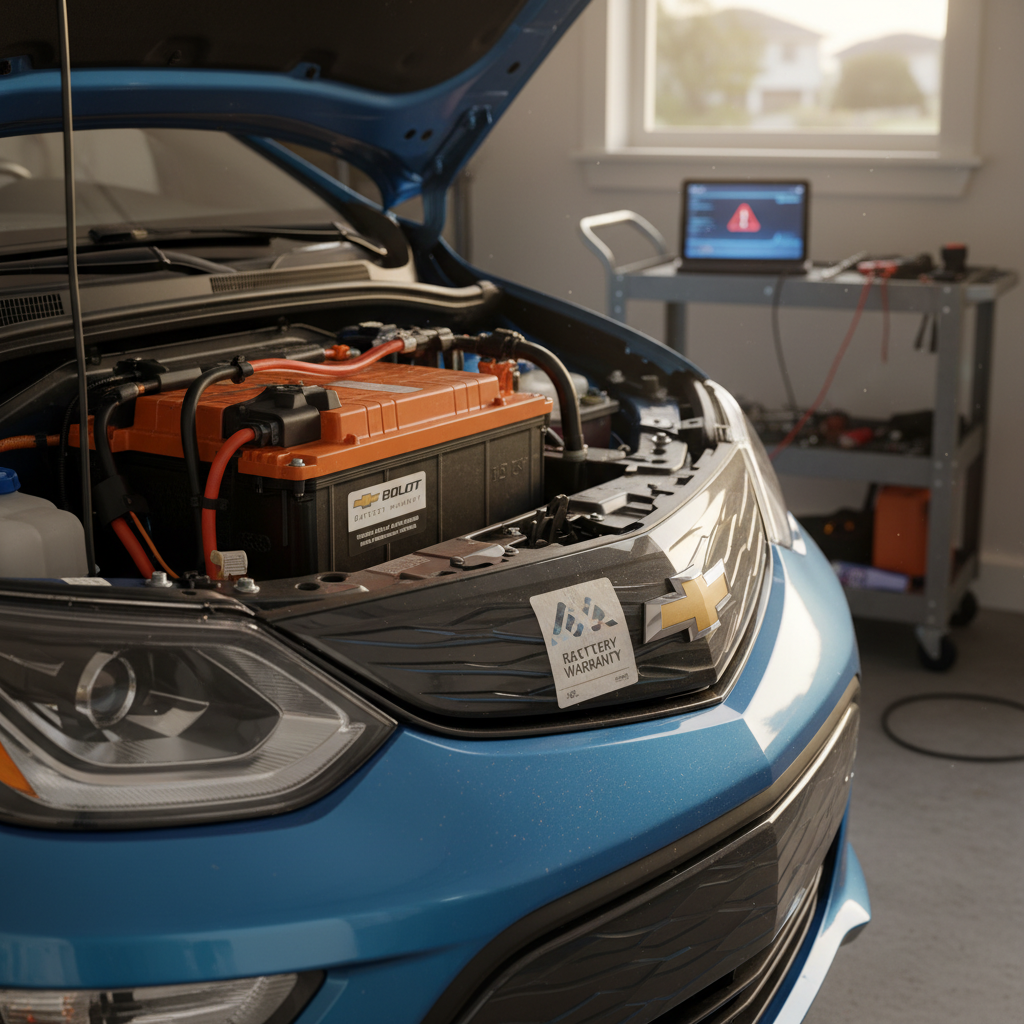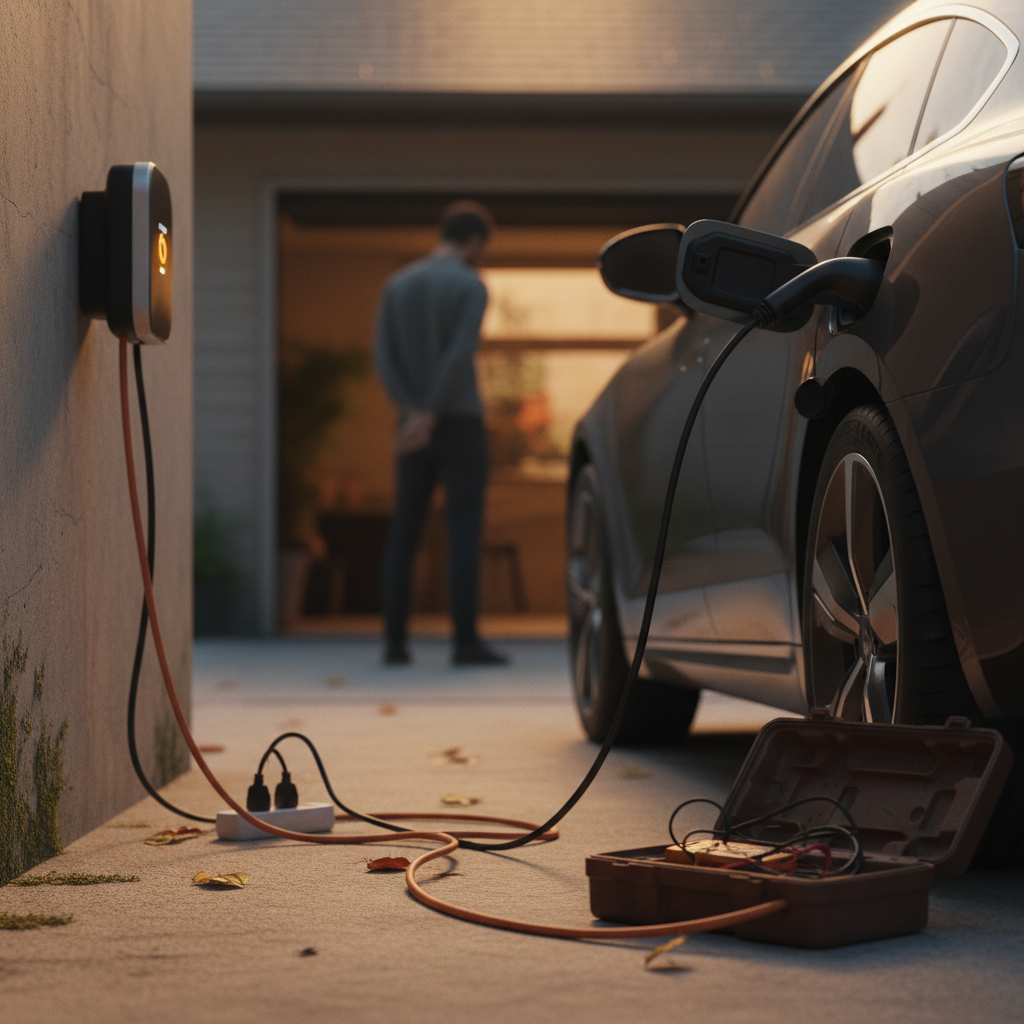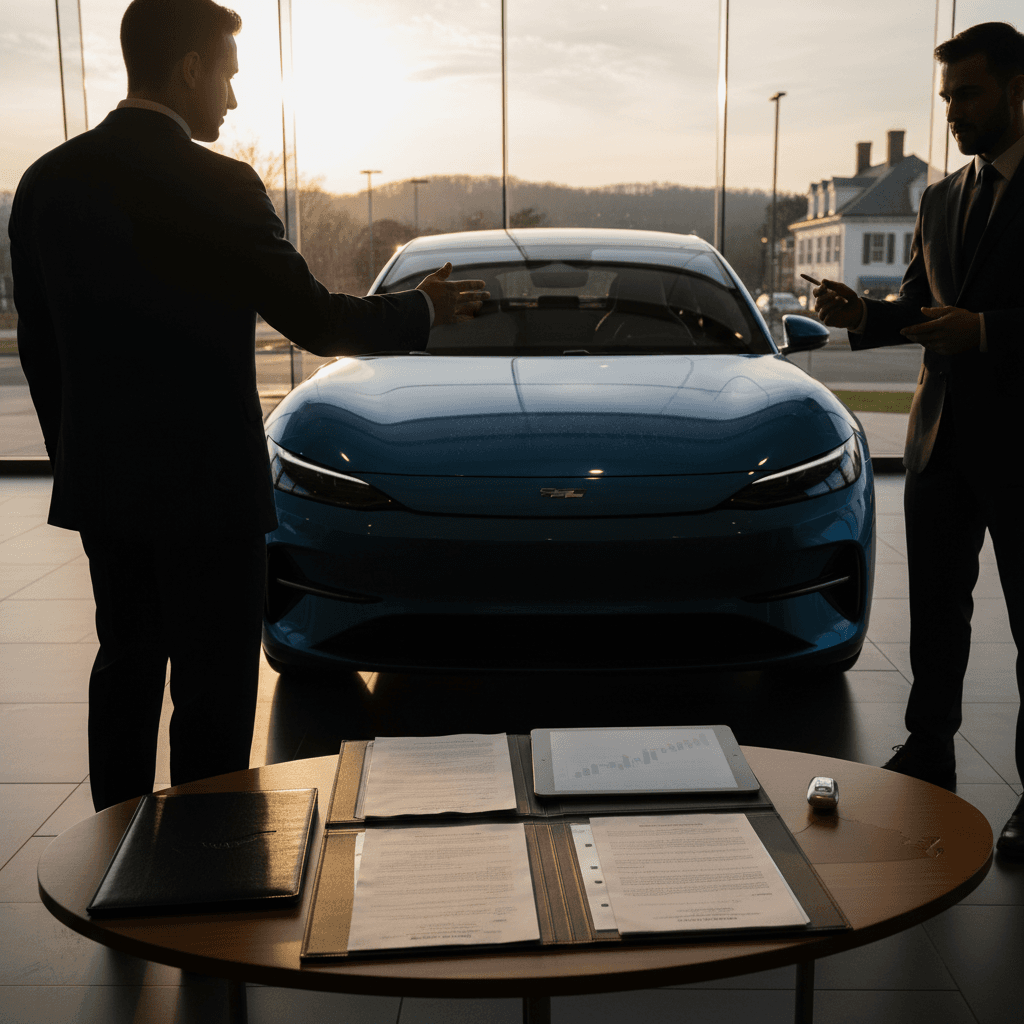
If you’re hunting for the best EV lease deals in Virginia in 2026, you’ve probably noticed something: the ads don’t look like they did a year or two ago. The wild $99‑a‑month teaser leases that floated on a cloud of federal tax credits are mostly gone, replaced by more sober numbers and fine print that actually matters. The good news is that there are still genuinely strong EV leases in Virginia today, especially on mainstream crossovers, if you know how to read the math and compare them against a used EV purchase.
Context: The party already happened
Why EV lease deals in Virginia look different in 2026
To understand what qualifies as a “best” EV lease deal in Virginia now, you have to know how we got here. For most of 2023–2025, many leases quietly baked the federal clean vehicle tax credit into the numbers. Lenders claimed the credit on the back end and passed some or all of it through as lower payments. That’s the loophole you heard about in the news.
- Federal purchase credits for new and used EVs largely sunset for cars placed in service after late 2025, so they’re no longer juicing 2026 leases the way they did before.
- Lenders have adjusted residual values after watching used EV prices fall sharply in 2023–2024, then stabilize. Translation: less free money in the residual, more realism in your monthly.
- Virginia still doesn’t have a big, permanent statewide EV purchase rebate, so there’s no huge local check to soften a bad lease.
- Home charging equipment still qualifies for a federal tax credit through June 30, 2026, which doesn’t lower your car payment but does lower the total cost of living with an EV.
Don’t compare 2026 to 2023 Instagram deals
What actually counts as a “best” EV lease deal in 2026
In 2026, the best EV lease deals in Virginia are less about the lowest headline payment and more about effective cost and flexibility. You want to know how many dollars you’re burning per year of use and per mile of expected driving, not just how low a dealer can push the first big number on the ad.
Quick benchmarks for a strong 2026 EV lease
A lease starts to look genuinely compelling when three things line up: the money factor is low, the residual value isn’t absurdly padded, and the manufacturer is stacking bonus cash or loyalty rebates on top. That’s when a new EV can compete head‑to‑head with a well‑priced used EV from Recharged on total three‑year cost.
Typical 2026 EV lease ranges by segment
Let’s get concrete. The exact numbers change month by month and by zip code, but by early 2026, national and Virginia‑area EV lease programs have settled into rough bands. Think of these as sanity checks, not quotes:
Typical 2026 EV lease payment ranges (Virginia ballpark)
Approximate monthly payments with ~$3,000–$4,000 due at signing, 36 months, 10,000–12,000 miles per year. Actual offers vary by lender, credit tier, and incentives.
| Segment / Example | “Aggressive” deal (good) | Average deal (ok) | Marginal deal (meh) |
|---|---|---|---|
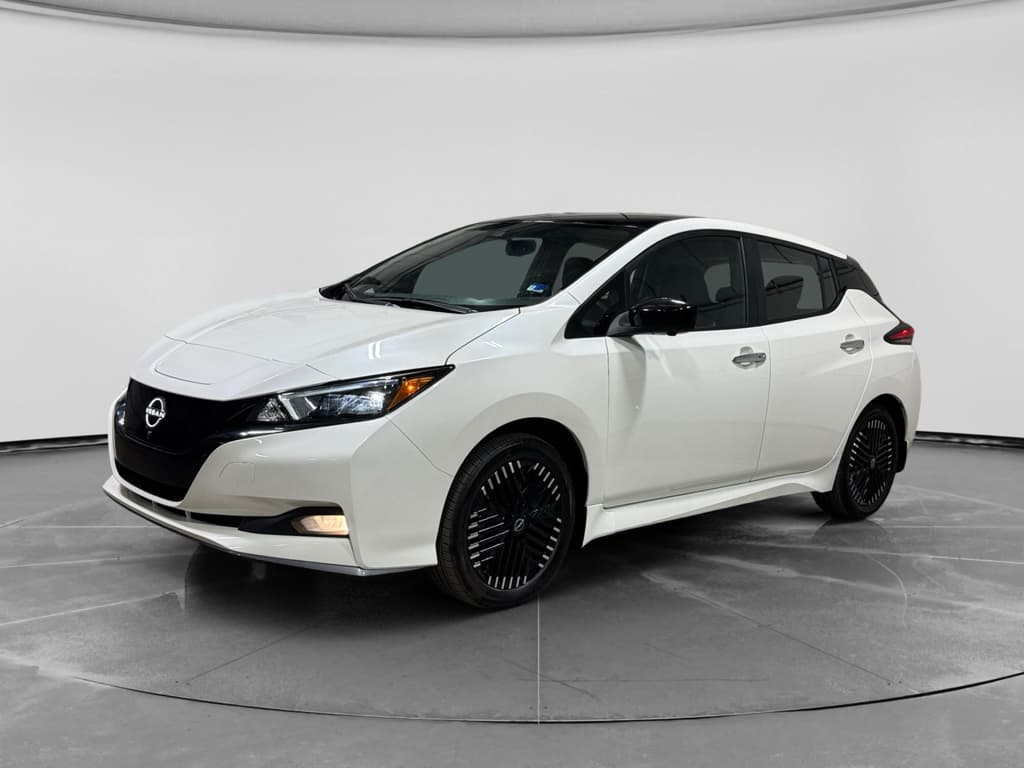
| Compact hatch / sedan (Bolt EUV, Nissan Leaf, Kia EV4) | $199–$279/mo | $280–$340/mo | $350+/mo |
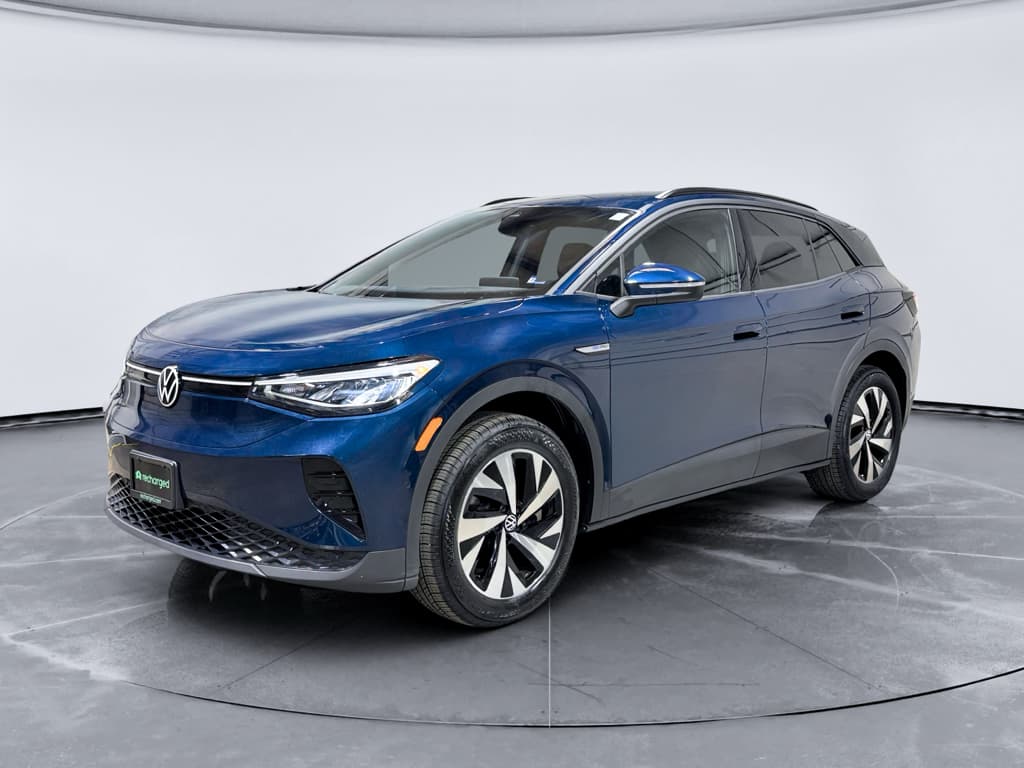
| Mainstream compact crossover (Hyundai Kona Electric, Kia Niro EV, VW ID.4) | $249–$349/mo | $350–$425/mo | $430+/mo |
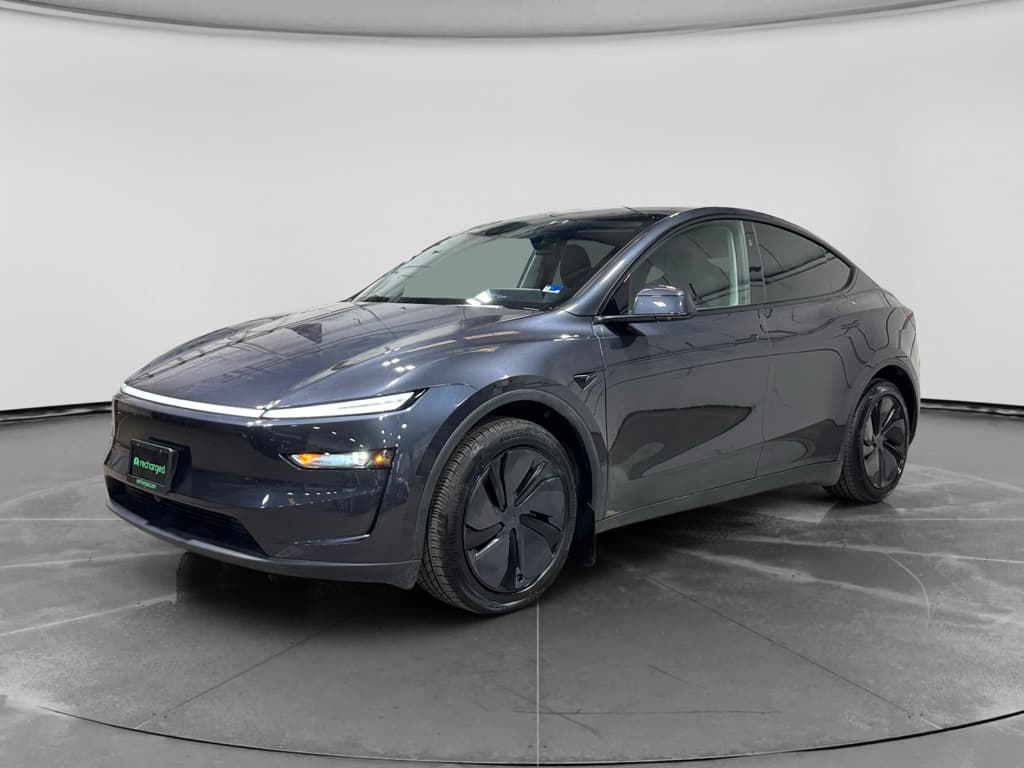
| Mid‑size crossover (Hyundai Ioniq 5, Kia EV6, Tesla Model Y, Subaru Solterra) | $329–$449/mo | $450–$550/mo | $560+/mo |
| Luxury compact (Audi Q4 e‑tron, Volvo XC40 Recharge, Genesis GV60) | $449–$599/mo | $600–$750/mo | $775+/mo |
| Luxury mid‑size (BMW i4/iX, Mercedes EQE, Polestar 3) | $599–$799/mo | $800–$1,000/mo | $1,050+/mo |
These ranges are based on early‑2026 national and regional programs; use them as a smell test when you see a Virginia offer.
How to read this table
How incentives work for Virginia EV leases now
Virginia’s incentives picture in 2026 is frustratingly patchwork. The state has debated its own broad EV rebate more than once, but as of early 2026, there’s still no universal, permanent Virginia EV purchase rebate waiting for you at tax time. Instead, you’re stitching together pieces:
Pieces of the Virginia EV savings puzzle in 2026
Each one shaves cost somewhere in the ownership stack, even if it doesn’t cut your lease payment directly.
Home charger tax credit
The federal EV charging equipment credit, covering 30% of installed cost up to $1,000 for residential, runs through June 30, 2026. If you install Level 2 charging at home, that’s money back even if you lease.
Occasional state tax relief
Virginia has issued one‑time tax rebate checks and tweaked standard deductions, but not a dedicated EV credit. These changes improve your overall tax picture, not the lease math directly.
Utility & local programs
Some utilities in Northern Virginia and Hampton Roads offer off‑peak charging rates or small rebates on equipment. These are usually stackable with a lease and quietly improve your true cost per mile.
The punchline: in 2026, incentives rarely transform a mediocre lease into a stellar one. They’re seasoning, not the meal. A genuinely good EV lease in Virginia has to make sense on its own numbers before you apply credits and rebates.
How to actually find the best EV lease deals in Virginia
If you live anywhere from Arlington to Virginia Beach, the marketing will tell you “Everyone’s got the best EV lease.” They can’t all be right. Here’s a more systematic way to chase the real outliers without spending your entire weekend in F&I offices.
Step‑by‑step: Hunting real EV lease value in Virginia
1. Start with manufacturer lease offers
Go to the brand’s national site (Hyundai, Kia, Nissan, VW, Tesla, etc.) and look at the current advertised leases for your zip code. These factory‑subsidized deals are the baseline; a Virginia dealer rarely beats them by much without strings attached.
2. Cross‑shop at least two competitors
If you like a Kia Niro EV quote, pull numbers on a Hyundai Kona Electric and VW ID.4 as well. Cross‑shop by effective cost per year, not just payment size. The best deal is often the most boring‑looking crossover with generous support.
3. Ask for the full lease worksheet
Politely request a breakdown with money factor, residual, all fees, and rebates. If the dealer won’t show it, treat that as a neon‑lit warning sign. A true ‘best deal’ can survive daylight.
4. Plug numbers into an online calculator
Use a lease calculator (or even a spreadsheet) to verify the payment. Small changes in money factor can add thousands over the term. You’re checking that the ‘deal’ isn’t just expensive interest in a cheap suit.
5. Compare against a used EV scenario
Pull a payment estimate for a comparable used EV on Recharged or from your credit union. Include insurance and expected maintenance. In 2026, a lightly used EV often undercuts a new lease on total three‑year cost.
6. Factor in your home charging plan
If you’ll install a Level 2 charger before June 30, 2026, include the after‑credit cost in your math. If you’re relying mostly on DC fast charging, bump your operating‑cost estimate, public kWh is the new airport food.

Lease vs used EV in Virginia in 2026
Here’s the part the lease ads won’t tell you: the crash in used EV values from 2023–2024 never fully “un‑happened.” It stabilized. That means the market is still full of 2–4‑year‑old EVs whose depreciation was already suffered by someone else. In Virginia, with moderate winters and lots of suburban commuting, those cars can be an extremely rational alternative to leasing new.
When leasing still makes sense
- You want the latest tech, especially advanced driver‑assist systems and longer‑range batteries.
- You’re allergic to long‑term risk around battery degradation or future resale values.
- You can write off part of the payment through a business, where operating‑expense treatment matters.
- You drive predictable miles (under 12,000/year) and almost never road‑trip outside the mid‑Atlantic.
When a used EV wins
- You’re payment‑sensitive and want the most metal for the money over 3–5 years.
- You can live without bleeding‑edge range, say 220–260 miles instead of 300+.
- You’re comfortable owning a car past the warranty if the price is right.
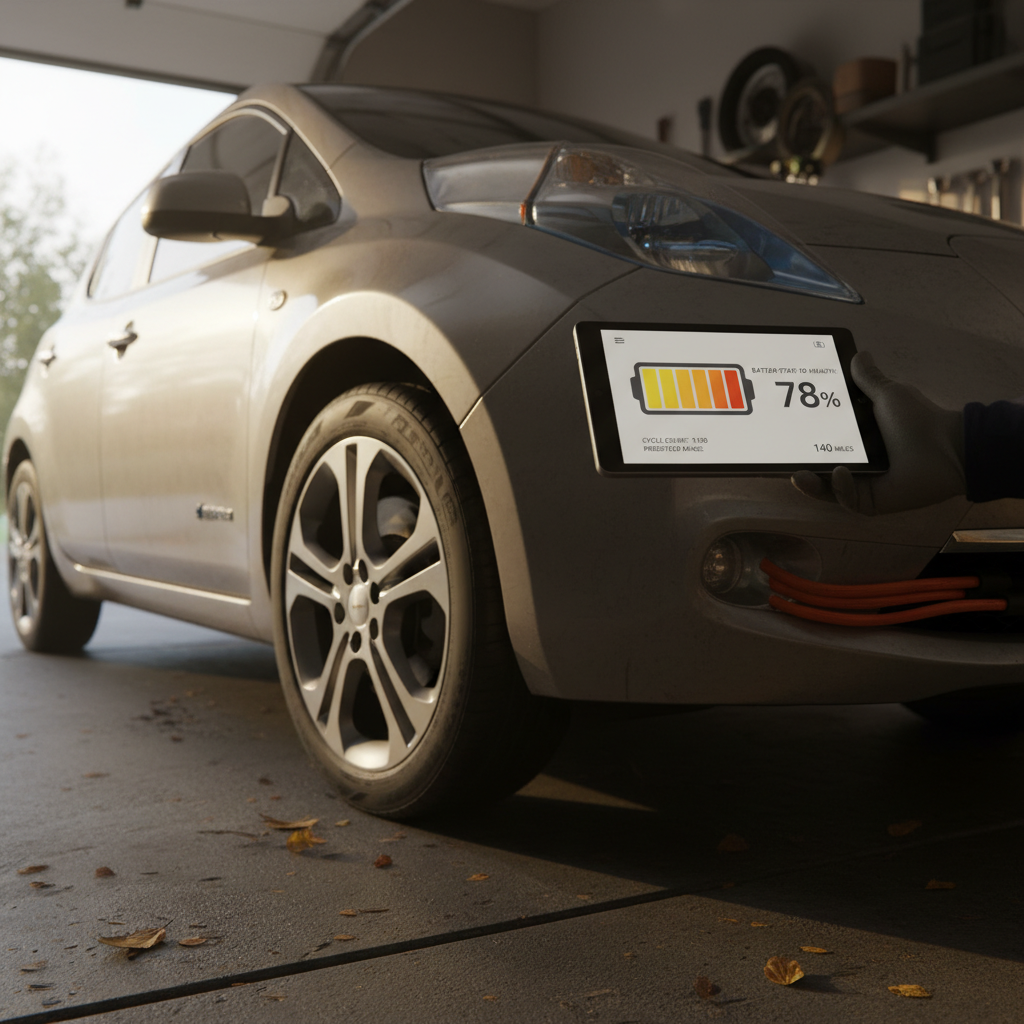
- You want battery transparency, a Recharged Score report tells you exactly how healthy the pack is before you sign anything.
Where Recharged fits in
Ready to find your next EV?
Browse VehiclesModel spotlight: EVs that still lease well
Lease programs change every month, and the very specific payment you saw in a national article may not exist in Virginia by the time you walk into a showroom. But some nameplates tend to attract better leasing support than others because their makers are laser‑focused on volume.
EV nameplates that often headline 2026 lease ads
Always verify current programs for your Virginia zip code, but these are frequent flyers when it comes to aggressive leases.
Kia Niro EV / Hyundai Kona Electric
Pragmatic, efficient, and often supported by strong factory lease cash. A classic “value over vibes” choice whose deal sheet is frequently better than its Instagram footprint.
Hyundai Ioniq 5 / Kia EV6
Stylish mid‑size crossovers that still see decent money factors and loyalty or conquest cash. In Virginia suburbs, they’re quickly becoming the default ‘I bought an EV and still like cars’ statement.
Volkswagen ID.4 & mainstream imports
VW, Nissan, and others periodically throw serious lease money at their volume EVs to protect market share. If you’re flexible on badge and color, you can sometimes catch a regional promotion that undercuts the segment.
What about Tesla?
Checklist: Is this really a good EV lease deal?
Before you fall in love with a shiny new EV at the mall and sign whatever gets slid across the desk, run the deal through this filter. The best EV lease deals in Virginia in 2026 will survive most of these questions with their dignity intact.
Deal‑quality checklist for Virginia EV leases
Payment vs MSRP passes the sniff test
Divide the total amount you’ll pay over the lease (all payments + due at signing, minus any refunds) by the car’s MSRP. For a mainstream EV, you ideally want that number under ~55–60% for 36 months.
Money factor isn’t gouging you
Ask for the money factor and convert it to APR (multiply by 2,400). If it’s much higher than current auto loan rates, you’re not getting a ‘deal,’ you’re renting money at a premium.
Residual value is reasonable
Extremely high residuals make payments look great but can make buying the car at lease‑end painful. Extremely low residuals inflate payments. The sweet spot is a residual that roughly matches realistic used‑EV prices three years out.
Drive‑off costs are transparent
You understand exactly what you’re paying at signing: first month, acquisition fee, taxes, title, registration, and any dealer‑added nonsense. If any line item’s name sounds made‑up, ask why it exists.
Mileage allowance fits real life
If you commute from Fredericksburg to D.C. five days a week, a 10,000‑mile allowance is fantasy. The ‘best’ lease for you is the one that won’t annihilate your savings with over‑mileage fees later.
Exit options don’t trap you
You’ve thought about what happens if your life changes, move states, new job, second kid, more miles. Can you transfer the lease? Is there any flexibility from the lender? A low payment with handcuffs is not a good deal.
Common EV lease traps to avoid in 2026
Leasing an EV isn’t inherently more dangerous than leasing anything else, but the market is new enough that there are still some fresh ways to trip over your own feet. Here are the big ones for Virginia shoppers this year.
- Chasing last year’s tax credit stories. The big federal loophole headlines were about 2023–2025 programs. In 2026, the rules are different; don’t assume your neighbor’s deal can be replicated.
- Ignoring home charging. A ‘cheap’ lease can turn expensive fast if you’re paying DC fast‑charge rates several times a week because you never installed a Level 2 at home while the federal credit still existed.
- Underestimating winter range. Central and Northern Virginia winters aren’t Minnesota‑brutal, but you will lose some range. If your winter commute in a base‑battery EV leaves you clenching the steering wheel at 3% state of charge, that lease will feel a lot less clever in January.
- Letting the trade‑in hide the real numbers. Rolling negative equity from your current vehicle into an EV lease can make the new payment look tame while quietly turning the contract into a financial landfill. Always separate the trade‑in math from the lease math.
- Not comparing against a used EV. With used EV prices still compressed, it is malpractice not to check what a Recharged‑certified used EV would cost you over the same 3‑year span. Sometimes the ‘deal’ is just buying someone else’s two‑year‑old mistake at a discount.
The over‑mileage cliff
FAQ: Best EV lease deals in Virginia 2026
Frequently asked questions
Bottom line: When leasing vs going used makes sense
The best EV lease deals in Virginia in 2026 are no longer TikTok‑bait outliers. They’re solid, quietly subsidized programs on mainstream crossovers with realistic residuals and low money factors. If you can land one of those, especially with a mileage allowance that truly fits your life, leasing can still be the cleanest way to dip a toe into electric driving while the technology continues to race ahead.
But thanks to yesterday’s incentive sugar high and today’s cooler market, a well‑priced used EV has become the adult in the room. For many Virginia drivers, a Recharged‑certified used EV, with verified battery health, fair‑market pricing, EV‑savvy support, and straightforward digital buying, will simply beat the 2026 new‑car lease on cost, flexibility, and peace of mind. Run the numbers both ways. The right answer isn’t what the ad shouts the loudest; it’s the deal that still looks smart when the ink is dry and the charger clicks on in your driveway.