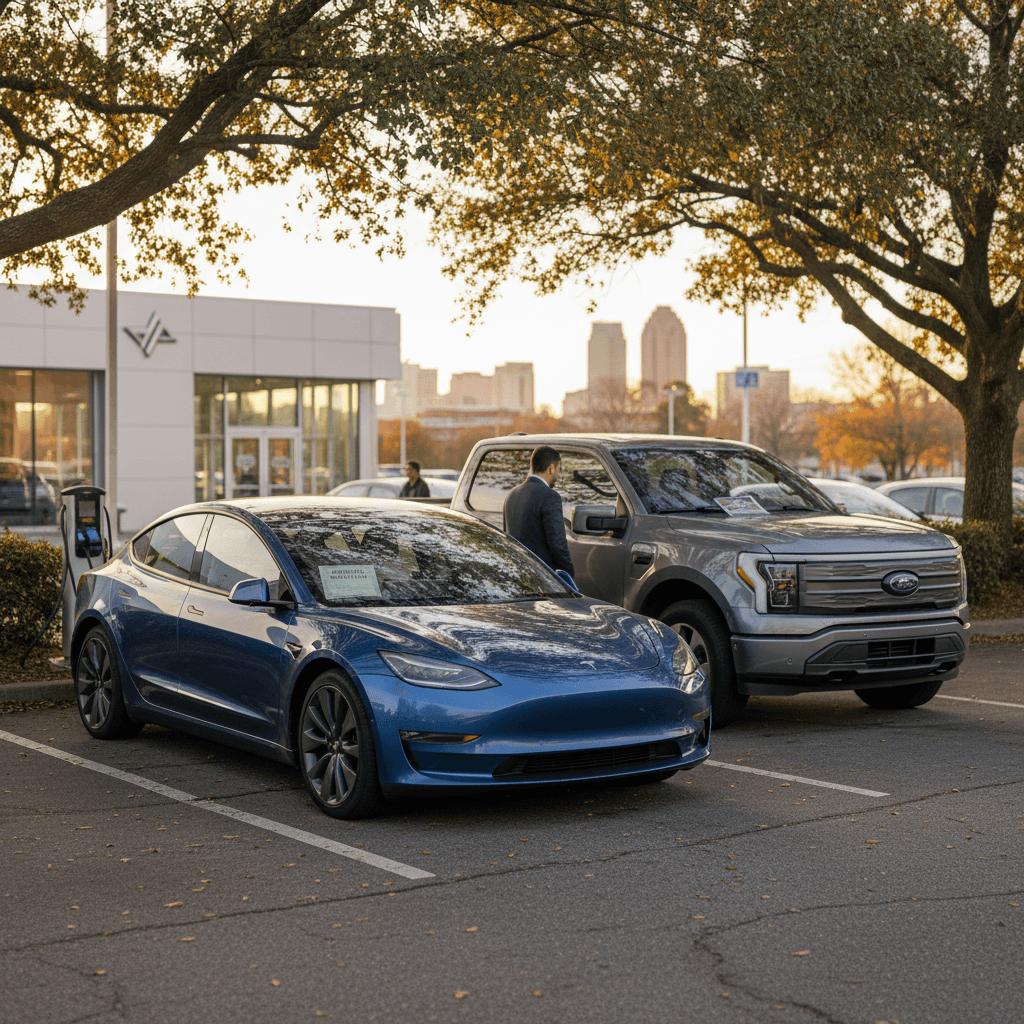
If you live in Raleigh, Durham, or Chapel Hill and you’re shopping for an electric car, you’re in the right place. The best EV deals in the Research Triangle right now are on late‑model used EVs, thanks to falling prices, a growing supply of off‑lease vehicles, and local utility incentives that can cut your charging costs.
Why this matters now
Why the Research Triangle is a hot spot for used EV deals
The Research Triangle punches above its weight on EV adoption. You’ve got three major universities, tech and life‑science employers, and a wave of new residents arriving from EV‑heavy states. That combination means more electric vehicles per capita than many parts of the Southeast, and more used EVs cycling back onto the market each year.
What makes Triangle EV deals attractive?
Three local dynamics that tilt the math in your favor
Strong commuter corridors
The I‑40, US‑1 and NC‑540 corridors see heavy commuter traffic, which drove early EV adoption for daily driving. Those first‑wave EVs are now showing up as used inventory.
Growing charging network
Raleigh, Durham, and Chapel Hill continue to add Level 2 and DC fast chargers at parks, parking decks, and workplaces, making used EV ownership more convenient every year.
Educated, tech‑savvy buyers
Local buyers tend to research total cost of ownership, not just sticker price, pushing dealers and marketplaces to price used EVs aggressively to move metal.
Local policy tailwind
How used EV pricing works in 2026
To recognize the best EV deals in the Research Triangle, you need to understand what’s been happening to prices nationally and how that flows through to local listings.
Used EV pricing snapshot heading into 2026
Those national numbers matter in the Triangle because they shift buyer expectations. Dealers and private sellers can’t ignore the fact that EVs depreciated faster than gas cars over the last couple of years. That’s painful for sellers, but if you’re buying a used EV today, it means you’re often getting modern tech and long range for compact‑car money.
Federal tax credits have changed
Best‑value used EV models in the Research Triangle
Every local market is a little different, but across Raleigh, Durham, and Chapel Hill you’ll typically see the same core cast of used EVs. Here’s how they generally stack up for value as of early 2026.
Popular used EVs and typical value profile
Model mix varies lot by lot, but these are the nameplates Triangle shoppers are most likely to see, and how they tend to price relative to the value they offer.
| Model | Typical role in market | Strengths for Triangle buyers | Potential watch‑outs |
|---|---|---|---|
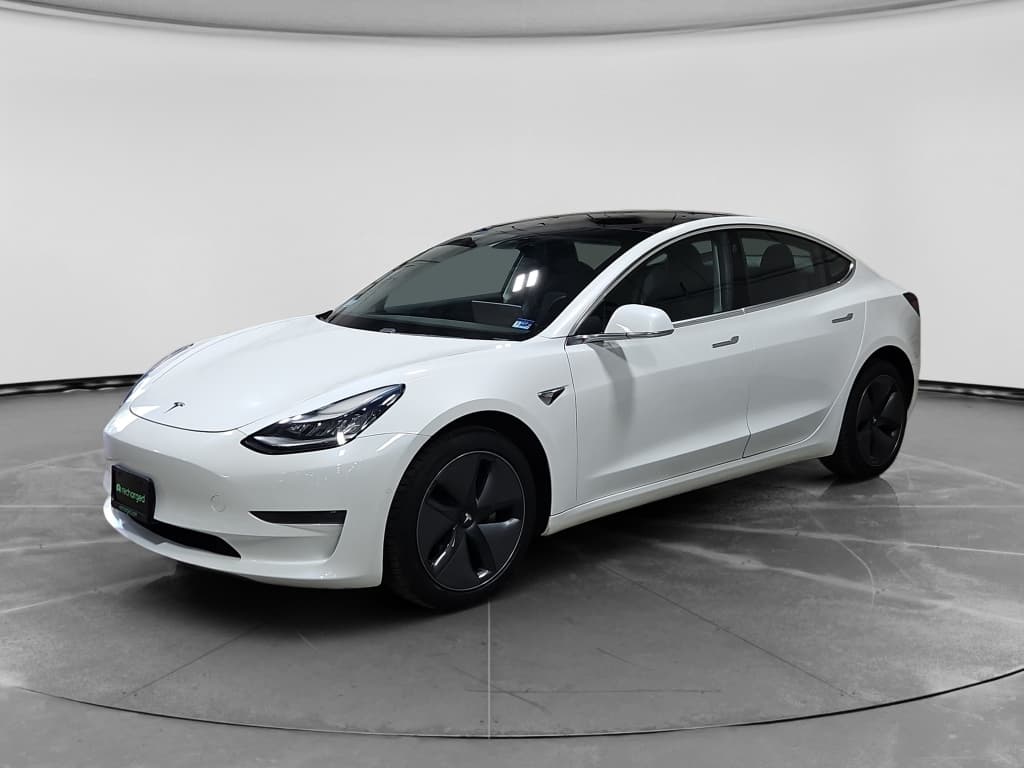
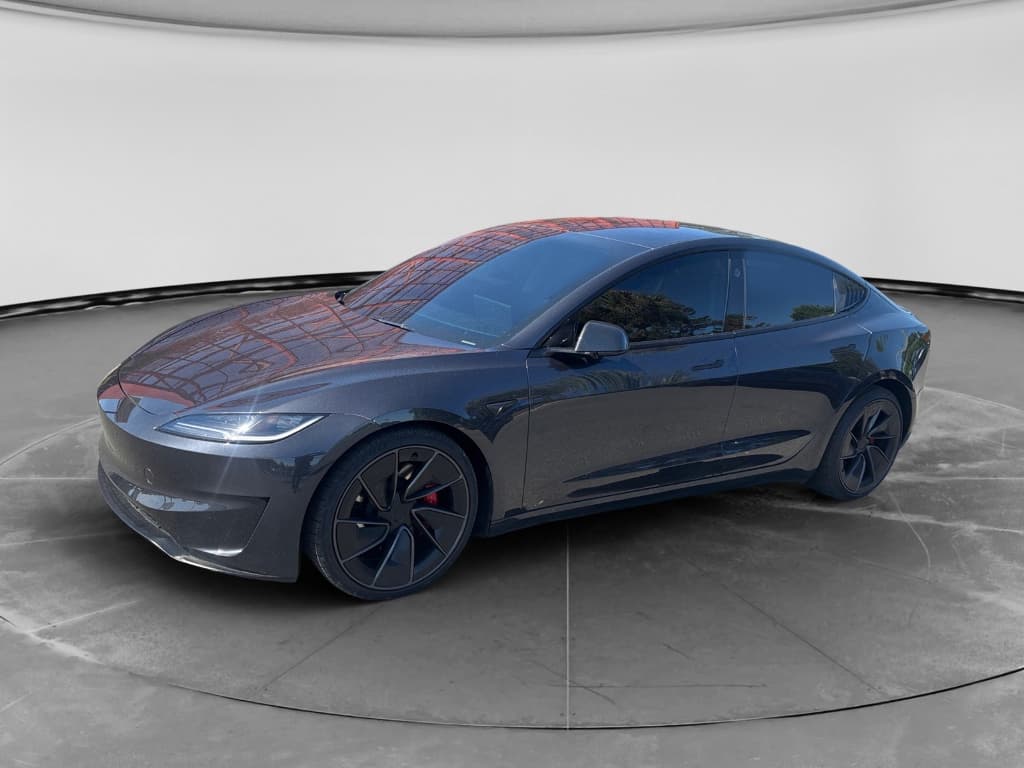
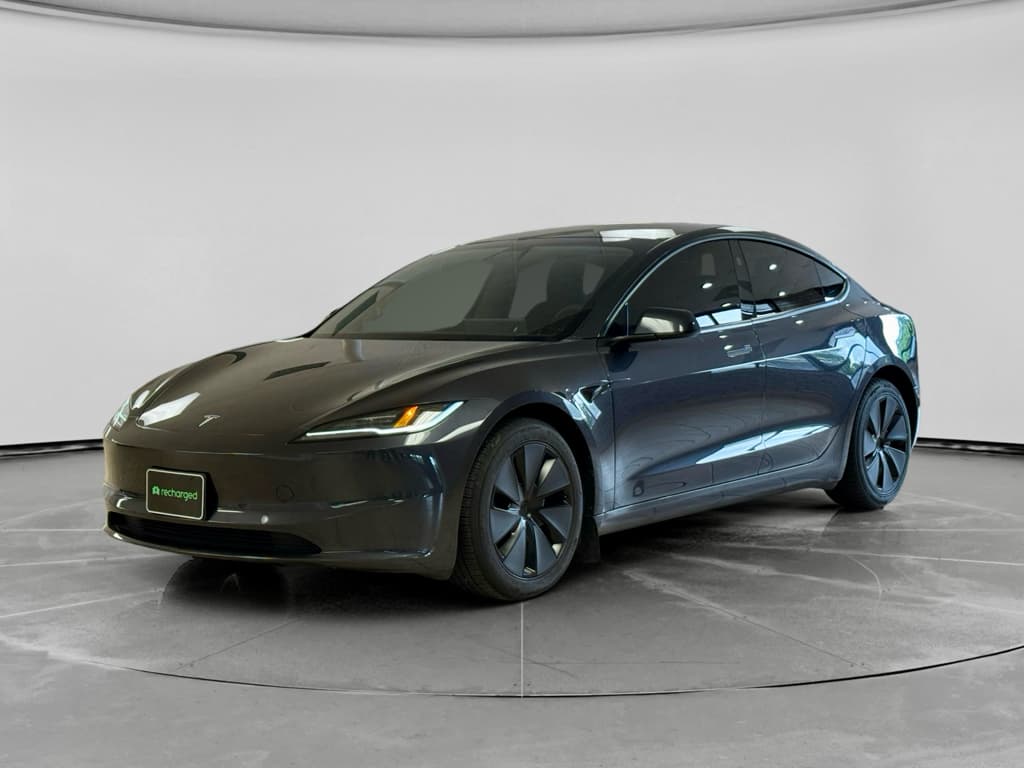
| Tesla Model 3 | Most common used EV | Strong range, Supercharger access, good software; holds value well vs other EVs. | Prices have firmed up after earlier drops; performance and Long Range trims still command a premium. |
| Tesla Model Y | Family hauler deal | Lots of space, road‑trip ready, widely available coming off leases. | Still pricier than many non‑Tesla EVs; ride quality can feel firm on rough NC roads. |
| Chevy Bolt EV / EUV | Budget commuter hero | Often one of the cheapest long‑range EVs; great for RTP and campus commuting. | Earlier battery recall history, verify software updates and battery status carefully. |
| Hyundai Kona Electric / Kia Niro EV | Value crossover | Compact size but solid range, often under comparable Teslas on price. | Availability can be patchy; check for DC fast‑charge speed, which is slower than latest EVs. |
| Nissan Leaf (40/62 kWh) | Local‑use bargain | Excellent pricing for around‑town driving and short commutes. | Uses CHAdeMO fast‑charge standard; limited future DC fast‑charge options and more noticeable range loss on older packs. |
| Volkswagen ID.4 / Ford Mustang Mach‑E | Mainstream SUV options | Comfortable, familiar feel for first‑time EV drivers; good cargo space for families. | Software quality and charging‑network experience vary by model year and update level. |
Use this table as a starting point, then compare individual vehicles based on battery health, equipment, and usage history.
Where Recharged fits in
Ready to find your next EV?
Browse Vehicles
Local incentives and programs that improve the deal
North Carolina no longer offers a statewide EV purchase tax credit, and the big federal incentives have sunsetted. But that doesn’t mean there’s no help. In the Research Triangle, your strongest levers are utility programs and local charging investments, especially if you can charge at home.
Programs Triangle EV buyers should know about
These don’t all take money off the purchase price, but they directly impact your total cost of ownership.
Duke Energy charger prep credits
Duke Energy’s North Carolina programs have offered "make‑ready" or pre‑wiring credits that reimburse part of the electrical work needed for a Level 2 home charger. That can shave hundreds off installation costs if you own a home in the Triangle.
Time‑of‑use EV rates
Several utilities in the region offer EV time‑of‑use plans, giving you cheaper electricity when you charge overnight. That can effectively cut your "fuel" cost in half versus public fast charging.
Public charging expansion
Raleigh, Durham, and Chapel Hill are investing in more public Level 2 and DC fast chargers at parks, transit centers, and municipal lots. Better infrastructure boosts the usefulness and resale value of the EV you buy today.
Action step: call your utility
Where to shop for used EVs in the Triangle
Once you know what you want, the next question is where to look. The Triangle has a mix of franchise dealers, independent lots, and fully digital marketplaces. Each route can yield good deals if you understand its strengths.
Franchise and independent dealers
- Pros: Easy test drives, trade‑in handling, and the ability to roll warranties or service plans into financing. Some stores now have EV‑trained staff.
- Cons: Wide range of EV expertise; some stores price EVs as if they were gas cars, ignoring recent depreciation trends. That can leave room to negotiate.
Digital marketplaces like Recharged
- Pros: Transparent pricing, nationwide selection with delivery to the Triangle, and EV‑specific tools like battery‑health reporting.
- Cons: You’ll do most of the process online. If you’re used to walking a lot, that’s different, but it’s typically more price‑efficient.
How Recharged simplifies the hunt
How to compare EV deals beyond the sticker price
Two Model 3s listed at $25,000 in Raleigh might be radically different deals once you factor in battery health, equipment, charging options, and your commute. Here’s how to make an apples‑to‑apples comparison.
Four lenses for comparing Triangle EV deals
Use these to look past the monthly payment.
1. Battery health & range
Ask for state‑of‑health (SoH) data or a recent battery report. A pack at 90–95% of original capacity is typical for many late‑model cars; anything significantly lower should be priced accordingly.
2. Home vs public charging
If you can charge at home on a Level 2 wall unit, your per‑mile cost will be much lower than relying on DC fast chargers along I‑40 or at shopping centers.
3. Your daily driving pattern
A 150‑mile real‑world range may be perfect for a Chapel Hill–Durham commute, but feel tight if you frequently run to Fayetteville, Greensboro, or the Outer Banks.
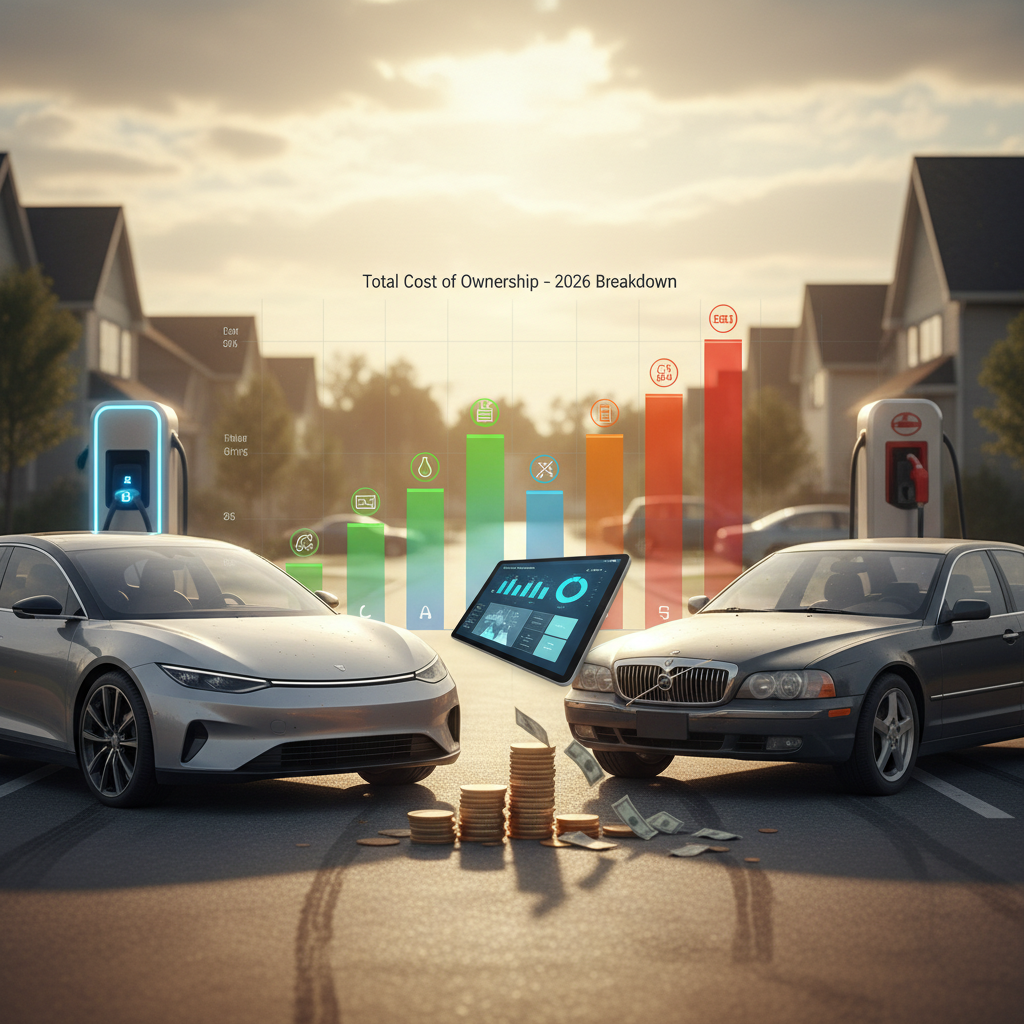
4. Total cost over 5 years
Factor in insurance, tires, charging, and registration. In many cases, a slightly more expensive EV with better efficiency and lower insurance can be the cheaper play over time.
Don’t overpay for range you’ll never use
Checklist for evaluating a used EV in the Triangle
When you zero in on a specific car, whether it’s in Raleigh, Durham, Chapel Hill, or being delivered from another state, use this checklist to pressure‑test the deal.
Essential used EV buying checklist
1. Confirm battery health documentation
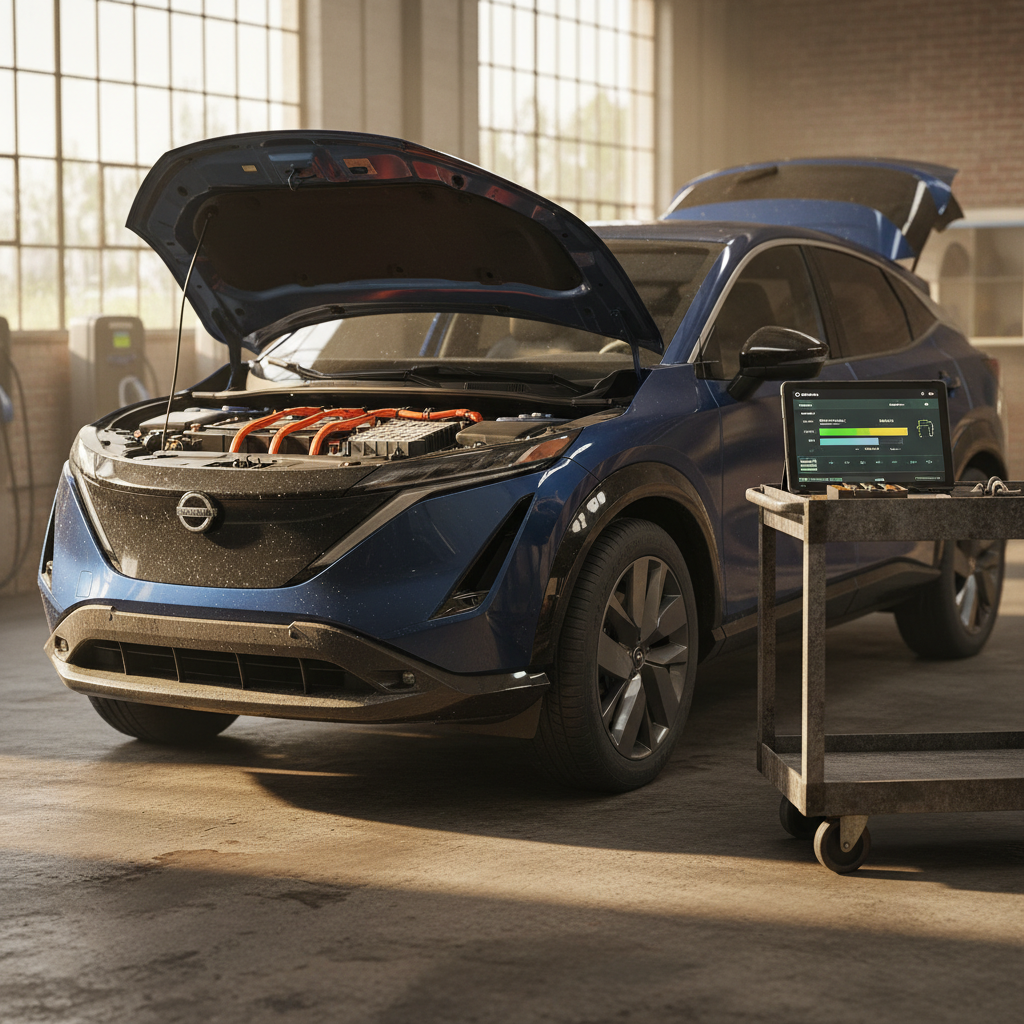
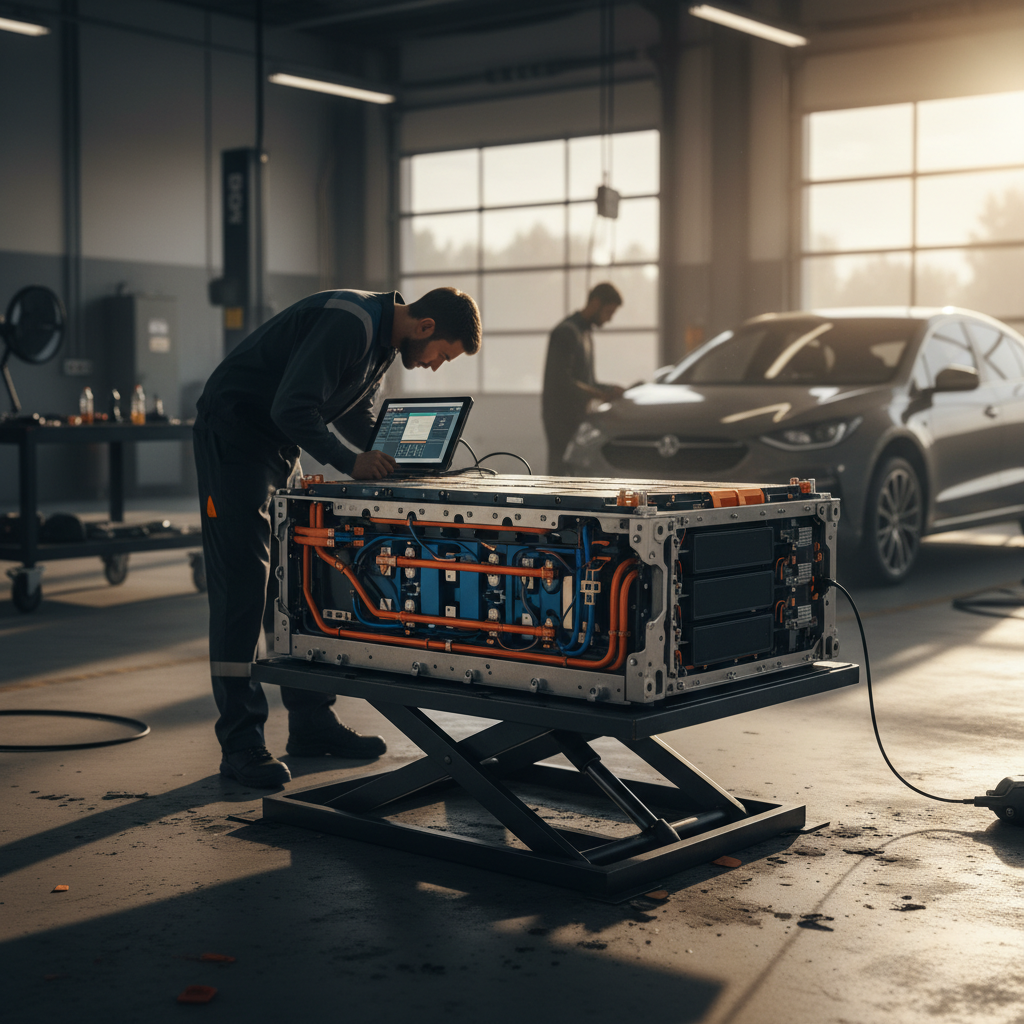
Ask for a recent battery report, diagnostic printout, or a third‑party assessment like the <strong>Recharged Score battery health diagnostic</strong>. Avoid guessing based only on the dash’s range estimate on a random day.
2. Match range to your real routes
Map your typical week: commute, school runs, grocery trips, weekend visits. Make sure the car’s realistic range (in bad weather, with AC or heat on) comfortably covers that with 20–30% buffer.
3. Verify charging options at home
Check whether you have (or can add) a 240‑volt outlet in a garage or driveway. If you rent, talk to your landlord early; if you own, get quotes from electricians and check Duke Energy’s charger prep incentives.
4. Inspect tires, brakes, and underbody
EVs are heavier than comparable gas cars, which can wear tires slightly faster. Look for even tread wear and listen for brake noise on test drives. Don’t forget a quick peek underneath for rust or damage from curbs and parking stops.
5. Review software and connectivity
Confirm the car is on the latest firmware, that its companion app works, and that any connected services (like remote pre‑conditioning or navigation) are active and transferrable to you.
6. Compare pricing to similar listings
Look at multiple sources: local dealers, regional listings, and EV‑focused platforms like Recharged. If a car is priced above similar mileage/spec examples, there should be a clear reason, newer battery, rare trim, or extra warranty coverage.
Be cautious with "mystery" battery history
Frequently asked questions: best EV deals in the Research Triangle
Your Triangle EV deal questions, answered
Bottom line: Getting the best EV deal in the Triangle
If you’re shopping for the best EV deals in the Research Triangle, the sweet spot in early 2026 is late‑model used EVs with clean battery histories, realistic range for your routines, and access to affordable home or workplace charging. The national price reset in the used EV market has finally caught up with listings in Raleigh, Durham, and Chapel Hill, and that’s an opportunity for informed buyers.
Focus less on chasing the rarest trim or the biggest battery, and more on fit and total cost of ownership. Use local utility programs to lower your charging costs, compare multiple listings, and insist on real battery data before you commit. Whether you end up in a budget‑friendly Bolt, a practical Niro EV, or a road‑trip‑ready Model Y, the Triangle is one of the better‑positioned markets in the Southeast to find a used EV that pencils out.
If you want a head start, browse used EVs on Recharged, where every listing includes a Recharged Score Report, expert EV support, and the option for delivery to your driveway. That way, when you sign on the dotted line, you’ll know you’re getting one of the best EV deals the Research Triangle has to offer.