If you’ve spent any time researching electric cars, you’ve probably run into one big, scary phrase: electric vehicle battery replacement cost. You’ll see numbers like $15,000 or $20,000 tossed around with very little context, as if every EV owner is destined to get hit with a surprise five‑figure repair bill. The reality in 2025 is far more nuanced, and much less frightening, once you understand how batteries are priced, what warranties cover, and how long modern packs actually last.
Key takeaway up front
Why EV battery replacement costs sound scary (and usually aren’t)
Sticker shock comes from hearing about worst‑case quotes without seeing the full picture. Someone posts a screenshot of a $30,000 estimate for a truck battery and it ricochets around social media. What’s usually missing is context: that price may include dealer markups, ancillary repairs, and a brand‑new, high‑capacity pack in a heavy electric pickup. It also ignores how rarely packs actually fail.
EV batteries and replacement in perspective
Think of batteries like engines, not tires
Typical EV battery replacement cost in 2025
Let’s put some bookends on the question everyone asks: "How much does it cost to replace an EV battery in 2025?" Across studies, real‑world repair invoices, and repair network data, the answer for most passenger EVs lands in a broad, but understandable, range.
2025 EV battery replacement cost ranges
Typical pack prices before labor, by vehicle category
Compact & entry EVs
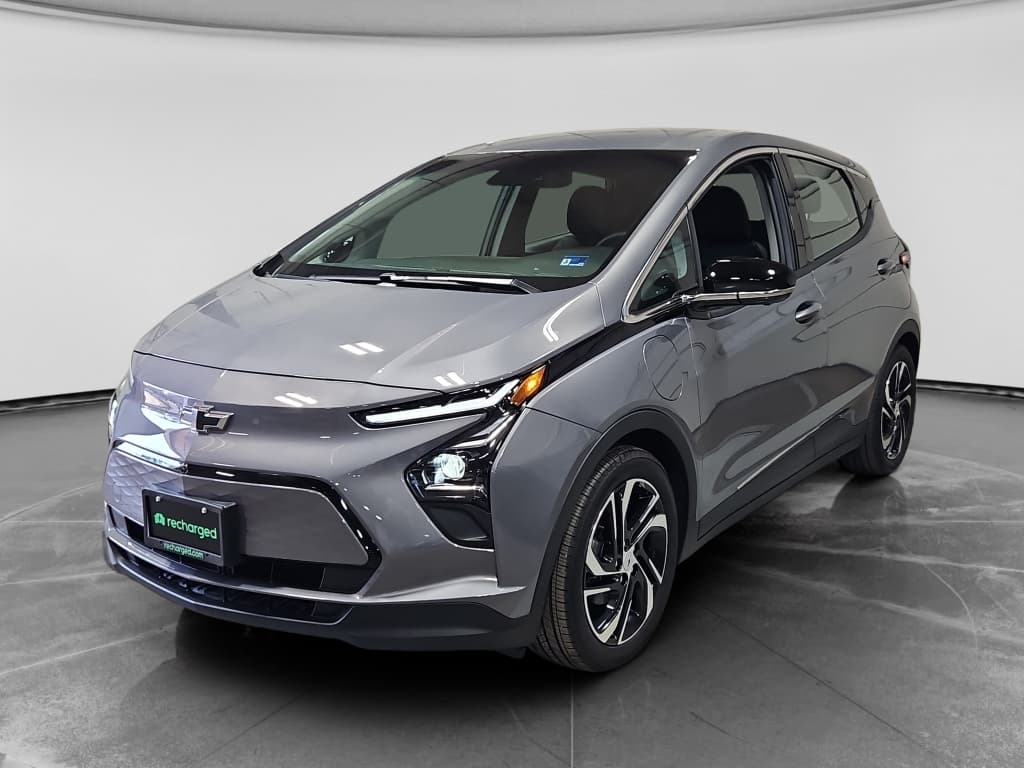
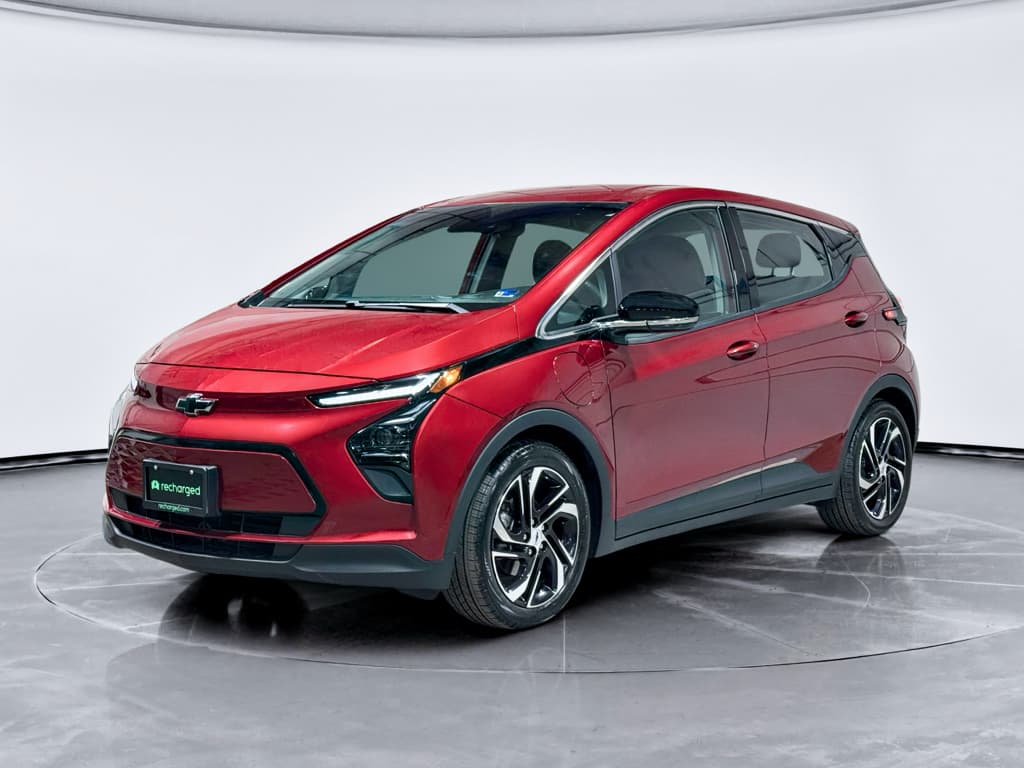
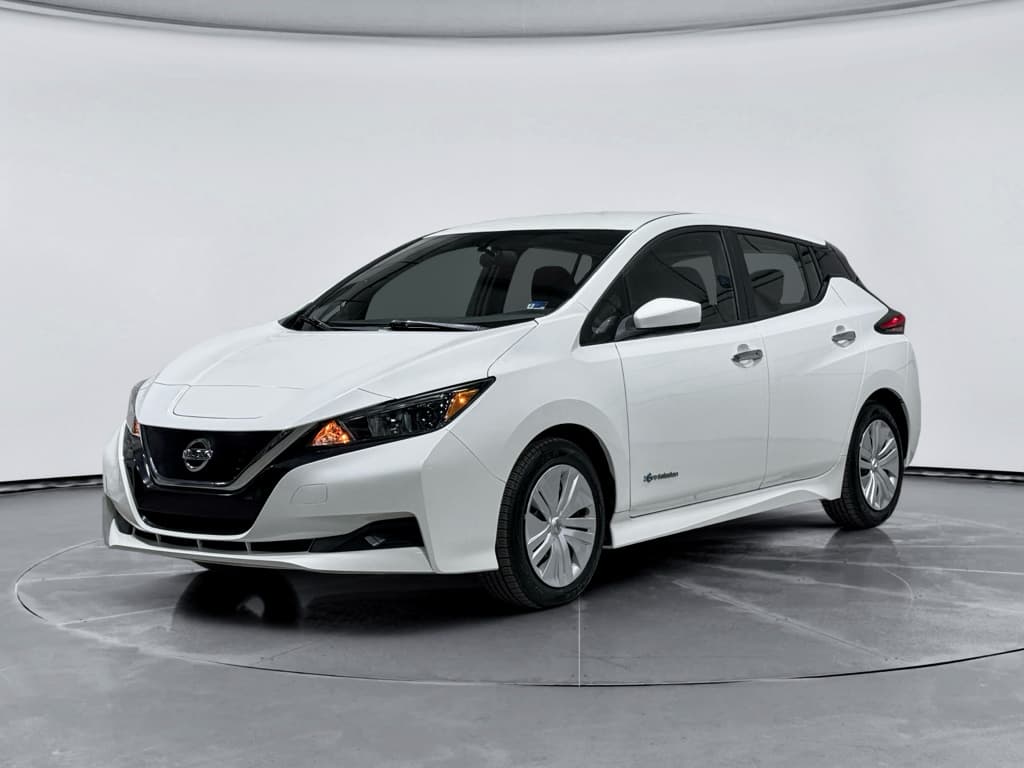
Examples: Nissan Leaf, Chevy Bolt, Mini Cooper SE
- Typical pack replacement: $3,000–$8,000
- Battery sizes: roughly 30–60 kWh
- Usually the most affordable packs to replace.
Mid‑size sedans & crossovers
Examples: Tesla Model 3/Y, Hyundai Ioniq 5, VW ID.4
- Typical pack replacement: $8,000–$15,000
- Battery sizes: ~60–80 kWh
- Long‑range trims sit toward the upper end.
Luxury & long‑range EVs
Examples: Tesla Model S, BMW iX, Lucid Air
- Typical pack replacement: $12,000–$20,000+
- Battery sizes: ~90–120+ kWh
- Higher energy density and performance push costs up.
Electric pickups & large SUVs
Examples: Ford F‑150 Lightning, Rivian R1T/R1S
- Typical pack replacement: $15,000–$25,000+
- Battery sizes: ~100–135+ kWh
- These massive packs are the outliers people love to tweet about.
Don’t forget labor and fees
How EV battery replacement cost is calculated (the per‑kWh view)
Behind the scenes, battery prices are usually discussed in terms of dollars per kilowatt‑hour ($/kWh). That number multiplies by the battery’s capacity to give you a rough pack price. Industry research shows average pack prices around $115 per kWh in 2024, with projections dropping toward or below $100 per kWh later this decade as production scales and chemistries improve.
Approximate pack cost based on average $/kWh pricing
These simplified examples use a $115 per kWh pack price to show how capacity translates into cost. Real‑world quotes vary by brand, chemistry, and markup.
| Battery size (kWh) | Typical vehicle type | Approx. pack cost at $115/kWh | Real‑world replacement range |
|---|---|---|---|
| 40 kWh | Older/compact EV (earlier Leaf) | $4,600 | ≈$4,000–$7,000 |
| 60 kWh | Compact or mid‑size EV (Bolt, base Model 3) | $6,900 | ≈$7,000–$12,000 |
| 75 kWh | Long‑range sedan/SUV (Model 3 LR, Ioniq 5) | $8,625 | ≈$10,000–$16,000 |
| 100 kWh | Luxury or performance EV (Model S, iX) | $11,500 | ≈$12,000–$20,000+ |
Pack prices exclude labor, taxes, and shop fees.
Why real quotes don’t always match the math
Battery replacement cost by vehicle type and examples
If you’re shopping for a specific EV, generic ranges only go so far. Here’s how battery replacement costs typically line up for popular models in 2024–2025 based on published estimates and repair‑network data. Remember: these are ballparks, not quotes, and can change with time, location, and whether you choose new or refurbished parts.
Real‑world EV battery replacement examples
Approximate replacement ranges for popular models in 2024–2025
Nissan Leaf
Battery sizes: 24–62 kWh (depending on year and trim).
- Replacement packs often run ~$5,000–$8,000 for 40–62 kWh packs.
- Earlier 24 kWh packs can be cheaper but are becoming harder to source new.
- Plenty of refurbished options exist for high‑mileage Leafs.
Chevrolet Bolt EV/EUV
Battery size: ~60–66 kWh.
- Pack replacement typically quoted around $8,000–$12,000, plus labor.
- Many Bolt owners received packs under recall at no cost, effectively getting a new battery.
Tesla Model 3 / Model Y
Battery sizes: roughly 55–82 kWh.
- OEM pack replacement commonly cited around $10,000–$15,000 including labor for long‑range variants.
- Third‑party or refurbished options can shave off several thousand dollars, depending on region.
Tesla Model S / Model X
Battery sizes: roughly 75–100+ kWh.
- Dealer quotes for full pack replacement often land between $15,000 and $21,000+.
- Modular repairs or refurbished packs can reduce cost, but availability varies.
Ford F‑150 Lightning
Battery sizes: roughly 98 kWh (Standard) or 131 kWh (Extended Range).
- Estimated pack replacements range from about $15,000 up into the mid‑$20,000s.
- These big truck packs are among the most expensive batteries on the road today.
Hyundai Ioniq 5 / Kia EV6
Battery sizes: ~58–77 kWh.
- Published estimates place pack replacement in the $10,000–$16,000 range.
- Eight‑year/100,000‑mile battery warranties mean most early replacements fall under coverage.
Why you should shop quotes

Labor, warranties, and third‑party battery options
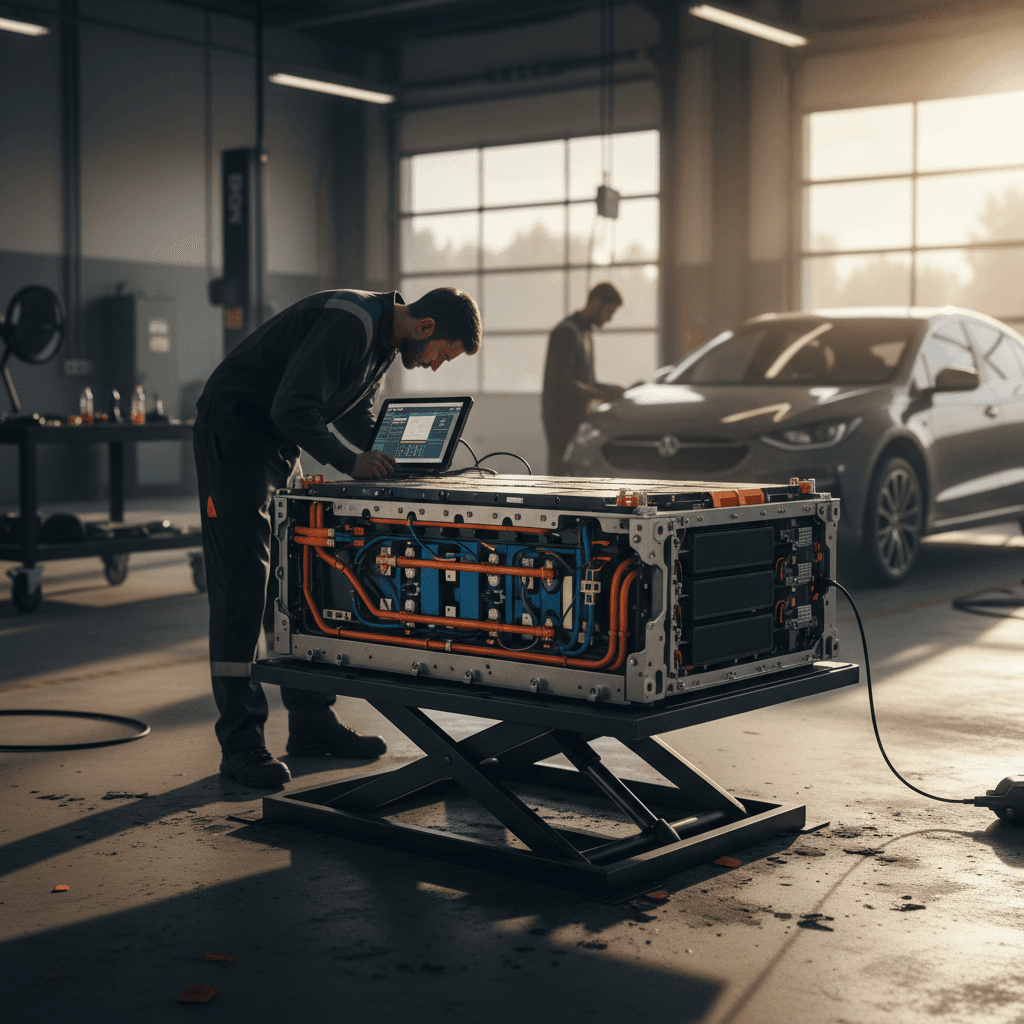
The pack price is only part of the story. Labor, warranty coverage, and whether you choose an OEM, refurbished, or salvage battery can dramatically change your out‑of‑pocket cost.
Labor & shop costs
- Labor time: Battery swaps often book at 6–12 hours of labor, depending on the vehicle.
- Rates: At $125–$250 per hour, labor commonly adds $1,000–$3,000.
- Extras: Shops may also bill for coolant, fasteners, brackets, or high‑voltage inspections.
Warranties & alternative parts
- OEM warranty: Most EVs carry an 8‑year/100,000‑mile (sometimes more) battery warranty to at least 70% capacity.
- Refurbished packs: Often 30–50% cheaper than new with 2–5‑year warranties.
- Salvage packs: Cheapest option but with limited or no warranty, best handled by EV specialists.
Good news for most owners
How long EV batteries really last before replacement
Early in the EV era, people worried that big battery packs would fade like phone batteries, usable for only a few years. Real‑world data has largely put that fear to bed. Modern EV packs use robust thermal management and conservative buffers, and they’re engineered for long life.
- Most automakers design traction batteries to retain around 70% or more of original capacity after 8–10 years of typical use.
- Recent long‑term tests show some EVs retaining around 90% capacity after 100,000+ miles, even with frequent DC fast charging.
- With normal driving and charging habits, many packs are on track to last 15 years or more before hitting capacity levels that might motivate a replacement.
What really hurts EV batteries
Signs your EV battery may need to be replaced
There’s no fixed mileage at which an EV battery "expires." Instead, you look for a combination of performance and diagnostic clues. Some issues are covered by warranty; others are simply age catching up with the pack.
Watch for these battery warning signs
Noticeable range loss
If your car that once showed 250 miles at full charge now reliably shows 160–170 and you’ve ruled out weather and driving style, you may be looking at substantial capacity loss.
Rapidly shrinking state of charge
If the gauge drops in big chunks (for example, 20% at a time) or behaves erratically, that can signal module imbalances or failing cells.
Frequent thermal warnings
Repeated "battery too hot" or "reduced power" messages, especially under highway or fast‑charge use, can indicate degradation or cooling‑system issues.
Unusually slow charging
If the car suddenly takes far longer to charge than it used to, on the same charger and in similar temperatures, it’s worth having both the battery and charging system checked.
Diagnostic trouble codes
Service centers can scan for high‑voltage battery codes and run capacity tests. These results often determine warranty eligibility for repair or replacement.
Out‑of‑warranty age and mileage
If your EV is well past its battery warranty and showing multiple symptoms above, a replacement or partial rebuild might finally be on the table.
High‑voltage systems are not DIY
How to reduce battery cost risk when buying a used EV
If you’re shopping used, the specter of a future battery bill can either nudge you toward a great deal, or scare you away entirely. A smarter approach is to quantify your risk and use the tools available to lower it.
Used EV battery risk: smart ways to protect yourself
Combine data, inspection, and pricing to stack the odds in your favor
1. Get objective battery health data
Whenever possible, insist on a verified battery health report instead of relying on guesswork.
At Recharged, every used EV comes with a Recharged Score Report that includes third‑party battery diagnostics, so you can see how the pack is actually performing compared with when it was new.
2. Check remaining warranty coverage
Verify the in‑service date and mileage to see how much battery warranty remains. A car with 3–4 years of coverage left significantly limits your replacement‑cost risk.
Ask the seller for documentation of any prior battery repairs or replacements.
3. Price in realistic worst‑case costs
For an older EV out of warranty, factor a conservative replacement estimate into your decision.
If you’d still be ahead versus a similar gas vehicle, even after imagining a battery replacement you may never need, that’s a strong signal the numbers make sense.
4. Lean on EV‑specialist support
Buying from an EV‑focused retailer can simplify all of this.
Recharged pairs each buyer with an EV specialist who can walk you through battery health, realistic costs over time, and financing options so you’re never guessing about your future exposure.
Buying used can actually hedge your risk
FAQ: Electric vehicle battery replacement cost
Frequently asked questions about EV battery replacement cost
Bottom line: What EV battery replacement cost means for you
When you strip away the viral posts and worst‑case quotes, electric vehicle battery replacement cost looks less like an inevitable disaster and more like what it really is: a low‑probability, high‑ticket repair that most owners never face, and that’s heavily cushioned by long warranties and falling pack prices. The smart move isn’t to avoid EVs; it’s to buy the right one, with clear battery health information and solid coverage, so you understand your risk.
If you’re considering a used EV, working with a specialist helps. Every vehicle at Recharged comes with a Recharged Score battery health report, fair market pricing, and access to EV‑savvy advisors who can walk you through long‑term costs, including the unlikely scenario of a future battery replacement. That way you can enjoy lower fuel and maintenance bills today, without losing sleep over what might happen a decade down the road.