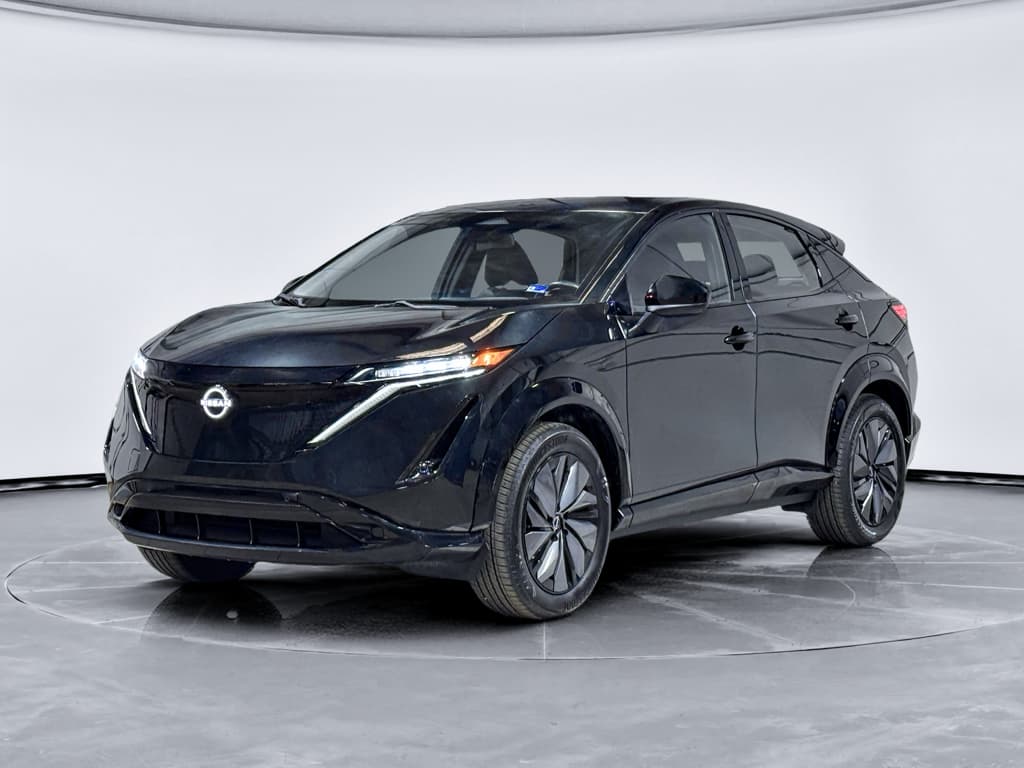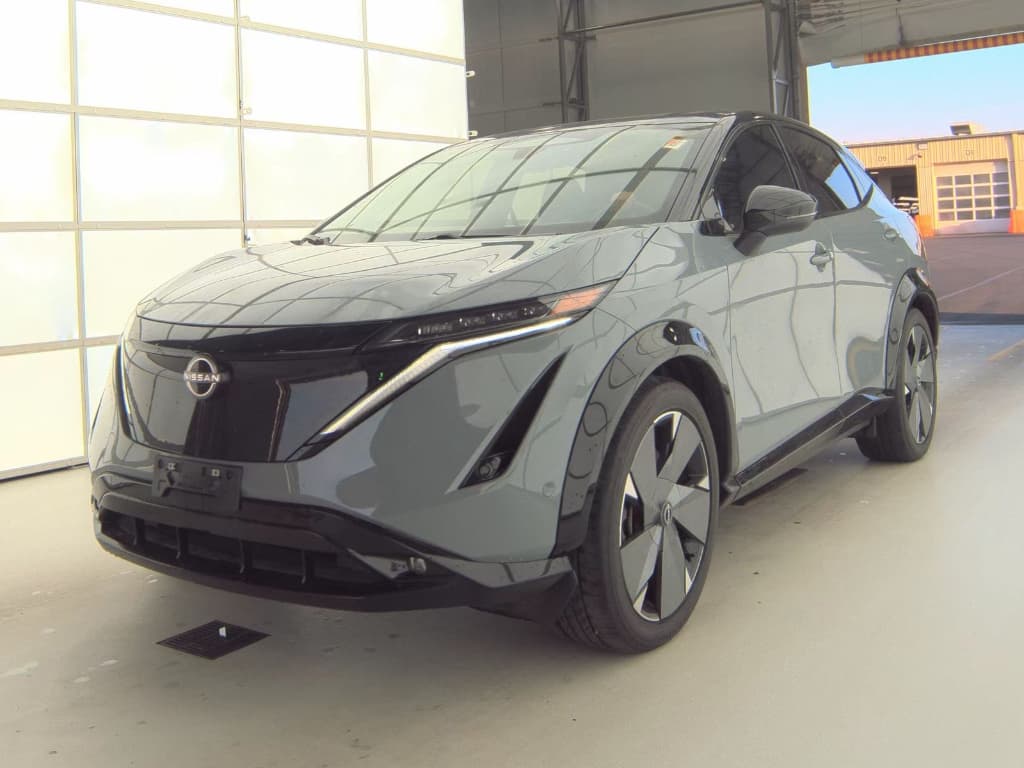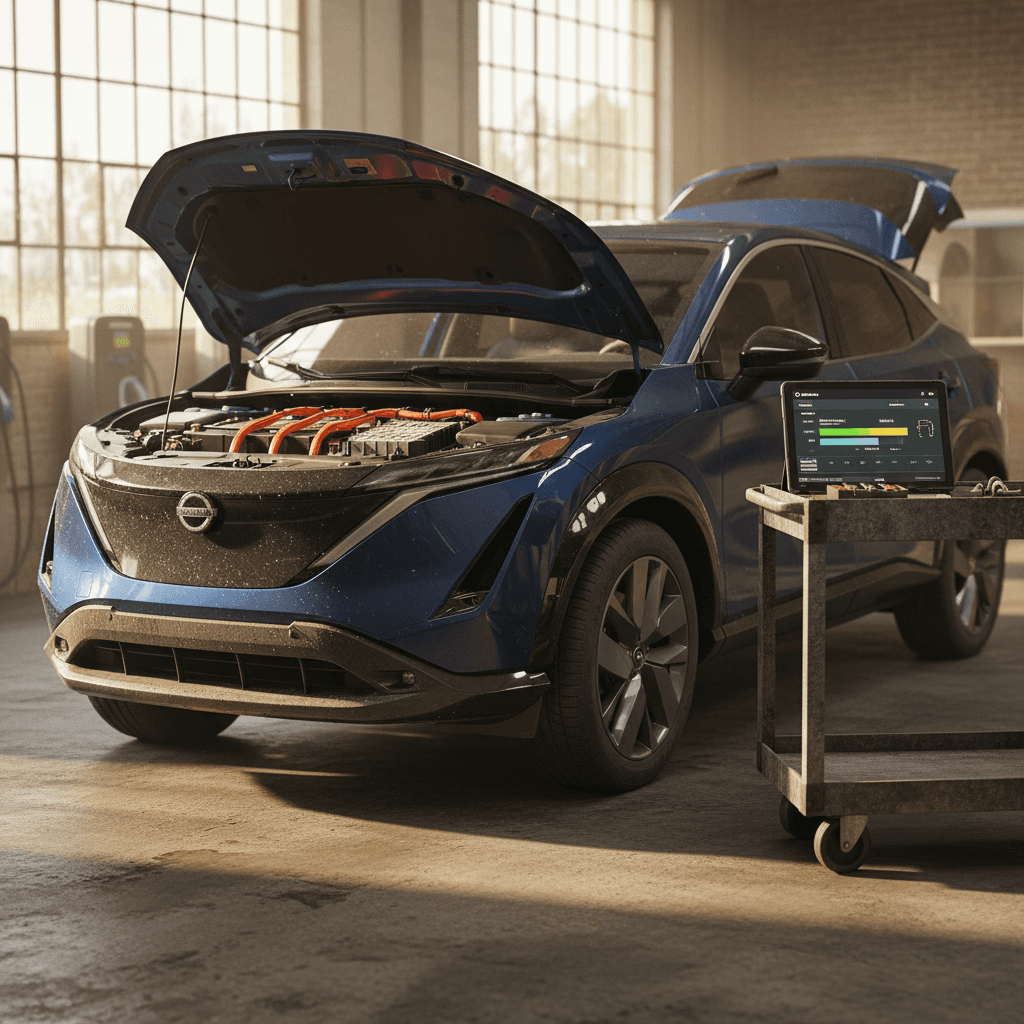
If you’re shopping for a used Nissan Ariya in 2026, you’re walking into one of the more interesting corners of the EV market. The Ariya is Nissan’s stylish, quiet, all‑electric crossover, positioned above the Leaf, with a genuinely upscale cabin, strong tech and a choice of two batteries. On the used market, that combination can either be a screaming deal or a frustrating mismatch, depending on which trim, battery and history you pick.
Quick take
Why a used Nissan Ariya makes sense in 2026
How the Ariya is aging on the used market
Nissan launched the Ariya in the U.S. for the 2023 model year as a two‑row, compact‑to‑midsize crossover. Think of it as the electric Murano Nissan never quite got around to building. Early new‑car prices were ambitious, but substantial price cuts for 2024 and simplified trims for 2025 mean used examples are already drifting into the EV‑for‑the‑people zone rather than tech‑toy money.
On the road, the Ariya is tuned more like a Lexus than a hot hatch: quiet, soft‑riding, and unashamedly comfortable. The interior is arguably Nissan’s best in years, open, airy, with tasteful wood trim and haptic controls that actually feel future‑forward instead of gimmicky. If you’re cross‑shopping used Hyundai Ioniq 5, Kia EV6, Tesla Model Y or VW ID.4, the Ariya’s cabin will be one of its strongest selling points.
Where the used Ariya shines
Model years, batteries and trims to know
For used shoppers in 2026, you’ll mostly see three model years of Nissan Ariya:
- 2023 Ariya: First model year in the U.S., broader trim spread (including longer‑range Venture+), higher original MSRPs.
- 2024 Ariya: Largely carry‑over hardware but with meaningful price cuts; trims simplified slightly.
- 2025 Ariya: Lineup streamlined again, with base Engage and mid/upper trims like Evolve+ and Platinum+ built around updated 66 kWh and 91 kWh packs (about 63 kWh and 87 kWh usable).
Trim names to look for
Ariya batteries and drivetrains, in plain English
Two usable battery sizes and two basic powertrains, with overlapping trims.
Battery options
- Smaller pack: ~63 kWh usable (often labeled 63 or 66 kWh)
- Larger pack: ~87–91 kWh gross (about 87 kWh usable on most specs)
- Smaller pack = lower price, less range
- Larger pack = better for road‑trippers
Drivetrain options
- FWD single motor: Calm, efficient, enough punch for daily use
- e‑4ORCE AWD dual motor: Much quicker, extra traction, slightly less range
- Top AWD trims make up to ~389 hp
Common Nissan Ariya trims you’ll see used
Approximate U.S. specs for popular trims seen on the 2023–2025 used market. Always verify exact equipment for the car in front of you.
| Trim example | Battery (usable) | Drive | EPA range when new | Who it suits |
|---|---|---|---|---|
| Engage (FWD) | ~63 kWh | FWD | ~210–220 mi | City/suburb commuters, lower upfront cost |
| Evolve+ (FWD) | ~87 kWh | FWD | ~280–290 mi | Longer‑range shoppers, highway commuters |
| Engage e‑4ORCE | ~63 kWh | AWD | ~200–210 mi | Snow‑belt drivers who don’t road‑trip much |
| Platinum+ e‑4ORCE | ~87 kWh | AWD | ~255–270 mi | Top‑spec buyers who value luxury and traction over maximum range |
Range figures are EPA estimates when new; real‑world range will vary with age, climate and driving style.
Don’t assume longest‑range trim
Range: brochure numbers vs real‑world driving
Officially, a front‑drive Ariya with the big battery sits in the high‑200‑mile range club when new, while AWD and smaller‑battery versions fall closer to or just over 200 miles. That’s perfectly adequate for most daily driving, but it does mean you need to be more intentional about public charging on long trips than you would in, say, a long‑range Tesla Model Y.
What you can realistically expect
- 63 kWh FWD: Roughly 170–200 real‑world miles depending on speed, temperature and terrain.
- 87 kWh FWD: Often 220–260 miles in mixed driving if you’re not driving 85 mph all day.
- e‑4ORCE AWD: Knock ~10–15% off comparable FWD trims for the same pack.
Used cars with primarily highway mileage may show slightly more degradation, but the Ariya pack so far appears to be aging normally when maintained properly.
Factors that noticeably cut range
- Sustained high‑speed driving (75–80+ mph)
- Winter temperatures, especially below freezing
- Lots of short trips where the pack never warms up
- Oversized wheels/tires on Platinum+ models
- Frequent fast‑charging to 100% instead of ~80–90%
If a seller’s claimed range seems wildly off, that’s a sign to dig deeper into battery health before you buy.
Cold‑weather buyer tip
Charging: speeds, connectors and road‑trip friendliness
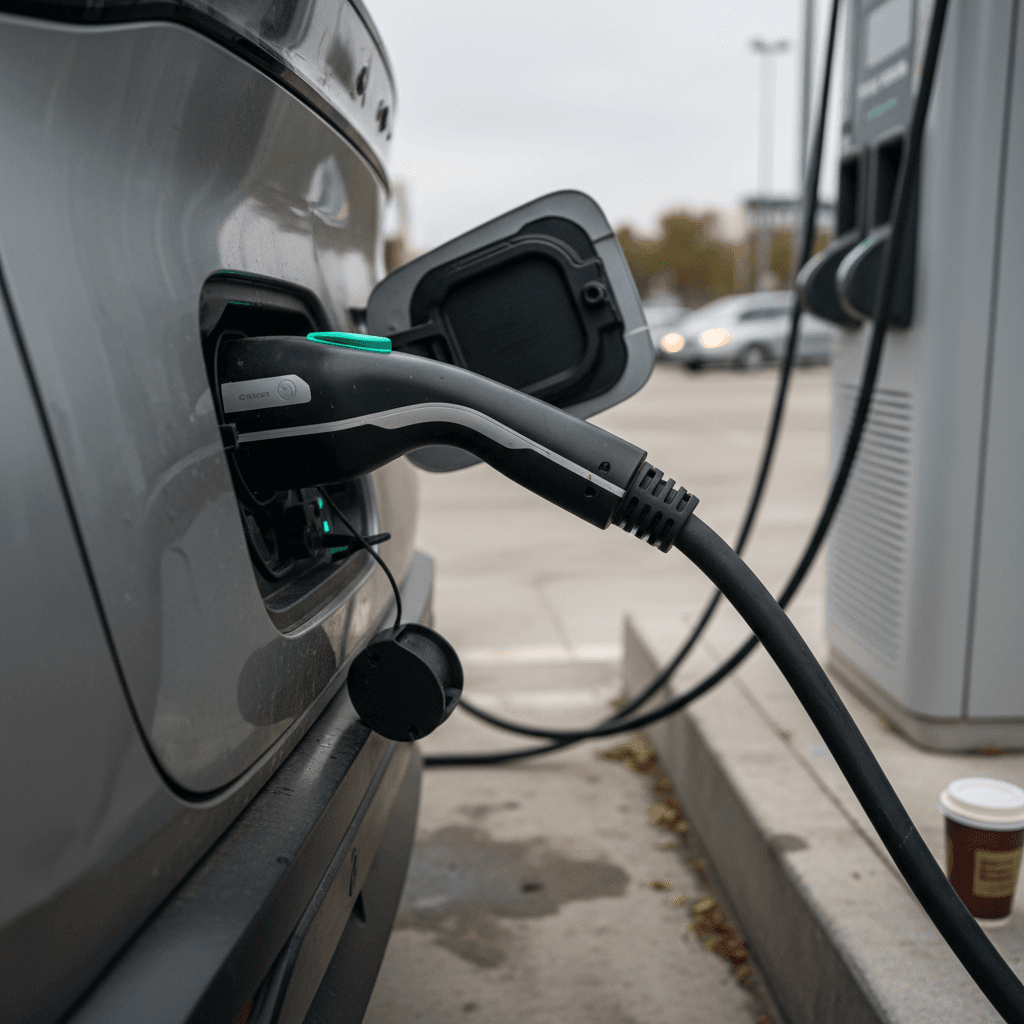
Charging is where you need to be a little choosy with the Ariya. The hardware is competent but not class‑leading, and small differences in your home setup or fast‑charging habits will have a big impact on day‑to‑day convenience.
Charging the Ariya: what you’re working with
Good home charging manners, modest but usable DC fast charging.
Home (Level 2)
- Up to around 7–9 kW depending on onboard charger and circuit
- Roughly 10–14 hours from near empty to full, overnight top‑ups are easy
- Best paired with a 40–48A 240V charger
DC fast charging
- Peak around ~130 kW on most specs
- Flat charging curve: it may not spike sky‑high, but it holds decent power for longer
- Think ~30–40 minutes for a useful 10–80% top‑up on the big pack when conditions are ideal
Connectors
- U.S. Ariya models use CCS1 fast‑charge ports
- Most public networks (EVgo, Electrify America, ChargePoint DC) are compatible
- Adapter will be needed if you want to use future NACS‑only sites
Plan around CCS, not Tesla Superchargers
At home, the Ariya is easy to live with: install a 240‑volt circuit, plug into a quality Level 2 charger and you’ll refill the battery overnight, even from low states of charge. On the highway, it will never win a drag race against a 350 kW station and a Korean EV6, but its relatively flat charging curve means you don’t fall badly behind in real time so long as you arrive at the charger with a warm battery and low state of charge.
Road‑trip rhythm that works
Reliability, common issues and battery health
The Ariya is still a relatively young model in 2026, so we don’t have decade‑long case studies yet. But early owner reports and service data paint a reasonably encouraging picture: no widespread high‑voltage battery failures, no plague‑level drive‑unit issues, and the usual scatter of software gremlins you see with any modern EV.
Known trouble spots to watch for
Nothing catastrophic so far, but a few patterns are emerging.
12‑volt battery and startup issues
- Some owners report weak OEM 12‑volt batteries leading to no‑start situations.
- Ask if the 12‑volt has already been replaced with a higher‑quality unit.
- On inspection, look for recent jump‑start or battery replacement records.
Infotainment & software quirks
- Occasional glitches with the infotainment system, Bluetooth or navigation.
- Most are addressed with software updates, ask the seller when the last update was done.
- Test Apple CarPlay/Android Auto, cameras and driver‑assist features on the test drive.
High‑voltage battery so far
Battery‑health checks you should always do
1. Review the battery warranty
Most Ariyas carry around an 8‑year / 100,000‑mile EV system warranty from the in‑service date. Verify the exact terms in the owner’s manual and confirm whether coverage is transferable to you.
2. Ask for charging history
Ideally the car has a mix of home Level 2 and occasional DC fast charging, not fast‑charging every single day to 100%. If the previous owner lived at a DC station, assume slightly more degradation.
3. Compare range estimate to spec
With the battery at 100%, compare the displayed estimated range against the original EPA number for that trim. Some drop with age and climate is normal; a dramatic gap could signal abuse or a problem.
4. Use a professional battery test
At Recharged, every Ariya gets a <strong>Recharged Score</strong> battery diagnostic that quantifies remaining capacity, charging performance and pack consistency. If you’re buying elsewhere, insist on some form of third‑party test or dealer report, not just "it seems fine."
5. Scan for error codes
Have a qualified EV technician scan for stored high‑voltage or thermal‑management codes, even if no dash lights are on. Silent history matters as much as current warnings.
Red flags, walk away material
Used Nissan Ariya prices and depreciation
The Ariya launched into an overheated EV market, then ran head‑first into an EV price war. New‑car price cuts for the 2024 and 2025 model years mean the used market has had to come back down to earth. For you, the 2026 buyer, that’s mostly good news.
Typical used Ariya price bands in 2026 (rough guide)
Exact pricing will depend on mileage, condition, options, market and incentives. Think of these as broad landing zones, not quotes.
| Model year & trim | Odometer range | Typical asking range | Notes |
|---|---|---|---|
| 2023 Engage / Engage FWD (63 kWh) | 25k–45k mi | Low–mid $20,000s | Best value for commuters who don’t need long range. |
| 2023 Evolve+ / Venture+/similar long‑range FWD | 20k–40k mi | High $20,000s–low $30,000s | Longer range commands a premium but still under original MSRP by a fat margin. |
| 2023–2024 e‑4ORCE AWD (any pack) | 20k–40k mi | High $20,000s–mid $30,000s | AWD, more power; winter‑state demand keeps prices firmer. |
| 2024–early 2025 Platinum+ e‑4ORCE big pack | 10k–30k mi | Low–mid $30,000s | Top trims with luxury features and big battery hold value better. |
Numbers assume clean titles and typical mileage; extraordinary deals or outliers will fall outside these bands.
How Ariya depreciation compares
When you evaluate a specific car, anchor your expectations on three things: battery size, drivetrain and options. A loaded Platinum+ e‑4ORCE with the big pack, glass roof and every driver‑assist box ticked should not be priced like a base Engage. Conversely, don’t pay long‑range money for a short‑range pack just because the interior looks fancy.
Used Nissan Ariya inspection checklist
Ariya‑specific quirks aside, you’ll want to give any used EV a structured, nose‑to‑tail inspection. Here’s how to interrogate an Ariya before it moves into your life and your driveway.
10 things to check before buying a used Ariya
1. Confirm battery size and trim
Decode the VIN or pull the original window sticker if possible. Make sure you know exactly which battery pack and drivetrain you’re getting, this drives everything from price to road‑trip viability.
2. Inspect wheels and tires
Platinum+ and some Evolve+ models wear big 20‑inch wheels that look great but can hurt ride comfort and efficiency. Check for curb rash, uneven wear and ask what tires are fitted, cheap replacements can ruin the car’s demeanor.
3. Test all driver‑assist systems
On your test drive, verify adaptive cruise, lane‑centering, blind‑spot monitoring and 360° cameras. Nissan’s ProPILOT Assist systems are excellent when they’re dialed in; you want them working properly.
4. Check climate control performance
Make sure the heat and A/C respond quickly and can maintain temperature. Heat‑pump‑equipped cars will be more efficient in winter; if climate feels weak, have the system inspected.
5. Listen for suspension clunks
Over speed bumps and rough pavement, listen for knocks from the front or rear. The Ariya is normally very quiet; any clunks are easier to pick out and worth addressing before purchase.
6. Verify charge‑port condition
Open the charge door, inspect CCS and AC pins for corrosion, damage or wobble, and plug into Level 2 (and ideally DC fast) to confirm reliable connection and expected charging behavior.
7. Scan for warning lights and codes
Any persistent warning lights (especially EV system, battery, or stability control) should be resolved before sale. A professional scan can surface hidden issues that don’t yet show on the dash.
8. Review service and software history
Ask for documentation of scheduled maintenance, recalls and software updates. An EV that’s had its recalls and updates done is almost always a safer bet than one that hasn’t.
9. Look for signs of crash or flood damage
Check panel gaps, paint overspray, water marks in the cabin or cargo area, and under‑car corrosion. A clean Carfax is good, but your own eyes and a trusted shop’s inspection are better.
10. Take a long, varied test drive
Drive at city speeds and on the highway, try one‑pedal driving, test the brakes and regen, and pay attention to steering feel. The Ariya should feel composed, quiet and predictable, not nervous or harsh.
Let someone obsessive do this for you
Used Ariya vs other electric SUVs
Where the Ariya is stronger
- Interior quality: Cabin materials and design feel warmer and more upmarket than many rivals, especially older Model Y and ID.4 examples.
- Ride comfort: Softer suspension tuning and good noise isolation make it an easy highway car.
- Simplicity: Logical controls, less app‑dependence than some competitors.
- Value: Depreciation plus 2024–2025 price cuts mean attractive used pricing for what you get.
Where the Ariya lags
- Charging speed: DC fast‑charging peak power and real‑world stop times trail the very best Korean and Tesla setups.
- Charging ecosystem: No native access to Tesla Superchargers (without future adapters), so you rely more on third‑party networks.
- Brand EV reputation: Nissan still lives in the shadow of early Leaf degradation stories, even though chemistry and cooling have improved since then.
- Range options: Once you remove unicorn trims, there’s no 300+ mile Ariya to match the longest‑range competition.
Good Ariya candidates vs rivals
Financing, warranties and long‑term resale
Because the Ariya is still relatively new, most used examples in 2026 will have some original warranty left. That’s important for peace of mind in a segment where repair costs can be high, even if actual failure rates are low.
Money side: what to line up before you buy
Protect your downside and future‑proof your decision.
Financing a used Ariya
Many lenders now treat late‑model EVs like any other used car, but some still have age or mileage caps. At Recharged, you can finance a used Ariya entirely online, often with competitive rates tailored to EV buyers.
Understanding warranties
- Factory EV system coverage typically ~8 yrs / 100k miles.
- Basic bumper‑to‑bumper coverage is shorter; beware cars near their expiration.
- Ask for written confirmation of what’s left and whether it’s fully transferable.
Thinking about resale
Nissan’s price corrections should help stabilize long‑term values. Big‑battery trims with clean battery‑health documentation and good range will be easier to sell later than short‑range or abused examples.
Pre‑qualify before you test‑drive
Used Nissan Ariya FAQ for 2026 buyers
Frequently asked questions about buying a used Ariya
Bottom line: who should buy a used Ariya?
A used Nissan Ariya in 2026 is not the spec‑sheet champ, nor the charging‑curve wunderkind. What it is, more quietly, is a deeply pleasant electric crossover with a genuinely nice interior, a mature ride and, thanks to early pricing missteps, a used‑market value proposition that’s better than many people realize.
If you’re willing to live within its charging and range envelope, especially if you have reliable home charging, the Ariya rewards you with low running costs and an everyday driving experience that feels more like a junior luxury SUV than an experiment from the future. Choose the battery and trim that match your life, insist on clear battery‑health data and a thorough inspection, and you can safely let someone else’s depreciation work in your favor.
And if you’d rather skip the guesswork, you can shop used Ariyas on Recharged, where every vehicle comes with a Recharged Score battery report, fair‑market pricing, EV‑savvy financing options and the option to have your Ariya delivered right to your door.