If you like cars that are tidy, efficient, and oddly joyful to thread through a city, you’re shopping in the right niche. The market may be stampeding toward crossovers, but the best electric hatchbacks of 2026 deliver the same battery tech in smaller, cheaper, easier-to-park packages. The trick is knowing which ones are actually good and which ones are just cheap.
Hatchbacks vs. crossovers in 2026
Why electric hatchbacks still matter in 2026
Small EVs in the 2026 market, by the numbers
In a crossover-obsessed world, an electric hatchback gives you three big advantages: price, efficiency, and urban livability. Less sheet metal and glass means less weight and cost. A smaller frontal area cuts drag. And squeezing into that last parallel spot on a crowded street? That’s hatchback country.
Who an electric hatchback is perfect for
Quick ranking: best electric hatchbacks for 2026
Best electric hatchbacks for 2026: Editor’s picks
New and used options that make real-world sense in the U.S. market
Best overall small EV: Chevy Bolt EV/EUV (2027)
Why it wins: Still the range-per-dollar king, with up to the mid‑200s in miles of EPA range and pricing that starts under $30,000. The form factor is classic hatchback: upright, roomy, easy to park.
Best for: Shoppers who want maximum range and utility from a small footprint and don’t need AWD.
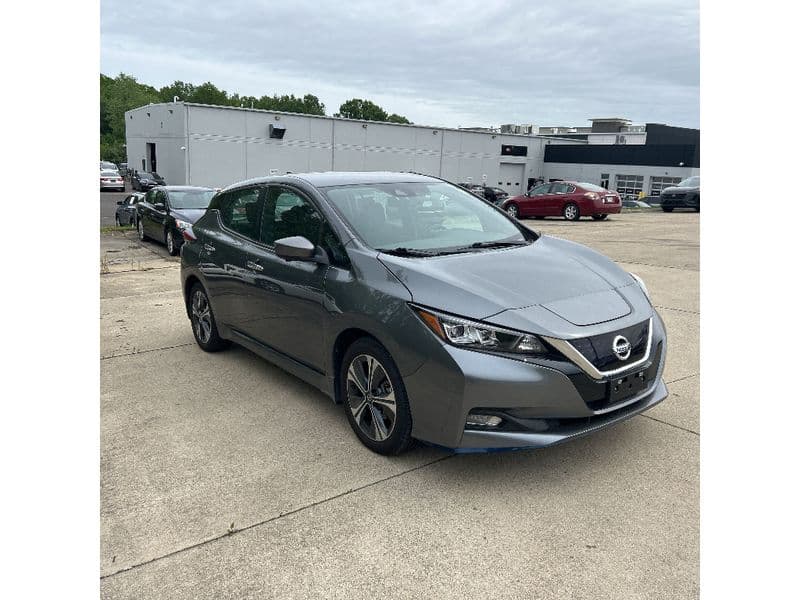
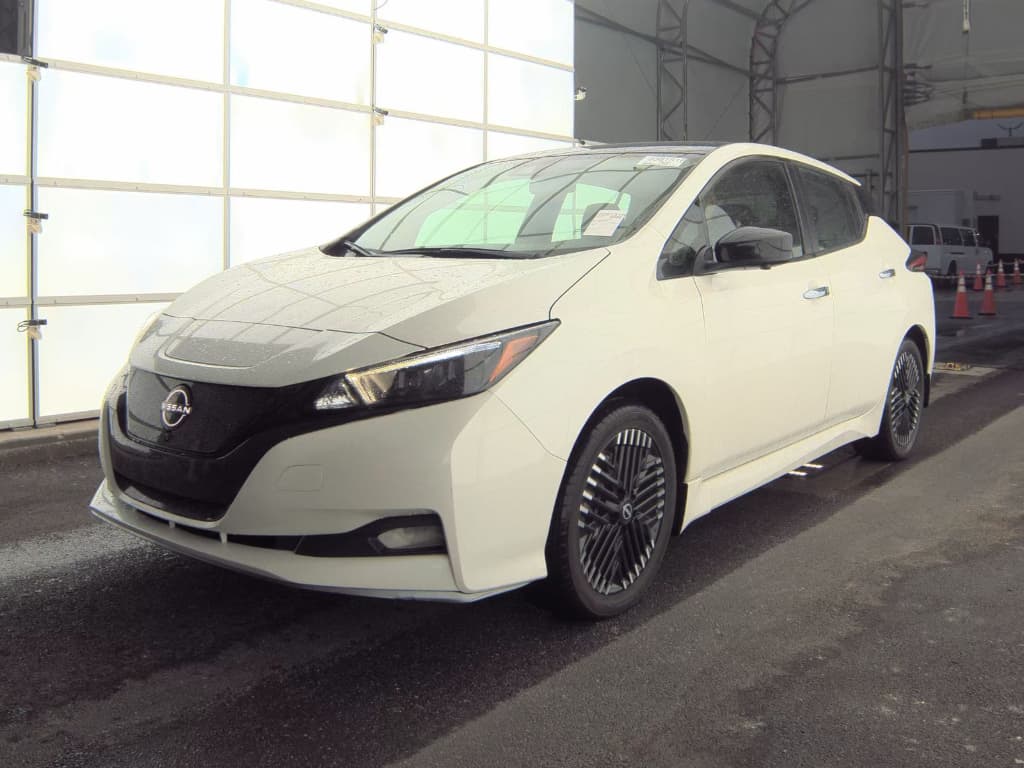
Best budget new EV: Nissan Leaf (2026)
Nissan is positioning the all‑new 2026 Leaf as the cheapest new EV in the U.S., with entry trims around $30,000 and usable range north of 250 miles in higher trims.
Best for: First‑time EV buyers who want a new‑car warranty more than a luxury badge.
Best to drive (import/enthusiast): MG4 Electric
Where available, the MG4 is the enthusiast pick: rear‑wheel drive, playful chassis, and range that rivals larger, pricier EVs. It’s a reminder that small doesn’t have to mean slow or dull.
Best for: Drivers who care as much about handling feel as efficiency and are comfortable with a newer brand.
Best used EV value: 2017–2022 Chevy Bolt EV
On the used market, early Bolts remain a screaming deal, often far under $20,000. The trick is verifying that recall battery work is complete and the pack is healthy, a big part of what Recharged’s Score Report is built to do.
Best for: Value hunters comfortable buying used and willing to trade some cabin polish for big savings.
Body style vs. marketing
Chevrolet Bolt EV/EUV (2027): Hero of the spec sheet
General Motors briefly killed the Bolt, then brought it back on its Ultium platform and promptly announced an end date again. For now, the 2027 Chevy Bolt EV is the lowest‑priced new electric vehicle in the U.S., with a starting price just under $29,000 and EPA range in the mid‑200‑mile bracket. In other words: it’s still the car doing the Lord’s work for people who want inexpensive, honest electric transportation.
2027 Chevy Bolt EV/EUV: Snapshot
Key specs for the current-generation Bolt in 2026 (U.S. market estimates)
| Spec | Bolt EV (est.) | Bolt EUV (est.) |
|---|---|---|
| EPA range | ~262 mi | ~247 mi |
| Battery size | ~65 kWh | ~65 kWh |
| Starting MSRP | $28,995 | ~$30,000+ |
| Drive layout | FWD | FWD |
| DC fast charge max | ~100 kW | ~100 kW |
| DCFC time (10–80%) | ~40–45 min | ~40–45 min |
Exact numbers vary by trim; always verify window sticker specs when you shop.
What the Bolt gets right
- Range-per-dollar champion: You’re getting genuine road‑trip‑capable range for compact‑car money.
- Real hatchback practicality: A tall roof and generous rear legroom make it feel much bigger on the inside than it looks outside.
- Easy daily charging: A modest battery means faster Level 2 charging at home; you don’t need a 19 kW wall box to keep it full.
Where it still feels like a budget car
- Interior feel: Plastics and design are a half‑step behind Hyundai, Kia, and VW rivals.
- Charging speed: Around 100 kW peak was fine in 2019; in 2026 it’s merely adequate.
- Future support: GM has already dated the Bolt’s second farewell; you’re buying into something that may not have a long future in the lineup, even if parts support continues.
Bolt EUV vs. EV
Nissan Leaf 2026: Cheapest ticket into a new EV
The original Leaf was the world’s first mass‑market EV and, frankly, felt like it. Limited range, CHAdeMO DC charging, and accelerated battery degradation made early cars heroes with clay feet. The all‑new 2026 Leaf is Nissan’s mulligan: a clean‑sheet car with a more crossover‑like stance, modern range, and, crucially, pricing that undercuts almost everything else electric on sale in America.
2026 Nissan Leaf: What we know so far
Nissan’s announced numbers give a good sense of where the new Leaf lands.
| Spec | Leaf S+ (est.) | Leaf Platinum+ (est.) |
|---|---|---|
| Starting price | ~$29,990 | ~$38,990 |
| Battery | ~75 kWh | 75 kWh |
| Target range | ~303 mi | ~259–303 mi |
| Body style | Fastback crossover | Fastback crossover |
| Drive | FWD | FWD |
| DC fast charge | Modern CCS/NACS | Modern CCS/NACS |
Final U.S. EPA figures and pricing may vary slightly by the time cars hit dealers.
Nissan is very open about the mission here: make the cheapest new EV in the U.S. that doesn’t feel like a penalty box. The new Leaf shares its platform with the Ariya but wraps it in a shorter body with more cabin space than the outgoing hatchback. If the final U.S. spec keeps the price advantage and delivers on range, this is the entry-level EV to beat.
Be careful with older Leafs
MG4 and other imported hatchbacks: When you don’t need a badge
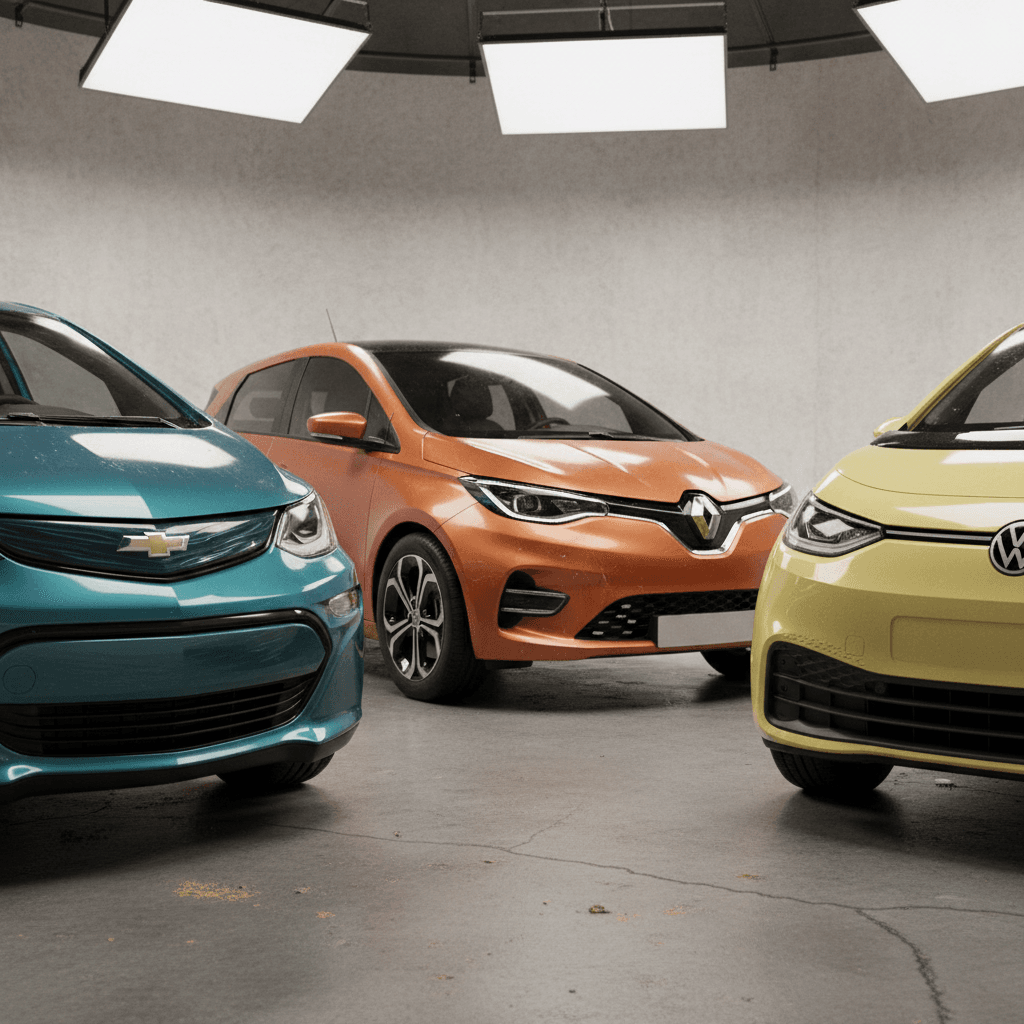
The car you wish every American could buy is probably something like the MG4 Electric: rear‑drive, tidy proportions, honest hatchback body, and a chassis tuned by people who apparently still enjoy driving. In markets where it’s sold, the MG4 offers range in the neighborhood of 270–320 miles depending on battery pack, with pricing that undercuts many legacy‑brand rivals.
- Rear‑wheel drive and low center of gravity for playful handling.
- Battery sizes in the ~50–70 kWh range, with competitive DC fast‑charge rates.
- Straightforward hatchback packaging: split‑fold rear seats, square cargo opening, easy urban maneuverability.
- Design that reads more "hot hatch" than "Uber XL."
A note on availability
Best used electric hatchbacks: Smart buys under $25k
If you’re willing to skip the new‑car smell, the used electric hatchback market is where the real deals live. Depreciation hits early EVs hard, even when the hardware is still excellent. The key variables are battery health, recall history, and whether the car works with today’s charging networks.
Top used electric hatchback picks (U.S.)
Approximate U.S. market sweet spots as of 2026.
| Model & years | Typical price range | Rated range (when new) | DC fast charge standard | Why it’s compelling |
|---|---|---|---|---|
| Chevy Bolt EV (2017–2022) | $12k–$20k | ~238–259 mi | CCS | Huge range for the money; post‑recall packs can be very healthy if validated. |
| Chevy Bolt EUV (2022–2023) | $18k–$24k | ~247 mi | CCS | More rear legroom and comfort while staying compact. |
| Nissan Leaf Plus (2019–2022) | $11k–$18k | ~215–226 mi | CHAdeMO | Great city car if you don’t road‑trip much; watch battery health closely. |
| Hyundai Ioniq Electric (2017–2021, where found) | $13k–$19k | ~124–170 mi | CCS | One of the most efficient EVs ever sold; range is modest but predictable. |
| BMW i3 (2017–2021 BEV only) | $15k–$23k | ~153–181 mi | CCS | Quirky, premium, and surprisingly fun; more city car than highway cruiser. |
Pricing varies widely by mileage, condition, and incentives; treat these as directional guides.
How Recharged simplifies used EV shopping
Ready to find your next EV?
Browse VehiclesKey buying factors for electric hatchbacks in 2026
Electric hatchback buying checklist
1. Decide your real range need
Track a week of your normal driving. If you rarely exceed 80–100 miles in a day, a 220‑mile EV is plenty. If you road‑trip or have winter weather, aim for 260+ miles so cold‑weather losses don’t hurt.
2. Confirm charging fit at home
Do you have (or can you add) a 240V outlet or wall box? A 40‑amp Level 2 charger is the sweet spot for most hatchbacks. If you can only use 120V, look for smaller battery packs or slower daily mileage.
3. Check DC fast‑charging standard
In North America, the market is rapidly moving to <strong>NACS</strong> (Tesla’s connector). CCS is still widely supported, but CHAdeMO is effectively legacy. On a used Leaf with CHAdeMO, think of DC fast charging as a nice‑to‑have, not a road‑trip solution.
4. Compare total cost, not just sticker price
Insurance, charging costs, and maintenance are all lower than a comparable gas car, but vary by model. A cheaper, inefficient EV on expensive public charging can cost more to run than a slightly pricier, efficient one you mostly charge at home.
5. Look at cargo and passenger packaging
Some small EVs hide a surprisingly cramped back seat under a stylish roofline. Sit in the back, fold the seats, and see if your actual life, stroller, bike, dog, fits the hatch.
6. Understand software and driver‑assist features
Lane‑keeping, adaptive cruise, over‑the‑air updates, and app support all vary widely. If you commute a lot of highway miles, better driver‑assist is worth paying for; if you mainly do short city hops, you might prioritize a simple interface instead.
Battery health: How to avoid a range-regret special
Battery health is the single most important variable when buying a used electric hatchback. A tired pack can turn a car that was 240 miles new into a 160‑mile car today. That’s the difference between charging twice a week and every night.
Signs of a healthy pack
- Displayed full‑charge range is close to what the model managed when new, adjusted for your driving style and climate.
- Fast‑charging speeds are consistent with reviews and owner reports; it shouldn’t take an hour to go from 20% to 80% on a modern DC fast charger.
- No history of repeated rapid DC charging in extreme heat (often visible on connected‑car logs or maintenance notes).
Red flags to investigate
- Owner says “it still goes plenty far” but can’t produce any recent range screenshots.
- Displayed State of Health (SoH) below ~80% on cars with known issues (early Leafs, pre‑recall Bolts) without documentation of repairs.
- DC fast charging that tapers almost immediately and crawls to 80%, indicating a pack or thermal management issue.
Don’t buy blind on battery health
Ownership costs: Insurance, charging, and resale
Owning a small electric hatchback in 2026 is mostly about predictability. You trade gas price roulette for a stable electricity bill and minimal maintenance. But there are still line items to think about before you sign anything.
The three big cost buckets
Where your money actually goes over 5–7 years of ownership
Energy costs
Charging at home on a typical U.S. electricity rate often works out to the equivalent of paying $1–$1.50 per gallon in a comparable gas car. Public DC fast charging is closer to market‑rate gasoline on a cost‑per‑mile basis. Small, efficient hatchbacks maximize the advantage of home charging.
Insurance
Insurance for EV hatchbacks can be slightly higher than for comparable gas compacts, mostly due to repair costs, but lower than big EV SUVs. Shopping quotes before you pick a model can save you hundreds per year.
Resale value
Battery‑health and charging standard drive used values. A well‑cared‑for Bolt or modern Leaf with verified pack health will hold more value than a neglected example, even at the same mileage. Documentation and third‑party reports matter.
Run the 5‑year math
How Recharged helps you shop electric hatchbacks smarter
Shopping for the best electric hatchback in 2026 shouldn’t require a PhD in battery chemistry. Recharged is built to take the guesswork out of used EVs, especially small hatchbacks where battery condition is everything.
- Every vehicle includes a Recharged Score Report with verified battery‑health diagnostics, so you see exactly how much usable capacity remains.
- Transparent, data‑driven pricing that compares each car to fair market value, no mystery “market adjustments.”
- Financing, trade‑in, instant offer or consignment, and nationwide delivery handled in one digital experience.
- EV‑specialist advisors who can talk you through whether a Bolt, Leaf, or something else actually fits your daily life.
- An Experience Center in Richmond, VA if you prefer to see and drive the car before it lands in your driveway.
From scrolling to plugged‑in
FAQ: Best electric hatchback 2026
Frequently asked questions about 2026 electric hatchbacks
Bottom line: Which electric hatchback should you buy in 2026?
If you judge cars by sheet‑metal acreage and ride height, the market will happily sell you an electric crossover the size of a small ranch house. If you judge them by how cleverly they use space and electrons, the best electric hatchbacks of 2026 are where the real engineering value lives.
Buy this if you’re value‑driven
New: Put the Chevy Bolt EV/EUV and 2026 Nissan Leaf at the top of your list. They deliver genuine long‑range EV capability at prices that look like compact gas cars.
Buy this if you want fun-to-drive
Where available, the MG4 and other rear‑drive hatchbacks are the connoisseur’s choice. In the U.S., a well‑sorted used Bolt or even a quirky BMW i3 will still make you smile on a back road.
Buy this if you’re budget-first
A used Bolt EV or Leaf Plus with documented battery health can deliver modern EV capability for well under $20,000. Just don’t skip the battery report, that’s where Recharged’s Score Report earns its keep.
Whatever you choose, the homework is the same: be honest about your daily mileage, verify charging options, and refuse to guess about battery health. Do that, and an electric hatchback will quietly become the least dramatic, most satisfying thing in your driveway.