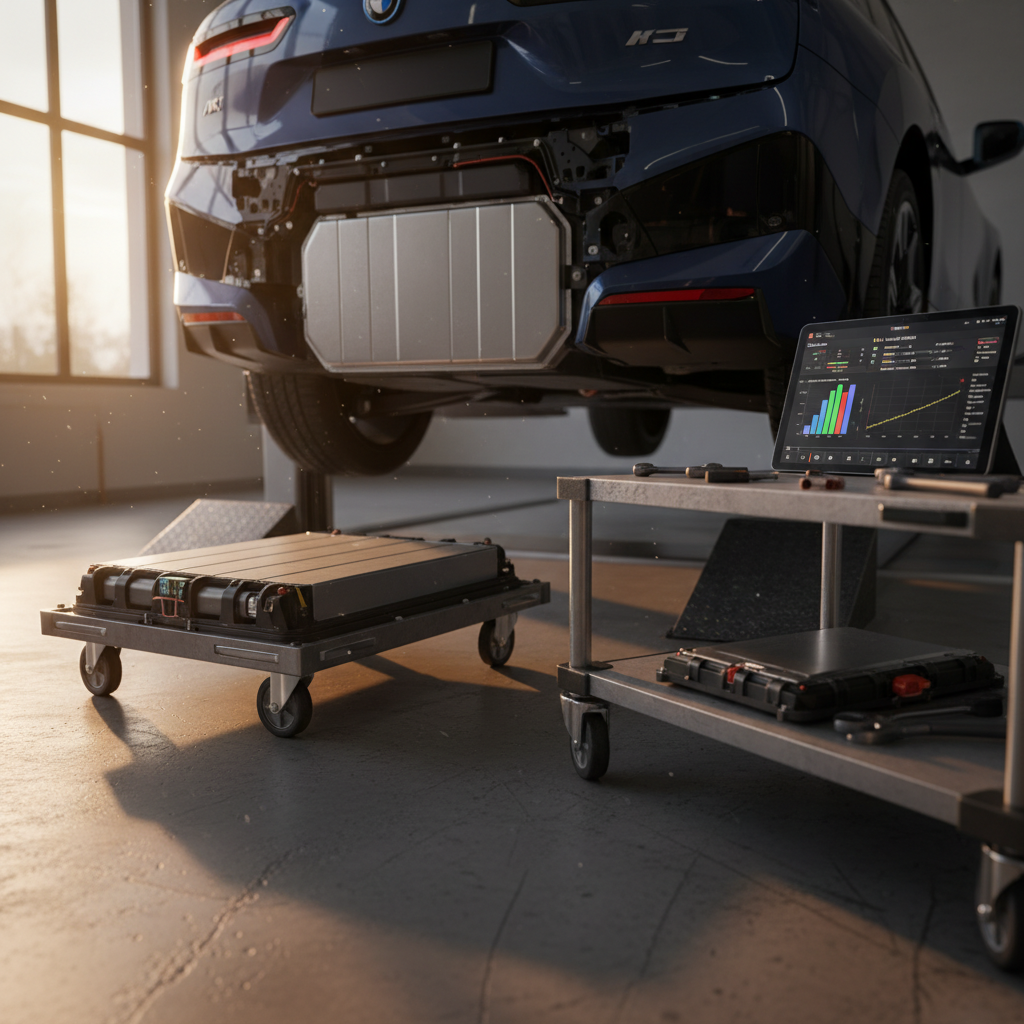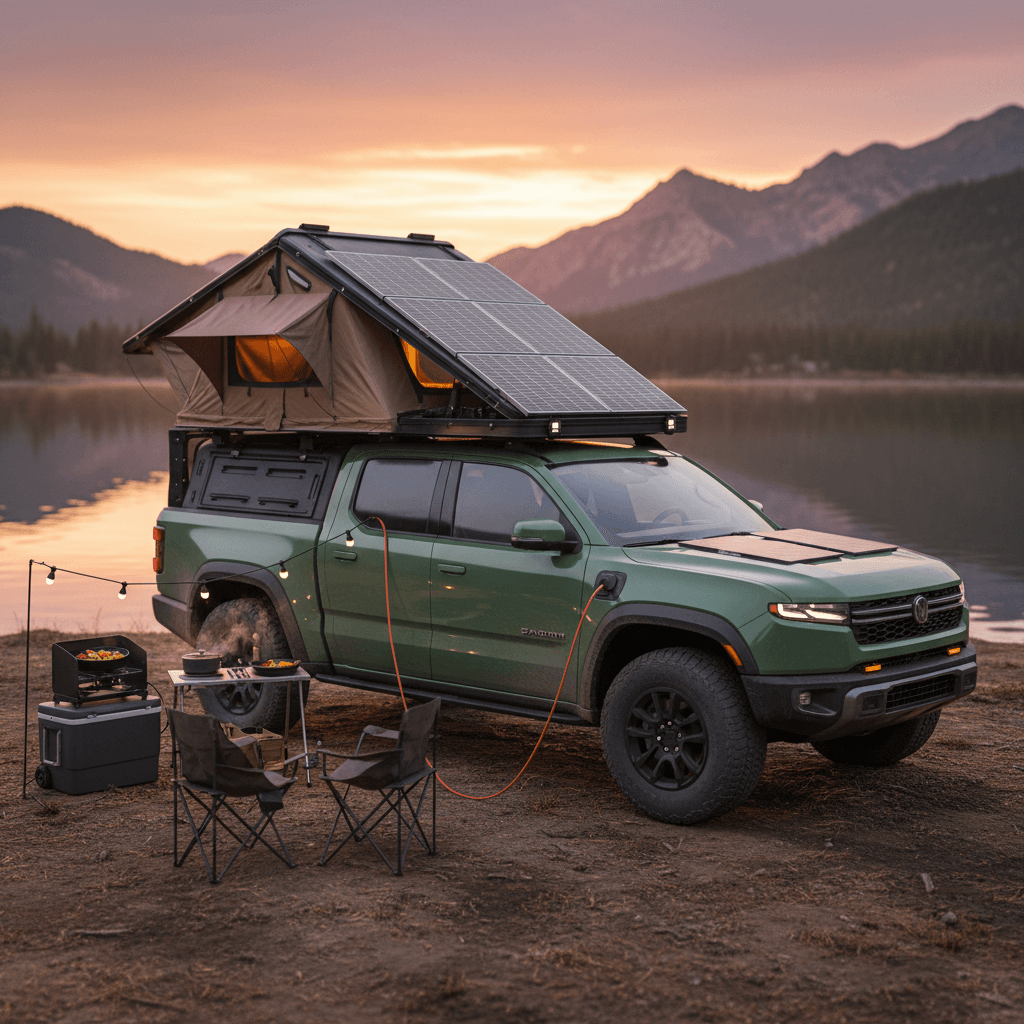
If you love campfires and forest roads as much as kilowatts and quiet torque, you’re probably wondering what the best electric car for camping enthusiasts in 2026 actually looks like. The good news: modern EVs aren’t just capable of getting you to the trailhead, they can now power your entire campsite, from lights and fridges to induction cooktops and heated blankets.
Camping With an EV Feels Different
Why EVs Make Surprisingly Great Camping Rigs
Why More Campers Are Going Electric
Three trends make 2026 a sweet spot for EV campers: vehicle‑to‑load (V2L) power is going mainstream, more crossovers and trucks offer serious range, and automakers are finally thinking about overland and roof‑top‑tent use from the design phase. That’s especially true of Rivian’s adventure‑focused R1T and R1S, Ford’s F‑150 Lightning, and E‑GMP‑based crossovers like the Hyundai Ioniq 5, Kia EV6, and Kia EV9.
How We Picked the Best Electric Cars for Camping in 2026
- Prioritized 2025–2026 model‑year EVs you can realistically buy or order in North America, plus used examples widely available now.
- Focused on vehicles with proven camping features: V2L or onboard power outlets, flat‑fold seats or truck beds, decent clearance, and roof‑rack or tow ratings.
- Weighted real‑world range and charging speeds more heavily than spec‑sheet peak range.
- Considered owner trip reports from Rivian, Hyundai, Kia, and Ford forums that describe multi‑day camping use, not just daily driving.
- Looked closely at value on the used market, where Recharged customers are most active today.
One Size Won’t Fit Every Camper
Quick Ranking: Best Electric Cars for Camping in 2026
Best Electric Cars for Camping Enthusiasts in 2026
High‑level snapshot of stand‑out EVs for different camping styles.
| Rank | Model | Best For | Key Camping Strength |
|---|---|---|---|
| 1 | Rivian R1T / R1S | Adventure all‑rounder | Huge battery options, off‑road chops, multiple outlets and clever storage. |
| 2 | Ford F‑150 Lightning | Power‑hungry basecamps | Up to 9.6 kW of Pro Power Onboard plus a full‑size truck bed. |
| 3 | Hyundai Ioniq 5 | Weekend warriors | Strong V2L, fast charging, roomy cargo, great value used. |
| 4 | Kia EV6 | Sporty road‑trip campers | V2L plus long‑legged highway manners and sleek packaging. |
| 5 | Kia EV9 | Family road‑trip camping | Three rows, real V2L power, plenty of room for people and gear. |
| 6 | Hyundai Ioniq 9 | Big‑family adventures | Ioniq 9 brings Ioniq 5 tech to a full‑size SUV footprint. |
| 7 | Other notables (Tesla Model Y, Subaru Solterra, etc.) | Casual campouts | Good cargo space and all‑weather manners, but weaker campsite power. |
Range, power output and size vary by trim, always verify exact specs for the model you’re shopping, especially on the used market.
Rivian R1T & R1S: Best Overall EVs for Camping Enthusiasts
Why Rivian Tops the Camping List
Rivian built the R1T pickup and R1S SUV with camping and overlanding in mind. Standard all‑wheel drive, generous ground clearance, and advanced drive modes make it easier to reach remote campsites than most crossovers. Recent owner trip reports describe multi‑day stays in national forests running fridges, lights, and even small A/C units from the onboard outlets.
Real‑World Camping Advantages
- Multiple 120V outlets in the bed and cabin for coolers, laptops, e‑bikes, and more.
- Big battery options (with configurations surpassing 400 miles of rated range) that soak up the energy hit from climbs, cold weather, or towing a small trailer.
- Lockable front trunk and under‑bed storage for stashing gear when you leave camp.
- Flat‑fold rear area in the R1S that works well with an inflatable mattress.
Where Rivian Shines for Campers
The main drawback is cost, both new and used Rivians still command a premium. That’s where buying used with verified battery health data becomes important. A Rivian that’s seen frequent fast‑charging and towing might have more degradation than a commuter truck; a Recharged Score Report helps you quantify that before you wire a down payment.
Ford F-150 Lightning: Best Electric Truck for Power-Hungry Basecamps
For campers who want to leave the gas generator at home, the Ford F‑150 Lightning is still the reference point. Ford’s Pro Power Onboard system can supply up to 9.6 kW of AC power across multiple 120V outlets and one 240V socket, enough to run a small RV, power tools, or serious glamping setups for hours.
F‑150 Lightning Camping Pros & Cons
Think of it as a silent generator on wheels, with a few important caveats.
Massive Power Output
Run an electric grill, induction cooktop, lights, and a 12V fridge simultaneously without the drone of a gas generator. For group sites or tailgate‑style camps, that’s a game changer.
Truck Bed Flexibility
Haul bikes, kayaks, and totes in the bed while still having room for a rooftop tent or bed rack. Campers who already own pickup accessories will feel right at home.
Range & Towing Tradeoffs
The same physics that hit gas trucks also hit electric ones: towing a big trailer or climbing long grades can cut range dramatically. You’ll want conservative planning around chargers if you’re pulling a camper.
Watch Your Route With Trailers
On the used market, Lightning pricing has softened compared with its 2022 debut, which makes it increasingly attractive as a dual‑purpose work and camping truck. When you shop used, double‑check software feature levels and included power‑equipment packages, some lower trims offer fewer outlets or lower output, which directly affects what you can run at camp.
Hyundai Ioniq 5 & Kia EV6: Best Compact EVs for Weekend Camping
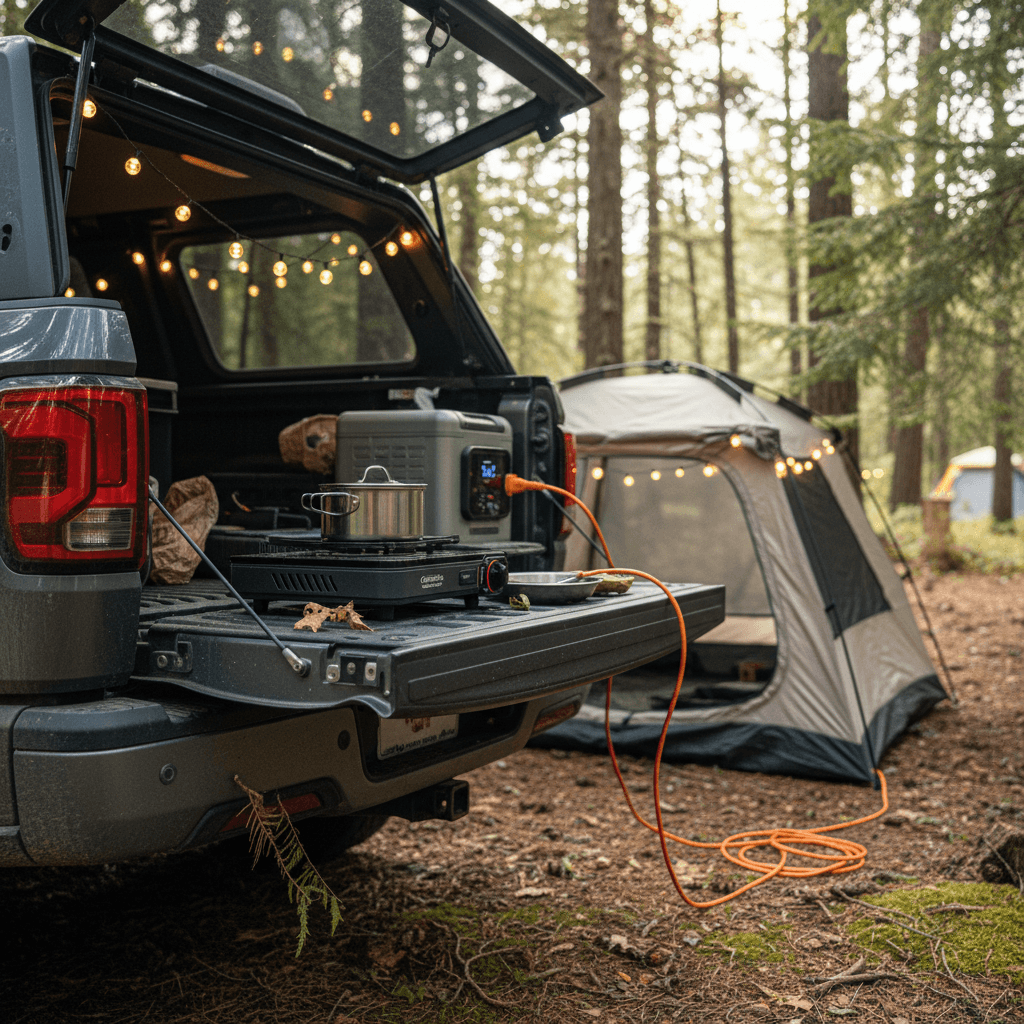
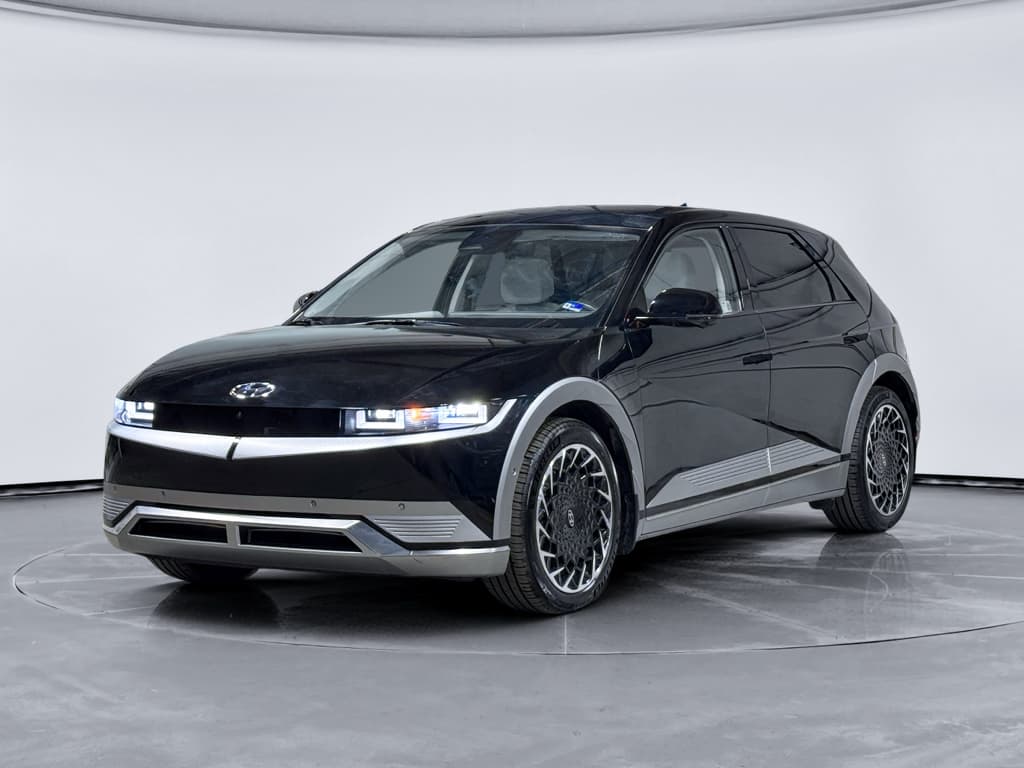
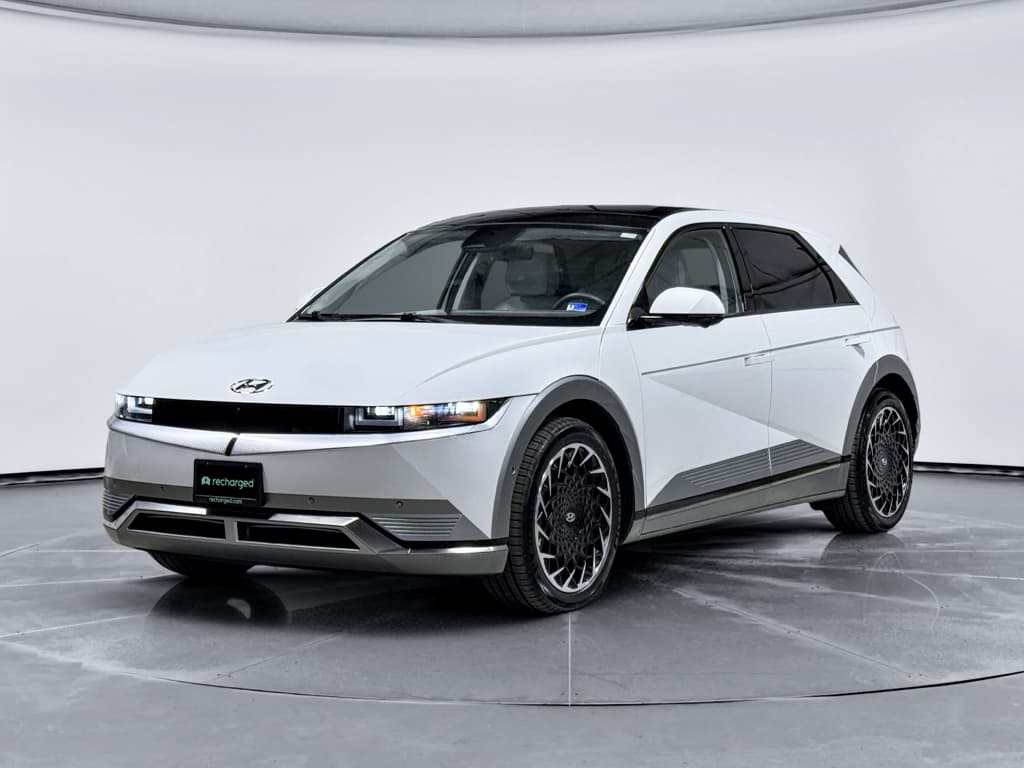
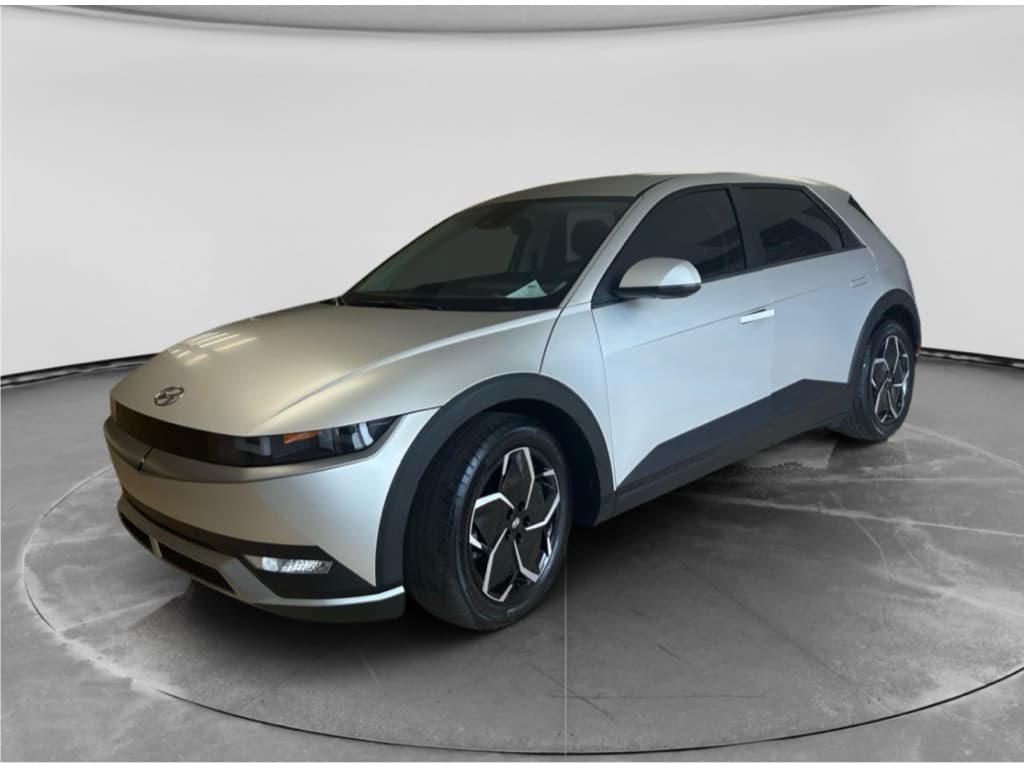
If you don’t need a truck bed, Hyundai’s Ioniq 5 and the Kia EV6 hit a sweet spot for camping enthusiasts who mainly use paved roads and maintained forest roads. Built on Hyundai Motor Group’s E‑GMP platform, they offer strong DC fast‑charging performance and a widely praised vehicle‑to‑load (V2L) function that can deliver several kilowatts of AC power through either an exterior adapter or interior outlet.
Why Ioniq 5 and EV6 Are Camping Sleepers
Compact outside, deceptively versatile inside.
Built‑In Camp Power
With the V2L adapter connected to the charge port, you can plug in standard household devices: coolers, laptops, lighting, even a compact projector for movie night. For most weekend campers, this replaces a small generator entirely.
Flat‑Fold Seats & Cargo Space
The long wheelbase and boxy shape of the Ioniq 5 especially make it easy to fold the rear seats and sleep inside on a mattress. The EV6 is lower and more coupe‑like but still handles gear and sleeping pads well.
Used Market Sweet Spot
When evaluating a used Ioniq 5 or EV6 for camping, pay attention to trim‑level equipment (some include interior household outlets, others rely solely on the external V2L adapter), wheel size (larger wheels hurt range on long highway climbs), and previous charging behavior. A Recharged Score battery report can tell you how much useful capacity remains so you know how far you can realistically drive between trailheads.
Kia EV9 & Hyundai Ioniq 9: Best 3‑Row Family EVs for Camping
Families who camp with kids, dogs, and half the garage will appreciate the arrival of true three‑row electric SUVs like the Kia EV9 and the new Hyundai Ioniq 9. Both ride on an evolved version of the E‑GMP architecture, pair big batteries with efficient motors, and offer V2L functionality similar to their smaller siblings.
Big‑Family Camping: EV9 vs. Ioniq 9
Two large electric SUVs with room for people and gear.
Kia EV9
In 2026 it has already picked up major awards as a family EV thanks to its roomy cabin, flexible seating, and strong feature set. With V2L, the EV9 can power campsite essentials and still have enough battery left for the drive home.
Hyundai Ioniq 9
Hyundai’s three‑row entry brings Ioniq 5 efficiency to a bigger footprint. For campers, the combination of high‑speed charging, long‑range battery options, and likely V2L support makes it a compelling alternative to a traditional three‑row SUV.
Think About How You Sleep
Other Notable 2026 EVs for Camping
- Tesla Model Y: Still one of the most efficient and common EVs on U.S. roads. Great cargo space, lots of third‑party accessories for sleeping platforms and roof‑top tents, and superb Supercharger access. Its main drawback for camping is the lack of true V2L power in North American versions as of early 2026.
- Subaru‑adjacent EVs (Solterra and siblings): Subaru’s EV offerings lean into light off‑roading and all‑weather traction. They work well for tent campers who don’t need to power half a house from the car.
- Emerging budget EV trucks: Several startup and legacy brands are talking up compact electric pickups that could be interesting camp rigs if they reach production. For now, Rivian and Ford remain the proven players.
Match the EV to Your Terrain
Key Features to Prioritize in a Camping-Ready EV
Camping‑Focused EV Features to Look For
1. Vehicle‑to‑Load or Onboard Power
For serious camping, look for EVs with <strong>V2L</strong> or similar systems that provide at least ~2–3 kW of AC power, or higher (up to ~9.6 kW on some trucks). This is what lets your car power coolers, lights, induction cooktops, and fans without separate generators.
2. Realistic Range for Your Trips
Think in terms of your <strong>longest leg between chargers</strong>, not just EPA ratings. If your favorite campground is 150 miles from the nearest fast charger and involves a big elevation gain, you’ll want a healthy safety margin, especially in winter.
3. Cargo Space and Sleep‑Inside Options
Flat‑fold seats, squared‑off cargo areas, and large liftgates make it easier to sleep inside or haul totes and bulky gear. Walk the vehicle with your actual camping bins or dimensions in hand before you buy.
4. Roof Rails, Racks, and Tongue Weight
If you plan to use a rooftop tent or tow a small camping trailer, verify <strong>roof‑rail compatibility, roof load rating, and tongue weight limits</strong>. Some sleek crossovers look great but aren’t friendly to heavy racks or trailers.
5. Ground Clearance and Underbody Protection
Even if you’re not rock‑crawling, an extra inch or two of clearance plus protective shielding can save you from trail‑rutted forest roads. Trucks and adventure‑focused SUVs still have an edge here.
6. Heat, A/C and “Camp Mode” Features
A good camping EV should comfortably run <strong>climate control overnight</strong> without burning much range. Look for official “camp modes” that manage HVAC and screen brightness for sleeping, or test how low‑power settings behave yourself.
Range Planning and Charging Strategy for EV Camping Trips
Planning the Drive
EV camping success starts before you pack the cooler. Use EV‑aware trip‑planning apps to map DC fast chargers along your route, then build in margin for weather, climbs, and potential detours. If you’re towing or running big all‑terrain tires, assume you’ll see noticeably lower efficiency than your weekday commute.
Many campers aim to arrive at the trailhead or campground with at least 30–40% battery remaining so they can run climate control and power devices without range anxiety.
Charging At and Near Camp
Your options will vary by location:
- Campgrounds with 240V hookups let you plug into a NEMA 14‑50 or similar pedestal using your portable Level 2 cable.
- Lodges or RV parks along the way often have Level 2 destination chargers you can use while you eat or sleep.
- Remote, no‑power sites require you to arrive with enough battery to cover both camp power use and the next leg to a public charger.
As EV‑camping tech matures, we’re also seeing products like battery‑powered trailers and standalone packs that can top up your EV in a pinch, though they’re still niche and pricey.
Don’t Plan on Charging From Your Own V2L
Buying a Used EV for Camping: How Recharged Helps
Many of the best EVs for camping in 2026, Rivian R1T/R1S, Ford F‑150 Lightning, the Ioniq 5, EV6, and early EV9s, are already showing up on the used market. That’s a big opportunity: you can often get serious camping capability for less than the price of a new compact SUV, especially if you’re flexible on colors and options.
Why Campers Should Care About Battery Health
A road‑trip‑ready EV is only as good as the pack it sits on.
Know the Real Range
Recharged uses its Recharged Score battery‑health diagnostics to estimate usable capacity, so you’re not guessing whether that “300‑mile” truck is still a 300‑mile truck after years of towing.
Fair Market Pricing
Because battery condition, options, and mileage are factored into pricing, you get a clearer sense of whether a given Rivian, Lightning, or Ioniq 5 is a smart buy for the way you camp.
Expert EV Guidance
Recharged’s EV specialists can talk through your specific camping plans, rooftop tents, trailers, national‑park loops, and help narrow down models that fit your budget and comfort level.
If you’re trading out of a gas SUV or truck to go electric, Recharged can also help with trade‑ins, instant offers, or consignment, plus nationwide delivery so you don’t have to live next to a big metro to find the right camping‑ready EV. And if you want to see how an EV feels packed with real gear, the Recharged Experience Center in Richmond, VA is built for exactly that kind of hands‑on shopping.
EV Camping FAQ (2026)
Frequently Asked Questions About EV Camping in 2026
Bottom Line: Best Electric Car for Camping Enthusiasts in 2026
In 2026, the best electric car for camping enthusiasts isn’t a single model so much as a short list tailored to how you explore. Rivian’s R1T and R1S are the go‑to picks for adventure‑minded drivers who mix pavement and dirt. Ford’s F‑150 Lightning is unmatched if you want to run a power‑hungry basecamp. The Hyundai Ioniq 5 and Kia EV6 deliver surprising camping talent in compact packages, while the Kia EV9 and Hyundai Ioniq 9 finally give large families truly viable all‑electric camping rigs.
No matter which way you lean, the through‑line is the same: prioritize battery health, usable range, and campsite power. If you’re shopping used, that’s exactly where Recharged can simplify the process with verified battery diagnostics, transparent pricing, and EV‑savvy support. Get the right platform once, and you’ll spend the next decade worrying more about weather windows and trail permits than kilowatts.