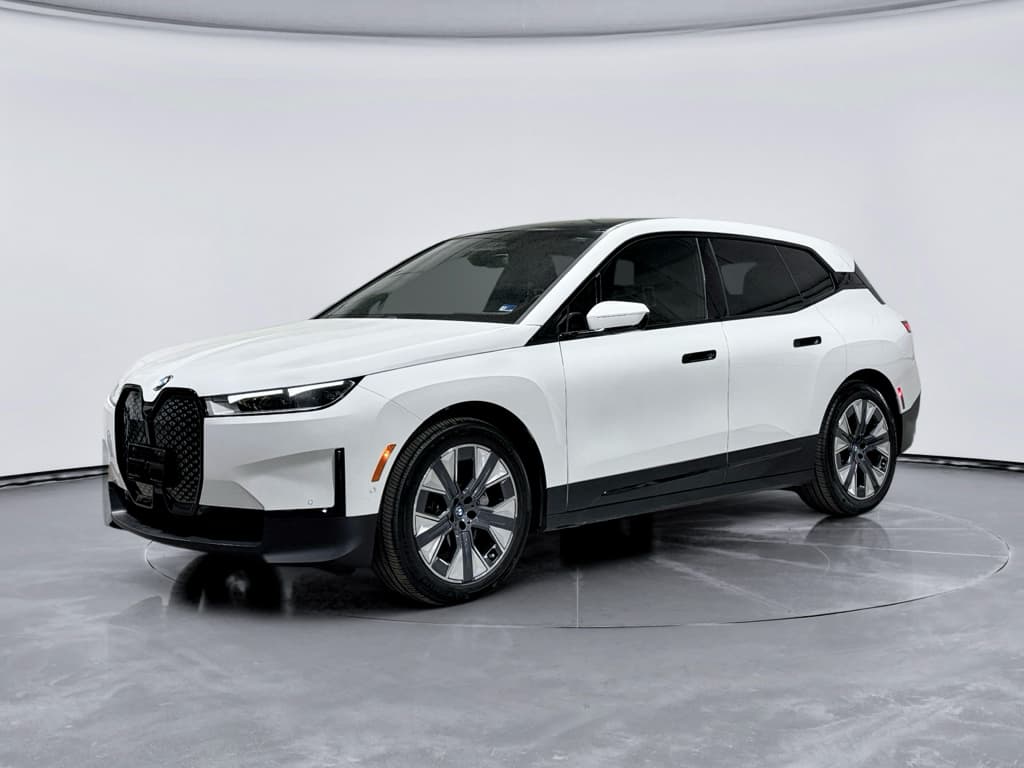
If you’re looking at a BMW iX, whether new or used, the big question lurking in the back of your mind is simple: how long will the battery last? Modern EV packs are expensive, and the iX’s giant pack is the heart (and wallet) of the vehicle. Let’s walk through what we know so far about BMW iX battery lifespan, real‑world degradation, and how to keep yours healthy well past the warranty window.
Quick snapshot
BMW iX battery lifespan: the short answer
If you want the headline on BMW iX battery lifespan without the engineering lecture, here it is:
- BMW’s official high‑voltage battery warranty on the iX in the U.S. is 8 years or 100,000 miles, whichever comes first.
- BMW has stated its EV batteries are designed to last the lifetime of the car, and internal documentation points to a roughly 15‑year design life for packs like the iX’s.
- Early real‑world data from iX owners and other recent BMW EVs suggests single‑digit to low‑double‑digit degradation (around 5–12% capacity loss) over the first 5–7 years in normal use.
- With decent care, it’s reasonable to expect an iX battery to remain very usable for 12–15 years and 150,000+ miles before range loss starts to feel limiting for many drivers.
The key is that lithium‑ion batteries don’t “fall off a cliff” one day. They gradually lose usable capacity, which shows up as reduced range. Understanding what’s inside the iX pack, and what hurts or helps it, goes a long way toward predicting how long yours will last.
BMW iX battery size, chemistry, and why it matters for life
The BMW iX uses a large, liquid‑cooled lithium‑ion battery mounted low in the floor. Depending on model and market, you’ll see a few different sizes:
BMW iX battery sizes by variant
Approximate pack sizes for common BMW iX variants. Exact figures vary slightly by market and model year.
| Model | Gross capacity (kWh) | Usable capacity (kWh) | EPA‑ish range when new* |
|---|---|---|---|
| iX xDrive40 / xDrive45 | ~76–95 | ~71–90 | ~200–260 miles |
| iX xDrive50 | ~111 | ~106–109 | ~300+ miles |
| iX M60 | ~111 | ~106–109 | ~280–340 miles |
Bigger packs don’t just give more range, they also reduce average stress on the battery, which can help longevity.
The iX uses nickel‑rich lithium‑ion chemistry (not LFP). That means excellent energy density, lots of range, but it’s a bit more sensitive to being stored full or very hot compared with some smaller‑pack city EVs. BMW counters that with an advanced thermal management system that heats and cools the pack during driving and fast charging to keep it in a comfortable temperature window.
Why big batteries age better
Warranty: how long BMW promises the iX battery will last
In the United States, the BMW iX high‑voltage battery warranty is straightforward:
- 8 years / 100,000 miles from the original in‑service date, whichever comes first.
- Covers defects in materials and workmanship for the battery pack.
- For recent BMW EVs, BMW has also added protection against abnormal capacity loss, if the pack drops below a defined State of Health (SoH) threshold during the warranty period, they will repair or replace it. For Certified Pre‑Owned BMW EVs, BMW cites a 75% SoH threshold for 8 years / 100,000 miles on 2022–2025 models, which is a useful benchmark even if your particular car isn’t CPO.
Lifetime of the car vs. warranty period
If you’re looking at a used iX, that means a 2022 model sold in early 2022 is covered on the pack until roughly 2030 or 100,000 miles. Many U.S. shoppers will also see BMW Certified Pre‑Owned iX models with additional battery capacity guarantees layered on top of the factory coverage.
Real‑world BMW iX battery degradation so far
The iX is still a relatively young model, the first cars hit driveways in 2021, so we don’t have 15‑year lab studies yet. But we do have a growing pile of real‑world data from owners, BMW service tools, and fleet monitoring. The picture so far is encouraging:
Early BMW iX battery degradation snapshot
Owners who log their State of Health with OBD scanners or service‑mode tools are typically seeing minor capacity loss in the first couple of years, then a slower glide downward. That behavior lines up with other premium EVs: a small early drop as the pack “settles in,” followed by a long, gradual decline.
What counts as “bad” degradation?
6 biggest factors that shorten or extend iX battery life
What really affects BMW iX battery lifespan
You can’t change the chemistry, but you can change the conditions.
1. Heat
High temperatures speed up battery aging. The iX’s liquid cooling helps, but:
- Frequent fast charging in very hot weather
- Parking in blazing sun for days at 100%
…will age the pack faster than keeping it shaded and temperate.
2. Fast charging habits
DC fast charging is safe, but constant “0–100% on a fast charger” is hard on any pack.
- Use DC fast charging for trips
- Rely on Level 2 at home for daily needs
3. State of charge window
Spending life between roughly 20–80% is easier on the battery than living at the edges:
- Regularly running near 0% or storing at 100% for days is harder on cells
4. Age vs. mileage
Calendar age matters as much as miles. Even low‑mileage garage queens age internally, especially if stored hot and full.
5. Driving style & load
Heavy towing, repeated high‑speed runs, and constant full‑throttle launches heat the battery more often. The pack can handle it, but gentle use ages better.
6. Storage patterns
Parking for weeks? BMW and independent tests both favor storing around 40–60% charge in a cool place, with departure timers only when needed.
The good news for iX owners
So how many years and miles can a BMW iX battery last?
This is where the question “BMW iX battery lifespan, how long?” gets a real‑world answer instead of a marketing soundbite. Based on BMW’s design targets, warranty, and what we’re seeing from early iX owners and prior BMW EVs:
- 8 years / 100,000 miles: The period BMW is legally on the hook for defects and abnormal capacity loss. Almost all iX packs should stay comfortably above 75–80% capacity here if they’re not abused.
- 10–12 years / 120,000–160,000 miles: For typical U.S. driving and mixed charging, many owners can expect some noticeable range loss, perhaps being down 15–25%, but still perfectly usable for commuting and road trips with a bit more planning.
- 12–15+ years: At this age, how “tolerable” the remaining range feels depends entirely on your lifestyle. A pack at ~70% capacity might be fine for a short‑range urban owner and frustrating for someone who road‑trips constantly. But it’s not a guaranteed failure point.
In other words, the iX battery is unlikely to suddenly die at year nine. It will simply offer less range. The better you treat it, the more years you can push out before that reduction actually changes how you use the car.
Battery replacement, resale value, and buying a used iX
Because the iX pack is so large and complex, a full out‑of‑warranty replacement is expensive, well into five figures if you were to buy a brand‑new pack through a dealer. That’s exactly why BMW and other automakers are designing these packs to last as long as the vehicle itself.
What this means for you as an owner
- Most iX drivers will never pay for a full battery replacement.
- If something goes seriously wrong during the first 8 years / 100,000 miles, BMW’s warranty is there as a backstop.
- Beyond that, failures are more likely to be addressed with module‑level repairs or software management than total pack swaps.
What it means if you’re buying used
- A 3–5‑year‑old iX can be a strong value if the battery is healthy and still well inside the warranty window.
- Battery health and temperature history matter more than odometer alone.
- A clean battery report can support a higher resale price, and give you leverage when you’re negotiating on a used one.
How Recharged handles iX battery risk
How to check BMW iX battery health (especially on a used one)
Because EV batteries age gradually, a quick test drive won’t tell you much about long‑term battery life. If you’re serious about owning, or buying, a BMW iX, here’s how to get a clearer picture of its pack health.
Checklist: evaluating BMW iX battery health
1. Confirm remaining battery warranty
Ask for the original in‑service date and mileage. Make sure there’s still time left on the 8‑year / 100,000‑mile high‑voltage battery warranty, and note exactly when it expires.
2. Ask for any official battery reports
BMW dealers can run battery tests and capacity checks during service. Ask for copies of any high‑voltage battery reports, and look for notations around State of Health or capacity concerns.
3. Use an independent OBD‑II scan
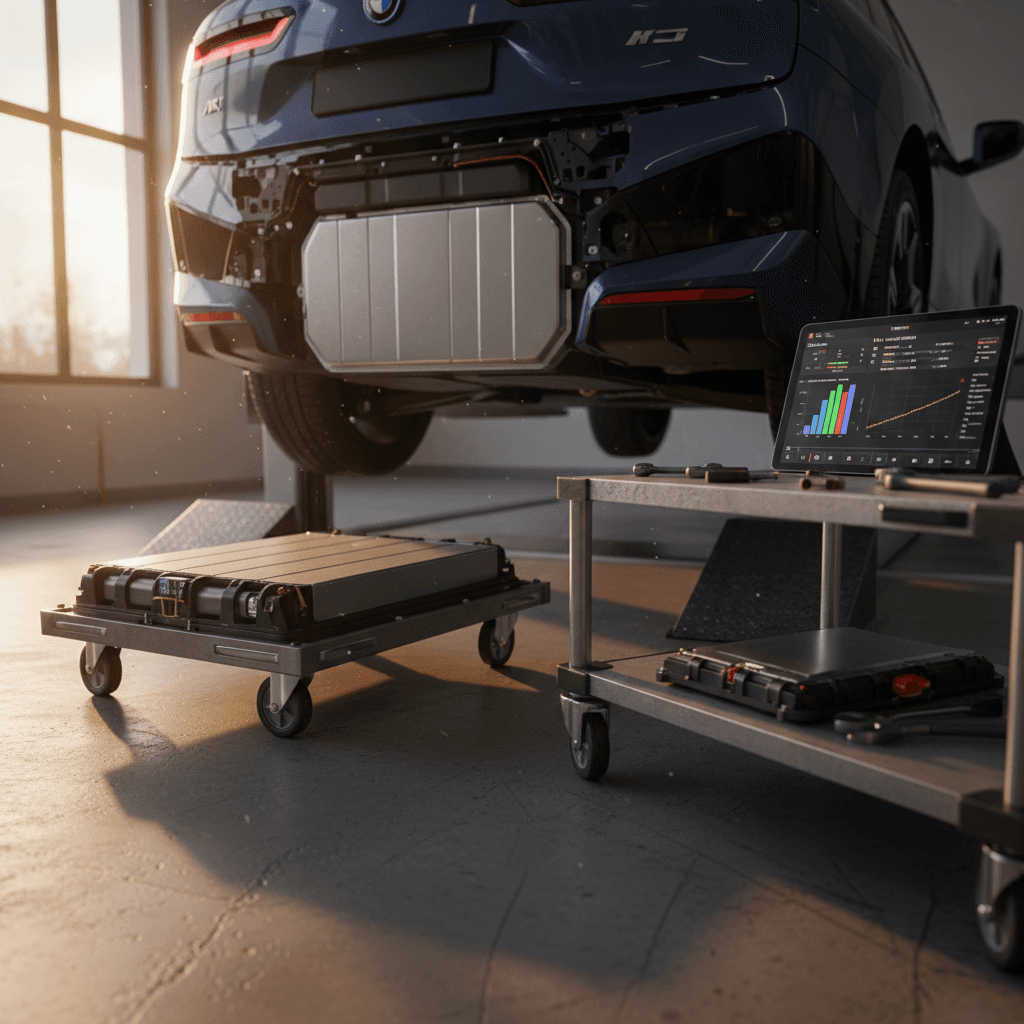
Specialized EV scan tools can read <strong>State of Health (SoH)</strong> and charge history from the iX’s battery management system. If you’re buying privately, consider paying an EV‑savvy shop to pull this data.
4. Review charging behavior and history
Ask the previous owner how they typically charged: mostly Level 2 at home, or constant DC fast charging? A car that lived on road‑trip fast chargers in hot climates has seen more stress than a home‑charged commuter.
5. Compare real‑world vs. rated range
On a fully charged battery, compare the car’s estimated range and your test‑drive energy consumption to what a new iX of the same trim should do. You’re looking for obvious outliers, not perfectly lab‑grade numbers.
6. Use Recharged’s battery‑health tools
When you shop on Recharged, our <strong>Recharged Score</strong> and battery diagnostics distill that technical data into an easy‑to‑read health score, helping you understand how the pack compares to similar iX models.
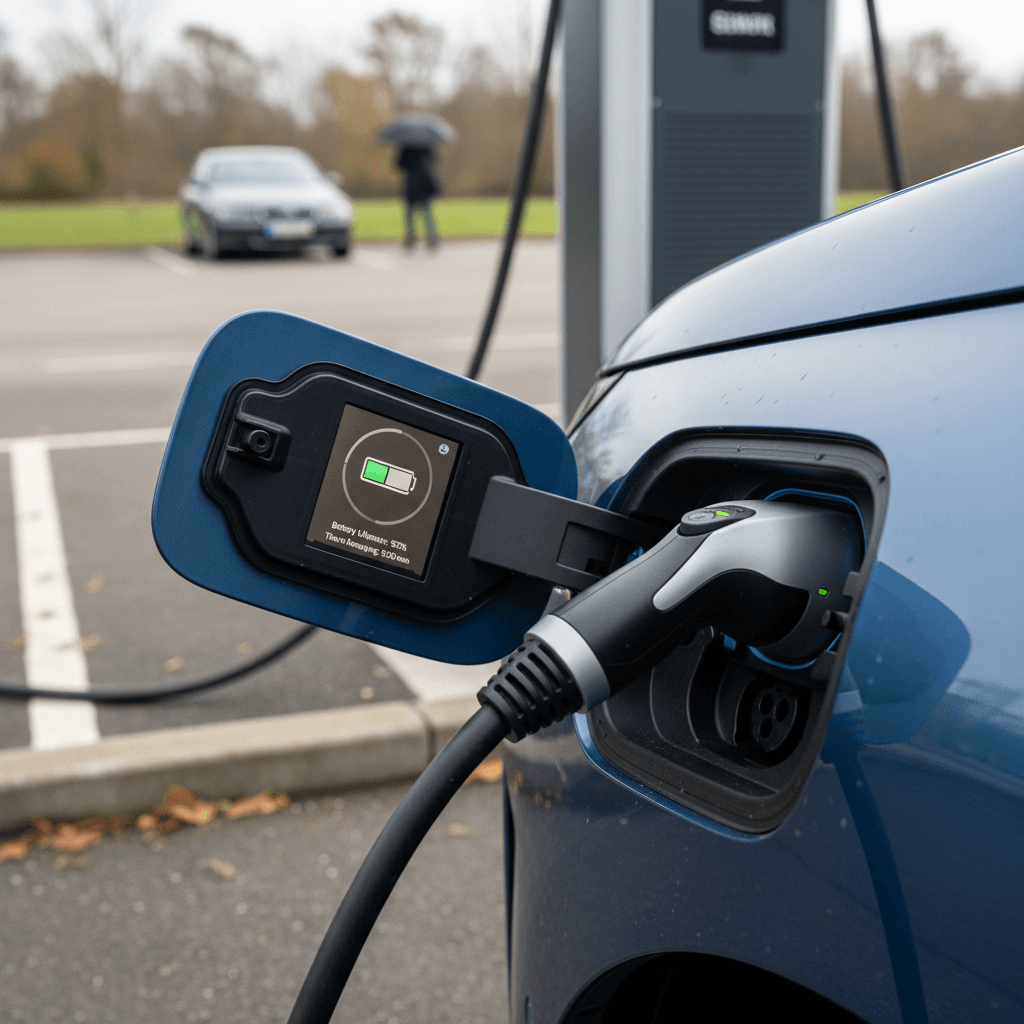
Everyday habits to make your iX battery last longer
You don’t have to baby your BMW iX. It was built to haul families, survive winters, and live a normal life. But a few simple habits can stretch its battery lifespan by years and preserve more of that long‑range capability you paid for.
BMW iX battery care best practices
Use Level 2 at home for routine charging
Rely on a 240‑volt Level 2 charger for nightly charging and save DC fast chargers for road trips. Slower, cooler charging is easier on the pack over thousands of cycles.
Avoid living at 100% state of charge
It’s fine to charge to 100% before a trip, but don’t leave the iX sitting full in hot weather for days. For daily use, many owners set charge limits around 70–80%.
Don’t panic about occasional deep discharges
Running the pack down to single digits once in a while won’t kill it, but do avoid making 0–5% a daily habit. Try to plug in by 15–20% when you can.
Watch temperature extremes
Whenever possible, park in a garage or shaded spot, especially in very hot climates. The iX thermal system helps, but not needing to fight 110°F sun all day is even better.
Use departure and pre‑conditioning wisely
Pre‑conditioning while plugged in warms or cools both the cabin and battery, which is gentler than forcing the pack to handle everything on the fly, especially in winter.
Keep software up to date
BMW over‑the‑air updates can refine battery management, charging curves, and range estimates. Staying current helps the car protect its own pack more effectively.
Habits that quietly kill range over time
BMW iX battery lifespan FAQ
Frequently asked questions about BMW iX battery life
Bottom line: is BMW iX battery life a dealbreaker?
If you’re cross‑shopping the BMW iX against other luxury EVs, battery life shouldn’t be the thing that scares you off. The iX’s large, well‑managed pack, 8‑year / 100,000‑mile warranty, and BMW’s own 15‑year design targets put it right in the top tier for long‑term usability. The real differentiator is how each individual car has been treated, something that matters even more if you’re looking at a used iX.
Treat the iX battery like the major asset it is: charge mostly on Level 2, avoid letting it bake at 100% in the summer, and keep an eye on State of Health as the years roll by. And if you’d rather not decode battery data yourself, shopping through Recharged gives you a BMW iX with a transparent Recharged Score Report, verified battery health, and expert EV guidance from first click to delivery. That’s how you turn a big, complicated EV purchase into a simple, confident decision.