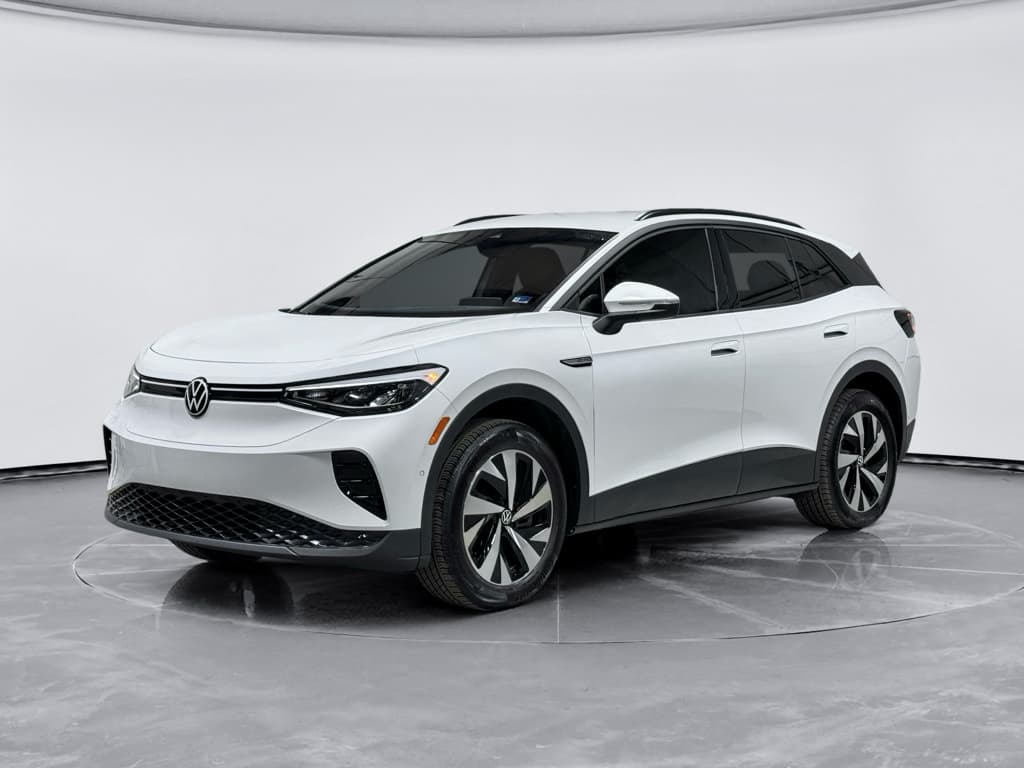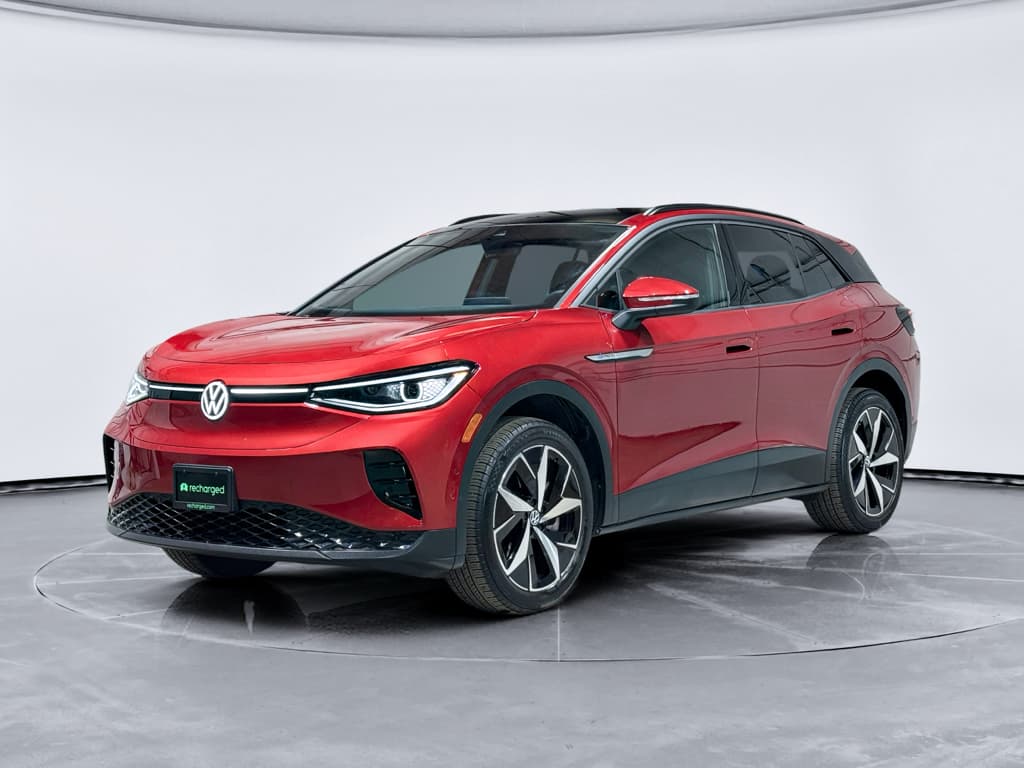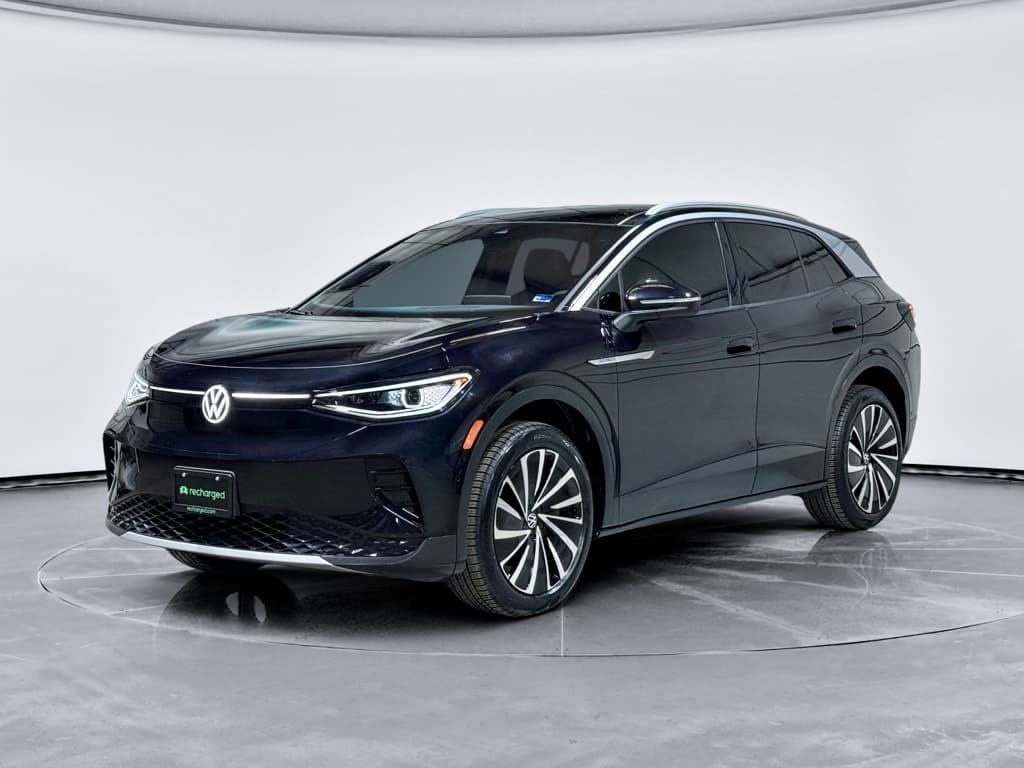
If you own, or are considering buying, a 2021 Volkswagen ID.4, understanding the full 2021 Volkswagen ID.4 recalls list isn’t just trivia. It’s how you keep the car safe, protect its battery, and avoid surprises with a used EV purchase.
Model years covered in this guide
Why 2021 ID.4 recalls matter for owners and shoppers
The ID.4 was Volkswagen’s first mass‑market EV in the U.S., and like a lot of first‑generation electric models, the 2021s have seen several software‑heavy recalls. The good news: most of these fixes are software updates, not hardware tear‑downs. The risk for owners and used‑EV shoppers isn’t that the 2021 ID.4 is inherently unsafe, it’s that not every car has had all its campaigns completed.
- Unexpected loss of propulsion from buggy battery control software.
- Blank instrument cluster or rearview camera at the worst possible moment.
- Longer stays at the dealer if a software update or battery inspection is overdue.
Quick overview of 2021 Volkswagen ID.4 recalls
Key recall themes for the 2021 ID.4
- High‑voltage battery management software that can reset while driving.
- Instrument cluster and infotainment display software that can go blank.
- Rearview camera behavior and compliance issues.
- 12‑volt battery–related campaigns that can indirectly cause warning lights or drivability quirks.
High-voltage battery software recall (97ZZ)
The headline item on any 2021 Volkswagen ID.4 recalls list is the high‑voltage battery management control module software recall, often referenced internally as campaign 97ZZ.
Recall 97ZZ – High-voltage battery control module may restart
Core facts about the 2021 ID.4’s primary battery software recall.
| Item | Details |
|---|---|
| Official concern | High‑voltage battery management control module may reset; pulse inverter may deactivate |
| Symptoms | Warning messages, sudden loss of drive power, multiple warning lights |
| Risk | Loss of propulsion while driving, steering and brakes remain functional but vehicle can coast to a stop |
| Affected build range (approx.) | 2021 ID.4 built roughly from late May 2020 through January 2022 |
| Remedy | Dealer installs updated high‑voltage battery and pulse‑inverter software |
| Owner cost | Free of charge; recall work must be completed even on older, high‑mileage vehicles |
Always confirm exact coverage on NHTSA.gov or with a VW dealer using your VIN.
Why this recall matters
For most owners, the fix is a software update only. No one is swapping your entire traction battery just because of 97ZZ. But because the work touches the heart of the propulsion system, some ID.4s have ended up at the dealer for extended periods when other issues were discovered during the recall visit.
How to tell if 97ZZ was done
Digital display & rearview camera software recalls
The other major theme in the 2021 Volkswagen ID.4 recalls list is software that controls the infotainment screen, instrument cluster, and backup camera. A widespread recall covers 2021–2023 ID.4s for glitches that can cause the screens to freeze, go black, or delay turning on when you shift into reverse.
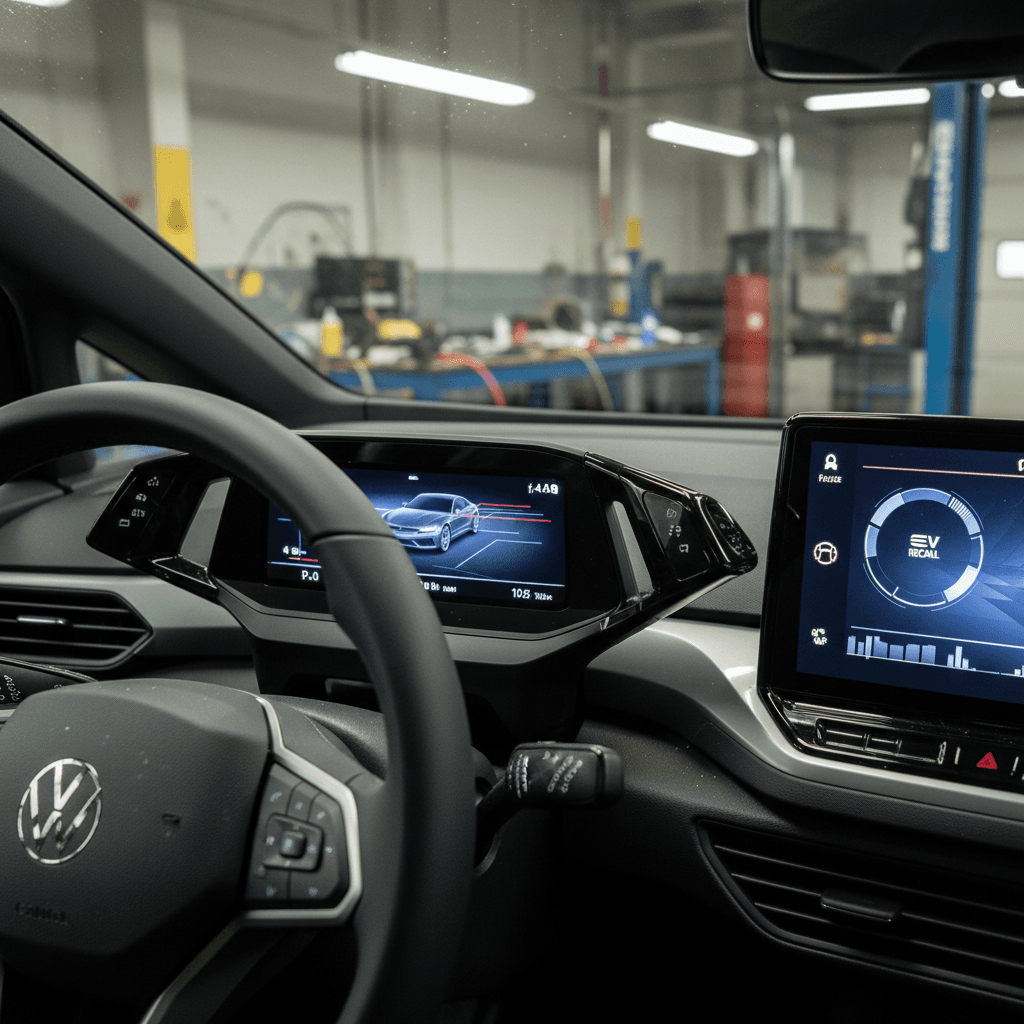
- Loss of speedometer and warning lights while driving.
- Rearview camera image that never appears or appears only intermittently.
- Random reboots of the center screen and digital cluster.
Because these issues can wipe out your speed display and rear visibility, they’re treated as safety and Federal Motor Vehicle Safety Standard (FMVSS) compliance problems, not just annoyances. The fix is a software update to the infotainment and cluster control units. On some cars this is done at the dealer; on others, Volkswagen uses an over‑the‑air (OTA) update that’s still documented as recall completion.
Software recall vs. navigation update
12‑volt battery and related campaigns
Early ID.4s also saw campaigns involving the 12‑volt battery and charging system. While some of those campaigns are technically “service actions” rather than safety recalls, the symptoms can overlap with what owners associate with the big 97ZZ campaign: warning lights, odd error messages, or a car that wakes up cranky after sitting.
How a weak 12‑volt shows up
- Random warning messages on startup.
- Infotainment glitches or slow boot times.
- Occasional failure to go into gear on the first try.
Why it’s on your recall radar
A tired 12‑volt can mimic bigger problems, including high‑voltage or drivetrain faults. That’s why Volkswagen has issued campaigns and updated procedures around testing and replacing 12‑volt batteries on early ID.4s.
Good news for used‑EV buyers
Other software campaigns and service bulletins
Beyond the headline recalls, Volkswagen has issued a steady stream of software updates, technical service bulletins (TSBs), and quality campaigns for the 2021 ID.4. These aren’t always labeled as “safety recalls,” but they can dramatically improve day‑to‑day drivability and owner satisfaction.
Common non‑safety campaigns on 2021 ID.4
These may appear in dealer history even when no open recalls remain.
Drive system refinements
Updates to smooth out accelerator response, traction control behavior, or diagnostic thresholds that were overly sensitive.
Navigation & route planning
Improved charging‑stop planning, better map performance, and bug fixes to early navigation software.
Battery monitoring updates
Tweaks to how the car estimates range and monitors individual battery modules for early signs of trouble.
How to read a thick service history
How to check recall status on a 2021 ID.4
Before you sign paperwork on a used 2021 ID.4, or even before you book a long road trip, it’s smart to run a quick recall check. Here’s how to do it yourself and what Recharged verifies for you.
Step-by-step: Check your 2021 ID.4 for open recalls
1. Locate the VIN
You’ll find the 17‑digit VIN at the base of the windshield on the driver’s side, on the door jamb sticker, and in the vehicle’s registration/insurance documents.
2. Run the VIN on NHTSA.gov
Go to the NHTSA recall lookup tool, enter the VIN, and confirm whether any <strong>unrepaired safety recalls</strong> are listed. If the site says “0 unrepaired recalls,” you’re in good shape on mandatory safety work.
3. Cross‑check with Volkswagen
Visit Volkswagen’s U.S. owner site or call a VW dealer’s service department with the VIN. They can see both recalls and some service campaigns that may not appear on NHTSA yet.
4. Ask for a dealer service printout
If you’re buying from a private seller or non‑VW dealer, ask them to pull a <strong>dealer history report</strong> showing completed campaigns. This is the easiest way to confirm 97ZZ and major software fixes have been done.
5. Look at in‑car software version
From the ID.4’s infotainment settings, you can see the current software version. It shouldn’t still be on a very early build from 2021. Any VW dealer can tell you what the latest approved version should be for your VIN.
6. Use a third‑party check when possible
At Recharged, every ID.4 listing comes with a <strong>Recharged Score Report</strong> that compares VIN‑level recall and battery health data so you don’t have to decode it all yourself.
What 2021 ID.4 recalls mean when you’re buying used
A long 2021 Volkswagen ID.4 recalls list can look scary on paper, but put it in context: virtually every first‑wave EV, from Tesla Model S to Chevy Bolt, has had major software and battery‑related campaigns. The question isn’t, “Has the ID.4 ever been recalled?” It’s, “Has this particular car had the right work done?”
Good signs on a used 2021 ID.4
- Service records showing campaign 97ZZ completed.
- Documentation of at least one major infotainment / cluster software update.
- Recent 12‑volt battery replacement noted during recall or routine service.
- Smooth, glitch‑free behavior from both the main screen and digital cluster on a test drive.
Yellow flags to investigate
- Check‑engine or drivetrain warning lights after recent recall work.
- Persistent black screens, slow boot‑ups, or a backup camera that’s unreliable.
- Seller can’t produce records and NHTSA shows open recalls.
- Dealer says they’re “waiting on parts” for a battery‑related campaign, clarify whether it’s software or hardware.
Don’t ignore open safety recalls
One advantage of shopping through Recharged is that we’re a used‑EV specialist. Our team looks at recall history alongside battery diagnostics, fast‑charge behavior, and market pricing so you’re not trying to piece it all together from screenshots and service stamps.
Owner checklist after your ID.4 recall visit
Once your 2021 ID.4 has been through recall or campaign work, spend a few minutes making sure everything behaves the way it should. Think of it as a quick shakedown cruise for your EV’s nervous system.
Post-recall shakedown: what to test
Confirm warning lights are cleared
On startup, you should see the usual lamp test, then all the major warning icons should go out. If any battery or powertrain lights remain, go straight back to the dealer.
Watch for smooth power delivery
On a short drive that includes city streets and a highway merge, check for <strong>consistent acceleration</strong> with no sudden loss of power or surging.
Test both screens and the backup camera
Cycle the car off and on a few times. Make sure the digital cluster and center screen boot quickly and that the rearview camera appears promptly every time you select Reverse.
Check charging behavior
After a high‑voltage battery–related update, plug into both Level 2 and (if recommended by VW for your VIN) DC fast charging. Look for normal charge rates and no new error messages.
Review the paperwork
Your service invoice should list the specific <strong>recall or campaign codes</strong> performed. Keep this with your records; it matters later for resale value and warranty claims.
Monitor for a week
Drive as you normally would for several days. If anything feels different in a bad way, new noises, vibrations, or error messages, document it and book a follow‑up visit.
FAQ: 2021 Volkswagen ID.4 recalls
Frequently asked questions about 2021 ID.4 recalls
Bottom line: Should recalls scare you off a 2021 ID.4?
Recalls on a pioneering EV like the 2021 ID.4 aren’t a sign you bought the wrong car, they’re part of the maturing process for any new platform. What matters is whether the high‑voltage battery software, display/backup‑camera updates, and 12‑volt campaigns have all been handled correctly on the specific vehicle you’re looking at.
If you’re already an owner, take the time to run a VIN check, schedule outstanding work, and do a careful post‑recall shakedown drive. If you’re shopping used, treat recall history like you would a pre‑purchase inspection report: something to understand, not panic about. And if you’d rather have an expert do the homework, a used ID.4 listed through Recharged comes with a Recharged Score Report, verified recall status, and EV‑specialist guidance from first click to delivery, so you can focus on enjoying your electric crossover, not decoding service bulletins.