Everyone wants to know the best car brand, as if there’s a single logo that guarantees reliability, low costs, great tech, and strong resale value. In 2025, the honest answer is more nuanced: the “best” brand depends on what you drive, how you drive, and whether you’re shopping gas, hybrid, or electric. This guide walks you through the data, the trade‑offs, and how to pick the right badge for your driveway, especially if you’re considering a used EV.
Quick answer
Why “best car brand” is the wrong question in 2025
The idea of a single, universal best car brand made sense in the 1990s, when most cars were gas‑powered appliances and the tech inside was barely more complex than a tape deck. In 2025, you’re choosing between gas, hybrid, plug‑in hybrid, and fully electric; between old‑school analog switches and rolling iPads on wheels; between bulletproof simple engines and over‑the‑air‑updated computers that occasionally forget how to door‑handle.
Four ways a brand can be “best”
- Reliability – How often it breaks, and how expensive the fixes are.
- EV & tech leadership – Range, charging speed, software, driver‑assist.
- Resale value & costs – How well it holds value; insurance, maintenance, repairs.
- Driving feel & comfort – The "feel good" factor you notice every day.
Why the answer depends on you
- Commute vs. road‑trip: stop‑and‑go city life needs different strengths than 500‑mile days.
- Ownership length: three‑year lease vs. keeping it for 12 years changes which brands win.
- Charging access: apartment dwellers have different EV brand needs than homeowners with garages.
- Budget: sometimes the “second‑best” brand at a better price is the smartest play.
Don’t confuse brand with every model
How experts actually rank the best car brands
To get past fanboy arguments, it helps to look at how the big survey houses rank brands. They don’t ask, "Which logo do you like?" They ask owners what actually went wrong, how satisfied they are, and how the cars performed in testing.
2025 brand scorecard at a glance
Who’s on top? 2025 brand rankings from major sources
No single winner, different brands rise to the top depending on what’s being measured.
| Category | Top Brand(s) | What they’re best at |
|---|---|---|
| Overall brand score (2025 CR) | Subaru | Safety, owner satisfaction, strong reliability. |
| Long‑term dependability (2025 J.D. Power) | Lexus, Buick | Fewest problems after three years of ownership. |
| Mainstream long‑term reliability | Toyota, Mazda | Simple, durable powertrains, low running costs. |
| EV innovation & scale | Tesla, BYD | Charging ecosystem, software, and global EV sales volume. |
| Premium tech & refinement | BMW, Mercedes‑Benz, Porsche | Driving dynamics, interiors, and advanced features. |
Scores simplified from recent Consumer Reports and J.D. Power studies plus global EV sales data.
How to use these rankings
Best car brands for reliability and low drama
If you hate service‑drive coffee and surprise repair bills, reliability should be your north star. On that front, the usual suspects still deliver: Lexus, Toyota, Subaru, Honda, Mazda, and a surprisingly strong Buick. These companies built reputations by doing something unfashionable in the TikTok era: not changing too much, too quickly.
Reliability all‑stars: brands that just quietly work
These are the names you buy when you want to forget your mechanic’s first name.
Lexus
Lexus routinely tops dependability charts. Its recipe is simple: proven Toyota engineering plus obsessive build quality. The result is luxury that ages gracefully instead of expensively.
Ideal if you want a premium feel with economy‑car running costs.
Toyota
If the automotive world had a default setting, it would be Toyota. Camry, RAV4, Corolla, Highlander, their greatest trick is being almost boringly good for a very long time.
Hybrids are a particular sweet spot for long‑term reliability.
Subaru
Subaru climbed to the top of Consumer Reports’ 2025 brand scores on the back of practical, all‑wheel‑drive wagons and SUVs. Owners like the safety, the packaging, and the fact that they just keep going.
Perfect for snow states, dog people, and REI parking lots.
Honda & Mazda
Honda and Mazda deliver high reliability with a bit more personality. Honda leans practical and spacious; Mazda leans stylish and fun to drive, especially in its crossovers.
Both are terrific long‑term bets if you want a bit of soul.
Buick (quiet achiever)
Buick often shows up near the top of J.D. Power dependability charts. Its crossovers are comfortable, unflashy machines that age better than their image suggests.
A smart pick if you like value more than Instagram likes.
EV reliability caveat
Across brands, EVs still log more problems than comparable gas cars, mostly software and electronics, not motors or batteries. So a reliable gas brand doesn’t automatically mean a glitch‑free EV.
Look for EVs built on mature platforms, not version 1.0 science projects.
If you just want something that lasts
Best car brands for EVs and cutting-edge tech
EVs are where the definition of “best car brand” changes fastest. Range, charging speed, software, and driver‑assist systems matter as much as panel gaps and paint quality. The brands winning this arms race don’t always top old‑school reliability charts, but they do make the EV experience radically better when things go right.
EV leaders: brands defining electric right now
Innovation doesn’t always mean perfect, but these are the names moving the game forward.
Tesla
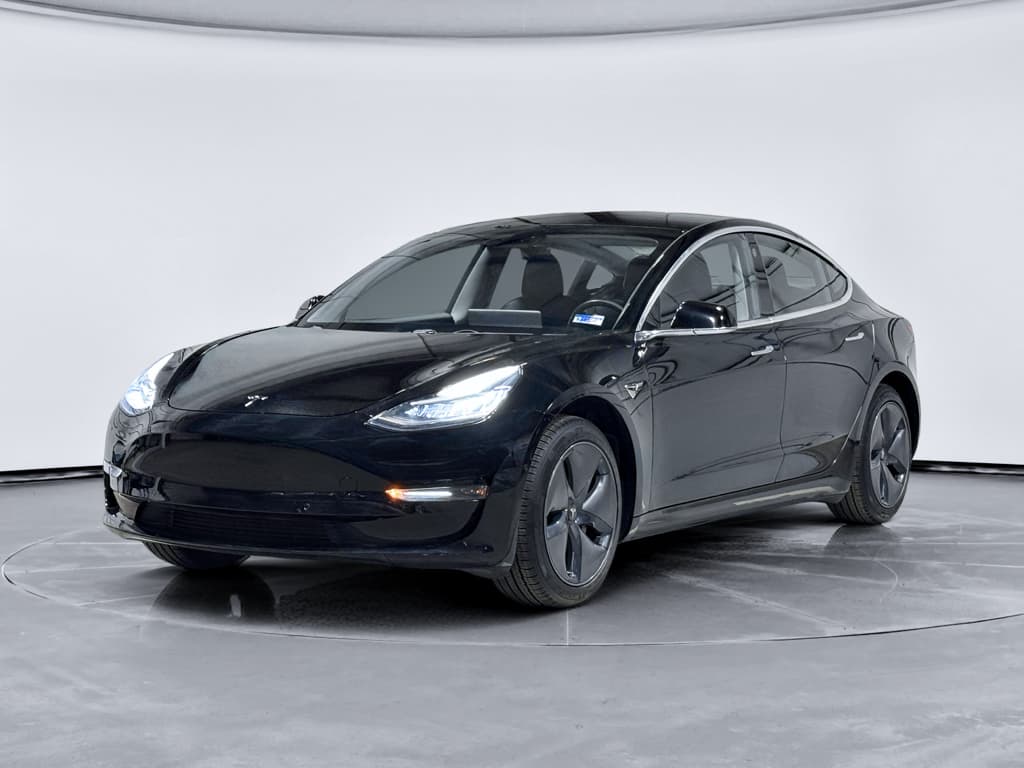
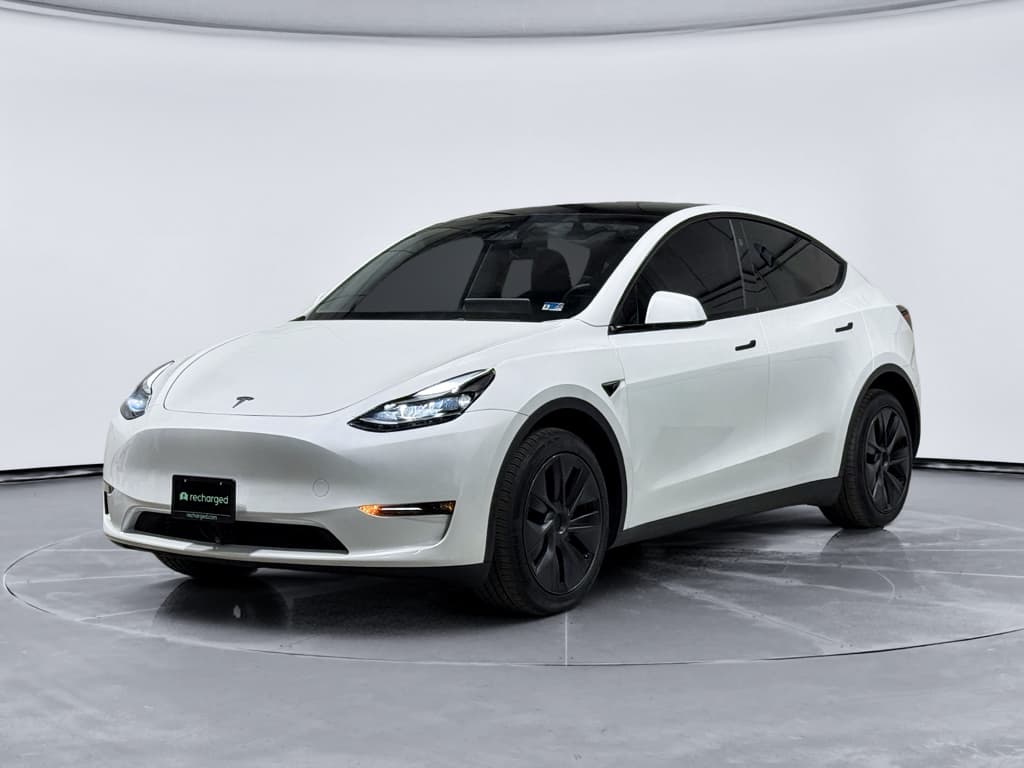
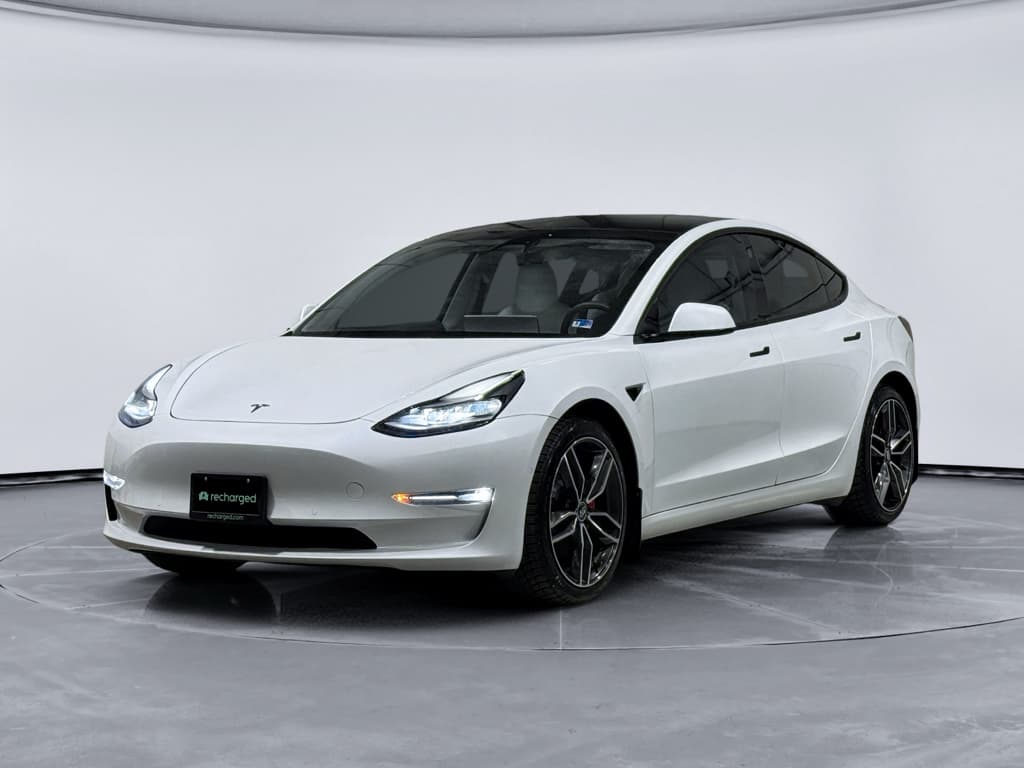
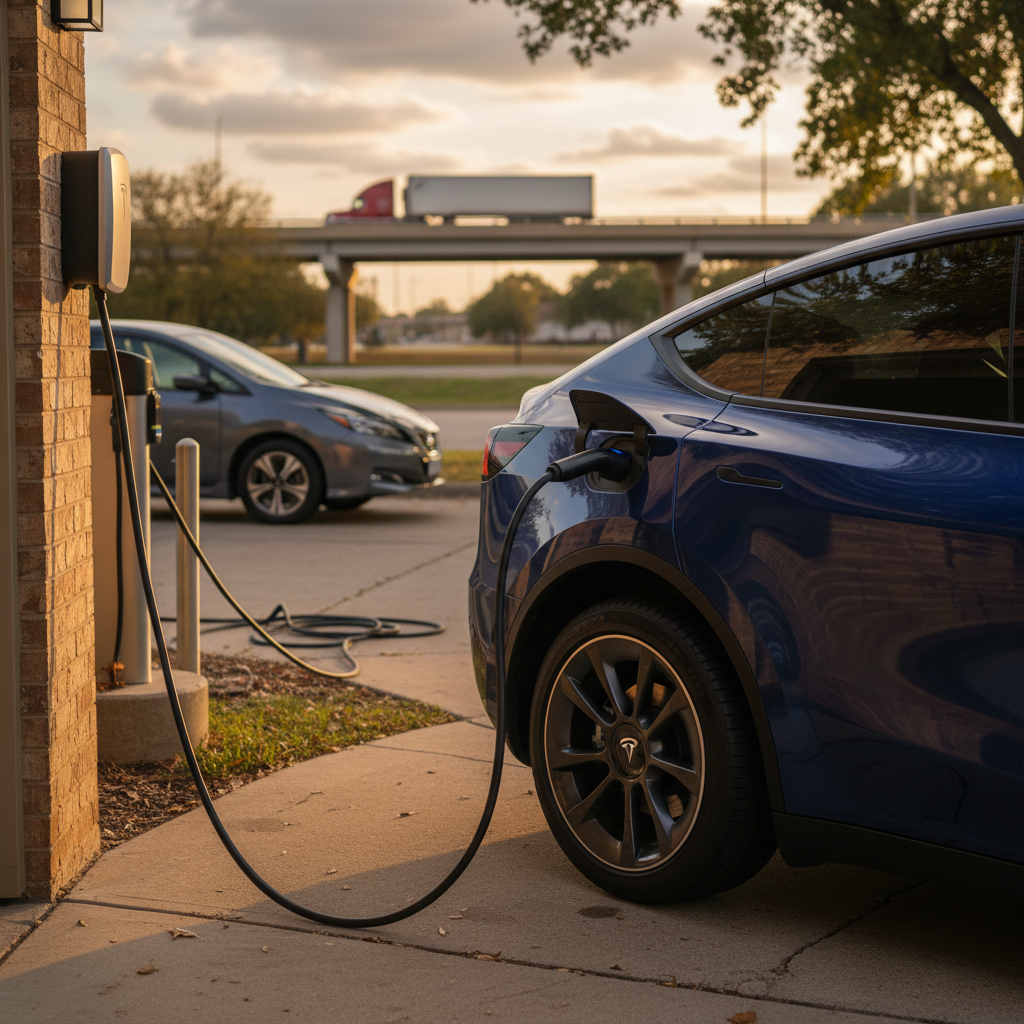
Love it or loathe the hype, Tesla still sets the standard for charging infrastructure and software. The Supercharger network is the gold standard for plug‑and‑go ease in North America, and over‑the‑air updates genuinely add features over time.
Build quality can be inconsistent, so buying used with a careful inspection matters.
BYD & Chinese EV brands
Globally, Chinese brands like BYD, Nio, and XPeng have turned into EV juggernauts, with BYD alone selling more than 4 million vehicles in 2024. Their U.S. presence is limited today, but their battery tech and cost control are reshaping the EV world.
Worth watching closely if U.S. policy ever softens toward Chinese imports.
Hyundai & Kia
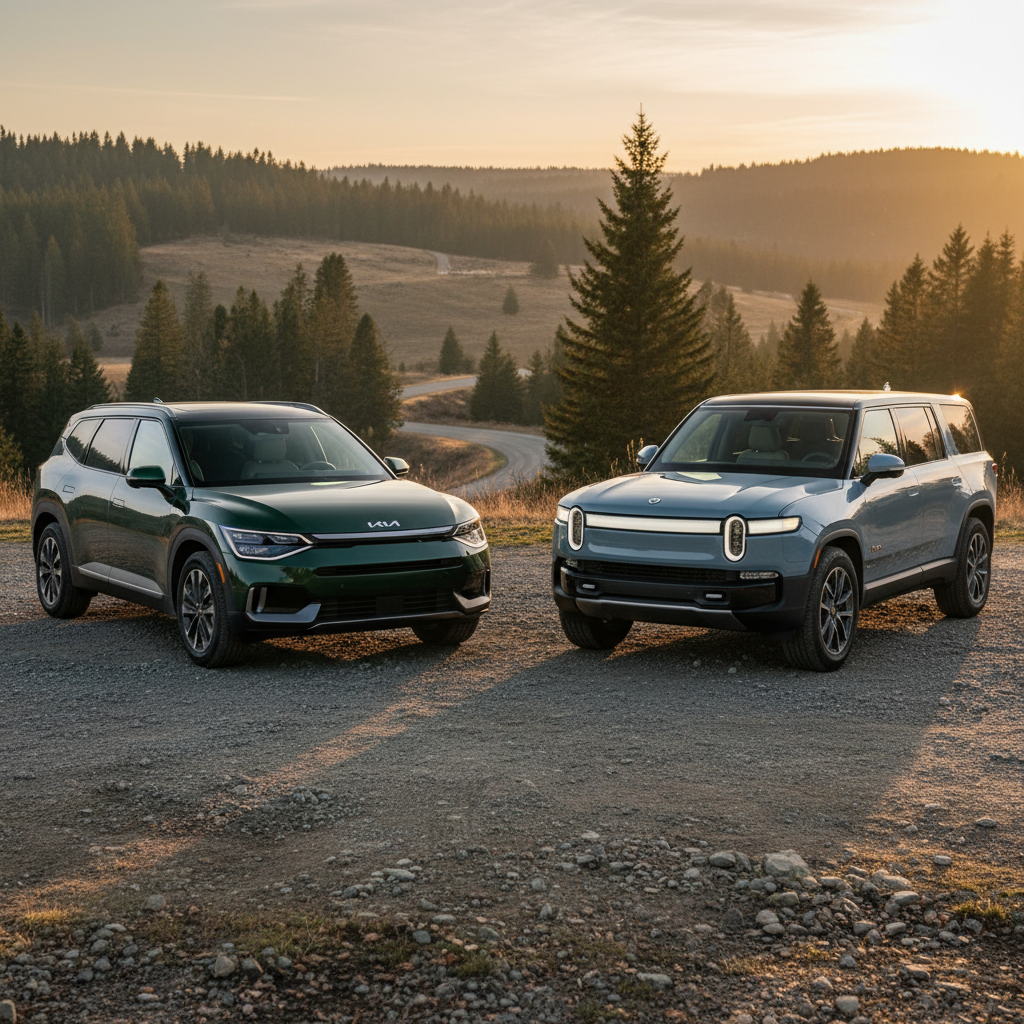
The Hyundai–Kia group quietly became one of the smartest EV buys. The Ioniq and EV6 families offer fast charging, modern design, and strong warranties that take some sting out of first‑time EV ownership.
Great balance of price, tech, and everyday usability.
Legacy luxury (BMW, Mercedes, Audi)
BMW, Mercedes, and Audi are pushing high‑end EVs with beautiful interiors and serious performance. Their charging partnerships with Tesla’s NACS standard mean future models will have far better road‑trip capability than early efforts.
Best if you want your EV to feel like a luxury car first, gadget second.
EV brand trap to avoid
Best car brands for resale value and total cost
The best car brand on paper can still be the wrong choice if the numbers don’t pencil out. Resale value, maintenance, insurance, and, on EVs, battery longevity all roll up into what really matters: total cost of ownership.
Brands that hold their value
- Toyota & Lexus – Consistently strong resale; buyers trust the badges.
- Subaru – Wagon and SUV demand keeps used prices buoyant.
- Honda – Civic and CR‑V especially hold value well.
- Tesla – EV resale has cooled with price cuts, but popular models still move quickly when priced right.
Brands that often cost less to own
- Japanese mainstream brands – Affordable parts, long service intervals, few major surprises.
- Hyundai & Kia – Strong warranties cushion the early years, especially on EV batteries.
- Buick & some GM models – Depreciate faster new, which can make used examples strong value buys.
Follow the money, not the badge
Luxury vs mainstream: which brands truly feel premium?
Premium is one of those words that means everything and nothing. A leather‑wrapped steering wheel is nice; not needing Advil after a three‑hour drive is better. The “best” luxury brand for you will be the one whose everyday details feel worth the extra money.
How top luxury and mainstream brands really differ
It’s less about badge snobbery and more about how the car treats you on a Tuesday commute.
Lexus vs German luxury
Lexus serves up quiet cabins, soft‑touch everything, and an ownership experience so undramatic it’s almost meditative. BMW, Mercedes, and Audi counter with sharper handling, bolder styling, and more cutting‑edge tech, but usually higher maintenance costs.
Lexus = spa day; Germans = sport club with a complicated membership plan.
Mainstream getting fancy
Top‑trim Toyota, Honda, Hyundai, Kia, and Mazda models now offer ventilated seats, panoramic roofs, and serious sound systems. For many buyers, these "near‑luxury" trims deliver 85% of the experience for 60% of the price.
You may not miss the badge if you prefer low‑drama ownership.
Where the extra money goes
Luxury brands usually spend more on noise insulation, seat comfort, materials, and design details. But the repair bills are also more premium. If you’re buying used, factor in the cost of complex air suspensions, multi‑screen dashboards, and exotic lighting systems.
Ask yourself: would I still love this car if something expensive breaks out of warranty?
How to choose the best brand for your life (5‑step checklist)
Instead of arguing internet tier lists, walk through a simple process that puts your life ahead of the marketing. This is the same logic good advisors use when they spec a car for a friend who will still be speaking to them in five years.
5‑step checklist: find your real “best car brand”
1. Start with your use case, not the logo
List your daily miles, parking situation, climate, and how often you do long trips. If you road‑trip every other weekend, a brand with great fast‑charging support matters more than one with fancy ambient lighting.
2. Decide gas vs hybrid vs EV honestly
If you can install home charging and rarely exceed your EV’s range, focus on brands with strong electric platforms and charging partnerships. If you live in an apartment with unreliable public infrastructure, a hybrid from a reliability‑focused brand may be smarter.
3. Shortlist 3–5 brands that fit your profile
For example: a long‑term, low‑drama owner might shortlist Toyota, Lexus, Subaru, and Honda. An EV‑curious early adopter might zoom in on Tesla, Hyundai–Kia, and BMW.
4. Zoom into specific models and years
Within each brand, cross‑check <strong>individual models and model years</strong> for reliability, recalls, and known issues. The brand’s logo doesn’t save a bad transmission or a problematic infotainment system.
5. Drive them back‑to‑back
No spreadsheet can tell you whether you like a steering feel or seat comfort. Test‑drive your finalists on the same day. Often the "best" brand reveals itself the moment you drive something else and don’t want to give it back.
Used EVs: where brand matters even more
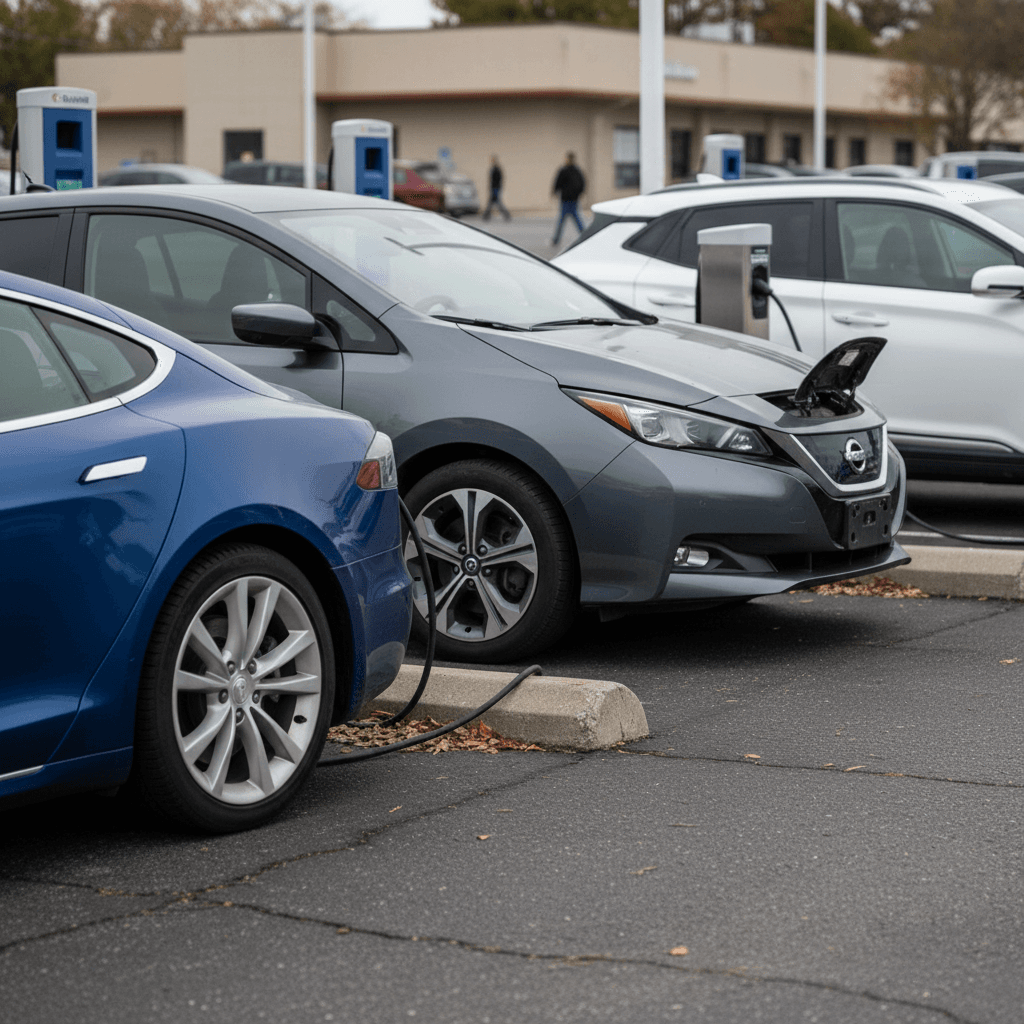
In the used EV world, brand isn’t just about image; it’s a proxy for battery engineering, software support, and how the manufacturer handles updates and recalls. A car is only as good as its battery and the company that stands behind it.
Brand factors that matter for used EVs
- Battery longevity – Some brands manage degradation better; chemistry and cooling design matter.
- Charging ecosystem – Access to reliable fast chargers can make or break ownership.
- Software support – Over‑the‑air updates vs. neglected infotainment that ages like old yogurt.
- Warranty culture – How the brand actually treats owners when something big goes wrong.
Brands that currently stand out for used EVs
- Tesla – Superb fast‑charging access and strong battery management, but check build quality and service history.
- Hyundai–Kia – Long battery warranties and improving charging networks make their EVs compelling used buys.
- Legacy brands with mature hybrids – Toyota, Honda, and others shine when you want electric assist without full EV complexity.
Where Recharged fits in
Try this if you’re brand‑curious but cautious
FAQ: Best car brand questions people actually ask
Frequently asked questions about the best car brand
Bottom line: there is no king of car brands
The hunt for the best car brand is really a hunt for the brand that best fits your life, risk tolerance, and budget. Lexus might be the king of quiet reliability; Tesla and BYD may be out front in EV innovation; Subaru, Toyota, Honda, Hyundai, Kia, and Mazda all make a strong case for rational buyers who just need the thing to work every day.
If you’re shopping for a used EV, brand matters, but so do battery health, charging habits, and real‑world costs. That’s where Recharged comes in: with verified Recharged Score battery diagnostics, fair‑market pricing, financing options, and EV‑specialist support from first click to nationwide delivery. Forget finding the one "best" car brand; focus on the best car for you, from a brand whose strengths match how you actually live and drive.