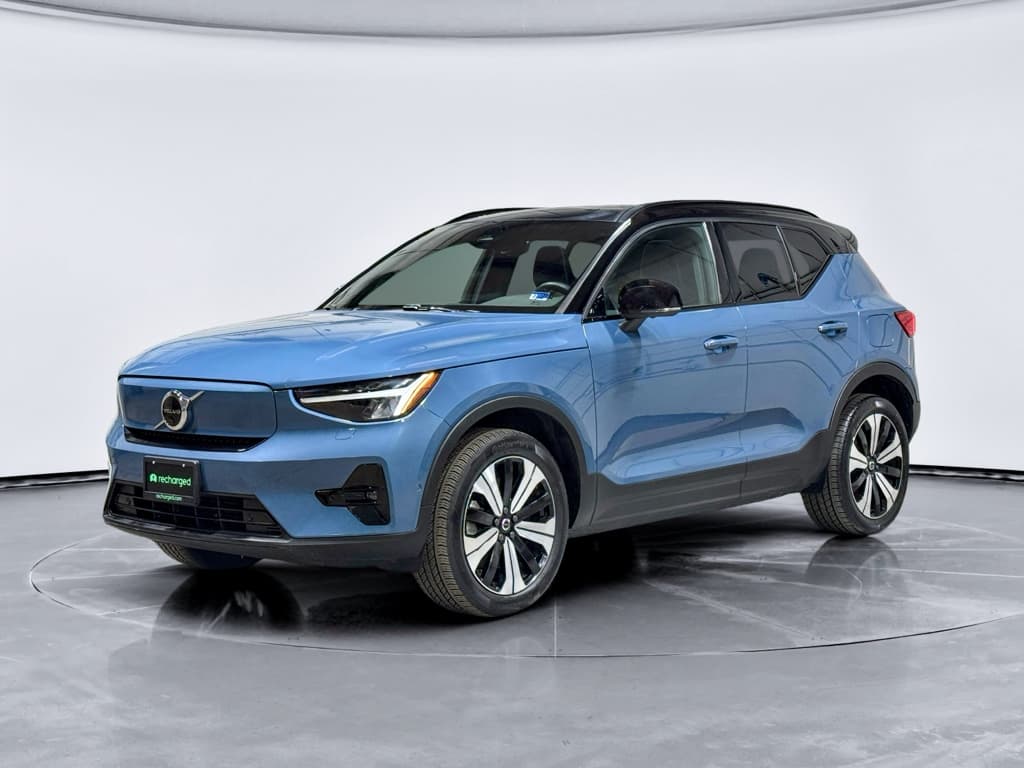
If you’re looking at a Volvo EX90, you’re probably already doing the mental math: luxury electric SUV, lots of tech, big battery… but what about **annual maintenance cost**? The good news is that, like most EVs, the Volvo EX90 tends to cost less to service each year than a comparable gas XC90 or German luxury SUV, though there are a few expensive items you should plan for.
Key takeaway
Overview: What does Volvo EX90 maintenance really cost?
The Volvo EX90 is still new, so we don’t yet have decades of hard data. But we can triangulate from three things: **Volvo’s official service schedule**, early estimates from cost-of-ownership sites, and broader EV vs gas maintenance studies. Together, they paint a fairly consistent picture: the EX90’s annual maintenance costs are **modest and predictable**, especially in the first 5 years, and considerably lower than a comparable gas-only luxury SUV.
Volvo EX90 maintenance cost at a glance
Early data, not gospel
How often does a Volvo EX90 need service?
Volvo’s modern maintenance schedules are simple: you’ll usually visit the shop **once a year or every 10,000–12,000 miles**, whichever comes first. For an EX90 driven a typical 10,000–15,000 miles per year in the U.S., that means **one proper service visit per year**, plus tire‑related appointments as needed.
- Every 10,000–12,000 miles or 12 months: inspection, tire rotation, fluid and software checks
- Every ~20,000–24,000 miles or 2 years: cabin filter, brake inspection, more detailed systems checks
- Longer term (4–6+ years): brake fluid changes, coolant checks, potential suspension wear, 12‑volt battery replacement
On a typical yearly visit, your EX90 isn’t getting spark plugs, oil changes, or transmission services because it doesn’t have those systems. Instead, technicians focus on **inspections, tire wear, software, and safety systems**. For many owners, that first 3–4 years of maintenance looks almost boringly straightforward, until tires enter the chat.
Tip for low‑milers
Estimated Volvo EX90 annual maintenance cost
So what does this mean in dollars? Pulling together Volvo’s service cadence, typical dealer pricing for EV service packages, and EX90‑specific cost estimates, a realistic **average annual maintenance cost** for a **new Volvo EX90 in the U.S.** looks like this:
Estimated Volvo EX90 annual maintenance cost (U.S.)
Typical owner scenario: 10,000–15,000 miles per year, mixed city/highway, no major accidents.
| Ownership years | Routine service | Tires & alignment | Other wear items | Estimated total / year |
|---|---|---|---|---|
| Years 1–3 | $250–$400 | $150–$250 | $0–$100 | ~$400–$700 |
| Years 4–6 | $300–$450 | $200–$350 | $100–$200 | ~$600–$900 |
| Years 7–10 (out of warranty) | $350–$550 | $200–$400 | $200–$400+ | ~$750–$1,300+ |
These are planning ranges, not quotes, actual costs vary by region, dealer, and driving style.
Those ranges line up well with early third‑party estimates that peg EX90 maintenance around **$500–$550 per year over the first 5 years**. Over a 10‑year span, you can expect the average to creep up as brake fluid services, suspension wear, and the 12‑volt battery start to show up.
How this compares to gas SUVs
Service interval and cost breakdown
It helps to look at the EX90’s maintenance in terms of **service intervals**, not just years. Below is a simplified breakdown of what you’re paying for at different mileage/time milestones. Exact line items will vary a bit by dealer, but this will get you in the right ballpark.
Typical Volvo EX90 service visit types
Approximate dealer pricing for U.S. owners
Annual / 10–12K mile visit
Estimated cost: $250–$400
- Multi‑point inspection
- Tire rotation and pressure check
- Brake check and fluid top‑offs
- Software and ADAS checks
Often the cheapest visit and the one you’ll see most frequently.
2‑year / 20–24K mile visit
Estimated cost: $350–$550
- Everything in annual visit
- Cabin air filter replacement
- More detailed EV system diagnostics
Think of this as the deeper wellness exam for your EX90.
Brake fluid & long‑term checks
Estimated cost: $400–$700
- Brake fluid replacement (often 3–4 years)
- Coolant level checks for battery/drive units
- Suspension and steering wear inspection
These become more common as the EX90 ages past year 4–5.
Prepaid maintenance can flatten costs
Wear items: tires, brakes, and other real-world costs
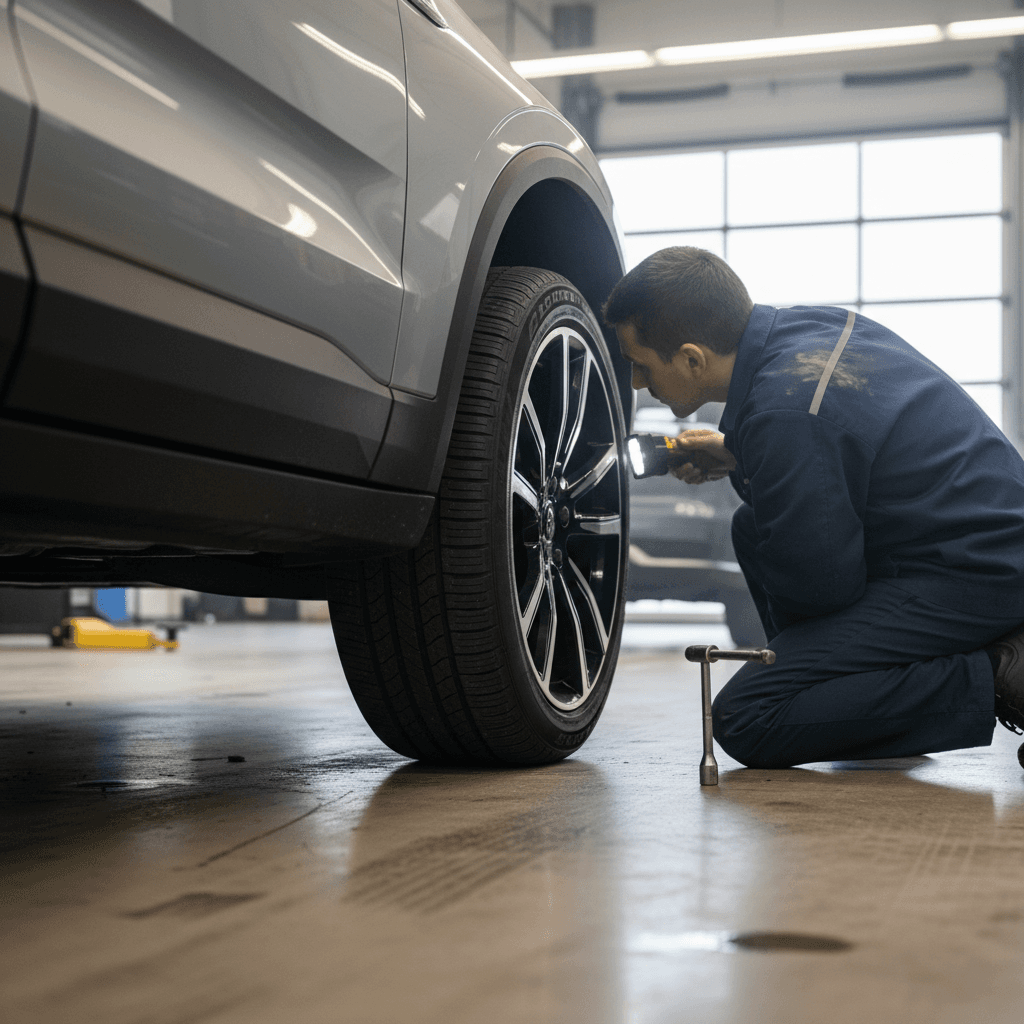
Routine services are only half the story. With a heavy, powerful electric SUV like the EX90, **tires, brakes, and suspension** can easily dominate your real‑world maintenance budget, especially if you drive hard or do a lot of city miles.
Tires: your biggest wildcard
The EX90 is a large three‑row EV with a big battery and instant torque. That’s hard on tires. Many owners of comparable EVs see 25,000–35,000 miles from a set of OEM tires, sometimes less with aggressive driving or 22‑inch wheels.
- Replacement cost: $1,000–$1,800 per set installed, depending on size and brand
- Frequency: roughly every 2–3 years at 12,000–15,000 miles per year
- Annualized cost: about $400–$700 per year just for tires in many U.S. markets
Brakes, suspension, and alignment
Regenerative braking means the EX90 can go far longer on brake pads than a gas SUV, often well past 60,000 miles with gentle driving. But the weight still works your suspension and alignment.
- Brake pads/rotors: $700–$1,400 per full axle when they’re eventually needed
- Alignment: $120–$250, often needed with new tires or after pothole hits
- Suspension wear: bushings, ball joints, and shocks can add $500–$1,500+ once you’re in years 7–10
How to keep tire costs under control
Volvo EX90 vs gas SUV annual maintenance
When you compare maintenance alone (ignoring fuel and insurance), the EX90’s biggest advantage over a gas SUV is **simplicity**. There’s no engine oil, no spark plugs, no timing belt, no exhaust system, and no multi‑gear automatic transmission to service. That shows up clearly in long‑term studies that find EVs spend **about half as much on maintenance and repairs over their lifetime** as gas cars, even if individual collision repairs can be more expensive.
Average annual maintenance: Volvo EX90 vs similar gas SUV
Approximate U.S. owner experience over a 10‑year horizon, excluding fuel and insurance.
| Vehicle type | Routine service & inspections | Tires & brakes | Other repairs | Estimated annual total |
|---|---|---|---|---|
| Volvo EX90 (EV) | $300–$500 | $400–$700 | $100–$300+ | ~$700–$1,300 |
| Gas three‑row luxury SUV | $600–$800 | $300–$600 | $200–$500+ | ~$1,100–$1,900 |
Actual numbers vary by brand and region, but the pattern, lower EV maintenance, higher tire spend, holds up across most markets.
You’ll notice the EX90 spends more on tires and a bit less on brakes, but significantly less on routine service and engine‑related work. Over 8–10 years, that usually translates to **several thousand dollars in maintenance savings**, even before you factor in lower fueling costs.
Collision repairs are a different story
Ways to keep Volvo EX90 maintenance costs down
You don’t control Volvo’s service pricing, but you do control **how hard your EX90 works** and how predictable your costs are. A few smart habits can keep your effective annual maintenance spend toward the lower end of the ranges above.
Practical tips to reduce EX90 maintenance costs
1. Drive in smoother drive modes
Use the EX90’s gentler drive modes for daily use. Less aggressive acceleration and braking cuts tire wear and keeps brake components happier over the long haul.
2. Stick to a tire rotation schedule
Rotate tires every 6,000–8,000 miles and check pressures monthly. It’s cheap insurance against premature tire replacement, often the single biggest line item in your EX90 budget.
3. Consider third‑party tire options
When the OEM tires wear out, shop reputable all‑season or EV‑specific alternatives. You can often save hundreds per set while slightly improving tread life or ride comfort.
4. Use software updates to your advantage
Volvo frequently refines energy management and driver‑assist behavior via updates. Installing them promptly can reduce unnecessary mechanical stress and improve efficiency.
5. Compare dealer vs independent EV shops after warranty
Once you’re out of warranty, a reputable independent EV‑literate shop can handle many inspections, brakes, and suspension jobs for less than dealer rates.
6. Budget annually, not per service
Think of maintenance as a yearly envelope. Some years are light (just inspections), others bring tires or brakes. A steady budget keeps surprises from becoming emergencies.
Where Recharged fits in
Ready to find your next EV?
Browse VehiclesMaintaining a used or out-of-warranty Volvo EX90
Most of the EX90s on the road today are still under factory warranty, but if you’re shopping **used**, or thinking about keeping yours long term, it pays to think a few years ahead. EVs tend to age well mechanically, but the stakes get higher if you’re unlucky enough to have a big component fail out of warranty.
- Battery pack: High‑voltage batteries are engineered to last the life of the vehicle, and replacement rates so far across EVs are very low. Still, a damaged or defective pack can be a five‑figure repair, so buying with verified battery health is critical.
- 12‑volt battery: Expect replacement in the 4–6 year window, often $250–$500 installed.
- Suspension and steering: Heavy EVs load up bushings, control arms, and shocks. Budget a few hundred dollars per year in the 7–10‑year window for these kinds of wear items.
- Out‑of‑warranty diagnostics: Complex driver‑assist systems and connectivity features mean more time on diagnostic equipment. Some owners choose extended warranties or repair plans to smooth these costs out.
Battery health matters more than oil changes ever did
FAQ: Volvo EX90 annual maintenance cost
Frequently asked questions about Volvo EX90 maintenance costs
Bottom line: Is the Volvo EX90 expensive to maintain?
If you’re coming from a German gas SUV or even a previous‑generation XC90, the Volvo EX90’s **annual maintenance cost** will likely feel like a relief. You’re trading oil changes and engine work for predictable inspections, software updates, and a bigger tire budget. Over a 5–10‑year window, that usually means **hundreds of dollars less per year** spent keeping the vehicle on the road, with the added benefit of smoother performance and zero tailpipe emissions.
The key is to go into EX90 ownership with clear eyes: budget a few hundred dollars a year for routine service, expect to write chunky checks for tires every couple of years, and plan for some aging‑SUV suspension work if you keep it long term. If you’re shopping used, consider buying from a source that can show you **battery health and upcoming maintenance** up front, like Recharged, so your annual cost picture is based on data, not guesswork.