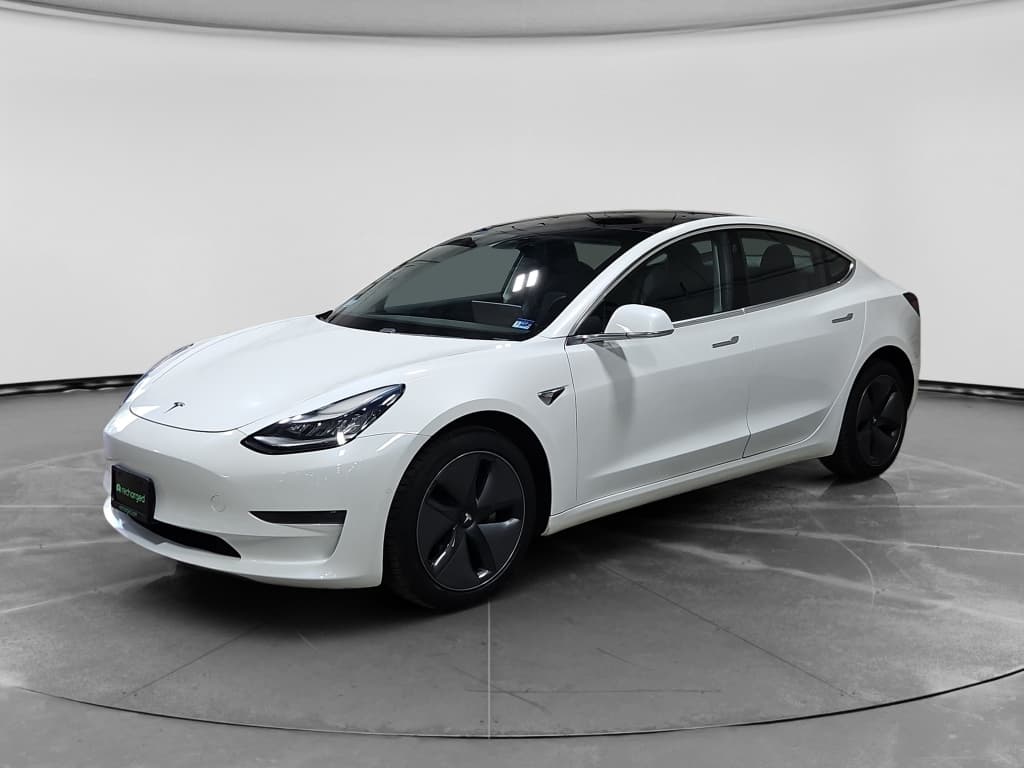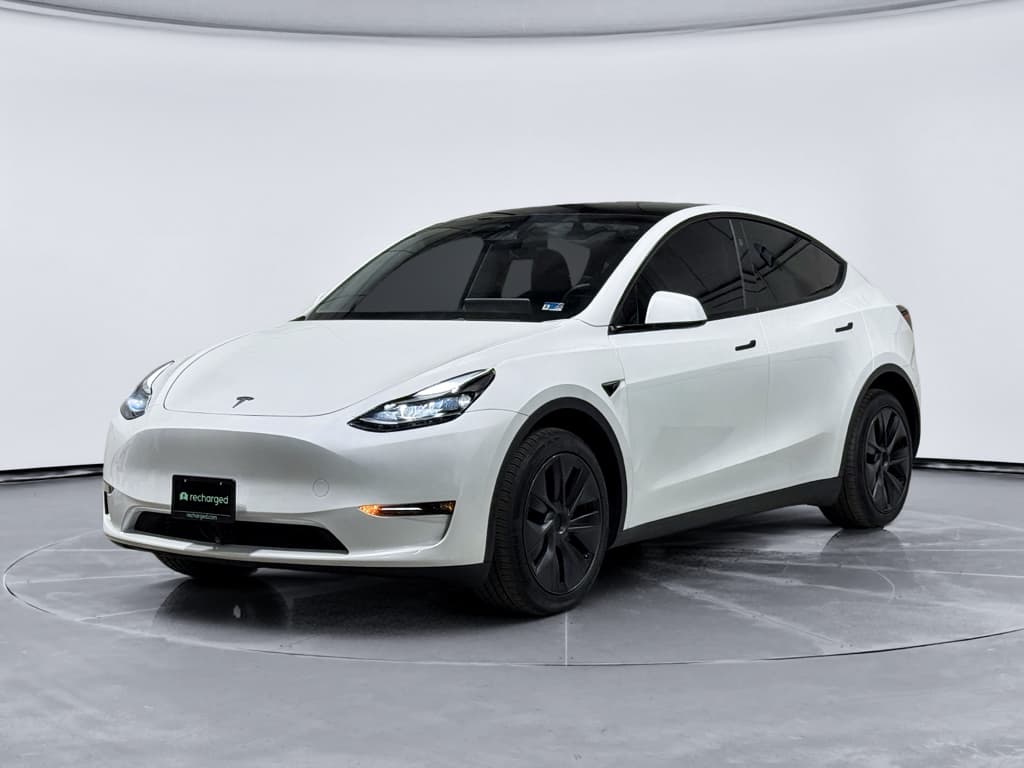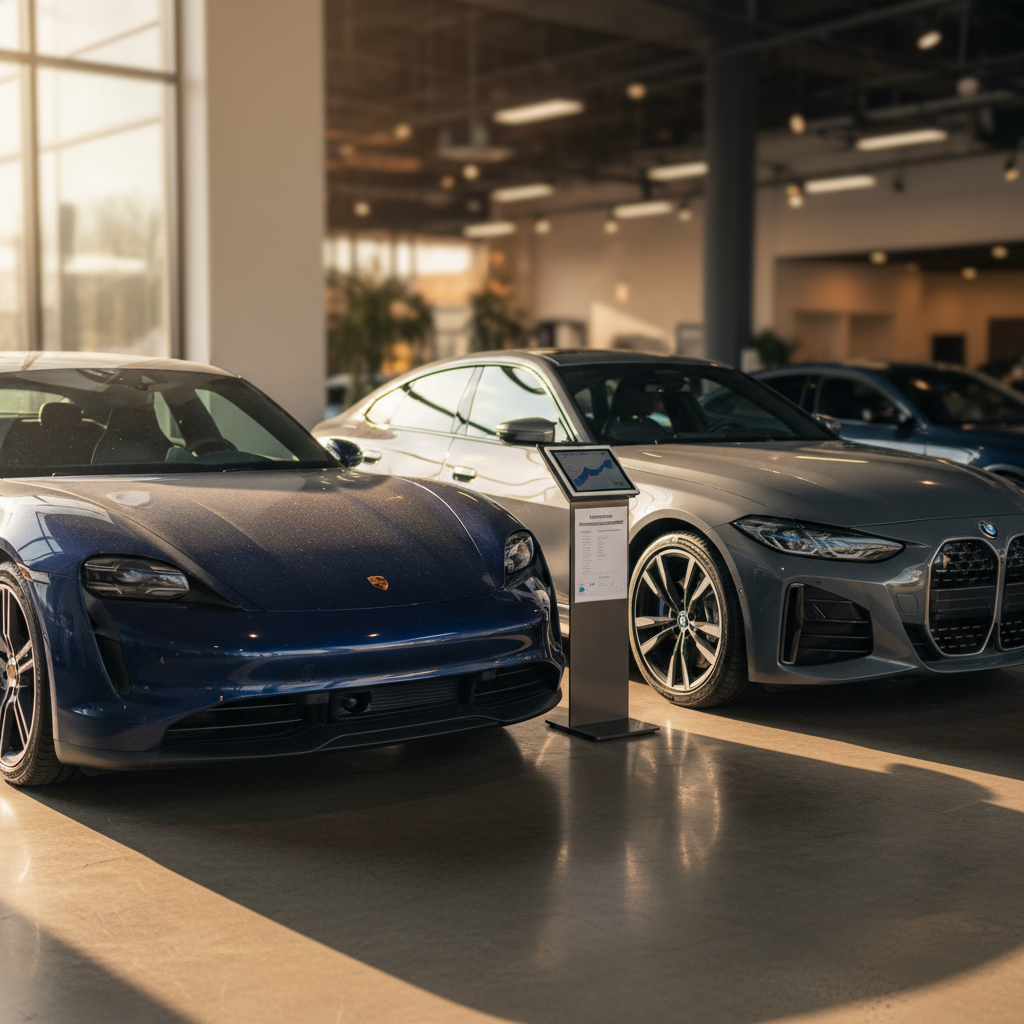
You probably grew up thinking of an auto brand as a personality: Toyota is sensible, BMW is sporty, Tesla is techy. In the electric era, a car brand is still a badge on the hood, but it’s also a bundle of software, charging access, battery know‑how and long‑term support. When you’re shopping for a new or used EV, understanding brands is one of the fastest ways to narrow the field and avoid expensive mistakes.
Quick definition
What is an auto brand, really?
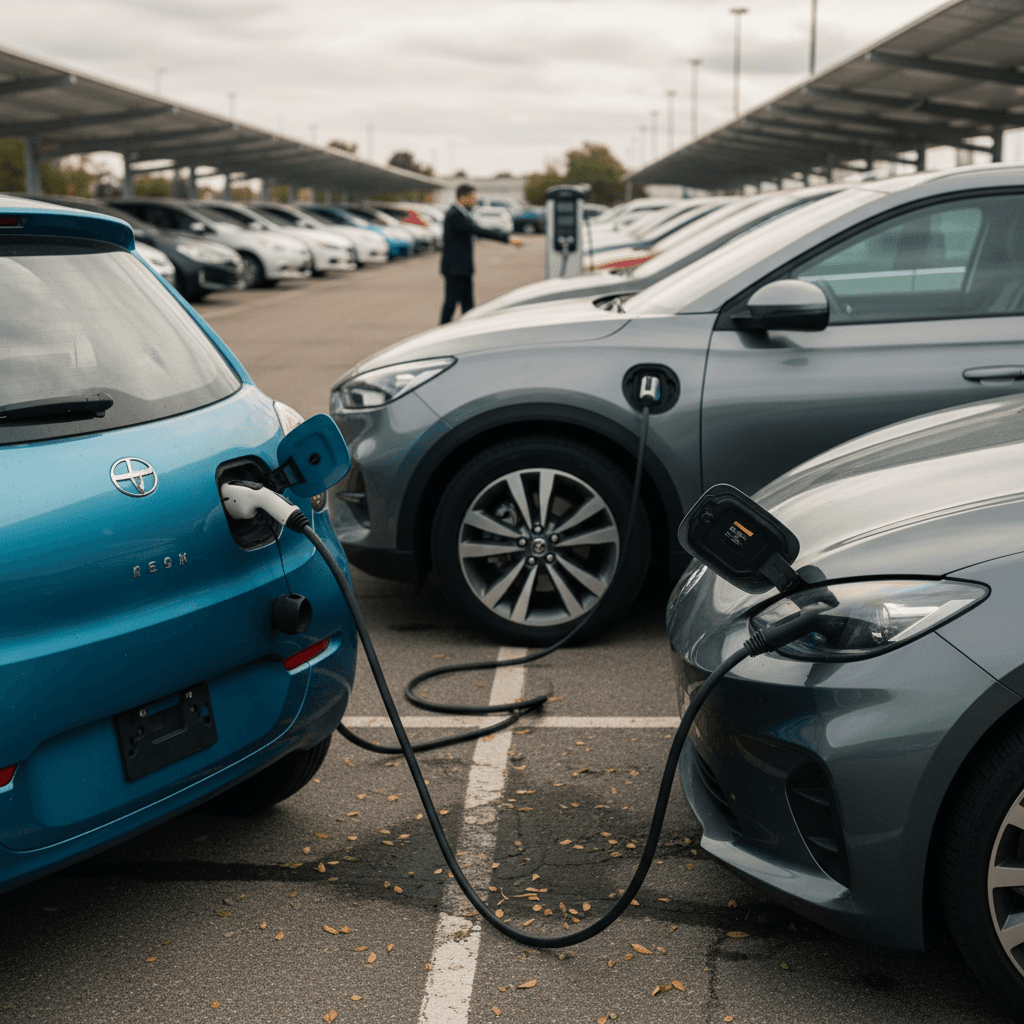
Technically, an auto brand is the "make" of a vehicle, Toyota, Ford, Tesla, BMW, BYD, Hyundai, and so on. Many of these brands sit inside larger groups. For example, Volkswagen Group owns VW, Audi, Porsche and others, while Stellantis includes Jeep, Chrysler, Peugeot and several more. The brand is what you see and say; the group is the corporate parent that shares platforms, parts and sometimes battery tech across multiple badges.
But to you as a driver, the meaning of an auto brand goes beyond the logo. It shapes what you expect from the car’s quality, how it drives, the dealer experience, how the software behaves, and even how strangers see you. When you shop for an EV, the brand also signals how serious the company is about electric vehicles, how much charging support you’ll get, and whether the car is likely to age gracefully in a software‑driven world.
- Hardware identity: Vehicle platforms, motors, batteries and safety engineering that tend to share a "feel" within a brand family.
- Software and services: Infotainment systems, driver‑assistance features, phone apps and over‑the‑air updates that can dramatically change the car over time.
- Ownership experience: How easy it is to get service, updates, warranty support and answers when something goes wrong.
- Reputation: Years of reliability data and word‑of‑mouth that affect resale value and your peace of mind.
Think beyond the logo
Why auto brand matters even more with EVs
How fast EV auto brands are shifting
In the gas era, an automaker could go a decade or more without radically changing its engines or electronics. In the EV era, software and battery tech move fast. Brands that invest heavily in electrification are updating their vehicles every year or two, adding range, improving charging curves and rolling out new driver‑assist features. Brands that dabble in EVs risk leaving early models behind with slower charging, clunky apps and limited support.
On top of that, EV ownership is tightly connected to charging ecosystems. Tesla has long tied its brand to its Supercharger network. Now legacy brands like Ford, GM, Hyundai and others are adopting Tesla’s NACS plug and negotiating access. Meanwhile, Chinese brands such as BYD and Geely are reshaping the EV landscape in Europe and beyond. The brand you choose determines which charging networks feel native and how quickly your car integrates new standards.
Brand risk to watch
The main types of auto brands in the EV era
Four auto brand archetypes every EV shopper should know
Most manufacturers fall into one of these buckets, each with its own strengths and trade‑offs.
Pure‑play EV brands
These companies build only electric vehicles. Examples include Tesla, Rivian, Lucid and several Chinese players.
- Pros: Deep EV engineering focus, strong software DNA, frequent over‑the‑air updates.
- Cons: Shorter reliability track record, fewer service centers, more volatility.
Traditional brands going electric
Think Toyota, Ford, GM (Chevrolet, Cadillac), Hyundai, Kia, BMW, Mercedes‑Benz, Volvo and others with long gas‑car histories.
- Pros: Large dealer networks, decades of safety and reliability experience.
- Cons: Mixed EV execution, some models feel cutting‑edge, others like conversions.
Global value challengers
Brands like BYD, Geely (and its brands such as Volvo and Polestar), MG, and several emerging Chinese names.
- Pros: Aggressive pricing, strong specs, often generous equipment.
- Cons: Unclear long‑term support in the U.S., evolving brand perception and dealer footprints.
Niche & startup brands
Smaller players focused on specific use cases: off‑road (Rivian), ultra‑luxury (Lucid), or commercial vehicles.
- Pros: Unique designs, carefully targeted features.
- Cons: Business risk, limited inventory and fewer nearby service options.
Brand group vs. brand name
Brand reputation, reliability and battery health
For decades, shoppers have leaned on brand reputation when they can’t test every car. Reliability studies still show familiar names like Toyota, Lexus and Honda near the top for gas vehicles. In EVs, the picture is more nuanced. Some established brands have stumbled on their first electric models, while newer brands have nailed the basics but are still proving long‑term durability.
Mechanical reliability vs. software stability
With EVs, you’re worrying less about engines and transmissions and more about batteries and software. Legacy brands bring decades of experience with things like body quality, suspension tuning and HVAC. EV‑native brands tend to excel at fast boot‑up times, phone‑as‑key features and over‑the‑air updates, but may have more bugs early on.
Battery health as the new reliability score
Two used EVs can be the same model year and mileage, but live totally different lives based on how the pack was engineered, how fast it’s usually charged, and how the software manages heat. That’s why Recharged includes a Recharged Score battery health diagnostic with every vehicle, so you can look past the brand logo and see the actual pack condition.
How Recharged helps you look past the brand hype
Ready to find your next EV?
Browse VehiclesQuestions to ask about any auto brand’s EV reliability
1. How long is the battery warranty?
Most modern EVs offer at least 8 years or around 100,000 miles of battery coverage. Some brands go longer or offer higher mileage caps. Check whether the warranty covers excessive degradation or just total failures.
2. How long has this brand built EVs at scale?
Tesla and BYD have millions of EVs on the road. Some legacy brands only recently ramped up EV production. A longer track record can mean more real‑world data on battery health and software bugs.
3. Does the brand push frequent software updates?
Over‑the‑air updates can fix bugs and even improve range or charging speed. But rushed updates can introduce new issues. Ask how often updates roll out and how transparent the brand is about what they change.
4. What do owners say about service?
Read EV‑specific reviews, not just gas‑car feedback. Are service centers comfortable diagnosing high‑voltage issues? Is software support handled quickly or bounced between dealer and corporate tech teams?
Charging networks and the auto brand ecosystem
One overlooked part of choosing an auto brand is deciding whose charging story you want to live with. Tesla built its reputation on pairing the car with a seamless Supercharger network. Now the landscape is changing as more brands plug into the same infrastructure and a new charging standard becomes dominant.
How major auto brands approach charging
Think of it as three different charging "personalities" rather than hundreds of random stations.
Tesla and NACS‑first brands
Tesla built the North American Charging Standard (NACS) and the Supercharger network around it. Ford, GM, Volvo, Polestar, Rivian and others are adopting NACS ports or adapters, giving their drivers access to many Superchargers.
Upside: Lots of fast, reliable stations on major routes.
Watch for: Transition years where you may rely on adapters and software updates to unlock access.
CCS‑focused legacy brands
Many current EVs from Hyundai, Kia, VW, BMW, Mercedes and others still use the CCS plug. Public networks like Electrify America, ChargePoint and EVgo support them.
Upside: Plenty of urban and highway coverage, especially for early EV adopters.
Watch for: Station reliability that can vary more than Tesla’s, plus future port changes as brands migrate toward NACS.
Global multi‑standard brands
Brands like BYD and Geely sell EVs across markets with different charging norms. In Europe and China, CCS or local standards dominate; in the U.S., those same brands are adapting to NACS.
Upside: Broad experience with multiple charging ecosystems.
Watch for: How quickly their U.S. offerings keep up with evolving standards.
Practical test before you pick a brand
Auto brands, resale value and used EVs
Resale value has always been tied to auto brands, Toyota and Honda, for example, built a reputation for used cars that hold value. EVs add new wrinkles: rapid tech improvements, shifting tax credits, and changing public perception of specific brands. Some early EVs from respected brands have lost value quickly because their range and charging speeds felt outdated within just a few years.
How auto brand factors into used EV value
Brand is only one piece of the resale puzzle, but it influences all of these factors.
| Factor | Why it matters | Brand influence |
|---|---|---|
| Battery health | Determines real‑world range and confidence. | Some brands manage heat and fast‑charging better, leading to slower degradation. |
| Software support | Affects features, security and bug fixes over time. | Brands that push regular updates keep older cars feeling newer. |
| Charging flexibility | Impacts road‑trip ease and future compatibility. | Brands aligned with popular standards (NACS, CCS) and strong networks have an edge. |
| Perceived reliability | Shapes demand in the used market. | Names associated with low‑drama ownership attract more bidders. |
| Fleet volume | Affects parts availability and expertise. | Brands that sold many EVs create a larger ecosystem of parts, guides and independent shops. |
Use this as a conversation starter, not a final scorecard, when evaluating any used EV.
Where Recharged fits in
How to choose the right auto brand for you
There’s no single "best" auto brand, only the best fit for your life. A Tesla Model Y, a Hyundai IONIQ 5 and a Chevy Equinox EV can all be excellent choices for different reasons. Instead of starting with a badge, start with how you actually drive, and let the brand follow from there.
A simple roadmap to picking an auto brand
1. Map your daily and weekly driving
Write down your typical commute, weekend errands and monthly road trips. If most days are under 50–70 miles, you have far more brand options than you think.
2. Decide how much you care about software polish
If you love seamless apps and frequent features, brands with strong EV software pedigrees (Tesla, some Korean and Chinese brands) may rise to the top. If you prefer familiarity and a big dealer network, a traditional brand might feel safer.
3. Prioritize charging convenience over brand loyalty
If you road‑trip a lot, make sure the brand you choose gives you easy access to reliable fast charging corridors. That matters more than whether your neighbor approves of your badge choice.
4. Look at total cost of ownership, not just price
Insurance, maintenance, charging costs and depreciation vary by brand. A slightly more expensive brand upfront can be cheaper to own if it holds value and needs less unscheduled service.
5. Test‑drive across brands
Drive at least two different brands back‑to‑back. Feel how the throttle responds, how the driver‑assist behaves, how intuitive the screens are. Don’t be shy about walking away if the car feels like a beta test.
6. Use data to validate your gut
Once you’ve narrowed it down, use tools like Recharged’s <strong>Recharged Score</strong>, independent reliability data and owner reviews to make sure your favorite auto brand choice is backed up by real‑world results.
Common auto brand myths about EVs
Four myths about auto brands in the EV age
Don’t let outdated gas‑era thinking steer your electric decision.
Myth 1: Only luxury brands make "real" EVs
The most popular EV in the U.S. is the Tesla Model Y, but mainstream brands like Ford, Hyundai, Chevrolet and Honda are shipping high‑volume models as well. You don’t need a prestige badge to get a safe, capable EV.
Myth 2: A big brand name guarantees a great EV
Some respected auto brands have released first‑generation EVs with clunky charging curves or software issues. Treat each EV model as its own product, not an automatic win because of the logo on the hood.
Myth 3: New EV brands can’t be trusted
It’s smart to be cautious, but dismissing every newer brand means skipping cars with excellent engineering. The key is to look at financial stability, sales volume, service coverage and battery warranties, not just how familiar the name sounds.
Myth 4: Used EVs from smaller brands are always risky
Risk depends more on battery health, parts availability and software support than on brand size. A well‑maintained EV from a newer brand can be a better buy than a neglected EV from a household name, especially if you can see a verified battery report.
Red flags that matter more than the logo
FAQ: Auto brands and EV shopping
Frequently asked questions about auto brands and EVs
The bottom line on auto brands in 2025
In the electric era, an auto brand is more than a style statement. It’s a shortcut to expectations about battery engineering, software support, charging access and resale value. The badge still matters, but it’s no substitute for doing your homework on how each brand behaves in the real world and how its EVs fit your actual driving life.
If you’re staring at a dozen logos and feeling stuck, flip the script: decide how you want to live with your EV first, then pick the brands that support that life. When you’re ready to shop used, Recharged makes that step easier by combining brand reputation with verified battery health, fair pricing and expert EV guidance, so you can choose the right car, not just the right logo.