If you’re hunting for the best used EV under $15,000 in 2026, you’re shopping in the most value-packed corner of the electric car market. At this price, you won’t get the latest 300‑mile crossover, but you can absolutely find a safe, reliable, low‑maintenance EV that slashes your fuel bill, if you know which models to target and which battery pitfalls to avoid.
Good news for budget EV shoppers
Why $15,000 Is a Sweet Spot for Used EVs in 2026
Five years ago, you almost never saw a purely electric car in the under‑$15k bin. Today, thanks to rapid depreciation and a wave of off‑lease vehicles, that’s changed. Data from Recharged’s own used‑EV analysis shows that the sub‑$15,000 band is now home to a mix of short‑range early EVs, high‑mile mainstream models, and the occasional standout deal on a newer car that simply depreciated hard.
Used EVs Under $15,000: Where the Deals Live
That combination makes $15,000 a sweet spot: low enough to unlock dramatic savings, high enough that you can still find a car you’ll actually enjoy living with.
Quick Look: Best Used EVs Under $15,000 for 2026
Best Used EVs Commonly Found Under $15,000 (U.S. Market, 2026)
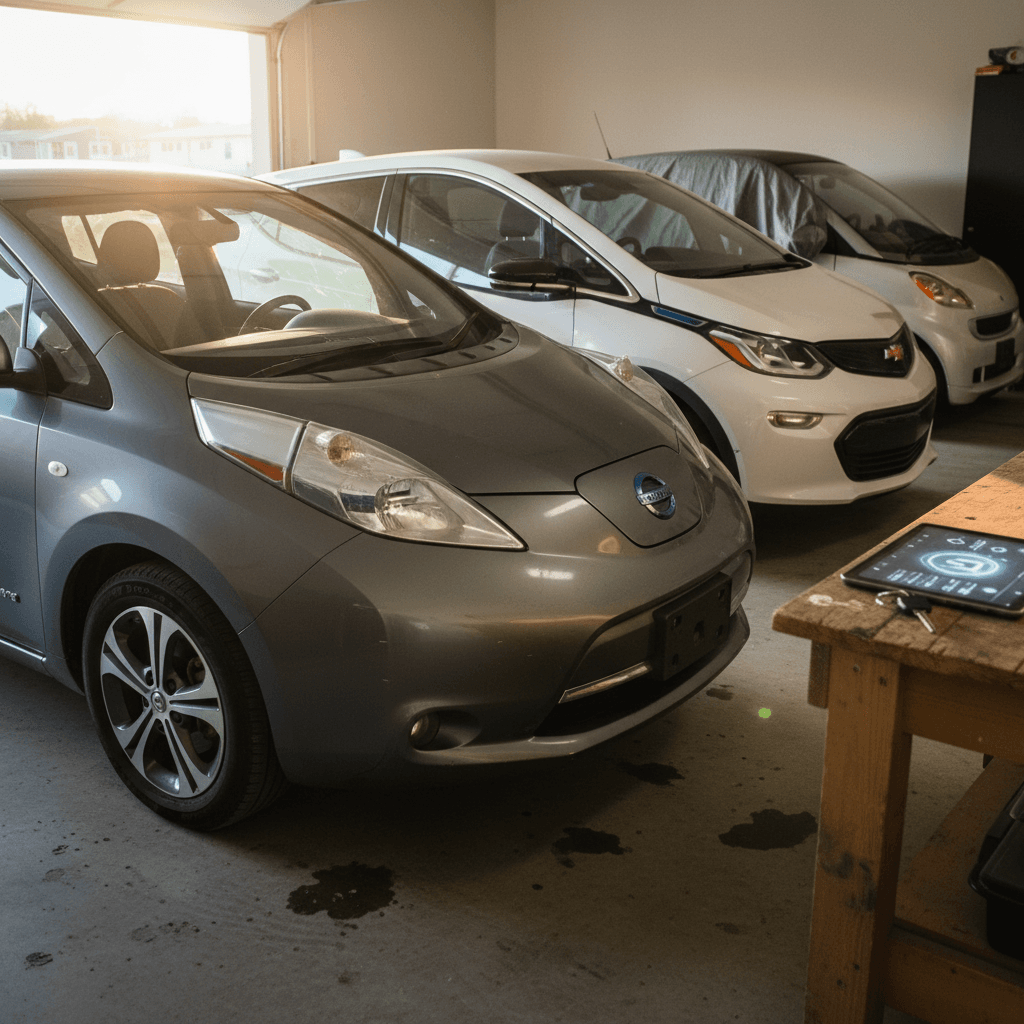
These are the models you’re most likely to see near or under $15k that balance price, range, and ownership experience for most U.S. shoppers in 2026.
| Model | Typical Years Under $15k | Approx. Price Range | EPA Range When New | Best For |
|---|---|---|---|---|
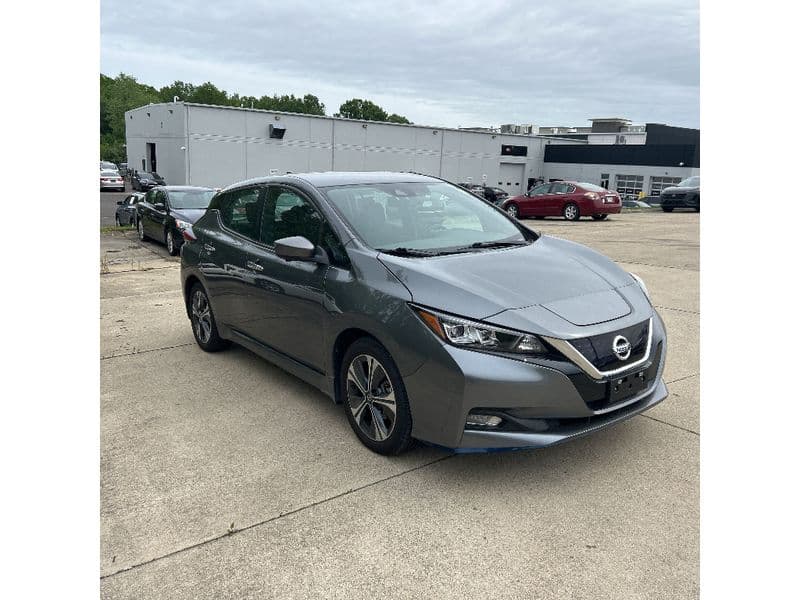
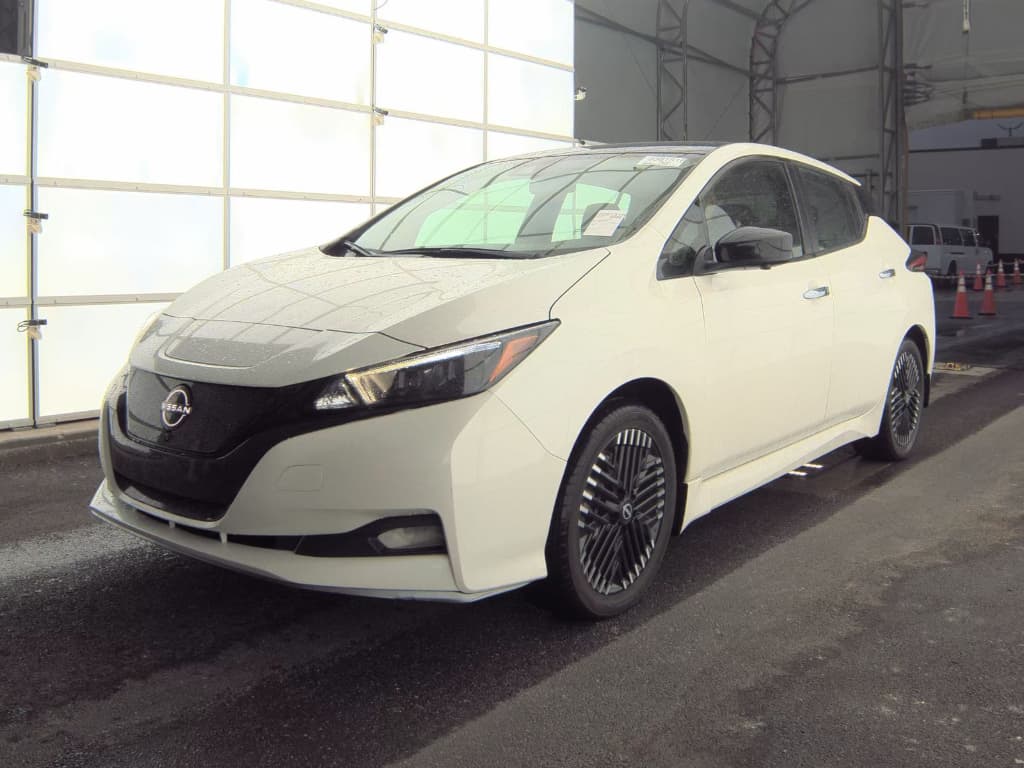
| Nissan Leaf 40 kWh | 2018–2020 | $9,000–$14,000 | 151 mi | Short‑to‑medium‑range commuting, first EV |
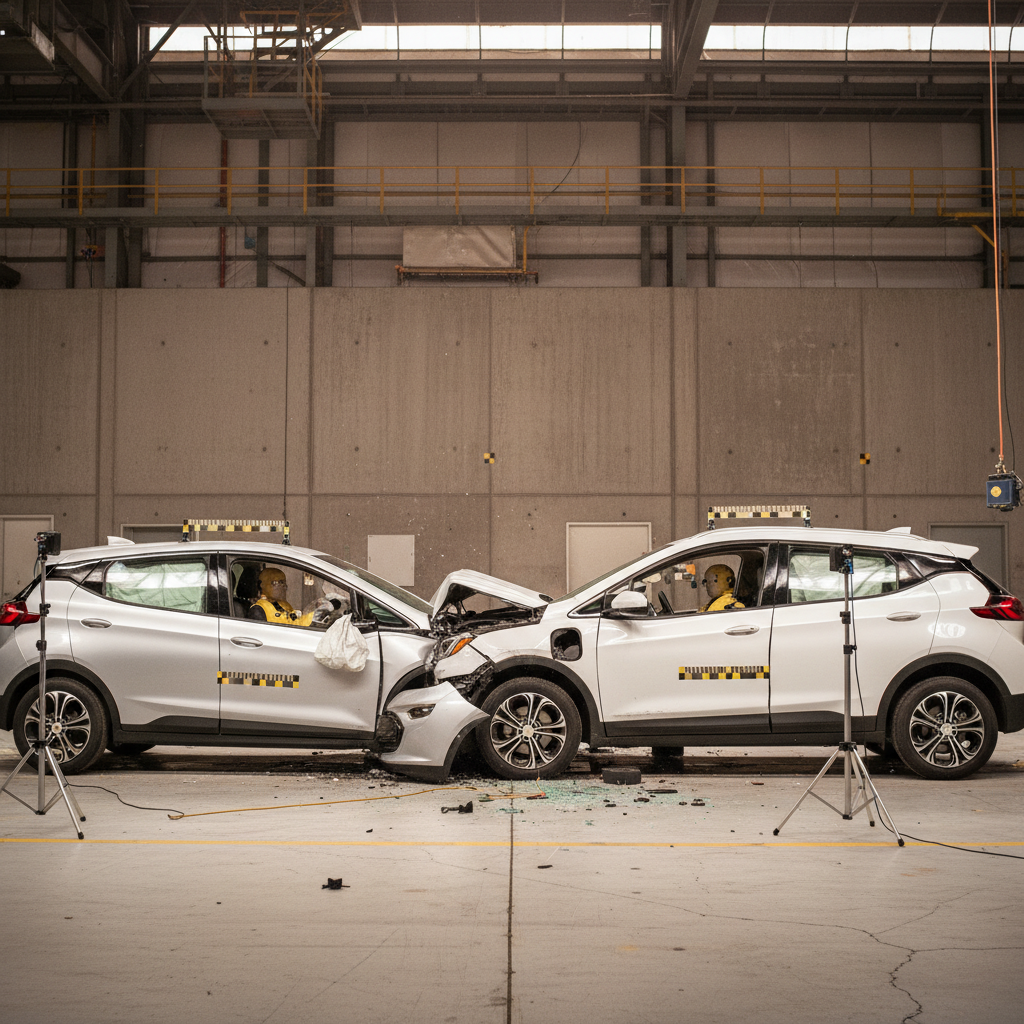
| Chevrolet Bolt EV (1st‑gen) | 2017–2019 | $11,000–$15,000 | 238 mi | Max range per dollar; highway‑capable all‑rounder |
| Hyundai Ioniq Electric | 2017–2019 | $10,000–$14,000 | 124–170 mi | Efficient commuters with great MPGe |
| Volkswagen e‑Golf | 2017–2019 | $11,000–$14,000 | 125 mi | City drivers who want a "normal" Golf feel |
| BMW i3 (BEV or REx) | 2014–2017 | $9,000–$14,000 | 81–114 mi BEV | Style‑focused urban buyers; REx for backup |
| Fiat 500e (1st‑gen) | 2015–2019 | $7,000–$11,000 | 84 mi | Short‑trip city use where parking is tight |
Approximate U.S. used‑market characteristics assuming average mileage and typical battery health.
Availability varies by region
Price Bands: What $15,000 Buys You in a Used EV
Under $8,000: Ultra‑Budget Specials
Here you’ll mostly find very early EVs and high‑mileage cars, often with seriously reduced range:
- 2011–2015 Nissan Leaf (24–30 kWh)
- 2013–2016 Fiat 500e
- 2014–2016 BMW i3 or Spark EV in some markets
These can be incredible city cars if your daily driving is short and you understand the range limitations, but they’re usually not road‑trip machines.
$8,000–$15,000: The Value Heartland
This is where most smart buyers land in 2026. Expect to see:
- 2018–2020 Nissan Leaf 40 kWh
- 2017–2019 Chevrolet Bolt EV (many post‑battery‑recall)
- 2017–2019 Hyundai Ioniq Electric
- Higher‑mile Hyundai Kona Electric or Kia Niro EV
In this band, you can get modern safety tech, usable highway range, and DC fast‑charging in the right car.
Don’t chase the newest model year blindly
Best Used EVs Under $15,000: Top Picks
Let’s dig into the models that consistently bubble to the top when you’re shopping for the best used EV under $15,000 in 2026, along with the trade‑offs that matter.
Top Picks by Buyer Type
Match your daily driving to the right sub‑$15k EV
Best All‑Rounder: Chevy Bolt EV
2017–2019 Chevrolet Bolt EV often dips to the $11k–$15k range depending on mileage.
- EPA 238‑mile range when new
- DC fast‑charging, roomy hatchback
- Excellent one‑car household on a budget
Best Commuter: Nissan Leaf 40 kWh
2018–2020 Leaf with the 40 kWh pack is plentiful and inexpensive.
- EPA 151‑mile range new
- Simple, low‑stress driving experience
- Often much cheaper to insure than a Tesla
Best City Runabout: Fiat 500e
If you drive short distances and park in tight spots, a Fiat 500e can be a fun, ultra‑cheap EV.
- Compact footprint, easy to park
- Plenty of pep around town
- Range limitations mean city‑only for most owners
Chevrolet Bolt EV (2017–2019): Maximum Range per Dollar
If your goal is to stretch every dollar into as many electric miles as possible, the first‑generation Chevrolet Bolt EV is hard to beat. By 2026, many 2017–2019 cars are landing in or just under the $15,000 bracket, especially with higher mileage. You get over 200 miles of real‑world range when the battery is healthy, a tall‑roof hatchback body, and DC fast‑charging for road trips.
About the Bolt battery recall
- Pros: Longest realistic range under $15k; spacious for size; DC fast‑charging; drives like a normal compact hatchback.
- Cons: Earlier cars had recall history, so service records matter; interior is functional more than fancy; some examples pushed hard on fast‑chargers.
Nissan Leaf 40 kWh (2018–2020): Simple, Plentiful, Affordable
The 2018–2020 Nissan Leaf with the 40 kWh battery is the workhorse of the budget‑EV world. There are a lot of them, they’re cheap to insure and maintain, and they make fantastic commuter cars for typical American daily driving, say, 30 to 70 miles a day with overnight home charging.
- Pros: Wide availability under $15k; very smooth and quiet; lower parts and insurance costs than many imports and Teslas.
- Cons: Air‑cooled battery can lose range faster in very hot climates; earlier trims lack active battery thermal management; limited DC fast‑charge speed.
Climate matters for Leaf shoppers
Hyundai Ioniq Electric & Volkswagen e‑Golf: Efficient and Familiar
If you want something that feels more like a conventional compact car inside, the Hyundai Ioniq Electric and Volkswagen e‑Golf deserve a close look. They don’t offer Bolt‑level range, but both are efficient, nicely finished, and often land in the five‑figure teens by 2026.
- Ioniq Electric: Exceptional efficiency and a tidy hatchback body. Great for suburban commuting with occasional longer drives if you plan charging stops.
- e‑Golf: Drives very much like a regular Golf, comfortable, well‑tuned suspension, familiar controls, and a quality interior compared with many early EVs.
BMW i3 (with or without Range Extender): Quirky but Clever
The BMW i3 is a different kind of budget EV: carbon‑fiber intensive construction, rear‑hinged doors, and a premium badge. Under $15k, you’ll typically see 2014–2017 cars, sometimes with the small gasoline "Range Extender" generator. For the right buyer, it’s a wonderfully efficient urban car with a very upscale feel.
BEV vs. REx i3
Models to Approach With Caution Under $15,000
Not every sub‑$15k EV is a slam‑dunk. Some are fantastic only in the right circumstances; others are cheap because the long‑term compromises are bigger than most buyers realize.
Cheap EVs That Require Extra Homework
Great for some drivers, frustrating for others
Very Short‑Range City EVs
First‑generation city cars like early Fiat 500e, Smart EQ, and 24 kWh Leafs can sink under $8,000.
If your daily use is under 40–50 miles, they’re brilliant. If you routinely need 100 miles in a day, you’ll be bumping into their limits.
High‑Mileage Fast‑Charged Cars
Some former fleet cars or road‑warrior commuters racked up huge mileage on DC fast‑chargers.
They might look cheap and clean, but their batteries may have lost a big chunk of usable capacity. Always check real‑world range and a verified battery health report when you can.
Red flag: No DC fast‑charging where you live
Battery Health and Range: What Really Matters
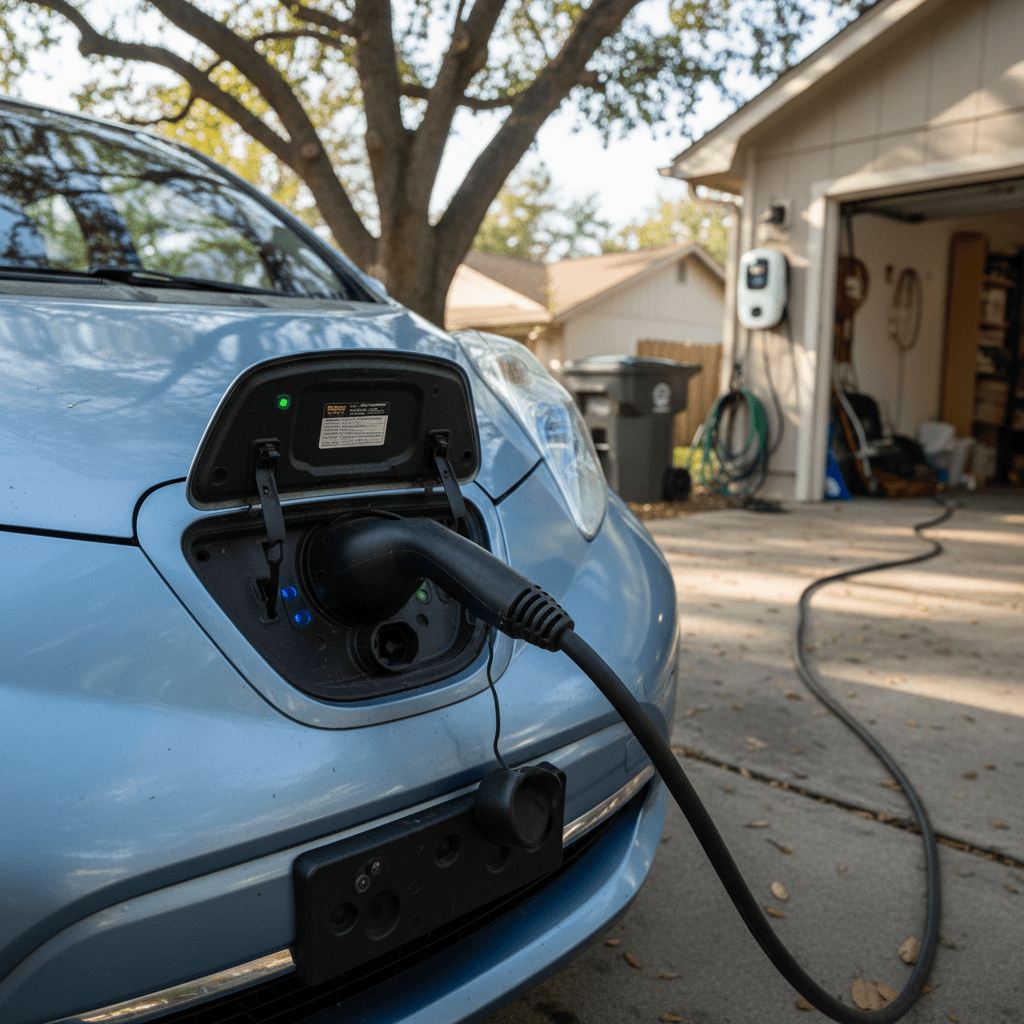
On a cheap used EV, the single most important component you’re buying is the traction battery. Replacing a pack outside warranty can cost as much as the entire car, so you want as clear a view as possible into its condition before you sign anything.
Battery & Range Reality Check
1. Ask for a recent battery health report
Look for a professional battery diagnostic, not just a dashboard guess. Recharged’s <strong>Score Report</strong> includes verified battery health so you’re not gambling on the most expensive part of the car.
2. Compare capacity to original spec
A Leaf that started at 151 miles and now only manages 85–90 miles of mixed driving has lost a big chunk of usable capacity. That’s not automatically a deal‑breaker, but price and your use case must line up.
3. Test a realistic driving loop
If possible, do a 30–40 mile mixed test drive and watch how quickly the state‑of‑charge falls. An EV that drops from 80% to 30% on a light drive may have serious degradation.
4. Check DC charging behavior
On a road‑capable EV, a brief DC fast‑charge test can reveal a lot. Healthy packs reach their expected peak kW quickly; heavily degraded packs may charge slowly or taper early.
5. Factor in your climate
Cold weather reduces range temporarily; extreme heat can reduce it permanently. A Seattle‑area Leaf and a Phoenix‑area Leaf with the same mileage can have very different real‑world ranges.
Why Recharged created the Recharged Score
Used EV Under $15k Checklist
Before you wire funds or sign finance paperwork, run through this short checklist tailored specifically to budget‑EV shoppers.
Essential Checklist for Buying a Used EV Under $15,000
1. Match range to your real life
List your longest regular days: commute, kids’ activities, weekend runs. Add a 25–30% buffer. If your typical max day is 70 miles, target at least 100–120 miles of real‑world range from a healthy pack.
2. Confirm charging options at home
Can you plug into a 120V outlet (Level 1) or install a 240V Level 2 charger? If not, are nearby public chargers convenient and affordable? A great cheap EV can feel terrible if charging is a constant hassle.
3. Research your local charging network
Open PlugShare, Chargeway, or your favorite charging app and map fast‑chargers near your common routes. If you live in a charging desert, prioritize EVs with bigger packs and solid DC fast‑charge capability.
4. Inspect service and recall history
On cars like the Chevy Bolt EV, confirm recall battery work is complete. On all EVs, look for regular maintenance, software updates, and any history of collision or flood damage.
5. Get total cost of ownership, not just price
Compare insurance quotes, home‑charging electric rates, and potential state/local incentives. Even a slightly more expensive EV can win on <strong>five‑year total cost</strong> if it’s more efficient and cheaper to insure.
6. Decide how long you’ll keep it
If you only need the car for three years, a shorter‑range EV may be fine. If this is a 7–10 year keeper, paying a bit more for healthier battery capacity and better charging hardware is usually worth it.
How Recharged Helps You Shop Smarter for Cheap Used EVs
Shopping the bottom half of the EV market can feel intimidating: lots of unfamiliar models, wildly different ranges, and scary headlines about battery replacements. Recharged exists specifically to take the guesswork out of used‑EV ownership, especially at approachable price points like these.
What You Get When You Buy Through Recharged
Built for used‑EV shoppers, not just generic used‑car buyers
Verified Battery Health
Every car comes with a Recharged Score Report that includes lab‑grade battery diagnostics, so you know how much usable capacity you’re actually getting and how that compares to similar cars on the market.
Fair, Transparent Pricing
Recharged benchmarks each vehicle against nationwide used‑EV pricing and typical condition. You see how the asking price compares to the wider market, not just one dealer’s opinion.
Digital Buying & Delivery
Browse entirely online, get EV‑savvy guidance from specialists (not just generic salespeople), arrange financing and trade‑in, and have your car delivered nationwide, or visit the Recharged Experience Center in Richmond, VA.
Ready to find your next EV?
Browse VehiclesStretching beyond $15k?
FAQ: Best Used EV Under $15,000 in 2026
Frequently Asked Questions
Bottom Line: Your Best Cheap EV Bets for 2026
In 2026, the best used EVs under $15,000 are no longer niche experiments, they’re genuinely useful daily drivers. For most buyers, a Chevrolet Bolt EV or a 40 kWh Nissan Leaf will offer the best balance of range, comfort, and cost. If your life is mostly city streets and short hops, an Ioniq Electric, e‑Golf, Fiat 500e, or BMW i3 can deliver surprising refinement and fun for not a lot of money.
The key is to buy with clear eyes: know your real range needs, verify battery health, and understand the trade‑offs you’re making for the low purchase price. That’s exactly where a marketplace like Recharged earns its keep, combining verified battery diagnostics, transparent pricing, EV‑savvy guidance, and nationwide delivery so you can capture the savings of a cheap used EV without feeling like you’re rolling the dice. Do that, and $15,000 can buy you an electric car that feels a lot more like a smart financial move than a compromise.