If you’ve been eyeing a used luxury EV under $60,000, you’re shopping at exactly the right time. Early premium EVs took huge depreciation hits, which means $60K now buys cars that were deep into six figures just a few years ago, often with cutting‑edge tech, serious performance, and surprisingly manageable running costs.
Luxury EV Market Snapshot
Why Luxury EVs Under $60K Are a Sweet Spot Right Now
Key Numbers Behind Used Luxury EV Deals
A few things came together to make this such a buyer‑friendly moment. First, luxury EVs launched with ambitious pricing and aggressive leasing, which inflated early MSRPs and set them up for steep depreciation. Second, tech moved fast, newer batteries and infotainment made yesterday’s halo EVs look outdated on paper, even if they’re still objectively excellent cars. Finally, higher interest rates cooled new‑EV demand, pushing more shoppers toward the used market, where luxury EVs look like bargains compared to similarly priced new crossovers.
Why $60K Hits the Sweet Spot
How Much Luxury EV $60,000 Really Buys in 2026
1. Recent-Generation Flagships
With a $60K ceiling, you’re not limited to first‑generation science projects. You can often find:
- Late‑model Tesla Model S Long Range and sometimes Plaid with strong range and acceleration.
- Mercedes EQS sedans that originally stickered well into six figures.
- Nicely optioned Audi e‑tron / Q8 e‑tron SUVs with air suspension and top‑tier interiors.
2. Newer, Smaller Luxury EVs Fully Loaded
Not every luxury EV is a land yacht. For under $60K, you can also get:
- High‑spec BMW i4 or Polestar 2 with performance and premium packages.
- Compact luxury crossovers like the Mercedes EQB or Genesis GV60 with nearly every option.
- Low‑mileage, CPO‑eligible cars still under factory battery warranty.
Watch Your Ceiling
Best Used Luxury EVs Under $60,000: Model Shortlist
Below are some of the strongest candidates if you want a used luxury EV under $60,000. Exact pricing varies by mileage, trim, and region, but these are models you can realistically find at or below that threshold in many U.S. markets.
Top Luxury EV Picks Under $60K
Flagship sedans, plush SUVs, and sporty four‑doors that now fit a sensible budget
Tesla Model S (Long Range / Plaid)
Why it’s compelling: Iconic luxury EV with serious performance, a huge charging network, and a usable hatchback layout.
- Common price band under $60K: Late‑2010s to early‑2020s cars, including some Plaids with higher miles.
- Pros: Range, performance, Supercharger access (where available), over‑the‑air updates.
- Cons: Earlier build‑quality quirks, rapidly changing software UI, warranty may be limited on older cars.
Mercedes‑Benz EQS Sedan
Why it’s compelling: S‑Class comfort with EV smoothness, often heavily discounted used relative to its original six‑figure price.
- Under $60K: Typically earlier model years or higher‑mileage examples.
- Pros: Ultra‑quiet cabin, excellent seats, advanced driver assists, strong dealer network.
- Cons: Polarizing styling, complex infotainment, heavy weight affects efficiency.
Audi e‑tron / Q8 e‑tron
Why it’s compelling: Classic Audi luxury SUV feel with EV torque and quattro all‑wheel drive.
- Under $60K: Many trims, often low‑mileage lease returns.
- Pros: Comfortable ride, solid build quality, familiar controls for Audi owners.
- Cons: Modest real‑world range on earlier e‑tron SUVs; DC fast charging is good, not class‑leading.
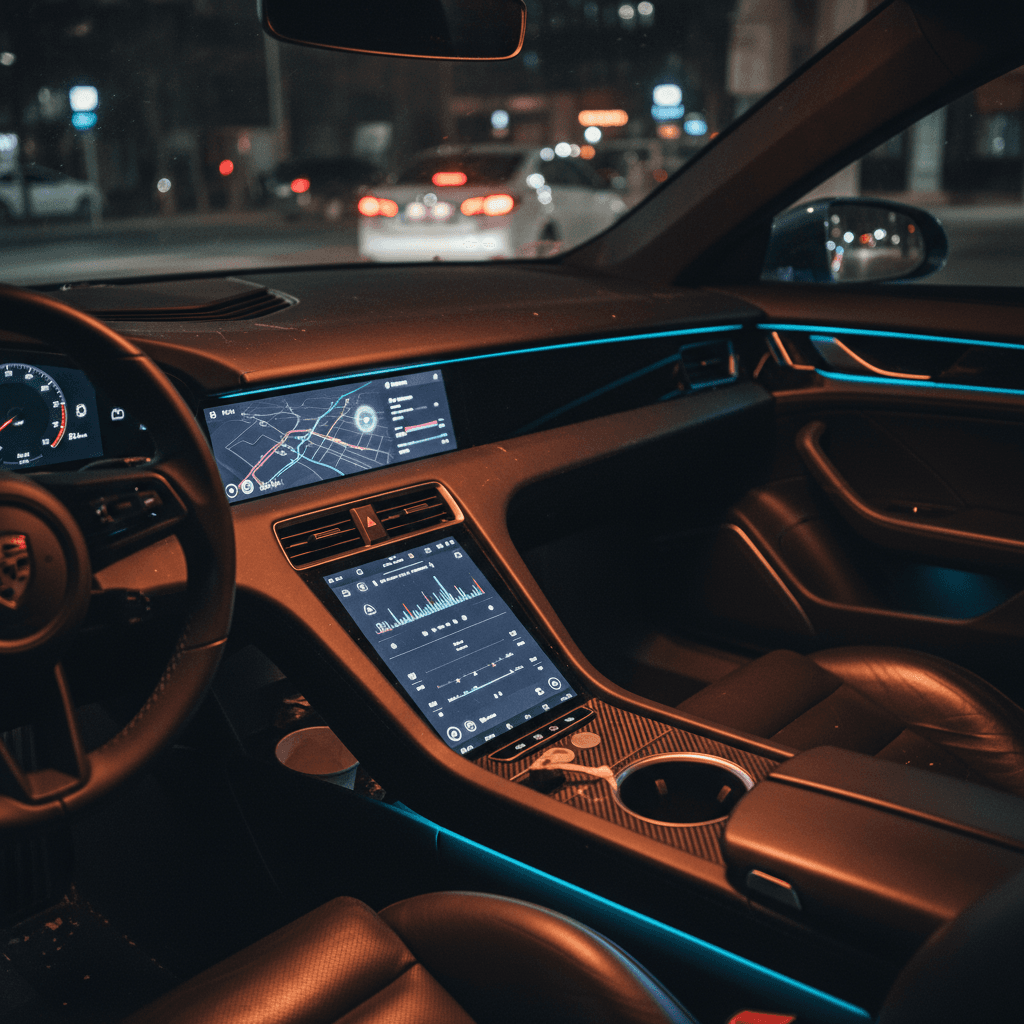
Porsche Taycan (Select Trims)
Why it’s compelling: Sports‑car dynamics with a premium interior. A driver’s luxury EV.
- Under $60K: Base and some 4S cars with higher mileage or fewer options.
- Pros: Handling, steering feel, brand cachet.
- Cons: Range can be modest, options and maintenance are pricey.
BMW i4 (eDrive40 / M50)
Why it’s compelling: Blends 3‑Series‑style driving dynamics with EV power and a familiar BMW ergonomics.
- Under $60K: Many well‑optioned examples, especially eDrive40.
- Pros: Engaging to drive, solid efficiency, strong infotainment.
- Cons: Tight rear seat for tall passengers, some early‑software learning curves.
Jaguar I‑Pace & Others
Why it’s compelling: The I‑Pace and similar early luxury EVs often show the steepest depreciation, meaning rich features for relatively little money.
- Under $60K: Most well‑equipped I‑Pace models, some Genesis and Volvo luxury EVs.
- Pros: Distinctive design, engaging handling, high feature content at low prices.
- Cons: Smaller dealer footprint, shorter range than newer rivals.
Quick Comparison: Luxury EVs You Can Find Under $60K
Used Luxury EVs Under $60,000: Feature Snapshot
Approximate real‑world expectations for common sub‑$60K luxury EVs. Exact numbers vary by trim, year, and condition.
| Model | Body Style | Typical Sub‑$60K Years | Est. EPA Range When New | DC Fast Charge Peak | Notable Strength |
|---|---|---|---|---|---|
| Tesla Model S | Large sedan / hatch | 2017–2022 | 348–405 mi | up to ~250 kW | Range + Supercharger access |
| Mercedes‑Benz EQS | Large sedan | 2022–2023 (higher miles) | 340–350 mi | up to ~200 kW | S‑Class comfort in EV form |
| Audi e‑tron / Q8 e‑tron | 2‑row SUV | 2019–2023 | 218–300 mi | up to ~170 kW | Quiet, refined SUV experience |
| Porsche Taycan | Sport sedan / wagon | 2020–2022 (select trims) | 200–250+ mi | up to ~270 kW | Driver’s car feel and brand |
| BMW i4 | Compact sedan | 2022–2024 | 245–307 mi | up to ~200 kW | Strong blend of luxury and efficiency |
| Jaguar I‑Pace | Crossover | 2019–2022 | 222 mi | up to ~100 kW | High equipment, big discounts |
Always check the specific car’s window sticker or OEM site for exact range and charging specs.
Don’t Rely on Brochure Range Alone
Understanding Luxury EV Depreciation (and Using It to Your Advantage)
Luxury EVs stack two depreciation accelerants: they’re both luxury and electric. High MSRPs mean there’s more absolute dollar value to lose, while rapidly improving battery and software tech makes early models look dated faster than equivalent gas cars.
- Five‑year value loss around 50% is common for EVs, and some premium models have historically pushed into 60–70% territory.
- Luxury sedans and SUVs already depreciate more than mainstream vehicles; adding EV uncertainty amplifies that effect.
- Tax credits and manufacturer price cuts on new EVs can drag used values down further, since buyers can compare against discounted new inventory.
How This Helps You
Depreciation is the most important and least understood cost in car ownership. With luxury EVs, you’re watching a fast‑moving technology stack collide with slow‑moving consumer expectations, and that clash creates real bargains for informed used buyers.
Battery Health: The Make-or-Break Factor on a Used Luxury EV
On a used luxury EV, the leather, screens, and sound system matter, but the battery pack is the main event. A car that looks immaculate but has a tired pack can turn your “deal” into a mistake.
Battery Health Checklist for Used Luxury EVs
1. Ask for Objective Battery Health Data
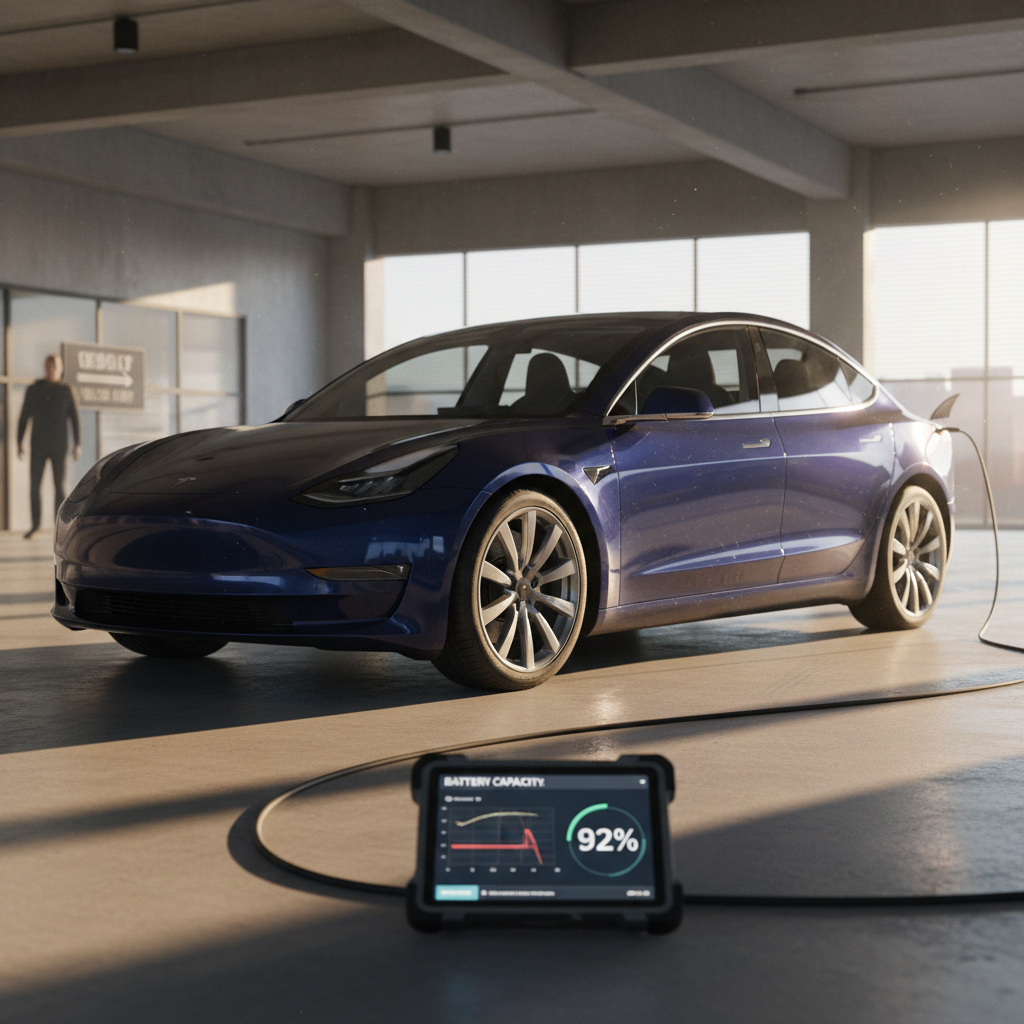
Don’t settle for “the range still looks good.” You want a quantified battery health readout or state‑of‑health (SOH) estimate from diagnostics, either from the OEM, a third‑party tool, or a service like Recharged’s <strong>Score Report</strong> that includes verified battery health.
2. Compare Health to Age and Mileage
A five‑year‑old luxury EV with 80–90% remaining capacity is normal. The same car with 70% health deserves extra scrutiny, or a steep discount that reflects upcoming range limitations.
3. Check Remaining Battery Warranty
Many luxury EVs carry 8‑year/100k+‑mile battery warranties. Verify the in‑service date and mileage so you know how much coverage is left. Repairs outside warranty can easily erase whatever you saved on the purchase price.
4. Review Charging History When Possible
Frequent DC fast charging and living at 100% state of charge can accelerate degradation. You may not get a perfect history, but any documentation that shows mostly home Level 2 charging is a plus.
5. Test Real‑World Range
On a long test drive or short trip, watch how quickly range drops versus miles driven. It won’t be perfectly linear, but obvious mismatch between displayed range and distance is a red flag.
6. Inspect for Software Limits
On some EVs, the manufacturer may cap usable battery capacity via software in response to quality issues. Make sure you understand any software‑imposed limits and how they affect usable range.
Where Recharged Fits In
Costs Beyond the Sticker Price
A used luxury EV under $60,000 can be far cheaper to run than a comparable gas luxury sedan or SUV, but only if you understand the full cost picture. Here are the big levers to look at.
Key Ownership Costs for Used Luxury EVs
Where you’ll save, and where you still need a budget
Electricity vs. Fuel
Even with higher electricity rates in some regions, fuel savings are often dramatic compared to 15–20 mpg luxury SUVs or sedans.
- Home Level 2 charging is usually the cheapest option.
- Frequent DC fast charging can narrow the advantage, but rarely eliminate it.
Maintenance & Repairs
No oil changes, fewer moving parts, but still a luxury car.
- Expect higher costs for items like air suspension, big wheels/tires, and complex interiors.
- Independent EV‑savvy shops can cut costs versus dealer rates.
Insurance, Taxes & Fees
Insurance often tracks vehicle value and repair complexity.
- Some luxury EVs have higher repair costs for bodywork and electronics.
- State incentives or reduced registration fees can offset costs in some markets.
Don’t Ignore Depreciation Going Forward
How to Shop Confidently for a Used Luxury EV Under $60K
Because you’re dealing with both high‑end hardware and advanced software, you want a more structured approach than you might use for a basic used hatchback. Think less impulse buy, more surgical strike.
Step‑by‑Step Game Plan
1. Define Your Use Case First
Decide whether you’re replacing a commuter car, a family hauler, or a weekend toy. Range, cargo space, and ride comfort requirements will be different for a Taycan than for an EQS SUV.
2. Set a True All‑In Budget
Work backward from what you can comfortably afford monthly, including taxes, fees, insurance, and charging. If you’re financing, explore pre‑qualification so you know your rate before you shop.
3. Shortlist 2–4 Models
Pick a small set of target models based on body style and range needs, for example, <strong>Model S vs. EQS vs. i4</strong>. This keeps you focused and makes it easier to compare real‑world prices.
4. Compare Total Cost, Not Just Price
Look at insurance quotes, expected maintenance, and electricity vs. fuel savings across your shortlist. A slightly pricier car with lower running costs may win over five years of ownership.
5. Demand Transparent Vehicle History
For any candidate, you want accident history, service records where possible, and a clear battery health assessment. Avoid cars with major structural repairs or unresolved high‑voltage system issues.
6. Use an EV‑Savvy Retailer
Working with an EV‑focused marketplace like <strong>Recharged</strong> means the inspection, pricing, and support are built around electric ownership, not adapted from gas‑car playbooks.
How Recharged Helps You Buy a Used Luxury EV Smarter
Luxury EVs are where traditional dealership processes tend to break down. Salespeople often know the leather packages better than the kilowatt‑hours, and inspection checklists weren’t written with high‑voltage packs in mind. That’s exactly the gap Recharged was built to close.
- Recharged Score Report: Every vehicle includes a transparent report with verified battery health, pricing against live market data, and a clear explanation of what you’re buying.
- Expert EV Guidance: EV‑specialist support walks you through range needs, charging options, and model trade‑offs, whether you’re cross‑shopping a Model S against an EQS or trying to decide if a Taycan’s range works for you.
- Financing & Trade‑In: Built‑in financing options and trade‑in or consignment support help you upgrade out of your gas or older EV with minimal friction.
- Digital‑First Experience: Browse, compare, and complete most of the process online, with nationwide delivery and an Experience Center in Richmond, VA if you prefer to see vehicles in person.
Turn Depreciation Into an Advantage
FAQ: Buying a Used Luxury EV Under $60,000
Frequently Asked Questions
Bottom Line: Who Should Buy a Used Luxury EV Under $60K?
A used luxury EV under $60,000 makes the most sense if you value comfort, tech, and performance but don’t want to light money on fire with new‑car depreciation. You get the quiet cabins, big screens, and effortless torque of high‑end electric flagships, just without the six‑figure price tag.
The tradeoff is that you need to be more intentional: scrutinize battery health, understand remaining warranty, and think about how range and charging fit your life. If you do that homework, and lean on EV‑focused partners like Recharged for diagnostics, pricing transparency, financing, and delivery, you can turn the industry’s depreciation problem into your personal opportunity.