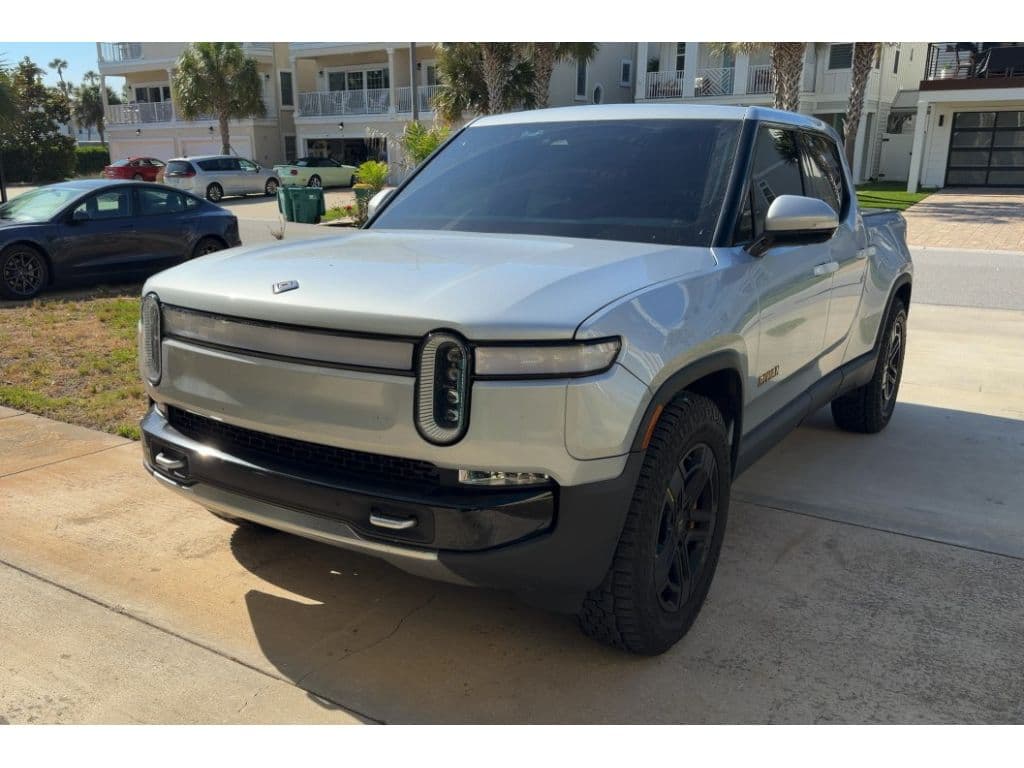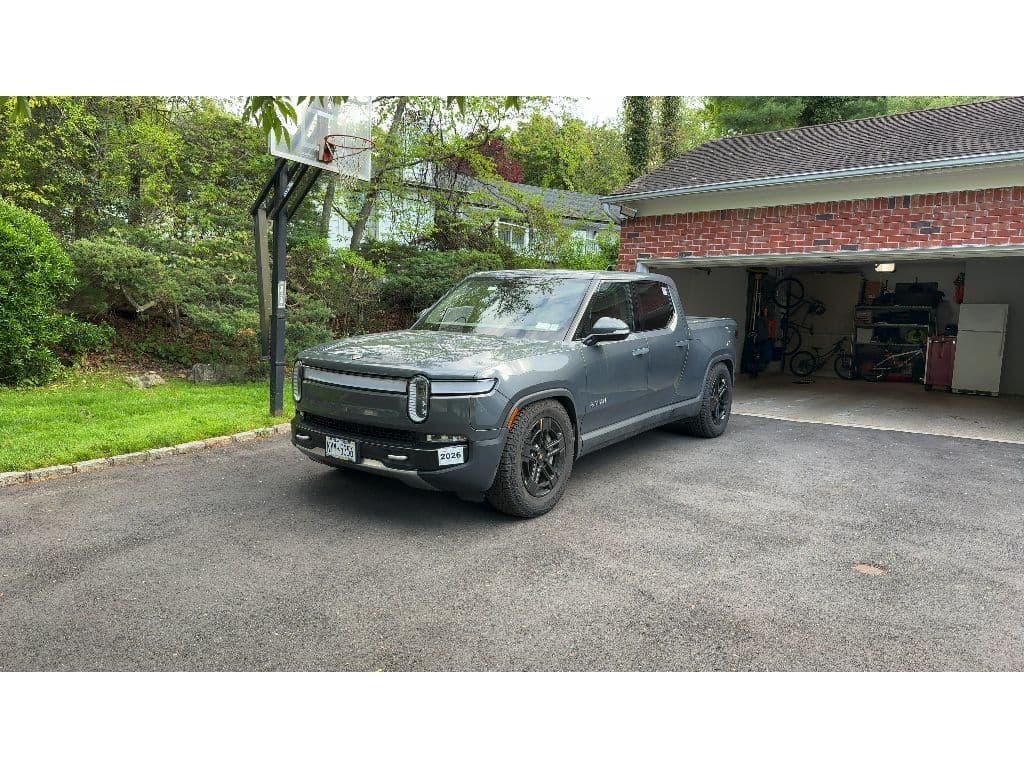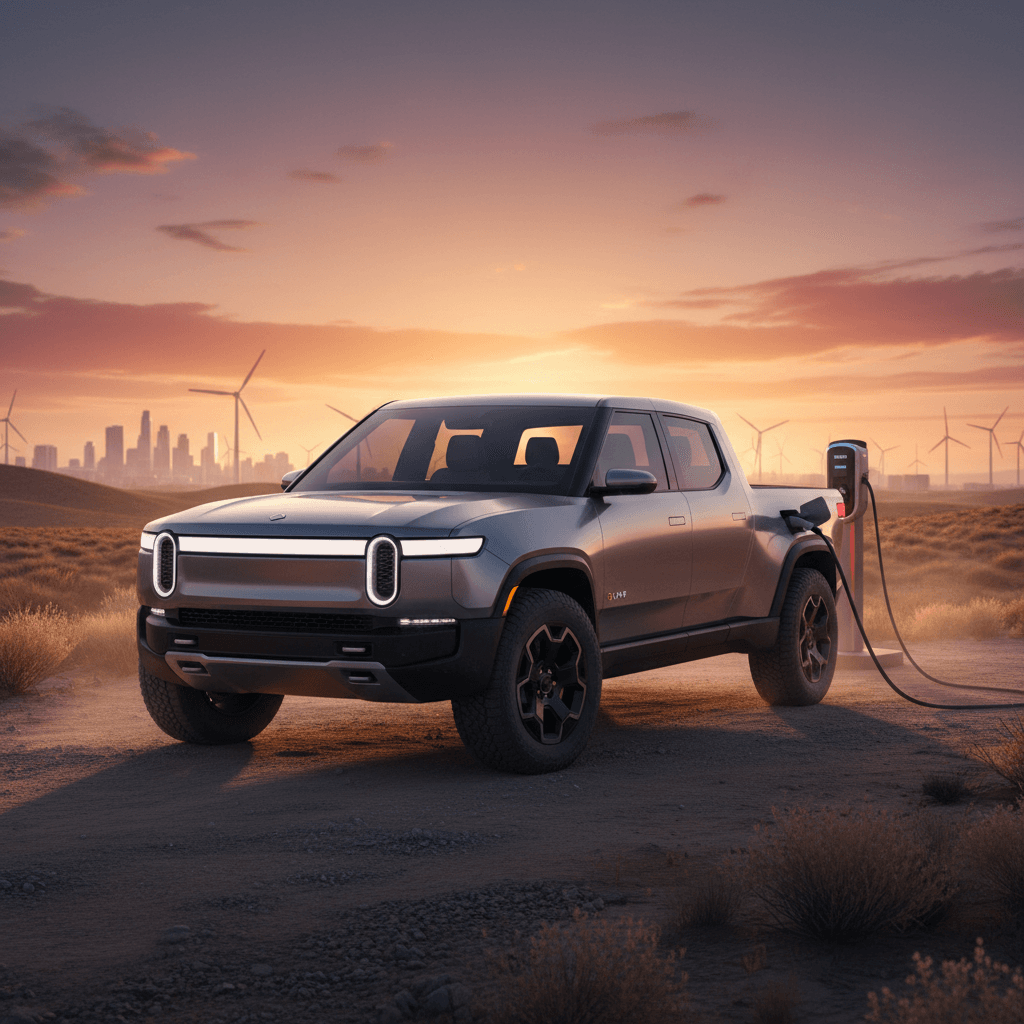
America has discovered the all electric truck, and then, in 2025, promptly got cold feet. The Ford F-150 Lightning, Chevy Silverado EV, Rivian R1T, GMC Hummer EV, Tesla Cybertruck and others promised silent torque, zero tailpipe emissions and a future where your work truck could power the job site. Now we’re staring at headlines about slow sales, cancelled models, and price cuts. So where does that leave you, the buyer who actually needs a truck, not just a conversation piece?
The state of the electric truck
Why all-electric trucks matter in 2025 (and why they’re struggling)
Pickup trucks are the spine of the U.S. auto market, and electrifying them was supposed to be the EV movement’s victory lap. On paper, an all-electric truck makes sense: instant torque for towing, low running costs for fleets, and the ability to power tools or a house during an outage. In practice, Americans have discovered the physics problem: big, heavy, bluff‑fronted vehicles are the toughest test case for batteries.
Electric trucks by the numbers in 2025
Why some electric trucks are getting cancelled
All-electric truck models you can actually buy in 2025
Despite the drama, the showroom is far from empty. Here’s a snapshot of the major all-electric truck players you’ll encounter in 2025, with an emphasis on what matters in the real world: range, payload/towing, and personality.
Key all-electric pickup trucks in 2025
Approximate starting prices and headline specs for major electric light-duty pickups in the U.S. for the 2025 model year. Numbers are manufacturer estimates or EPA figures where available and will vary by trim.
| Model | Approx. Starting Price (USD) | Estimated Max Range (mi) | Max Towing (lb) | Vibe |
|---|---|---|---|---|
| Ford F-150 Lightning | ~$50,000 | 230–320 | up to ~10,000 | Conventional truck that happens to be electric; friendly and familiar. |
| Chevrolet Silverado EV | ~$57,000+ | ~280–450+ | up to ~10,000 | Long-range road warrior with clever midgate and lots of tech. |
| GMC Sierra EV | ~$90,000+ | ~390–460 | similar to Silverado EV | Upscale Silverado EV twin with luxury flourishes. |
| Rivian R1T | ~$70,000+ | 270–350 | up to ~11,000 | Adventure truck for the REI crowd; compact outside, serious capability. |
| Tesla Cybertruck | ~$60,000+ | ~300–350 | up to ~11,000 | Polarizing stainless wedge with wild acceleration and loads of internet opinions. |
| GMC Hummer EV Pickup | ~$99,000+ | ~310 | up to ~12,000 | Excess in truck form: huge, heavy, and hilariously overpowered. |
Use this table as a directional guide, not gospel. Always confirm exact specs and pricing for your trim and region.
Future affordable electric trucks
Range and towing: the inconvenient truth for all-electric trucks
Range is where the brochure promises collide with the real world. Electric trucks carry large battery packs, but they also punch a big hole in the air and often haul or tow heavy stuff. Physics does what physics does.
Unladen range is usually excellent
- Most all-electric trucks quote 250–350 miles of EPA range, with the longest‑range configurations pushing toward 400+ miles.
- Daily commuting, school runs, and light Home Depot duty barely dent the battery in moderate weather.
- Regenerative braking in stop‑and‑go traffic actually favors heavier EVs like trucks.
Towing and high speed are range killers
- Hook up a tall travel trailer, drive 70–75 mph, and you can see 30–50% range loss on many trucks.
- Crosswinds, cold weather, and steep grades all pile on to reduce efficiency further.
- Serious long‑distance towing often means stopping every 100–150 miles to DC fast charge, which gets old fast.

If your life is a 9,000 lb trailer at 75 mph…
- For light towing (boats, small utility trailers, pop‑up campers) and mostly regional trips, an all-electric truck works beautifully.
- For occasional long-haul towing, plan your route around fast chargers and expect more frequent, longer stops.
- If your use case is "cross‑country fifth‑wheel hauler," the technology and infrastructure just aren’t fully there yet.
Living with an all-electric truck: charging, home setup, and infrastructure
Owning an all-electric truck is less about horsepower and more about plugs. The good news: charge it at home and you’ll rarely think about public stations. The bad news: many truck owners still can’t or don’t.
Charging options for an all-electric truck
Think in terms of where the truck sleeps, not just where it works.
Home Level 2
Best case. A 240V Level 2 charger in your garage or driveway adds 20–40 miles of range per hour, easily refilling a big battery overnight.
You’ll likely pay an electrician to install a 40–60A circuit. It’s a real cost up front, but transforms ownership.
Workplace & depot
If your truck lives at a yard or job site overnight, a bank of Level 2 chargers can keep a small fleet topped up.
Medium‑duty electric box trucks and vans are already doing this on fixed routes with great success.
DC fast charging
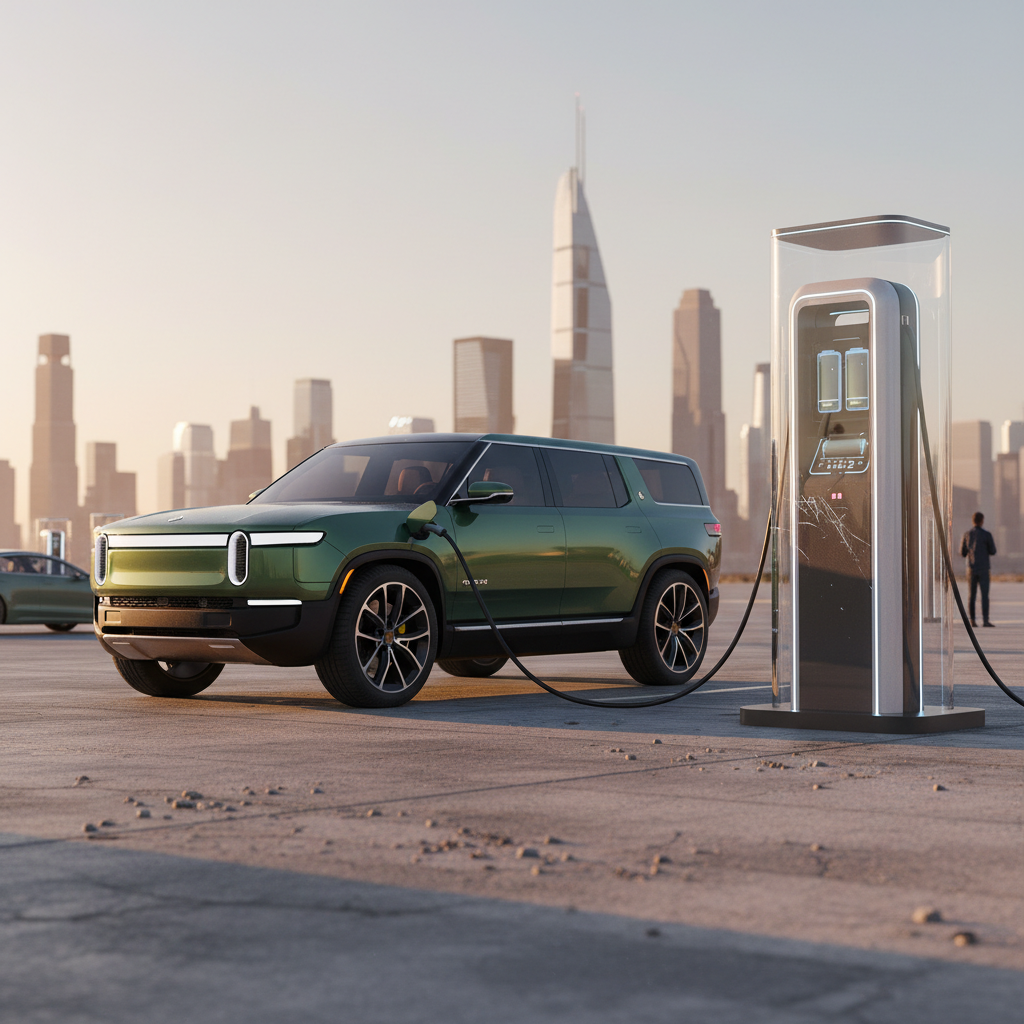
Crucial for road trips and emergency top‑ups. Typical trucks accept anywhere from ~150–350 kW DC.
Fast charging is more expensive and harder on the battery, so it’s the tool of last resort, not your daily plan.
Plan for tomorrow’s connector, not yesterday’s
What an all-electric truck really costs to own
Sticker shock is real. Many all-electric trucks start around $50,000 and quickly climb into the $70,000–$100,000 stratosphere. But the monthly picture is more nuanced once you factor in fuel, maintenance, and potential tax credits.
Where you spend more
- Purchase price: Comparable trims of electric pickups usually cost more than their gas counterparts.
- Insurance: Higher vehicle values and repair costs can push premiums up.
- Home charging setup: A properly installed Level 2 charger can run from hundreds to a few thousand dollars, depending on your electrical panel and distance.
Where you save
- Energy cost: Per mile, home electricity is often dramatically cheaper than gasoline or diesel, especially off‑peak.
- Maintenance: No oil changes, fewer fluids, no spark plugs, no exhaust system. Brakes last longer thanks to regen.
- Incentives: Federal and state EV incentives are changing, but in many cases they still meaningfully reduce the effective price of a new or used EV.
Electric trucks as business tools
Who should (and shouldn’t) buy an all-electric truck
Electric trucks are not one-size-fits-all, and that’s fine. The unhappy owners are usually the ones who tried to bend physics and infrastructure to their will. Here’s a more honest fit guide.
Great vs. poor use cases for an all-electric truck
Match the truck to the job, not the press release.
You’re a great candidate if…
- You own a home (or stable parking) where a Level 2 charger can be installed.
- Your daily driving is under ~120 miles, even on busy days.
- You tow occasionally, not constantly, and mostly stay within your state or region.
- You value smooth, quiet power and modern tech as much as traditional truck swagger.
You’ll probably be unhappy if…
- You regularly tow 7,000+ lb long distances at highway speeds.
- You can’t install home or depot charging and must rely on public DC fast chargers.
- Your work takes you far off the beaten path, where charging networks are sparse.
- You simply want the cheapest possible way to move a bed and a hitch.
The used all-electric truck market: opportunity and landmines
Because demand cooled faster than automakers expected, the used market for all-electric trucks is already interesting. Early F-150 Lightnings and Rivian R1Ts have taken noticeable depreciation, and lightly used Cybertrucks are starting to appear as the shock wears off and reality sets in.
Why used can be smart
This is where a platform like Recharged earns its keep. Every EV we list comes with a Recharged Score Report, which includes verified battery health, fair market pricing analysis, and expert guidance from start to finish. On an all-electric truck, where a single battery pack can represent a huge chunk of the vehicle’s value, that kind of transparency is the difference between a savvy buy and an expensive science project.
Used all-electric truck checklist
1. Battery health and fast‑charge history
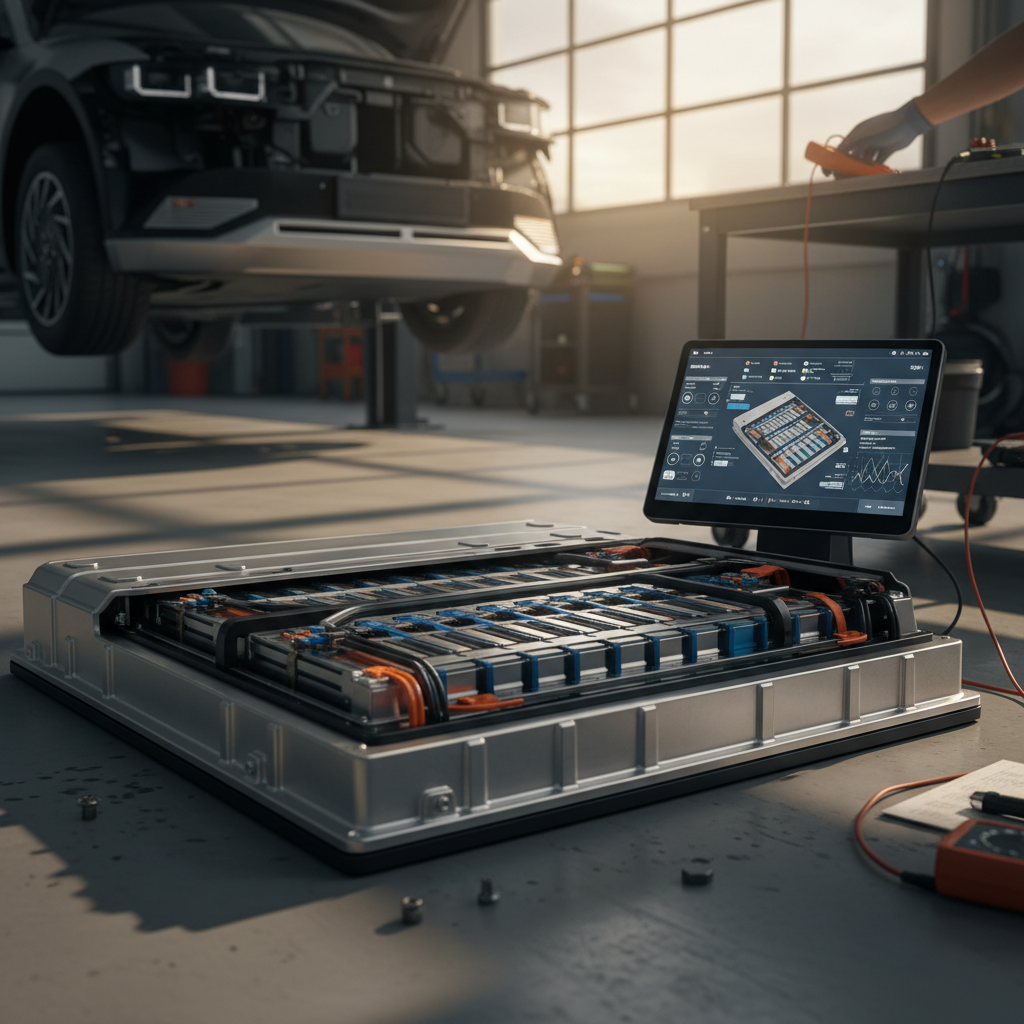
Ask for objective battery diagnostics, not just a "feels fine" from the seller. Heavy DC fast‑charging use, especially in hot climates, can accelerate degradation. Recharged’s diagnostics‑backed Score gives you a clear, comparable picture across vehicles.
2. Software status and recalls
Electric trucks live and die by software. Confirm that OTA updates are current and that recall work, especially on early Cybertrucks and Hummers, has been completed.
3. Tires, suspension, and brakes
These trucks are heavy. Worn tires, tired shocks, and overworked brakes are common on vehicles that spent their early life towing or off‑roading.
4. Charging hardware included
Make sure the mobile connector, home wallbox (if included), and any adapters are present and in good condition. Replacing them isn’t cheap.
5. Previous use case
A former lifestyle truck that spent its time in suburbia is a very different prospect than one that towed a race trailer every weekend. Ask how it was used and look for matching evidence: hitch wear, bed scratches, service records.
How to evaluate an all-electric truck before you buy
Think of an all-electric truck as two purchases in one: a truck and a very large, very expensive battery. A quick test drive around the block won’t tell you what you need to know. Here’s a smarter way to shop.
Pre‑purchase test plan for electric trucks
1. Replicate your real day
On the test drive, mimic your longest typical day: highway speeds, a mix of stop‑and‑go, maybe a short towing loop if possible. Watch consumption (mi/kWh) on the trip computer, not just the remaining‑range number.
2. Test charging where you’ll actually plug in
If you’ll rely on a particular DC fast‑charge network, test it before you sign papers. Do the app, payment, and charging speed behave the way you expect?
3. Play with the work features
Try Pro Power Onboard‑style outlets, bed and frunk access, tie‑downs, on‑board scales, bed step, and camera views. Ask yourself: does this feel easier to live with than my current truck?
4. Verify driver‑assist behavior
Lane centering, adaptive cruise, trailer assist and camera systems vary widely between brands. Some are a godsend after a long day; others are nagging copilots you’ll switch off.
5. Run the numbers with total cost of ownership
Don’t stop at monthly payment. Compare five‑year fuel and maintenance costs with your current truck. A higher payment can be offset by lower running costs, especially if you rack up miles.
6. Get independent data on the battery
For used trucks, insist on a battery health report. On Recharged, that’s baked in: our Recharged Score uses professional diagnostics to verify pack health, so you’re not buying blind.
All-electric truck FAQ
Frequently asked questions about all-electric trucks
The bottom line on all-electric trucks in 2025
The all-electric truck is not dead; it’s merely coming down from its sugar high. After a few years of breathless promises, 2025 is the year we discover what these machines are actually good at: regional work, family duty, light towing, and everyday truck life powered by electrons instead of unleaded.
If you live in the suburbs, can install a home charger, and dream of a truck that can silently tow your boat, power your campsite, and commute for pennies a mile, an all-electric pickup could be the best vehicle you’ve ever owned. If your livelihood depends on dragging five tons across three states in any weather, the technology, and especially the infrastructure, still has some growing up to do.
Either way, you don’t have to navigate this alone. Recharged was built to make EV ownership simple and transparent, from financing and trade‑ins to verified battery health and nationwide delivery. When you’re ready to test whether an all‑electric truck fits your life rather than the marketing campaign, start with honest data, a clear report, and a truck that’s already passed the hard questions.