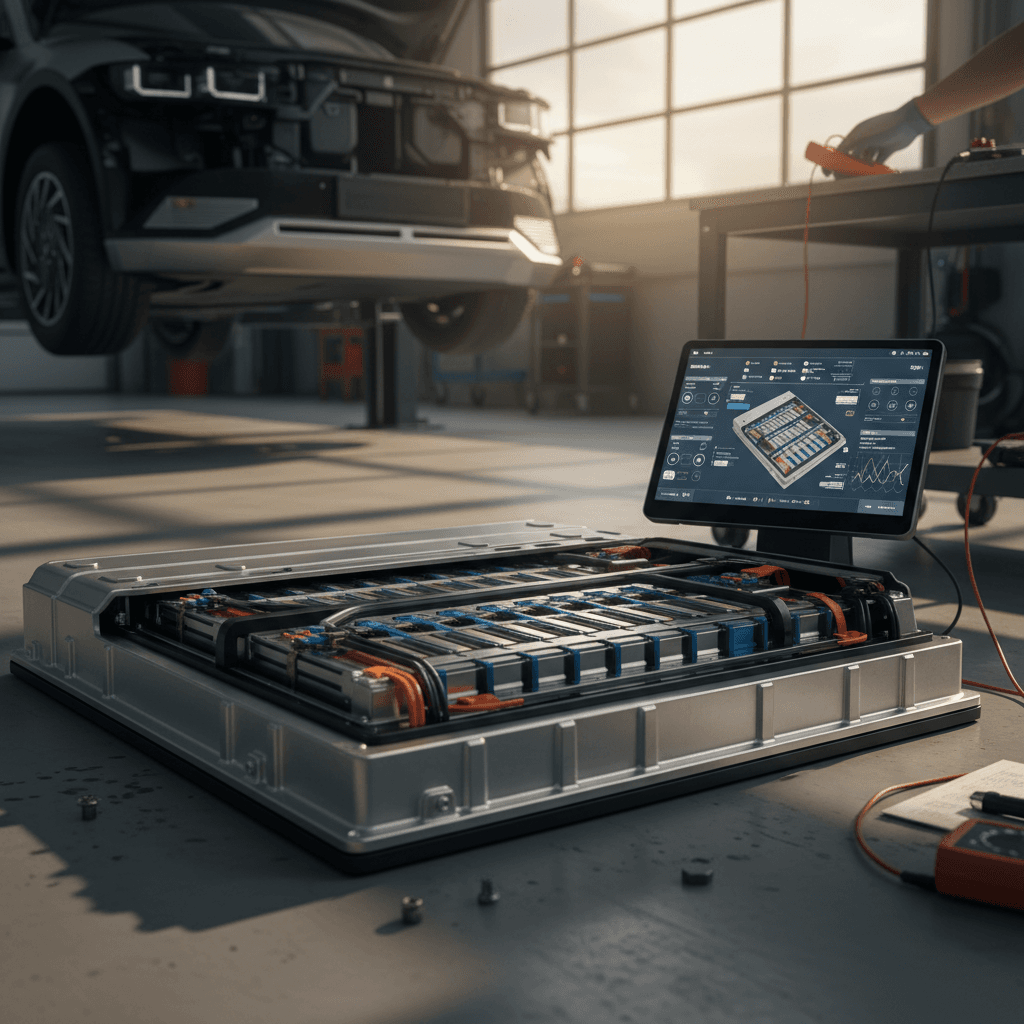
If you’re looking at a Rivian R1T, whether new or used, the battery warranty details matter as much as horsepower or range. The pack under the floor is the most expensive component in the truck, and Rivian’s warranty is your safety net against early failures or extreme range loss. Let’s break down exactly how the R1T battery warranty works, what’s included, what isn’t, and what it all means for you as an owner or shopper.
Quick answer
Overview: Rivian R1T battery warranty at a glance
Rivian R1T battery warranty by the numbers
Rivian structures its warranties similarly to other modern EV brands: a separate New Vehicle Limited Warranty for the whole truck, and a more generous, standalone warranty for the high‑voltage battery and electric drive system. For R1T shoppers, that battery warranty is one of the strongest signals of how serious Rivian is about long‑term durability, and it’s a big part of why used R1Ts are starting to look compelling in the secondary market.
How long does the Rivian R1T battery warranty last?
Warranty terms can vary slightly by model year and configuration, but in broad strokes most U.S.‑market R1T trucks come with:
- High‑voltage battery warranty: 8 years / at least 120,000 miles, and on many trims up to 150,000 or even 175,000 miles, whichever comes first.
- Electric drive unit (motors, gearbox) warranty: Typically aligned with the high‑voltage battery coverage window.
- Basic (bumper‑to‑bumper) warranty: 4–5 years / 50,000–60,000 miles depending on model year, shorter than the battery, but relevant to electronics and hardware around it.
Why you’ll see different mileage numbers online
From a practical standpoint, if you’re putting 12,000–15,000 miles per year on your R1T, the battery warranty will usually time‑out on years, not miles. High‑mileage drivers, especially those using the truck for work or frequent road trips, are far more likely to hit the mileage cap first, so pay attention to both numbers when evaluating coverage.
What the R1T battery warranty actually covers
The R1T battery warranty is designed to protect you from defects in materials or workmanship in Rivian’s high‑voltage components, not from every possible battery‑related inconvenience. In most cases, the warranty will cover:
Core components covered by Rivian’s R1T battery warranty
These are the big‑ticket items you don’t want to pay for out of pocket.
High‑voltage battery pack
High‑voltage components
Charging system hardware
If Rivian determines that a covered failure has occurred inside the warranty limits, they can choose to repair or replace affected components. For the traction battery, that usually means replacing individual modules or, in rarer cases, swapping the entire pack with new or remanufactured parts that restore proper function and capacity.
The important nuance
What isn’t covered under the R1T battery warranty
Like any EV manufacturer, Rivian excludes a long list of conditions that fall outside normal use. Understanding these exclusions is critical, especially if you’re an early adopter experimenting with accessories, off‑roading, or DIY modifications.
- Collision or impact damage: Any battery damage from crashes, off‑road impacts, deep water, or road debris is an insurance claim, not a warranty repair.
- Improper repairs or modifications: Drilling into the pack, splicing high‑voltage cables, or using non‑approved parts can void coverage for the affected components.
- Abuse or misuse: Using the battery outside its design parameters, such as repeated, sustained operation in extreme temperatures with ignored warnings, can give Rivian grounds to deny claims.
- Normal wear on 12‑volt systems: The R1T’s 12‑volt batteries and related components are not part of the high‑voltage battery warranty and often have much shorter coverage.
- Third‑party software or tampering: Any hacking or manipulation of the battery management system or charging logic is almost certain to void coverage.
Why the 12‑volt story matters
Degradation: Will Rivian replace my R1T battery if range drops?
The most common question I hear from EV shoppers is simple: “At what point will the manufacturer actually replace my pack for range loss?” For the Rivian R1T, the answer is anchored around a 70% capacity floor over the battery warranty period.
- Rivian, in line with most major OEMs, effectively promises the battery will retain at least 70% of its original usable capacity during the 8‑year / mileage warranty window, under normal use.
- If Rivian’s diagnostics show that your pack has dropped materially below that threshold without evidence of abuse, improper charging, or external damage, they may replace modules or the entire pack under warranty.
- Mild capacity loss, say, losing 5–15% of range over many years, is typically considered normal degradation and is not in itself a trigger for replacement.
How to track your capacity over time
For context, real‑world data across modern EVs suggests that most well‑managed packs retain well over 80% of their original capacity after 8–10 years, especially when owners avoid daily 100% charges and extreme heat. Rivian’s 70% floor is a conservative backstop, not a prediction that your pack will end up there.
Buying used: Does the R1T battery warranty transfer?
If you’re looking at a used Rivian R1T, the good news is that the high‑voltage battery warranty is generally transferable to subsequent owners in the U.S. That means you benefit from whatever portion of the 8‑year / mileage limit is still left when you take delivery.
- Coverage starts from the original in‑service date (when the first owner took delivery), not from when you buy the truck used.
- If the original owner racked up mileage quickly, say, 80,000 miles in three years, you may have limited mileage headroom left even though many years remain.
- If the truck is only a couple of years old with modest mileage, you could still have 5–6+ years and tens of thousands of miles of battery coverage remaining.
How Recharged handles used R1T warranties
How Rivian’s R1T battery warranty compares to other EVs
On paper, Rivian is playing in the top tier of EV battery warranties, especially on mileage. Here’s how the R1T stacks up against common benchmarks:
R1T battery warranty vs major EV competitors
Approximate U.S. high‑voltage battery warranty terms for popular EVs.
| Brand / Model | Duration | Mileage Limit | Capacity Guarantee |
|---|---|---|---|
| Rivian R1T | 8 years | 120,000–175,000 mi* | ~70% |
| Tesla Model 3/Y | 8 years | 100,000–120,000 mi | 70% |
| Ford F‑150 Lightning | 8 years | 100,000 mi | 70% |
| Hyundai Ioniq 5 | 10 years | 100,000 mi | 70% |
| Chevrolet Blazer EV | 8 years | 100,000 mi | 70% |
Exact terms vary by model year and trim; always confirm against the specific vehicle’s documentation.
Rivian’s key advantage is higher mileage coverage on many R1T configurations, which is particularly relevant for a truck that’s built for long‑distance adventure and utility work. Hyundai’s 10‑year term is longer in calendar years, but Rivian gives more headroom to high‑mileage drivers in the U.S. pickup market.
Adventure truck, adventure warranty
How to avoid voiding your R1T battery warranty
If you want Rivian to stand behind that 8‑year battery promise, you need to give them no easy reason to deny a claim. That mostly comes down to using the truck as designed and steering clear of risky mods.
Practical steps to protect your R1T battery warranty
Follow OEM charging guidance
Rely on Rivian‑approved DC fast chargers and Level 2 hardware. Occasional use of third‑party networks is fine, but avoid sketchy adapters, unvetted retrofit kits, or any setup that bypasses safety features.
Keep software up to date
Rivian delivers battery‑related improvements and safety fixes over‑the‑air. Skipping critical updates can weaken your position in a warranty dispute if something goes wrong later.
Avoid high‑risk modifications
Don’t open the pack, reroute high‑voltage cabling, or hack the battery management system. Even if a mod seems harmless, Rivian can connect the dots if something fails nearby.
Document your charging pattern
If you’re a heavy DC fast‑charging user, keep records of where and how often you charge. That paper trail can help show that you used reputable networks and followed Rivian’s guidance.
Address warnings promptly
If the truck throws a battery or high‑voltage warning, don’t ignore it. Open a support ticket and get it logged, this history can be critical if issues escalate later.
What will almost certainly void coverage
Battery health & shopping for a used Rivian R1T
If you’re cross‑shopping a new R1T versus a used one with several years on the odometer, the battery warranty is only half the story. The other half is the actual health of the pack today, and that’s where data matters more than marketing copy.
Questions to ask when buying used
- How was the truck charged? Mostly home Level 2 or constant DC fast charging?
- What’s the current usable range? Compare displayed 100% range to original EPA ratings.
- Any battery‑related service history? Ask for documentation of prior warranty work or diagnostics.
- Climate history? Vehicles that lived in extremely hot climates can age faster if not managed well.
How Recharged derisks battery health
Every eligible EV sold through Recharged comes with a Recharged Score battery health report. For an R1T, that means:
- Independent verification of pack health, not just dash‑displayed range.
- Context on how that health compares to similar trucks and mileage.
- Transparent pricing that reflects remaining warranty and expected long‑term performance.
If you’re trading in an R1T, that same transparency helps you capture fair value for a healthy pack instead of accepting a generic “EV deduction.”
FAQ: Rivian R1T battery warranty details
Frequently asked questions about the Rivian R1T battery warranty
Key takeaways for current and future R1T owners
The Rivian R1T’s battery warranty is competitive, even generous, by modern EV standards, especially on mileage. You’re looking at up to eight years and well into six‑figure miles of protection against defects and extreme capacity loss, which dramatically lowers the financial risk around the truck’s most expensive component. That said, the fine print matters: abuse, tampering, or poorly documented repairs can put that safety net at risk.
If you already own an R1T, the playbook is simple: follow Rivian’s charging and maintenance guidance, keep software up to date, and address warnings promptly. If you’re shopping used, especially across multiple model years and mileage bands, look beyond the brochure terms and demand hard data on battery health. That’s exactly what the Recharged Score Report is built to provide, transparent, verified battery diagnostics and fair pricing for used EVs like the R1T, plus financing, trade‑in options, and nationwide delivery to make the whole process less of a leap of faith.