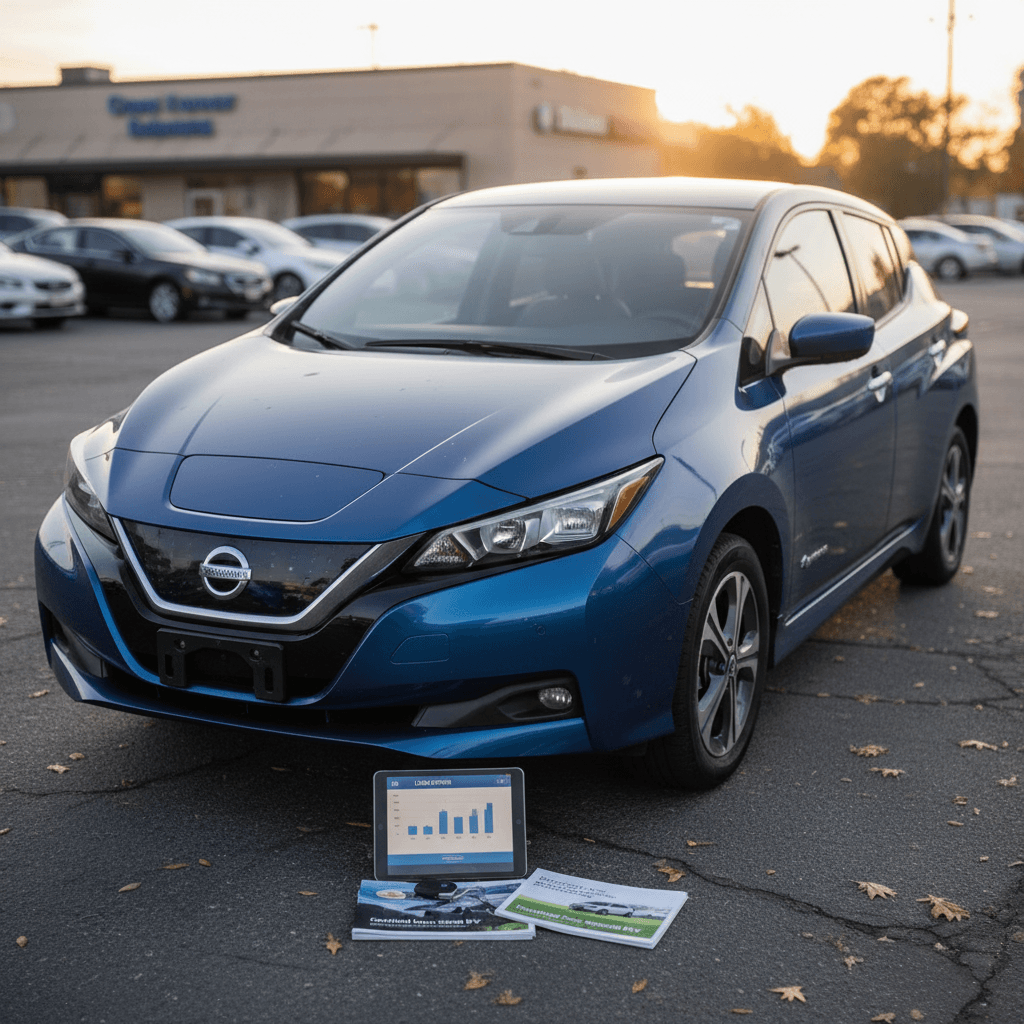
If you’ve been waiting for affordable used electric cars to show up in real numbers, 2025 is finally your moment. Used EV prices have come down, inventory has grown, and a meaningful share of cars on the market now list under $25,000, often with fuel and maintenance costs that undercut a comparable gas car over time.
Quick snapshot of today’s used EV market
Why used EVs are finally becoming affordable
Used EV market at a glance (U.S., 2024–2025)
Two forces are making used EVs more accessible. First, the wave of EVs sold new from 2019 onward, especially Teslas, Bolts, Leafs, and Korean crossovers, is now returning to the market as leases expire and early adopters trade up. Second, new‑EV price cuts and incentives over the past two years have pulled used values down with them. That’s painful for sellers, but a clear win if you’re shopping on a budget.
Tax credits are gone for new purchases
How much used EV you can get for your budget
What different budgets typically buy in today’s used EV market
Approximate price bands and examples as of late 2025. Actual prices vary by mileage, condition, trim, and region.
| Budget (USD) | What you can usually find | Typical age | Typical range (EPA when new) | Example models |
|---|---|---|---|---|
| Under $15,000 | Older compact hatchbacks; early EVs with smaller batteries | 2013–2018 | 70–120 miles | Nissan Leaf (early years), BMW i3 (earlier, lower‑range trims), Fiat 500e (CA‑only) |
| $15,000–$20,000 | Higher‑trim older EVs; early long‑range compacts | 2017–2020 | 120–220 miles | Nissan Leaf SV/SL with larger battery, Chevrolet Bolt EV (higher‑mileage), Hyundai Ioniq Electric |
| $20,000–$25,000 | Sweet spot for practical affordable used EVs | 2018–2022 | 200–260 miles | Chevrolet Bolt EV/EUV, Hyundai Kona Electric, Kia Niro EV, early Tesla Model 3 Standard Range |
| $25,000–$30,000 | Newer crossovers and more Teslas | 2020–2023 | 220–300+ miles | Tesla Model 3 (more options), Tesla Model Y (high‑mileage), VW ID.4, Ford Mustang Mach‑E |
| $30,000+ | Late‑model, larger, or premium used EVs | 2022–2024 | 250–350+ miles | Hyundai Ioniq 5, Kia EV6, Tesla Model Y Long Range, premium brands (Audi, BMW, Mercedes EVs) |
Use this as a starting point, then compare live listings from marketplaces like Recharged.
Where the value is right now
Most affordable used electric cars to target
Affordable used EVs that punch above their price
These models show up frequently in listings under or around $25,000 and have solid real‑world track records.
Chevrolet Bolt EV & Bolt EUV
The Bolt became the default answer to “cheap used EV” after its 2020–2023 production run.
- Why it’s affordable: Discontinued and heavily discounted new, which pulled used values down.
- Realistic used pricing: Often in the high teens to low‑$20k range depending on year and miles.
- Range: Up to about 259 miles when new for many trims.
- Watch for: Completed recall battery replacements and fresh battery warranty paperwork.
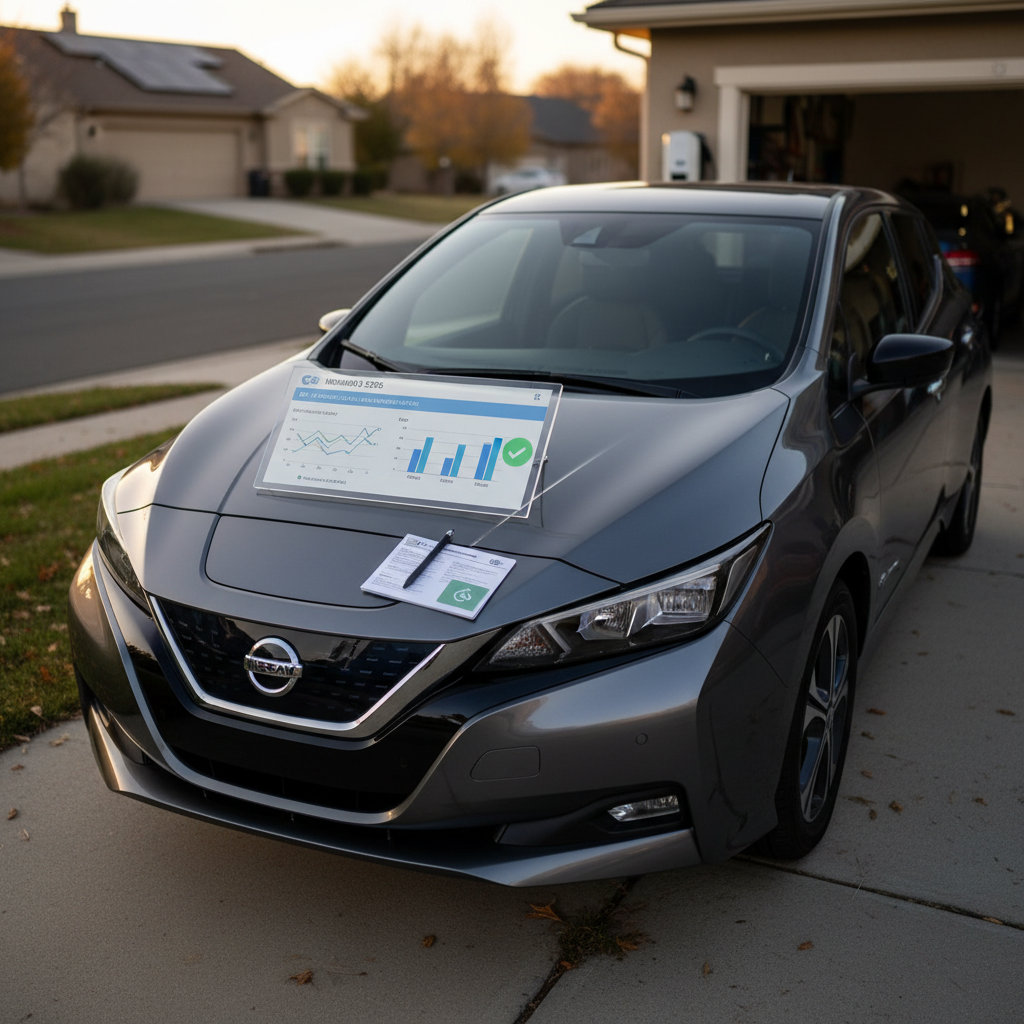
Nissan Leaf (2nd generation)
The Leaf has quietly become one of the cheapest ways into EV ownership, especially older models.
- Why it’s affordable: Modest range on early cars and an older fast‑charging standard cap demand.
- Realistic used pricing: Sub‑$20k is common; early, higher‑mileage cars can drop well below $15k.
- Range: 150–226 miles when new, depending on battery size.
- Best use case: Urban commuting and short‑to‑medium‑distance driving where you mostly charge at home.
Hyundai Kona Electric
The Kona Electric pairs compact‑SUV practicality with strong efficiency and range.
- Why it’s affordable: New‑EV competition and incentives have pulled used prices below comparable gas crossovers.
- Realistic used pricing: Mid‑$20k range for earlier years; dipping toward $22–23k on higher‑mileage examples.
- Range: Up to about 258 miles when new.
- Bonus: Long battery warranty coverage from Hyundai is a plus for second owners.
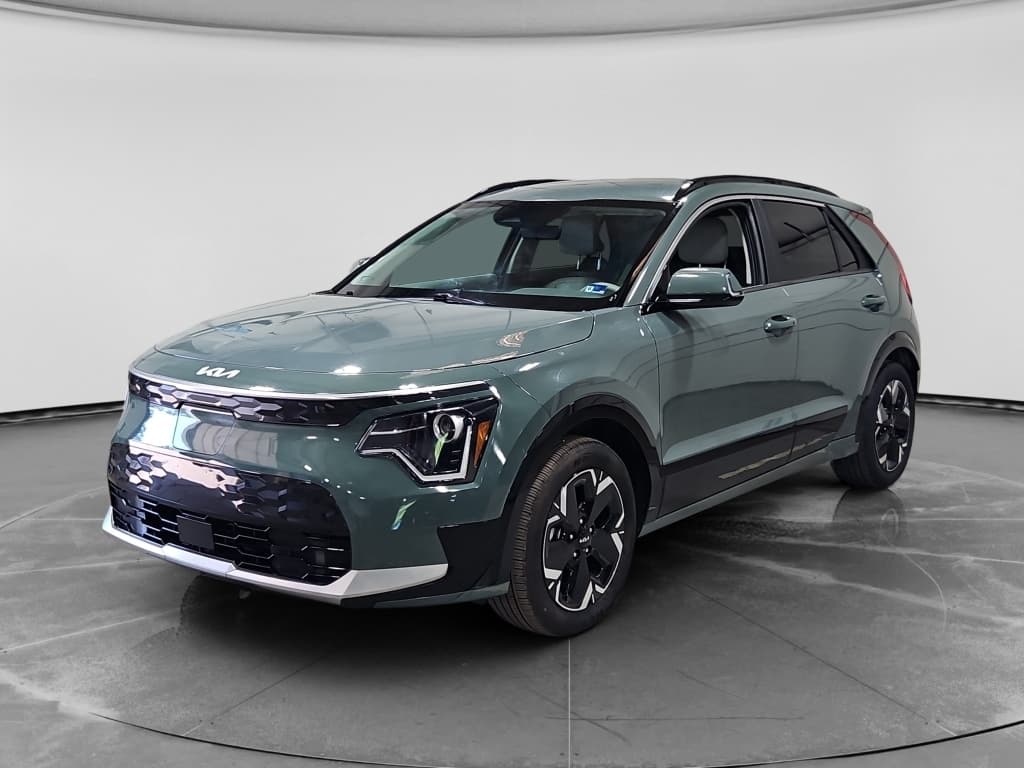
Kia Niro EV
The Niro EV’s wagon‑like shape makes it a smart family and cargo hauler.
- Why it’s affordable: Not as flashy as some newer EVs, so it often lists below similarly sized crossovers.
- Realistic used pricing: Frequently in the low‑ to mid‑$20k range.
- Range: Roughly 239 miles when new for many trims.
- Highlight: Comfortable highway ride and efficient daily driving.
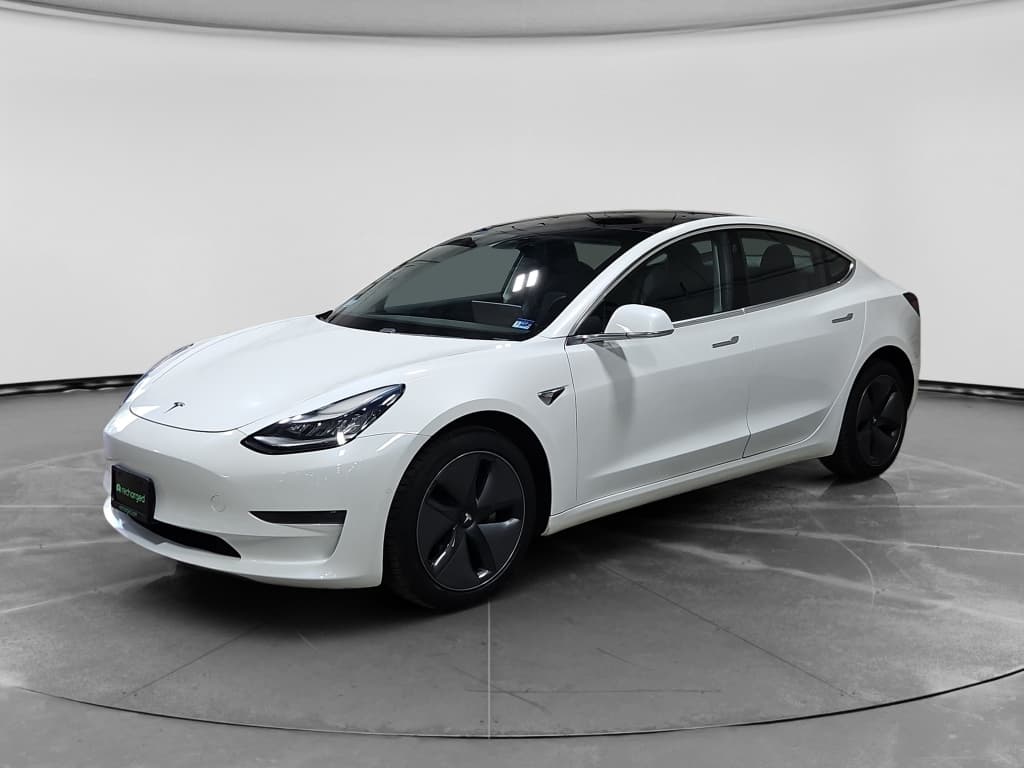
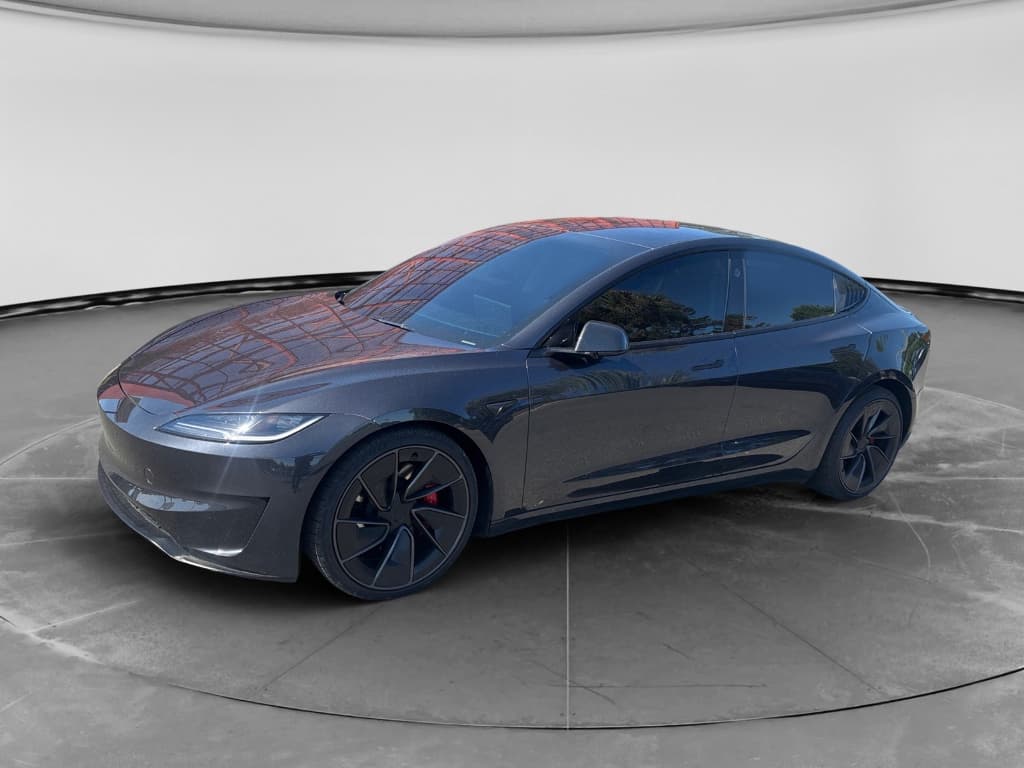
Tesla Model 3 (Standard Range & older trims)
The used Tesla Model 3 is increasingly showing up in price bands mainstream buyers can handle.
- Realistic pricing: High‑mileage Standard Range cars and earlier builds can land in the low‑to‑mid‑$20k range.
- Why it’s compelling: Strong DC fast‑charging access, over‑the‑air updates, and a huge owner community.
- Best for: Drivers who road‑trip more and want the Supercharger network experience.
Other strong value plays
- VW ID.4: Compact crossover with family‑friendly space; often in the mid‑$20k range for earlier years.
- Ford Mustang Mach‑E: Prices vary widely, but high‑mileage Select and Premium trims can slide toward the upper‑$20k band.
- BMW i3: Quirky, premium feel; shorter range but often priced well under $20k, especially earlier years.
If you don’t need a large SUV, these models can offer a lot of car for the money versus similarly priced new gas vehicles.
Used EVs to approach with caution
Not every cheap used EV is a screaming bargain. Some older or less common models come with trade‑offs that matter a lot more in 2025 than they did when the car was new.
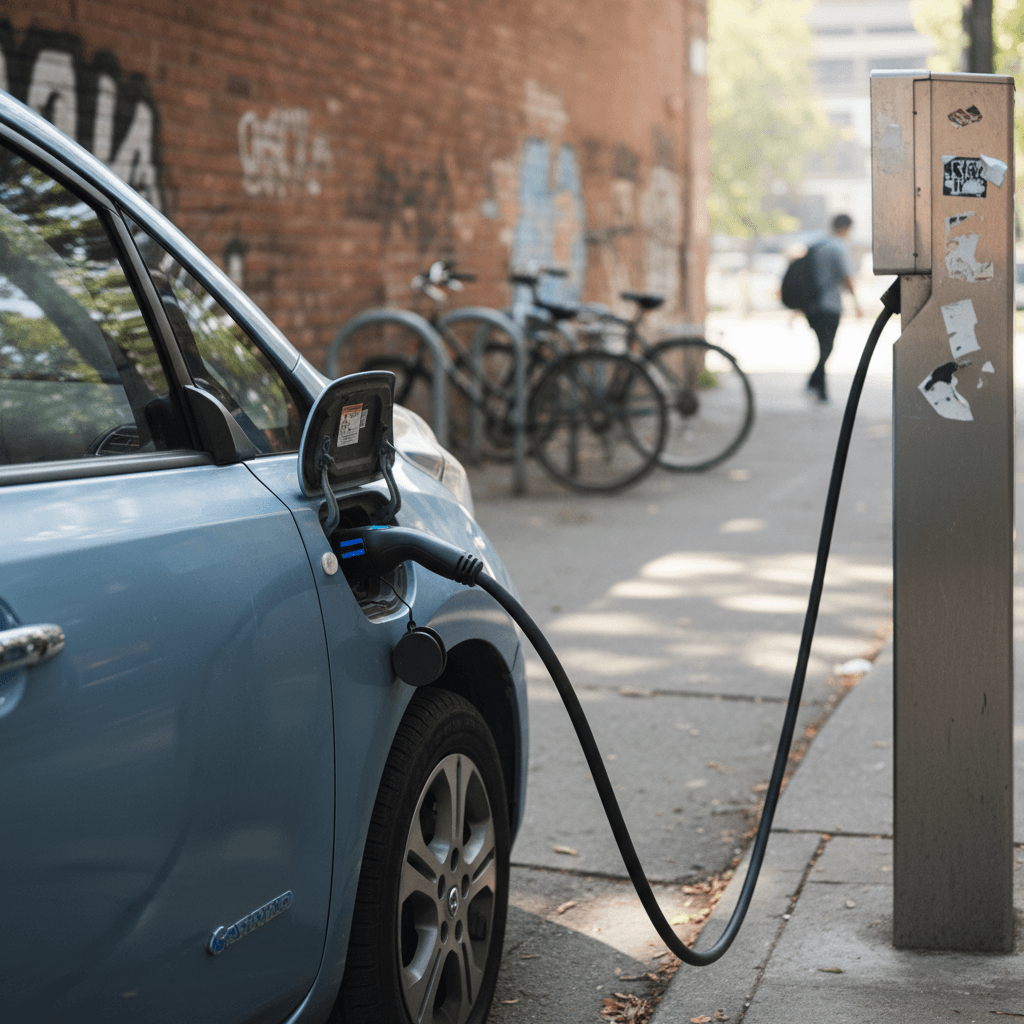
- Early short‑range EVs (sub‑100‑mile range): First‑generation Leafs and compliance cars can be very cheap, but limited range and older batteries make them best suited to short urban commutes.
- Models using older fast‑charging standards: Cars relying on CHAdeMO or low‑power fast charging may be harder to live with if you road‑trip regularly.
- Rare or discontinued models with poor parts support: Some low‑volume EVs can be inexpensive up front but expensive and slow to repair if something big fails.
- Cars with incomplete recall or battery‑replacement history: Make sure any open safety or battery recalls have been performed and documented.
Don’t buy blind on a “great deal”
Battery health: what really matters on a used EV
Battery health is the backbone of any used EV purchase. Unlike a gas car where you can swap an engine for a few thousand dollars, traction batteries can run into five‑figure territory if they ever need replacement outside warranty. Fortunately, most modern packs age more gracefully than early skeptics predicted, but you still need data, not guesses.
Four things to understand about used EV batteries
1. State of health (SoH)
SoH is a percentage estimate of how much usable capacity the battery has compared with when it was new. An SoH of 90% means you’ve lost about 10% of the original range.
2. Range vs. your daily needs
A car that once delivered 250 miles but now reliably does ~210 may still be more than enough if you drive 40–60 miles a day and can charge at home.
3. Remaining warranty coverage
Many mainstream EVs carry 8‑year battery warranties. Knowing the in‑service date and mileage is key to understanding how much safety net you have left.
4. Verified data, not dashboard guesses
Range estimates can be skewed by recent driving patterns. A diagnostic battery health report gives you a clearer, more objective picture.
How Recharged helps on battery health
Ready to find your next EV?
Browse VehiclesTotal cost of ownership: can a used EV really save you money?
Sticker price is only part of the story. Many shoppers look at a $23,000 used EV next to a $20,000 gas compact and assume the gas car is cheaper. Over a few years of ownership, that’s not always true.
Where used EVs often win
- Fuel: Home charging can feel like paying the equivalent of $1–$1.50 per gallon versus local gas prices that often sit far higher.
- Maintenance: No oil changes, fewer fluids, and fewer moving parts generally mean lower routine service bills.
- Brakes: Regenerative braking reduces wear, so pads and rotors usually last longer.
Where you still need to be careful
- Insurance: Some EVs carry higher premiums, especially performance‑or premium‑branded models.
- Home charging setup: If you need a new 240V circuit or wallbox, budget several hundred to a few thousand dollars.
- Out‑of‑warranty repairs: When electronics or power electronics fail out of warranty, repair costs can be higher than a comparable gas car.
Run the math over your actual mileage
Where to buy and how Recharged fits into the picture
You can shop for affordable used EVs in the same places you’d hunt for any used car, franchise dealerships, independent lots, and online marketplaces. The difference is that EVs reward transparency: you want battery data, fair market pricing, and sellers who understand the technology.
Common ways to buy an affordable used EV
Franchise & independent dealers
Pros: Local test drives, trade‑ins accepted, in‑house financing.
Cons: EV expertise and transparency on battery health vary widely from store to store.
Generic online marketplaces
Pros: Huge selection, easy to compare prices across the country.
Cons: Listings may lack detailed EV‑specific info, and inspections are often up to you.
Recharged used‑EV marketplace
Pros: EV‑only inventory, Recharged Score battery health reports, fair‑market pricing, nationwide delivery, and EV‑specialist support.
Bonus: Digital process from shopping to paperwork, plus financing, trade‑in options, and an Experience Center in Richmond, VA if you prefer to visit in person.
Trading in or selling your current car
Checklist: buying an affordable used electric car
Step‑by‑step checklist for affordable used EV shoppers
1. Define your real‑world range needs
List your typical daily commute, weekend driving, and occasional road trips. If you rarely exceed 120 miles in a day, a shorter‑range EV might be perfectly adequate.
2. Set an all‑in budget, not just a price cap
Include taxes, registration, home‑charging installation, and any initial service items. Decide what you can comfortably afford per month if you’re financing.
3. Shortlist models that fit your lifestyle
Narrow down to 2–4 models based on body style (hatchback vs. crossover), charging network access, and range. Examples: Bolt EV/EUV, Kona Electric, Niro EV, Model 3.
4. Review battery health and warranty details
Ask for a battery health report (or rely on a platform like Recharged that includes one), check remaining battery warranty, and verify that any battery‑related recalls have been completed.
5. Inspect and test drive with an EV lens
On a test drive, pay attention to charging behavior, regenerative braking feel, cabin comfort, and any warning lights. Confirm that all charging ports and cables work properly.
6. Compare total cost of ownership offers
Get insurance quotes, estimate charging costs, and compare financing options. Use this to decide between two similar cars that are close on price but different on long‑term costs.
7. Use EV‑savvy financing and support
Lenders and retailers experienced in EVs can better explain resale trends and help you pick terms that fit your risk tolerance and ownership horizon.
Affordable used electric cars: FAQ
Common questions about affordable used EVs
Bottom line on affordable used electric cars
Affordable used electric cars have moved from niche to mainstream. Between sub‑$20,000 commuter EVs and $20,000–$25,000 long‑range hatchbacks and crossovers, there are now real choices for buyers who want lower running costs without premium‑car prices. The key is to shop with an EV‑specific lens: focus on battery health, charging access, and total cost of ownership, not just the window sticker.
If you’d rather not decode all of that on your own, platforms like Recharged are built for exactly this moment in the market. With transparent battery diagnostics, fair market pricing, EV‑savvy financing, and nationwide delivery, you can zero in on the right used EV for your budget and your driving habits, and feel confident that “affordable” won’t turn into a surprise repair bill down the road.