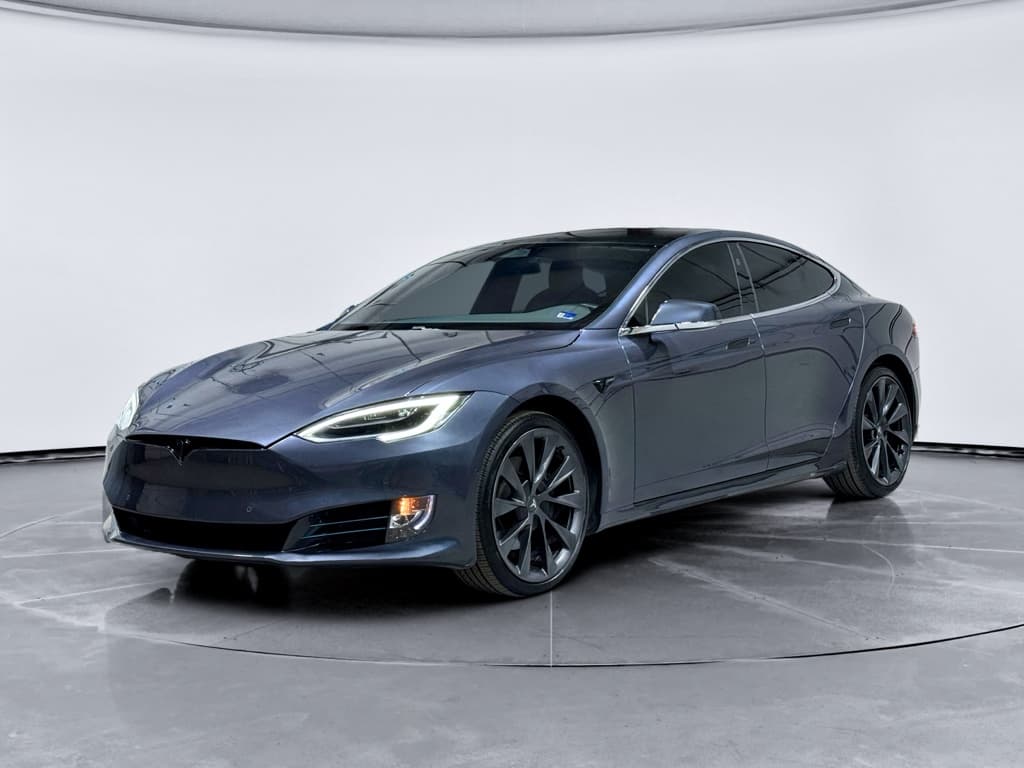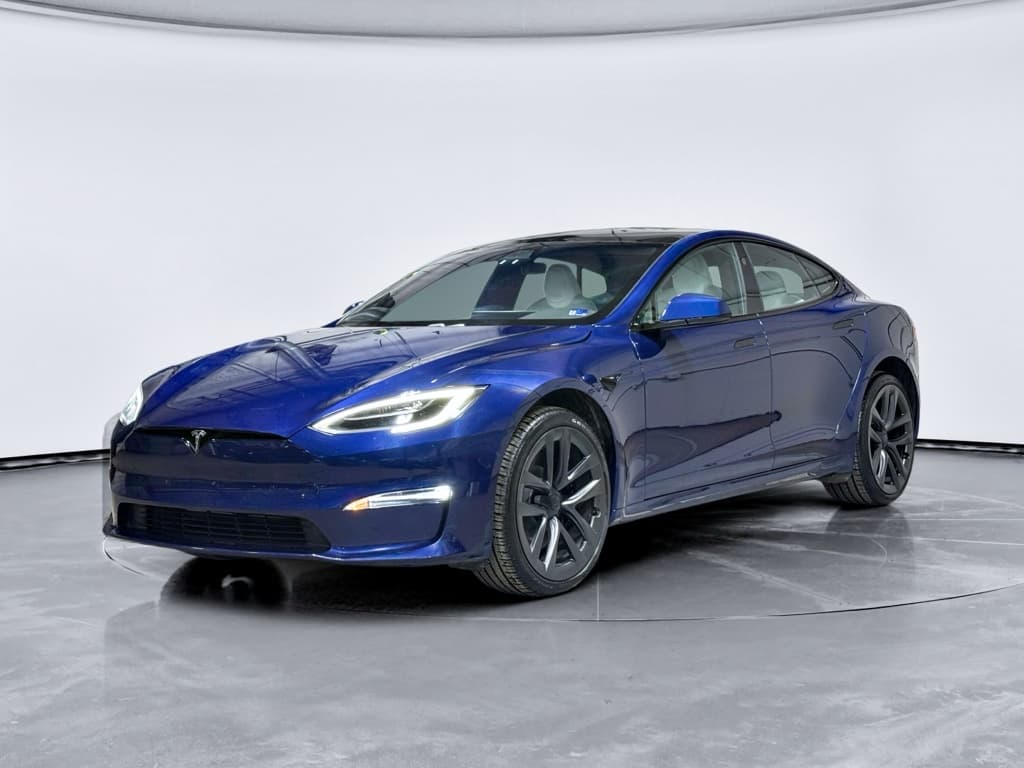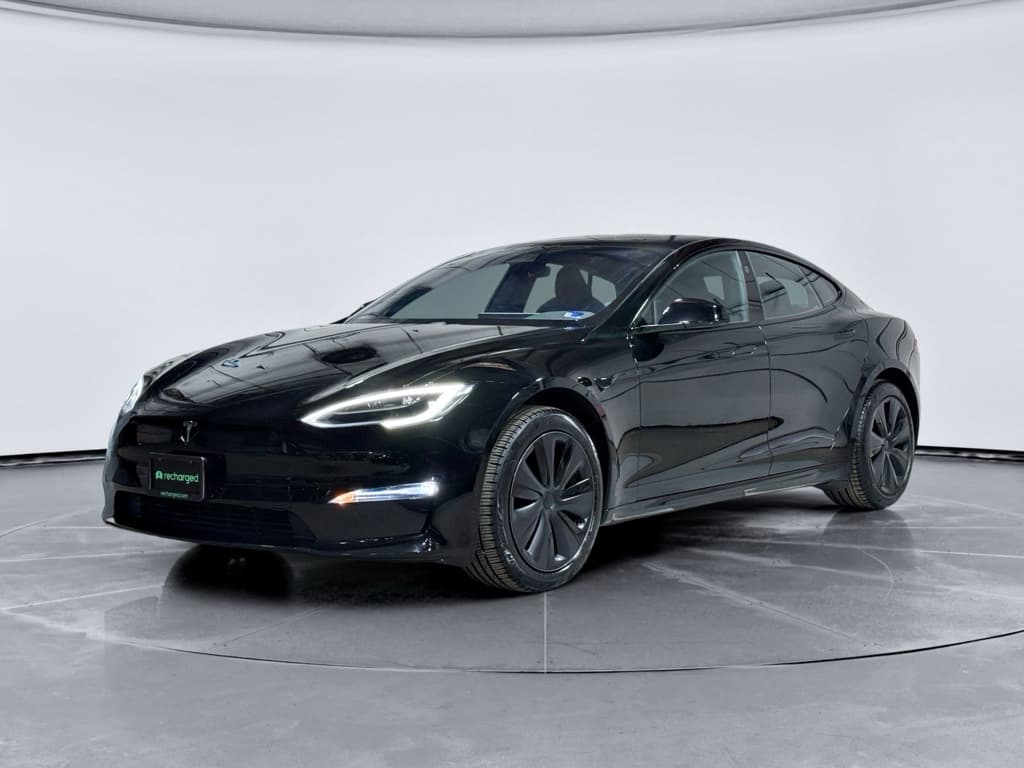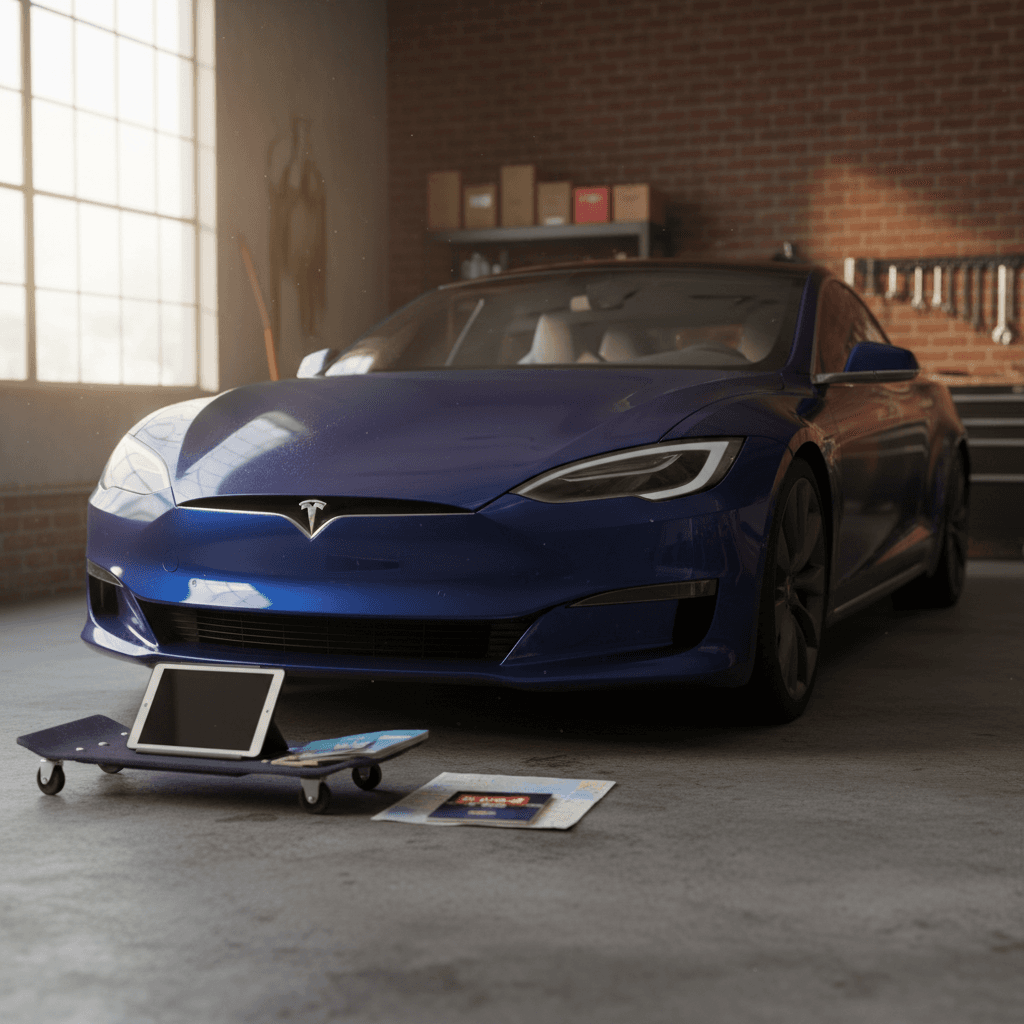
If you’re eyeing a used flagship EV, it’s natural to ask: is the 2021 Tesla Model S a good buy in 2026? The 2021 model year brought a major “refresh” with the Plaid performance variant, new interior, and long-range battery updates, along with some first‑year teething problems. This guide walks through pricing, range, reliability and inspection tips so you can decide if a 2021 Model S Long Range or Plaid fits your budget and risk tolerance.
Key context on the 2021 refresh
Quick answer: Is the 2021 Tesla Model S a good buy?
2021 Model S at a glance
For the right buyer, a 2021 Tesla Model S can be a very good buy: you get near‑new styling, truly long‑distance range, access to the Supercharger network, and performance that still embarrasses most new gas luxury sedans. The trade‑off is higher ownership risk than a comparable Lexus or Mercedes, especially around build quality, electronics, suspension and out‑of‑warranty repair costs. If you: - Prioritize range and performance - Can live with some squeaks, software quirks and potential service visits - And buy a car with verified battery health and clean service history …then a 2021 Model S Long Range or Plaid can be a smart value play. If you want set‑and‑forget reliability, it’s not your best bet.
First-year refresh caution
2021 Model S overview: refresh, Long Range vs. Plaid
2021 Model S trims: Long Range vs. Plaid
Two main flavors, very different personalities
Model S Long Range
The Long Range is the "normal" 2021 Model S, dual‑motor all‑wheel drive, around 400+ miles of EPA range when new, and 0–60 mph in the low‑3‑second range when optioned right. It’s the sweet spot for most buyers who care more about range and comfort than bragging rights.
Model S Plaid
The Plaid adds a third motor and over 1,000 horsepower. It can do sub‑2‑second 0–60 mph launches in ideal conditions, with EPA range in the mid‑300‑mile band. It’s brutally fast but comes with larger wheels, stickier tires and potentially higher wear‑item costs.
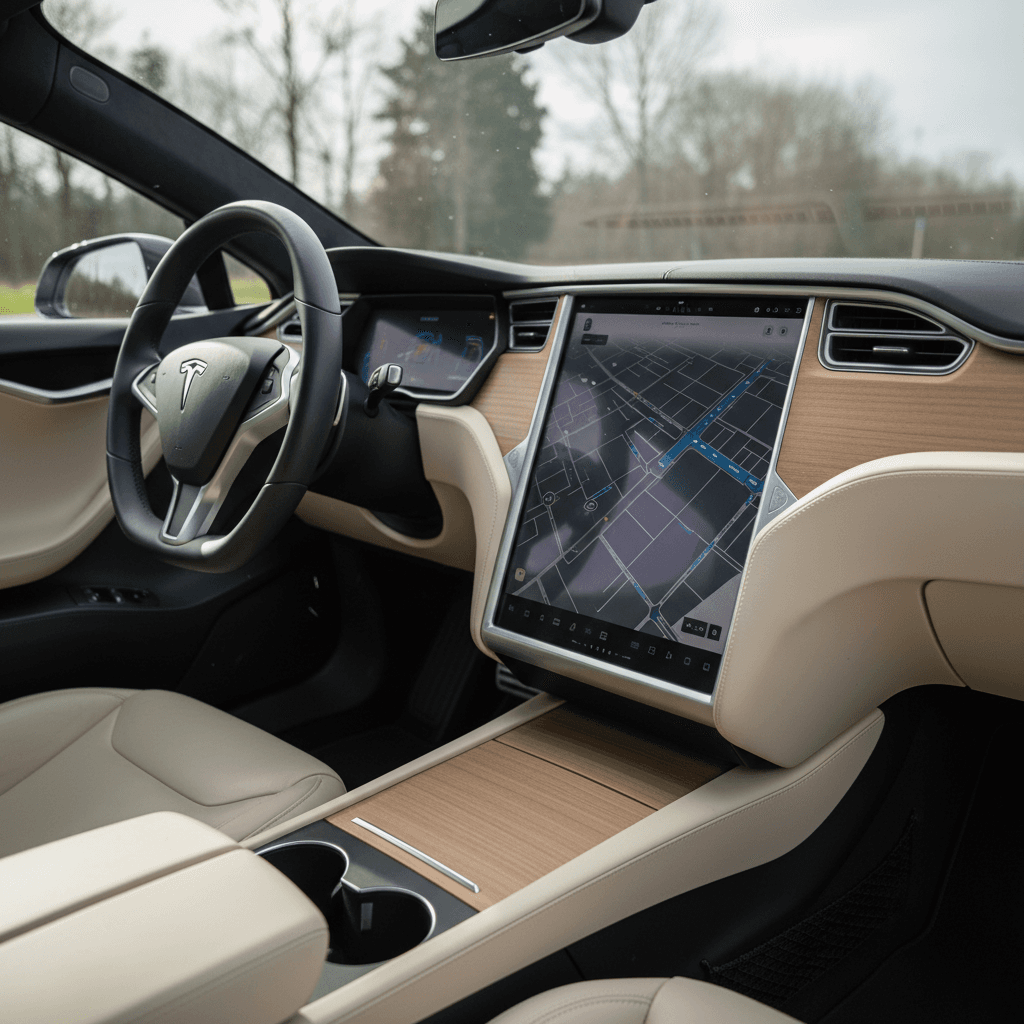
The 2021 refresh also introduced the controversial yoke steering “wheel” on many builds, revised seats, a new horizontal center display, and updated drive units. Some cars were later retrofitted or special‑ordered with a round wheel, so don’t assume the steering layout from photos alone, verify in the listing if that matters to you.
Check build date, not just model year
Pricing and depreciation: what should you pay?
Original MSRPs for well‑equipped 2021 Model S Long Range and Plaid builds commonly landed in the $80,000–$130,000 range, depending on spec. Fast‑forward to 2026 and many of these cars have taken a meaningful depreciation hit, especially as new EV competition and Tesla’s own price cuts have rippled through used values.
Typical 2026 used price ranges for 2021 Model S*
Ballpark ranges you’re likely to see in the U.S. market. Actual pricing varies by mileage, condition, options and region.
| Trim / Condition | Sub-40k miles, clean history | 40k–70k miles, average wear | High miles or rough history |
|---|---|---|---|
| Long Range | $55,000–$65,000 | $45,000–$55,000 | Low $40,000s or below |
| Plaid | $70,000–$85,000 | $60,000–$75,000 | High $50,000s and up |
*Illustrative ranges based on current used EV listings and recent retail transactions, not a formal valuation.
How this compares to new options
Depreciation can work in your favor if you buy carefully. A well‑maintained 2021 Long Range at the right price can deliver a lot of car for the money. A heavily abused or modified Plaid at a slight discount, on the other hand, can be a money pit. Focus less on the "deal" and more on value relative to condition.
Range, charging and battery health
One of the strongest arguments that a 2021 Tesla Model S is a good buy is range. On 19‑inch wheels, the Long Range trim was rated at roughly ~405 miles EPA when new. Plaid models on larger 21‑inch wheels landed in the mid‑300‑mile range, with 19‑inch setups testing closer to 350+ miles in ideal conditions. In real‑world highway use at modern speeds, many owners see 70–85% of those numbers depending on weather and driving style.
- Battery pack: roughly 100 kWh usable on both Long Range and Plaid trims, giving the car its highway legs.
- DC fast charging: access to Tesla’s Supercharger network, which is steadily opening to more non‑Tesla EVs but remains a major advantage for Tesla owners.
- Home charging: 11.5 kW onboard AC charger means you can add ~30–40 miles of range per hour on a 240V Level 2 home setup.
Why battery health matters more than odometer
Typical battery degradation
Most well‑cared‑for Teslas lose a noticeable chunk of range in the first few years, then the curve tends to flatten. On a 2021 Model S, many owners report modest degradation by year five, often on the order of a few dozen miles of range, if the car hasn’t been abused.
There’s no universal number, so you want data, not guesses.
What to look for in person
- Compare the displayed 100% charge estimate to original EPA specs.
- Check for charging throttling complaints or unusually slow Supercharging.
- Ask whether the car regularly charged to 100% and sat full, this is harder on the pack.
Reliability: common 2021 Model S issues
Tesla doesn’t publish traditional reliability scores, but owner reports and repair histories paint a familiar picture: the 2021 Model S is mechanically robust in core EV components (battery, motors) yet can be frustrating around build quality and trim. That’s especially true for early refresh cars.
Common 2021 Model S problem areas
Not every car will have these issues, but they’re worth checking
Build quality & trim
- Panel gaps and misaligned trim
- Wind noise from doors or glass
- Rattles from dashboard or hatch
Electronics & screens
- Center screen glitches or reboots
- Phantom alerts, sensor quirks
- Occasional infotainment lag with software updates
Suspension & tires (Plaid)
- High wear on 21-inch tires
- Potential suspension clunks on rough roads
- More frequent alignment checks needed
Don’t skip a recall and service-history check
The good news: major battery or motor failures are relatively rare compared with minor annoyances. The bad news: when something big does go wrong out of warranty, Tesla repair costs can easily reach into five figures. Extended coverage from certain third‑party providers, or buying a car with meaningful factory warranty remaining, can reduce your downside risk.
Safety, tech and driving experience
From behind the wheel, a healthy 2021 Model S still feels like a modern flagship EV. Instant torque, low center of gravity, and strong regenerative braking make it easy to drive quickly or efficiently. The ride on 19‑inch wheels is generally comfortable; Plaid cars on 21‑inch wheels feel sharper but can be harsher on broken pavement.
- Active safety: automatic emergency braking, lane keeping and blind‑spot monitoring were all available, with many features evolving via over‑the‑air updates.
- Driver assistance: Autopilot was standard, with optional Enhanced Autopilot and Full Self‑Driving packages, though you should treat these as advanced driver aids, not autonomous systems.
- Interior tech: the refreshed 2021 cabin offers a large horizontal center screen, rear‑seat display, and a minimalist layout that still feels current in 2026.
Yoke steering and ergonomics
Who should buy a 2021 Model S, and who should skip it
A 2021 Model S is a good buy if you:
- Want long‑range road‑trip capability and frequent highway driving.
- Value performance and tech over whisper‑quiet, traditional luxury.
- Are comfortable with some service visits and minor squeaks or software quirks.
- Can budget for higher‑than‑average repair costs if big items fail after warranty.
- Have access to reliable home charging, so you’re not living on DC fast chargers.
You may want to skip it if you:
- Prioritize bulletproof reliability above all else.
- Hate the idea of beta‑feeling software or evolving driver‑assist features.
- Rarely road‑trip and don’t really need 300–400 miles of range.
- Are sensitive to wind noise, rattles or imperfect panel alignment.
- Need predictable service from a dense dealer network versus fewer Tesla centers.
Long Range vs. Plaid: which is the smarter buy?
Checklist: how to inspect a used 2021 Model S
Essential inspection steps before you buy
1. Confirm trim, build date and options
Verify whether the car is a Long Range or Plaid, its build month, wheel size, interior options, and whether it has a yoke or round wheel. Don’t rely on listing titles alone, check the window sticker or Tesla account screenshots if available.
2. Review battery health and charging history
Compare the displayed 100% charge range to original specs, ask about typical charging habits, and look for signs of severe degradation or Supercharging throttling. A third‑party battery health report adds confidence.
3. Inspect body, glass and interior
Look for panel gaps, paint mismatches, cracked glass and excessive wind noise on a highway test drive. Inside, check for rattles, worn bolsters, malfunctioning seat controls and sticky or misaligned trim pieces.
4. Test drive for noises and alignment
On a mixed route, listen for suspension clunks, steering play or vibrations through the wheel. Make sure the car tracks straight at highway speeds and brakes smoothly without judder or pull.
5. Verify software and driver-assist features
Confirm the car is on current software, that Autopilot and safety features function correctly, and that any purchased options (Enhanced Autopilot, Full Self‑Driving) actually show as active in the software menus.
6. Check recalls, warranty and service history
Run the VIN for open recalls and ask for Tesla service history or invoices. Note remaining battery and drive‑unit warranty, and consider whether you’re comfortable with potential out‑of‑pocket costs once coverage ends.
How Recharged evaluates 2021 Model S battery and value
Because the question “is a 2021 Tesla Model S a good buy?” hinges so much on battery health and pricing, Recharged builds those into every used‑EV assessment. Every Model S we list comes with a Recharged Score Report that goes beyond a standard Carfax‑style history.
What you get with a Recharged 2021 Model S
Battery transparency, fair pricing and EV‑specialist support
Verified battery health
We use diagnostic tools and real‑world testing to benchmark pack health and estimate usable range, so you’re not guessing how far your 2021 Model S can realistically go.
Fair market pricing
Our pricing engine looks at trim, mileage, options, battery health and current market trends to show how a given car compares to similar 2021 Model S listings across the country.
End-to-end EV guidance
Recharged specialists can help you compare a 2021 Model S to other used EVs, line up financing, evaluate a trade‑in or instant‑offer, and arrange nationwide delivery, entirely online or via our Richmond, VA Experience Center.
Ready to find your next EV?
Browse VehiclesShopping beyond your local market
FAQ: 2021 Tesla Model S used-buy questions
Frequently asked questions about buying a 2021 Model S
Bottom line: Is the 2021 Tesla Model S worth it?
If you’re the kind of driver who values range, performance and software‑driven tech more than traditional luxury polish, a well‑bought 2021 Tesla Model S can absolutely be a good buy in 2026. The Long Range trim in particular offers a compelling mix of efficiency and speed at a meaningful discount to a new flagship EV.
The caveat is risk: you’re trading bulletproof, dealer‑network convenience for bleeding‑edge hardware and software in the first year of a major refresh. That makes inspection, battery verification and fair pricing non‑negotiable. Whether you shop locally or through a digital retailer, insist on transparent battery data, service history and a realistic view of ownership costs.
Recharged was built for exactly this kind of decision. With Recharged Score battery diagnostics, fair‑market pricing, EV‑savvy support, and options for financing, trade‑in and delivery, you can shop 2021 Model S Long Range and Plaid inventory with more confidence, and fewer surprises, than the average classified ad offers.