You don’t buy the 2026 Hyundai Ioniq 6 because it’s sensible. You buy it because it looks like a concept car that escaped the auto show and never went home. But if you’re about to drop serious money, or pick one up used, you need to know one thing: what is the 2026 Hyundai Ioniq 6 reliability rating really like, beyond the brochure gloss and the mood lighting?
Short answer
2026 Ioniq 6 reliability at a glance
2026 Hyundai Ioniq 6: reliability snapshot
Important caveat
Official reliability scores: how the Ioniq 6 ranks
While you won’t yet find a neatly labeled “2026 Hyundai Ioniq 6 reliability rating” everywhere, several outlets have already rated the Ioniq 6 line, and those scores are essentially what’s being carried into the 2026 model year.
Hyundai Ioniq 6 reliability scores (through 2025)
Key published quality and reliability scores that underpin predictions for the 2026 model year.
| Source | Model year rated | Metric | Score / Verdict |
|---|---|---|---|
| J.D. Power | 2023–2024 | Quality & Reliability (100‑pt scale) | ~76 / 100 (about average) |
| CarFactSheet / RepairPal composite | 2025 | Overall reliability rating | Above‑average vs. EV sedan segment |
| Consumer Reports | 2023 | Predicted reliability | Below average (drivetrain & electronics flagged) |
| Recharged analysis | 2024–2025 | Platform reliability (E‑GMP) | Battery/drivetrain robust; ancillary electronics hit‑or‑miss |
Scores reflect the Ioniq 6 line; 2026 is expected to track similarly unless Hyundai implements major hardware changes.
If you average those voices out, you get a simple, if unsatisfying, picture: the Ioniq 6 is not a problem child like some first‑batch EVs, but it’s also not a Toyota Camry in electrons. The car’s basic engineering is sound; the trouble tends to cluster around power electronics, charging hardware, and software oddities rather than motors or the battery pack itself.
Real-world issues 2023–2026 Ioniq 6 owners are reporting
Owner data is where the 2026 Hyundai Ioniq 6 reliability story gets complicated. Thousands of drivers are racking up trouble‑free miles. At the same time, online forums and complaint databases show a recurring pattern of serious-but-fixable electrical problems that can strand the car and require dealer intervention.
Most common Ioniq 6 reliability complaints so far
Drawn from 2023–2025 owner reports, which underpin 2026 predictions.
ICCU / charging failures
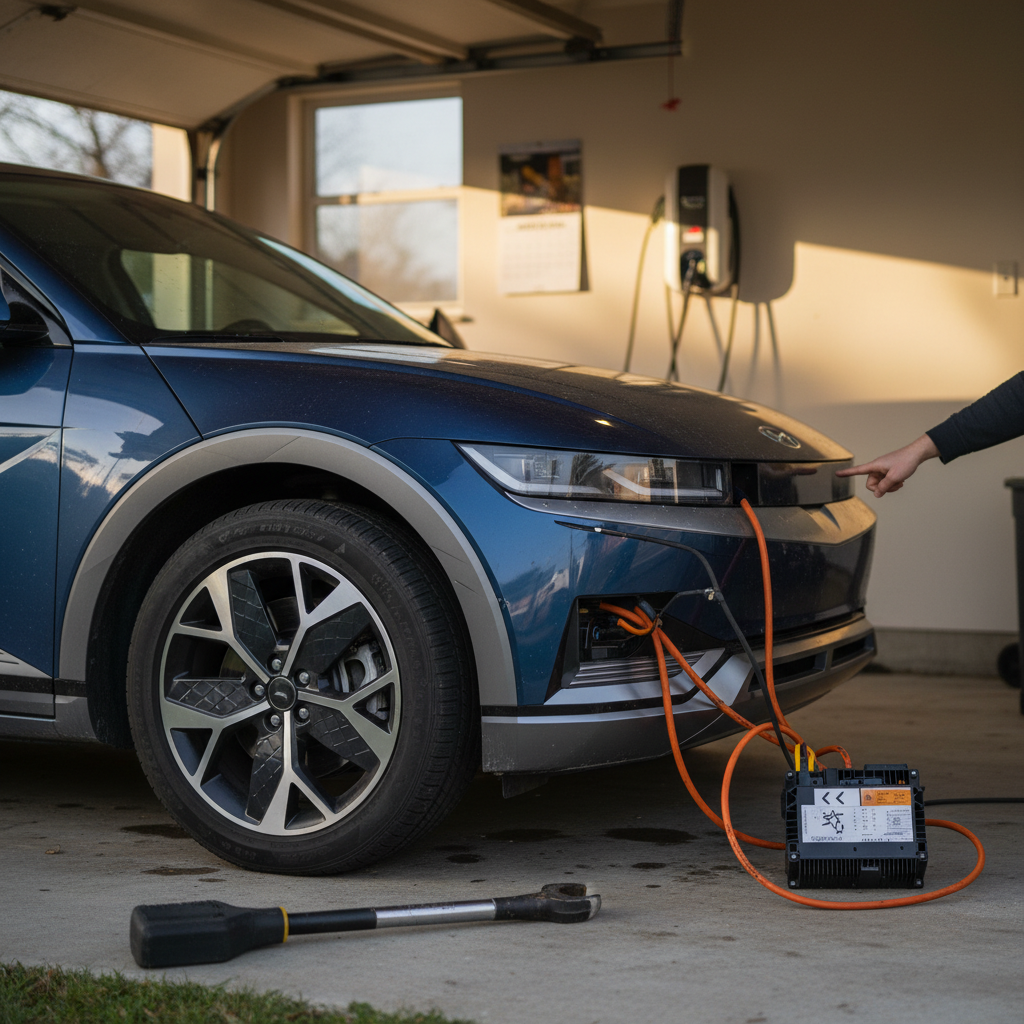
The headline issue across Hyundai’s E‑GMP EVs (Ioniq 5/6, Kia EV6, etc.) is the Integrated Charging Control Unit (ICCU), the hardware that manages AC/DC charging and 12‑volt battery support.
- Cars that suddenly won’t DC fast charge
- Warning lights followed by a no‑start condition
- Cars bricked and needing flatbed to dealer
Most failures are covered under warranty, but repairs can take weeks or months if parts are back‑ordered.
Cold‑weather quirks
Multiple owners report the Ioniq 6 gets moody in the cold:
- Flush door handles freezing shut
- Software limiting fast‑charge speeds in low temps
- More aggressive range loss than expected in winter
None of this is unique to Hyundai, but the door handle design in particular is more sensitive than average.
Infotainment & sensor glitches
On the software side, owners have noted:
- Occasional blank or rebooting center screens
- Driver‑assist features temporarily disabled by phantom sensor faults
- Intermittent blind‑spot or parking sensor warnings
These are usually resolved with software updates or module replacements but can be maddening if your dealer is slow.
How to read the noise
Warranty coverage: how much does Hyundai protect you?
If reliability is the question, Hyundai’s warranty is the safety net. U.S.‑market Ioniq 6 models, including the 2026 car, are wrapped in what Hyundai markets as “America’s Best Warranty,” and for EV shoppers, it’s one of the strongest arguments for the car.
Hyundai Ioniq 6 U.S. warranty overview (2026)
Core warranty coverage that applies to the 2026 Hyundai Ioniq 6 in the United States.
| Coverage | Term (years / miles) | What it covers |
|---|---|---|
| Basic bumper‑to‑bumper | 5 years / 60,000 miles | Most non‑wear items: electronics, body hardware, interior components. |
| Powertrain | 10 years / 100,000 miles | Electric drive motor, gearbox, and related driveline components for the original owner. |
| EV battery (high‑voltage) | 10 years / 100,000 miles | Defects in materials/workmanship; Hyundai indicates capacity won’t drop below about 70% during the warranty period. |
| Anti‑perforation (corrosion) | 7 years / unlimited miles | Perforation rust on body sheet metal. |
| Roadside assistance | 5 years / unlimited miles | Towing, jump starts, flat tire assistance, some lockouts. |
Always verify precise terms with your local dealer and owner’s handbook, especially for commercial or leased vehicles.
Used buyers, read this twice
Recalls and service campaigns to know about
By 2025, the Ioniq 6 had already picked up a couple of recalls and service campaigns. None has been catastrophic, but they’re worth knowing about if you’re shopping new or used in 2026.
- Charging port door recall (2023–2025 build years): Some Ioniq 6 units were recalled because the charging port flap could detach. It’s inconvenient more than dangerous, and dealers fix it for free.
- ICCU‑related service actions: Hyundai has rolled out software updates and hardware revisions aimed at reducing Integrated Charging Control Unit failures on E‑GMP EVs. Exact coverage varies by VIN and region, so it’s important to run a recall check before you buy.
- Software updates: Ongoing campaigns target infotainment glitches, driver‑assist behavior, and charging logic. These don’t always show up as formal “recalls,” but they’re crucial for day‑to‑day reliability.
Non‑negotiable step for used shoppers
Battery health and range reliability
The good news in the 2026 Hyundai Ioniq 6 reliability story: the high‑voltage battery and core E‑GMP drivetrain appear to be genuinely stout. Hyundai and Kia have now sold hundreds of thousands of EVs on this architecture, and widespread reports of catastrophic battery failures are rare compared with some rivals.
Battery degradation so far
Real‑world owner data from 2023–2025 Ioniq 6s suggests modest capacity loss over the first 2–3 years when the car is used normally (mixed AC charging, occasional DC fast charging).
- Typical anecdotal reports: a few percent loss after 20,000–40,000 miles.
- Most range complaints trace back to cold weather or driving style, not a dying pack.
Hyundai’s 10‑year/100,000‑mile battery warranty, with a roughly 70% capacity floor, is a strong backstop if something abnormal happens.
Range consistency and charging
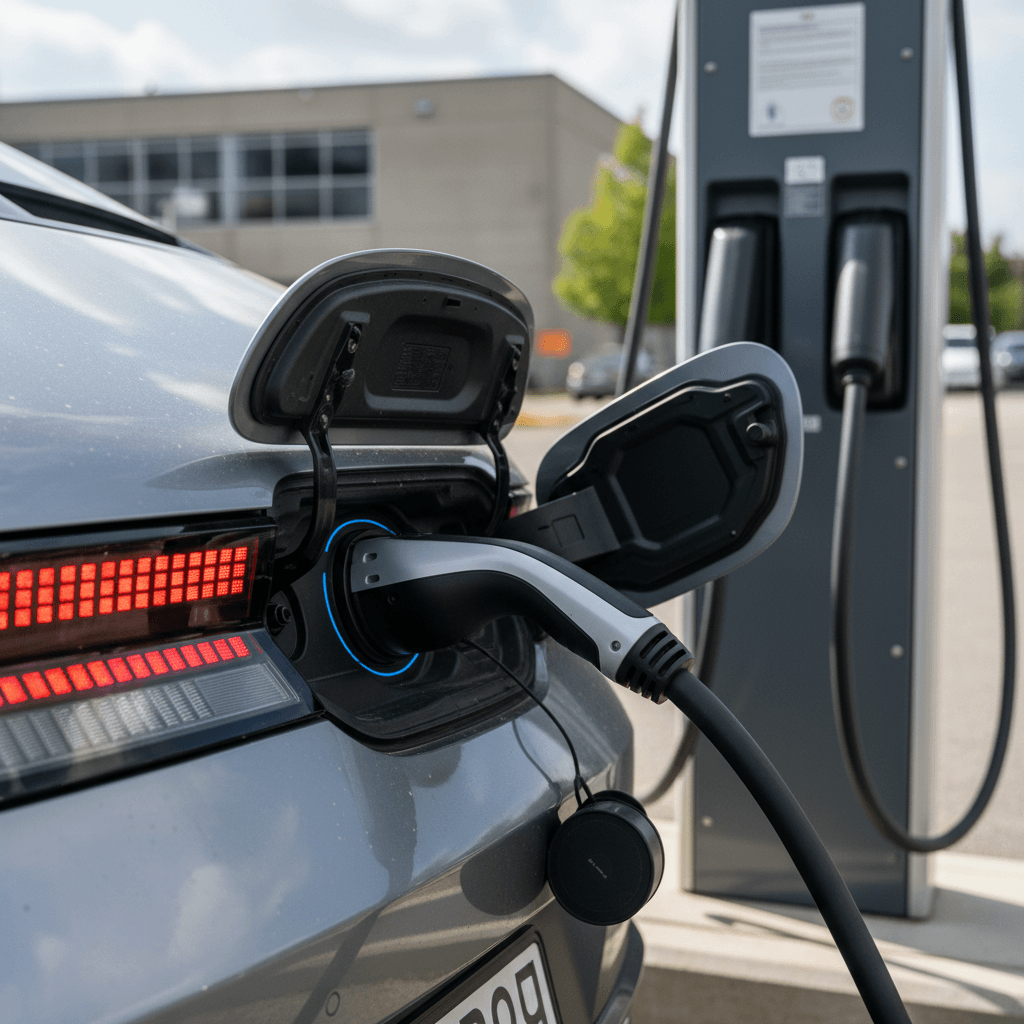
The Ioniq 6 is one of the most efficient EVs on sale, which means as the battery ages you have more range in reserve than most competitors. Where owners do see issues is in charging consistency:
- Some cars don’t hit their advertised 800‑volt fast‑charge speeds, especially in the cold.
- Intermittent errors with certain DC fast‑charging networks.
- ICCU failures that disable or slow charging until repaired.
None of this is unique to the 2026 model, but it’s part of the reliability picture you’re buying into.
Should you be worried about ICCU failures?
If you’ve done any homework on the Ioniq 6, or its siblings, the Ioniq 5 and Kia EV6, you’ve bumped into three letters: ICCU. This Integrated Charging Control Unit is the bouncer at the door between the high‑voltage battery, the on‑board charger, DC fast charging and the 12‑volt system. When it behaves, you never think about it. When it doesn’t, your car may simply not start.
How common is it really?
Hyundai hasn’t published a transparent failure rate, and forum math is almost always wrong because only people with problems show up. What we can say from the data and owner anecdotes is:
- Most Ioniq 6s will likely never experience an ICCU failure.
- A visible minority do, often between 5,000 and 40,000 miles.
- When it happens, the car usually needs to be towed and can sit at the dealer for days or weeks if parts are scarce.
For a 2026 buyer, the question is less “will it explode?” and more “am I okay with a small but non‑zero chance of a big inconvenience that’s covered by warranty?”
Mitigating the ICCU risk
- Stay within warranty: If you lease or plan to sell before 8–10 years, Hyundai is on the hook for most ICCU‑type failures.
- Keep software current: Many ICCU issues are mitigated with updated charging logic, don’t skip service campaigns.
- Buy with documentation: For a used 2026 Ioniq 6, look for service records showing completed ICCU‑related updates or replacements.
- Consider provider support: Buying through a specialist like Recharged means someone has already checked for open campaigns and hidden fault codes.
Perspective check
2026 Ioniq 6 vs. Tesla Model 3 and others for reliability
Cross‑shopping a 2026 Hyundai Ioniq 6 with a Tesla Model 3 or Polestar 2? Welcome to the island of imperfect choices. Every modern EV has its own flavor of drama; the question is which one you’re willing to live with.
Reliability comparison: 2026 Ioniq 6 vs. key rivals
High‑level view of how the Ioniq 6 stacks up against common alternatives from a reliability standpoint.
| Model | Strengths | Weak spots | Warranty feel |
|---|---|---|---|
| Hyundai Ioniq 6 | Excellent crash safety, strong EV warranty, efficient and comfortable; relatively few true battery failures reported so far. | ICCU and charging‑related failures; dealer service quality can be hit‑or‑miss; some software gremlins. | Best‑in‑class on paper: 10 yr/100k powertrain and EV battery for original owner, good battery coverage for second owners. |
| Tesla Model 3 | Huge fast‑charging network; simple powertrain; over‑the‑air updates can fix issues quickly. | Build quality inconsistencies; some battery and drive unit failures outside warranty can be expensive; shorter base warranty than Hyundai. | Shorter coverage; strong OTA support but less generous hardware warranty. |
| Polestar 2 | Volvo/Geely safety DNA; solid European build quality. | Smaller service network; some early battery and infotainment issues; less long‑term data than Tesla or Hyundai. | Respectable but not standout; fewer U.S. dealers may mean longer waits for service in some areas. |
Ratings are generalized from 2024–2025 data and may evolve as more 2026 vehicles hit the road.
How to choose between them
Buying a used Ioniq 6: reliability checklist
The Ioniq 6 is shaping up to be an attractive used buy in 2026: futuristic styling, excellent efficiency, and heavy first‑owner depreciation already baked in. But because the platform’s weak spots are mostly invisible electronic components, you need more than the usual tire‑kick and test drive.
Essential reliability checks before you buy a used Ioniq 6
1. Run a full recall and campaign check
Ask the seller for a printout showing <strong>all recalls and service campaigns</strong> completed by VIN. You’re looking specifically for ICCU‑related updates, charging system updates, and the charging port door recall on earlier builds.
2. Verify remaining factory warranty
Confirm the original in‑service date so you know exactly how much of the 5‑year/60,000‑mile basic and 10‑year/100,000‑mile battery/powertrain warranty is left. This matters even more than mileage on an Ioniq 6.
3. Get an objective battery health report
Don’t rely on the in‑car guess‑o‑meter alone. At Recharged, every Ioniq 6 gets a <strong>Recharged Score</strong> battery health diagnostic so you can see current capacity and charging behavior before you buy.
4. Test DC fast charging before you sign
If possible, take the car to a public DC fast charger and watch it ramp to speed. Sudden error messages, failure to initiate charging, or unusually low charge rates can hint at ICCU or thermal‑management issues.
5. Check door handles, seals and trim
Make sure the flush handles extend and retract smoothly, especially in cold weather. Look for water ingress, wind noise, or misaligned doors, these aren’t core reliability issues but they affect daily livability.
6. Scan for fault codes
A professional scan can reveal <strong>stored or pending trouble codes</strong> that don’t yet trigger a dash light. Recharged does this on intake so problem cars don’t sneak onto the site looking innocent.
How Recharged evaluates Ioniq 6 battery and systems
Because the Ioniq 6’s biggest worries are buried in software and silicon, a used example lives or dies on what you can’t see. That’s exactly the problem Recharged was built to solve.
What the Recharged Score looks at on an Ioniq 6
Beyond a basic inspection, our process is designed to surface hidden EV‑specific issues.
Battery health & fast‑charge profile
We use our own battery diagnostics plus real‑world charging tests to understand:
- Estimated remaining usable capacity
- How the pack behaves on DC fast charging
- Any abnormal temperature or voltage behavior under load
High‑voltage & ICCU systems check
Our technicians scan for:
- Stored or historical ICCU‑related fault codes
- On‑board charger and DC fast‑charge errors
- Inverter and motor controller anomalies
If something looks off, the car doesn’t make the cut, or we fix it first.
Warranty, recalls & software status
Every Ioniq 6 on Recharged gets:
- VIN‑based recall and service campaign check
- Verification of remaining factory warranty
- Confirmation that key software updates have been applied
Ready to find your next EV?
Browse VehiclesWhy this matters for you
2026 Hyundai Ioniq 6 reliability FAQ
Common questions about 2026 Ioniq 6 reliability
Bottom line: is the 2026 Ioniq 6 a safe bet?
If you’re hunting for a 2026 EV that will simply disappear into the background of your life, the Hyundai Ioniq 6 is almost that car. The drivetrain and battery look robust, crash safety is top‑tier, and the efficiency is stellar. The catch, and it’s a meaningful one, is a pattern of charging‑system and electronics issues that affects a minority of owners but can be hugely disruptive when they strike.
Treat the 2026 Hyundai Ioniq 6 as what it is: a striking, sophisticated electric sedan with average‑plus mechanical reliability and average‑minus electronic reliability, backed by one of the best EV warranties in the business. Buy (or lease) with eyes open, stay within that warranty window, and insist on solid documentation and third‑party testing, especially if you’re shopping used. Do that, and the Ioniq 6 can be a deeply satisfying, low‑drama way into the EV future.