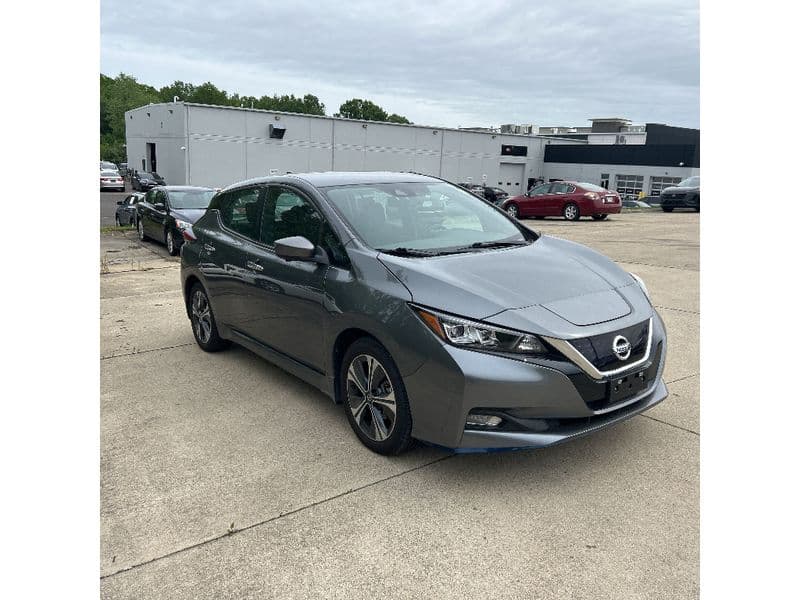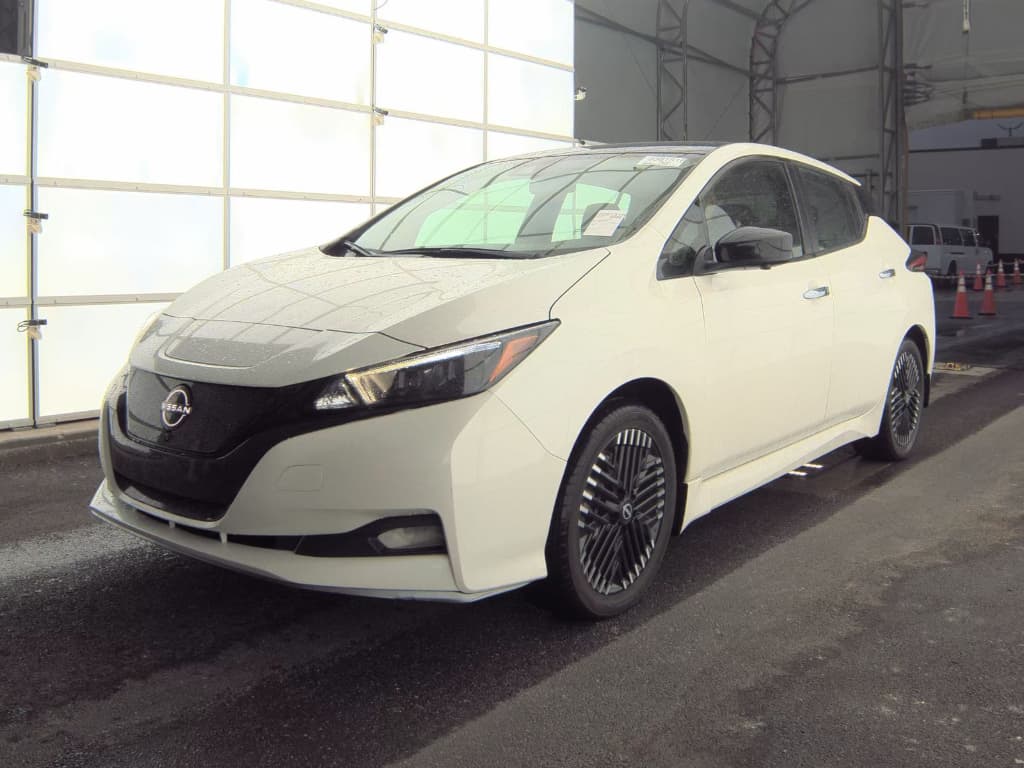
If you’re looking at a 2021 Nissan Leaf, especially on the used market, you’re probably hearing two very different stories. One group of owners calls it cheap, trouble‑free transportation. Another complains about battery quirks, range drops, and hard‑to‑diagnose electrical issues. This guide walks through the real‑world 2021 Nissan Leaf problems and fixes, so you know what’s normal, what’s a red flag, and how to protect yourself as an owner or shopper.
Big Picture on 2021 Leaf Reliability
Overview: How Reliable Is the 2021 Nissan Leaf?
By 2021, Nissan had more than a decade of Leaf production behind it. Many of the headline‑grabbing early‑generation battery failures were engineered out, and owner data shows relatively few catastrophic problems with the 2021 model’s electric motor or core electronics. Where things get murkier is long‑term battery health, one‑off bad battery modules, and the fact that the Leaf’s older CHAdeMO fast‑charging standard is rapidly becoming an orphan in North America.
2021 Nissan Leaf: Reliability at a Glance
Most Common 2021 Nissan Leaf Problems (Quick Summary)
- Rapid or uneven battery capacity loss, sometimes due to a single weak module rather than the whole pack wearing out
- Range gauge and percent‑charge display that jump suddenly at lower states of charge (SOC)
- Limited public fast‑charging options because of CHAdeMO, especially outside major metro areas
- Intermittent DC fast‑charging faults or reduced charging speeds at certain stations
- Random warning lights, error messages, or, more rarely, the car shutting down due to a high‑voltage battery or inverter fault
- 12V auxiliary battery failures leading to no‑start conditions or strange electronic behavior
- Usual wear‑and‑tear items: tires, brakes, suspension components, and cabin rattles (the Leaf is heavy for its size)
How Recharged Helps
Battery Degradation & Rapid Drain: What’s Normal, What’s Not
Every EV battery loses capacity over time. For a healthy 2021 Leaf, you’d expect a gentle curve: a few percent loss in the first year or two, then degradation that tapers. Many owners report around 85–92% state of health (SOH) after roughly three years of typical use. But a significant minority of 2021 Leaf drivers report rapid SOH drops or bizarre charge‑level swings, especially between about 40% and 10% on the gauge.
- The car seems fine above 40–50% but plummets to single‑digits in a short drive
- Battery percentage and range estimate jump up or down unpredictably
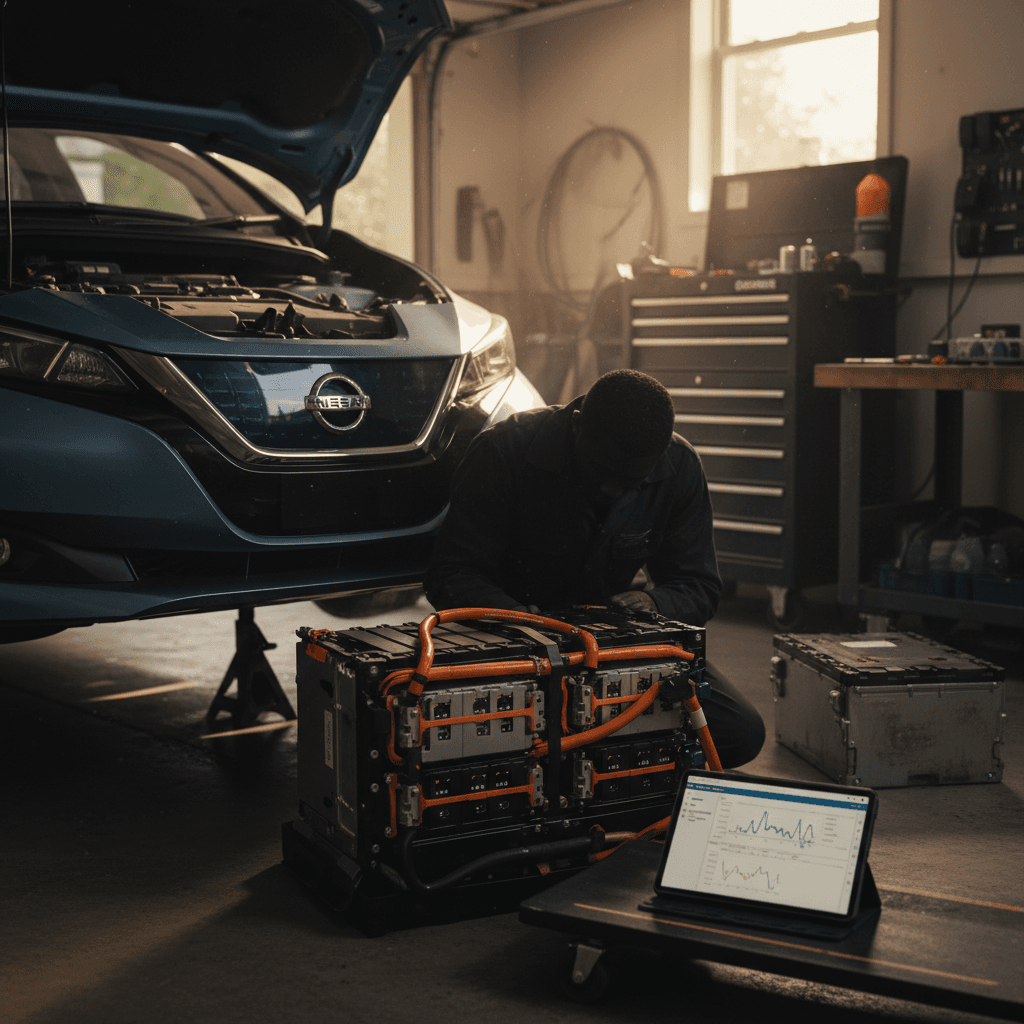
- LeafSpy (an aftermarket app) shows one or more modules with much lower voltage than the rest
- The car throws high‑voltage battery or EV system warning lights under moderate load
Normal vs. Defect
Fixes for Battery Problems and Warranty Coverage
The good news for 2021 Leaf owners is that Nissan’s battery warranty is fairly generous by used‑EV standards. In the U.S., the 2021 Leaf’s high‑voltage battery is covered for 8 years or 100,000 miles (whichever comes first) against defects and excessive capacity loss. That means many 2021s on the road today are still within factory coverage.
Common 2021 Leaf Battery Problems and Practical Fixes
From easy checks to dealer‑level repairs, here’s how owners typically solve them.
Rapid Capacity Loss
Symptoms: Several capacity bars lost in a short period, range far below expectations for mileage and climate.
Fix: Have a dealer perform a battery capacity test and open a warranty case if SOH is below Nissan’s threshold. In many documented cases, Nissan has approved full pack replacement or module repair on 2020–2021 Leafs.
Charge Gauge Jumps
Symptoms: State of charge drops (or jumps) 20–30% quickly, car hits turtle mode with significant range still showing.
Fix: Ask the dealer to check for a weak module and verify BMS calibration. A bad module or sensor can often be replaced under warranty. Some owners see improvement after a dealer‑performed software update or BMS reset.
Heat‑Related Degradation
Symptoms: Leaf lives in a hot climate and has lost more range than similar cars in milder areas.
Fix: Future‑proofing is more realistic than repair here: avoid frequent DC fast charging, don’t store the car at 100% charge in the sun, and aim to keep daily charge between about 30–80%. If SOH is extremely low for age/mileage, still pursue a warranty inspection.
Don’t Ignore a Failing Pack
Range Loss, Cold Weather, and Highway Driving
Separate from true battery defects, many 2021 Leaf owners are surprised by how much range they lose in cold weather or at high freeway speeds. A 62‑kWh Leaf Plus can realistically return ~200 miles in mild city driving, but winter highway commuting at 70–75 mph can drop that closer to 120–130 miles, sometimes less at near‑freezing temperatures. That’s normal behavior for an air‑cooled pack and a relatively blunt hatchback body with no heat pump on some trims.
Normal Range Loss
- Cold weather: Expect 20–40% less range near freezing, especially on short trips where the pack never warms up.
- High speeds: Above ~65 mph, aerodynamic drag dominates. A steady 75 mph can easily cut Leaf range by a third versus mixed city driving.
- Cabin heat: Non‑heat‑pump cars use more energy to keep you warm, further shrinking winter range.
Red‑Flag Range Loss
- Range dropping from ~60% to below 20% in 10–15 minutes of normal driving.
- Car entering turtle mode with what appears to be plenty of charge left.
- Range estimate becoming wildly inconsistent on the same commute conditions.
If you’re seeing these, it’s time for a high‑voltage battery check, not just accepting "winter range."
Range Reality Check for Used Buyers
Charging Issues: CHAdeMO, Home Charging, and Faults
The 2021 Leaf’s onboard hardware is generally robust, but owners still report a handful of charging‑related problems. Some are environmental or station‑side issues, others are Leaf‑specific. The big picture: the CHAdeMO fast‑charging port works as designed, but the U.S. market has largely moved on to CCS and NACS, so access, not reliability, is often the real headache.
2021 Leaf Charging Problems and Likely Causes
Use this as a starting point before assuming your car needs major work.
| Symptom | Most Likely Cause | Owner‑Level Fix | When to See a Dealer |
|---|---|---|---|
| CHAdeMO session stops after a few minutes | Overheated or flaky public charger, or communication error | Try another station/brand; allow pack to cool; clean connector pins | If it happens across multiple stations and temperatures, ask for a fast‑charge diagnostic |
| Slow Level 2 charging at home | Undersized EVSE, 120V outlet, or limited breaker | Confirm you’re on 240V Level 2 and that your EVSE’s amp rating matches expectations | If speed drops well below EVSE rating with correct wiring, have dealer check onboard charger |
| Car will not start charging at any station | Faulty EVSE, bad connector, or car‑side port issue | Test multiple stations and cables; visually inspect port and cable for damage | Dealer inspection for charge‑port, onboard charger, or BMS fault codes |
| Random "EV System" or charging errors | Software glitch or sensor issue | Power‑cycle car, try different charger; check for software updates | If repeatable, document codes and book service, especially while under warranty |
Always rule out the charging station itself, especially older CHAdeMO hardware, before assuming your Leaf’s hardware has failed.
Living With CHAdeMO in 2026
Software Glitches, Warning Lights, and Random Shutdowns
A small but worrying subset of 2021 Leaf owners report random warning messages or, more rarely, the car shutting down while driving due to high‑voltage battery or inverter faults. In many cases, the dealer traces this back to a specific battery component or control module rather than the entire pack.
If Your 2021 Leaf Throws EV System Warnings
1. Note Exactly What Happened
Write down the warning messages, driving speed, outside temperature, and battery charge when the issue occurred. The more detail you provide, the easier it is for a technician to narrow the failure down.
2. Don’t Keep Driving if Power Feels Unstable
If the car is losing power, entering turtle mode unexpectedly, or can’t maintain speed, safely pull over. Limping home could worsen underlying damage.
3. Get the Codes Read, Properly
A Nissan dealer can pull high‑voltage system codes that generic OBD scanners sometimes miss. Ask for a printout and keep it with your service records.
4. Check for Open Recalls or TSBs
Some software or component‑specific issues are covered by recalls or technical service bulletins. Always check your VIN before paying out of pocket for odd behavior.
5. Ask Directly About Warranty Coverage
If the car is still under the 8‑year/100,000‑mile EV system warranty, ask the service advisor to open a case with Nissan corporate if the dealer is unsure how to proceed.
12V Battery and Other Maintenance Quirks
Like most EVs, the Leaf uses a small conventional 12V battery to power computers, relays, and accessories. When that battery starts to die, the car can throw all sorts of strange electronic tantrums, from refusing to "Ready" to lighting up the dash like a Christmas tree. 2021 Leafs are now old enough that many are on their original 12V battery, and failures are becoming increasingly common.
Small Problems That Cause Big Headaches
Most of these are inexpensive to fix if you catch them early.
Weak 12V Battery
Symptoms: Intermittent no‑start, random warning lights, infotainment glitches.
Fix: Test and replace the 12V battery proactively every 4–6 years. Many owners opt for a quality aftermarket AGM unit rather than paying dealer mark‑up.
Brake & Tire Wear
Symptoms: Vibration under braking, noisy tires, uneven tread.
Fix: The Leaf’s weight eats tires faster than you might expect. Rotate frequently, align when needed, and don’t skip brake inspections, even with strong regen.
Noises & Rattles
Symptoms: Dashboard rattles, suspension clunks over bumps.
Fix: Typically minor: worn bushings, loose interior trim, or worn sway‑bar links. A competent independent shop can usually handle these for far less than a dealer.
Recharged’s Role on Used Leafs
Recalls Affecting the 2021 Nissan Leaf
The 2021 Leaf has had fewer recalls than many gasoline cars, but there have been important safety campaigns, particularly around the electrical system. Some involve the potential for unintended acceleration or components in the high‑voltage system that could fail and, in rare cases, increase fire risk. Recall coverage and build dates matter, so you should always check a specific car’s VIN.
- Electrical‑system recalls on 2021–2022 Leafs related to control modules that could, under specific conditions, cause unexpected acceleration or fail to properly limit motor power
- High‑voltage component recalls on certain 2021–2022 Leafs equipped with DC fast‑charge hardware, addressing rare but serious risk scenarios
- Occasional region‑specific campaigns (software updates, labeling, minor compliance issues) that don’t directly affect drivability but should still be done
How to Check 2021 Leaf Recall Status
Used 2021 Leaf Buyer’s Checklist
Because EVs age differently from gas cars, you’ll want to spend as much time evaluating battery and charging health as you do kicking tires and checking panel gaps. Here’s a focused checklist for shopping a used 2021 Leaf, whether you’re buying privately, from a traditional dealer, or through a specialist like Recharged.
Key Checks Before You Buy a 2021 Nissan Leaf
1. Confirm Battery State of Health
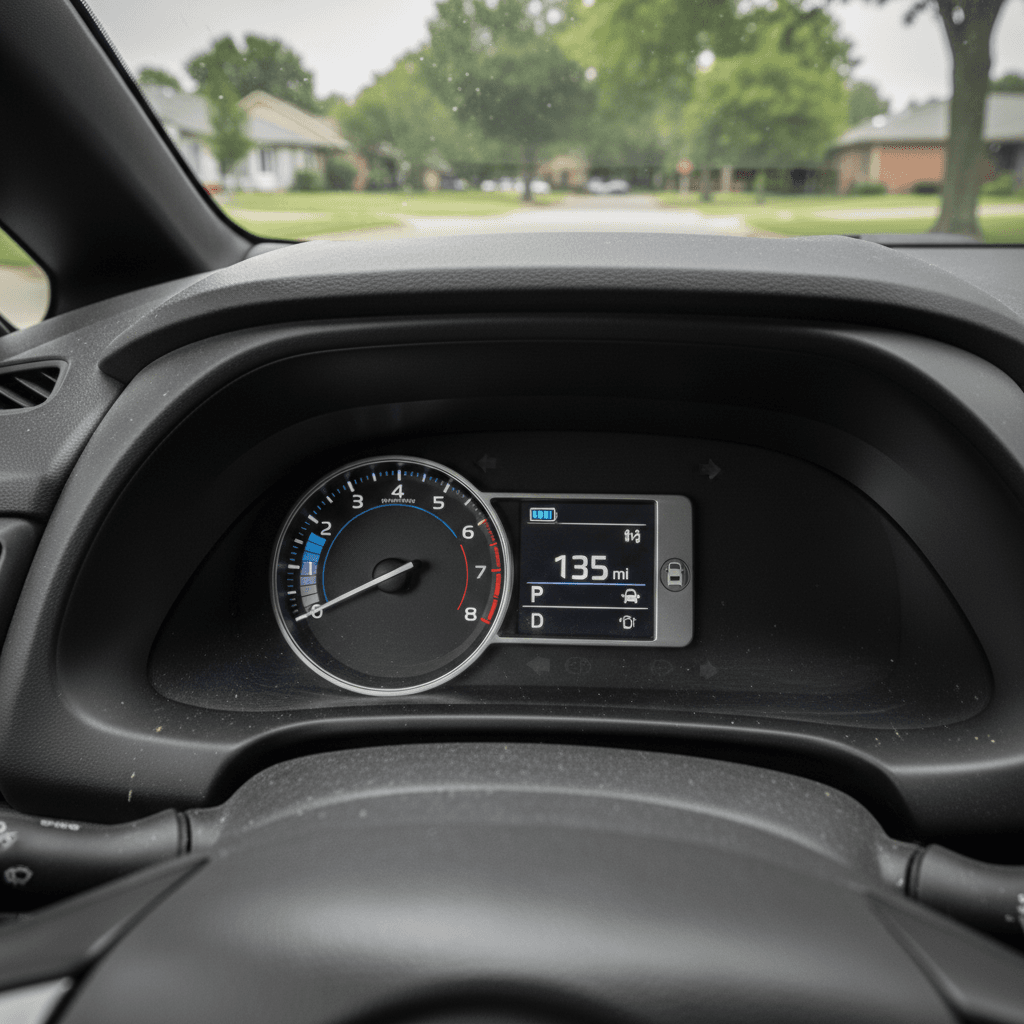
Look at the battery capacity bars on the cluster, 12 bars is best, but a one‑or‑two‑bar drop can be reasonable with age. If possible, get a professional SOH reading (LeafSpy or a dealer test). Recharged’s Score Report includes this data by default.
2. Review Fast‑Charging History
Ask how often the car has been DC fast‑charged, especially in hot climates. Occasional road‑trip use is fine; daily fast‑charging in Phoenix heat is harder on the pack.
3. Test Real‑World Range
Start a test drive above 70% and take a 20–30 minute loop at mixed speeds. Confirm that the charge percentage and estimated miles tick down smoothly instead of falling off a cliff.
4. Inspect Charging Hardware
Check that the included Level 1 or Level 2 charger works properly, that the charge‑port doors open and close smoothly, and that the CHAdeMO connector shows no signs of melting, pitting, or physical damage.
5. Scan for Warning Lights & Codes
Before and after the test drive, look for any EV System, battery, or brake warnings. If anything lights up, have the car scanned before you make a decision.
6. Verify Recall and Warranty Status
Run the VIN for open recalls and confirm how much battery and EV system warranty remains. A 2021 Leaf sold new in late 2021, for example, may still have several years of high‑voltage coverage left.
7. Check 12V Battery Age
Ask when the 12V battery was last replaced. If it’s original, factor the cost of replacement into your budget, it’s cheap insurance against weird electrical gremlins.
8. Compare Total Cost, Not Just Price
Look at the whole picture: battery health, remaining warranty, needed tires or brakes, and your charging access. A slightly higher‑priced Leaf with a stronger battery can easily be the better deal over 5–7 years.
FAQ: 2021 Nissan Leaf Problems and Fixes
Frequently Asked Questions About 2021 Nissan Leaf Problems
Is the 2021 Nissan Leaf Still Worth It?
If you strip away the forum drama, the story of 2021 Nissan Leaf problems and fixes is actually pretty straightforward. The car’s electric motor and basic hardware have held up well; the real variables are battery health, local charging infrastructure, and how carefully the previous owner treated the pack. For the right buyer, especially someone with reliable home Level 2 charging and modest daily mileage, a well‑vetted 2021 Leaf can be one of the most cost‑effective entry points into EV ownership.
The key is doing your homework: verify battery state of health, test real‑world range, check fast‑charge behavior, and confirm recall and warranty status on the exact car you’re considering. If you’d rather not tackle that alone, Recharged was built for this moment. Our Recharged Score reports, EV‑savvy advisors, financing options, and nationwide delivery are all designed to make buying a used Leaf, or any used EV, as transparent and low‑stress as possible.