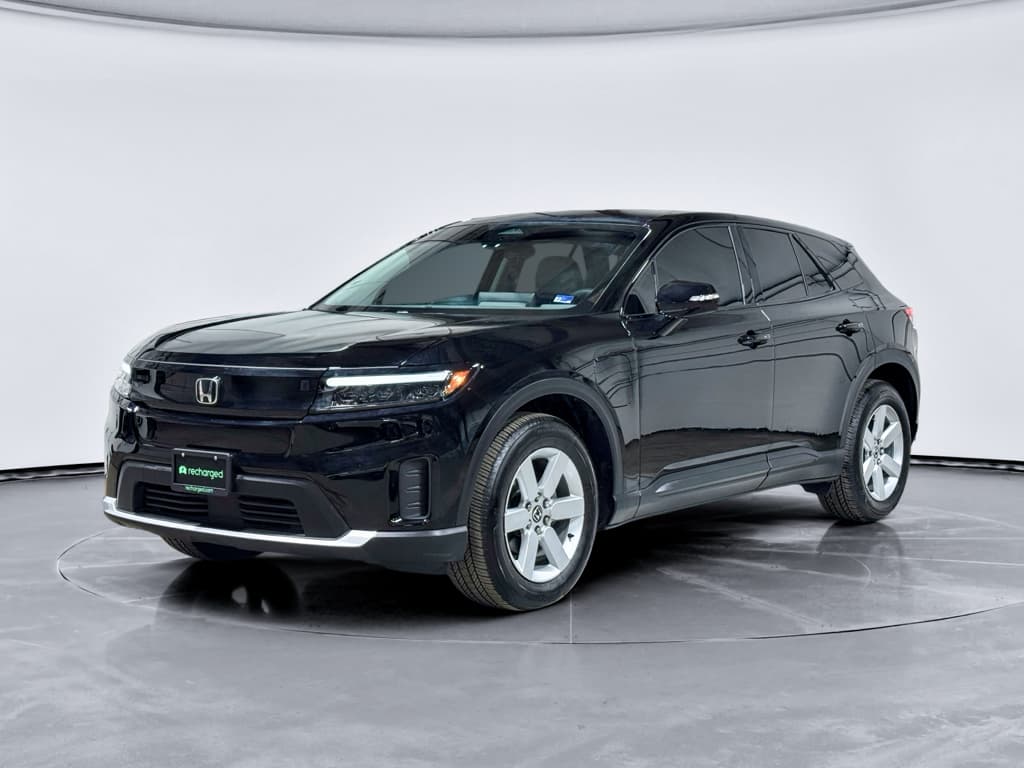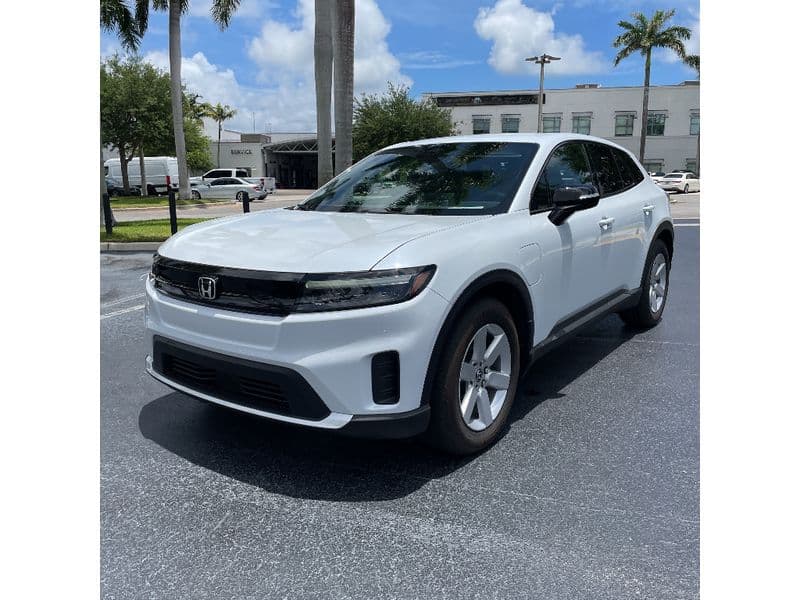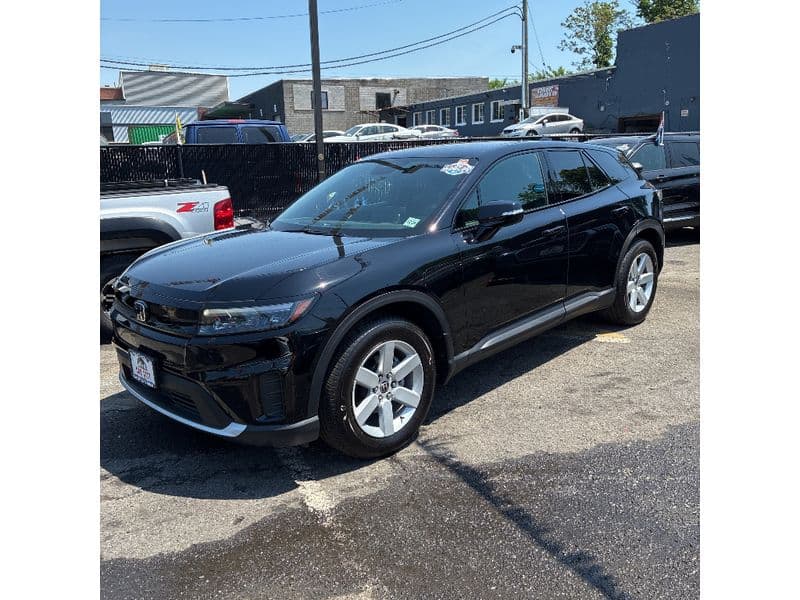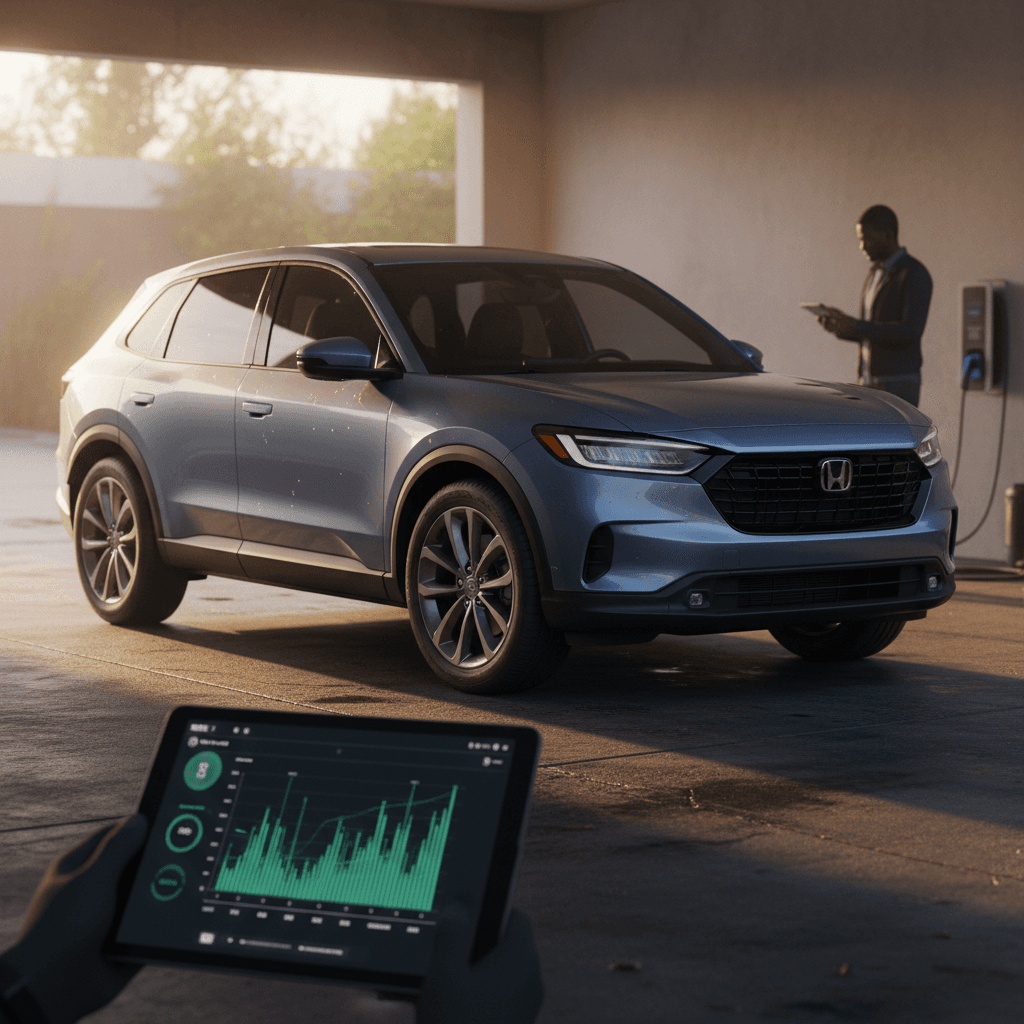
If you’re eyeing a **2026 Honda Prologue**, you’ve probably noticed mixed headlines about reliability. Some rating sites already publish a **2026 Honda Prologue reliability rating**, while owner forums are still arguing over whether this Ultium‑based SUV is a solid bet or an early‑adopter headache. The truth, so far, lands somewhere in the middle, and it depends heavily on what happened with the 2024 and 2025 Prologue.
Quick take
Overview: How the 2026 Honda Prologue Reliability Rating Is Shaping Up
2026 Honda Prologue Reliability Snapshot (Early 2026)
Two things can both be true: on paper, the **2026 Prologue looks better sorted than the 2024 launch models**, but major reliability firms still flag it as an above‑average risk compared with other EV SUVs. Predicted scores in the mid‑60s out of 100 are not catastrophic, yet they’re a step down from the bulletproof reputation many shoppers still associate with Honda’s gasoline crossovers.
Why the ratings don’t match
Expert Scores: Predicted 2026 Honda Prologue Reliability Ratings
By April 2026, several major rating sites have weighed in on the **2026 Honda Prologue reliability rating**, even though hard data is just beginning to roll in:
- An independent Auto Reliability Index pegs the 2026 Prologue at **about 68/100** and labels it “Good,” with an estimated annual non‑wear maintenance cost in the low‑to‑mid $400s and no confirmed recalls yet for the 2026 model year.
- Consumer Reports’ 2026 buying guide lists the Prologue under “new model predictions” and expects it to be **less reliable than the average new vehicle**, based largely on 2024–2025 owner surveys and trouble‑spot charts.
- Consumer‑review sites such as Kelley Blue Book show **high owner‑reported reliability scores** (often 4.5–5.0 stars), but those ratings usually reflect overall satisfaction and may come from low‑mileage, early‑ownership experiences.
Those three views explain the confusion. Statisticians looking at Honda’s broader track record plus limited early data land near a passing grade. Survey‑based outlets, which zoom in on **actual 2024–2025 Prologue repair histories**, are more cautious. Crowd‑sourced owner ratings skew positive but are heavily influenced by honeymoon‑period impressions.
How to read a reliability score
What Early Owner Data From 2024–2025 Prologues Tells Us
Because the 2026 Prologue is largely an evolution of the 2024 and 2025 models, **your best predictor of 2026 reliability is what’s already happened** to those first two years. Across NHTSA complaints, owner forums, and service bulletins, a pattern is emerging:
What 2024–2025 Prologue Owners Are Reporting
The good, the bad, and the “wait and see.”
1. Plenty of trouble‑free miles
2. High‑voltage & drivetrain faults
3. Axle, suspension & front‑end noise
Layer in the usual new‑EV teething pains, infotainment bugs, charging‑session hiccups at certain DC fast‑chargers, and inconsistent dealer familiarity with EV diagnostics, and you get a picture of a vehicle that’s **not a disaster, but not yet a “set it and forget it” Honda either.**
Important context for 2026 shoppers
Common Honda Prologue Issues to Watch For in 2026
It’s too early to publish a definitive list of **2026 Honda Prologue problems**, but the carryover hardware and real‑world feedback from 2024–2025 give us a practical watch list. Here are the trouble spots worth asking about on a test drive or pre‑purchase inspection:
Likely Problem Areas on 2024–2026 Honda Prologues
Issues that have surfaced on early model years and are relevant when you’re shopping a 2026 Prologue new or used.
| System | Typical Symptom | Why It Matters | What To Ask For |
|---|---|---|---|
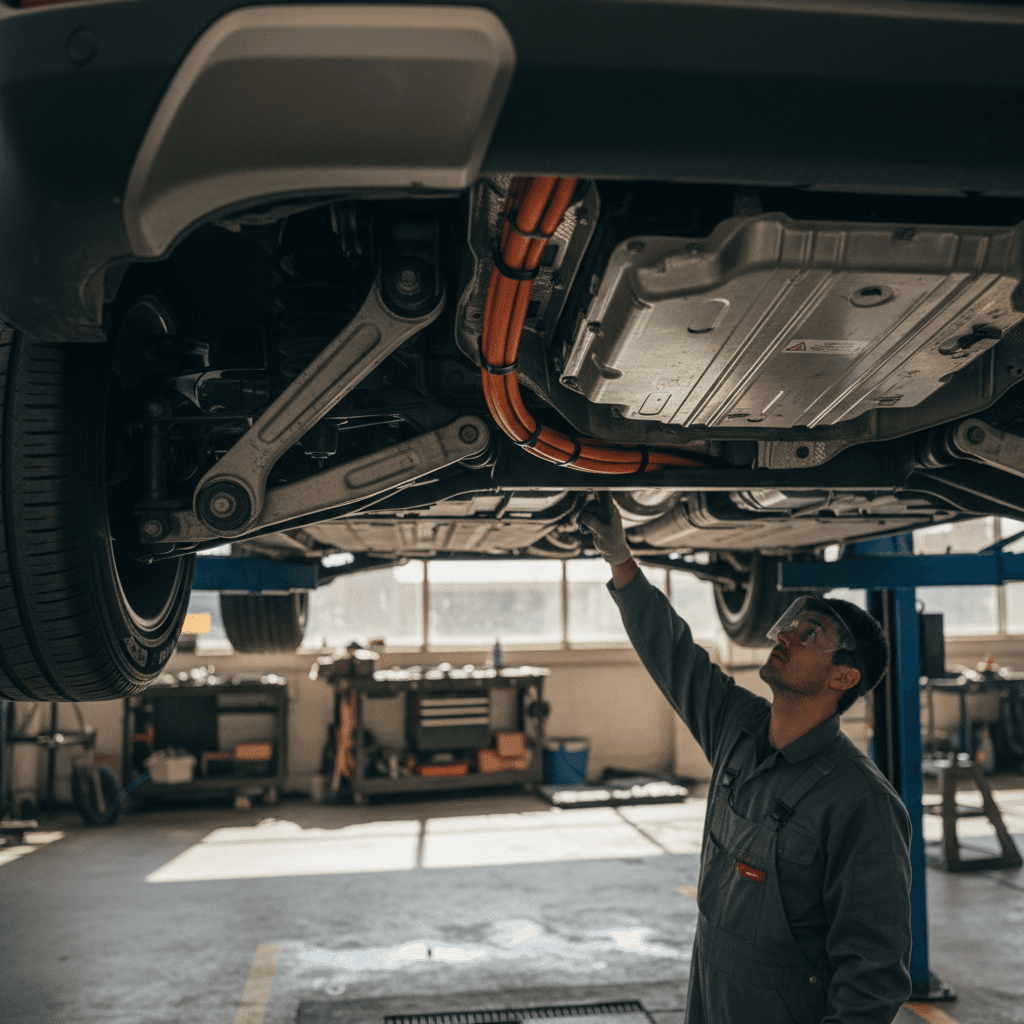
| High‑voltage system | “Service High Voltage System” warnings, reduced power, or no‑start conditions | Can leave the vehicle undriveable and require specialized diagnosis and parts. | Proof of completed software updates; any history of HV repairs or module replacements. |
| Front suspension & axles | Clicking/knocking over bumps or while turning, vague steering feel | May point to control‑arm or CV‑axle issues; some cases have led to recalls or TSBs. | Documentation of recalls/TSBs; clean test‑drive over rough pavement and tight turns. |
| Brakes & regen feel | Inconsistent pedal feel, odd transition between regen and friction braking | Can undermine driver confidence and mask underlying calibration issues. | Any brake‑system updates or complaints; ensure pedal feel is consistent in mixed driving. |
| Infotainment & cluster | Freezes, laggy response, random reboots, lost audio settings | Annoying day‑to‑day and sometimes tied to wider software instability. | Current software version; ask whether TSB‑recommended updates have been applied. |
| Charging behavior | Charge sessions that stop early, trouble DC‑fast‑charging on certain networks | May reflect software quirks, charger incompatibility, or EVSE issues. | Where the car has been charging (home vs public); any history of charging faults. |
Use this table as a conversation guide with the seller, your inspector, or a Honda service advisor.
Smart move for used buyers
Ultium Platform & Software: Does It Hurt 2026 Prologue Reliability?
The Prologue sits on GM’s Ultium platform, shared with models like the Chevrolet Blazer EV and Cadillac Lyriq. That partnership gave Honda a fast path into long‑range EVs, but it also exposed the Prologue to **the same broad software and control‑module ecosystem** that has caused headaches on some Ultium products.
Where Ultium helps
- Proven battery architecture: High‑energy modules, 400V architecture, and competitive DC fast‑charge rates once the session is stable.
- Shared fixes: When GM and Honda uncover a calibration bug, the resulting software patch can often be rolled out across several Ultium‑based vehicles.
- Scale for parts: Shared packs and components make it easier to justify replacement parts inventories over time.
Where Ultium hurts
- Early software instability: Blazer EV and Lyriq owners have already documented display glitches, DC‑fast‑charging failures, and warning‑light storms that mirror some Prologue complaints.
- Complex diagnostics: When high‑voltage control modules misbehave, diagnosis can be slow, and parts may be on allocation.
- Mixed dealer experience: Not every Honda store has years of EV troubleshooting under its belt, which can stretch downtime.
For 2026, Honda and GM have had multiple software generations to work through the worst issues. That should improve stability, but **no one should treat the Prologue like a mature, tenth‑year platform**. If you want maximum peace of mind in 2026, you should shop as carefully as you would with any first‑generation EV.
Ask specifically about software
How the 2026 Prologue Compares to Other Electric SUVs on Reliability
If you’re cross‑shopping, the 2026 Prologue lands roughly mid‑pack on the reliability spectrum. It’s not as rough around the edges as some first‑wave Ultium launches, but it’s not yet in the same reliability conversation as the very best mainstream EVs either.
2026 Prologue vs. Key EV SUV Rivals (Reliability Lens)
Where it stands if you care more about shop time than 0–60 times.
Hyundai Ioniq 5 / Kia EV6
Tesla Model Y
Chevy Blazer EV / Cadillac Lyriq
In other words, the 2026 Prologue is neither the riskiest nor the safest EV SUV on the market. It’s a reasonable choice **if you value Honda’s dealer network, like the driving experience, and are willing to manage a bit of first‑generation risk**.
Used 2026 Honda Prologue Buying Checklist
If you’re looking at a **used 2026 Honda Prologue** on a dealer lot or through a marketplace like Recharged, you’re in a better position than early 2024 adopters, there’s simply more history to sort clean examples from problem children. Here’s a targeted checklist you can run through in an afternoon.
7 Steps Before You Commit to a 2026 Prologue
1. Pull a full history & recall report
Get a vehicle history report plus a dealer‑level service history. Confirm that all **open recalls and product updates** are completed, especially anything involving the front suspension, control arms, or high‑voltage electronics.
2. Demand a battery‑health snapshot
Ask for a recent **battery‑state‑of‑health report**. On Recharged, this is built into the Recharged Score, which quantifies usable battery capacity and degradation instead of making you guess from range estimates.
3. Test for high‑voltage warnings
On a long test drive, pay attention for “Service High Voltage System” or drivetrain warnings. Engage the heater or AC, use Normal and Sport modes, and try a highway on‑ramp to stress the system.
4. Listen to the front end
Find a rough side street and a tight parking lot. Drive slowly with the windows down and steering at full lock in both directions. You’re listening for **clicks, clunks, or grinding** that may signal axle or control‑arm issues.
5. Check charging behavior
If possible, **DC‑fast‑charge the car once** and Level 2 charge once during your evaluation. Watch for session dropouts, error messages, or unusually slow charge rates compared with what other owners report.
6. Inspect tires & alignment
Uneven front‑tire wear on a low‑mileage 2026 Prologue can hint at underlying suspension or alignment problems. That’s a cue to request a more detailed inspection before you buy.
7. Price in protection
If you’re buying from a traditional dealer, ask how much factory extended coverage costs on EV components. On Recharged, we factor known issue patterns and warranty coverage into pricing and disclosures, so you’re not flying blind.
How Recharged can help
Ready to find your next EV?
Browse VehiclesBattery Health, Warranty Coverage & Long-Term Costs
Reliability ratings tend to focus on “Does it break?” but for an EV like the 2026 Prologue, **battery health and downtime costs** are just as important. Here’s how those pieces fit together.
- Honda backs the Prologue battery for **8 years / 100,000 miles** (longer in some CARB states), covering defects but not necessarily normal capacity loss.
- Early‑life degradation on Ultium‑based packs so far appears modest in most cases, but **high‑voltage failures can be expensive and slow to repair** due to parts lead times.
- Average projected non‑wear repair costs for the Prologue’s first few years hover in the **mid‑$400s per year**, but that’s an average, one major high‑voltage repair can blow up a single year’s budget.
- Routine costs (tires, cabin filters, brake fluid, wiper blades) look similar to other 4,500‑lb+ EV SUVs; **tires in particular can wear quickly** if you lean on the Prologue’s torque.
Budgeting rule of thumb
Is the 2026 Honda Prologue a Good Reliability Bet?
So where does the **2026 Honda Prologue reliability rating** leave you as a shopper? In short, the Prologue is **not a disaster, but it’s not a sure thing either**. Predicted scores in the high‑60s, cautious Consumer Reports forecasts, and a mix of glowing and frustrated owner reviews tell a consistent story: this is a comfortable, capable EV SUV that still carries some first‑generation baggage, especially when it comes to software, high‑voltage diagnostics, and front‑suspension durability.
If you’re willing to do your homework, insist on documentation, and lean on tools like a **Recharged Score battery‑health report** and pre‑purchase inspection, a 2026 Prologue can absolutely make sense, especially if you find one that’s already had the key updates and is priced accordingly. If your top priority is rock‑solid reliability above all else, you may want to cross‑shop more mature EV platforms or wait another model cycle for Honda’s next‑generation, in‑house EV SUV.