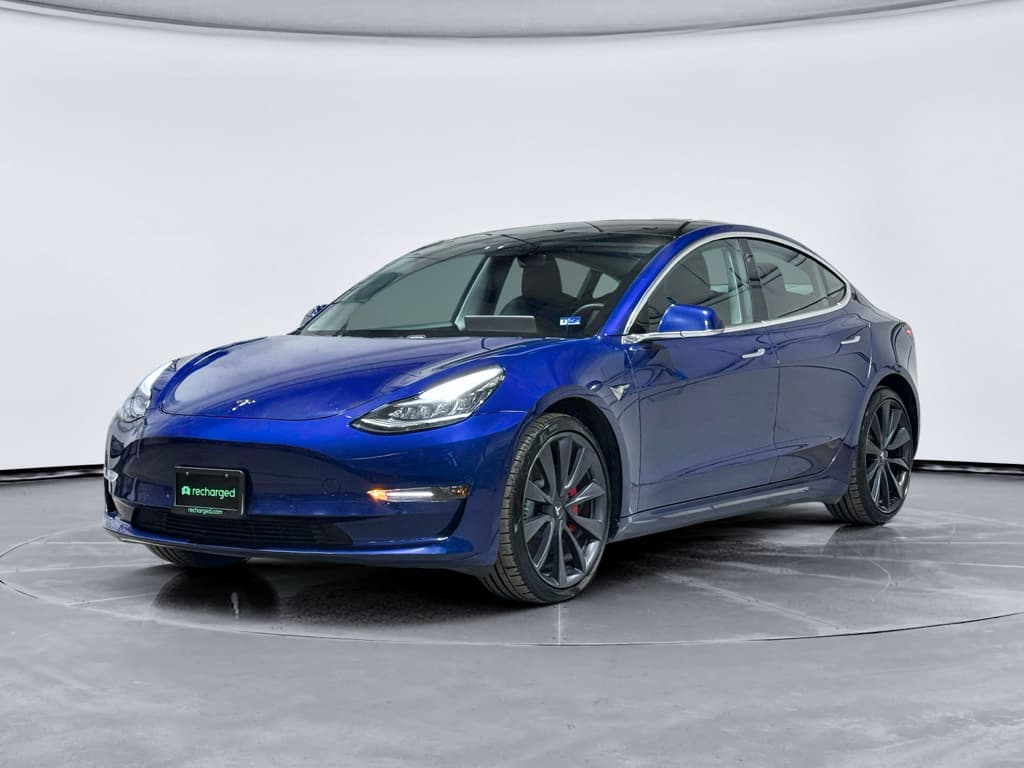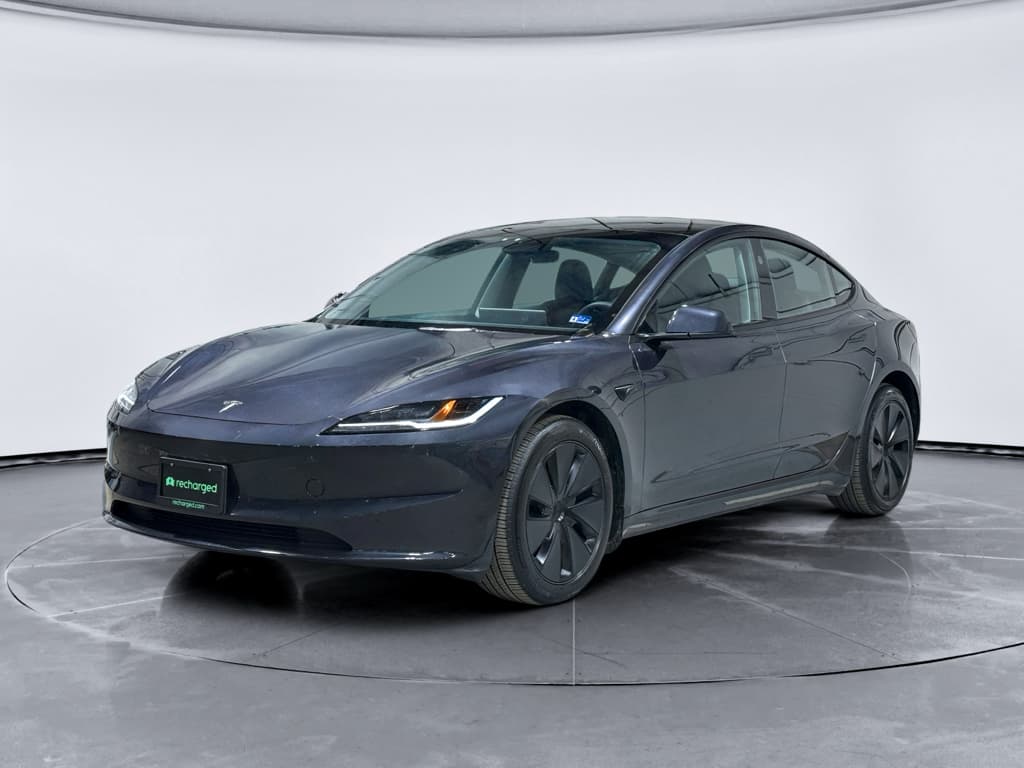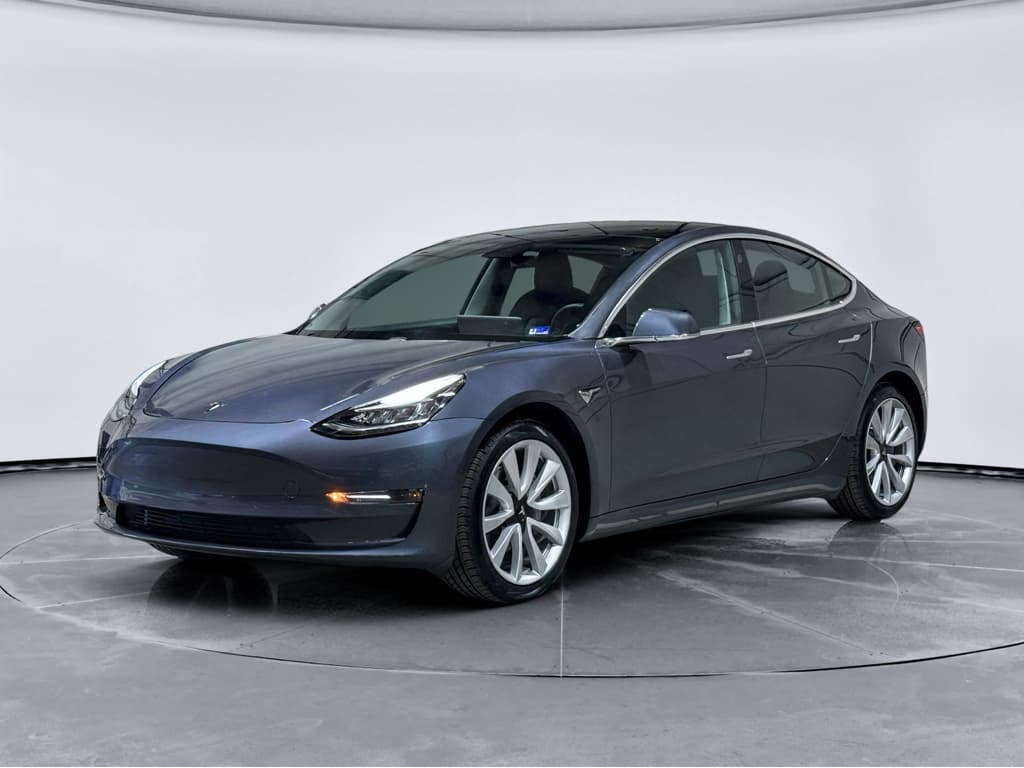
If you’re eyeing a used 2022 Tesla Model 3, reliability is probably your biggest question. The Model 3 has a strong reputation for performance and low running costs, but owner surveys and inspection data paint a more nuanced picture, especially around build quality, suspension wear, and software‑driven recalls.
Quick take
2022 Tesla Model 3 reliability at a glance
2022 Model 3 reliability snapshot
A note on the numbers
How reliable is the 2022 Tesla Model 3?
On paper, the 2022 Tesla Model 3 reliability story splits in two. Owners generally love the car and report relatively few catastrophic failures. In Consumer Reports’ survey work, the Model 3 has earned a recommendation in recent years after earlier ups and downs, although the 2022 still scores "less reliable than average" against the broader 2022 model‑year field. At the same time, government recall counts and inspection statistics show a car that’s more troublesome than you might expect from a simple electric sedan.
Where the 2022 Model 3 shines
- Powertrain durability: Fewer reports of major motor or battery pack failures compared with many early EVs.
- Low routine maintenance: No oil changes, spark plugs, or traditional transmission work.
- Owner satisfaction: Real‑world owners routinely praise the car’s performance and everyday usability.
- Over‑the‑air fixes: Many software‑related issues can be addressed without a service visit.
Where reliability stumbles
- Build quality and trim: Panel gaps, paint flaws, and leaky seals still crop up in 2022 models.
- Suspension and wheels: Inspection data from Europe and the UK show above‑average suspension and wheel defects on 2022 Model 3s.
- Software and driver‑assist: Recalls around Autopilot and Full Self‑Driving require regular updates and careful driver attention.
- Service experience: Some owners report long waits and inconsistent communication from Tesla service centers.
How to read conflicting reliability scores
Most common 2022 Model 3 problems
The 2022 Model 3 benefited from years of production refinement, so it avoids some of the worst bugs of early cars. But it still carries a few recurring trouble spots that show up in owner forums, consumer surveys, and inspection data.
Key trouble spots on 2022 Tesla Model 3
What tends to go wrong, and how serious it is
Suspension & wheels
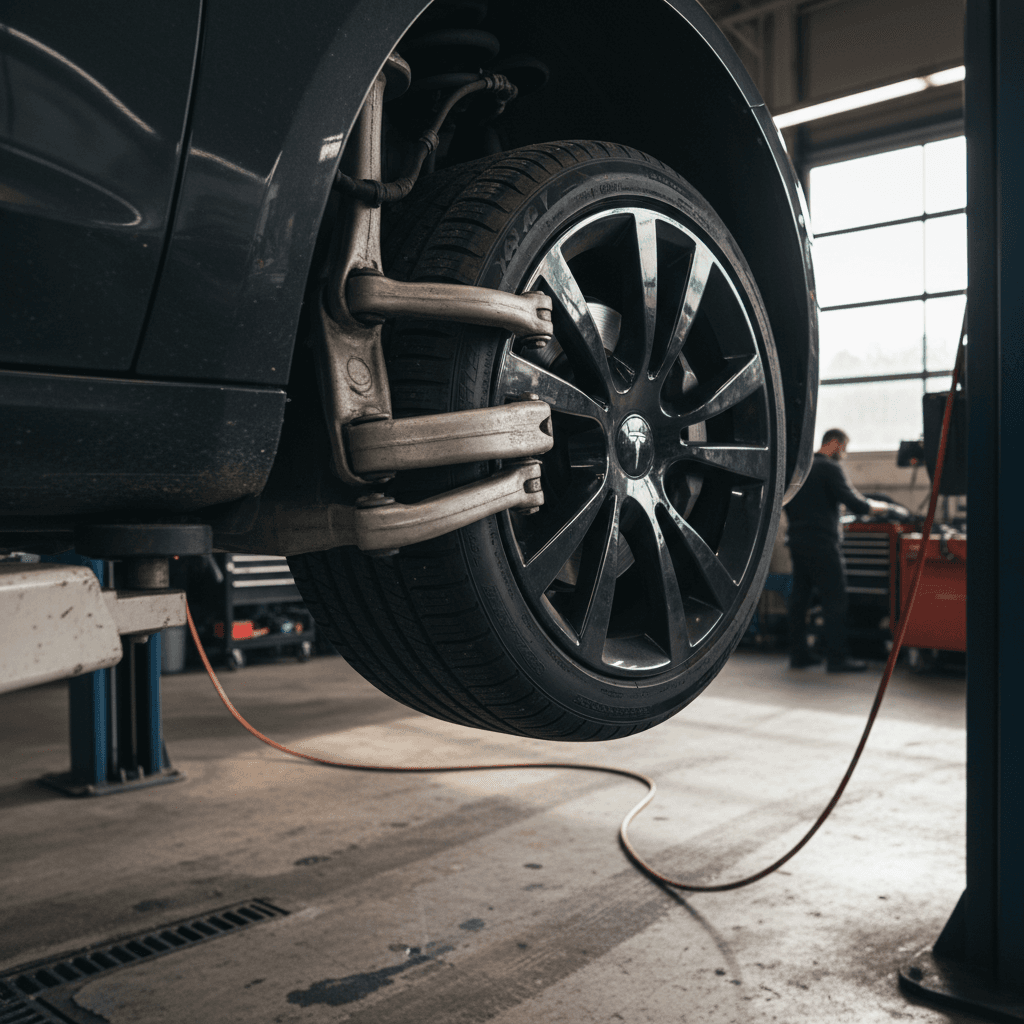
European and UK inspection data show a higher‑than‑average defect rate for wheels, suspensions, and axles on 2022 Model 3s, especially at higher mileage.
Listen for clunks over bumps and have the suspension inspected on any used car.
Paint & exterior trim
Owners still report occasional thin paint, mismatched panels, and loose trim. These rarely strand you, but they can affect resale value and rust resistance in harsh climates.
Wind noise & leaks
Some 2022 cars exhibit wind noise, squeaks, and occasional water leaks around doors, windows, or the glass roof. Usually fixable with revised seals or alignment.
Electronics and software issues
The upside and downside of a rolling computer
In‑car electronics glitches
Freezes or reboots of the center screen, Bluetooth hiccups, camera quirks, or Autopilot warnings are among the more common complaints. They’re annoying, but usually resolved with software updates or a reset.
Driver‑assist behavior
The Model 3 has been part of large recalls tied to Autosteer and Full Self‑Driving Beta, where the system may not handle intersections or speed limits as safely as expected. Updates aim to reduce misuse, but you must stay fully engaged behind the wheel.
Door handles & latches
Reports and at least one high‑profile lawsuit highlight concerns about electronic door releases and the difficulty of using manual overrides in emergencies. When considering a used 2022, verify all handles and latches work smoothly and learn where the mechanical releases are.
Don’t ignore suspension noises
Battery health, range and degradation
For most shoppers, the big reliability fear with any used EV is the battery. The good news: the Model 3’s battery packs have generally held up well in the real world, and outright pack failures on 2022 cars are rare compared with early‑generation EVs. That doesn’t mean range loss is a non‑issue, but it’s usually gradual rather than catastrophic.
- Most 2022 Model 3s still deliver everyday range close to their original EPA rating in moderate climates, with some drop in very cold or very hot weather.
- A subset of higher‑mileage owners report faster‑than‑expected degradation, especially on cars driven hard, fast‑charged frequently, or used in extreme temperatures.
- Tesla’s battery and drive‑unit warranty (up to eight years and 120,000–150,000 miles depending on variant) adds a safety net against major failures.
- Software updates can slightly adjust displayed range and charging behavior, which sometimes feels like range loss even when the pack is healthy.
How to quickly gauge battery health
Cold‑weather reality check
Recalls, software updates and safety concerns
One reason the 2022 Tesla Model 3 shows up in reliability headlines is its long list of recalls. Federal data list roughly sixteen recalls impacting the 2017–2023 Model 3 run, many of which include the 2022 model year. The majority have been addressed through over‑the‑air software updates, but some require physical inspection or parts replacement.
Types of recalls affecting 2022 Model 3
High‑level look at the issues behind many 2022 Model 3 recalls
| Recall type | What it involved | Fix type (typical) |
|---|---|---|
| Autosteer / Autopilot behavior | Autosteer controls and alerts that may not do enough to prevent driver misuse or confusion. | Over‑the‑air software update. |
| Full Self‑Driving Beta | Vehicle behavior at intersections, stop signs, yellow lights, and speed‑limit changes. | Over‑the‑air software update. |
| Instrument cluster / warnings | Warning lights or alerts that didn’t meet federal requirements. | Software update, sometimes backed by diagnostics at a service center. |
| Tire pressure monitoring (TPMS) | Warning light may not stay on across drive cycles when tire pressure is low. | Over‑the‑air software update for most; confirm with Tesla. |
| Physical components (random hardware issues) | Smaller campaigns for things like seat‑belt anchors, trim, or minor hardware. | Physical inspection and part replacement if needed. |
Always check an individual vehicle’s VIN for an up‑to‑date recall status before you buy.
Safety is more than a star rating
Because so many 2022 Model 3 recalls are software‑based, you’ll want to confirm that the car you’re shopping has received all over‑the‑air updates and that the current owner didn’t disable automatic updates. A quick way to check: open the Software screen, look at the installed version and update history, and verify there are no outstanding recall notices in the Tesla app.
What reliability means for ownership costs
A car can be "reliable" in the sense that it rarely leaves you stranded, yet still cost you time and money in smaller ways. That’s where understanding the 2022 Model 3’s pattern of issues matters most.
Reliability’s impact on your wallet
Where the 2022 Tesla Model 3 saves, and where it can sting
Where you save
- No routine engine service: No oil, timing belts, or spark plugs to replace.
- Brakes last longer: Regenerative braking reduces pad and rotor wear, especially in city driving.
- Energy costs: Charging is typically cheaper per mile than gasoline, particularly if you can charge at home off‑peak.
Where costs can creep up
- Out‑of‑warranty repairs: Suspension components, control arms, or wheel‑bearing work can be pricey at Tesla service rates.
- Cosmetic fixes: Repainting panels or repairing glass roof leaks isn’t cheap, and not all cosmetic issues are covered under warranty.
- Downtime and convenience: Some owners report weeks‑long waits for parts or service appointments, which is a hidden "cost" in itself.
How Recharged helps lower your risk
Ready to find your next EV?
Browse VehiclesBuying a used 2022 Model 3: reliability checklist
If you’re shopping the 2022 Model 3 as a used car, you’re in the sweet spot where depreciation has done some work, but technology and battery chemistry are still current. Here’s how to stack the odds in your favor on reliability.
Essential reliability checks for a 2022 Tesla Model 3
1. Run the VIN for recalls and service history
Confirm that all open recalls have been addressed and look for repeat visits for the same issue (especially suspension, leaks, or in‑car electronics). Tesla can provide service history with the current owner’s permission.
2. Inspect suspension, wheels and tires
Have a shop put the car on a lift and check control arms, bushings, and wheel bearings. Uneven inner‑edge tire wear is a red flag for alignment or suspension issues that can show up earlier on heavier EVs.
3. Check for paint, glass and leak issues
Look along body panels for color mismatch, overspray, or chipping. Inspect seals around the glass roof and doors; after a rain, check the trunk and footwells for moisture or water marks.
4. Evaluate battery health and charging behavior
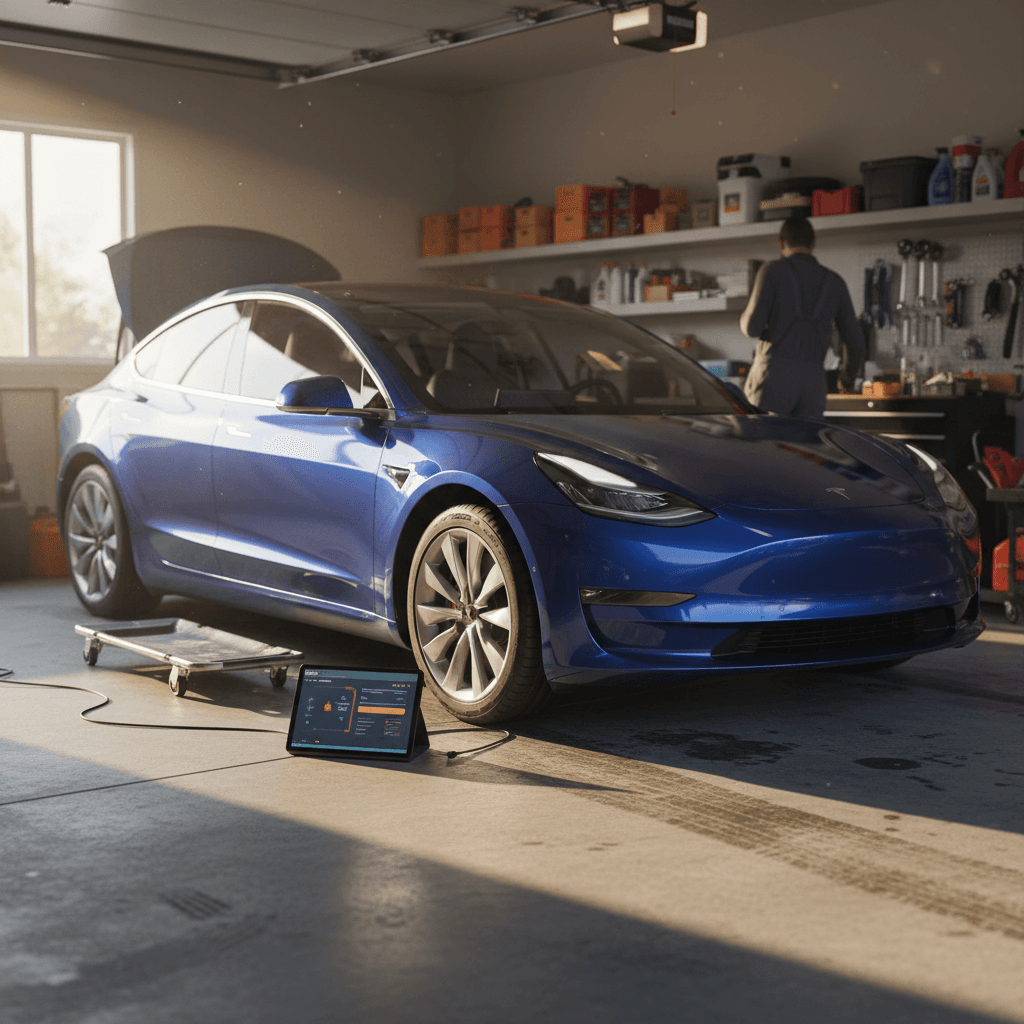
Compare current full‑charge range to the original EPA rating. Test both AC charging (home or Level 2) and DC fast charging if possible. Any refusal to charge, charge‑port errors, or dramatic range swings deserves further diagnosis.
5. Exercise every door, window and handle
Verify that all exterior handles present correctly, doors open and close smoothly, and child locks and trunk releases work. Learn how to use the manual interior door releases in case of a power loss.
6. Test driver‑assist features carefully
On a quiet road, gently test Autopilot, lane keeping, and adaptive cruise. Make sure alerts are loud and clear and that the system behaves predictably. If you’re uncomfortable with how it drives, trust your instincts.
7. Confirm software update status
Open the Software menu, check for any pending updates, and verify that the car is on a reasonably current build. A car that hasn’t updated for a year may need a visit to Tesla before all recall fixes can be applied.
Leverage third‑party inspections
Who the 2022 Model 3 is (and isn’t) right for
A great fit if you…
- Want an EV with strong performance and range that still feels modern in 2026.
- Prioritize low day‑to‑day running costs over perfect paint or luxury‑car quiet.
- Are comfortable with frequent software updates and tech‑centric controls.
- Have access to home or workplace charging and occasionally use the Supercharger network.
Might want to look elsewhere if you…
- Live where roads are rough and don’t want to think about suspension wear.
- Value flawless build quality and dealer‑style service above all else.
- Prefer traditional controls and are uneasy with semi‑autonomous features.
- Need a car that can always be serviced quickly at a nearby shop.
Compare before you commit
FAQ: 2022 Tesla Model 3 reliability
Frequently asked questions about 2022 Model 3 reliability
Bottom line on 2022 Tesla Model 3 reliability
The 2022 Tesla Model 3 is not the perfectly bulletproof EV some marketing makes it out to be, but it’s also far from the unreliable mess some headlines suggest. Mechanically and electrically, it’s a solid car with a strong battery warranty, relatively few catastrophic failures, and very happy owners. Its weak spots live in the margins: suspension and wheel wear, inconsistent build quality, and a big stack of software‑driven recalls that demand you stay on top of updates.
If you go in with clear eyes, choose a well‑maintained example, and verify battery health, suspension condition, and software status, a 2022 Model 3 can be a dependable, low‑maintenance EV that still feels thoroughly modern in 2026. If you’d like a second set of expert eyes, browsing inspected 2022 Model 3s on Recharged, and reviewing each car’s Recharged Score Report, is an easy way to turn all this reliability theory into a confident, real‑world purchase.