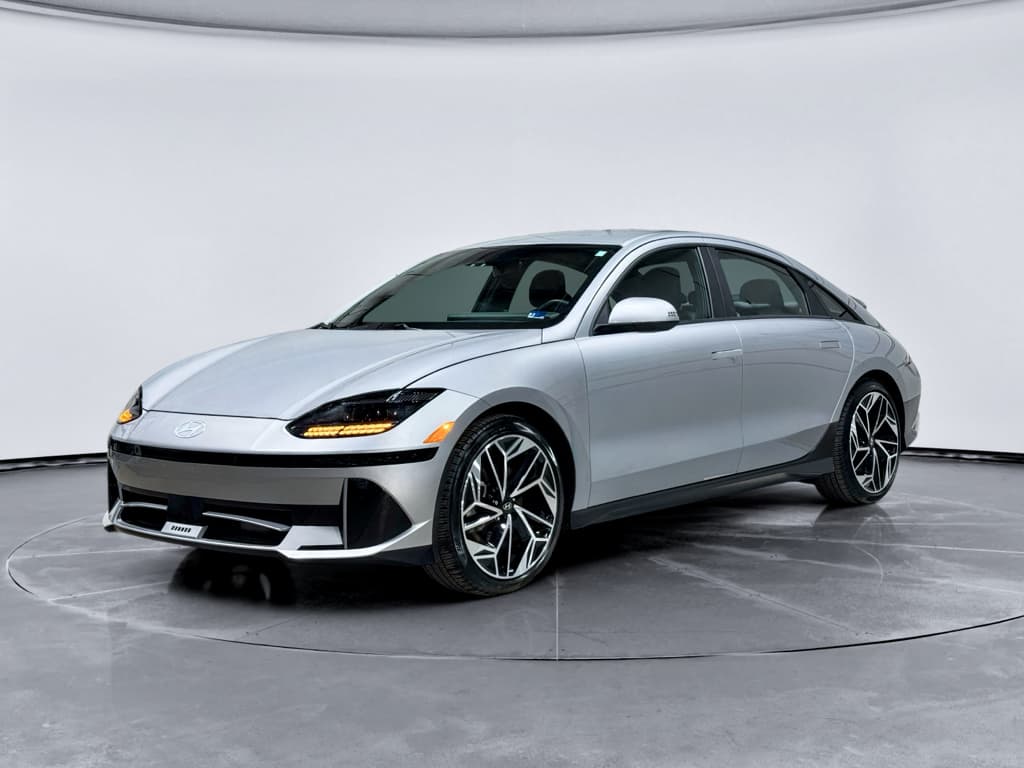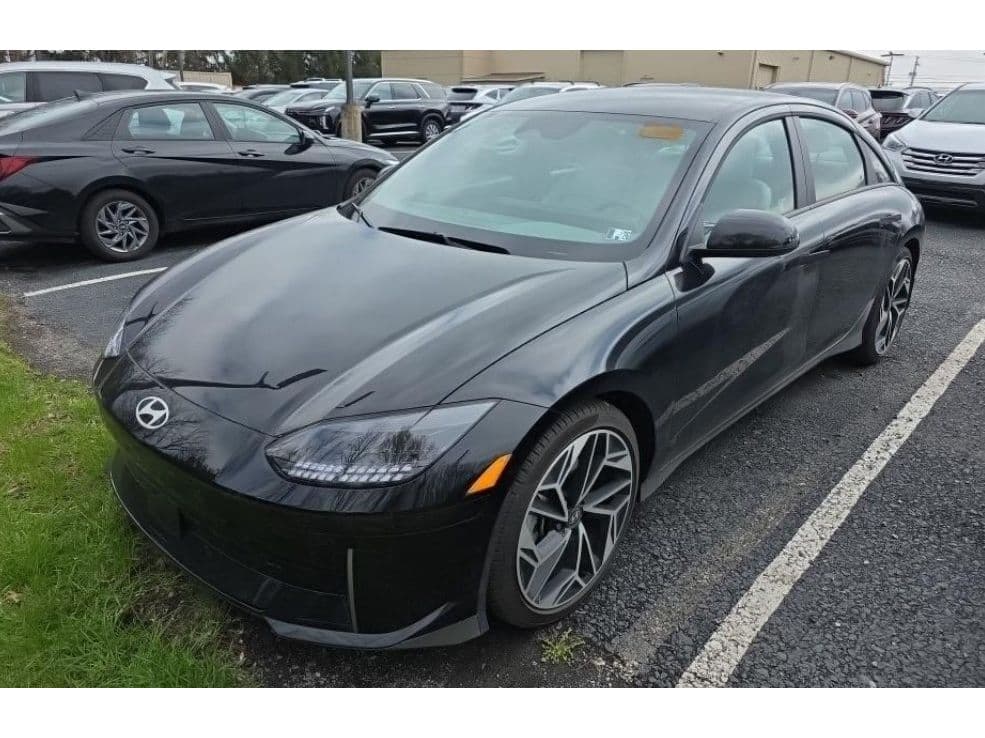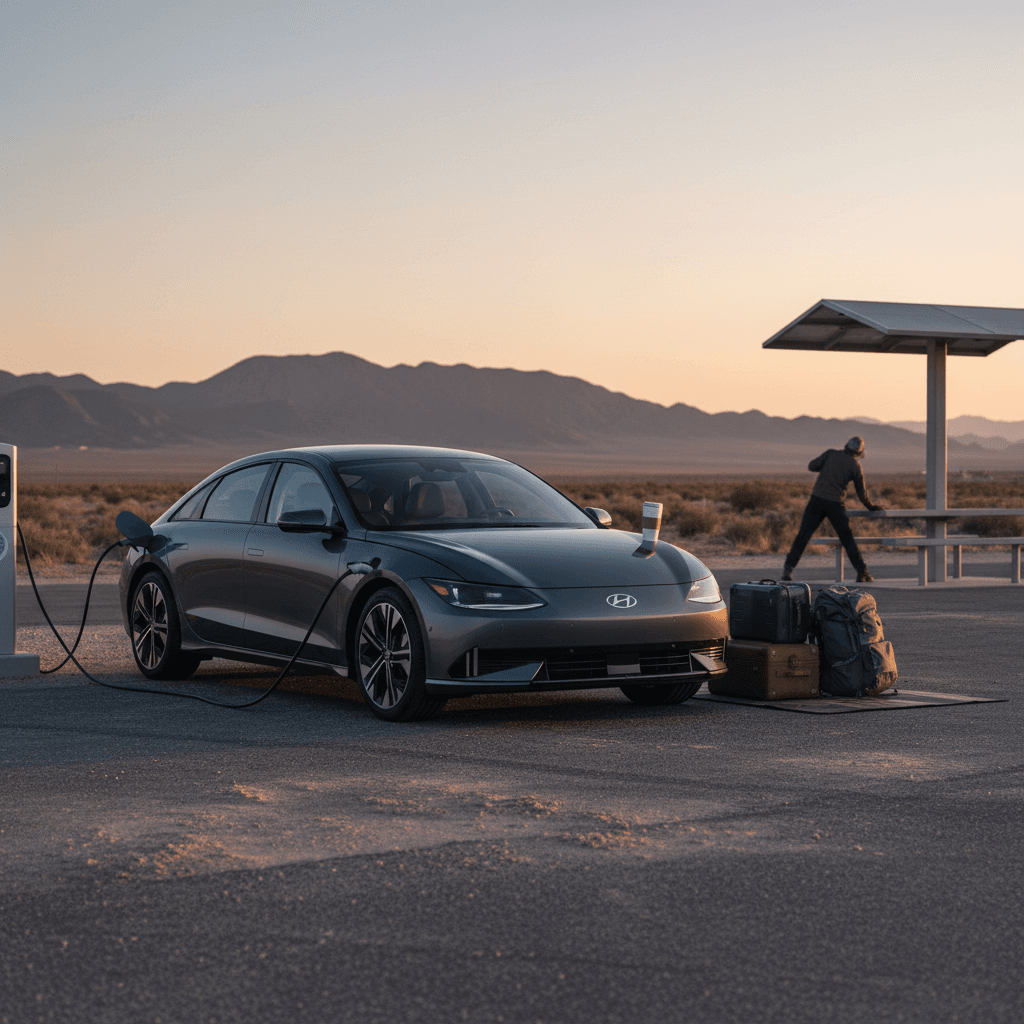
If you’re considering a road trip in your Hyundai Ioniq 6, you’re starting from a good place. The car’s sleek aerodynamics, efficient powertrain, and fast-charging capability make it one of the stronger long-distance EVs on the market. The key is knowing how to use those strengths. These Hyundai Ioniq 6 long distance driving tips will help you plan smarter, charge less often, and arrive more relaxed, whether you’re in a brand-new car or a used Ioniq 6 from a marketplace like Recharged.
Big Picture
Why the Hyundai Ioniq 6 Works for Long Trips
Core Strengths of the Hyundai Ioniq 6 on the Highway
Understanding what the car is good at helps you plan around its limits.
Excellent Aerodynamics
The Ioniq 6 has a very low drag coefficient, which means less energy lost to air resistance at highway speeds. That translates into more usable range on long stretches of interstate compared with taller crossovers.
Strong DC Fast Charging
On 800-volt chargers, many Ioniq 6 trims can add a big chunk of range in under 20 minutes when charging from a low state of charge. That keeps your total travel time competitive with gas road trips.
Stable Highway Manners
The car tracks well on the highway and offers advanced driver-assistance features. Used properly, these let you cover long distances with less fatigue than in many conventional vehicles.
Don’t Trust Lab Numbers Blindly
Know Your Ioniq 6 Battery and Real-World Range
Hyundai offers the Ioniq 6 with different battery sizes and powertrains. Before you plan a long journey, confirm which version you’re driving and how it typically behaves for you around town and on the highway.
Hyundai Ioniq 6 Battery & Drivetrain Basics (High-Level)
Exact figures vary by model year and trim; consult your owner’s manual or window sticker for specifics. This table is meant as a planning framework, not a spec sheet.
| Configuration | Battery Size (approx.) | Drive Type | Best Use Case Hint |
|---|---|---|---|
| Standard Range | Around mid‑40s kWh | RWD | Best for shorter hops; plan more frequent DC stops on long trips. |
| Long Range RWD | Around mid‑70s kWh | RWD | Maximum efficiency; ideal if you prioritize fewest stops. |
| Long Range AWD | Around mid‑70s kWh | AWD | Extra traction and power; expect somewhat lower highway range than RWD. |
Think in terms of conservative highway range rather than headline numbers when planning long trips.
Use 70–80% of the Sticker Range for Planning
Key Factors That Shape Your Real-World Highway Range
Plan Your Hyundai Ioniq 6 Charging Like a Pro
Long-distance EV driving is all about smart charging strategy. The Ioniq 6 charges fastest at lower state-of-charge levels, and it particularly shines on high-power DC fast chargers that support its 800‑volt architecture.
- Prioritize high‑power DC fast chargers (often labeled 150 kW+ or 350 kW).
- Aim to arrive at DC chargers with 10–25% state of charge and unplug around 70–80% for the best time vs. range balance.
- Build in one or two “margin” chargers along your route in case your first choice is busy or out of service.
- If you’re staying overnight, favor hotels or destinations with Level 2 charging so you can start each morning near 100%.
Use Multiple Planning Tools
Don’t rely on a single app. Combine the built-in Hyundai navigation and EV route planner with at least one dedicated charging app. Most owners in the U.S. find that a mix of PlugShare-style crowd-sourced info plus their preferred charging network’s app gives the best picture of what’s really available.
Watch the Connector Type
Make sure stations on your route support the connector your Ioniq 6 uses. As North American charging standards evolve, some stations may offer adapters, but you shouldn’t assume that by default. Check photos and user reviews in the app before committing to a stop.
Critical Long-Trip Habit
Drive Smarter, Not Just Slower: Highway Efficiency Tips
You don’t have to crawl in the right lane to get good range from your Hyundai Ioniq 6, but you also can’t ignore physics. Small changes in speed, following distance, and climate-control use make bigger differences in an EV than most gas drivers realize.
Driving Habits That Boost Ioniq 6 Range
Think “smooth and steady” rather than “fast then slam on the brakes.”
Choose a Realistic Cruise Speed
Each 5 mph over about 65 mph cuts deeper into range. Pick a speed that fits traffic but doesn’t force the car to push a huge wall of air constantly. Even dropping from 78 to 70 mph can noticeably improve your distance between charges.
Keep Following Distance Generous
Leave a larger gap so you can roll off the accelerator instead of braking hard. Every unnecessary brake tap wastes energy that your Ioniq 6 could otherwise use to travel farther.
Use Climate Control Smartly
Cabin heat, especially in cold weather, is a major range killer. Use seat and steering-wheel heaters, Eco climate mode, and moderate temperature settings instead of blasting heat or A/C constantly.
Pack Aerodynamically
Use the Ioniq 6 Tech to Your Advantage
Hyundai built a lot of long-trip help into the Ioniq 6. Learning how to set it up before a big drive can pay off in both comfort and efficiency.
Smart Tech Settings Before You Hit the Highway
1. Choose the Right Drive Mode
Eco mode generally delivers the best range, with Normal as a good compromise if you don’t like the pedal feel in Eco. Sport is fun, but it will eat into your range on long highway stretches.
2. Customize Regenerative Braking
Use the steering-wheel paddles to fine-tune regen. A higher regen setting helps in stop‑and‑go traffic or rolling terrain. On very steady highway drives, a lower setting can feel smoother and may be slightly more efficient if you’re rarely slowing.
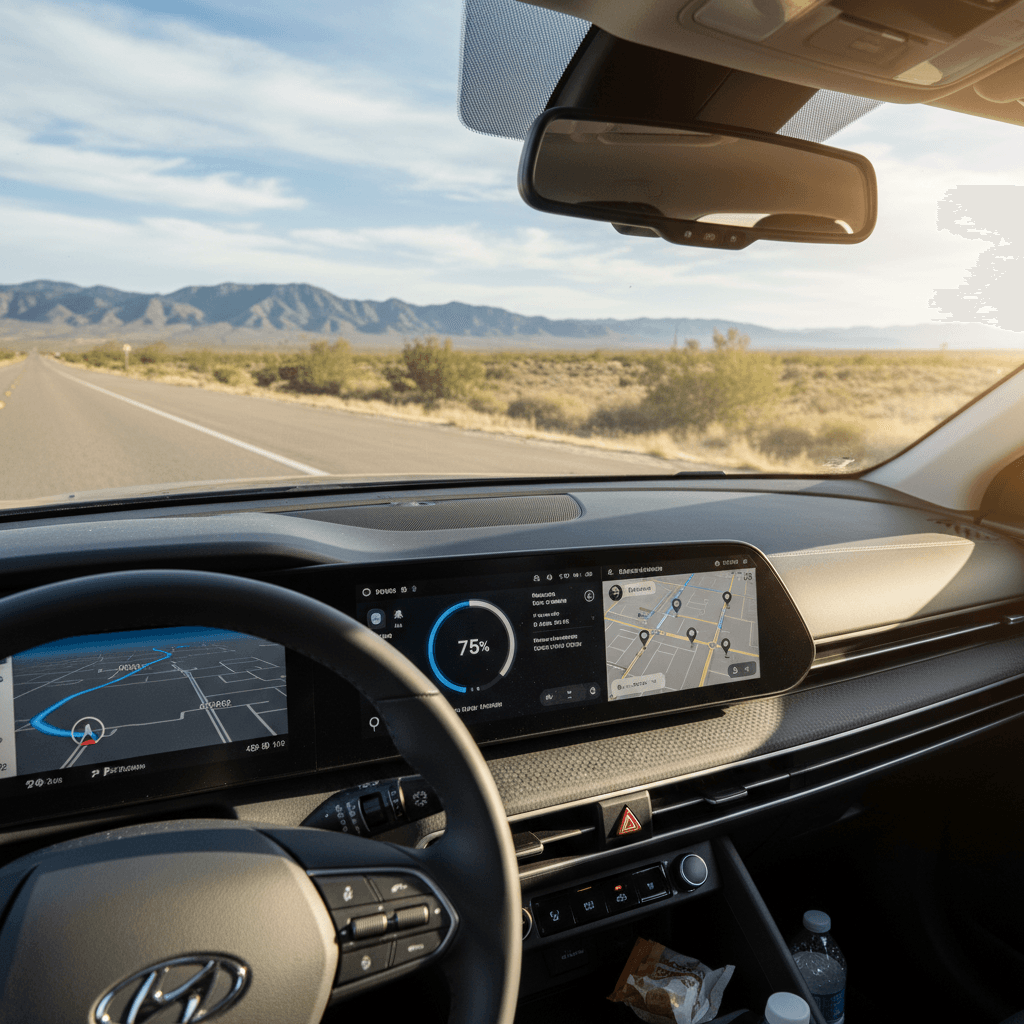
3. Set Up EV Route Guidance
If your Ioniq 6 offers EV-specific routing, enter your destination and let it suggest charging stops. Cross-check those with your preferred charging apps so you’re not relying on a single data source.
4. Turn On Driver Assistance Wisely
Highway Driving Assist and lane centering can reduce fatigue if you remain attentive and keep your hands on the wheel. Set a reasonable following distance and avoid using these features as an excuse to zone out.
5. Activate Charging Limits at DC Fast Chargers
In the charging menu, set a limit (for example, 80%) for DC fast charging sessions. This keeps you out of the slowest part of the charging curve and is easier on the battery long‑term.
Tech and Used Ioniq 6s
Comfort Settings for Arriving Fresh
Long-distance driving isn’t just about the battery, it’s about you. The Ioniq 6’s cabin and features can make a six-hour day feel like three if you set them up thoughtfully.
Precondition the Cabin While Plugged In
Before you leave a hotel or home charger, use the app or in-car timer to preheat or precool the cabin while the car is still charging. That way, initial climate energy comes from the wall, not the battery, and you roll out in comfort.
Use Seats and Steering-Wheel Heat First
In cold weather, heated seats and steering wheel draw less energy than raising cabin temperature dramatically. Dial in a modest cabin set-point, then lean on seat heat to stay comfortable without destroying range.
- Adjust your seating position early in the day to support your lower back and legs.
- Schedule breaks roughly every 2–3 hours; let charging stops be your natural rest points.
- Keep water and snacks handy so you’re not tempted to skip a necessary charge just to reach the next drive‑thru.
Battery Care on Long Trips (Especially for Used Ioniq 6 Models)
The Ioniq 6’s high-voltage battery is designed to handle fast charging and highway driving, but your habits still matter, particularly over many years and miles. This is doubly important if you’re considering a used Ioniq 6 or planning to keep the car for a long time.
Battery-Friendly Habits on Road Trips
Protect your range today and your resale value tomorrow.
Avoid Excessive 0–100% Swings
Occasional deep cycles are fine on a trip, but don’t make them your daily routine. When you don’t need full range, keep the car between roughly 20–80% state of charge.
Limit Time Sitting at 100%
It’s okay to charge to 100% before a big leg, but try not to let the car sit full for hours in hot weather. Finish charging close to your departure time when possible.
Watch Temperature Extremes
In very hot or very cold conditions, expect slower charging and more range loss. Build extra margin into your plan, and don’t be surprised if a fast charger tapers earlier than usual.
How Recharged Helps on the Battery Front
Ready to find your next EV?
Browse VehiclesSample Hyundai Ioniq 6 Road Trip Strategy
To put all of this together, here’s how you might approach a full day on the road in an Ioniq 6 Long Range model starting at home or a hotel with a full charge.
Example Ioniq 6 Long-Distance Day
A rough template you can adapt to your speed, weather, and charging network options.
| Stage | Approx. SOC | Distance & Action | Notes |
|---|---|---|---|
| Morning Start | 100% | Drive 2–3 hours | Set cruise to a realistic speed; monitor energy use. |
| Mid-Morning Charge | 20–25% on arrival | DC fast charge to ~75–80% | Stretch, restroom, check next chargers in apps. |
| Midday Drive | 75–80% | Another 2–2.5 hours | Adjust speed if wind or weather changes. |
| Lunch + Charge | 15–20% on arrival | Charge to ~80% while you eat | Don’t sit in the car the whole time, rest up. |
| Afternoon Drive | 80% | Final 2–3 hour leg | If staying overnight, seek Level 2 charging at destination. |
Don’t obsess over these exact numbers; the idea is the rhythm, drive, charge to 70–80%, repeat.
Adjust for Your Conditions
Hyundai Ioniq 6 Road Trip Checklist
Pre-Trip Checklist for a Smooth Ioniq 6 Journey
Confirm Your Trim and Approximate Range
Know whether you’re in a Standard Range, Long Range RWD, or AWD model and what real-world range you typically see at highway speeds.
Update Maps and Charging Apps
Make sure your in-car navigation and any third‑party charging apps are updated before departure so you’re not fighting updates on the road.
Plan Primary and Backup Chargers
For each major leg, pick a preferred DC fast charger and at least one backup within your reachable radius at low state of charge.
Inspect Tires and Pressures
Check tread depth and set tire pressures to the recommended level (cold). Underinflated tires hurt range and can affect safety.
Pack Charging Essentials
Bring your portable Level 1/Level 2 cable, any adapters you own, and a compact extension cord rated appropriately for Level 1 use if you expect to trickle charge at relatives’ homes.
Set Up Driver Profiles and Seating
Dial in your seat, mirrors, and driver-assistance preferences before you leave the driveway. Don’t wait until you’re halfway down the interstate.
Frequently Asked Questions: Hyundai Ioniq 6 Long-Distance Driving
Common Questions About Ioniq 6 Road Trips
Final Thoughts: Making the Most of Your Ioniq 6 on the Open Road
The Hyundai Ioniq 6 has the right fundamentals for long-distance EV travel: strong efficiency, rapid DC charging, and a comfortable, tech-forward cabin. The difference between a frustrating day and an easy one usually comes down to how you plan, your charging strategy, speed choices, climate settings, and battery-care habits.
If you’re still shopping, a used Hyundai Ioniq 6 with a verified battery health report from Recharged can give you the confidence to point the nose toward the horizon on day one. If you already own the car, treat this guide as a checklist: refine your route planning, adjust your driving style slightly, and lean on the car’s tech to reduce fatigue. Do that, and the Ioniq 6 stops being just an efficient commuter and becomes what it was designed to be, a true long-distance companion.