If you love the idea of a stylish city EV but worry about long-term durability, you’re exactly the audience for a deep dive on 2025 Mini Cooper Electric reliability. The latest Cooper E and Cooper SE bring more range and power than the previous generation, but history with the outgoing Mini EVs, including a high‑voltage battery recall, means you’re right to ask tough questions before you buy or lease, especially if you’re considering a used one down the road.
Two different “Mini Electric” generations
Overview: 2025 Mini Cooper Electric reliability in context
Mini has built its modern brand on character and driving fun, not on Toyota‑style bulletproof reputation. That said, the gasoline Minis that share components with the electric models have generally settled into the "average to slightly above average" reliability band once early teething problems were worked out. The 2025 Cooper E and Cooper SE are the first completely new electric Minis, with more power, more range, and a new interior and electronics package, so it’s fair to expect a short shakedown period, but there are also reasons to believe they’ll age better than the first Cooper SE.
Quick take: 2025 Mini Cooper Electric reliability
Where it likely lands versus other small EVs
Powertrain
Electric drivetrain: Simple single‑motor FWD layout, shared with other BMW‑group EVs. Historically, these motors and inverters have been robust.
Electronics
New software stack: Big step up in screens and connectivity. Great user experience, but more complexity usually means more glitches in early model years.
Overall outlook
Expect average to slightly above average reliability for a European EV: better than older Minis, not quite as "set it and forget it" as a Chevy Bolt or Kia Niro EV.
First model year realities
Drivetrain and battery: what we know so far
Under the skin, the 2025 Mini Cooper Electric moves onto Mini’s latest EV architecture with two main variants: the Cooper E and the more powerful Cooper SE. Both use a single front‑mounted motor and a lithium‑ion battery pack mounted low in the floor, but with different capacities and output.
2025 Mini Cooper Electric powertrain basics
Key specs that matter for reliability and real-world use
| Model | Motor output | Battery (usable kWh) | Estimated WLTP range | DC fast‑charge peak |
|---|---|---|---|---|
| Cooper E | ~184 hp (135 kW) | ≈40–41 kWh | ~190 miles WLTP | up to ~75 kW |
| Cooper SE | ~218 hp (160 kW) | ≈54 kWh | ~250 miles WLTP | up to ~95 kW |
Figures are based on early European data; U.S. EPA ratings may differ slightly.
From a reliability standpoint, none of those numbers are extreme. The specific outputs are well within what modern permanent‑magnet motors and inverters handle comfortably, and DC fast‑charge rates under 100 kW on a ~50 kWh pack are conservative. That’s good news: carmakers tend to run into durability trouble when they chase headline‑grabbing ultra‑high charge rates or performance figures on small packs.
- Single‑motor front‑wheel drive = fewer moving parts than any all‑wheel‑drive EV.
- No multi‑speed gearbox; just a single reduction gear set, which historically has been extremely reliable in EVs.
- Battery chemistry and packaging are evolutionary, not experimental. BMW‑group has a long track record with similar cells in i3, iX1, and other models.
Why modest DC fast‑charging can be good
Known issues, recalls, and where 2025 might be better
Because the 2025 Mini Cooper Electric is new, we don’t yet have years of hard failure data. But we can learn a lot from the outgoing Mini Cooper SE and early owner reports, and from what Mini has already had to fix.
What’s gone wrong on earlier Mini EVs?
The biggest black mark so far has been the high‑voltage battery recall for the first‑generation Cooper SE built for model years 2020–2024. BMW recalled over twelve thousand cars to inspect and, if needed, replace battery modules that could overheat due to out‑of‑spec components. The 2025 car moves to a new battery generation and production process; that doesn’t guarantee perfection, but it does mean this specific defect should not carry over.
- Charging flap sensor issues: Owners of the earlier Cooper SE have reported flaky charge‑port door sensors that can get confused by water intrusion, sometimes preventing charging until reset or repaired.
- 12V battery and software gremlins: A handful of owners report infotainment reboots, Bluetooth hiccups, and the occasional phantom warning light that clears with a software update.
- Suspension and trim: Like many Minis, some rattles and squeaks appear as they age, more nuisance than catastrophe, but still part of the reliability story.
Why the 2025 redesign may help
Battery health, longevity, and warranty coverage
If you’re evaluating the 2025 Mini Cooper Electric as a long‑term purchase, or thinking ahead to buying one used, the battery is the single biggest reliability question. Replacing a high‑voltage pack out of warranty can run into five figures, even if prices keep drifting down. The good news is that early Mini EV owners are seeing relatively modest degradation so far.
Battery reliability: what to realistically expect
Drawing from earlier Cooper SEs and BMW‑group EV behavior
Real‑world degradation
Anecdotally, Cooper SE owners with 30,000–40,000 miles report roughly 2–5% capacity loss, still achieving close to original real‑world range. That’s in line with most well‑engineered EVs.
Factory battery warranty
Mini’s U.S. EV battery warranty typically covers 8 years / 100,000 miles against excessive capacity loss and defects. Check the exact terms for your market and build year, but it’s on par with most mainstream EVs.
On top of the high‑voltage pack, you still have a conventional 12‑volt battery that powers accessories and boots up the computers. Many EV “no start” stories trace back to this small battery rather than catastrophic EV hardware failure, and Minis are no exception. Fortunately, 12‑volt replacement is relatively cheap and straightforward.
How to treat the battery well
Ownership costs: when reliability affects your wallet
One quiet advantage of even an average‑reliability EV over a traditional small premium hatch is the simplified maintenance schedule. The Cooper Electric never needs oil changes, timing‑chain work, or emissions system repairs. But you should budget for the sort of wear‑and‑tear and minor annoyances that show up on many European premium compacts.
Lower‑risk cost areas
- Brakes: Thanks to regenerative braking, pads and rotors usually last much longer than on a gas Mini.
- Motor & reduction gear: Historically very durable on BMW‑group EVs, with few failures reported.
- No fuel or exhaust system: Eliminates a whole class of high‑mileage headaches.
Higher‑risk cost areas
- Electronics & infotainment: Glitches usually mean dealer visits; out‑of‑warranty module replacement can be pricey.
- Suspension & wheel/tire damage: Large wheels and short sidewalls are vulnerable to potholes, and Mini chassis tuning is firm.
- Body & trim repairs: Premium‑branded small cars don’t have economy‑car parts pricing.
Watch out for software‑masked issues
How the 2025 Mini Cooper Electric compares to rivals
Shopping a 2025 Mini Cooper Electric usually means you’re also looking at small EVs like the Chevy Bolt EUV (while supplies last), Hyundai Kona Electric, Kia Niro EV, or even a used Tesla Model 3. Each brings its own reliability profile and cost of ownership story.
Reliability comparison: 2025 Mini Cooper Electric vs key rivals
High‑level view of reliability expectations among popular compact EVs
| Model | Body style | Brand reliability track record (EVs) | Reliability outlook |
|---|---|---|---|
| Mini Cooper Electric (E/SE) | 2‑door hatch | BMW‑group EVs generally solid, Minis historically average | Likely average to slightly above average; electronics are the wild card. |
| Chevy Bolt EV/EUV (used) | Hatch/SUV‑ish | Excellent once battery recall addressed | Very strong value; pack recall largely resolved on used inventory. |
| Hyundai Kona Electric | Subcompact crossover | Hyundai EVs improving fast, some early Kona issues | Generally good, with strong warranty; occasional early‑build issues. |
| Kia Niro EV | Compact crossover | Similar tech to Kona, good owner satisfaction | Predictably solid with long warranty; conservative tuning helps. |
| Tesla Model 3 (used) | Compact sedan | Efficient powertrain, but variable build quality and trim | Drivetrain very robust; more panel/alignment quirks and software changes. |
"Reliability outlook" is a directional, opinionated summary based on early data and brand track records, not a guarantee.
You’re paying for feel as much as reliability
Used 2025 Mini Cooper Electric: what to check
Fast‑forward a few years and you’re browsing used 2025 Mini Cooper Electrics. How do you separate a fun, low‑risk buy from someone else’s science experiment? With EVs, the checklist is different from a gas car, and it’s especially important on early model years of a new platform.
Key reliability checks for a used 2025 Mini Cooper Electric
1. Pull a detailed battery health report
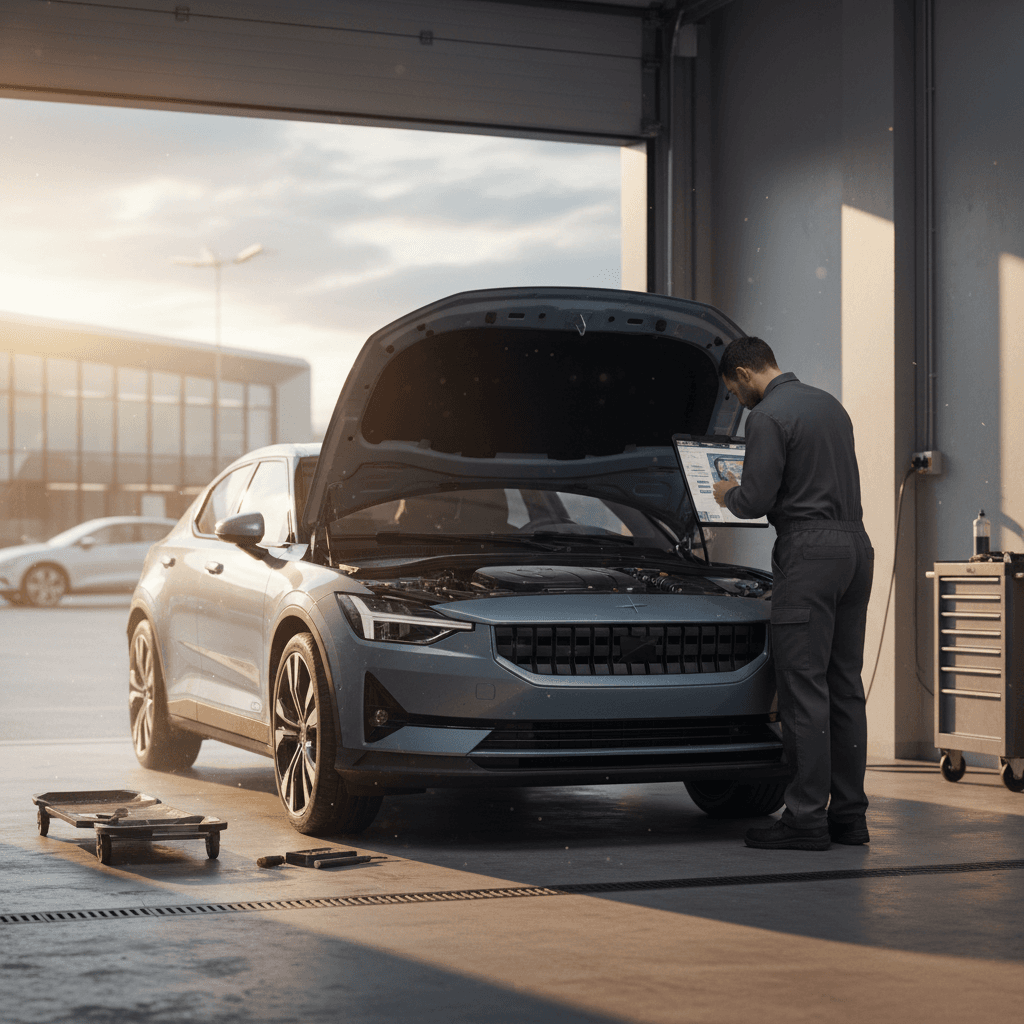
Don’t settle for a generic “battery is OK” message on the dash. A proper diagnostic tool can read <strong>state of health (SoH)</strong>, recent DC fast‑charging history, and any battery‑related fault codes. At Recharged, this is exactly what our <strong>Recharged Score</strong> does for every EV we list.
2. Confirm recall and software update history
Ask for documentation that all recalls (especially any battery or charging‑related campaigns) and major software updates have been completed. A Mini dealer can print a service history by VIN.
3. Inspect the charge port and flap
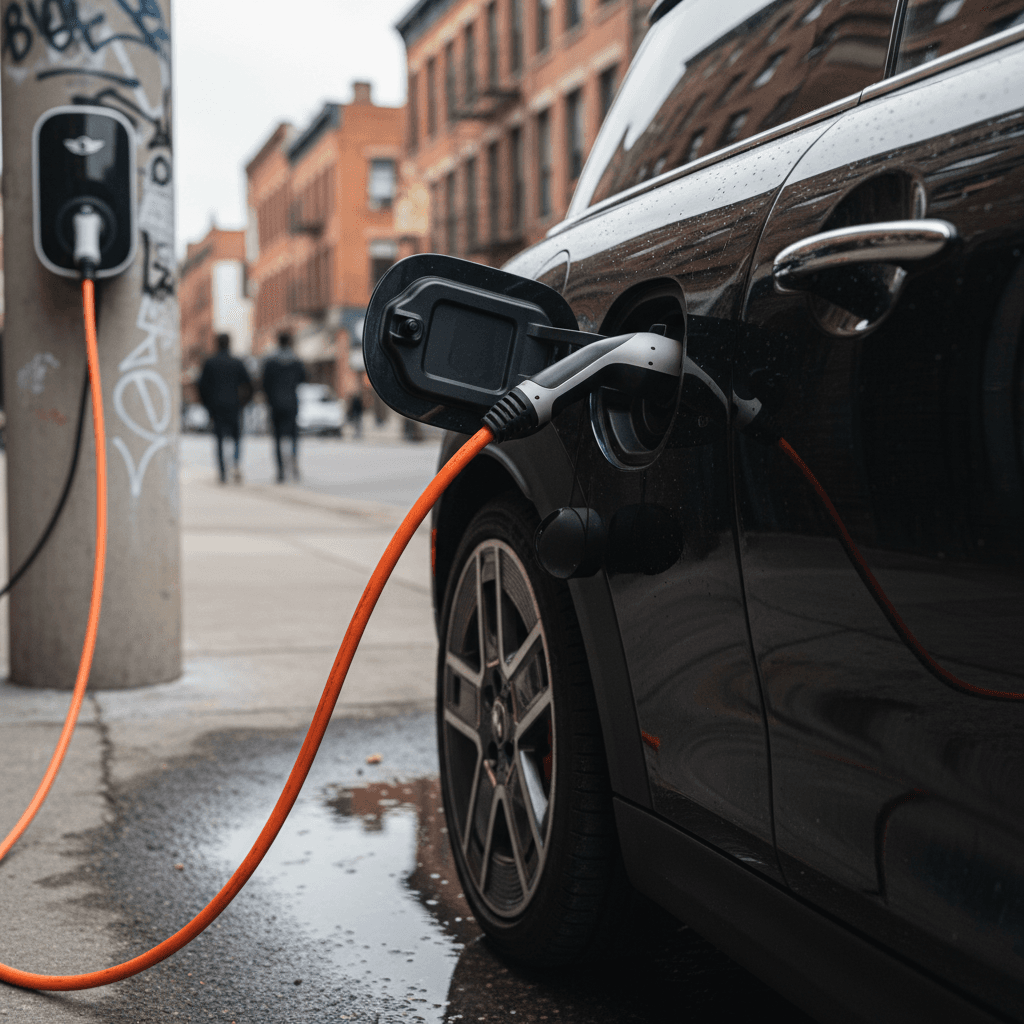
Given past flap‑sensor quirks on older Minis, open and close the charge door repeatedly, charge on both AC and DC if you can, and look for any warning lights or intermittent failures.
4. Test every electronic system
From the central display and app connectivity to driver‑assist systems, spend time using all the tech. An EV with a strong powertrain but glitchy electronics can still be an ownership headache.
5. Check suspension, wheels, and tires
Many Minis leave the factory on big wheels with low‑profile tires. Look for bent rims, bubble sidewalls, and suspension knocks over bumps, all of which can be expensive to address on a premium small car.
6. Verify remaining warranty coverage
Confirm in writing how much <strong>basic</strong> and <strong>high‑voltage battery</strong> warranty remains by time and mileage. That changes the financial risk profile dramatically.
How Recharged can de‑risk a used Mini EV
How Recharged evaluates Mini Cooper Electric reliability
Reliability isn’t just about whether a car "breaks"; it’s about how predictable your total ownership experience is. At Recharged, we look at Mini Cooper Electric reliability through three lenses: hard data, observable condition, and how easy the car will be to live with over time.
Recharged’s three‑part reliability lens
How we’d score a 2025 Mini Cooper Electric
1. Data & history
We examine VIN‑specific history for open recalls, warranty repairs, and patterns of repeat problems, plus any TSBs that signal emerging issues on the 2025 platform.
2. Physical & diagnostic inspection
Our inspections cover battery health, charging behavior, and high‑voltage safety checks, along with suspension, brakes, tires, and interior electronics.
3. Cost & support outlook
We factor in parts availability, out‑of‑warranty repair costs, and brand‑specific quirks, then translate that into an easy‑to‑understand reliability and value score.
Ready to find your next EV?
Browse VehiclesFinancing and protection for peace of mind
FAQ: 2025 Mini Cooper Electric reliability
Frequently asked questions about 2025 Mini Cooper Electric reliability
Bottom line: Is the 2025 Mini Cooper Electric a safe bet?
If what you want is the most statistically boring, bulletproof EV possible, the 2025 Mini Cooper Electric probably isn’t your first stop. But if you’re drawn to its design and “go‑kart” driving feel, there’s nothing in the current data that suggests it’s a ticking time bomb either. The EV hardware is conservative and proven; the risks live mostly in first‑year electronics and the usual European‑premium repair costs.
The smartest play is to pair that understanding with good information: verify battery health, confirm recall and software status, and be honest about how long you plan to keep the car. That’s exactly the gap Recharged exists to close. Whether you end up in a 2025 Mini Cooper Electric or a rival compact EV, leaning on independent battery diagnostics, transparent pricing, and EV‑savvy support turns reliability from a guessing game into a manageable, quantified part of your decision.