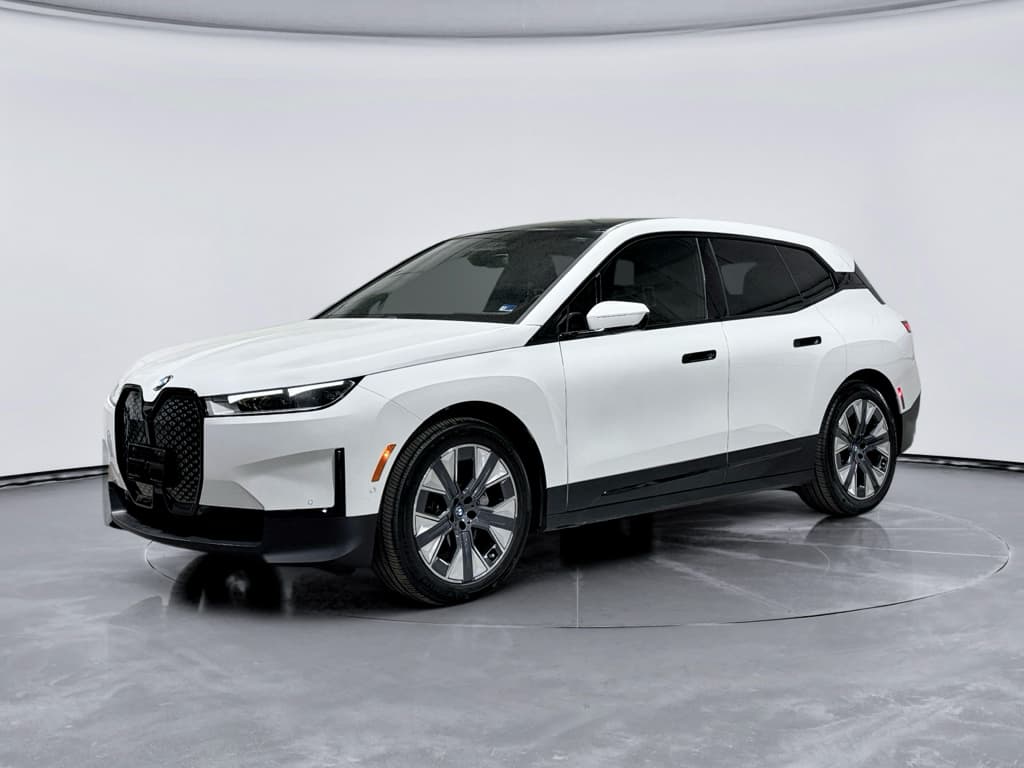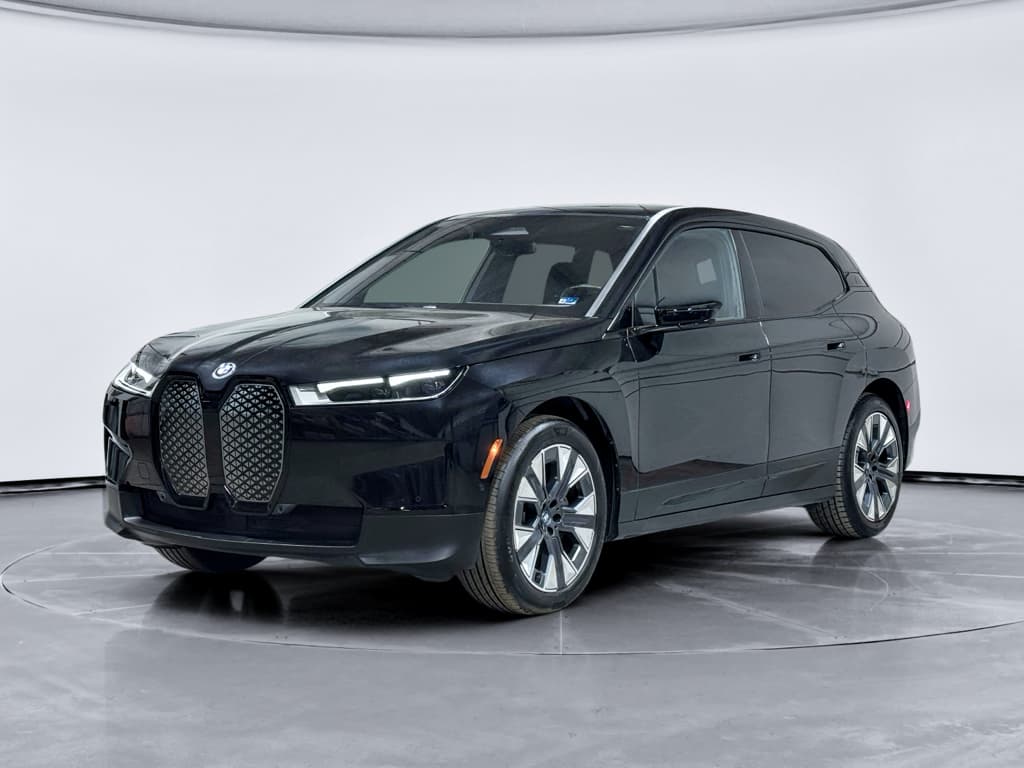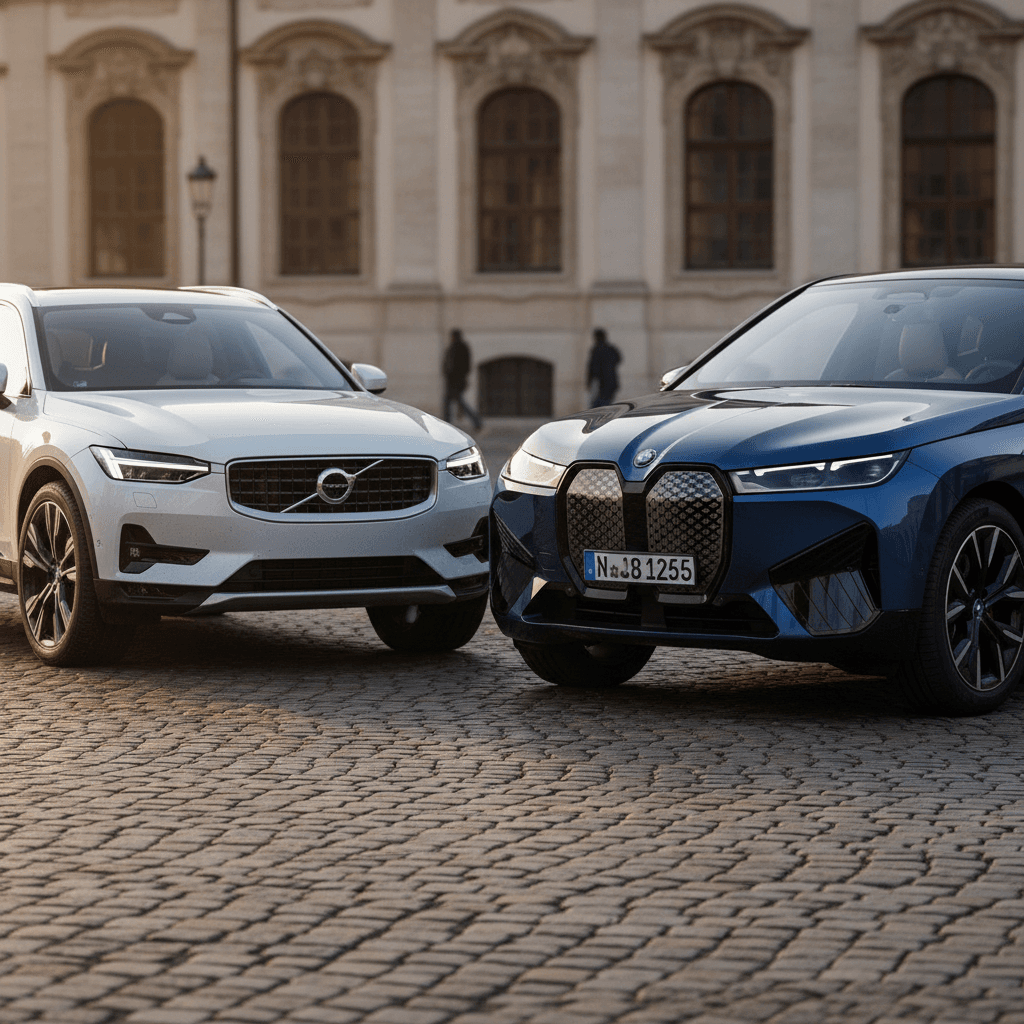
If you’re cross‑shopping the Volvo EX90 vs BMW iX and wondering which is better, you’re in rare air. Both are top‑tier luxury electric SUVs, but they’re aimed at slightly different buyers. One is a safety‑obsessed, three‑row family hauler; the other is a tech‑forward grand tourer that happens to be an SUV. The right answer depends less on the spec sheet and more on how you’ll actually use the vehicle.
Two excellent, but very different, EV SUVs
Volvo EX90 vs BMW iX: how to decide
Before we dive into numbers, anchor your decision around three questions: How many seats do you truly need, what kind of driving you do most, and how sensitive you are to early‑software teething issues. The BMW iX is a mature platform that’s been on the road since 2021; the EX90 is newer, with cutting‑edge safety hardware and rapidly evolving software.
- You want three rows and real kid‑friendly space → Start with the Volvo EX90.
- You want the quietest, smoothest two‑row luxury EV → Start with the BMW iX.
- You’re nervous about first‑model‑year software bugs → Give extra points to the iX.
- You prioritize future‑facing safety tech and over‑the‑air growth → Weigh the EX90 heavily.
Headline numbers: price, power, range
Key specs: Volvo EX90 vs BMW iX
Volvo EX90 vs BMW iX: quick spec comparison (US market)
Representative trims; exact figures vary by configuration, wheel size, and test cycle.
| Volvo EX90 (Twin Motor) | Volvo EX90 (Twin Performance) | BMW iX xDrive50 | BMW iX M60 | ||
|---|---|---|---|---|---|
| Drivetrain | Dual‑motor AWD | Dual‑motor AWD | Dual‑motor AWD | Dual‑motor AWD | |
| Horsepower (approx.) | 402 hp | 496 hp | +500 hp | +610 hp | |
| EPA range (approx.) | up to ~300 mi | slightly lower | up to ~307–324 mi | lower (performance‑oriented) | |
| 0–60 mph (mfr / tests) | ~5.7 sec | ~4.7–4.9 sec | ~4.4–4.6 sec | ~3.6 sec | |
| Battery capacity | ~111 kWh gross | ~111 kWh gross | ~105 kWh gross | ~105 kWh gross | |
| Seats | 6 or 7 | 6 or 7 | 5 | 5 | |
| New MSRP window* | ~high‑$70Ks+ | ~$80Ks+ | high‑$80Ks+ | $100K+ |
Always check the window sticker for the specific vehicle you’re considering, especially on the used market.
About the numbers
Space, seating, and practicality
Volvo EX90: family‑first packaging
- Three rows with available 6‑ or 7‑seat layouts.
- Third row sized for kids or occasional adults on shorter trips.
- Boxy roofline and large glass area aid visibility and cargo flexibility.
- With the third row folded, cargo space is generous for strollers, sports gear, and road‑trip luggage.
BMW iX: two‑row lounge
- Two rows only, but with exceptional rear legroom and a flat floor.
- Wide, airy cabin with expansive glass and a minimalist, high‑design interior.
- Cargo area is competitive with other two‑row midsize SUVs but can’t match a three‑row for max volume.
- Rear doors and seat height make it easy for adults to get comfortable, less ideal if you regularly haul a car‑load of kids and gear.
Practical test: how many seats do you actually use?
Driving experience: comfort vs performance
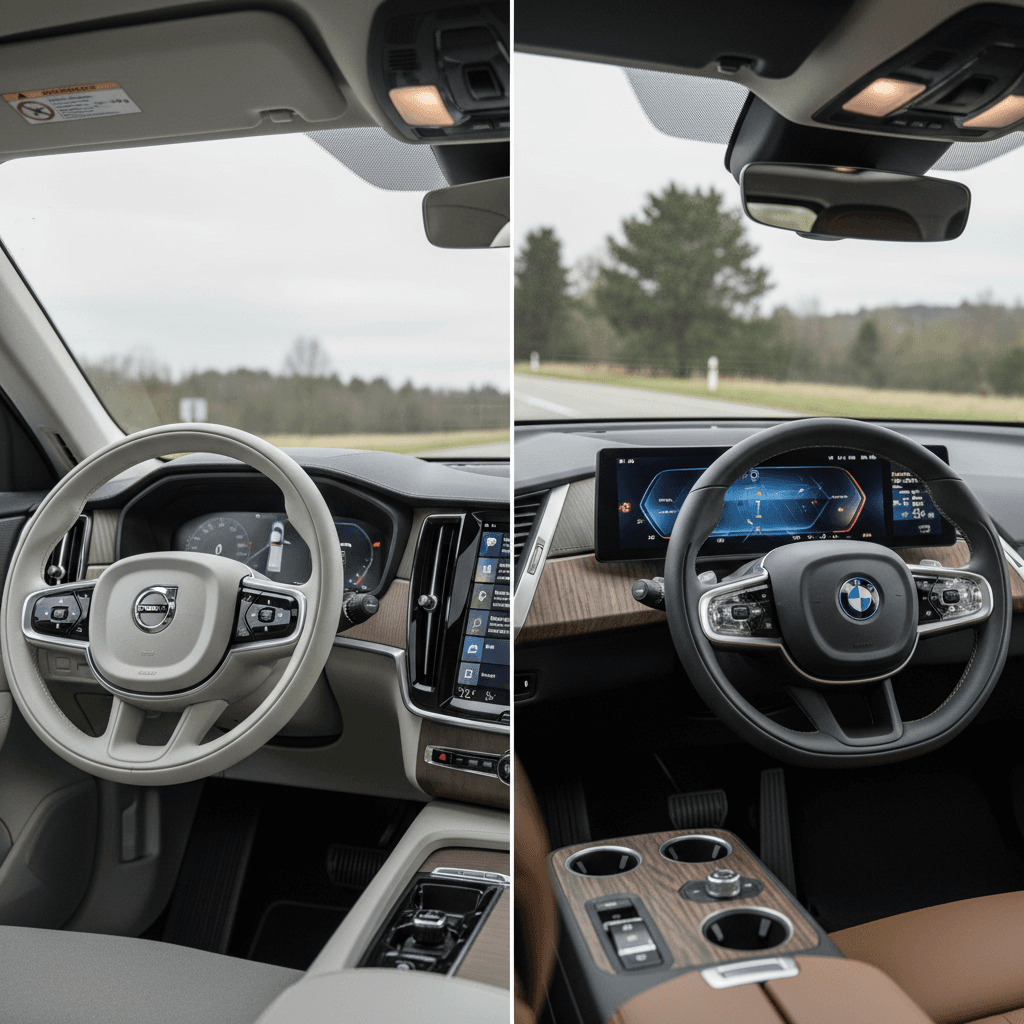
On the road, these SUVs feel different from the first quarter‑mile. The EX90 leans into Volvo’s traditional, calm Scandinavian demeanor; the BMW iX feels like a futuristic, electric 7 Series in SUV form.
How they feel behind the wheel
Both are quiet and quick, but tuned with different personalities.
Volvo EX90
- Ride and refinement: tuned for comfort and stability; weight and tall body are apparent but well‑controlled.
- Steering feel: light and easy, more about confidence than sportiness.
- Power delivery: ample thrust in Twin Motor; Twin Performance adds a stronger mid‑range without becoming a “hot rod.”
- Noise levels: very quiet, with Volvo’s typical emphasis on isolation.
BMW iX
- Ride and refinement: one of the quietest EVs on sale; air‑suspension models glide over broken pavement.
- Steering feel: more precise and responsive, especially in Sport mode.
- Power delivery: xDrive50 feels effortlessly strong; M60 is genuinely fast, bordering on overkill for daily use.
- Handling: lower, more planted stance; feels more like a big wagon than a tall SUV when hustled.
Enthusiast verdict
Range and charging: real‑world usability
On paper, both the EX90 and BMW iX deliver roughly 300 miles of range and fast DC charging. In practice, how you drive and what wheels your SUV wears matter more than the model badge.
Range and charging: what to pay attention to
1. EPA range vs real‑world use
Both SUVs post ~300 miles of rated range in many trims. Expect less in winter, at higher speeds, or with big 21–22‑inch wheels. The BMW iX has slightly higher peak EPA ratings in some configurations, but not enough to change your daily routine.
2. Battery size and efficiency
The Volvo EX90’s ~111 kWh pack and the iX’s ~105 kWh pack land you in the same energy ballpark. Efficiency differences are minor; your driving style and climate will move the needle more than model choice.
3. DC fast‑charging speeds
Both support high‑power DC fast charging (roughly 10–80% in around 30 minutes under ideal conditions). Future EX90 updates are moving toward higher‑voltage architectures, which should shorten stops on compatible chargers.
4. Home charging reality
At home, both behave like any large‑battery EV. A 48‑amp Level 2 setup (about 11 kW) will comfortably recharge either overnight. If you’re shopping used, ask how and where the prior owner charged, frequent DC fast charging is harder on any pack.
Planning road trips
Technology and safety: where each SUV shines
Here’s where the philosophical split really shows. Volvo builds its reputation on safety and calm; BMW leans into immersive tech and driver engagement. Both pack serious hardware, just pointed at different goals.
Volvo EX90: safety and sensing powerhouse
- Sensor suite: multiple radars, cameras, and roof‑mounted lidar (standard or optional depending on model year), feeding Volvo’s Safe Space Technology.
- Driver assistance: robust lane‑keeping, adaptive cruise, and highway assist features with an eye toward gradually expanding hands‑off capability via software updates.
- Interior tech: large portrait‑oriented central screen plus driver display, Google‑based infotainment, strong voice control, and a clean, uncluttered UI.
- Safety ethos: Volvo tunes alerts and interventions conservatively. Some drivers love the extra guardrails; others may find it a bit overprotective.
BMW iX: rolling tech lounge
- Infotainment: curved dual displays with BMW iDrive, excellent navigation, and a very rich feature set once you learn the menus.
- Assistance systems: adaptive cruise and lane‑keeping that work smoothly, with available hands‑free functionality on mapped highways depending on option package and model year.
- Cabin experience: available crystal‑style controls, light‑up trim, and high‑end audio make the iX feel like a concept car that made it to production.
- Learning curve: iDrive is powerful but deep; expect a week or two before it feels second nature.
About lidar and future features on EX90
Ownership costs and resale value
Upfront, the Volvo EX90 tends to undercut a comparably equipped BMW iX when new, especially once you factor in lease structures and federal incentives (which, as of 2026, are often passed through on leases even if the vehicle doesn’t qualify for a purchase credit). On the used market, the story shifts a bit.
Cost and value snapshot
How these SUVs stack up once you look past MSRP.
Purchase & lease pricing
Historically, the iX has carried a slightly higher MSRP than a similarly equipped EX90. However, BMW often supports leases aggressively, which can narrow or reverse the monthly‑payment gap versus Volvo in some markets.
Depreciation
Early used iX examples have taken the usual EV hit, but that can benefit you as a buyer, nice mileage, big savings vs. new. The EX90 is newer, so its long‑term depreciation curve is still forming, especially as later model‑year software and hardware updates roll out.
Maintenance & insurance
Both are high‑content luxury EVs: expect premium‑brand maintenance, tire, and insurance costs. Neither requires traditional engine service, but big 21–22‑inch tires, glass, and advanced sensors are not cheap to replace.
Where Recharged comes in
Which is better for you? Quick recommendations
After spending time with both, I wouldn’t call either a “bad” choice. But for most shoppers, one of these profiles will feel like it was written for you.
Volvo EX90 vs BMW iX: pick your profile
Choose the Volvo EX90 if…
You need three rows, routinely carry kids or extended family, and put a premium on safety hardware and a calming cabin. You’re comfortable owning a newer‑to‑market EV with rapidly evolving software, and you value the idea of lidar‑enabled sensing and future features, even if some capabilities are still rolling out.
Choose the BMW iX if…
You mostly carry four or fewer people, and you care deeply about ride quality, quietness, and driving feel. You like the idea of a platform that’s had several years of real‑world shakedown, with more mature software and a more established resale track record.
You’re a performance‑minded driver
The iX xDrive50 already feels strong; the M60 is genuinely fast in a straight line. The EX90 Twin Performance is quick for its size, but it’s tuned more for brisk highway merging than canyon‑carving.
You’re a road‑trip family
The EX90’s extra seats, boxier cargo space, and Volvo’s safety focus make it the better bet if you’re packing kids, pets, and gear. Just make sure your favorite routes have good CCS fast‑charging coverage and, ideally, a few backup stations.
You plan to buy used
Right now, the iX has a deeper used market at more accessible prices, simply because it’s been on sale longer. As EX90s age into the secondary market, expect more choices, but also more variation in software level and hardware spec, which makes independent battery and feature verification (like Recharged’s) especially valuable.
New vs used: how Recharged can help you shop smarter
Most shoppers cross‑shopping the EX90 and iX will now at least glance at the used market. That’s where things can either go very right, or very wrong, depending on how much information you have about the specific vehicle in front of you.
What matters most on a used luxury EV
- Battery health: A large SUV pack is expensive; even modest degradation can change range and value significantly.
- Charging history: Heavy DC fast‑charging use, especially in hot climates, is harder on packs.
- Software level: Both EX90 and iX evolve through over‑the‑air updates. Two cars from the same model year can feel very different if one’s been neglected.
- Accident and repair quality: Sensors, glass, and structural repairs are more complex on EVs packed with advanced driver‑assistance hardware.
How Recharged de‑risks the process
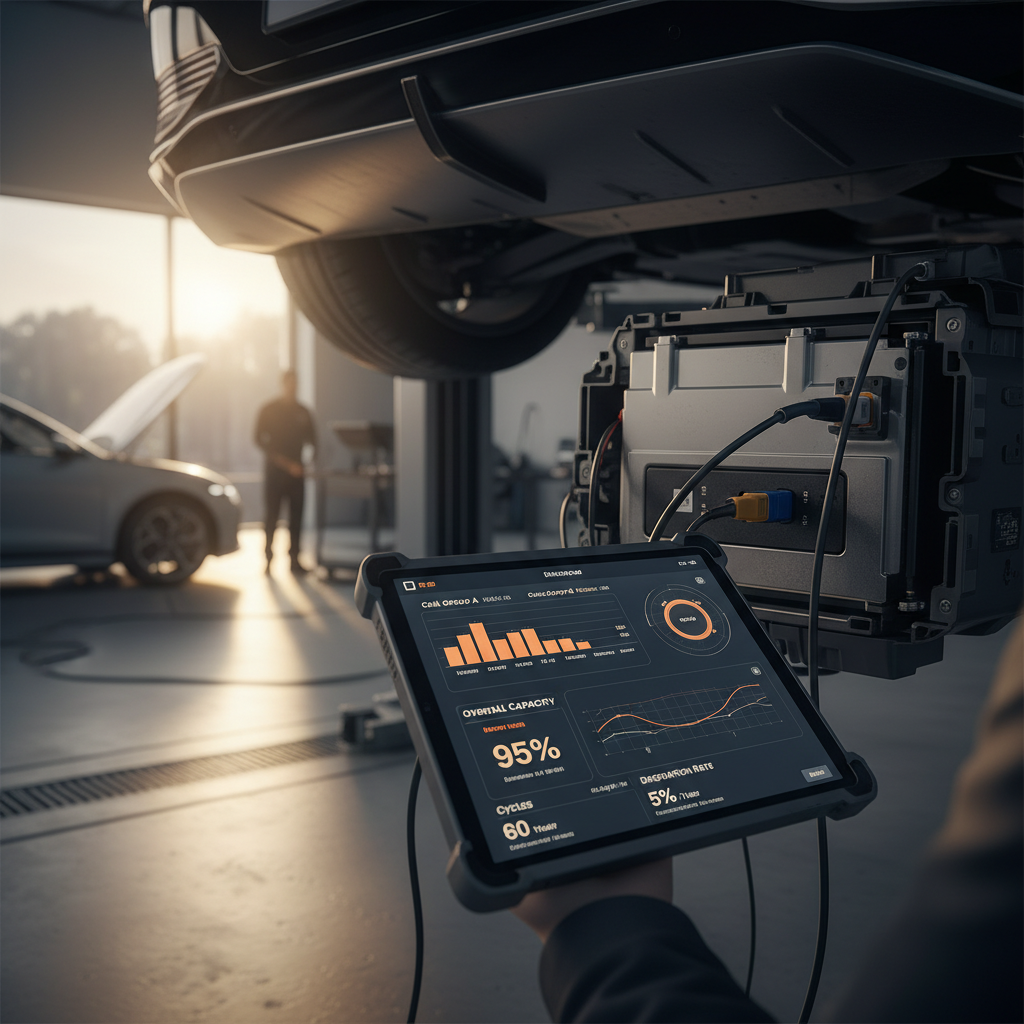
- Every EV on Recharged comes with a Recharged Score Report that summarizes battery health, charging behavior, and fair‑market value.
- EV‑specialist advisors can talk you through whether a particular BMW iX or future EX90 listing fits your range, budget, and family needs.
- Financing, trade‑in, and nationwide delivery are built into a fully digital buying experience, or you can visit the Recharged Experience Center in Richmond, VA.
Frequently asked questions: Volvo EX90 vs BMW iX
Volvo EX90 vs BMW iX FAQ
Bottom line: EX90 vs iX
Choosing between the Volvo EX90 and BMW iX isn’t about finding the “best” electric SUV on paper, it’s about matching a very capable EV to the life you actually lead. If you’re hauling kids, friends, and gear and you appreciate Volvo’s safety‑first philosophy, the EX90 is the stronger fit. If you want a near‑silent, two‑row luxury machine with mature software and superb road manners, the iX will likely make you smile every time you drive it.
Whichever way you lean, don’t let the badge be the only deciding factor. Drive both, load them the way you’d use them, and when you’re ready to buy, especially on the used side, lean on tools like the Recharged Score Report to make sure the specific EV you’re looking at is as strong as the model’s reputation. In a market this good, the right information is what turns a great luxury EV into a great long‑term ownership experience.