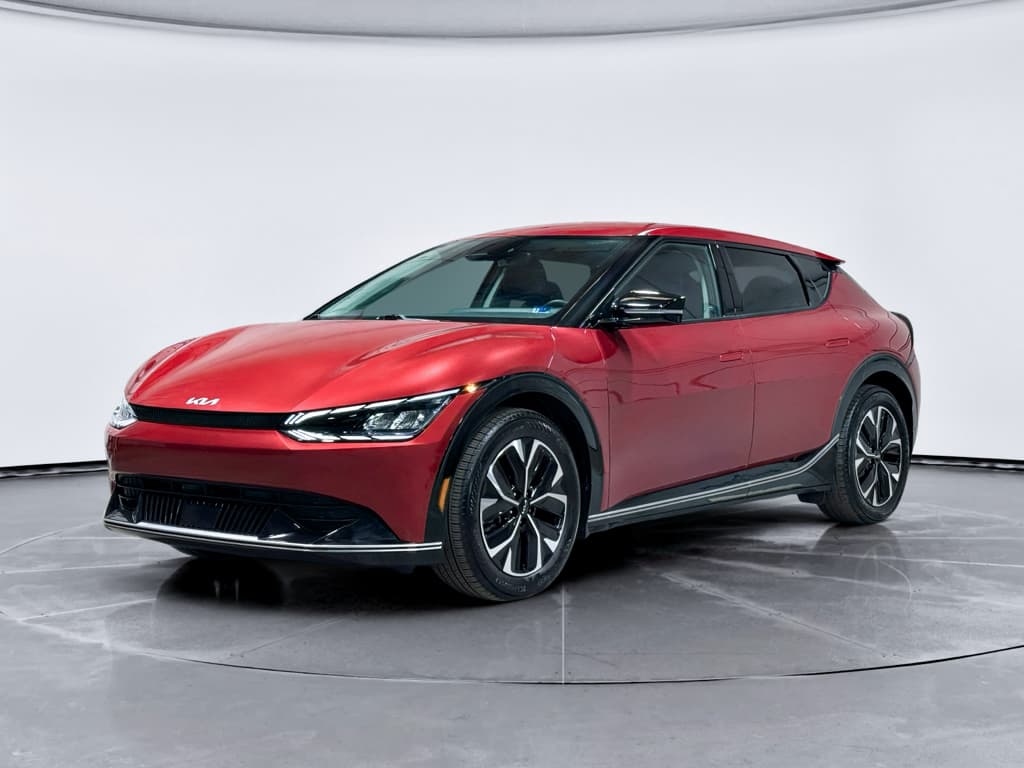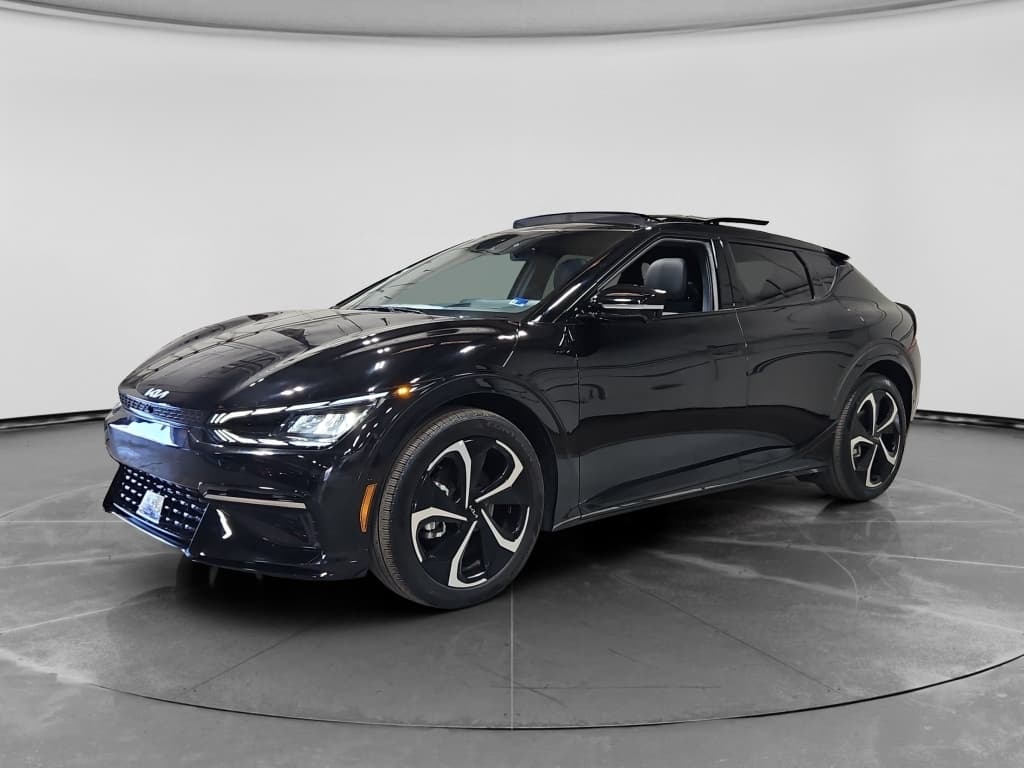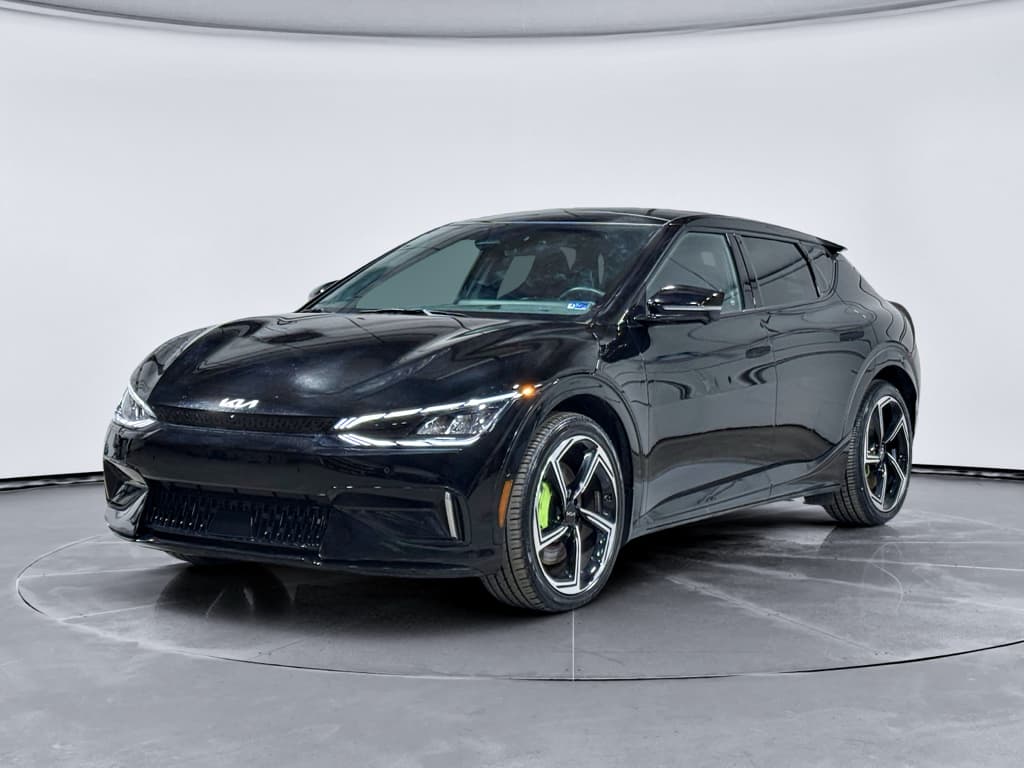
If you’re eyeing a Kia EV6 and wondering whether it can really handle a long road trip, you’re not alone. On paper, the EV6 promises up to 300+ miles of range, ultra-fast DC charging, and cushy crossover comfort. This Kia EV6 road trip review zooms in on what actually happens when you leave the city, hit the interstate at 70–75 mph, and start stringing together 300–600 mile days.
At-a-glance verdict
Why the Kia EV6 Makes Sense for Road Trips
Core Kia EV6 strengths on long drives
Three pillars that matter once you’re beyond your home charging bubble
Ultra-fast charging
The EV6’s 800-volt architecture lets it add a huge chunk of range in a short stop on a strong DC fast charger. In independent testing, a 2025 dual-motor model added about 160 miles in 15 minutes and over 230 miles in 30 minutes when plugged into a capable high-power station.
Solid real-world range
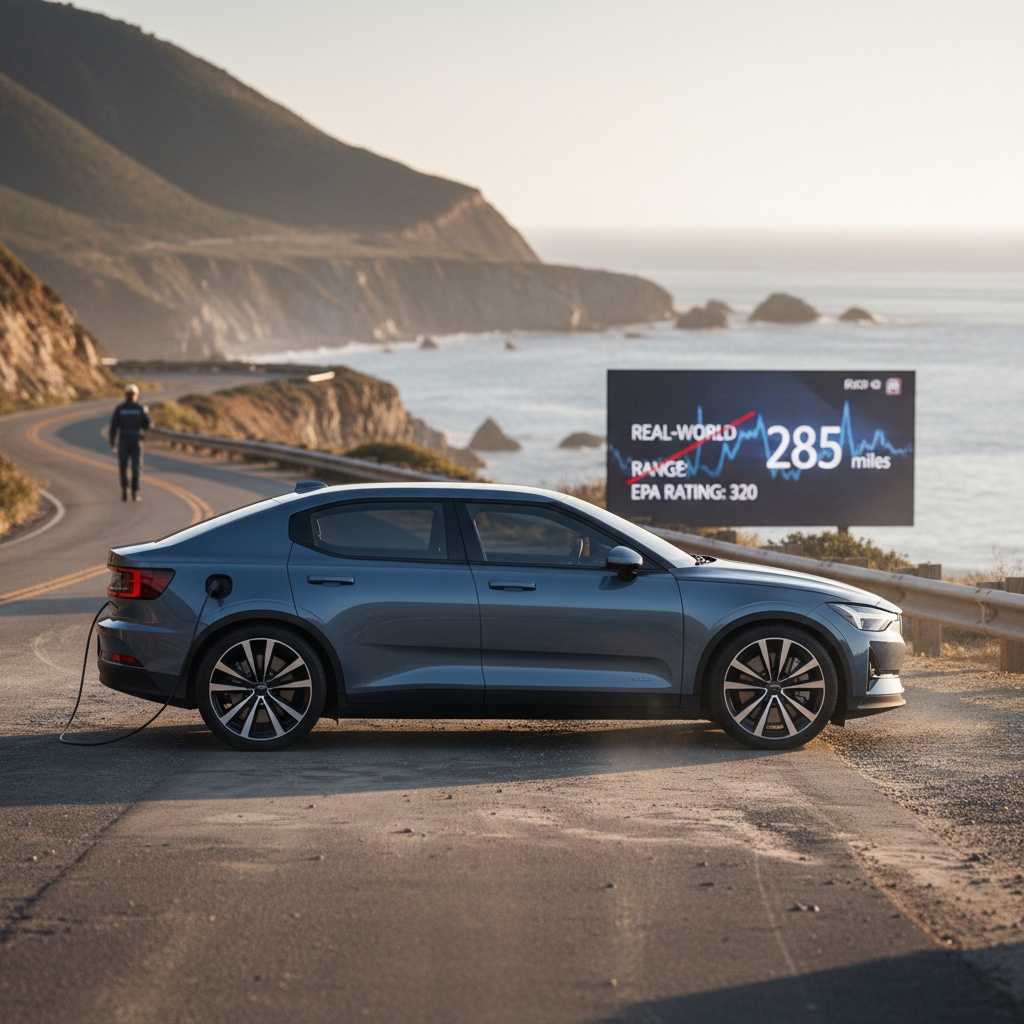
Depending on trim, wheels, and conditions, you’re realistically looking at 230–270 miles of highway range per full charge in mild weather. That puts the EV6 in the same league as popular rivals like the Tesla Model Y and Mustang Mach-E for road-tripping.
Comfortable long-haul cruiser
Supportive seats, a quiet cabin, and a planted, car-like ride make the EV6 feel more like a sporty wagon than a tall SUV. There’s good rear legroom and a practical hatchback cargo area for luggage.
The result is an EV that doesn’t feel like a science experiment when you leave your local charging comfort zone. Instead, the EV6 behaves a lot like a refined gas crossover, just with carefully planned 15–25 minute coffee and bathroom breaks instead of five-minute fuel stops.
Real-world highway test numbers (recent independent testing)
Real-World Range: What You Can Actually Expect
EPA numbers are a helpful starting point, but a road trip lives and dies on what you get at 70–75 mph with luggage on board. Here’s how the Kia EV6 tends to behave in the real world.
Typical Kia EV6 highway range expectations
Approximate real-world highway range at ~70 mph from a full charge in mild conditions, based on recent test data and owner reports. Your numbers will vary with speed, terrain, temperature, and wheels/tires.
| Trim / Battery | Drive / Wheels | EPA Range (approx.) | Realistic Highway Range (mild weather) |
|---|---|---|---|
| EV6 Light (long-range) RWD | RWD, 19" | ~310–320 mi | ~250–280 mi |
| EV6 Wind / GT-Line RWD | RWD, 19" | ~300+ mi | ~240–270 mi |
| EV6 Wind / GT-Line AWD | AWD, 19–20" | ~270–280 mi | ~230–260 mi |
| EV6 GT Performance AWD | AWD, 21" | ~218 mi | ~190–220 mi |
Use these as planning assumptions, not guarantees. Always leave yourself a buffer between chargers.
EPA range vs. reality
- At 65 mph in mild weather with a light foot, you can get surprisingly close to EPA numbers, especially in rear-drive trims with 19-inch wheels.
- At 70–75 mph, most owners report 3.0–3.4 mi/kWh in summer, putting a long-range EV6 comfortably in the mid-200-mile zone per full charge.
- In cold weather, winter tires, heater use, and heavy rain or snow can drag efficiency down into the high 2s or even mid-2s mi/kWh, shrinking your highway range to closer to 180–220 miles between stops.
On a typical warm-weather interstate day, you’ll likely be driving 2.5–3 hours between DC fast charges. That’s a natural rhythm, roughly 200–230 miles between stops in most trims, without ever touching 0%.
Highway Charging Performance and Planning Stops
Range is only half of a road-trip story. The other half is how quickly you’re back on the road once you plug in. This is where the EV6 earns its keep.
DC fast-charging sweet spot
What to expect at a DC fast charger
1. 10–80% in around 18–25 minutes
On a healthy battery and a strong 350 kW-capable station, many drivers see roughly 18–25 minutes from 10–80% in good weather. That’s a bathroom break, a walk, and a snack.
2. 20–80% is the daily workhorse
Heading out with 80–90% from home, then charging from ~20 to 80% at each stop is usually the fastest way to cover distance. Above 80%, the EV6 slows charging dramatically to protect the battery.
3. 150 kW vs. 350 kW chargers
The EV6 can take advantage of high-power 350 kW units, but it still charges quickly on 150 kW posts. In practice, you might only add a few extra minutes on a 150 kW station for a normal 20–80% session.
4. Preconditioning matters
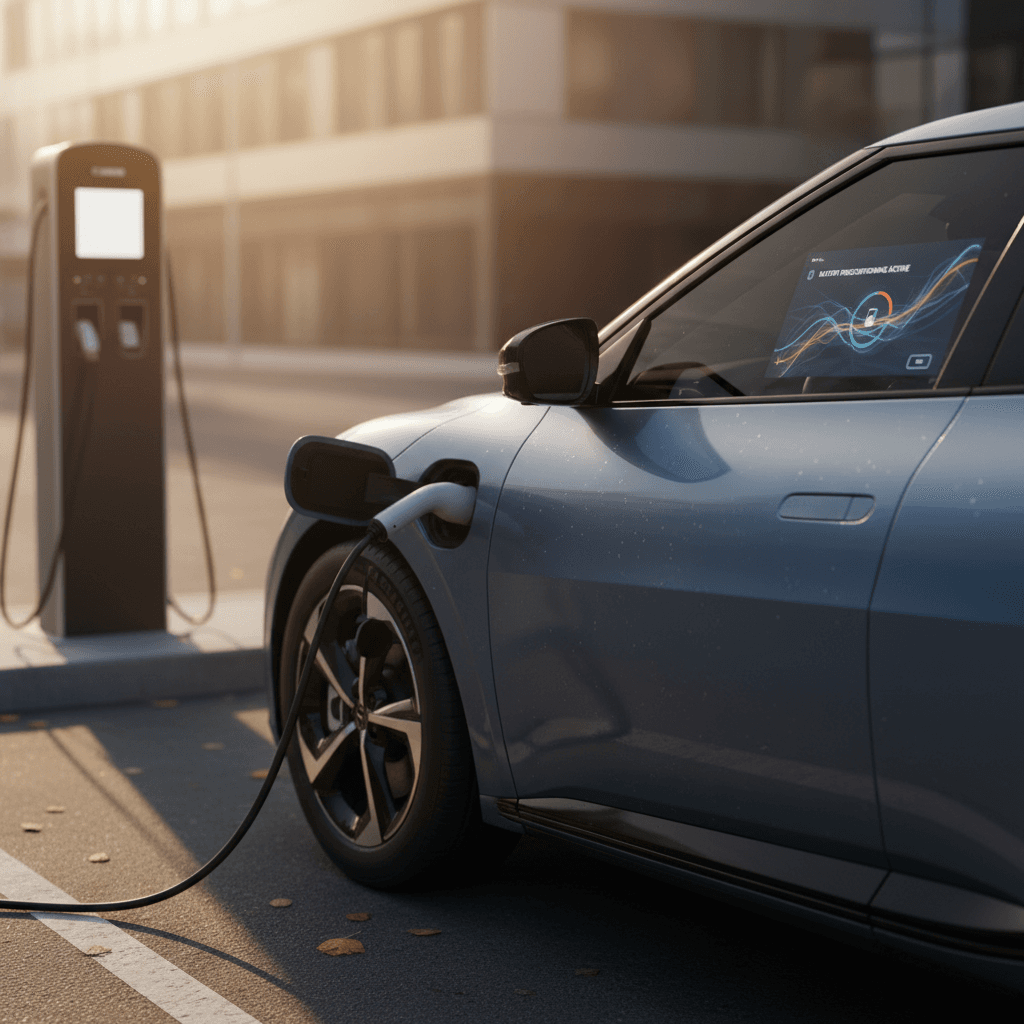
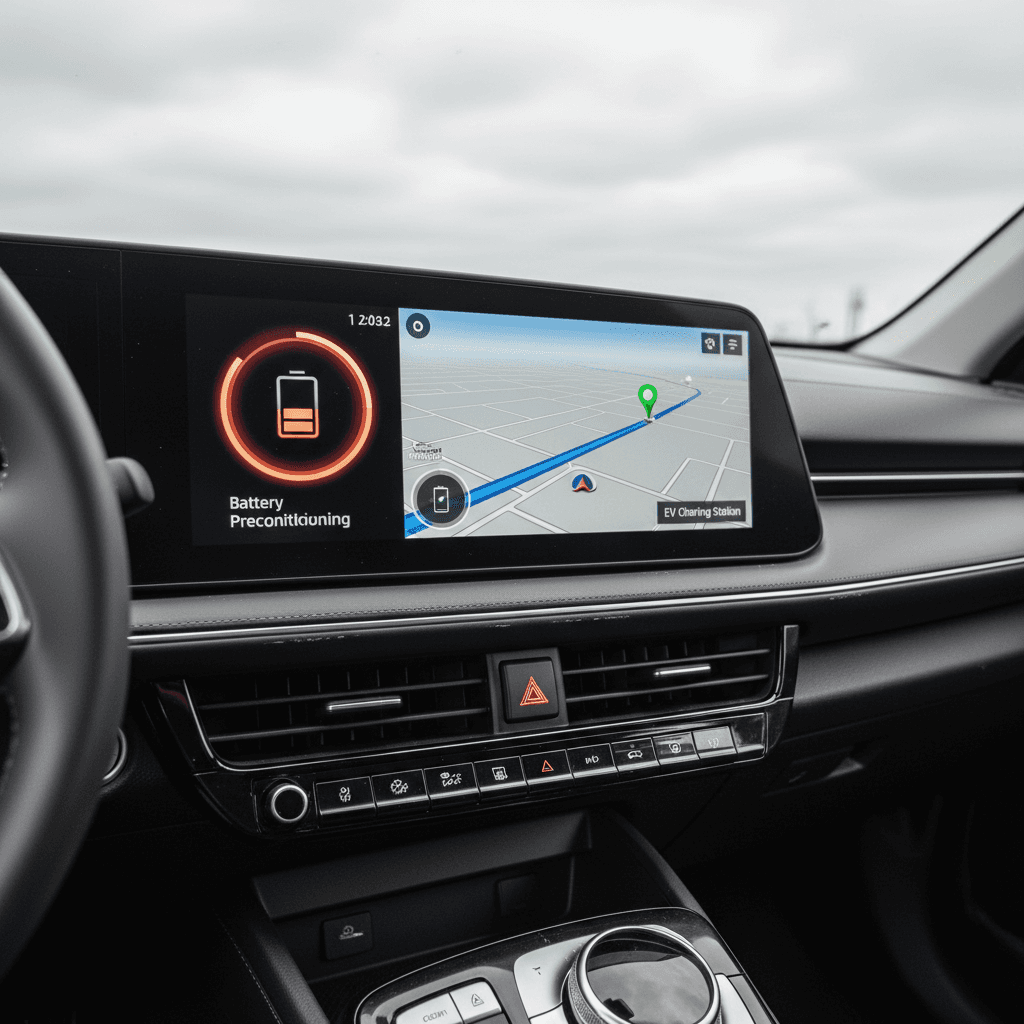
Using the built-in navigation to route to a DC fast charger warms the battery ahead of arrival, improving charging speed, especially in very hot or cold temperatures.
5. Plan some redundancy
Use tools like Kia’s built-in planner, PlugShare, and A Better Routeplanner. On a long trip, it’s wise to know where the <em>next</em> station is if your first choice is busy or down.
If you’re coming from gas, the mindset shift is this: your fastest cross-country day is not about a single huge charge; it’s about several quick, well-timed top-ups whenever you and the car both need a break.
Kia EV6 on a Long Drive: Comfort, Noise and Storage
A road-trip EV lives or dies on how fresh you feel at the end of the day. Here the Kia EV6 behaves like a grown-up grand tourer disguised as a crossover.
Seat comfort & driving position
- Front seats are well-shaped for 4–8 hour days, especially in Wind and GT-Line trims with power adjustment and available memory.
- You sit a bit lower than in a traditional SUV, which helps highway stability and reduces wind buffeting.
- Available ventilated seats and a heated steering wheel are a gift on hot or cold road trips.
Noise, ride & storage
- The EV6 is impressively quiet at 70 mph; wind noise is well-contained, and the suspension feels planted rather than floaty.
- Cargo space is generous for a couple or small family: a deep rear hatch area plus underfloor storage will comfortably swallow suitcases and soft bags.
- The small front trunk (frunk) is better for charging cables than large luggage, but it helps keep the cabin tidy.
Pack for EV life
Kia EV6 Winter Road Trip Performance
Winter is where EV road trips get real. The EV6 can absolutely handle cold-weather travel, but you need to understand the trade-offs and plan around them.
What changes on a cold-weather EV6 road trip?
Realistic expectations when temps drop below freezing
Range reduction
Owner reports and cold-weather testing show range can drop to 75–80% of summer range around freezing, and lower in deep cold (near or below 0°F), especially with winter tires and highway speeds.
Higher energy use
Heating the cabin and battery, denser air, and snow or slush can push consumption up into the mid-20s kWh/100 km (around low 2s mi/kWh) at interstate speeds.
More frequent stops
Instead of 230–260 miles between charges, you may be looking at 170–210 miles on very cold days. Plan your chargers accordingly and avoid stretching to the last percent.
Respect the winter buffer
- Precondition the cabin and battery while plugged in before you depart so early miles don’t burn unnecessary energy.
- Use the heated steering wheel and seat heaters instead of cranking the cabin heat, which draws more power.
- Drop your cruising speed a few mph in bad weather; it can make the difference between reaching your planned charger comfortably or sweating the last 20 miles.
Done right, a winter EV6 road trip is more about structured planning than white-knuckle driving. In exchange, you get all-wheel-drive traction (on AWD trims), a low center of gravity, and instant torque, pretty comforting on snowy two-lanes.
Using Tesla Superchargers with the Kia EV6
One of the biggest recent upgrades to the Kia EV6 road-trip experience is official access to the Tesla Supercharger network in North America. That means thousands more fast chargers along major interstates and in rural pockets that used to be awkward for non-Tesla EVs.
How access works today
- Current EV6 owners with CCS ports can use many Tesla Superchargers via a CCS-to-NACS adapter obtained through Kia channels.
- Newer model years are beginning to ship with NACS ports from the factory, eliminating the need for an adapter.
- Once set up, you can typically find and activate Superchargers through your Kia app or the in-car navigation, depending on your region and software version.
What this means on a road trip
- You now have access not just to third-party networks (EA, EVgo, ChargePoint, etc.) but also to tens of thousands of Tesla stalls, many located in ideal highway rest stops.
- Backup routing gets easier: if one network is busy or offline, you have another strong option down the road.
- In much of the U.S., this brings the EV6 very close to Tesla-level ease of long-distance planning.
Check adapter compatibility before you go
Road Trip Tech, Driver Assistance and Usability
The EV6’s tech story isn’t just about screens, it’s about how relaxed you feel after a 400–600 mile day.
Helpful EV6 tech features for long drives
Less micromanaging, more cruising
Built-in route planning
The native navigation can route you via fast chargers and, on newer software, precondition the battery en route to DC stations. Many road-trippers pair it with apps like PlugShare or ABRP for extra confidence.
Highway Driving Assist
Adaptive cruise with lane-centering takes the edge off long interstate stretches. It won’t drive for you, but once you learn its quirks, it’s a big fatigue reducer.
Good infotainment ergonomics
Dual 12.3-inch displays and a physical volume knob make it easier to adjust climate and media on the move. Wireless CarPlay/Android Auto availability varies by trim and year, so double-check on a used EV6.
The bottom line: the tech in the EV6 doesn’t overwhelm you with gimmicks. It quietly supports the job at hand, getting you where you’re going with a minimum of drama.
Which Kia EV6 Trim Is Best for Road Trips?
Any long-range Kia EV6 can road-trip, but some versions are better long-distance companions than others. It comes down to the balance between range, performance, ride comfort, and wheels/tires.
Kia EV6 trims through a road-trip lens
General guidance for shoppers comparing used EV6 trims with long-distance driving in mind.
| Trim | Pros for Road Trips | Potential Drawbacks |
|---|---|---|
| Light / Wind RWD (long-range battery) | Best efficiency; longest realistic highway range; simpler driveline; usually 19" wheels for comfort and low noise. | Less all-weather traction than AWD; rear-drive only may be a concern in snowy regions. |
| Wind / GT-Line AWD | Stronger traction and acceleration; still competitive range; well-equipped cabins with comfort tech. | Slightly lower efficiency than RWD; 20" wheels on some trims can be noisier and more fragile on bad pavement. |
| GT Performance AWD | Huge power for passing and on-ramps; still charges quickly; fun factor is sky-high. | Noticeably lower range; firmer ride with 21" wheels; overkill if you mainly care about quiet cruising. |
Exact specs and features vary by model year; always confirm equipment on the specific car you’re considering.
Sweet spot for most road-trippers
Practical Road Trip Tips for Kia EV6 Drivers
Dialing in an easy Kia EV6 road trip
1. Start with 90–100% from home or your hotel
Charge overnight on Level 2 so your first leg is your longest. It’s the cheapest, least stressful energy you’ll use on the trip.
2. Aim to arrive with 10–20% at fast chargers
This keeps you near the peak of the charging curve, shortens stops, and gives you enough buffer for detours or headwinds.
3. Use multiple planning tools
Combine your Kia nav with apps like PlugShare and A Better Routeplanner. Each sees slightly different data and user reports on station reliability.
4. Favor 350 kW-capable stations when you can
The EV6 can really stretch its legs on high-power hardware, especially with battery preconditioning enabled on your route.
5. Don’t chase 100% at every stop
Charging slows way down above ~80%. It’s usually faster overall to do another quick 20–80% stop 150–200 miles down the road.
6. Adjust speed to conditions
In heat waves, winter cold, or headwinds, dropping from 77 mph to 70–72 mph can save significant range while hardly changing your arrival time.
Watch your wheels and tires
Buying a Used Kia EV6 Specifically for Road Trips
If you’re cross-shopping used EVs and keep circling back to the EV6, you’re not alone. It’s one of the most balanced long-distance EVs on the market, especially once you factor in price on the used side.
What to prioritize on a used EV6
- Battery health: Long road-trip legs depend on usable capacity. A diagnostic like the Recharged Score’s battery report helps you understand how much range you’re really buying.
- Wheel and tire setup: 19-inch wheels usually mean a more relaxed ride and better efficiency than the sportiest 20–21 inch packages.
- Driver-assist and tech packages: For long days behind the wheel, features like Highway Driving Assist, adaptive cruise, and a heat pump in cold regions are worth seeking out.
How Recharged can help
- Every EV6 listed on Recharged includes a Recharged Score Report that verifies battery health, fair market pricing, and overall condition, critical for a road-trip-focused EV purchase.
- Expert EV specialists can walk you through how a specific EV6 you’re considering will perform on the kind of trips you actually take.
- Nationwide delivery and digital paperwork mean you can shop for the right road-trip spec, not just what’s sitting on a nearby lot.
Kia EV6 Road Trip FAQ
Frequently asked questions about Kia EV6 road trips
Final Thoughts: Is the Kia EV6 a Good Road Trip EV?
If you’re picturing long interstate days, kids in the back, luggage stacked to the window line, and a charging stop every few hours, the Kia EV6 absolutely belongs on your shortlist. It combines genuinely quick DC fast-charging, solid real-world highway range, comfortable road manners, and now access to the vast Tesla Supercharger network, all the ingredients you need to turn range anxiety into simple, predictable planning.
Like any EV, the EV6 demands a bit more thought in deep winter or in very sparse charging regions. But for most U.S. drivers, it’s already more than capable of tackling family vacations, multi-state work trips, and weekend getaways without drama. And if you’re considering a used Kia EV6 as your road-trip companion, shopping through Recharged gives you battery-health transparency, expert guidance, and nationwide access so you can pick the spec that fits your travel style, not just what happens to be parked nearby.