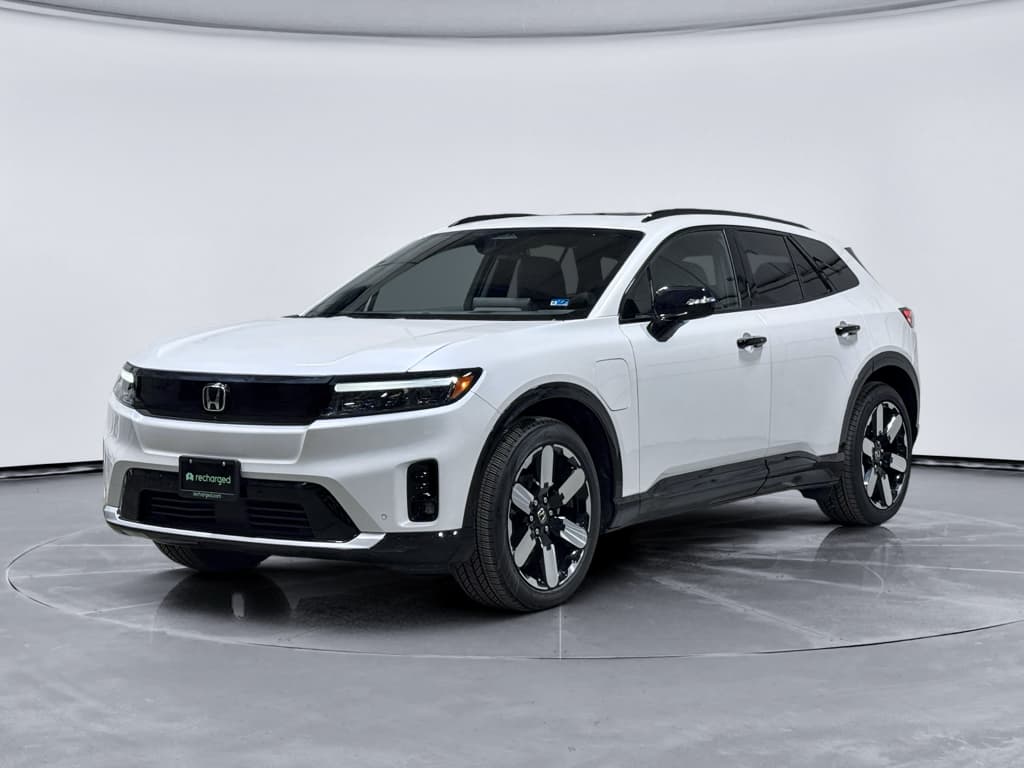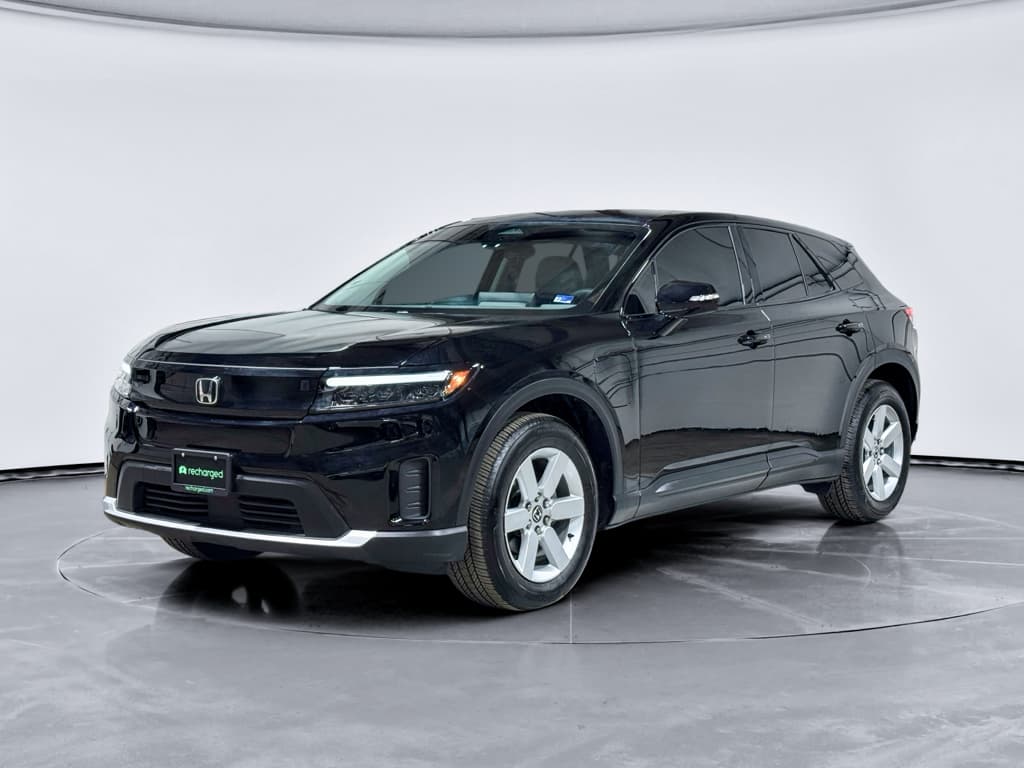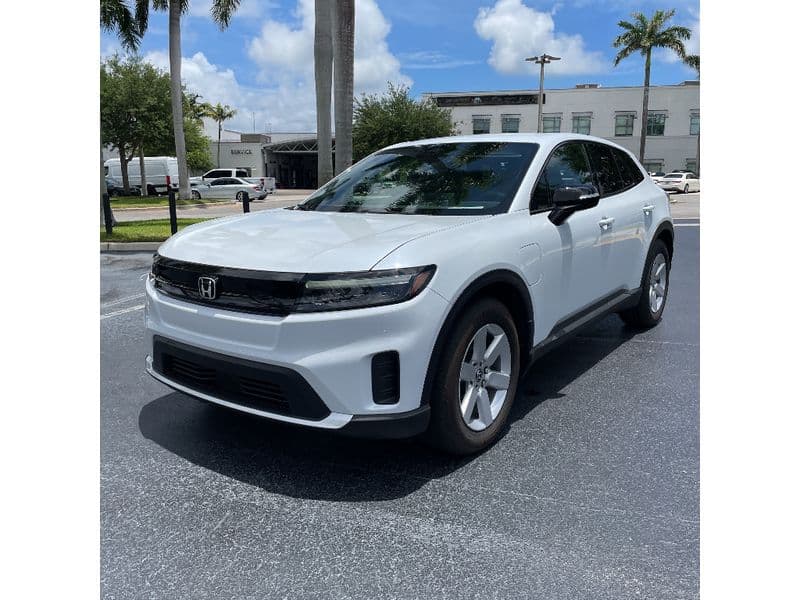
The 2025 Honda Prologue is Honda’s first mass‑market electric SUV for the U.S., sized right in the heart of the family EV segment and aimed squarely at shoppers considering a Tesla Model Y or Hyundai Ioniq 5. Built on GM’s Ultium platform, it promises familiar Honda practicality with modern EV range and charging performance. This 2025 Honda Prologue review walks through trims, range, charging, driving impressions, and how it stacks up against key rivals, plus what to know if you’re already thinking ahead to the used market.
At a glance
2025 Honda Prologue overview
Size and mission
The Prologue is a midsize, two‑row electric SUV that’s a bit larger than a CR‑V and closer to a Passport in footprint. It seats five, with cargo space competitive for the class and a driving experience tuned more for comfort than corner‑carving.
Honda’s goal here isn’t to shock you with wild performance numbers. Instead, the Prologue is aimed at shoppers who like Honda’s reliability and ergonomics but are ready to go fully electric.
Ultium under the skin
Underneath, the Prologue rides on GM’s Ultium battery and motor platform, the same basic hardware used in the Chevy Blazer EV and Cadillac Lyriq. That brings a roughly 85 kWh battery pack (about 83 kWh usable) and available dual‑motor all‑wheel drive.
The upside for you: proven components, competitive range, and DC fast‑charging up to about 150–155 kW, enough to keep up with most road‑trip needs even if it’s not segment‑leading.
2025 Honda Prologue key specs
Trims, pricing, and tax credit
For 2025, Honda keeps the Prologue lineup simple: EX, Touring, and Elite. EX and Touring can be had with single‑motor front‑wheel drive (2WD) or dual‑motor all‑wheel drive (AWD); Elite is AWD only.
2025 Honda Prologue trims and highlights
Approximate pricing and key differences for the main Prologue trims (before destination and incentives).
| Trim | Drivetrain | Est. starting MSRP | Horsepower | EPA range (mi) | Notable features |
|---|---|---|---|---|---|
| EX | 2WD or AWD | ~$47,000 2WD / $50,000 AWD | 220 hp (2WD) / 300 hp (AWD) | 308 (2WD) / 294 (AWD) | 19-inch wheels, cloth interior, Honda Sensing, Google built‑in, wireless Apple CarPlay/Android Auto |
| Touring | 2WD or AWD | ~$51,000 2WD / $54,000 AWD | 220 hp (2WD) / 300 hp (AWD) | 308 (2WD) / 294 (AWD) | Leather‑trimmed interior, upgraded audio, larger wheels, extra comfort features |
| Elite | AWD only | ~$58,000 | 300 hp | 283 (AWD) | Top trim with standard AWD, premium interior, 21‑inch wheels, more equipment and cosmetics |
Always confirm current pricing and incentives in your area; numbers here are ballpark guides, not official quotes.
Federal tax credit potential
Don’t shop trims on price alone
Real-world range and efficiency
On paper, the 2025 Honda Prologue’s range is competitive for a midsize EV SUV. Official EPA estimates vary by trim and drivetrain, but the headline number is 308 miles for EX and Touring with single‑motor 2WD. Dual‑motor AWD versions are slightly lower, and the Elite with big wheels shaves a bit more.
EPA‑rated range by trim (2025 Honda Prologue)
EPA combined range estimates as published for the 2025 Prologue lineup.
| Trim | Drivetrain | EPA range (mi) |
|---|---|---|
| EX | 2WD | 308 |
| EX | AWD | 294 |
| Touring | 2WD | 308 |
| Touring | AWD | 294 |
| Elite | AWD | 283 |
Actual range will vary with speed, temperature, terrain, and how you drive.
What you can realistically expect
- The Prologue’s efficiency works out to roughly 3.0–3.1 miles per kWh on the EPA cycle, depending on trim.
- Compared with the segment, that’s respectable: not as sippy as a Tesla Model Y, but more efficient than some heavier luxury EV SUVs.
- Highway driving at 70–75 mph will pull those numbers down; expect closer to the low‑ to mid‑200‑mile range if you’re rolling fast with a loaded car.
Range‑maximizing tip
Charging speeds and road‑trip ability
Range is only half the equation. The other half is how quickly the Prologue can add miles when you’re away from home. Here the 2025 Honda Prologue lands in the solid middle of the pack: not as blisteringly quick as the best 800‑volt systems, but more than adequate for most families.
Charging the 2025 Honda Prologue
What to expect at home and on the road
Level 1 (120V)
Included portable charging on a household outlet will add only a few miles per hour. It’s fine for occasional top‑ups but not ideal as your primary solution unless you drive very little.
Level 2 (240V)
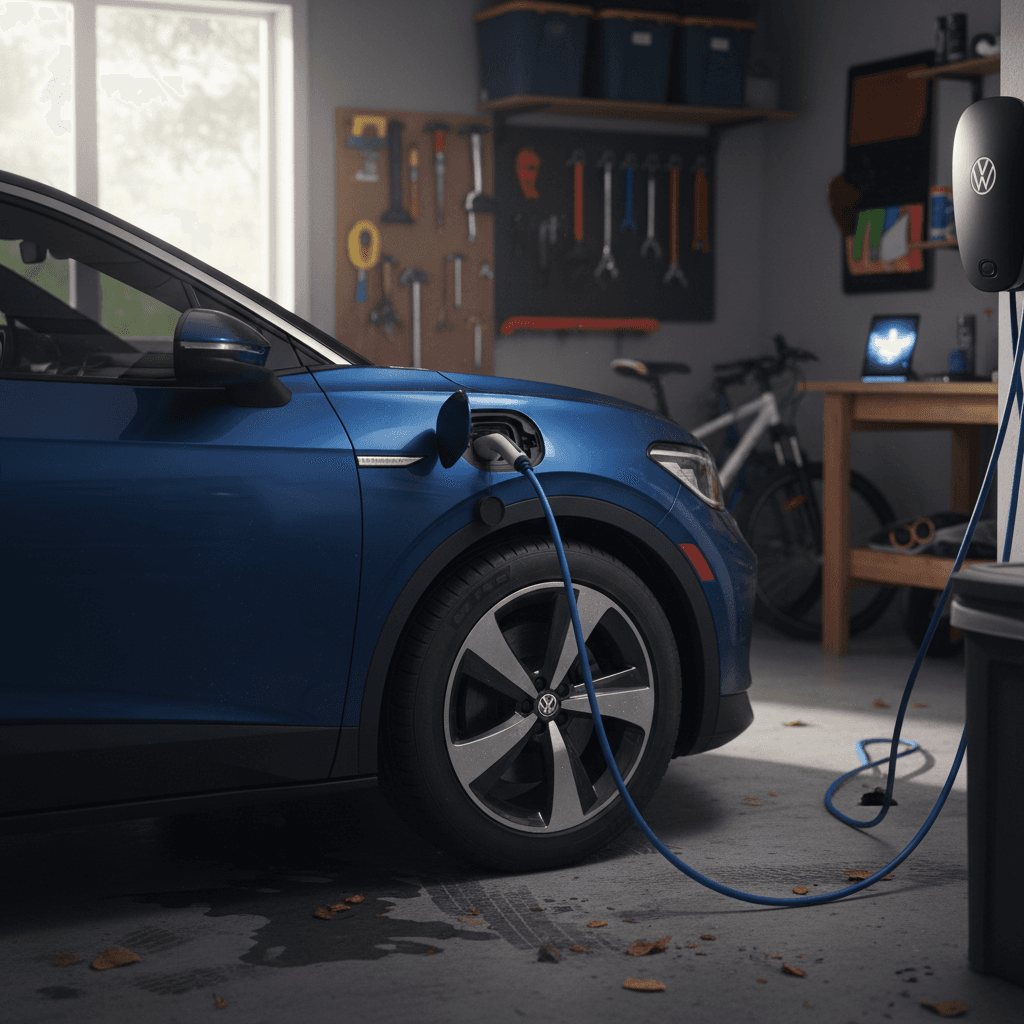
With an onboard charger around 11.5 kW, a 40‑ or 48‑amp Level 2 setup can refill the pack overnight. Figure roughly 30–35 miles of range per hour on a properly sized home unit.
DC fast charging
The Prologue can accept up to about 150–155 kW on a DC fast charger. Honda quotes roughly 62–65 miles in 10 minutes and about 35 minutes from 20% to 80% under good conditions.
Network quality matters more than peak kW
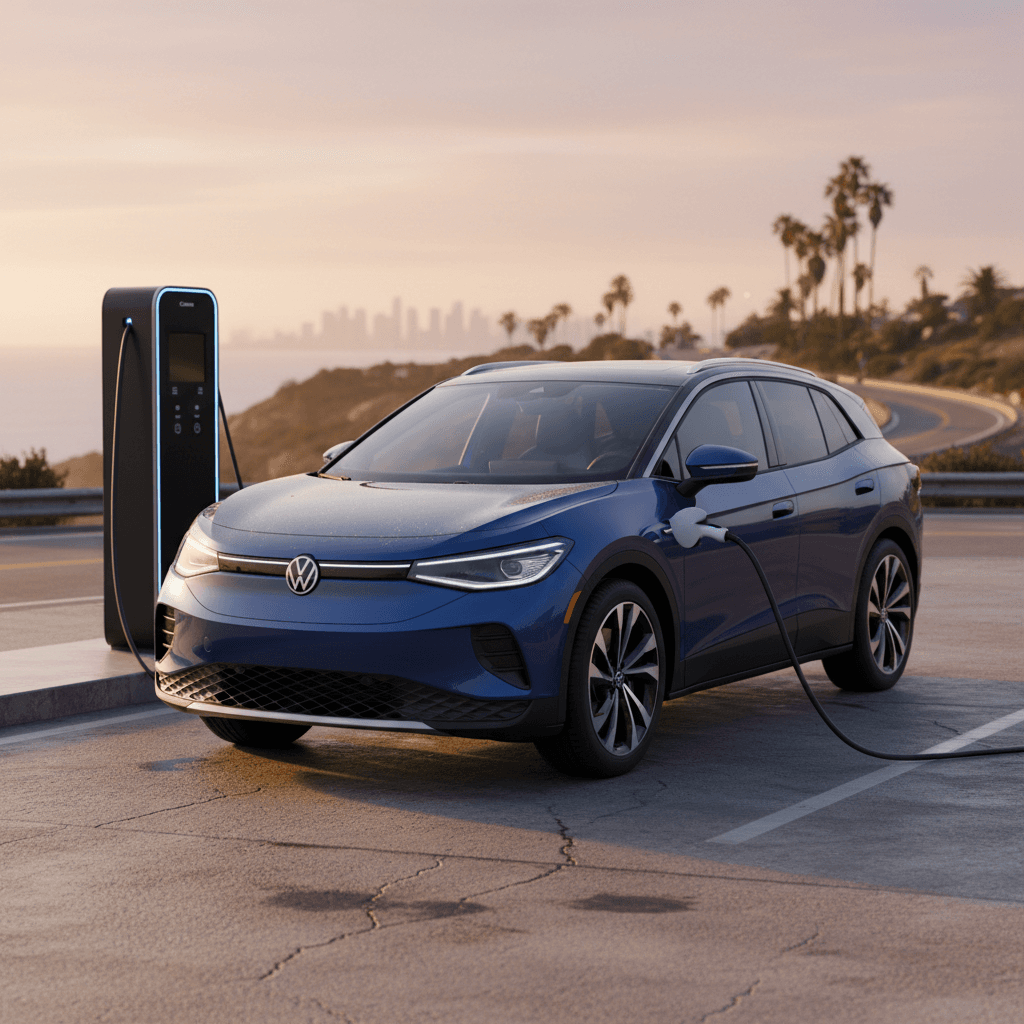
The Prologue uses the familiar J1772 connector for Level 2 and CCS for DC fast charging, so you can plug into most non‑Tesla public networks today (EVgo, Electrify America, ChargePoint, and others). As the industry transitions toward the NACS/Tesla standard over the next few years, expect Honda to support adapters and access to more Superchargers, another plus if you keep the car a long time.
Road‑trip planning tip
Interior space, tech, and comfort
Cabin feel
If you’re coming from a CR‑V or Accord, the Prologue will feel familiar in the best way. Controls are logical and physical buttons haven’t been banished, unlike some rivals. Materials are class‑competitive, especially in Touring and Elite trims, and the cabin is impressively quiet at highway speeds.
Cargo space is healthy: roughly 25 cubic feet behind the second row and around 57–58 cubic feet with seats folded. There’s no front trunk, but load‑in height and rear access are easy, making it a practical family hauler.
Infotainment and driver aids
The Prologue leans into a modern software experience with Google built‑in, integrating Google Maps, Assistant, and the Play Store. You also get wireless Apple CarPlay and Android Auto across the lineup.
Honda Sensing driver‑assist features (adaptive cruise, lane‑keeping, collision mitigation braking, and more) are standard. The tuning is generally conservative rather than showy, fitting the Prologue’s calm, family‑first character.
Tech that actually simplifies ownership
Driving experience and performance
With up to 300 horsepower from its dual‑motor setup, the 2025 Honda Prologue is appropriately quick, though not an all‑out performance SUV. In everyday driving it feels responsive off the line, with the kind of smooth, linear power delivery you expect from a modern EV.
- Single‑motor 2WD versions make around 220 hp, which is plenty for commuting and highway merging.
- Dual‑motor AWD Prologues step up to about 300 hp, adding more confident passing power and all‑weather traction.
- Ride quality leans comfortable rather than sporty; the Elite’s big wheels look sharp but transmit more bumps, so test‑drive trims back‑to‑back if you’re picky about ride feel.
- Steering is light and accurate, and brake blending (between regenerative and friction braking) is better sorted than many first‑generation EVs.
Which powertrain feels best?
2025 Prologue vs Tesla Model Y and Ioniq 5
No 2025 Honda Prologue review is complete without answering the obvious question: how does it compare to the segment’s benchmarks, the Tesla Model Y and Hyundai Ioniq 5? Each of these three EV SUVs has a distinct personality.
How the Prologue stacks up
Strengths and tradeoffs versus key EV SUV rivals
vs Tesla Model Y
- Range: Model Y Long Range can exceed 320 miles, beating the Prologue’s max 308.
- Charging: Tesla’s Supercharger network is still the gold standard for reliability and coverage.
- Interior: Tesla is minimalist and screen‑heavy; Honda is more traditional and user‑friendly.
- Price: Depending on incentives, pricing can be surprisingly close; Tesla may undercut Honda or vice versa based on promotions.
vs Hyundai Ioniq 5
- Charging: The Ioniq 5’s 800‑volt architecture enables some of the quickest fast charging in the segment.
- Range: Ioniq 5 range varies by trim but can match or slightly beat Prologue numbers in some configurations.
- Ride & style: Hyundai is more design‑forward and a bit softer‑riding; the Prologue is more conservative but familiar.
Where the Prologue wins
- Traditional ergonomics: Easier transition for drivers moving from gas Hondas.
- Dealer network: A large Honda dealer footprint appeals if you value in‑person support.
- Balanced package: Strong blend of range, comfort, and usability rather than chasing one headline stat.
Know your priorities before you compare
Ownership costs and long‑term battery health
Day to day, the Prologue’s running costs should be considerably lower than a comparable gas Honda SUV. Electricity is usually cheaper per mile than gasoline, and EVs have fewer moving parts to service. The Ultium battery pack carries an 8‑year/100,000‑mile warranty, in line with segment norms.
Key cost and longevity considerations
Electricity vs fuel
At U.S. average electricity prices, many owners will spend the equivalent of paying $1–$2 per gallon of gas for daily driving, depending on local rates and charging habits.
Maintenance needs
No oil changes, timing belts, or spark plugs. You’re mainly budgeting for tires, cabin filters, brake fluid, and occasional software updates or recalls, plus possible out‑of‑warranty repairs like any modern vehicle.
Battery health over time
The Prologue’s pack is large enough that typical daily use should stay in the middle of the charge window, which is easier on long‑term battery health. Avoid living at 100% or 0% and minimize frequent DC fast‑charging from very low states of charge.
Insurance and registration
Insurance for EVs can be higher than for equivalent gas models, but that varies heavily by state and insurer. It’s worth getting quotes for Prologue, Model Y, and Ioniq 5 side by side before you sign.
How Recharged can help on battery questions
Who the 2025 Honda Prologue is best for
The Prologue isn’t an EV for spec‑sheet warriors. It’s for drivers who want an electric SUV that behaves like the Honda crossovers they already know, only quieter and cheaper to run. If that describes you, it deserves a spot on your shopping list.
Is the Prologue a good fit for you?
Profiles where Honda’s first mainstream EV SUV makes a lot of sense
Growing families stepping into EVs
You want one practical, do‑everything family vehicle with normal controls, good safety tech, and enough range for weekend trips. You care more about comfort and reliability than headline‑grabbing acceleration times.
Commuters with 120–200 mile days
You regularly cover serious mileage but still want to charge at home most nights. A Prologue with 2WD or AWD and Level 2 home charging makes that routine painless.
Four‑season drivers
If you live where it snows or rains a lot, the AWD trims offer easy, all‑weather confidence without going overboard on performance tuning.
People who value dealer support
If the idea of dealing only with apps and over‑the‑air updates feels risky, Honda’s nationwide dealer network and familiar service experience are big advantages.
Buying new vs waiting for a used Prologue
Because the 2025 Honda Prologue is a fresh entry, early buyers are effectively the first generation on U.S. roads. If you like being on the leading edge and qualify for the full federal tax credit, buying new can make sense. But if you’re value‑oriented, it may pay to keep an eye on the used market over the next 12–24 months.
Reasons to buy new now
- You qualify for the federal EV tax credit and possibly state incentives, softening the upfront price.
- You want the full factory warranty and latest software from day one.
- Your current vehicle is costing you too much in fuel or repairs to wait.
Reasons to wait for used
- EVs often depreciate faster in the first few years, which can create attractive used‑buy opportunities.
- Within a couple of model years, you’ll be able to see how the Prologue’s real‑world battery health and reliability hold up.
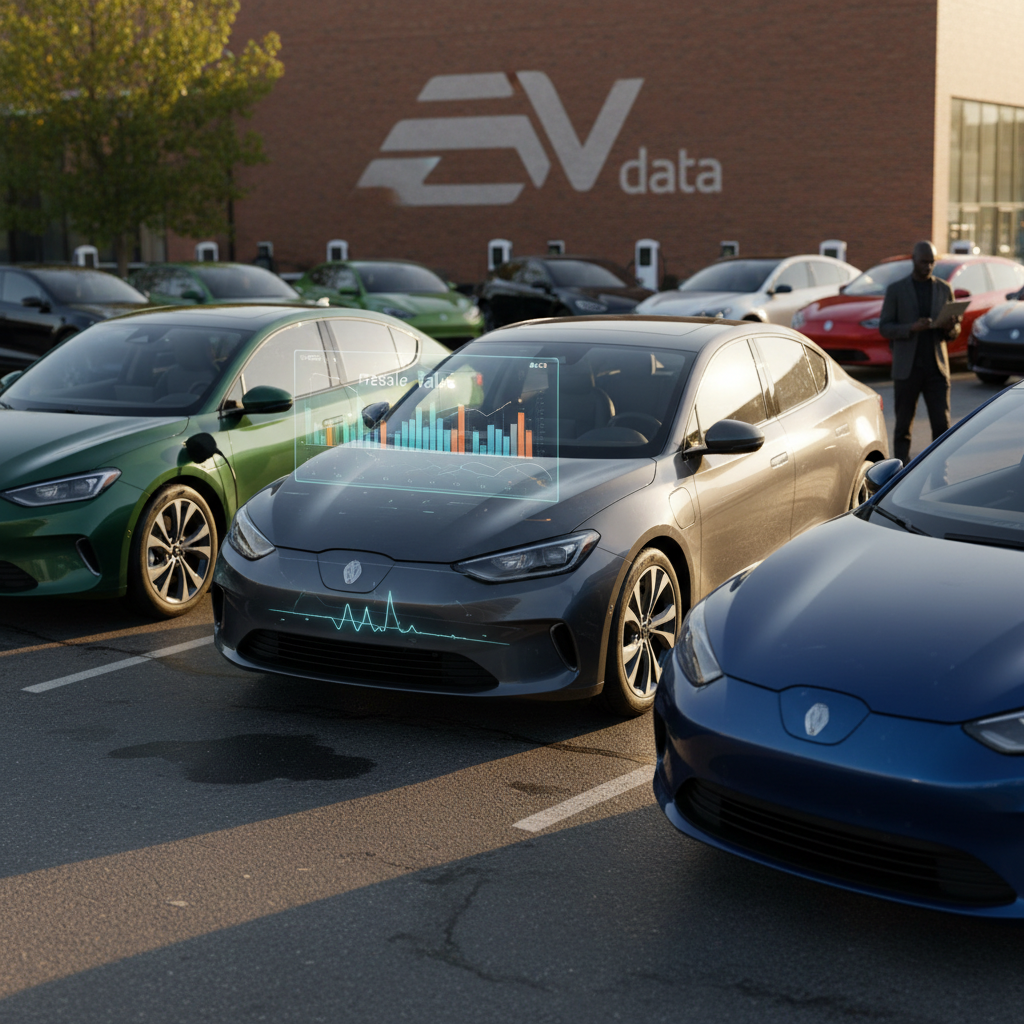
- Buying used through a specialist such as Recharged means access to battery diagnostics, a Recharged Score report, and EV‑savvy guidance that traditional dealers often can’t match.
How Recharged fits into your Prologue research
Ready to find your next EV?
Browse VehiclesFAQs: 2025 Honda Prologue
Frequently asked questions about the 2025 Honda Prologue
Viewed as a whole, the 2025 Honda Prologue is not the flashiest EV SUV on sale, but it is one of the easiest to live with. It delivers enough range, sufficient fast‑charging performance, and a calm, intuitive cabin that will feel right at home to long‑time Honda owners. If that sounds like your kind of electric transition, and especially if you’re willing to let early adopters absorb the first wave of depreciation before you buy used, the Prologue is well worth a serious test drive and a spot on your short list.