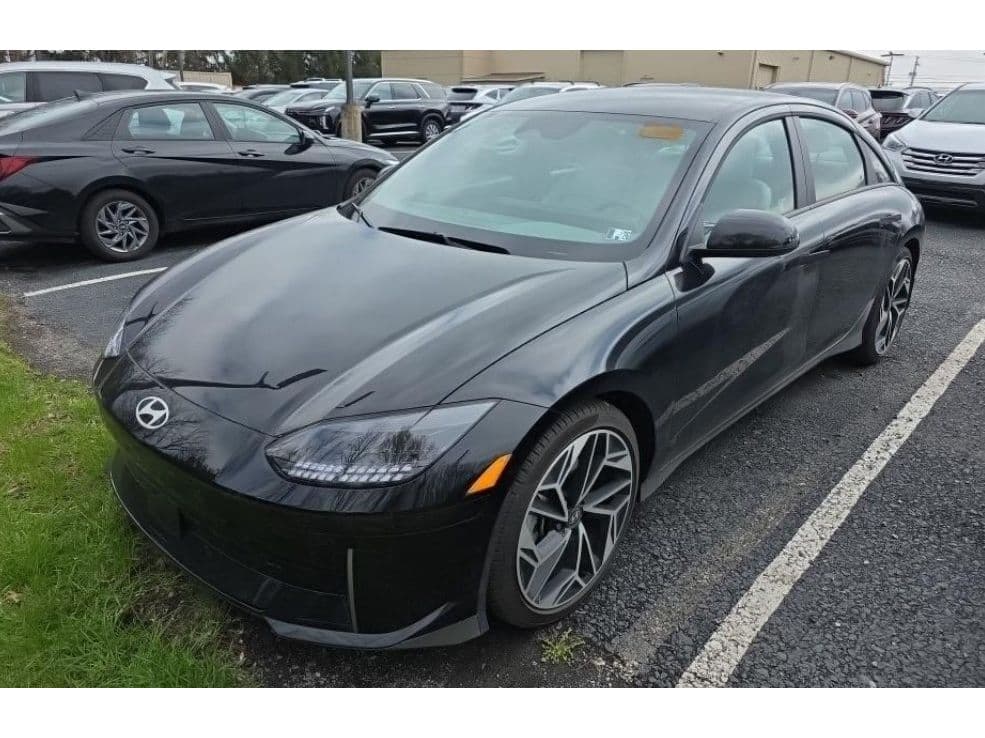
If you’ve just bought a Hyundai IONIQ 6, or you’re eyeing one used, you’ll quickly discover a small mystery: the maintenance schedule in the owner’s manual doesn’t always match the warnings on the dash or the emails from the dealer. One says 7,500 or 8,000 miles, the app screams at 3,700, and somewhere a service advisor is rubbing their hands together. Let’s untangle what your IONIQ 6 actually needs, and when.
EVs aren’t maintenance-free
Hyundai IONIQ 6 maintenance at a glance
Quick Hyundai IONIQ 6 maintenance facts
In the U.S., Hyundai’s own maintenance tools recommend the first IONIQ 6 service at about 7,500 miles, then repeating at roughly the same interval. You’ll also see a time component, often every 12 months, because some inspections are based on age, not mileage.
Don’t ignore the calendar
Factory maintenance schedule vs. dealer reminders
If you feel like your IONIQ 6 is nagging you early for service, you’re not imagining it. Owners routinely report service reminders at 3,000–5,000 miles, even though the U.S. manual and Hyundai’s online tool call for longer intervals. That disconnect comes from three different systems, all talking over each other:
- The official Hyundai maintenance schedule in your owner’s manual and on Hyundai’s maintenance website (the one that actually matters).
- The in-car service interval setting, buried in the infotainment system, which dealers or factory defaults often leave at 5,000 miles or one year by habit.
- Bluelink/MyHyundai app notifications, which can be time-based and, frankly, occasionally buggy or overly conservative.
How to change the in-car service interval
Dealer emails and texts often use legacy gas‑car logic, short intervals, talk of oil changes, and a general air of urgency. With an EV like the IONIQ 6, think of those as marketing, not gospel. Your warranty hinges on following the factory schedule, not every invitation to come in and spend money.
Hyundai IONIQ 6 service intervals by mileage and time
Exact numbers can vary slightly by model year and market, so always confirm with your owner’s manual or Hyundai’s online maintenance tool. But for a U.S.‑spec IONIQ 6 driven under normal conditions, the pattern looks like this:
Typical Hyundai IONIQ 6 maintenance schedule (U.S., normal driving)
Approximate U.S. maintenance intervals for the IONIQ 6. Check your specific model year manual to confirm details.
| Mileage / Time | Main items | Notes |
|---|---|---|
| 7,500–8,000 miles / 12 months | Tire rotation; visual inspection of brakes, steering, suspension, cooling/heating system, underbody; top off washer fluid; basic software check | Often your first real visit. Some dealers may also perform any open recalls or TSB updates. |
| 15,000–16,000 miles / 24 months | Repeat 7,500‑mile items; replace cabin air filter; more detailed brake inspection | Good time to assess tire wear; many owners need tires by 25–30k, depending on driving style. |
| 22,500–24,000 miles / 36 months | Tire rotation; general inspection; check brake fluid condition; inspect high‑voltage cables and charge port | Look for uneven tire wear that may justify an alignment. |
| 30,000–32,000 miles / 48 months | Repeat previous items; replace cabin air filter again; brake fluid change often recommended around this point | Brake fluid is cheap insurance against sticky calipers, especially in climates where salt is common. |
| 45,000–48,000 miles / 72 months | Tire rotation and inspection; cooling system inspection; check 12‑volt battery health | Depending on your usage, you may be on your second set of tires by now. |
| 60,000+ miles | Repeat pattern; periodic coolant service per manual; more detailed inspections of suspension, steering, and high‑voltage components | High‑mileage EV ownership is mostly about suspension, tires, and keeping software up to date. |
Time‑based services may be due earlier if you drive very little, whichever comes first, mileage or months, usually applies.
Always defer to the manual
What actually gets serviced on an IONIQ 6?
1. Tires and wheels
The IONIQ 6 is a relatively heavy sedan with instant torque. That’s murder on front‑axle tires if you skip rotations. Expect:
- Rotation every 7,500–10,000 miles in most U.S. driving.
- More frequent checks if you run sticky summer tires or drive aggressively.
- An alignment check if you see feathering, cupping, or inside‑edge wear.
2. Brakes and regeneration
Thanks to strong regenerative braking, the friction brakes on your IONIQ 6 work less than on a gas car, but they still age.
- Technicians will inspect pads and rotors at each visit.
- They’ll also check for rust build‑up on rotors, especially in wet or salty climates.
- Brake fluid should be tested periodically and replaced per the manual (often around the 4‑year mark).
3. Fluids (no, not oil)
There’s no engine oil, but several other fluids matter:
- Brake fluid – hygroscopic; absorbs moisture over time and can corrode components.
- Coolant – manages temperature for the battery, power electronics, and cabin.
- Washer fluid – the one you’ll see most; easy DIY top‑off.
Coolant change intervals are long; check your manual before anyone sells you an early flush.
4. Filters and cabin hardware
On most schedules, the cabin air filter is replaced every ~15–16k miles or 24 months. A clogged filter can make the HVAC system work harder and cut range in extreme conditions. Technicians will also inspect:
- Wiper blades and washer nozzles
- Door seals and latches
- Charge port door and sealing surfaces
Beyond that, a typical IONIQ 6 service visit is mostly a guided tour with a flashlight: checking for leaks, loose fasteners, damaged underbody panels, and verifying that all software and recall campaigns are up to date.
High-voltage system: look, don’t touch

Maintenance costs, complimentary service, and warranty
Because there’s less to do, routine IONIQ 6 maintenance is generally cheaper than a comparably quick gas sedan, but pricing still varies wildly by dealer. Here’s how the big picture breaks down in the U.S.:
What you’ll typically pay for IONIQ 6 maintenance
Ballpark U.S. pricing, always confirm with your local shop or dealer.
Tire rotation & inspection
Typical cost: often $30–$60 at independent shops, sometimes bundled or complimentary at dealers.
Because EVs wear tires quickly, keeping this up can easily save you a full set of tires over the life of the car.
Cabin air filter replacement
Typical cost: $20–$50 DIY for the part, $80–$150 at a dealer with labor.
If you’re even mildly handy, this is one of the easiest bits of EV maintenance to tackle at home.
Brake fluid service
Typical cost: roughly $120–$200 at many dealers.
It doesn’t need to be done every visit, but when your schedule says it’s time, don’t skip it, brakes are your last line of defense.
Complimentary maintenance and warranty basics
The big-ticket item, the high‑voltage battery, is covered by a multi‑year, six‑figure‑mileage warranty in the U.S. Following the recommended maintenance schedule and keeping service records is the cleanest way to protect that coverage, especially if you ever need a major repair approved.
DIY vs. dealer service for the IONIQ 6
Electric or not, the usual question remains: what can you comfortably do yourself, and when should you hand the keys to someone with a lift and insurance? With the IONIQ 6, the line is fairly clear.
What you can (and shouldn’t) DIY on an IONIQ 6
1. Absolutely DIY-friendly tasks
Topping up washer fluid, replacing wiper blades, swapping the cabin air filter, and checking tire pressure are all fair game for most owners. A simple $20 tire gauge and an afternoon in the driveway go a long way.
2. DIY with tools & experience
If you’re comfortable with a jack, stands, and torque specs, tire rotations are possible at home. Just remember: the IONIQ 6 is heavy, and EVs need properly rated equipment and correct jack points.
3. Dealer or pro recommended
Brake fluid flushes, alignments, and any suspension or steering work are best left to professionals, who can also check for software updates and recalls while the car is on the rack.
4. High-voltage components
Anything involving the traction battery, orange cables, on‑board charger, DC‑DC converter, or power electronics is strictly for EV‑certified technicians. The voltages involved are not forgiving.
5. Keep good records
Whether you service at home or at a dealer, keep receipts, dates, and mileage notes. If you eventually sell, or if you ever have to prove proper maintenance for warranty, documentation matters.
Document your service history
Maintenance tips for used Hyundai IONIQ 6 buyers
When you’re buying a used IONIQ 6, you’re not just buying a battery and a body shape; you’re buying someone else’s relationship with maintenance. A car that’s had its tires rotated, brakes exercised, and software kept current will feel very different after 40,000 miles than one that’s been driven hard and never checked.
Used IONIQ 6 maintenance red flags & green lights
What to look for before you sign anything.
Red flags to watch for
- Uneven tire wear – inner or outer edge worn smooth suggests skipped rotations or alignment issues.
- Soft brake pedal or vibration – can indicate old fluid, rotor rust, or sticky calipers.
- Ignored warnings – recurring maintenance or system alerts left on the dash are a bad sign for long‑term care.
Healthy signs in a used IONIQ 6
- Documented 7,500–15,000 mile services with tire rotations and inspections.
- Recent cabin filter and brake fluid replacement within factory time/mileage.
- Clean underbody and charge port with no obvious impact damage or corrosion.
How Recharged can help
Ready to find your next EV?
Browse VehiclesIf you’re selling or trading an IONIQ 6, the same logic works in your favor. Being able to show documented 7,500‑mile service intervals, rotations, and fluid changes makes your car easier to price accurately and easier for a buyer to trust.
Hyundai IONIQ 6 maintenance FAQ
Frequently asked questions about the Hyundai IONIQ 6 maintenance schedule
Bottom line: how to treat your IONIQ 6
The Hyundai IONIQ 6 is a low‑drama companion if you respect its few needs: rotate the tires, keep an eye on the brakes, refresh fluids when the schedule says so, and don’t let alerts pile up like spam in your inbox. Ignore the oil‑change boilerplate and focus on the official maintenance schedule in your manual or Hyundai’s online tool.
If you’re shopping for a used IONIQ 6, or thinking about selling yours, those same maintenance decisions translate directly into value. At Recharged, we pair a verified Recharged Score battery health report with transparent service history so you can see, in black and white, whether an IONIQ 6 has been cared for or merely washed. In a world crowded with marketing reminders and vague dealer promises, that kind of clarity might be the most important maintenance item of all, on your peace of mind.