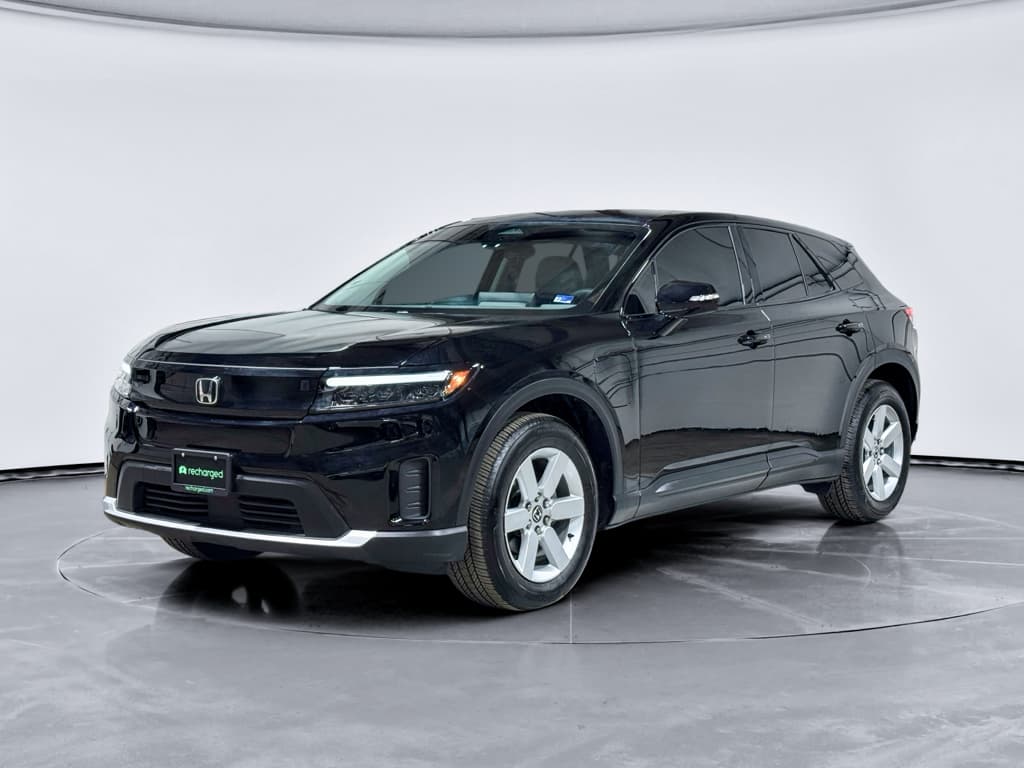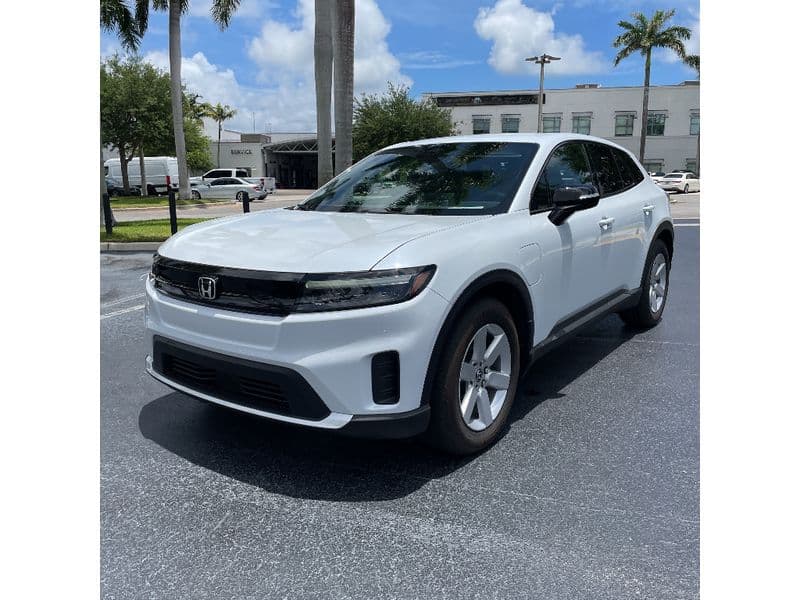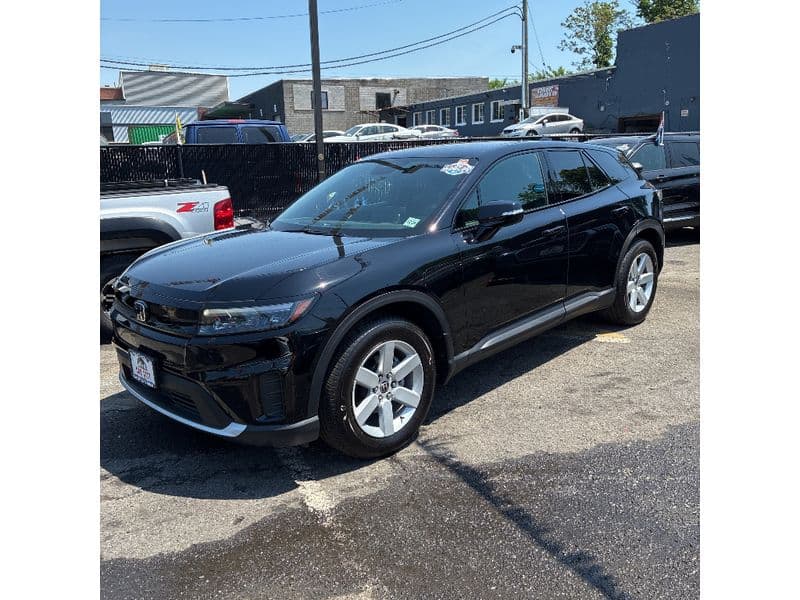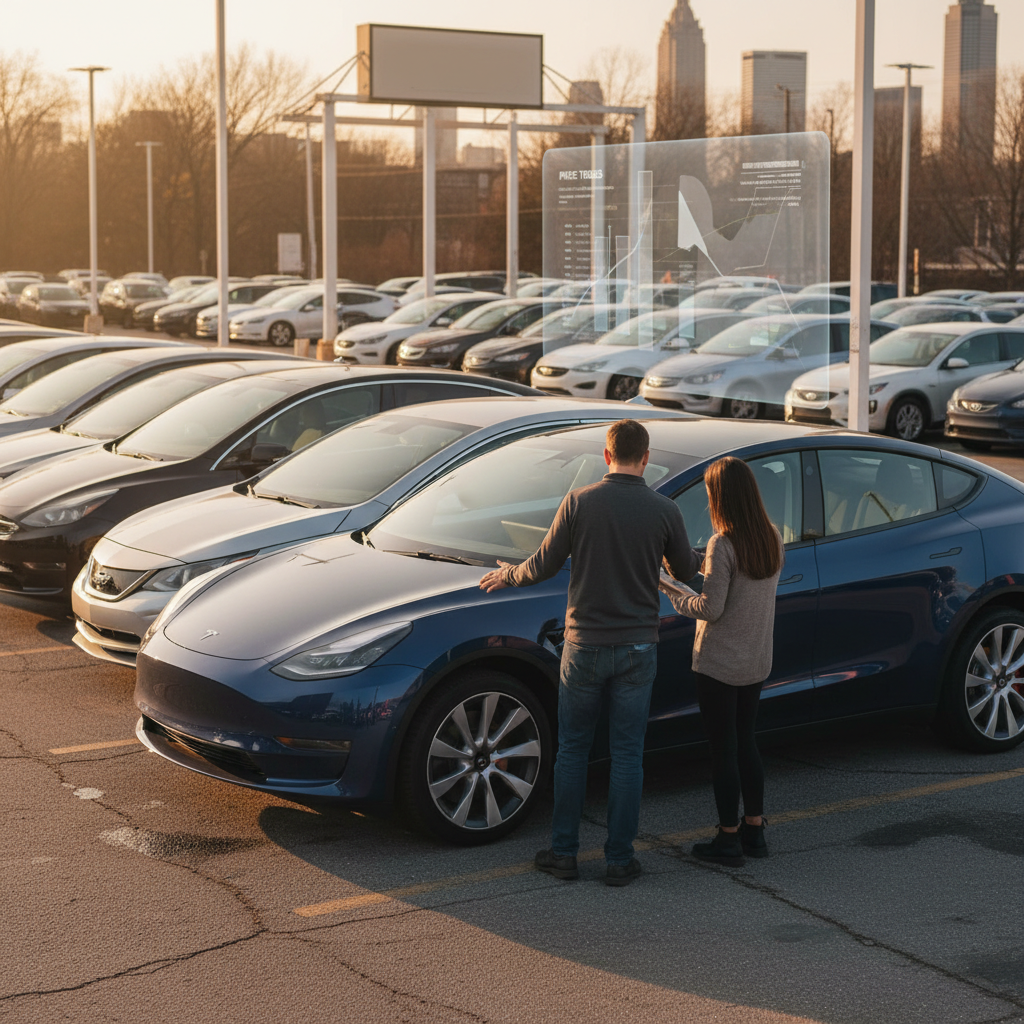
If you’re eyeing a **used 2025 Honda Prologue**, you’re probably looking for a practical, family‑friendly EV with Honda’s reputation and modern charging capability, not an experimental first‑gen science project. The Prologue delivers a lot of that, but as with any young EV nameplate, there are trade‑offs around charging speed, depreciation, and early‑owner teething issues. This review focuses specifically on what you need to know before buying a **used 2025 Prologue** in today’s market.
Platform background
Overview: Is a Used 2025 Honda Prologue a Smart Buy?
On paper, the 2025 Prologue looks like a solid used EV play: **mid‑300s miles of EPA range for some trims**, DC fast‑charging up to roughly **150–155 kW**, an 85‑kWh battery, and Honda’s familiar ergonomics layered over Google‑built‑in infotainment. In practice, it’s a comfortable, quiet highway cruiser with straightforward controls and plenty of space for families.
Where a used Prologue shines
- Space and comfort: Mid‑size SUV footprint with adult‑friendly rear seats.
- Range: Around 280–310 miles EPA depending on trim, competitive with other family EVs.
- Tech familiarity: Google built‑in, wireless Apple CarPlay and Android Auto, and Honda‑style controls.
- Price softening: Early depreciation makes used examples meaningfully cheaper than new.
Where you should be cautious
- Charging curve: Peak DC rates are competitive, but real‑world sessions often taper early.
- Young model: Fewer long‑term reliability data points than established rivals.
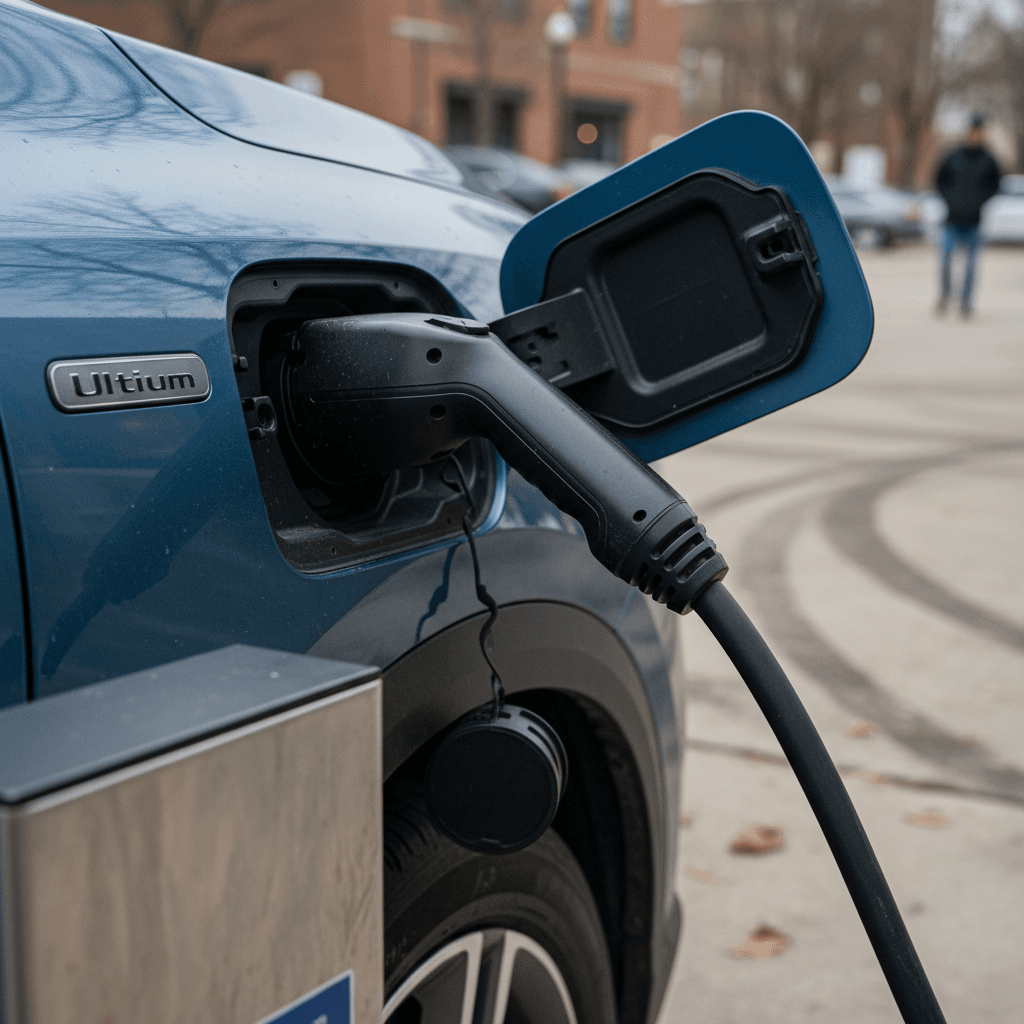
- Ultium quirks: Some owners report inconsistent DC fast‑charging speeds on public networks.
- Resale: Forecasts suggest average, not class‑leading, resale performance.
Quick verdict for used shoppers
Key Specs That Matter on a Used 2025 Prologue
Core 2025 Prologue Specs (U.S. models)
2025 Honda Prologue Trim Snapshot (Used Market)
Exact features vary by package, but this chart captures the big differences you’ll see shopping used.
| Trim | Drivetrain | Approx. EPA Range | Notable Highlights |
|---|---|---|---|
| EX | Single‑motor FWD | ≈308 miles | Value play; cloth or basic seating, Google built‑in, full Honda Sensing suite. |
| Touring | FWD or AWD | ≈308 mi (FWD) / mid‑290s (AWD) | Adds more comfort features, upgraded audio, additional driver aids. |
| Elite | Dual‑motor AWD | ≈283 miles | Top trim with standard AWD, more power, upscale interior touches and wheels. |
Always confirm individual vehicle equipment using the VIN and original window sticker when possible.
Driving Experience, Comfort & Tech
From behind the wheel, the 2025 Prologue feels more like a refined Honda Pilot than a science‑fiction EV. Dual‑motor AWD models have around **300 hp** and feel appropriately quick merging onto highways, while single‑motor FWD trims lean more toward calm and efficient than thrilling. Ride quality is tuned for comfort: it soaks up broken pavement, and road noise is well‑controlled for this class.
What Used Prologue Owners Tend to Notice
Real‑world impressions from early owners and test drives
Cabin space
The Prologue’s footprint and wheelbase deliver generous rear legroom and a usable cargo area. Families moving from a CR‑V or RAV4 usually feel like they gained space, not lost it.
Infotainment & controls
With Google built‑in, navigation and voice commands feel modern. Honda keeps physical buttons for high‑touch items like climate controls, so you’re not lost in sub‑menus while driving.
Driver assistance
Standard Honda Sensing brings adaptive cruise, lane‑keeping, forward collision warning and more. Tuning is mostly conservative; lane centering can ping‑pong slightly on poorly marked roads.
Used‑buyer tech tip
Range and Real‑World Efficiency
Officially, 2025 Prologue trims span from the **low‑280s to just over 300 miles EPA** depending on drivetrain and wheels. In mixed driving, owners commonly report **around 250–290 miles** on a full charge when driven at normal U.S. highway speeds and in moderate weather. That’s competitive with mainstream EV SUVs and gives you meaningful buffer for daily commuting and weekend trips.
- Front‑wheel‑drive EX and Touring trims tend to deliver the best range, especially on smaller wheels.
- All‑wheel‑drive models sacrifice some efficiency but add traction and stronger acceleration.
- Cold weather, high speeds, and frequent DC fast‑charging will all trim usable range, same as with rival EVs.
Cold‑weather reality check
Charging Speed: Home and DC Fast Charging
Charging is where you need to read past the brochure. On paper, the 2025 Prologue supports up to **11.5 kW Level 2 AC** charging at home and **roughly 150–155 kW peak DC fast‑charging** on the road. Honda quotes about **65 miles of range in 10 minutes** of DC fast‑charging on some trims, good, but not segment‑leading.
Charging the 2025 Honda Prologue: What to Expect
Approximate values for planning purposes; your results will vary with temperature, charger, state of charge, and battery condition.
| Scenario | Hardware | Typical Time | What It Means Day‑to‑Day |
|---|---|---|---|
| Home overnight charge | 40–48A Level 2 (11.5 kW) | 8–9 hours (10–90%) | Plug in when you get home and wake up to a near‑full battery, even from low state of charge. |
| Workplace / destination | 7–11 kW Level 2 | 4–6 hours (30–80%) | Great for topping up during the workday or while shopping; slower but usually cheaper than DC. |
| Highway DC fast charge | 150 kW+ DC fast charger | ~35 minutes (20–80%) | Plan on 30–40 minutes for a meaningful top‑up. Peak rates are strong, but taper earlier than some rivals. |
Level 2 numbers assume a 240V circuit and 11.5 kW onboard charger; DC fast estimates assume an appropriately powerful charger and preconditioned battery.
Real‑world DC charging behavior
Home vs. Public Charging for Prologue Owners
How most used buyers end up charging in practice
Home‑centric owners
- Install or use an existing 40–48A Level 2 charger on a 240V circuit.
- Charge overnight, set an 80–90% daily limit for battery longevity.
- Rarely worry about DC fast‑charging quirks because road trips are occasional.
Public‑network dependents
- Rely heavily on DC fast and public Level 2 (apartment dwellers, urban drivers).
- More exposed to inconsistent station reliability and the Prologue’s conservative fast‑charging curve.
- Should pay extra attention to battery health and fast‑charging history on a used example.
Pairing a used Prologue with the right charger
Battery Health and Longevity on a Used Prologue
The Prologue’s ~85‑kWh pack and Ultium chemistry are designed for long life, but as with any used EV, **battery health is the make‑or‑break factor**. Early‑life degradation on modern packs is usually modest, yet heavy DC fast‑charging, frequent 100% charges, extreme climates, or software issues can accelerate wear.
- Honda backs the Prologue’s high‑voltage battery with a long warranty (typically 8 years / 100,000+ miles in the U.S.; check the specific car’s coverage and in‑service date).
- Ultium packs use sophisticated thermal management, which helps stabilize both performance and longevity across hot and cold climates.
- Because the Prologue launched recently, the 2025 model year hasn’t had time to rack up high‑mileage, high‑age degradation data, expect a bit of uncertainty versus older EV nameplates.
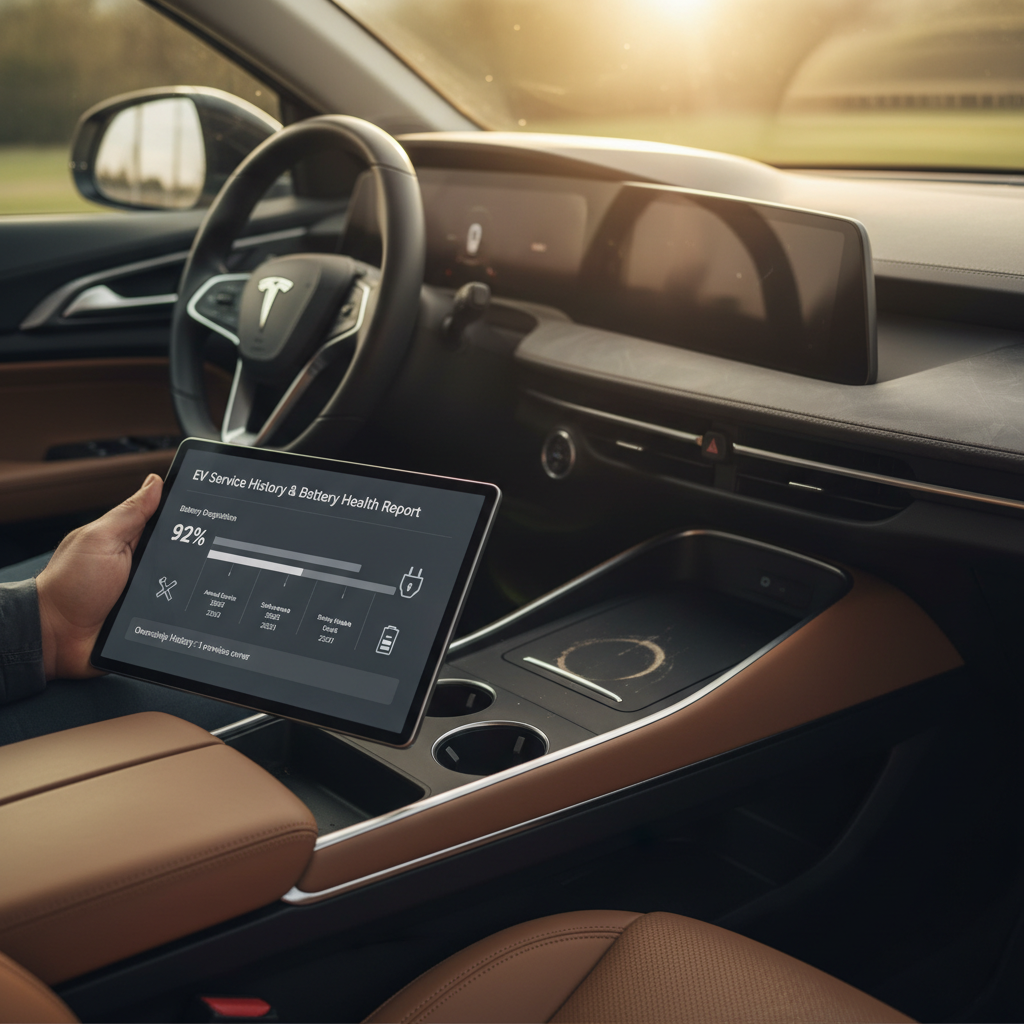
How Recharged checks Prologue batteries
Reliability, Known Issues & Owner Complaints
Because the Prologue is still relatively new, hard long‑term reliability data is limited. But early owner feedback and service reports do highlight a few themes you’ll want to keep in mind while shopping used.
Early‑Owner Pain Points to Watch For
Not every Prologue has these issues, but they’re worth screening for on a used one.
Slow DC fast‑charging
Some owners report the car sticking at 30–60 kW on high‑power stations, or tapering unusually early. Causes range from cold batteries and under‑spec’d stations to software quirks. Always test DC fast‑charging if it’s important to your use case.
Charging‑network finickiness
Because the Prologue depends on third‑party networks (and, increasingly, Tesla Superchargers via NACS adapters), handshake issues or failed sessions can crop up. Make sure the latest software updates are applied and test at more than one brand of charger if possible.
Intermittent errors & alerts
A few owners report intermittent charging faults, warning lights, or infotainment lag that resolve with updates or dealer visits. Review service records and ask specifically about charging‑related complaints.
When to walk away
Used Values, Depreciation & Incentives
Like many newer EVs, the Prologue has seen **meaningful early depreciation**. New‑car pricing for 2025 models typically started in the high‑$40,000s before incentives; used pricing in 2026 is already under that for many trims, especially for higher‑mileage or fleet units. Broad EV market softness and rapid tech evolution are doing some of the negotiating for you.
What to Expect on the Money Side
Don’t forget used‑EV incentives
Recharged bakes market data into its pricing and **Recharged Score** so you can see whether a particular used Prologue is fairly priced for its condition, miles, and battery health. That’s especially helpful in a segment where traditional guides can lag fast‑moving EV values.
How a Used Prologue Compares to Rival EV SUVs
If you’re shopping a used 2025 Prologue, you’re almost certainly cross‑shopping other mid‑size electric SUVs, most often Tesla Model Y, Hyundai Ioniq 5, Kia EV6, and Chevrolet Equinox/Blazer EVs. The Prologue doesn’t dominate any one category, but it slots into a comfortable middle ground for buyers who value familiar ergonomics and long range over headline‑grabbing charging numbers.
Used 2025 Prologue vs. Popular Rival EV SUVs
High‑level comparison for used shoppers; specific specs vary by trim and battery.
| Model (used) | Typical Strengths | Potential Drawbacks vs Prologue |
|---|---|---|
| Honda Prologue | Comfortable ride, Honda ergonomics, good range, strong safety tech. | Charging curve less aggressive than some newer competitors; newer model with less long‑term data. |
| Tesla Model Y | Supercharger native access (increasingly NACS‑standard), strong efficiency, huge charging network, software features. | Busier ride, more minimal interior, used prices can still be higher, build‑quality variability. |
| Hyundai Ioniq 5 | Very fast 800‑V DC fast‑charging, distinctive design, strong warranty. | Less conventional styling, slightly smaller cargo space, some owners report tire wear. |
| Kia EV6 | Sportier dynamics, fast charging, good mix of price and performance. | Coupe‑like roof cuts into rear headroom; infotainment learning curve. |
| Chevy Equinox EV / Blazer EV | Shared Ultium DNA, competitive range, GM dealer footprint. | Charging behavior and software quirks similar to Prologue; in‑car UX feels more GM than Honda. |
Use this as a directional guide, then compare specific trims side‑by‑side before you buy.
How to choose between them used
Inspection Checklist for a Used 2025 Honda Prologue
Pre‑Purchase Checklist: 2025 Honda Prologue
1. Confirm software & recall status
Ask the seller or dealer to show that all software updates and campaign/recall items have been completed, especially for charging and battery‑management systems.
2. Review charging history
Ideally, you want a car that lived mostly on Level 2 home charging with occasional DC fast‑charge use. A Recharged Score Report or service history can help you understand how the pack has been treated.
3. Test Level 2 and DC fast‑charging
If possible, plug into a healthy Level 2 charger and a 150 kW+ DC fast‑charger. Watch for error messages, unusually low speeds, or repeated session drops.
4. Inspect tires and brakes
EVs are heavy; check for uneven tire wear, cupping, or early rotor/pad wear, these can hint at alignment problems or aggressive driving.
5. Check driver‑assist operation
On a test drive, verify that adaptive cruise, lane‑keeping, blind‑spot monitoring, and parking sensors all behave as expected, without random disengagements or false alerts.
6. Evaluate interior wear & build quality
Look closely at seat bolsters, door panels, infotainment screens, and trim for rattles or looseness. Early build issues often show up here.
7. Verify included charging equipment
Confirm that the original mobile charging cable (if equipped), manuals, and any adapters are present. Replacing them later isn’t cheap.
How Recharged simplifies this checklist
Ready to find your next EV?
Browse VehiclesShould You Buy a Used 2025 Honda Prologue?
A **used 2025 Honda Prologue** hits a sweet spot for shoppers who want a spacious, comfortable EV with solid range, modern safety tech, and recognizable Honda‑style ergonomics, but who don’t need the absolute fastest charging curve on the market. It’s not the flashiest or sportiest option, yet it quietly does the core EV‑SUV job very well, especially for owners who can charge at home.
The biggest questions for a used buyer center on **battery health, charging behavior, and depreciation**. If you can verify a healthy pack, clean service history, and normal Level 2 / DC fast‑charging performance, and the price reflects current EV market realities, the Prologue deserves a spot high on your list. If, on top of that, you buy through a platform like Recharged that puts hard numbers behind battery condition and fair market pricing, you dramatically reduce the guesswork that has traditionally dogged early‑generation EVs.