If you live in Georgia and you’re shopping for used electric cars in 2026, you’re in a sweet spot, and a confusing one. Prices on used EVs have come down, Georgia’s charging network keeps growing, but the federal EV tax credits that propped up the market earlier in the decade have largely gone away. This guide walks you through what that mix means for you today, from pricing and incentives to battery health, charging costs and where to shop.
Georgia’s EV moment
Why used electric cars in Georgia are attractive in 2026
Georgia’s EV landscape heading into 2026
Two dynamics make used EVs in Georgia compelling in 2026. First, new EV sales between about 2021 and 2024 flooded the market with models that are just now coming off lease or being traded in, from Teslas to Bolts and Korean crossovers. Second, federal incentives that once supported new EV pricing have been rolled back, putting more price pressure on new vehicles and making late‑model used cars look like stronger value.
- Depreciation hits EVs hard in the first 3–4 years, so you let someone else take that big value drop.
- Georgia’s dense metro‑Atlanta market means more inventory and more price competition among dealers.
- Battery and software technology from the early 2020s has held up better than many shoppers feared, especially on Teslas, Hyundais/Kias and newer Leafs.
Why the timing helps buyers
What changed for EV incentives by 2026
In early 2025, buyers could still lean on a federal used EV tax credit worth up to $4,000, along with a $7,500 credit on qualifying new models. That changed when federal policy shifted and those credits were phased out on September 30, 2025. For purchases made in 2026, you should not expect a federal purchase‑time tax credit on either new or used EVs unless Congress revives one later.
What Georgia buyers lost
- No federal used EV credit in 2026: The up‑to‑$4,000 benefit disappeared after September 2025, so you can’t count it in your math now.
- No modern state purchase credit: Georgia’s generous state‑level EV income‑tax credit ended years ago and hasn’t returned in 2026.
- Ongoing annual EV fee: Georgia still adds an extra registration fee for EVs, so factor that into your ownership costs.
What’s still on the table
- Georgia Power charger rebate: The utility continues to offer a residential rebate in 2026 (around $150 per Level 2 charger) when you install a qualifying home EVSE.
- Special EV rate plans: Overnight EV or time‑of‑use plans can dramatically cut charging costs if you move most charging to off‑peak hours.
- Dealer discounts: With tax credits gone, many dealers have quietly stepped up discounts and certified‑used offers to keep EVs moving.
Watch for outdated incentives info
Typical used EV prices in Georgia in 2026
Pricing on used electric cars in Georgia will vary by trim, mileage, battery health and whether you’re buying from a franchise dealer, independent lot or direct‑to‑consumer platform. But you can sketch ballpark expectations around metro Atlanta listings and national wholesale trends filtered to the Southeast.
Illustrative 2026 used EV price ranges in Georgia
Approximate asking‑price bands you’ll commonly see around Atlanta and other Georgia metros for popular used EVs. Real prices vary by condition, trim, mileage and battery health.
| Model & generation | Typical model years on lot | Common mileage range | Illustrative price band (Georgia, 2026) |
|---|---|---|---|
| Nissan Leaf (2nd gen, 40–62 kWh) | 2018–2023 | 35,000–80,000 miles | $10,000–$19,000 |
| Chevy Bolt EV / EUV | 2019–2023 | 30,000–70,000 miles | $14,000–$24,000 |
| Tesla Model 3 RWD / Long Range | 2018–2022 | 40,000–90,000 miles | $20,000–$32,000 |
| Hyundai Kona Electric / Kia Niro EV | 2019–2023 | 30,000–70,000 miles | $18,000–$30,000 |
| Ford Mustang Mach‑E | 2021–2023 | 25,000–60,000 miles | $27,000–$38,000 |
| Tesla Model Y | 2020–2023 | 30,000–70,000 miles | $32,000–$45,000 |
Use these figures as directional guidance, not hard quotes. Always compare multiple listings and focus on battery reports, not just odometer readings.
Look past the sticker price
Best used electric cars for Georgia drivers
Used EVs that fit Georgia lifestyles
From Atlanta commuters to coastal road‑trippers, these models tend to work well in the state’s climate and driving patterns.
Tesla Model 3 & Model Y
Best for: Suburban families, frequent highway trips, tech‑focused buyers.
- Strong DC fast‑charging performance on road trips.
- Access to Tesla’s Supercharger network, increasingly open to other brands.
- Plenty of Atlanta‑area inventory coming off lease.
Nissan Leaf (40–62 kWh)
Best for: Budget‑minded commuters, in‑town driving.
- Low purchase prices, especially on older 40 kWh cars.
- Simple, proven drivetrain; cheap to maintain.
- Watch battery health closely, heat and DC fast‑charging history matter.
Chevy Bolt EV / EUV
Best for: Value hunters who want range.
- Impressive real‑world range for the money.
- Compact footprint but usable interior space.
- Check recall history and battery replacement documentation carefully.
Hyundai Kona / Kia Niro EV
Best for: Long‑range commuters, Savannah or Augusta road‑warriors.
- Efficient, with good highway range at modest prices.
- Solid degradation track record so far in warm climates.
- Often still under original battery warranty through much of 2026.
Ford Mustang Mach‑E
Best for: Drivers who want style plus utility.
- Cross‑over practicality with sportier driving dynamics.
- Ford’s dealer network makes service relatively easy statewide.
- Software updates have improved charging curves on many units.
Urban & fleet‑oriented EVs
Best for: Rideshare, delivery, short‑trip duty.
- Smaller EVs and earlier models can be bargains for pure city use.
- Just keep daily mileage, climate control and charging access in mind.
- Battery health and DC‑fast‑charge history are critical checks here.
Think regionally, buy locally
Understanding battery health on a used EV
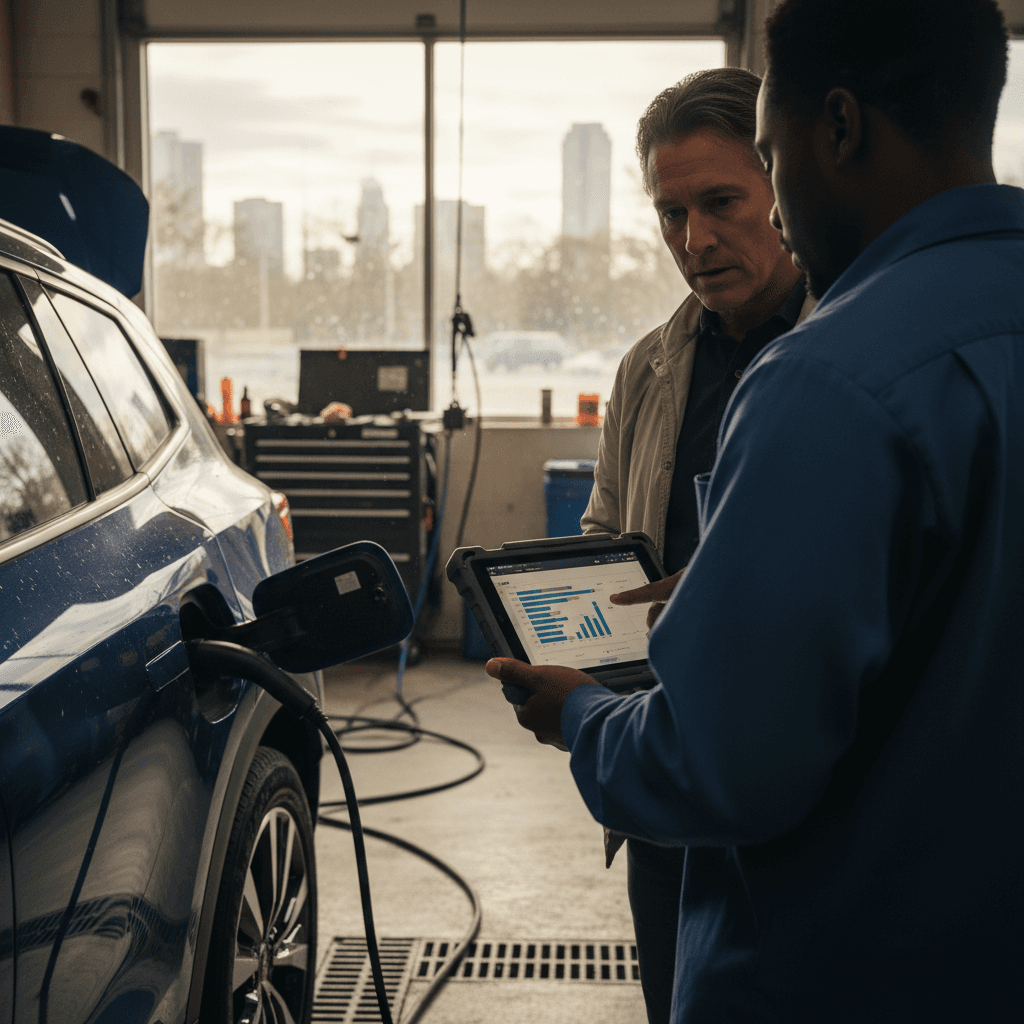
On a used gasoline car, you worry about engines and transmissions. On a used EV, battery health is the main event. In Georgia’s heat, that matters even more, because high temperatures and frequent fast‑charging can accelerate degradation over the years.
- State of health (SoH): Usually expressed as a percentage of original battery capacity. An 88% SoH pack on a long‑range EV can still be perfectly usable.
- Real‑world range: You care less about SoH on paper and more about, “How far will this go on a full charge with the A/C running in July?”
- Charging history: Heavy reliance on DC fast charging, especially in hot weather, can age a pack faster than mostly home Level 2 charging.
- Warranty status: Many EVs carry 8‑year/100,000‑mile (or similar) battery warranties; where a car sits versus that line matters to your risk.
Lean on third‑party battery diagnostics
Charging a used EV in Georgia: costs, rates and rebates
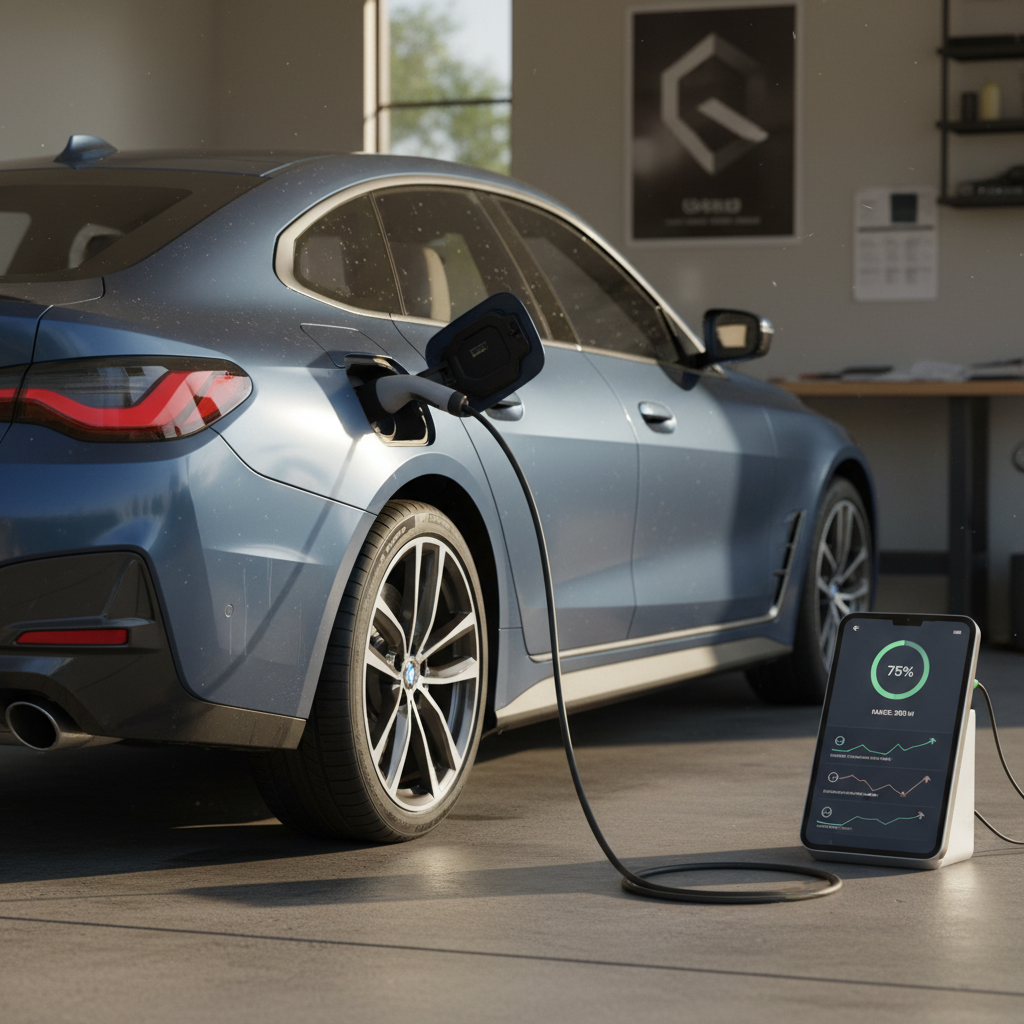
Your biggest financial advantage with a used EV in Georgia is that electricity is comparatively cheap, especially on the right plan. The flip side: if you stay on a standard residential rate and charge mostly at 6 p.m. in August, your bill can jump more than you expect.
Home charging with Georgia Power
- Standard residential rates: If you never change plans, you’ll pay a blended rate that’s okay, but not optimized for EVs.
- Overnight/EV rate plans: Georgia Power’s overnight or EV‑specific tariffs can drop energy costs into the 2–4¢/kWh range during late‑night hours, in exchange for higher peak pricing.
- What it means: A 250‑mile EV charged mostly at night can cost the equivalent of well under $1 per gallon in fuel.
Public charging in Georgia
- Level 2 in cities: You’ll find more Level 2 chargers at workplaces, retail and parking decks across Atlanta, Savannah, Augusta and Athens.
- DC fast charging corridors: Electrify America, Tesla (for Tesla and many non‑Tesla EVs), and other networks cover most major interstates.
- Pricing spread: Expect anything from free workplace charging to premium per‑kWh or per‑minute rates that rival or exceed gas on a per‑mile basis.
Using Georgia Power’s home charger rebate in 2026
1. Confirm you’re a residential customer
Make sure the home where the charger will be installed is served by Georgia Power under a qualifying residential tariff.
2. Choose an eligible Level 2 charger
Review Georgia Power’s 2026 EVSE rebate terms; not every mobile cable or low‑power device counts. Look for a wall‑mounted Level 2 unit that meets their specs.
3. Install safely with a pro
Have a licensed electrician add the 240‑volt circuit and install the charger. This is not a DIY job; Georgia’s heat and thunderstorms make good electrical work essential.
4. Submit documentation promptly
Gather your paid invoice, permit sign‑off and charger serial information. Submit your rebate application during the 2026 program window while funds last.
Don’t ignore the rate plan fine print
Where to find used electric cars in Georgia
Inventory for used EVs in Georgia runs the gamut: franchise dealers, independent lots, online marketplaces and private‑party sellers. Metro Atlanta in particular functions as the state’s EV hub, with plenty of off‑lease Teslas and other models cycling through every month.
Main channels to shop used EVs
Each comes with trade‑offs on transparency, convenience and battery insight.
Franchise & independent dealers
- Good for trade‑ins and seeing several models in one stop.
- Some offer certified‑pre‑owned EVs, though inspection standards vary.
- Battery reports range from excellent to “we’ll show you the dash screen.”
Online marketplaces
- Wider selection than a single lot, especially if you’re open to shipping into Georgia.
- Photos and Carfax‑style history are common, but battery data quality is mixed.
- Pay attention to return policies and independent inspection options.
Private‑party sales
- Sometimes the lowest purchase prices.
- Highest risk on undisclosed battery or charging issues.
- You’ll need to arrange your own inspection, diagnostics and financing.
How Recharged fits in
Ready to find your next EV?
Browse VehiclesInspection checklist for buying a used EV
Whether you’re standing on a lot in Marietta or reviewing an online listing from your kitchen in Macon, you’ll want a structured way to compare used EVs. Use this checklist as a starting point and adapt it to your budget and comfort level.
Essential checks before you buy a used electric car in Georgia
1. Verify battery health & range
Ask for a recent battery health report or diagnostic scan. Compare its projected range against EPA ratings and your daily miles, including highway segments and A/C use.
2. Review charging behavior
Test both Level 2 and (if possible) DC fast charging. Make sure the car connects reliably, hits expected power levels, and doesn’t throw charging‑related error messages.
3. Check for software & connectivity issues
Confirm that maps, over‑the‑air update features and mobile‑app connectivity work. Missing updates can affect range estimates, safety features and charging behavior.
4. Examine tires, brakes and suspension
EVs are heavier than comparable gas cars. Inspect tires for uneven wear and ask if the suspension or brake components have been serviced or upgraded.
5. Investigate accident and flood history
Run a history report and look underneath the car for corrosion or signs of flood damage. Saltwater and high‑voltage systems are a bad mix, especially on coastal vehicles.
6. Confirm charging equipment & adapters
Make sure the car comes with the promised Level 1/Level 2 cables or wallbox, plus any proprietary adapters you’ll actually use in Georgia’s charging network.
Be extra wary of “mystery range” cars
Financing and total cost of ownership
With purchase credits gone in 2026, you’re back to basics: sale price, interest rate, insurance, maintenance and energy costs. The good news is that used EVs can still undercut comparable gas vehicles on total cost of ownership, especially if you lock in smart charging habits.
What drives your monthly cost
- Loan payment: Lower used EV prices mean a smaller principal, even if interest rates tick up.
- Energy vs. fuel: Night‑time home charging can cost a fraction of gasoline on a per‑mile basis.
- Maintenance: No oil changes, fewer moving parts, but budget for tires and possible out‑of‑warranty items.
- Insurance: Can be higher or lower than a gas equivalent depending on model and repair costs; shop around.
How Recharged can help you finance
- EV‑savvy lending partners: Recharged works with lenders familiar with EV resale value and battery‑related risk.
- Pre‑qualification with no hard hit: You can pre‑qualify for financing online in minutes, then fine‑tune down payment and term.
- Transparent pricing: The Recharged Score Report ties fair‑market price to real battery health, so you’re not over‑borrowing for a weak pack.
Compare EV vs. gas on a per‑mile basis
FAQ: used electric cars in Georgia 2026
Frequently asked questions about used electric cars in Georgia
Bottom line: should you buy a used EV in Georgia in 2026?
For many drivers, 2026 is an excellent year to buy a used electric car in Georgia. Purchase prices have softened, there’s more inventory than ever in and around Atlanta, and smart use of Georgia Power’s rate plans can make your fuel cost almost an afterthought. The trade‑off is that federal tax credits are gone and battery health matters more than any single line on the window sticker.
If you approach the market with clear range needs, a sharp eye on battery diagnostics, and a realistic view of charging and rate plans, a used EV can undercut a comparable gas car on total cost of ownership while delivering a quieter, smoother daily drive. And if you’d rather not navigate that alone, Recharged is built to make used EV ownership in Georgia simple and transparent, from verified battery health and fair pricing to financing, trade‑ins and delivery right to your driveway.