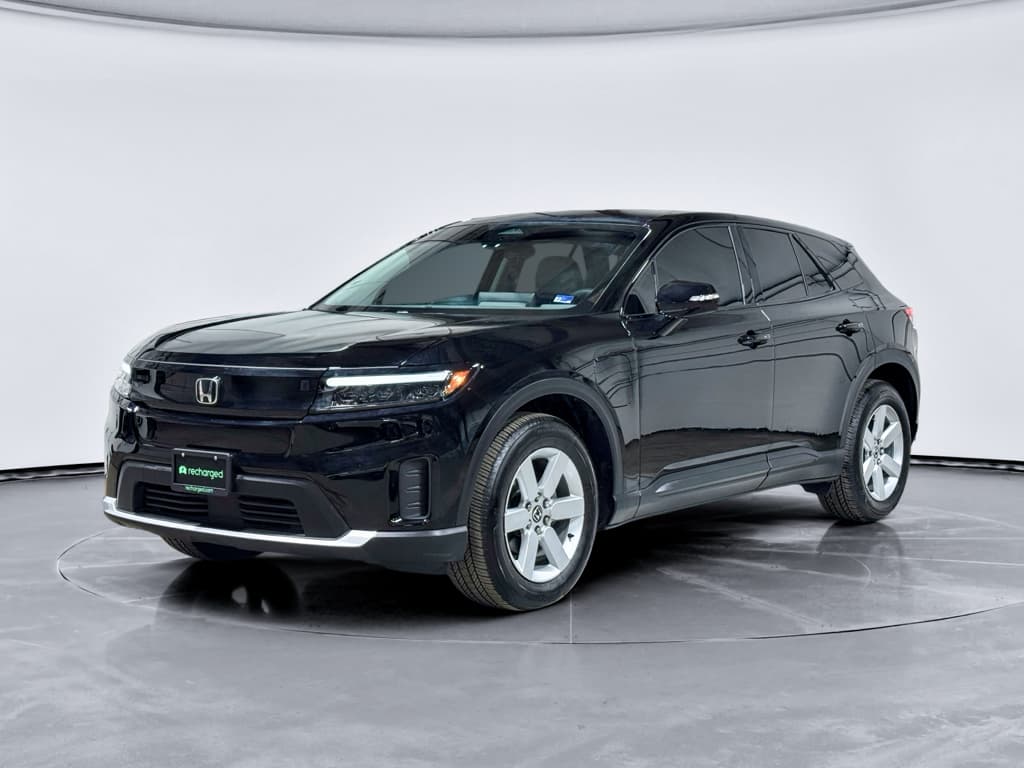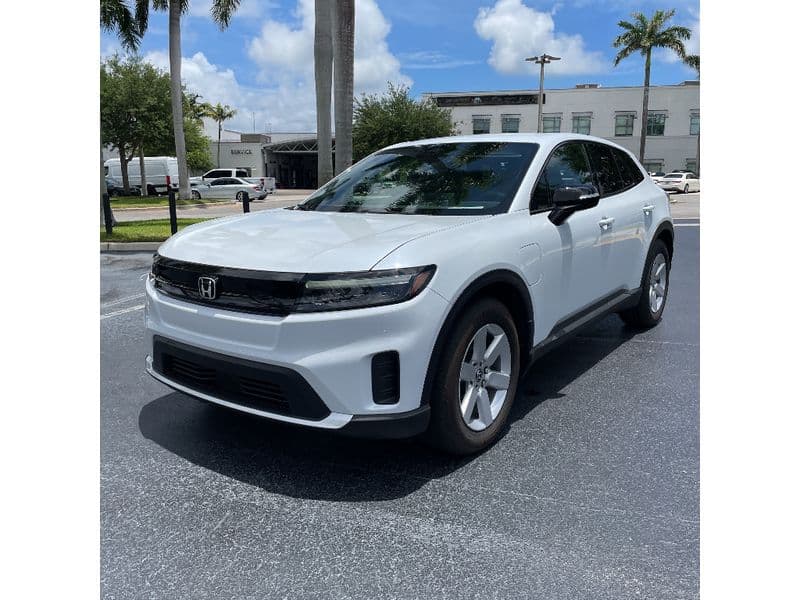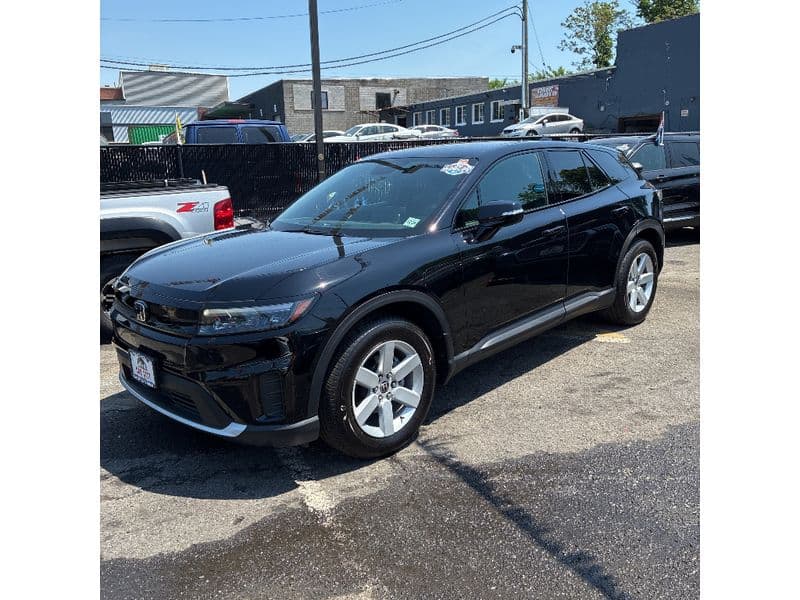
If you’re looking at a 2025 Honda Prologue, or already have one in the driveway, you’re smart to ask about recalls. The Prologue is Honda’s first mass‑market electric SUV, built on GM’s Ultium platform, and early EVs tend to collect software gremlins the way a white couch collects coffee stains. This guide walks through the current 2025 Honda Prologue recalls list, how 2024 campaigns affect 2025 models, and how to protect yourself before you buy or before you head out on that first road trip.
Quick snapshot
Overview: 2025 Honda Prologue recalls so far
Honda Prologue recall picture as of April 2026
Here’s the nuance the window sticker doesn’t tell you: recall history on the Prologue is split between two timelines. On one side you have 2024‑model‑year recalls, suspension, electronics, software, documented by NHTSA. On the other you have the 2025 Prologue, which benefits from some mid‑stream fixes at the factory but still shares DNA with those earlier builds. When you’re shopping, you can’t just ask “Does the 2025 have recalls?” and call it a day, you have to understand what was fixed, when, and how that lines up with your VIN.
Dates matter more than model years
Known recalls on the 2024 Prologue (and what carries into 2025)
The 2024 Honda Prologue has been the recall guinea pig for this platform. While campaign numbers and exact wording vary, the big buckets are consistent across coverage from Honda, NHTSA, and EV forums:
- Instrument cluster / infotainment screen software – A large recall covering 2024 Honda Prologue and Acura ZDX where the gauge cluster and center screen could go blank or fail to show the required rear‑camera view when reversing. The fix is a dealer‑installed software update.
- Blank / frozen display and connectivity bugs – Related campaigns and service bulletins targeting reboots, loss of audio, intermittent CarPlay/Android Auto, and poor Bluetooth stability, again largely solved with updated software loaded at the dealer.
- Front suspension control arm issue – A 2024 Prologue recall where a right front lower control arm could fracture or separate, potentially affecting steering control. This is a physical component replacement, not just software.
- Miscellaneous early‑build fixes – Product updates and technical service bulletins (TSBs) for charging behavior, HVAC quirks, and noise/vibration concerns. These are not always formal recalls, but they tell you where the weak joints in the armor have been.
Honda has stated that the major software fix for the blank‑screen campaign was baked into production around the start of the 2025 model year. In plain English: later‑build 2025 Prologues roll out of the factory with the revised code already onboard, whereas early 2024s needed to be brought back in.
How this affects a 2025 shopper
Does the 2025 Honda Prologue have any unique recalls?
Right now, the 2025 Prologue’s greatest trick is statistical invisibility. As of early April 2026, public recall databases and safety‑rating aggregators list zero 2025‑specific NHTSA safety recalls for the Prologue. Some owner‑facing sites even trumpet this as proof of exceptional reliability. That’s…generous.
What “0 recalls” really means
A clean recall line for 2025 simply means no separate federal campaign has been published that explicitly names the 2025 Prologue as its own affected population. It doesn’t mean there are no defects, no TSBs, and no shared issues with the 2024s.
Why you should still dig
Because the Prologue is a low‑volume, shared‑platform EV, Honda has tended to group actions under the 2024 launch year or treat issues as software updates and bulletins. If you see a smug “zero recalls” badge, let that be your cue to open the NHTSA VIN tool, not to relax.
Are 2025 owners completely in the clear?
Software & screen‑blanking recall: what owners need to know
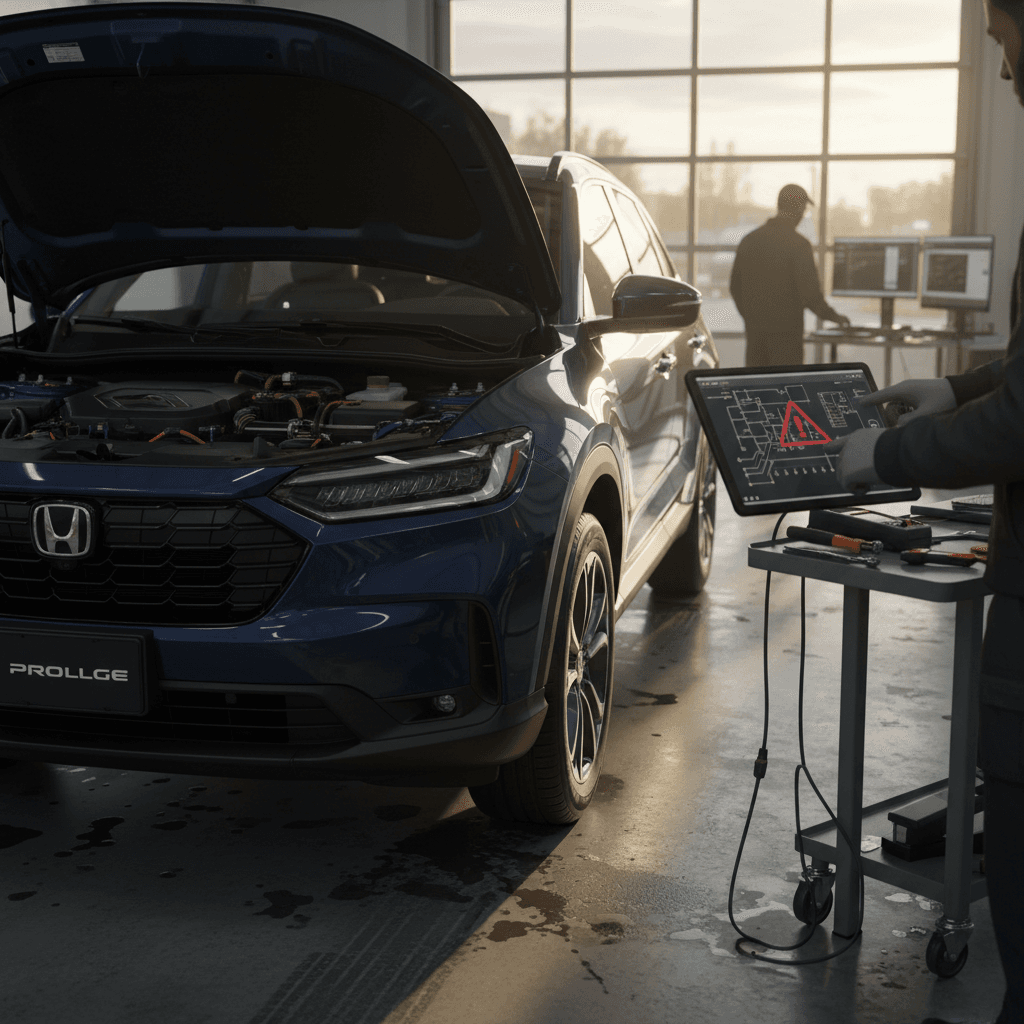
The headline‑grabbing recall tied to the Prologue is the software defect that can cause instrument clusters and center screens to go blank, or keep the rear‑view camera from displaying when you shift into reverse. Both outcomes are safety issues; both are also very on‑brand for first‑wave EVs built on a shared software stack.
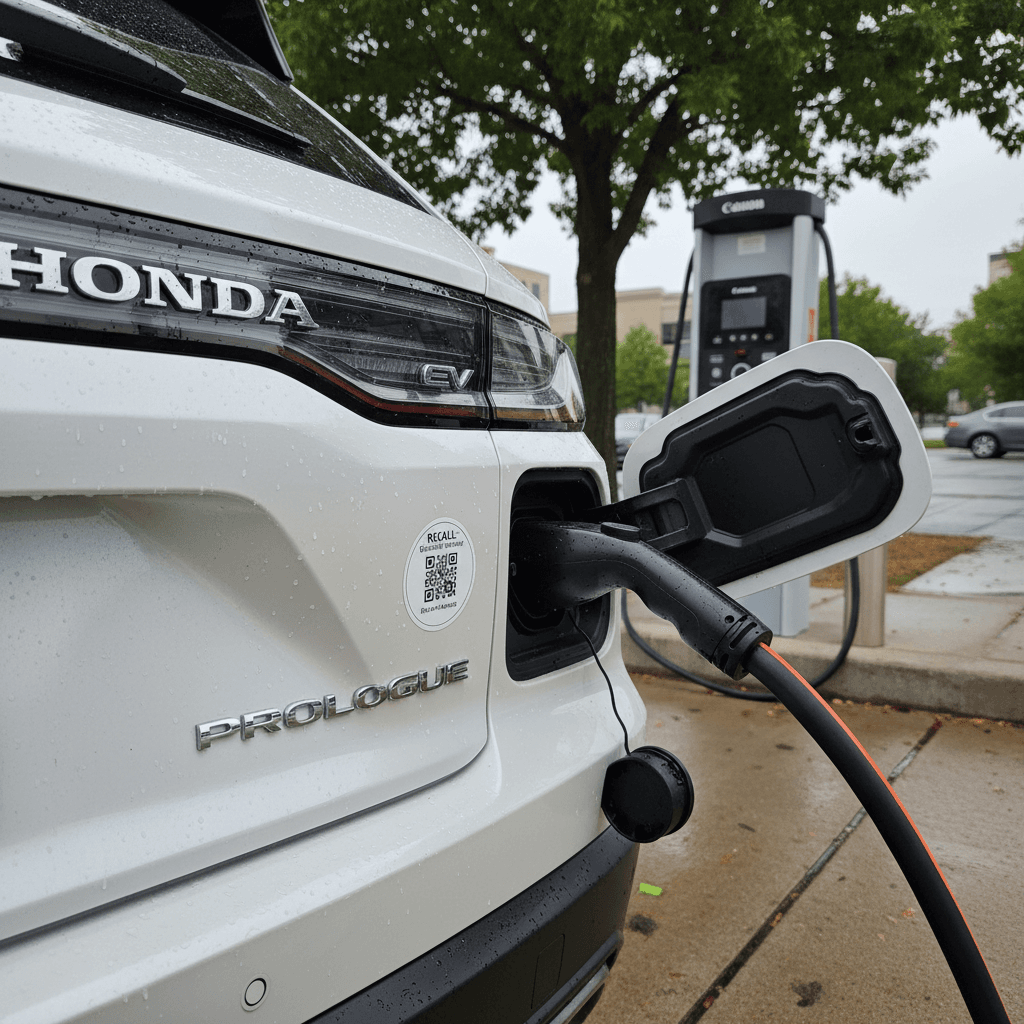
- Who’s explicitly covered? The formal recall population is defined around the 2024 Honda Prologue and 2024 Acura ZDX, totaling roughly 65,000 vehicles.
- What’s the symptom? The infotainment and gauge cluster can intermittently go dark or fail to show the required rear camera view, violating federal safety standards and eroding driver confidence.
- What’s the fix? Dealers load revised software through the OBD‑II port, updating multiple modules. Owners report that, in practice, this feels like the car’s entire brain being reflashed, from the Android‑based infotainment OS to vehicle‑wide control software.
- What about 2025s? Honda indicates that the updated software was added to the production line around January 2025. That means many 2025 Prologues already have the fix from day one, but early 2025 builds and carry‑over inventory may still need dealer attention if the software level is behind.
Don’t ignore screen glitches
Suspension and structural recalls: control arms and more
The other big‑ticket item in the Prologue recall saga is the front suspension. A 2024 recall campaign targeted right front lower control arms that could fracture or separate due to a manufacturing defect, potentially affecting steering control and straight‑line stability. That’s the sort of failure you never want to meet at 70 mph.
- Affects 2024 builds – The formal population is defined as 2024 Prologue vehicles produced within a specific date range. Many of those vehicles weren’t sold until calendar‑year 2025.
- Why 2025 shoppers should care – A CPO or used Prologue with a 2025 registration date can still be a 2024 model carrying that control‑arm recall. If the replacement hasn’t been done, you’re inheriting someone else’s unfinished safety work.
- Component vs. software – Unlike the screen‑blanking issue, this is a physical part swap. You want documentation that the revised control arm is installed, not just a line item about a software update.
Always read the recall description
Recall status table: 2024 vs. 2025 Prologue
Key Honda Prologue recall campaigns and 2025 relevance
High‑level view of the main recall themes tied to the Honda Prologue launch, and how they intersect with 2025 buyers.
| Issue / Campaign type | Primary model year listed | Fix type | How it affects 2025 shoppers |
|---|---|---|---|
| Instrument cluster & infotainment screens blanking / rear camera not displaying | 2024 Prologue & 2024 Acura ZDX | Dealer software update (multiple modules reflashed) | Later‑build 2025 Prologues should have fixed software from factory, but early 2025 builds or unsold 2024 inventory may still need this update. Check software version and VIN history. |
| Front suspension right lower control arm may fracture or separate | 2024 Prologue | Physical control‑arm replacement at dealer | Any used Prologue you see on a lot in 2026 could be a 2024 model sold in 2025. Confirm by VIN whether the suspension recall applies and has been completed. |
| Misc. early EV platform and charging behavior fixes (TSBs and product updates) | Primarily 2024 Prologue | Software updates, module replacements, and procedural changes | Issues like inconsistent charging behavior or HVAC quirks may appear in 2025s but be handled via service bulletins rather than recalls. Ask for a printout of all completed campaigns and updates. |
| 2025‑only safety recall campaigns | 2025 Prologue | (none publicly listed yet) | As of April 2026, there are no NHTSA safety recalls that single out the 2025 Prologue as a distinct affected population. That can change quickly, so keep checking. |
Campaign names and NHTSA numbers vary; always verify details for your exact VIN using the official NHTSA recall lookup and Honda’s own recall tool.
How to check your 2025 Prologue for open recalls
Because the Prologue lives at the intersection of Honda, GM, and a shifting federal incentive landscape, you should treat recall checks as routine maintenance, not a one‑and‑done chore. Here’s the cleanest way to stay ahead of the paper trail.
Step‑by‑step: verify recall and campaign status
1. Grab your 17‑digit VIN
You’ll find it at the base of the windshield on the driver’s side, on the driver‑door jamb label, and in your registration or insurance documents. For a remote purchase, ask the seller to text or email a clear photo.
2. Run the VIN through the NHTSA recall tool
Go to the official federal recall site and enter your VIN. This will show <strong>open safety recalls</strong> that haven’t been marked as completed. If you see nothing, that only tells you there are no open campaigns today, not that the car has a spotless past.
3. Check Honda’s own recall lookup
Honda also runs a brand‑specific recall and service‑campaign lookup. It may show actions, like software updates or "product updates", that don’t appear as formal NHTSA safety recalls yet.
4. Ask the seller for a service history printout
Dealers can print a <strong>campaign history</strong> by VIN, showing which recalls, product updates, and TSB‑linked operations have been completed. For a private‑party sale, ask to see dealer invoices or digital records in the Honda app.
5. Verify software level on the car itself
In the infotainment settings menu you can see OS and software build numbers. If they’re well behind what owners on Prologue forums report after recall updates, assume the car still needs a trip to the dealer.
6. Schedule recall and software work before you sign
If you’re buying from a dealer, make recall completion a <strong>condition of sale</strong>. For a private party, treat open recalls and obvious software lag as leverage on price, then budget time to visit your preferred Honda store.
The price of free fixes
TSBs vs. recalls: common Prologue complaints not on the list
Spend ten minutes in a Prologue owner forum and you’ll see patterns that don’t always rise to recall level. These often land in the bucket of Technical Service Bulletins (TSBs), factory instructions that tell dealers how to fix known issues when customers complain, without the full federal‑recall spotlight.
Common Prologue issues that may not be recalls (yet)
Good to know when a seller tells you the car is “perfect.”
Tech and connectivity gremlins
Owners report dropped phone calls, CarPlay/Android Auto instability, frozen maps, and random reboots, sometimes after the official software recall update. These typically get addressed with additional software patches or module resets.
HVAC and comfort quirks
Erratic climate‑control behavior, odd fan noise, or inconsistent seat‑heater performance can appear in TSBs rather than recalls. Annoying, but usually not safety‑critical unless it impacts defrosting and visibility.
Noise, vibration, and ride concerns
Clicks, clunks, or humming from the front end or driveline are classic new‑platform teething pains. Sometimes they trigger redesigned parts or a future recall; other times they live as warranty fixes and TSB footnotes.
Ask for TSB coverage, not just recalls
Shopping used 2025 Prologue: how recalls should shape your offer
On the used market, the 2025 Prologue is an interesting proposition: handsome, efficient, backed by Honda’s retail network, but underpinned by GM hardware that’s already spawned one sizeable software recall. That doesn’t make it a bad used buy. It does mean you should price in sorting out someone else’s homework.
Questions to ask before test‑driving
- “Has this VIN had the screen/software recall and any suspension recalls completed?”
- “Can you show me the recall and campaign history printout?”
- “What’s the current infotainment software version on the car?”
- “Has the car had any repeated warranty visits for tech issues?”
How recalls affect value
- Completed recalls with good documentation are a selling point. They show the problems are identified and fixed.
- Open recalls are leverage: you either demand completion before purchase or negotiate the price down.
- Repeated visits for the same issue can justify walking away, even if recall work is technically done.
Don’t overpay for an unsorted Prologue
Where Recharged fits in: battery health, recall history, and support
If you like the Prologue’s package but not the detective work, this is where a curated marketplace helps. Every EV sold through Recharged comes with a Recharged Score Report that digs into battery health, pricing, and the kind of history that matters if you plan to live with the car past the first honeymoon charge.
Buying a used Prologue through Recharged
Less guesswork, more transparency.
Verified battery health
Our Recharged Score uses battery diagnostics to show you real‑world capacity and degradation, not just a cartoon range meter on the dash.
History & recall visibility
We review service and campaign history so you can see what recall and software work has already been done, and what still needs attention.
Financing, trade‑ins & delivery
From EV‑friendly financing to trade‑in offers, consignment, and nationwide delivery, Recharged is built to make a used EV purchase feel less like a gamble and more like a plan.
Ready to find your next EV?
Browse VehiclesYou can complete the entire purchase experience digitally, or visit the Recharged Experience Center in Richmond, VA if you prefer to talk things through with an EV specialist in person. Either way, the goal is the same: a used Prologue that feels sorted, not experimental.
2025 Honda Prologue recalls FAQ
Frequently asked questions about 2025 Honda Prologue recalls
Bottom line: is the 2025 Honda Prologue a recall red flag?
The 2025 Honda Prologue doesn’t carry a scarlet letter in the federal databases, no model‑year‑specific recall wall of shame, no headline‑making defect with its name on it. What it does carry is the inheritance of a first‑generation EV platform: big early software fixes, at least one serious suspension recall on the 2024s, and a fair amount of under‑the‑skin complexity shared with its GM cousins.
If you go in eyes‑open, VIN in one hand, recall history in the other, the 2025 Prologue can still be a compelling electric SUV. It rides well, looks good, and when the software behaves, it feels thoroughly modern. Just don’t confuse "zero recalls on record" with "nothing to worry about." Whether you’re buying privately or through a curated marketplace like Recharged, treat recall and software history as part of the value equation, not the fine print.