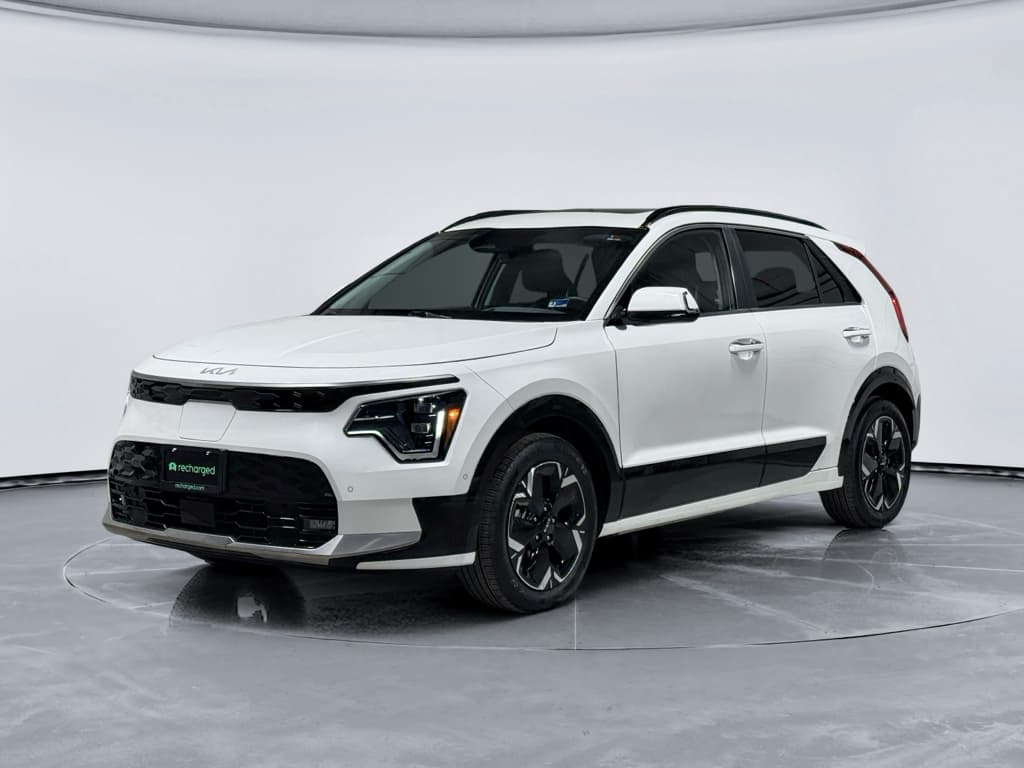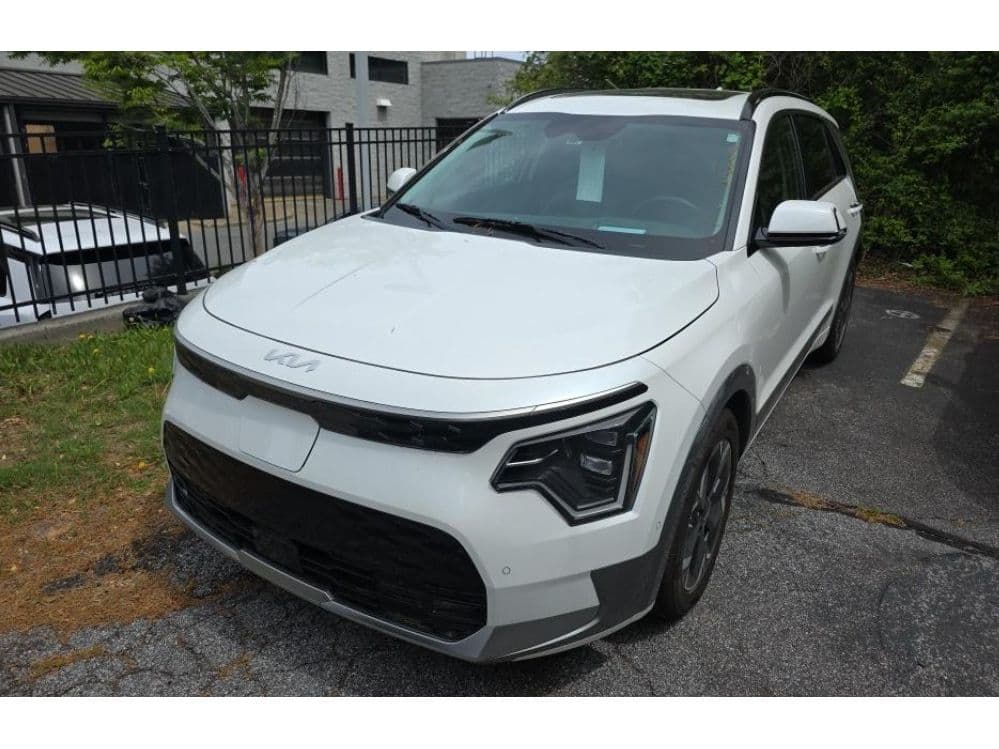
If you’re eyeing a Kia Niro EV, or thinking about selling yours, the big question is simple: what will it be worth in a few years? This Kia Niro EV resale value forecast pulls together current market data, real‑world depreciation, and battery‑life expectations so you can decide whether the Niro EV is a smart bet through 2030, especially in the used market Recharged focuses on.
Quick takeaway
Why Kia Niro EV resale value matters in 2026–2030
Resale value isn’t just about what you’ll get on trade‑in someday. It shapes your total cost of ownership, monthly payments, and risk if the market shifts. EV pricing has been volatile, and several studies now show that EVs, on average, depreciate faster than comparable gas cars, around 58–60% over five years versus roughly mid‑40s for all vehicles combined.
The Kia Niro EV sits in the most hotly contested part of the market: compact, practical crossovers with 200+ miles of range. That’s good for buyer demand, but it also means the Niro EV competes with a growing list of newer models and price cuts from both legacy OEMs and newer brands. Understanding where its resale value is heading helps you time when, and how, you buy or sell.
Where Kia Niro EV resale value stands today
Current Kia Niro EV value snapshot (late 2025 data)
Recent used‑market snapshots of the 2020 Niro EV show a drop from roughly $39,000 new to about $16,500 after five years, a depreciation of around $22,500 and value retention of about 42%. That is right in line with broader EV trends: most mainstream EVs are losing a bit more than half their value over a five‑year window.
Fresh depreciation modeling for newer model years isn’t kinder. Some tools show the Niro EV losing 50% or more of its value in the first five years, depending on trim and incentives applied at the time of purchase. The 2024–2025 Niro EV also faces attention‑grabbing siblings in Kia’s lineup (EV6 and EV9), which can divert demand and nudge resale values down for the more humble Niro EV.
Why it looks harsh on paper
5‑year resale value forecast for the Kia Niro EV
Projecting resale value is never exact, but we can build a reasonable 2026–2030 depreciation forecast by blending current transaction data, EV‑wide depreciation studies, and what we know about the Niro EV’s strengths and weaknesses.
Illustrative 5‑year Kia Niro EV resale value forecast (U.S.)
Approximate retained value for a well‑maintained Kia Niro EV driven ~12,000–13,500 miles per year. These are directional estimates, not guaranteed prices.
| Vehicle age | Calendar example* | Estimated value retained | Illustrative resale price | Notes |
|---|---|---|---|---|
| 1 year | 2026 Niro EV in 2027 | ~70–75% | $28,000–$30,000 | Typical first‑year hit for mainstream EVs. |
| 3 years | 2026 Niro EV in 2029 | ~50–55% | $20,000–$22,000 | In line with current EV depreciation averages. |
| 5 years | 2026 Niro EV in 2031 | ~40–45% | $16,000–$18,000 | Similar to what we see today on 2020 models. |
| 7 years | 2026 Niro EV in 2033 | ~30–35% | $12,000–$14,000 | Battery warranty still active; demand depends on range competitiveness. |
| 10 years | 2026 Niro EV in 2036 | ~22–28% | $9,000–$11,000 | Approaching the “value floor” where age matters more than drivetrain. |
Assumes a new‑vehicle transaction price around $40,000 before incentives. Actual values will vary by trim, incentives, condition, and local market.
For a buyer in 2026, that means a 3‑year‑old Niro EV (say a 2023 model) could realistically sit in the low‑to‑mid‑$20,000s if mileage and condition are average. By year five, many examples are likely to land in the high teens. That’s painful if you bought new at full MSRP, but it’s a sweet spot for used‑EV shoppers looking to minimize depreciation risk.
How to “buy past” peak depreciation
10‑year outlook: battery life and the “value floor”
Long‑term resale for any EV lives or dies on its battery. The Niro EV’s pack has two things going for it: conservative thermal management and a 10‑year/100,000‑mile warranty against excessive degradation. Real‑world owner reports from 2019–2021 cars show minimal range loss even past 50,000–60,000 miles, which bodes well for used values.
Modern EV packs often deliver in the neighborhood of 200,000+ miles before reaching ~70% of original capacity, which is when many engineers consider a pack “end of life” from a warranty perspective. For the Niro EV’s roughly 250‑mile rated range, that implies usable life well beyond what most U.S. drivers clock in a decade.
What this means for value after 8–10 years
By the time a Niro EV is 8–10 years old, depreciation slows and you approach a value floor where age, cosmetics, and general wear matter more than which powertrain it has. At that stage, the difference between a Niro EV and a comparable gas Niro in resale dollars narrows, especially if the EV’s pack still supports 150+ real‑world miles of range.
Risk factors that could shift the floor
- Rapid range inflation: If 350–400 miles becomes the affordable norm, 250‑mile EVs may feel dated faster.
- Charging standards: As NACS becomes standard, adapter availability and DC fast‑charge speed will influence how “livable” older Niros feel on road trips.
- Policy changes: Future taxes, fees, or incentives on EVs could nudge older values up or down.
Key factors that help or hurt Kia Niro EV resale value
What’s propping up, or dragging down, Niro EV resale?
Most used‑market pricing comes down to a few repeatable themes.
Battery & range
The Niro EV’s ~64 kWh pack and ~253‑mile EPA range are still competitive for daily use. That helps it hold value better than short‑range early EVs, but as 300‑mile crossovers get cheaper, expectations will rise.
Warranty coverage
Kia’s long battery warranty and solid reliability reputation give used‑car buyers confidence, especially when paired with a verified battery health report like the Recharged Score.
Body style & practicality
Compact crossover packaging, usable cargo space, and an approachable driving experience keep demand broad. Practical EVs tend to age better than niche or luxury models.
Incentives & pricing swings
Generous new‑car incentives, aggressive leasing, and mid‑cycle price cuts can all pull used values down. If a new Niro EV is heavily discounted, used ones must adjust to compete.
Charging experience
Decent DC fast‑charging plus easy home Level 2 charging are now table stakes. As high‑power networks grow and NACS proliferates, perceived charging “hassle” will shape future resale.
Macro EV trends
Interest rates, gas prices, and overall EV sentiment have a direct impact. When EV demand softens, cars like the Niro EV may feel more pressure than halo products but less than fragile first‑gen EVs.
A quiet advantage: being “normal”
Kia Niro EV vs other EVs: resale comparison
So how does the Kia Niro EV stack up against the broader EV field on resale value? Recent analyses show that EVs overall lose close to 59% of their value in five years, versus mid‑40s for the average vehicle. Within that, the Niro EV lands very near the EV average and better than some more experimental or range‑limited models.
Resale comparison: Niro EV vs similar EVs (5‑year view)
High‑level comparison of 5‑year depreciation patterns for popular compact EVs and crossovers. Percentages are directional, based on recent studies and observed used‑market pricing.
| Model | Segment | Approx. 5‑yr depreciation | Resale positioning |
|---|---|---|---|
| Kia Niro EV | Compact crossover EV | ~58–60% | Near EV average; practical packaging helps. |
| Hyundai Kona Electric | Compact crossover EV | ~58–60% | Very similar curve; sibling product. |
| Chevrolet Bolt EV/EUV | Compact hatch/crossover | ~60–65% | Heavier incentives and discontinuation weigh on values. |
| Nissan Leaf (40 kWh) | Compact hatch EV | ~65–70% | Shorter range and older tech hurt resale. |
| Tesla Model 3 RWD | Compact sedan EV | ~45–55% | Tends to hold value better, but has seen pressure from Tesla price cuts. |
These are illustrative ranges meant to show relative positioning, not precise predictions for any single VIN.
The key takeaway: the Kia Niro EV isn’t a “resale champion” the way some Teslas still are, but it’s also far from the worst offender. For a value‑minded buyer, that middle‑of‑the‑pack behavior can be attractive: you avoid inflated pricing driven by hype, while still getting a package that used‑car shoppers understand and want.
Hybrid vs EV Niro depreciation
How to shop a used Kia Niro EV with resale in mind
If you’re buying used, you’re in the sweet spot of the Kia Niro EV resale curve, as long as you choose carefully. Here’s how to tilt the odds in your favor so you’re not surprised when it’s your turn to sell or trade in.
Used Kia Niro EV buying checklist (for strong resale)
1. Target the 3–5‑year window
Look for Niro EVs that are roughly 3–5 years old. You’ll usually pay around 40–60% of original MSRP while still getting lots of battery warranty runway and current‑enough tech.
2. Prioritize battery health documentation
Ask for a <strong>battery health report</strong> rather than relying on range guesses from the dash alone. Every Niro EV listed on Recharged includes a Recharged Score report with <strong>verified pack health</strong>, so you know what you’re getting.
3. Check DC fast‑charging history
Heavy, repeated DC fast charging isn’t inherently bad, but extreme patterns can accelerate wear. Look for service records and owner history that suggest mostly home or Level 2 charging with occasional fast‑charge use.
4. Watch for unusually cheap outliers
If a Niro EV is priced well below similar listings, assume there’s a story. High mileage, accident history, cosmetic neglect, or out‑of‑warranty issues can all hammer resale later, no matter how good the deal looks now.
5. Favor clean, original examples
Cars that haven’t been modified, wrapped, or heavily customized are easier to resell. Original wheels, no DIY wiring, and stock infotainment all help future buyers feel confident.
6. Mind the trim and options
Higher trims with desirable tech and comfort features tend to hold value better, but only up to a point. Balance useful upgrades with the risk of paying for extras that used‑car shoppers won’t reward later.
Leverage transparent pricing & trade‑in tools
Ownership strategies to protect your Niro EV’s value
Once you own a Kia Niro EV, protecting resale value is largely about treating the car in ways that future buyers and lenders trust. The basics look a lot like best practices for any car, with a few EV‑specific twists.
- Keep detailed service and tire records, even though EVs need less maintenance than gas cars, proof of care boosts confidence.
- Store and charge the car in a garage or shaded area when possible to reduce extreme heat exposure to the pack.
- Use DC fast‑charging strategically: great for trips, but don’t rely on it as your only charging method.
- Avoid chronic 100% or 0% states of charge; living mostly in the 20–80% band is an easy way to be kind to the battery.
- Fix cosmetic issues early, curb rash, small dents, and worn interiors all add up when an appraiser is setting a trade‑in value.
- Stay current on software updates, recall work, and TSBs so the car feels modern and well‑supported.
Don’t ignore warning lights or range drops
Is the Kia Niro EV a smart buy for resale‑conscious drivers?
From a pure depreciation standpoint, the Kia Niro EV is average for an EV and slightly worse than a comparable gas crossover. It’s unlikely to be the star of any “best resale value” awards, and if you buy new at full price, you should be emotionally prepared to lose more than half that number within five years.
But that’s only half the story. Because first‑owner depreciation has already happened for 2019–2023 models, the Niro EV can be a quietly excellent used buy. You get a practical package, solid real‑world efficiency, and a long battery warranty behind you, often for less than the price of a similarly equipped new gas crossover.
- Buy a 3–5‑year‑old Niro EV with documented battery health and clean history.
- Own it for 3–6 years, keeping mileage reasonable and care consistent.
- Sell or trade before the 10‑year battery warranty expires, while the car still feels modern and easy to finance.
That’s exactly the ownership window Recharged is built around. Every Niro EV we list includes a Recharged Score battery‑health diagnostic, transparent pricing versus the broader market, and EV‑specialist guidance from the first click through delivery. If you time your purchase well and take care of the car, the Kia Niro EV can deliver low running costs now and a predictable, manageable resale story later.