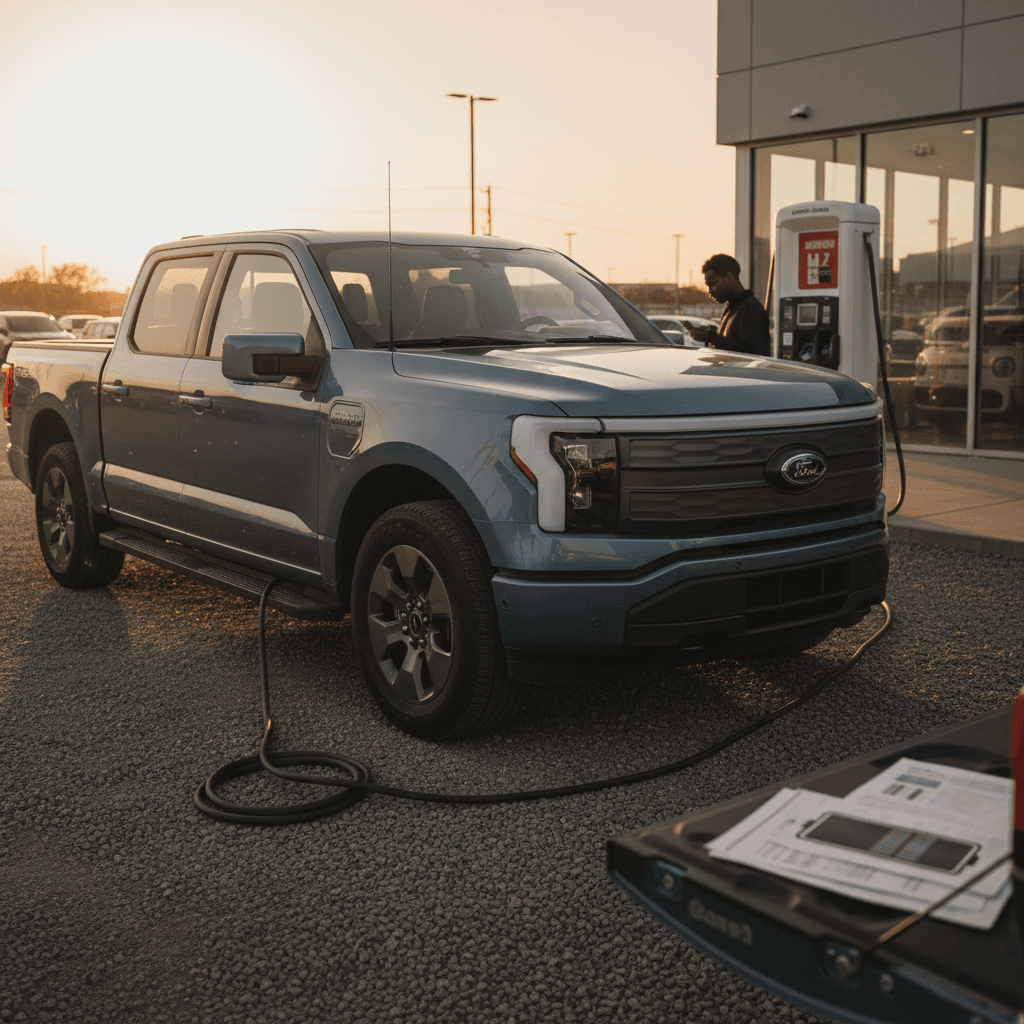
If you’re eyeing a used Ford F-150 Lightning in 2025 or 2026, you’re in a very different world than the early adopters who paid eye-watering markups in 2022. Prices have come back to earth, Ford has ended production of the current Lightning, and the used market is finally big enough that you can be picky. This review focuses on what the F-150 Lightning is really like as a used electric truck, how it drives, how the battery holds up, and what you must check before you sign anything.
Context: Ford ended Lightning production
Why this 2025 used review matters
Most reviews you’ll find were written when the Lightning was new, before price cuts, recalls, and the reality of real‑world range and towing had time to sink in. In 2025, you’re not asking, “Is this the future of the pickup?” You’re asking, “Is this a smart used‑truck buy compared with a gas F‑150, a hybrid, or a rival like the Rivian R1T?” This review looks at the truck from a used‑buyer’s perspective: value, durability, and day‑to‑day livability.
- We’ll focus on 2022–2024 trucks you’ll actually see on used lots, plus early 2025s.
- We’ll translate factory specs into real‑world behavior with miles and winters under their belt.
- We’ll walk through how to evaluate battery health and depreciation using tools like the Recharged Score.
Quick take: Is a used F-150 Lightning worth it?
Used F-150 Lightning at a glance (2025 market)
Our verdict in one line
Trims, batteries, and specs that matter on a used Lightning
Ford sold the F‑150 Lightning in familiar F‑150 flavors, Pro, XLT, Lariat, Platinum, and short‑run special trims like Flash. Underneath, every Lightning is a dual‑motor all‑wheel‑drive truck with either a Standard‑Range or Extended‑Range battery. On the used market, knowing which combo you’re looking at is half the battle.
Common used F-150 Lightning configurations
These are the combos you’re most likely to see on the used market and how they feel to live with.
| Trim | Battery | EPA range when new* | Typical used role | What to know |
|---|---|---|---|---|
| Pro | Standard or Extended | ≈230–240 mi SR / ≈300 mi ER | Fleet & value play | Rubber floor, work‑spec interior; great if you care more about capability than luxury. |
| XLT | Standard or Extended | ≈240–320 mi | Family hauler / light work | Sweet spot for many buyers; check options for tow package and BlueCruise availability. |
| Flash / Lariat | Mostly Extended | ≈300 mi | Comfort + tech | Heated/cooled seats, large screen, nicer materials; heavier trucks see slightly less real‑world range. |
| Platinum | Extended only | ≈300 mi (often less) | Luxury truck | Most expensive new; big wheels and weight mean noticeably shorter real‑world range. |
Exact range and towing ratings vary by wheel size and equipment; always verify on the specific truck’s door‑jamb label and window sticker if available.
Decode the battery quickly
Power and performance
- Horsepower: Up to the mid‑500s hp on Extended‑Range trucks.
- Torque: A tidal wave of instant torque, feels faster than most owners will ever need.
- 0–60 mph: Around 4 seconds on the quicker trims; even work‑spec trucks feel punchy.
Capability numbers
- Towing: Properly equipped Extended‑Range trucks are rated up to ~10,000 lb.
- Payload: Varies widely; many nicely optioned trucks land in the 1,600–2,000 lb range.
- Frunk volume: Over 14 cu ft, lockable, weather‑tight, and genuinely useful.
Real-world range and charging on a used Lightning
EPA numbers are a nice starting point, but by 2025 we’ve seen plenty of real‑world Lightning range data. In mild weather, an Extended‑Range truck driven sensibly can still get close to its original rating. Start adding highway speeds, winter temps, big wheels, or a trailer and you’ll watch those miles melt away.
What you can realistically expect for range
Assuming a healthy battery and no major damage or oversized tires.
Everyday commuting
Standard‑Range: 150–190 real‑world miles per charge is common.
Extended‑Range: 200–260 miles depending on speed and climate.
Plenty for most daily driving with overnight home charging.
Cold‑weather driving
Expect 20–40% range loss in winter, especially on the highway.
Seat and wheel heaters soften the blow, but preconditioning and a garage help a lot.
Loaded or towing
With a substantial trailer, it’s normal to see roughly half your empty‑truck range.
Think in 50–90 mile stints between DC fast charges on a heavy tow.
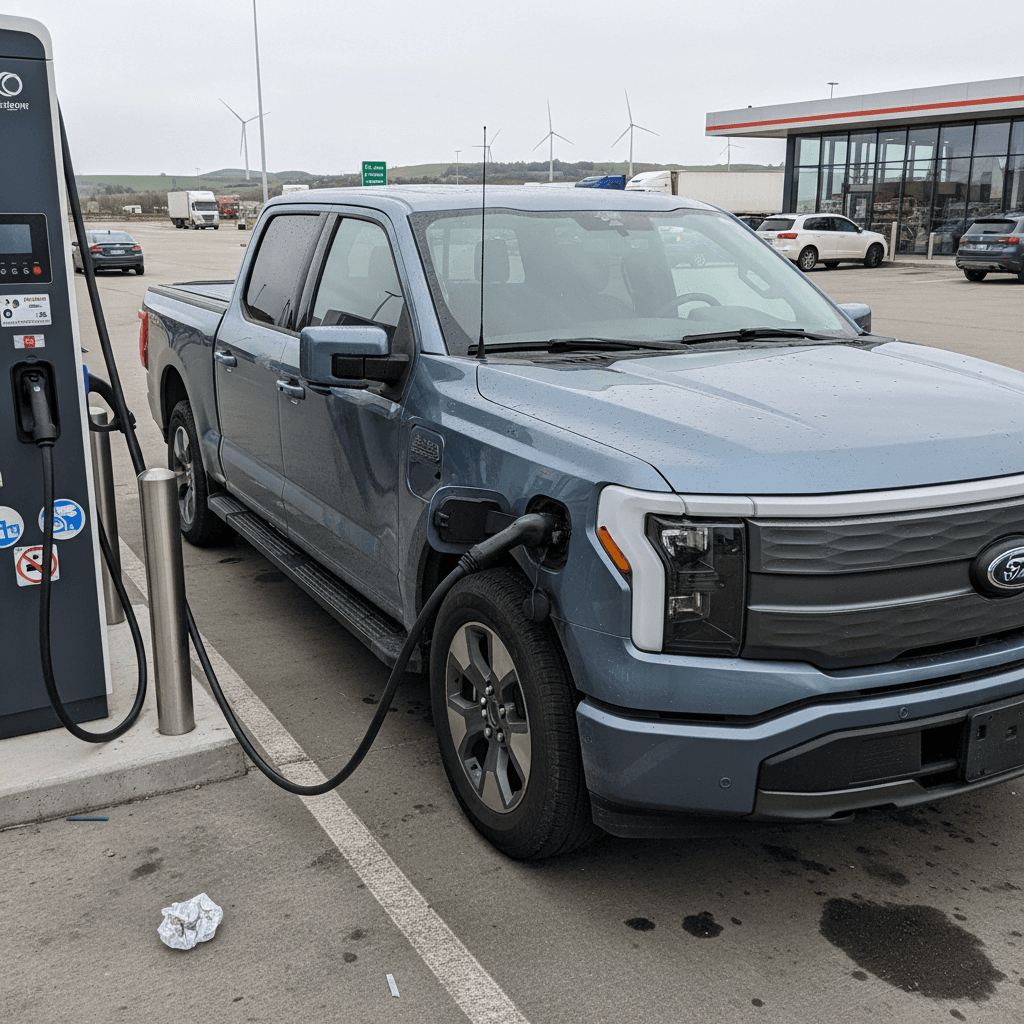
Charging experience has improved, slowly
Charging questions to ask about any used Lightning
1. Where has it mostly charged?
A truck that primarily fast‑charged on road trips but lived on <strong>Level 2 home charging</strong> otherwise is ideal. Ask the seller how they typically charged and how often they used DC fast charging.
2. Has it received software updates?
Over‑the‑air (OTA) updates improve charging speed and reliability. Make sure the truck is on current software and that the owner didn’t ignore update prompts for years.
3. What’s the real commute?
Be honest about your daily miles, climate, and whether you can install a Level 2 charger. A Lightning with 180–220 practical miles can still be perfect if your round‑trip is 60.
4. Which networks do you plan to use?
Check coverage for DC fast‑charging networks you’ll rely on along your routes, and make sure the truck has any adapters you’ll need for NACS/CCS changes in your region.
Towing, hauling, and using it like a truck
On paper, the F‑150 Lightning will tow like a gas F‑150. On the road, the story is more complicated. The instant torque is phenomenal, merging with a trailer feels effortless. But the combination of weight, aero drag, and battery physics means your usable towing radius is much shorter than a comparable gas truck.
Where the Lightning shines
- Short‑hop towing: Boats, utility trailers, and campers within 50–75 miles one way are its happy place.
- Control and stability: Low center of gravity and dual motors give a planted, confident feel when loaded.
- On‑site power: Pro Power Onboard outlets can run tools, lights, or even parts of a camper without a generator.
Where it struggles
- Long‑distance towing: Expect frequent fast‑charge stops, especially in winter or hilly terrain.
- Limited charging near campsites: Not every RV park or trailhead has suitable charging yet.
- Payload on luxury trims: High‑spec trucks can run out of payload quickly when you add passengers and tongue weight.
Don’t buy it as your only heavy tow rig
Ride, handling, and everyday comfort
As a daily driver, the F‑150 Lightning is one of the easiest full‑size trucks to live with. The fully boxed frame and independent rear suspension, paired with the battery pack’s low mounting position, give it un‑truck‑like composure over broken pavement. It’s quiet, smooth, and the instant shove off the line never stops being entertaining.
- Cabin layouts mirror the gas F‑150, so controls and storage feel instantly familiar.
- Flash, Lariat, and Platinum trims wrap you in leather, big screens, and a living‑room‑like cabin, great on long days.
- The “Mega Power Frunk” swallows groceries, luggage, and power tools while keeping them clean and secure.
BlueCruise and driver‑assist on used trucks
Battery health, degradation, and warranty coverage
By now, early 2022–2023 Lightnings have real mileage on them, and the news on battery degradation so far is reassuring. Many owners report only low‑single‑digit capacity loss after tens of thousands of miles when charged reasonably, especially if they’ve leaned on Level 2 home charging instead of constant DC fast charging.
What the factory EV warranty typically covers
Exact terms vary slightly by model year, but this is the general pattern for U.S. trucks.
| Component | Typical coverage | What it means for a 2022–2025 used truck |
|---|---|---|
| High‑voltage battery pack | 8 years / 100,000 miles | Most used trucks still have several years of EV component coverage left. |
| Electric drive units & related hardware | 8 years / 100,000 miles | Major motor failures should still be covered on lower‑mileage trucks. |
| Basic bumper‑to‑bumper | 3 years / 36,000 miles | Earlier trucks are aging out of this; 2024–2025s may still be inside the window. |
| Powertrain (non‑EV items) | 5 years / 60,000 miles (typical Ford pattern) | Covers some non‑EV hardware but not wear items like brakes and tires. |
Always confirm remaining warranty using the VIN and in‑service date on any used F‑150 Lightning you’re considering.
Let someone else stress over the battery numbers
Reliability, recalls, and known issues
No modern truck, gas or electric, escapes recalls, and the Lightning is no exception. The key for a used buyer is making sure the important fixes have been done and understanding which issues are nuisances versus true red flags.
Common Lightning concerns on the used market
What we watch for when evaluating used trucks.
Recall compliance
Ford has issued recalls touching battery safety and parking system software on 2022–2026 EVs, including the Lightning. Confirm that all recalls are closed for your VIN, any Ford dealer can print a report.
Software quirks
Owners have reported buggy updates, glitchy infotainment, and occasional driver‑assist oddities. Annoying? Yes. Deal‑breakers? Usually not, as long as the truck is on current software and all modules connect properly.
Wear and tear
Heavy trucks eat consumables. Expect more frequent tires and brakes, especially if the previous owner towed or drove aggressively. Budget accordingly when you compare prices.
Walk‑away signs on a used Lightning
Depreciation and used pricing in 2025
Early buyers watched their six‑figure Lightning window stickers fade fast as Ford cut MSRPs and dealers piled on rebates in 2023–2024. The upside for you now is that a used Lightning often costs tens of thousands less than what its first owner paid, especially on high‑trim trucks.
How fast has the F-150 Lightning depreciated?
Why depreciation isn’t the whole story
What to check before you buy a used Lightning
Used F-150 Lightning pre‑purchase checklist
1. Verify battery health, don’t guess
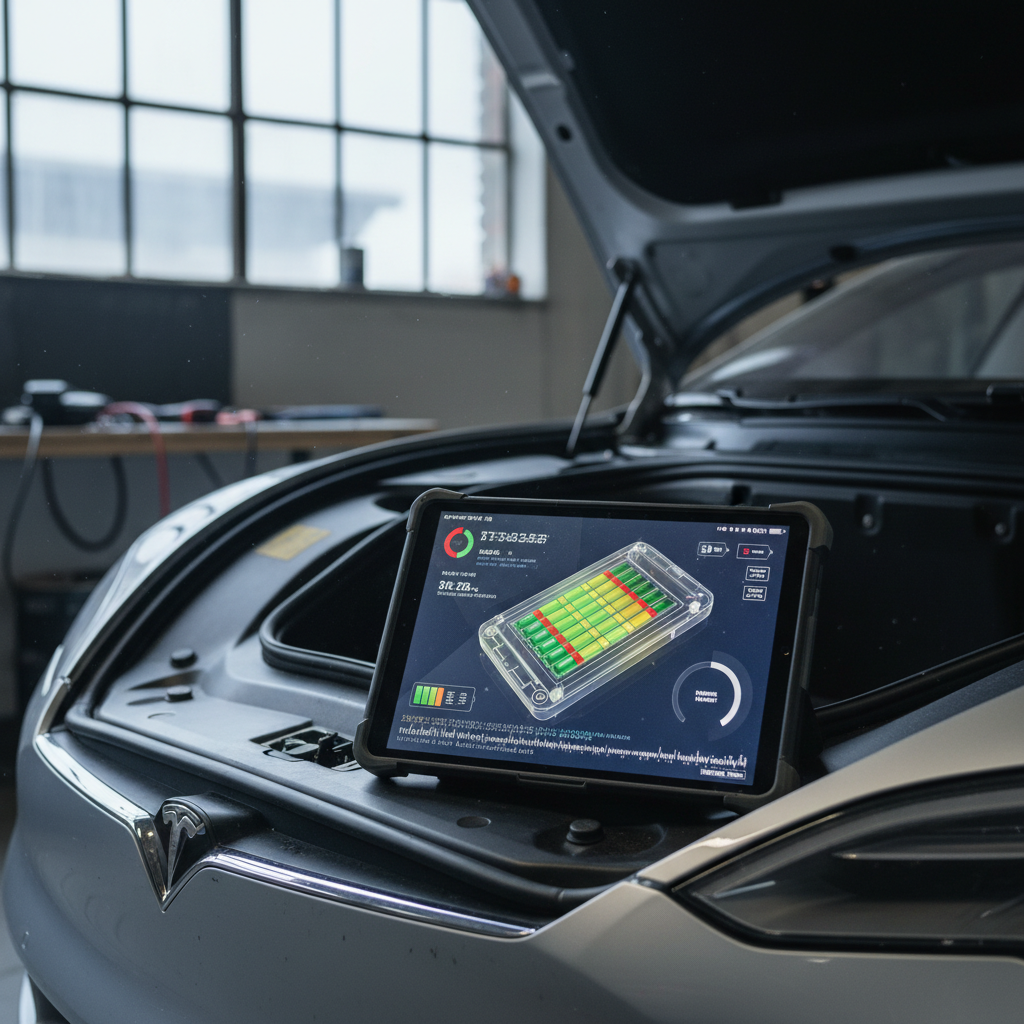
Use third‑party diagnostics or a <strong>Recharged Score battery health report</strong> to quantify remaining capacity. A healthy pack is far more important than another inch of touchscreen.
2. Confirm remaining EV and basic warranty
Have a dealer or EV‑savvy retailer run the VIN to confirm the <strong>in‑service date</strong> and remaining high‑voltage and basic warranty coverage. This can add real value over similar‑priced trucks just out of coverage.
3. Pull a full recall and service history
You want written proof that all safety recalls are complete and any major faults were fixed properly, not just cleared from the dash.
4. Inspect tires, brakes, and suspension
The Lightning’s weight is hard on consumables. Uneven tire wear or tired shocks can hint at towing duty or neglect. Factor replacements into your budget.
5. Test charging on Level 2 and DC fast
If possible, plug into a <strong>Level 2 charger</strong> and a DC fast charger during your test period. Watch for error messages, abnormal noises, or unexpectedly slow charging curves.
6. Drive your real routes
Don’t just loop the block. Take the truck on highway and local roads where you actually drive, with your family or gear, to feel how range and comfort stack up.
Make the most of a test drive weekend
How a Lightning fits different types of owners
Is a used Lightning right for your life?
Suburban commuter with weekend projects
Home Level 2 charging and under 80 miles a day? A Standard‑Range XLT or Pro can be the cheapest, nicest‑driving pickup you’ve ever owned.
The frunk swallows groceries and strollers, keeping the bed open for lumber, mulch, or bikes.
Low running costs and minimal maintenance can offset higher insurance or purchase price over time.
Family road‑trip crew
An Extended‑Range Lariat or Flash makes a fantastic long‑haul family rig <strong>if</strong> you’re willing to plan charging stops.
Kids tend to love the quiet cabin and quick acceleration; adults appreciate the comfort and gadgets.
If you often drive into sparse‑charging regions, keep a gas or hybrid in the family as a backup road‑trip vehicle.
Contractor or small‑business owner
If most jobs are local, the Lightning is a rolling power station, tools, lights, even compressors can run off the truck.
Fuel and maintenance savings can be meaningful versus a thirsty gas truck with similar power.
Make sure your <strong>gross combined weight</strong> and payload needs fit within what the specific truck is rated to handle.
Heavy‑duty trailer hauler
If you rely on 200–300‑mile towing days with serious weight, the Lightning is best as a <strong>second truck</strong>, not your only workhorse.
Consider waiting for the next‑gen EREV Lightning if you want EV smoothness with gasoline backup for very long hauls.
If you still buy, choose an Extended‑Range truck with the Max Trailer Tow package and budget extra time for charging.
FAQ: Used 2025 Ford F-150 Lightning
Frequently asked questions about used F-150 Lightnings
Bottom line: Should you buy a used F-150 Lightning?
Viewed through a 2025 lens, the Ford F‑150 Lightning has gone from buzzy science project to compelling used‑truck value. It’s still not the perfect one‑size‑fits‑all pickup, but if your driving fits its strengths, it can be one of the most enjoyable, quiet, and capable trucks you’ve ever owned, with far lower running costs than a thirsty V8.
The key is to buy with your eyes open: understand how range really works in your climate, test charging before you buy, and treat battery health and recall history as seriously as towing capacity and trim level. That’s exactly what Recharged was built for. Every used Lightning on our marketplace comes with a Recharged Score Report detailing verified battery condition, pricing that reflects real‑world depreciation, and EV‑savvy support from search to delivery. If that sounds like the kind of backup you want on a big purchase, start shopping used F‑150 Lightnings on Recharged and see how this electric truck could fit into your life.