If you’re planning to haul bikes, a cargo box, kayaks, or even a rooftop tent, understanding the Subaru Solterra roof rack weight limit is just as important as knowing your EV’s range. Roof load affects safety, handling, and even how far you can go on a charge, especially in an electric SUV like the Solterra.
Headline numbers (U.S.-spec Solterra)
Subaru Solterra roof rack weight limit: quick overview
Subaru treats the Solterra’s roof much like its gasoline SUVs when it comes to load ratings. You’ll see two numbers used over and over again on recent Subaru models:
- A dynamic roof load rating: the maximum total weight allowed on the roof while driving.
- A static roof load rating: the maximum total weight the roof rails can support when the vehicle is parked.
For the latest Solterra model information available as of early 2026, Subaru documentation and technical materials around the lineup indicate dynamic ratings in the roughly 150–176 lb range and static ratings around 600–700 lb. That puts the Solterra right in line with Outback, Forester and Crosstrek in terms of how much weight it can safely carry above your head.
Always follow the lower limit
Dynamic vs. static load: what the Solterra numbers mean
Roof rack conversations get confusing because people mix up dynamic and static load. On a Subaru Solterra, the difference matters, a lot.
Two kinds of roof rack weight limits
Why your "/parked" limit is so much higher than your "/driving" limit
Dynamic load (driving)
This is the roof rack weight limit while the Solterra is moving. It accounts for bumps, braking, emergency maneuvers, crosswinds, and the extra forces those create.
On most recent Subarus, including the Solterra, that figure lands around 150–176 lb total on the roof, rack system plus cargo.
Static load (parked)
This is the maximum weight the roof can support when the vehicle is not moving. Because there are no dynamic forces, the structure can handle much more weight.
Subaru’s current spec structures typically allow around 600–700 lb static on the roof rails when parked, enough for many rooftop tents plus occupants.
Think in "worst case" terms
Factory Solterra roof rails and crossbars: ratings and realities
From the 2023 launch through the 2026 model year, every U.S.-spec Solterra comes with factory roof rails. Fixed mounting points accept factory crossbars or aftermarket systems from brands like Yakima and Thule. Subaru’s spec sheets and accessory guides place the Solterra squarely in the modern-Subaru ballpark for roof load.
Typical Subaru Solterra roof rack ratings (recent model years)
Aftermarket crossbar kits marketed specifically for the Subaru Solterra (2023–2026) almost all advertise a 165 lb (75 kg) maximum load for the pair of bars. You’ll see that number from widely known brands and smaller suppliers alike; it has become a de facto standard for two-bar systems on modern crossovers.
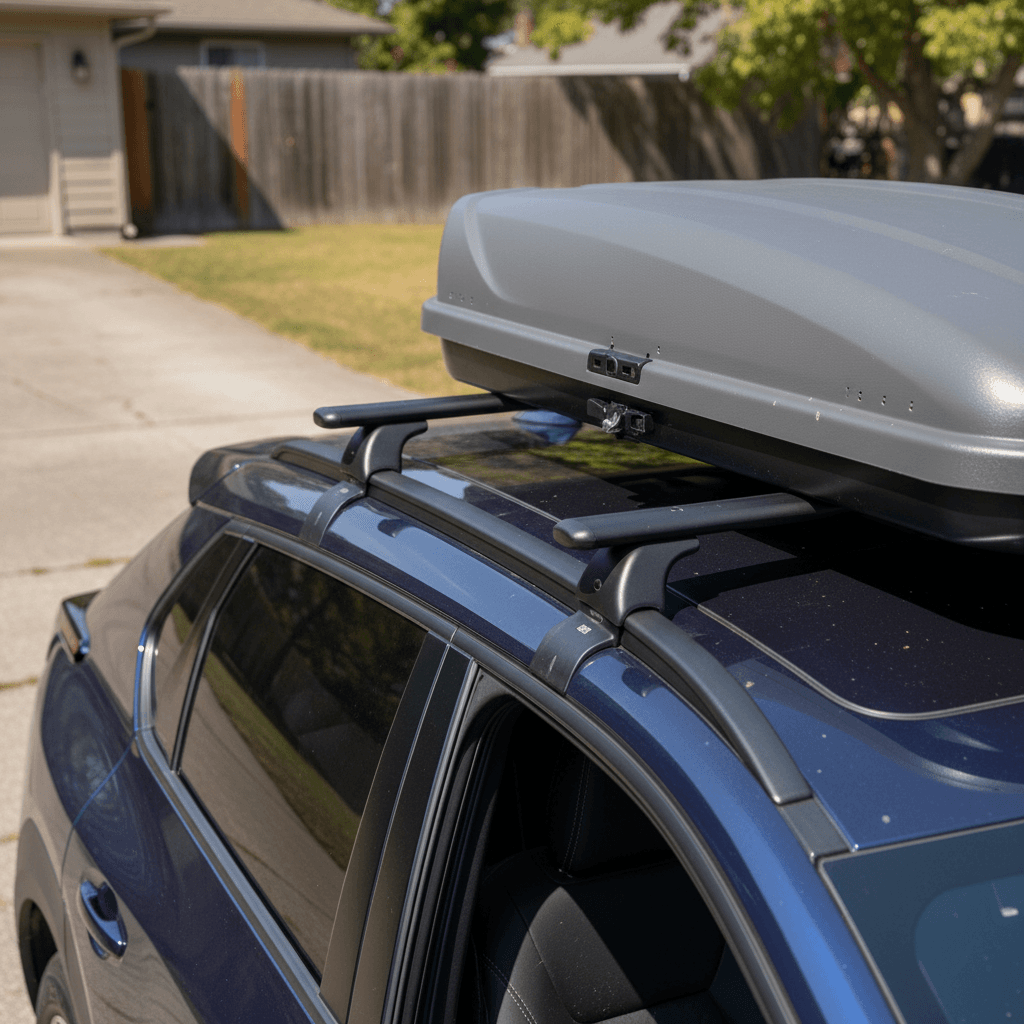
Factory vs. aftermarket crossbars
How much can you actually carry on a Solterra roof?
The ratings on paper are one thing; what matters in the real world is how much usable payload you have left after you bolt on crossbars, a cargo box, bike racks, or a kayak cradle. The math is simple but easy to overlook when you’re throwing gear in the garage before a trip.
Step 1: Start with your Solterra’s dynamic rating
Check the Owner’s Manual or specifications booklet for your specific model year. On most Solterras, you’ll see a dynamic roof rail capacity in the range of about 150–176 lb.
For planning purposes, use the exact figure Subaru lists for your year and trim, not a generic number from a forum or accessory site.
Step 2: Subtract the hardware
Everything that’s bolted to the roof counts against that dynamic limit:
- Crossbars (often 10–15 lb for the pair)
- Cargo box or basket (30–60+ lb)
- Bike racks or kayak cradles (5–15 lb each)
Only what’s left over after you subtract those pieces is available for actual cargo, bikes, skis, luggage, etc.
Example Solterra roof load scenarios (illustrative only)
These examples assume a 165 lb dynamic roof rating and typical accessory weights. Always use the exact numbers for your vehicle and equipment.
| Setup | Estimated hardware weight | Dynamic limit used | Cargo weight left |
|---|---|---|---|
| Two crossbars only | 15 lb | 15 lb of 165 lb | 150 lb |
| Medium cargo box + bars | 15 lb bars + 45 lb box = 60 lb | 60 lb of 165 lb | 105 lb |
| Two upright bike racks + bars | 15 lb bars + 24 lb racks = 39 lb | 39 lb of 165 lb | 126 lb |
| Rooftop basket + recovery gear | 15 lb bars + 35 lb basket = 50 lb | 50 lb of 165 lb | 115 lb for gear |
Use this table as a starting point, then plug in your own gear weights for precise planning.
Don’t forget the small stuff
Cargo boxes, bikes, and kayaks on a Solterra roof rack
Most Solterra owners aren’t hauling construction lumber; they’re carrying everyday adventure gear. The good news is that within the Solterra’s roof rack weight limits, a well-chosen setup will comfortably handle bikes, skis, cargo boxes and kayaks, provided you’re realistic about how much you’re loading.
Common Solterra roof rack setups
What works well within the roof’s weight limits
Cargo box for road trips
A medium-sized cargo box on quality crossbars is one of the best uses of your Solterra’s roof.
- Great for bulky but lighter items, jackets, bedding, duffels.
- Keep heavy things (tools, water) inside the cabin to preserve range and handling.
Two bikes on upright racks
Two modern mountain bikes plus racks and bars typically stay within the Solterra’s dynamic limit.
- Check each rack’s rating and add: bars + racks + bikes.
- Consider a hitch rack instead if you routinely carry 3–4 bikes.
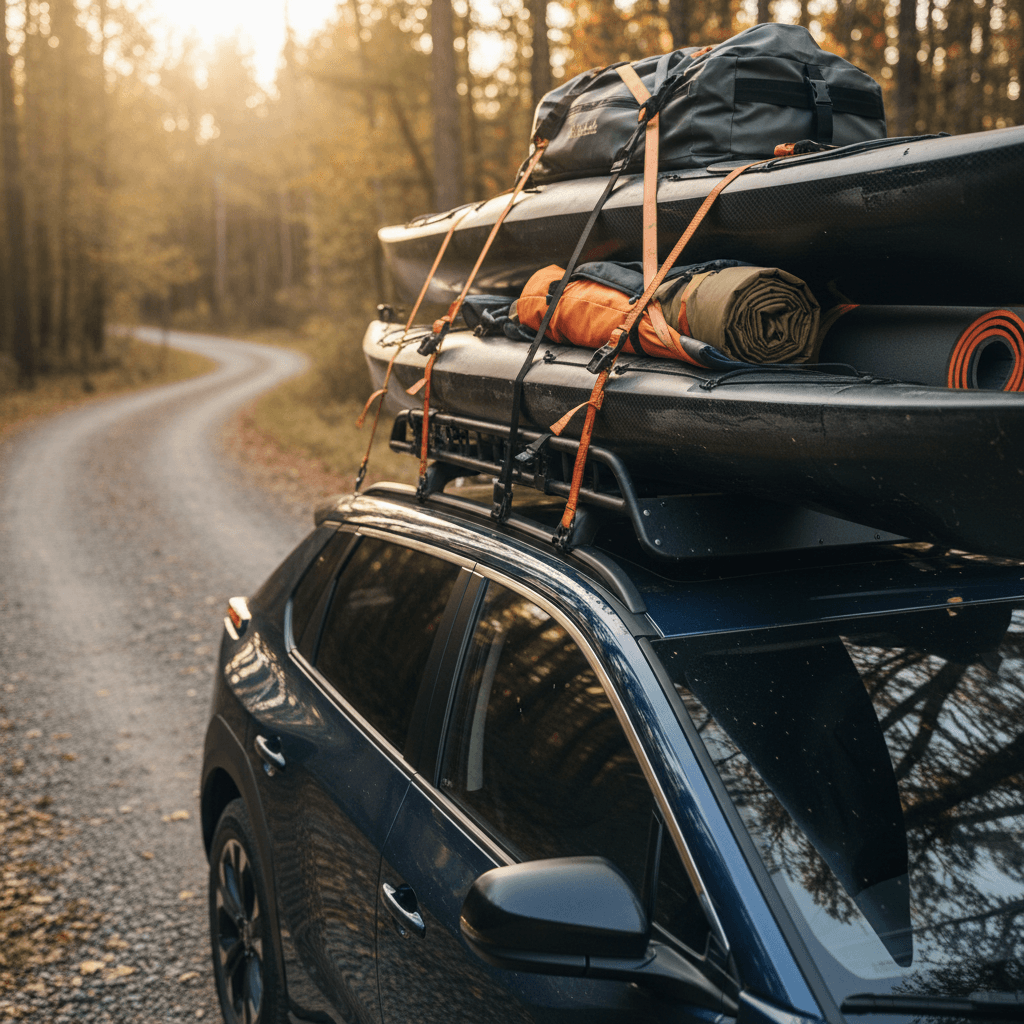
Kayaks or paddleboards
One or two boats/boards are usually fine if you keep weight modest.
- Use proper bow and stern tie-downs for stability.
- Remember that long boats act like sails, keep speed reasonable.
Aerodynamics and EV range
Can you run a rooftop tent on a Subaru Solterra?
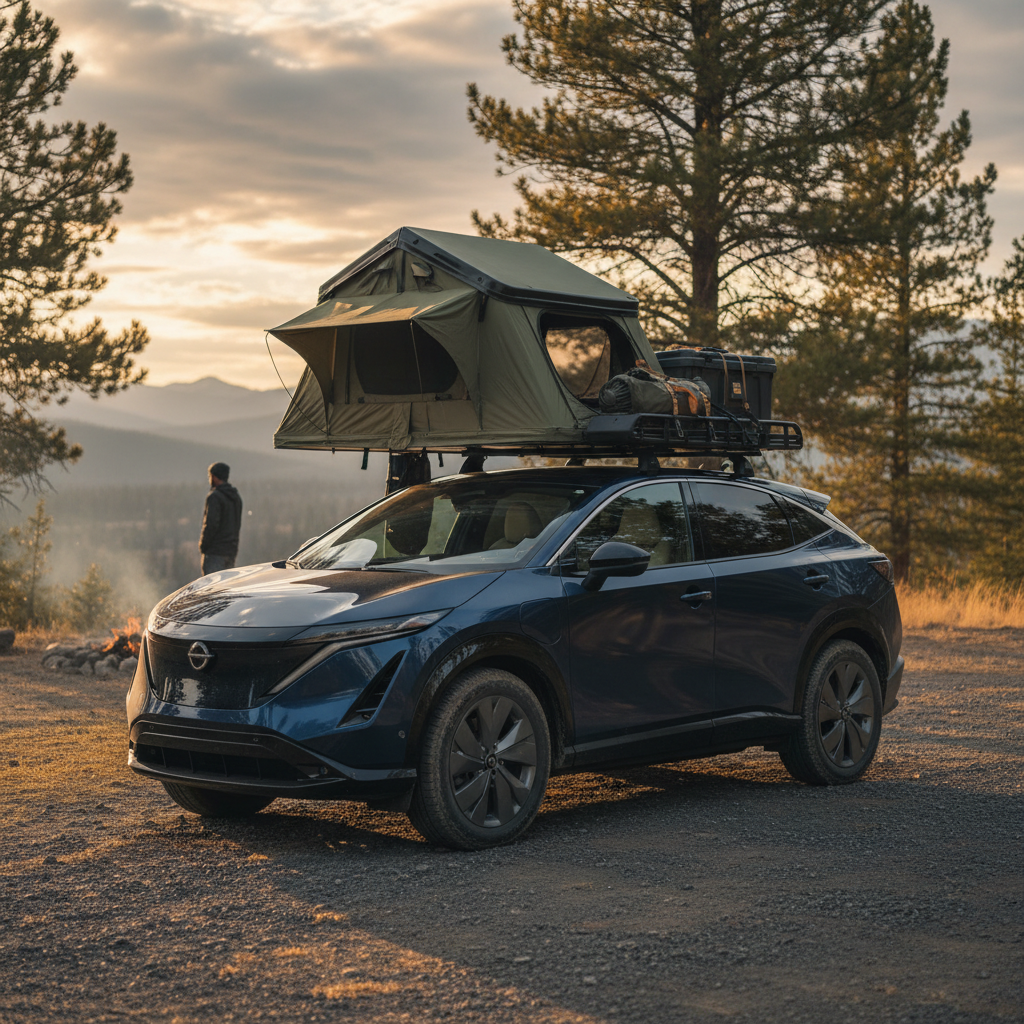
This is the big question for overlanding-curious Solterra owners. In broad terms, Subaru positions the Solterra’s roof like its gasoline siblings: a conservative dynamic rating, but a static rating high enough to support a rooftop tent plus occupants, if you choose the right hardware and respect the limits.
Static vs. dynamic in rooftop-tent use
A hard-shell rooftop tent might weigh 120–180 lb empty, before people climb in. That will eat up most or all of your Solterra’s dynamic limit while driving, which is why many tent manufacturers and rack companies emphasize careful weight calculations.
When you’re parked and sleeping, the load is static, and the roof structure can handle far more, hundreds of pounds more, than while you’re rolling down a washboard road.
What Solterra owners should watch for
- Use crossbars and a tent that are specifically rated for rooftop-tent use.
- Confirm your Solterra’s static and dynamic roof rail ratings in the manual.
- Stay within all three limits: roof, crossbars, and tent.
- Avoid overloading the tent with heavy gear, spare tires, jerry cans, and recovery boards add up fast.
When a rooftop tent is a bad idea
Practical checklist before you load your Solterra roof
Solterra roof rack safety checklist
1. Confirm your exact roof ratings
Open your <strong>Subaru Solterra Owner’s Manual</strong> for your model year and write down both the dynamic and static roof rail limits. Don’t rely solely on forum posts or generic accessory listings.
2. Weigh or look up every component
Note the weight of your crossbars, cargo box or basket, bike racks, tent, and typical gear. Manufacturer specs are usually close; a simple digital scale can confirm any mystery items.
3. Do the math in writing
Add up the weight of everything that sits above the roof sheetmetal and subtract from your dynamic limit. If the total is within 5–10 lb of the limit, simplify the setup or move heavy gear inside the cabin.
4. Check attachment points and spacing
Make sure crossbars are mounted only to approved fixed points on the Solterra’s rails, and that they’re spaced within the accessory manufacturer’s recommended range. Improvised mounting is how racks fail.
5. Load low and centered
Keep the heaviest items as low and as close to the vehicle’s centerline as possible. Avoid big weight on overhanging portions of the bars, and keep light, bulky items (sleeping bags, jackets) in the box or basket.
6. Re-check after the first few miles
On a trip, pull over after 10–20 miles to confirm that bolts are tight, straps are snug, and loads haven’t shifted. Do the same after rough roads or strong crosswinds.
Roof rack use and battery range on a used Solterra
If you’re shopping for a used Subaru Solterra, roof rack use is more than a lifestyle detail, it can tell you about the vehicle’s history. Long-term heavy roof loads and aggressive off-road use can leave subtle marks, while extreme overloading can cause visible damage.
What to look for on a used Solterra
- Scuffs, dents or deformation around the roof rails or mounting points.
- Evidence of sealant or touch-up paint near rack mounts (may suggest prior repairs).
- Uneven panel gaps or wind noise that could trace back to prior roof damage.
- Photos from the previous owner’s overlanding setups, great context for how the vehicle was used.
How Recharged helps you evaluate a used Solterra
Every EV listed on Recharged comes with a Recharged Score Report, including verified battery health and usage insights. If a Solterra has lived most of its life with a loaded cargo box or rooftop tent, that shows up in energy-consumption data and sometimes in the vehicle’s condition.
Our EV specialists can walk you through roof load considerations, help you match a vehicle to your gear plans, and even discuss how cargo and towing affect Solterra range.
Frequently asked questions about the Solterra roof rack weight limit
Subaru Solterra roof rack weight limit FAQ
Key takeaways for Solterra roof rack safety
- Your Subaru Solterra’s roof rack weight limit while driving is modest, roughly 150–176 lb total roof load depending on model year, but its static rating is several times higher.
- That dynamic limit includes everything above the roof sheetmetal: crossbars + accessories + cargo. Do the math before each big trip.
- Aftermarket crossbars marketed for the Solterra rarely exceed 165 lb dynamic capacity, so they do not override the vehicle’s own limits.
- Rooftop tents can work on a Solterra when you use correctly rated hardware and stay within both static and dynamic limits, but a conservative approach is smart in an EV with a relatively high center of gravity.
- If you’re buying a used Solterra for road trips or light overlanding, look closely at roof rail condition and ask how the previous owner carried gear. A Recharged Score Report and EV specialist can help you match the vehicle to your adventure plans.
Treat the Subaru Solterra roof rack weight limit as a design envelope, not a suggestion. Stay comfortably inside it, keep heavy gear low and centered, and your Solterra will reward you with safe manners on the road and predictable range on every trip. And if you’re choosing a used Solterra for camping, biking, or overlanding, a transparent condition report and an honest look at how you’ll use the roof are just as important as the window sticker numbers.