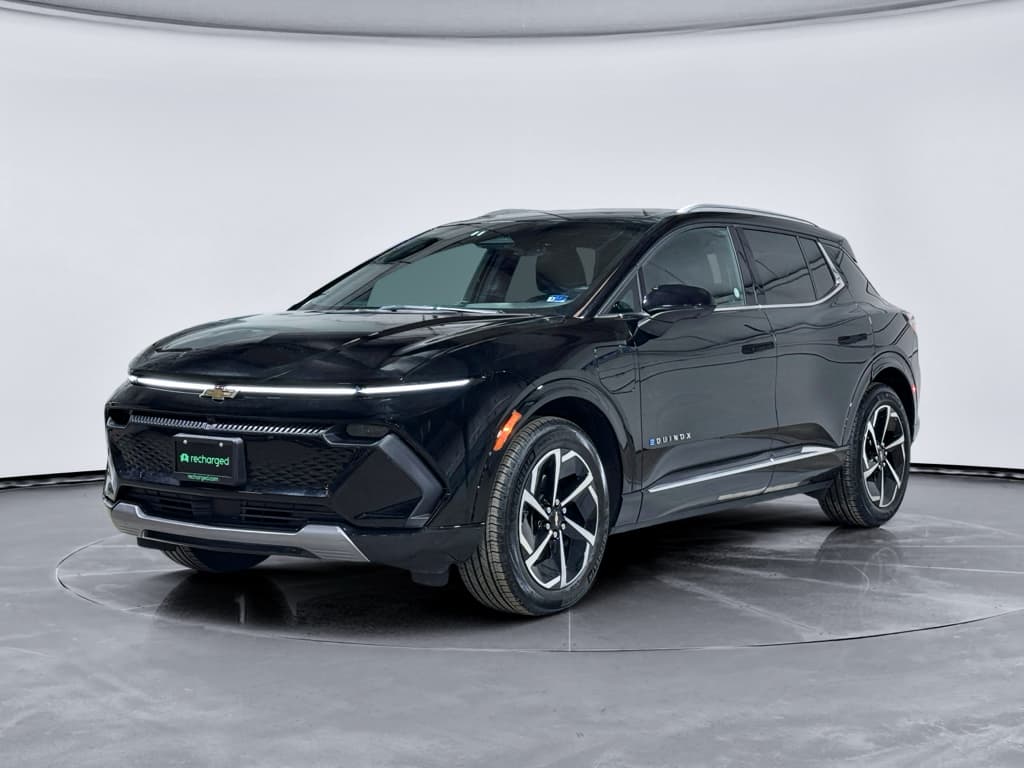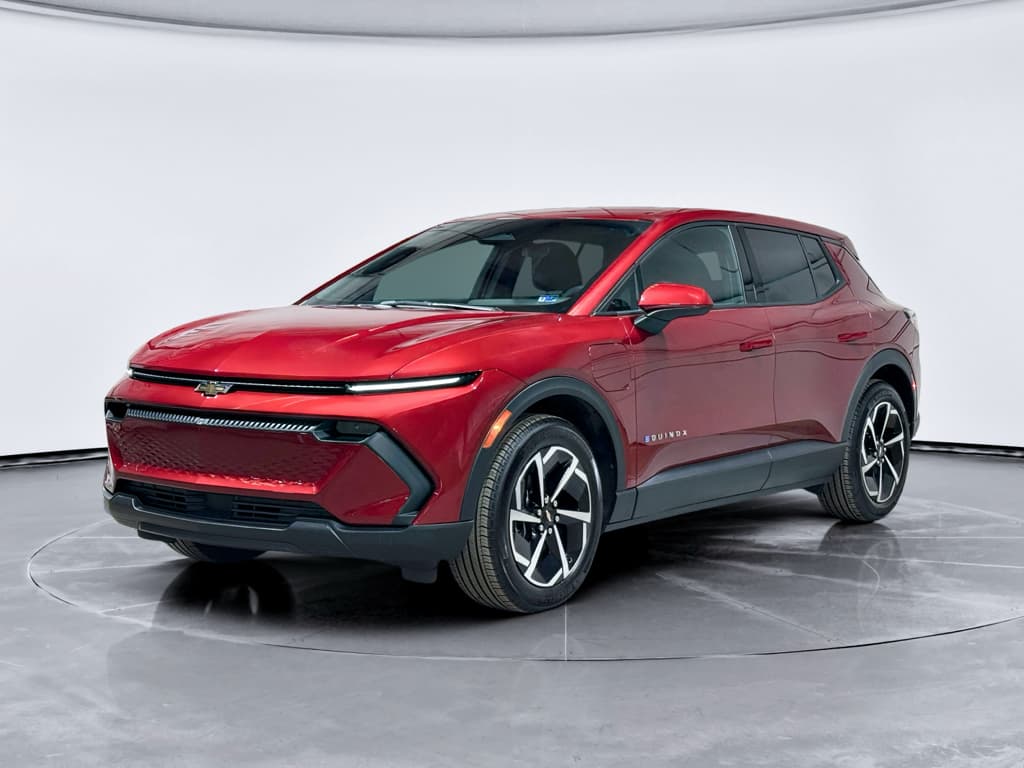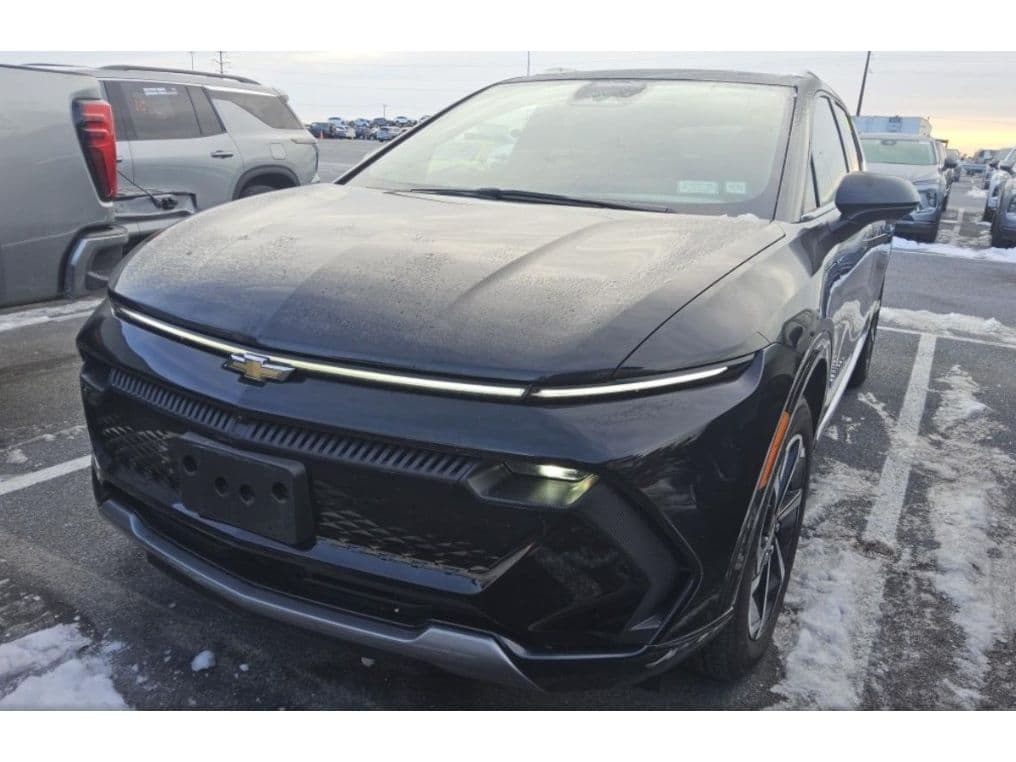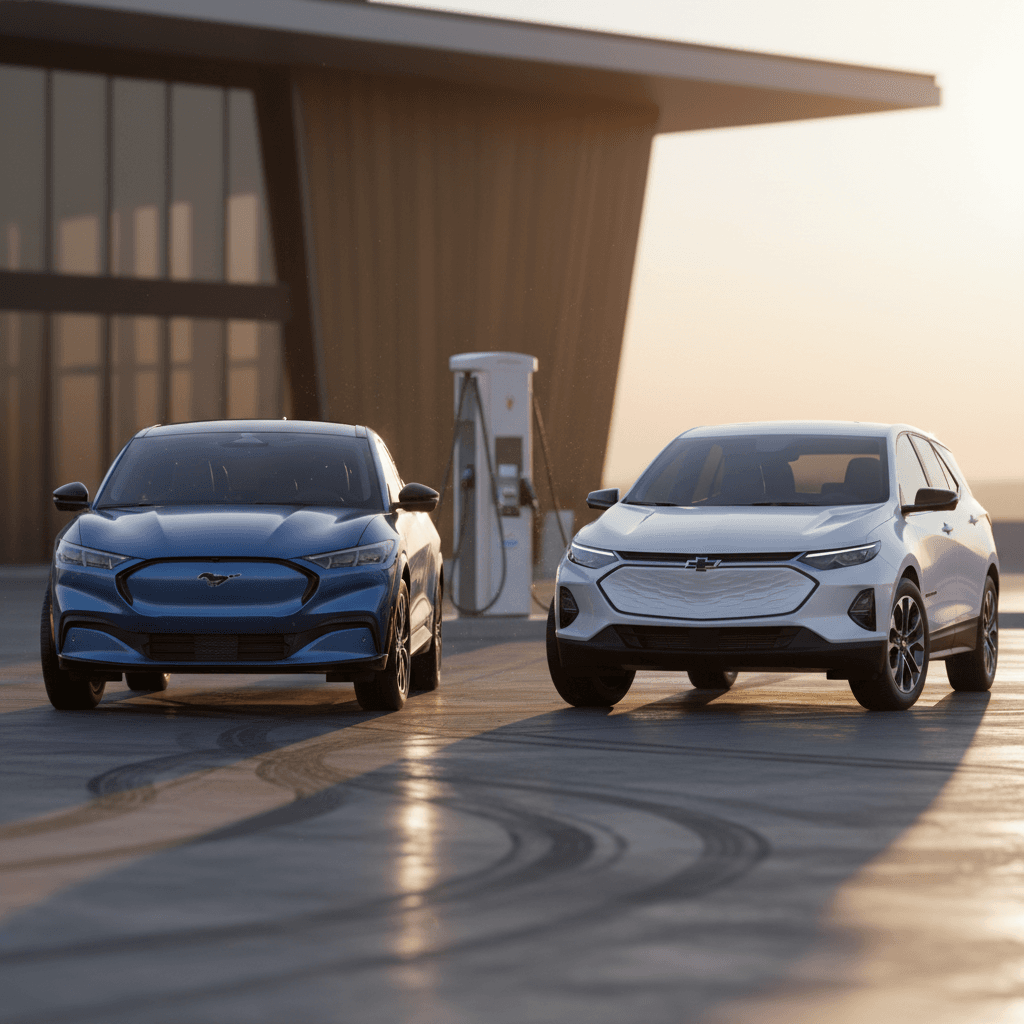
If you’re cross-shopping the Ford Mustang Mach-E vs Chevrolet Equinox EV and wondering which is better, you’ve picked two very different takes on the electric crossover. One is a performance-leaning, design‑forward EV that’s already proven itself on the road and in the used market. The other is GM’s pragmatic, value‑minded entry into the compact EV SUV space. Let’s unpack where each one shines, and where they come up short, so you can choose the right electric SUV for how you actually drive.
Context: What’s on sale right now?
Mustang Mach-E vs. Equinox EV: Quick Overview
Two Electric SUVs, Two Philosophies
Sporty EV with attitude vs. practical EV with a calculator for a brain
Ford Mustang Mach‑E
Personality: Sporty, design‑driven, a bit theatrical. Ford uses the Mustang name for a reason.
- Multiple trims from sensible Select to rowdy GT
- Strong performance even in mid trims
- Good range (up to ~320 miles in ideal trims)
- Established used market and proven reliability data
Chevrolet Equinox EV
Personality: Quiet striver. Less flash, more spreadsheet logic.
- Focus on value and range per dollar
- Competitive range (around low‑300‑mile estimates for FWD)
- Roomy cabin, straightforward tech
- Newer to market, limited used inventory (for now)
How to read this comparison
Key Specs: Mach-E vs. Equinox EV at a Glance
Ford Mustang Mach‑E vs Chevrolet Equinox EV: Core Specs
Representative specs for popular trims. Exact numbers vary by battery, drive type, and model year.
| Spec | Ford Mustang Mach‑E (typical trims) | Chevrolet Equinox EV (typical trims) |
|---|---|---|
| Body style | Compact crossover SUV | Compact crossover SUV |
| Drivetrain options | RWD or AWD | FWD or AWD |
| Peak range (EPA-est.) | Up to ~320 miles (Premium RWD ER) | Around low‑300s miles (FWD long‑range est.) |
| 0–60 mph (quick trims) | Mid‑4s sec (Premium/GT) | Closer to 6–7 sec (AWD est.) |
| Max DC fast‑charge rate | Improved vs early years; roughly 150 kW+ depending on battery | Similar ~150 kW class (platform‑dependent) |
| Notable tech | BlueCruise hands‑free driving, large portrait screen | Super Cruise (on some trims), Google‑built‑in infotainment |
| Used availability (US) | Strong, multiple model years and trims | Limited, earliest MYs only and fewer units |
Always check the specific model year and trim you’re considering, especially in the used market.
Range and Efficiency: Which EV Goes Farther?
Range is where these two EVs trade subtle jabs instead of knockout blows. The Mustang Mach‑E, in its sweet‑spot Premium RWD extended‑range configuration, is rated around 300–320 miles in recent model years, depending on year and wheel choice. Many AWD and performance‑oriented trims sit in the mid‑200‑mile range. Real‑world testing has generally shown the Mach‑E to be competitive, if sometimes a little shy of its rosy window‑sticker numbers in highway use.
The Chevrolet Equinox EV comes out swinging with very similar range figures on paper. FWD long‑range versions are targeted at roughly the low‑300‑mile band, with AWD trims slipping into the mid‑200s. In other words, Equinox EV largely traces the same curve: more range if you pick two driven wheels, a small penalty if you want all‑weather AWD traction.
Cold weather and LFP batteries
- If you want the longest possible range on paper, a Mach‑E Premium RWD extended‑range or an Equinox EV FWD long‑range trim are neck‑and‑neck.
- If you live in a cold climate, prioritize trims with heat pumps or upgraded cold‑weather packages when available.
- If you do lots of highway miles, assume both will deliver meaningfully less than their best EPA numbers at 75 mph.
Performance and Driving Feel
Ford Mustang Mach‑E: The EV With a Mood
The Mach‑E is the one you buy if you care what your commute feels like. Even mid‑range trims have instant torque and a playful rear‑biased attitude, especially in RWD. Step up to the GT or GT Performance and you’re in legitimately quick territory, 0–60 mph in the mid‑3‑ to mid‑4‑second range depending on model year and tire.
Steering is light but accurate, body roll is well‑managed, and one‑pedal driving is well tuned. It’s not a sports car, but it will happily impersonate one on a freeway on‑ramp.
Chevy Equinox EV: Calm, Composed, Unflappable
The Equinox EV is tuned more like a traditional crossover that just happens to be electric. Power delivery should feel linear and sufficient rather than thrilling. Think smooth, quiet, and inoffensive, with AWD trims offering decent shove but little drama.
If you don’t care about launch‑control theatrics and simply want an EV that disappears into the background, the Equinox EV’s demeanor will suit you fine.
Verdict: Performance
Space, Practicality, and Comfort
On paper, both of these are compact crossovers. In reality, the way they use space is very different. The Mach‑E leans into its pseudo‑coupe profile: long hood, sloped roof, dramatic stance. Rear headroom and cargo room are perfectly adequate for a small family, but if you regularly load bikes, strollers, and a week’s groceries, you’ll notice the style tax in vertical space.
The Equinox EV plays it straighter. Its boxier roofline and more conventional proportions should translate to slightly easier ingress/egress and more usable cargo height. Cabin design skews practical: big door pockets, simple controls, and plenty of open storage. It’s the one you choose if your dog, your kids, and your Costco haul all get a vote.
Practical Strengths at a Glance
Where each EV makes daily life easier
Cargo & Loading
Mach‑E: Good volume, slightly tighter opening and roofline.
Equinox EV: More upright tailgate and easier loading for bulky items.
Family Friendliness
Mach‑E: Works fine for one or two kids; rear roofline can be snug for tall teens.
Equinox EV: Better suited if you regularly have adults in back.
Comfort & NVH
Both are quiet EVs, but the Equinox EV prioritizes a softer, more isolating ride, while the Mach‑E keeps a hint of firmness to back up its sporty image.
Tech, Safety, and Driver Assistance
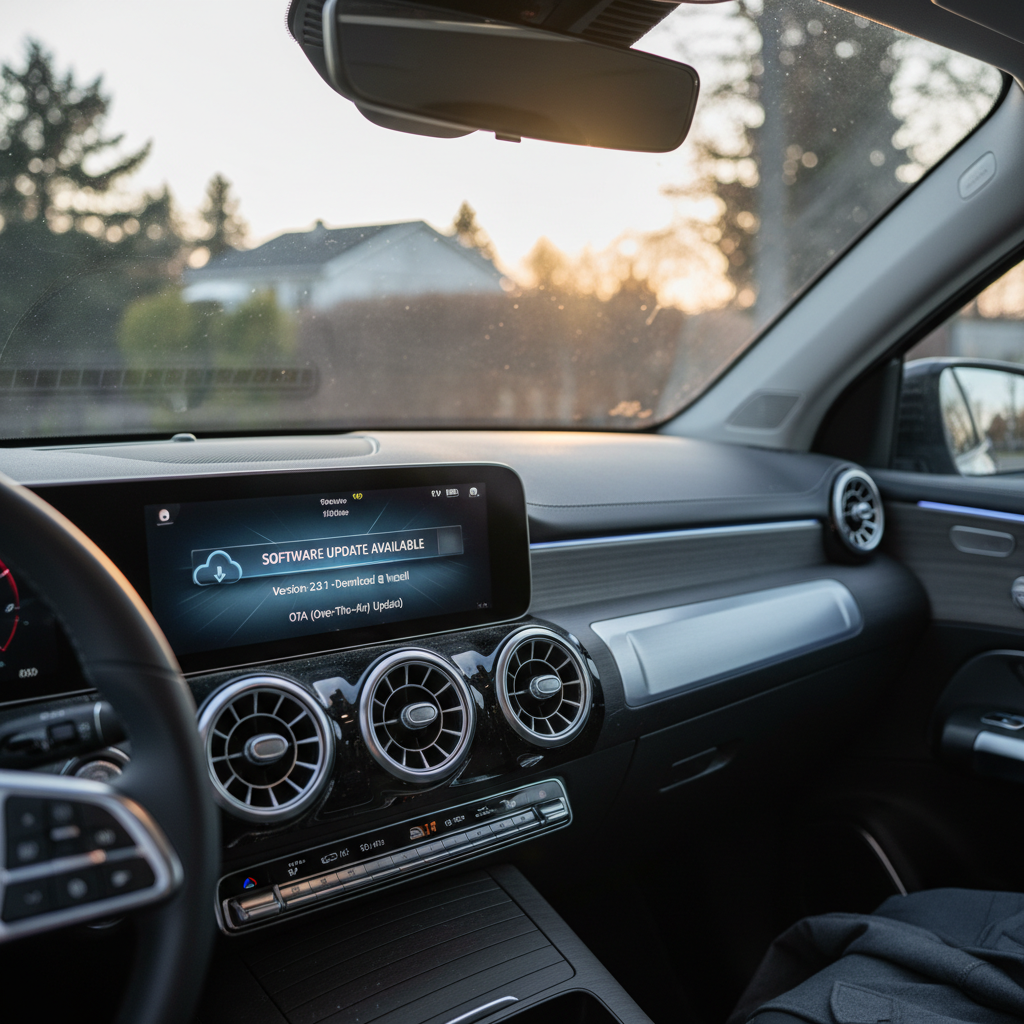
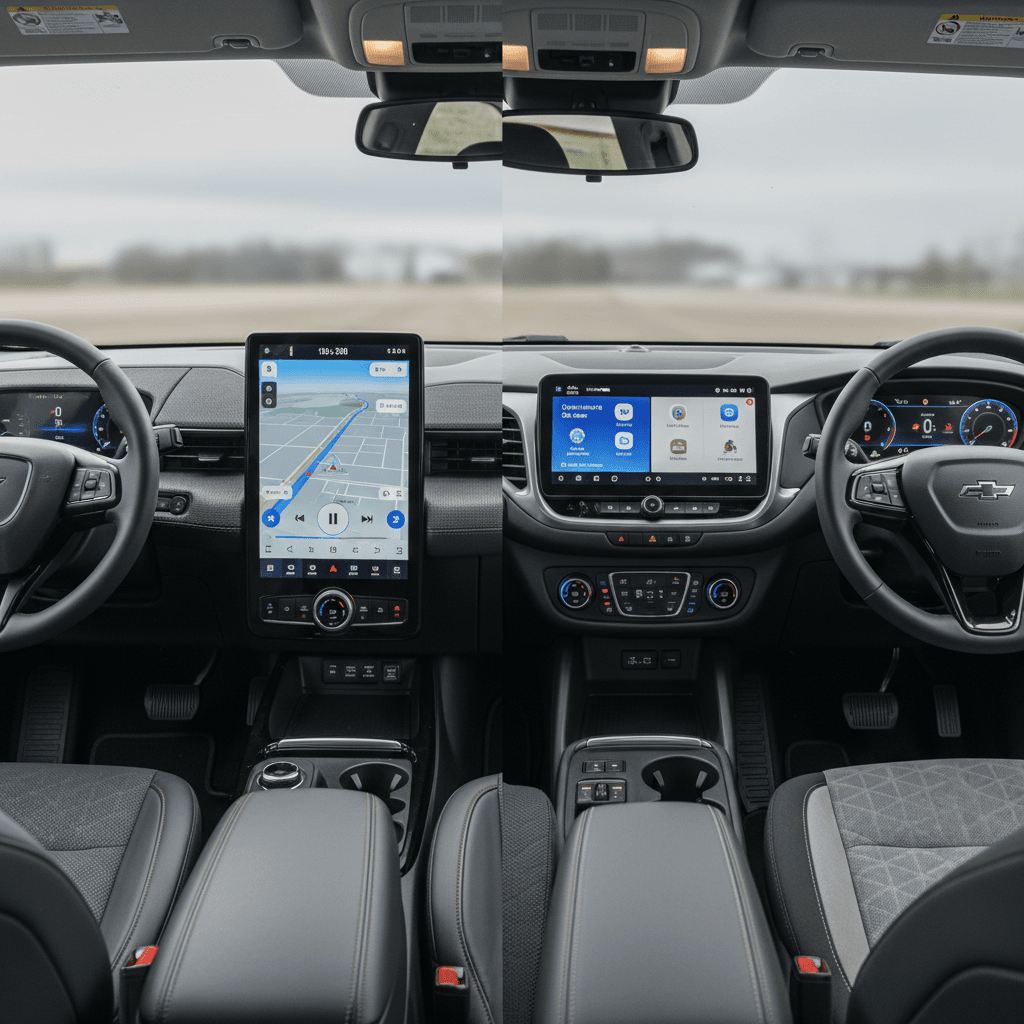
Both SUVs arrive with the obligatory big screen and a constellation of sensors, but their tech philosophies diverge. The Mustang Mach‑E runs Ford’s SYNC‑based infotainment with a large portrait touchscreen and a minimalist physical‑button count. It offers BlueCruise hands‑free highway driving on supported roads in later model years, with frequent over‑the‑air updates improving behavior and adding features.
The Equinox EV, built on GM’s latest EV architecture, leans into Google‑built‑in services and a more conventional landscape screen layout. On higher trims, you can spec Super Cruise, GM’s excellent hands‑free system that works on a large network of mapped highways and can handle automated lane changes where allowed.
- Both offer standard active safety: automatic emergency braking, lane‑keeping assist, blind‑spot monitoring, and more.
- BlueCruise vs Super Cruise is more about where you drive: Ford’s system is catching up quickly, but GM’s has an early reputation edge for smoothness and confidence.
- If you’re shopping used Mach‑E, check which BlueCruise hardware/software level and subscription status the car has, this can change the experience and the monthly cost.
Subscription fine print
Charging Experience and Road-Trip Readiness
Charging used to be a major advantage for Tesla alone. That moat is shrinking. The Mustang Mach‑E now has access to many Tesla Superchargers through the emerging North American Charging Standard (NACS) shift, massively improving public‑charging convenience in the U.S. Ford also continues to integrate large third‑party networks into its native routing.
The Equinox EV taps into GM’s growing web of DC fast chargers and third‑party networks and is also transitioning toward NACS compatibility. In practice, your public‑charging experience will depend less on the badge and more on how mature NACS rollout is in your region and how reliable your local non‑Tesla networks are.
Road-Trip Reality Check for Both SUVs
1. Plan around charging hubs, not dots
On long trips, prioritize clusters of chargers (especially NACS sites) over single lonely stations, regardless of whether you drive a Mach‑E or Equinox EV.
2. Consider your peak DC charge rate
Both SUVs live in the ~150 kW class, but your real‑world speed depends on battery temperature and state of charge. Avoid arriving at fast chargers above 60–70% if you can.
3. Home charging is still king
Level 2 home charging is the single biggest quality‑of‑life upgrade. If you can install a 240V charger, either vehicle becomes dramatically easier to live with.
4. Test the apps before you buy
Download FordPass and the Chevy app, explore payment setup, and read recent reviews. A good app can make or break day‑to‑day charging peace of mind.
Price, Value, and Incentives
Sticker prices and incentives are moving targets, but some broad strokes are clear. New Mustang Mach‑E pricing, depending on trim and year, typically spans from the upper‑$30,000s into the mid‑$50,000s before options and fees. Generous discounts and dealer inventory in some regions mean you can often negotiate well below MSRP, or skip new altogether and snag a used one at a meaningful discount.
The Equinox EV was conceived as the “attainable” GM EV, with launch‑edition and better‑equipped trims priced in the $40,000s and up, and promises of lower‑priced versions following. Real‑world dealer pricing, option packages, and destination fees can push those numbers higher than the headline suggests, especially early in the lifecycle.
Where the Value Often Lands (Real-World Shopping)
How Recharged can help on price
Used Market: What You Can Actually Buy Today
Here’s where the comparison becomes lopsided in a way that actually matters today. The Mustang Mach‑E has been in production for several model years, which means there’s a deep used pool: base trims, Premiums, GTs, rear‑drive road‑trippers, and everything in between. Prices have come down as more inventory hits the market, and battery health data is increasingly available.
The Equinox EV is newer and sales are still ramping. That means used examples will be rarer, likely pricier relative to their original sticker, and you’ll have fewer choices in color, trim, and options. If you want an EV bargain today, odds are you’ll find it wearing a galloping pony badge, not a bowtie.
Why the Recharged Score matters more on used EVs
Who Should Choose Mach-E vs. Equinox EV?
Pick Your EV Based on Who You Are, Not Just the Badge
Choose the Mustang Mach‑E if…
You want your EV to feel special every time you walk up to it, not just when the power bill comes.
A bit of performance matters, you like strong acceleration, sharp responses, and a hint of Mustang theater.
You’re shopping used and want lots of choice in color, trim, and price, plus meaningful discounts vs. new.
You’re okay trading a little ultimate practicality for design, especially in rear headroom and cargo height.
You commute within a comfortable radius and occasionally road‑trip, especially now that NACS access is expanding.
Choose the Chevrolet Equinox EV if…
You see your EV as an appliance that should quietly do its job with a minimum of fuss.
Maximum usable space, easy access, and a straightforward cabin matter more than a dramatic roofline.
You’re attracted to GM’s tech stack, Google‑built‑in, Super Cruise on higher trims, and Ultium‑based packaging.
You’re likely buying new and value GM’s dealer network and warranty support.
You prefer a softer, more isolating ride and don’t care whether 0–60 happens in 4 seconds or 7.
Frequently Asked Questions: Mach-E vs. Equinox EV
Ford Mustang Mach‑E vs Chevrolet Equinox EV: FAQ
Bottom Line: Which Electric SUV Is Better for You?
If your heart and your right foot get a vote, the Ford Mustang Mach‑E is the more compelling EV. It looks special, drives with genuine verve, and, thanks to a growing used market, often undercuts newer rivals on value. It’s the EV you buy because you want an electric SUV, but you still secretly want a fun car.
If, instead, your life is a steady drumbeat of school runs, Costco trips, and highway miles, the Chevrolet Equinox EV makes a strong case. It prioritizes space, calmness, and straightforward tech over theatrics. It’s the one you forget about until you notice you haven’t bought gas in six months.
From a 2026 vantage point, though, the Mach‑E has a crucial advantage: you can shop a wide range of used examples right now, with real‑world data on battery health and ownership costs. If you want to get into an EV without paying early‑adopter money, a well‑vetted used Mach‑E, ideally with a strong battery‑health report like the Recharged Score, is the better bet today.
When you’re ready to move from research to reality, explore used Mach‑E listings on Recharged, compare Recharged Scores, and talk to an EV specialist about your range, budget, and charging situation. That way, whether you end up in a Mustang Mach‑E or wait for the right Equinox EV, you’ll be choosing with your eyes wide open, not just following the badge on the grille.