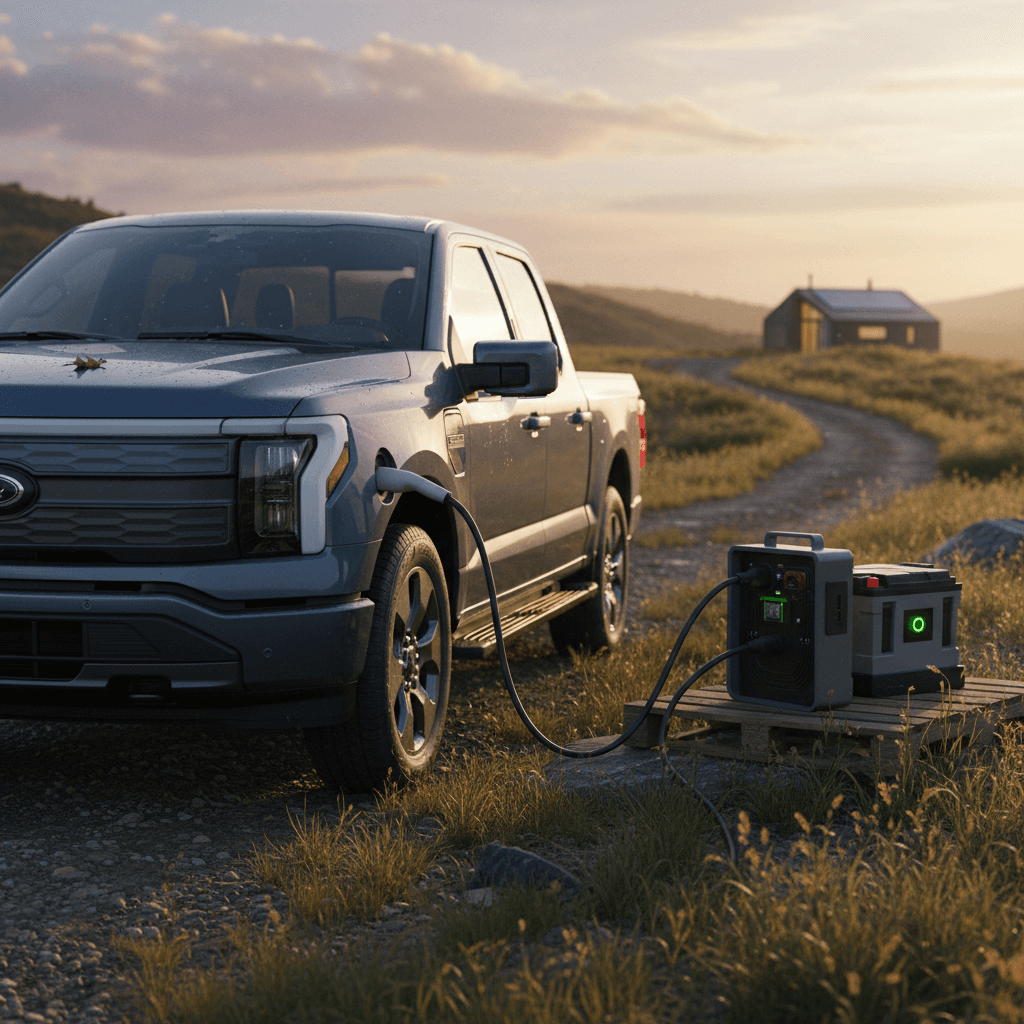
The 2025 Ford F-150 Lightning is one of the most talked‑about electric trucks on the road, and not always for the reasons Ford hoped. If you’re wondering about 2025 Ford F-150 Lightning reliability, you’re not alone. Early owners have raved about the instant torque and quiet ride, but survey data and recalls have raised real questions about long‑term dependability and repair headaches, especially once the factory warranty runs out.
Quick take
Overview: How Reliable is the 2025 F-150 Lightning?
2025 F-150 Lightning Reliability Snapshot
Independent reliability rankings put the F-150 Lightning near the bottom of the pack for 2024–2025. One major testing outlet lists it among the least reliable vehicles on sale, with a predicted reliability score of about 28 out of 100 and specific trouble spots in the EV battery, charging system, electrical accessories, and in‑car electronics.
That said, it’s not a disaster across the board. The underlying F‑150 platform is well proven, and many owners report thousands of trouble‑free miles. The pattern we’re seeing is high variance: some trucks are rock solid, while others ping‑pong between software glitches, warning lights, and hard-to-diagnose electrical gremlins.
Key reliability takeaway
What Changed for 2025, and Why It Matters for Reliability
By 2025, the F‑150 Lightning has several model years under its belt. Ford has used that time to tweak trims, pricing, and software, but the core hardware, battery packs, motors, and basic electrical architecture, remains fundamentally the same as earlier years. That means most of the early trouble spots still apply, even if software updates and running changes have smoothed a few edges.
- Ford has continued to refine software and over‑the‑air (OTA) updates to address charging behavior, range estimation, and driver‑assist quirks.
- Suspension and body hardware issues (like upper control arm fasteners) have prompted new inspection procedures and recalls for 2024–2025 trucks.
- Battery-pack manufacturing defects identified in earlier builds have led to inspection and replacement campaigns on affected vehicles rather than a full design change.
- Production has been scaled back and ultimately discontinued for the fully electric Lightning, with Ford shifting to an extended‑range (EREV) strategy for the next generation. That doesn’t make current trucks bad, but it does mean long‑term parts and support will depend on how many are on the road.
EV warranty still strong
Common Ford F-150 Lightning Problems
When we talk about “reliability” on an electric truck, we’re really talking about clusters of issues. For the F‑150 Lightning, owner reports, forums, and survey data keep circling back to the same themes.
Main Trouble Spots on the F-150 Lightning
Not every truck will see these, but they’re the patterns to know.
In-car electronics
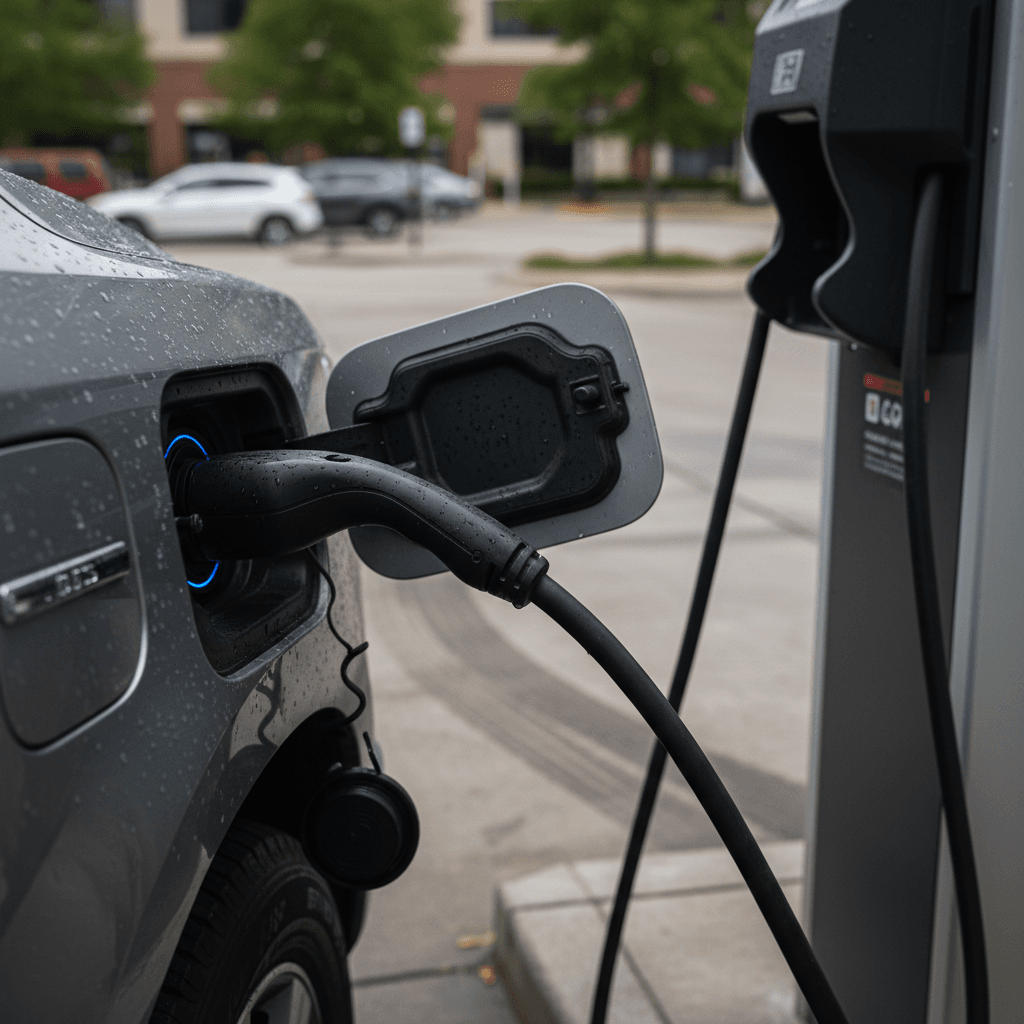
EV charging issues
High-voltage battery defects (rare but serious)
Electrical accessories & sensors
Suspension & steering hardware
Software & module gremlins
Don’t ignore warning lights
Battery Health, Range & Cold-Weather Reliability
Ford’s 8‑year/100,000‑mile EV battery warranty has teeth: it explicitly promises at least 70% of original capacity over that span. That’s reassuring, but day‑to‑day battery and range reliability still depend on how, and where, you use the truck.
Battery longevity so far
We’re only a few years into real-world Lightning ownership, so long-term degradation data (10+ years) simply doesn’t exist yet. The early signs are encouraging: most owners report modest capacity loss and healthy range after the first 20,000–40,000 miles, especially if they mostly use Level 2 charging and avoid frequent 100% fast charges.
Where problems do crop up, it’s usually one-off manufacturing defects covered by recall campaigns or warranty replacement, annoying, but not a silent, slow fade of every pack on the road.
Cold weather and towing reality check
Like every EV truck, the Lightning’s range shrinks in cold weather and under heavy load. That’s not a Ford flaw, it’s EV physics, but it matters if you’re counting on the truck for long hauls.
- Expect significant range loss in sub‑freezing temps, especially on highway runs.
- Heavy trailers can cut effective range by half or more, meaning frequent DC fast‑charge stops.
- Public charging infrastructure isn’t always reliable, which compounds the pain of any Lightning‑specific charging quirks.
If your life is lots of short trips, home charging, and occasional towing, the Lightning is easy to live with. If your world is cross‑country trailers, it’s more complicated.
Pro tip for winter range
Recalls, Warranties & Software Updates
No discussion of 2025 Ford F‑150 Lightning reliability is complete without talking about recalls and Ford’s software strategy. The good news: Ford has been fairly aggressive about using over‑the‑air updates and recall campaigns to fix issues. The bad news: there have been quite a few issues to fix.
Major F-150 Lightning Recall Themes (2022–2025)
Always run a VIN check, but these are the big buckets of issues you’ll want to see addressed.
| Area | What’s the risk? | Typical remedy |
|---|---|---|
| Park system software | Integrated park module may not fully lock into Park, raising rollaway risk. | OTA or dealer software update to the park system module. |
| Front suspension hardware | Improperly tightened front upper control arm ball joint nut could affect steering if it loosens. | Dealer inspection and retorque, with new nuts or knuckle assemblies if needed. |
| High-voltage battery cells | Manufacturing defects in battery cells can cause internal short circuits and rare fire risk. | Dealer inspection of the pack; replacement of the battery array on affected trucks. |
| Charging / software glitches | Trucks pausing shipments for undisclosed quality checks, charging behavior oddities. | Dealer diagnostics, module reprogramming, and OTA updates as Ford refines control software. |
This table is a guide, not an exhaustive recall list. Check NHTSA or Ford with your VIN for specifics.
On the warranty side, Ford’s coverage is competitive:
- 3 years / 36,000 miles bumper‑to‑bumper coverage.
- 5 years / 60,000 miles powertrain and safety restraint coverage.
- 5 years / 60,000 miles roadside assistance for EVs.
- 8 years / 100,000 miles EV component coverage, including the high‑voltage battery, with 70% capacity retention guarantee.
Why recalls aren’t always bad news
Real-World Owner Experiences: What Drivers Are Seeing
Spend a few minutes in F‑150 Lightning owner groups and you’ll see two very different stories playing out at the same time.
Story 1: Mostly flawless ownership
Plenty of owners report tens of thousands of miles with minimal drama. They charge at home, keep software up to date, handle a recall visit or two, and the truck simply does its job: quick, quiet power with low operating costs.
These trucks aren’t magically perfect, you’ll still see the occasional glitchy screen or recall visit, but they behave like any modern, complex pickup.
Story 2: Death by a thousand service visits
Then there are owners whose trucks seem cursed: multiple module replacements, sensors, 12‑volt and high‑voltage battery issues, and long stretches in the shop waiting on parts or an EV‑trained technician.
These experiences drive down reliability scores because they’re not just minor annoyances, they’re weeks of downtime. And they make many shoppers understandably wary of owning a Lightning past its factory warranty.
“The biggest issue I have is Ford reliability and expensive repairs that aren’t even main battery pack concerns… people frequently talk about waiting months to get repairs and going back to the dealers multiple times.”
Dealer matters more than usual
How the 2025 Lightning Compares to Rivian and Other EV Trucks
If you’re shopping electric trucks, you’re probably cross‑shopping the F‑150 Lightning with the Rivian R1T, maybe a Silverado EV or GMC Hummer EV, and wondering whether all EV trucks have the same reliability headaches.
F-150 Lightning vs Key Electric Truck Rivals
A reliability‑flavored snapshot, not a full spec sheet.
Ford F-150 Lightning
- Pros: Familiar F‑150 cabin, excellent ride, very strong road‑test scores, Ford dealer network.
- Cons: Below‑average predicted reliability, multiple recalls, dealer quality varies widely.
Rivian R1T
- Pros: Adventure‑oriented, powerful, innovative features; over‑the‑air updates from a tech‑driven startup.
- Cons: Also rated poor for reliability, limited service footprint, some major component issues reported.
Other EV trucks
- GMC Hummer EV / Silverado EV: Early builds with their own recall and software stories; not immune to teething problems.
- Trend: First‑generation EV trucks, in general, are less reliable than mature gas trucks so far.
In other words, the Lightning isn’t an outlier so much as a prime example of first‑wave EV truck reality: spectacular performance and capability, paired with more software and electrical drama than most traditional pickups.
Buying a Used F-150 Lightning: Reliability Checklist
If you’re considering a used 2022–2025 F-150 Lightning, you’re in the sweet spot for value: big depreciation, plenty of warranty left, but also the risk of inheriting someone else’s problem child. This is where a structured inspection and verified battery health become non‑negotiable.
Used F-150 Lightning Reliability Checklist
1. Verify full recall completion
Run the VIN through Ford or NHTSA and confirm <strong>all open recalls are completed</strong>, including park module, suspension fasteners, and any battery‑related campaigns. Ask for service invoices, not just verbal assurances.
2. Get a real battery health report
Don’t settle for “feels fine.” You want a <strong>measured state of health</strong> on the high‑voltage battery. At Recharged, every truck gets a Recharged Score battery diagnostic so you know exactly how much usable capacity remains.
3. Review repair history for patterns
Multiple visits for the same issue, especially <strong>charging failures, warning lights, or module replacements</strong>, are a red flag. One resolved issue is fine; a long list of electrical hunts suggests an ongoing gremlin.
4. Test charging at home and DC fast chargers
If possible, plug the truck into a Level 2 home charger and a DC fast charger before you buy. Confirm it <strong>starts, sustains, and ends sessions cleanly</strong>, and note any error messages at the charger or in the truck.
5. Inspect suspension and steering feel
On the test drive, listen for <strong>clunks, pops, or wandering</strong> from the front end. Afterward, visually inspect the control arms and fasteners or have a trusted shop verify that recall work was done correctly.
6. Check every electronic feature
Cycle through <strong>infotainment, cameras, door locks, frunk, driver‑assist systems, and keyless entry</strong>. These are common complaint areas, better to find issues before you sign than after.
7. Confirm warranty transfer and coverage windows
Make sure you understand exactly how much of the <strong>3/36, 5/60, and 8/100</strong> coverage is left and that it transfers to you. Consider whether you’re comfortable owning the truck once the bumper‑to‑bumper warranty expires.
8. Factor in repair logistics
Talk to your local Ford dealer about <strong>Lightning‑qualified techs and typical wait times</strong>. A great truck plus a weak service network can still add up to a frustrating ownership experience.
How Recharged can help with a used Lightning
When a F-150 Lightning Does, and Doesn’t, Make Sense
Great fit if this sounds like you
- You can charge at home most nights, ideally on Level 2.
- Your driving is mostly local or regional, with occasional road trips you can plan around charging.
- You’re comfortable being an early adopter, you want cutting‑edge performance and tech, and you’re willing to live with a little drama.
- You prioritize torque, smoothness, and low running costs over rock‑bottom long‑term repair risk.
Think twice if this is you
- You tow heavy trailers long distances, in all weather, with tight schedules.
- You live far from a Ford dealer with EV‑certified technicians.
- You hate service visits and want a truck that will quietly rack up 200,000 miles with minimal attention.
- You plan to keep the truck well beyond the 3/36 and 5/60 warranty windows and don’t want to budget for potential big‑ticket electrical repairs.
EV truck vs gas truck reliability lens
FAQs: 2025 Ford F-150 Lightning Reliability
Frequently Asked Questions
Bottom Line on 2025 F-150 Lightning Reliability
The 2025 Ford F‑150 Lightning is a brilliant, flawed first‑generation electric truck. It accelerates like a sports car, rides better than many luxury SUVs, and slashes fuel and maintenance costs when everything is working. But it also carries below‑average predicted reliability, multiple recalls, and more software and electrical complexity than most gas pickups, which can translate into real downtime if you draw a problematic example.
If you’re willing to live with that tradeoff, and especially if you buy a truck with excellent service history, completed recalls, and a verified strong battery, the Lightning can be a spectacular daily driver and work truck for the right use case. If your top priority is long‑term, drama‑free reliability, a simpler gas or hybrid pickup is still the safer bet for now.
Either way, go in with eyes open. Use tools like detailed inspection reports, battery diagnostics, and transparent pricing to separate the heroes from the headaches. At Recharged, that’s exactly what we’re built to do: help you find a used EV, Lightning or otherwise, that fits your life, your budget, and your tolerance for early‑adopter quirks.