If you’re researching 2025 Ford F-150 Lightning problems, you’re probably trying to separate online drama from real, day‑to‑day ownership issues, especially if you’re considering a used Lightning now that Ford has ended production after the 2025 model year. Let’s walk through what’s actually known about reliability, recalls, battery health, and towing performance so you can decide if this truck fits your life, or if another used EV might be a better bet.
Quick context
Overview: Where the 2025 F-150 Lightning Stands
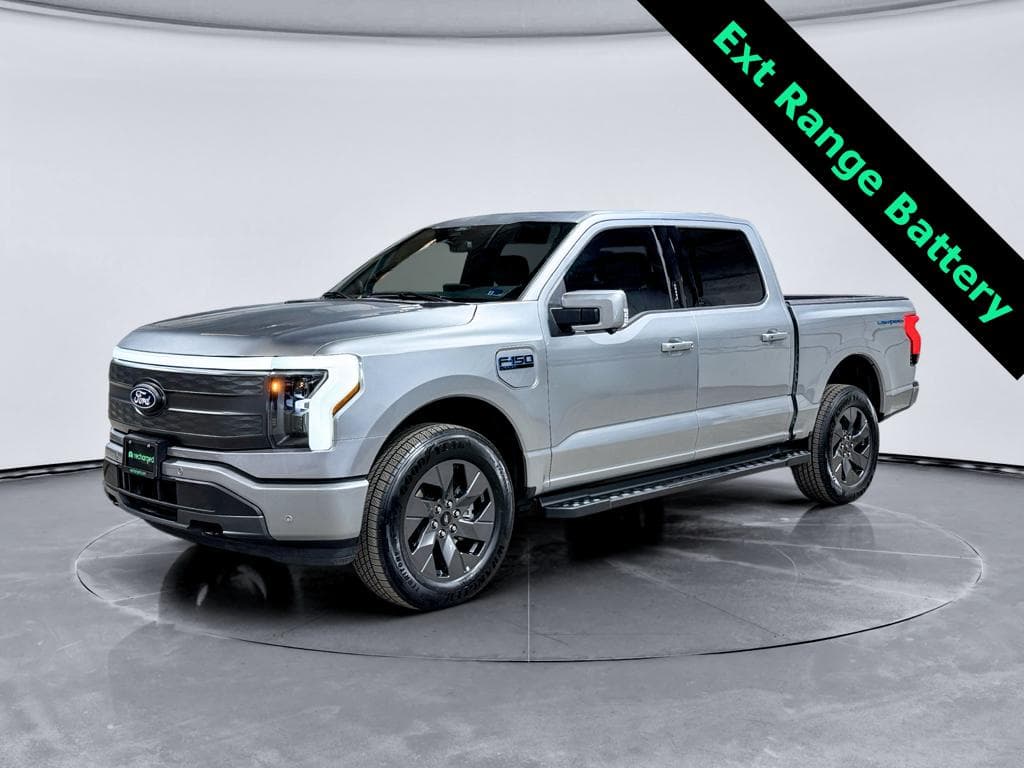
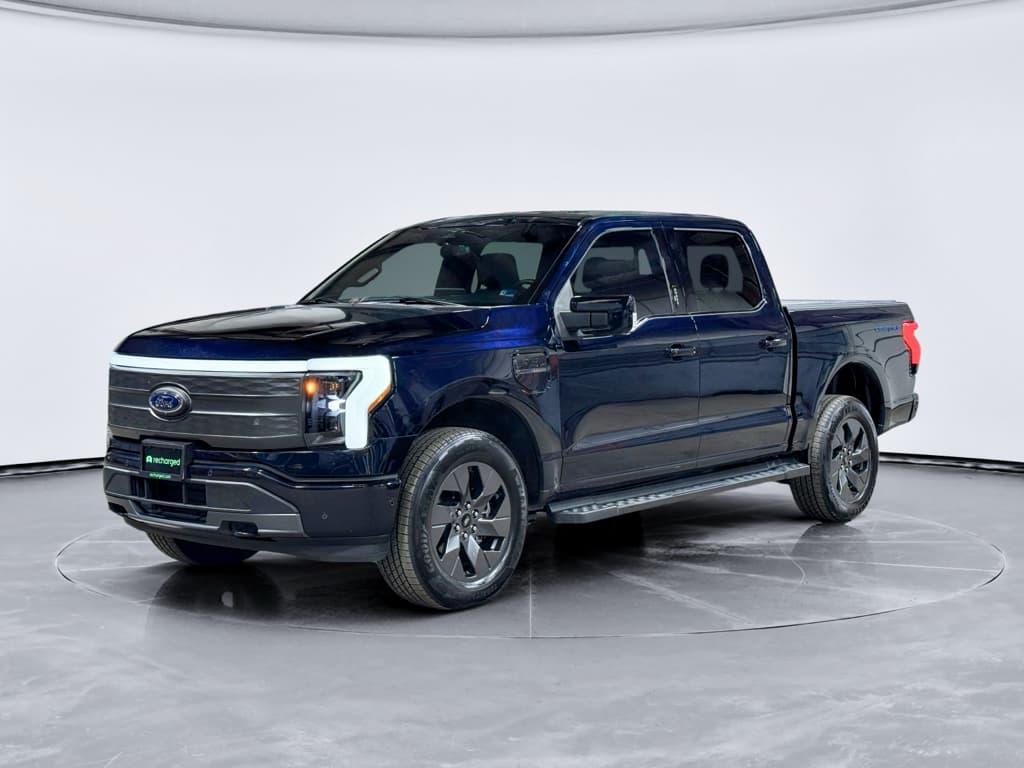
By 2025, the Ford F‑150 Lightning was a known quantity: a full‑size electric pickup with strong acceleration, useful tech like bidirectional home backup power, and the familiar F‑150 cab and bed. Underneath, every Lightning uses a dual‑motor AWD powertrain and a large lithium‑ion battery pack (around 98 kWh usable for standard range and roughly 120–130 kWh for extended‑range trucks).
Ford also spent these years iterating on software and hardware. Over‑the‑air updates improved charging curves and features, but 2025 also brought equipment deletions and cost cutting on several trims, something many owners read as Ford preparing to wind the program down rather than invest for the long haul.
Ford F‑150 Lightning at a Glance (2022–2025)
Model‑year vs. problem‑year
Known 2025 Ford F-150 Lightning Problems
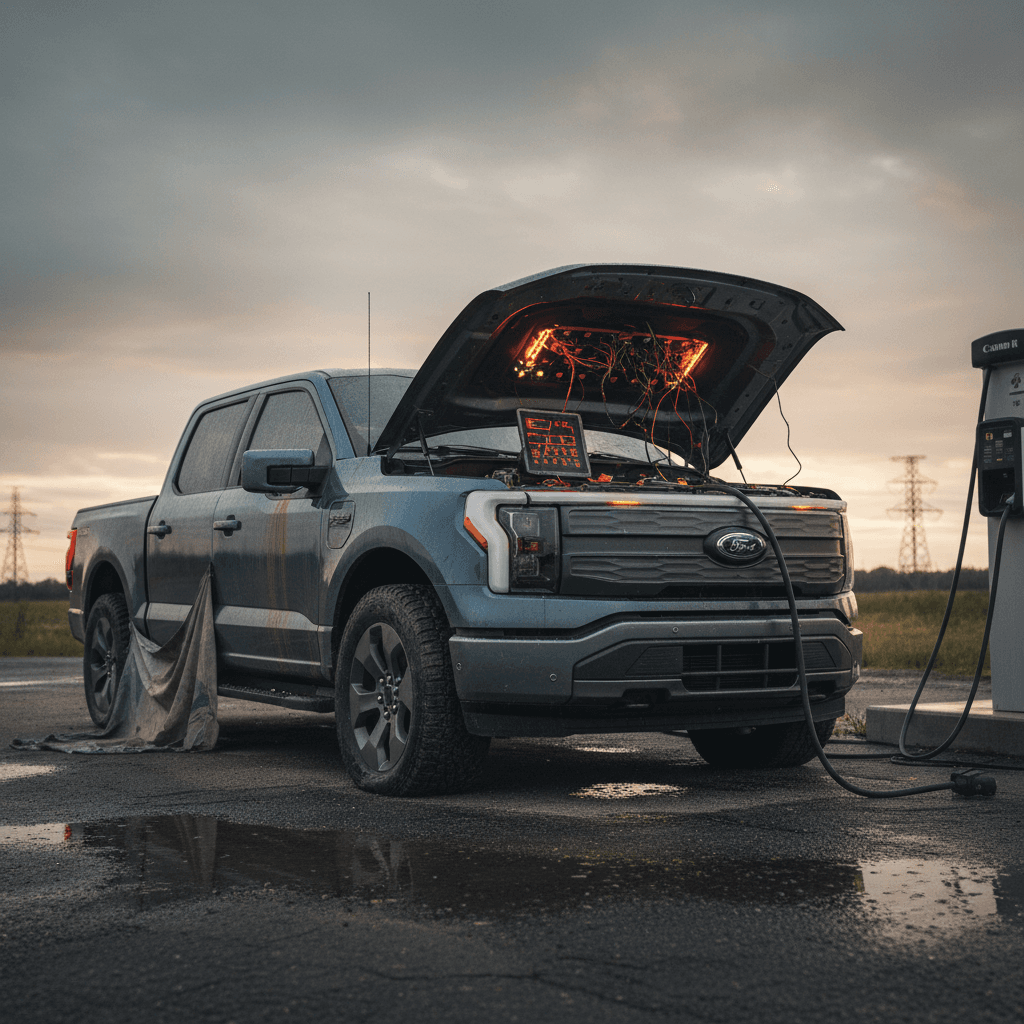
Because the 2025 model year was the Lightning’s last, long‑term data is still developing. But between earlier production years, recall campaigns that explicitly cover 2025 trucks, and owner reports, several pattern issues are already clear:
- High‑voltage battery cell defects on some trucks built in the 2022–2024 window, serious enough to trigger recalls and an 80% charge limit while awaiting repairs.
- Software glitches: phantom error messages (like active air dam or driver‑assist faults), inconsistent BlueCruise behavior, and occasional frozen screens or slow boot times.
- 12‑volt auxiliary battery problems that can strand the truck or cause weird electrical behavior if the low‑voltage battery gets weak.
- Real‑world range dropping far below the EPA number when towing, hauling, or driving fast, especially in cold weather.
- Newer recalls affecting 2022–2026 Lightnings for issues like the integrated park module (rollaway risk in Park) and camera or brake‑assist software defects.
- Cost‑cutting decisions for 2025 that removed useful equipment (spare tire, onboard scales, interior worksurface) without meaningfully improving value.
Don’t fixate on model year alone
Battery, Charging, and Range Problems
Battery health is the make‑or‑break variable for any used EV truck. With the F‑150 Lightning, you’re juggling three overlapping concerns: cell manufacturing defects, normal long‑term degradation, and how sharply range falls in tough duty cycles.
Cell manufacturing defects and recalls
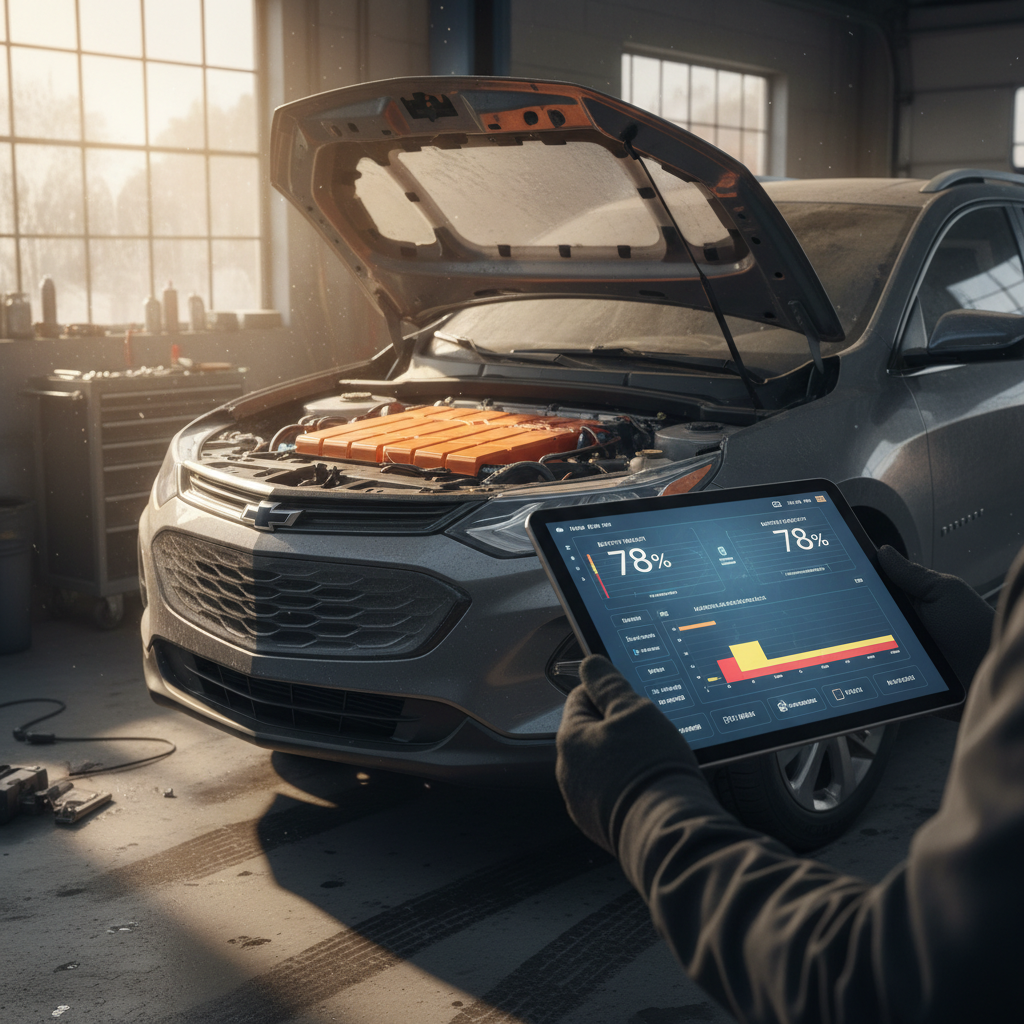
Ford has recalled a subset of 2022–2024 F‑150 Lightnings for high‑voltage battery cell defects tied to production deviations at the supplier. In affected trucks, misaligned electrodes can create an internal short after repeated charge/discharge cycles, potentially leading to thermal events (fires). Owners were advised to limit charging to 80% state of charge until the pack (or battery array) can be inspected and replaced as needed.
While this recall is formally limited to specific build dates, a 2025 Lightning shares the same basic battery architecture. The key for you as a shopper is to verify whether the truck’s VIN falls into any open battery‑related campaigns and to confirm that any affected packs have already been replaced, not just "monitored."
Battery recalls are not optional
Charging curve and DC fast‑charging behavior
On paper, extended‑range Lightnings support DC fast charging in the mid‑100 kW range. In the real world, owners routinely see lower averages because the truck tapers charging power aggressively as state of charge climbs. Ford has pushed multiple over‑the‑air updates to tweak the charging curve, but if you’re used to Tesla‑like speeds, public fast charging in a Lightning can feel underwhelming, especially on winter road trips.
For a used 2025 truck, look for a service or OTA update history showing the latest charging software installed, and test a DC fast‑charging session yourself if possible. Watch not just peak kW, but how quickly the truck climbs from 10% to 80% and how stable the session feels.
12‑volt battery and "dead truck" scenarios
Like most modern EVs, the Lightning relies on a conventional 12‑volt auxiliary battery to power control modules, latches, and the computers that wake up the high‑voltage system. When that 12‑volt battery weakens, especially after sitting for long periods or in cold weather, you can see a cascade of symptoms: random dash warnings, failed software updates, doors or frunk not opening, or the truck refusing to shift into gear.
12‑volt health is cheap insurance
Towing, Payload, and Real‑World Range Limits
The other headline "problem" with the F‑150 Lightning isn’t a defect so much as physics colliding with expectations. Ford built its marketing around using the truck like any other F‑150, towing, hauling, powering tools and homes. In practice, owners learned that heavy towing can cut effective range by half or more, especially at highway speeds or in cold climates.
Where the Lightning shines
- Short‑haul towing around town, especially boats, utility trailers, and campers within 60–80 miles.
- Jobsite power via Pro Power Onboard, replacing small generators and saving fuel and noise.
- Daily commuting with home charging, where even a reduced real‑world range is more than enough.
Where problems show up
- Long‑distance towing, where you may stop for fast charging every 80–120 miles.
- Trips in winter, where cold batteries and HVAC use further cut range.
- Lack of fast chargers that accommodate trailers without awkwardly blocking multiple stalls.
Mind the range math
Software Glitches and 2025 Feature Downgrades
Software is both a strength and a pain point for the F‑150 Lightning. Over‑the‑air (OTA) updates add features and fix bugs, but they also introduce new ones. Owners of earlier model years have reported issues like "Active Air Dam Fault" warnings even when the hardware is fine, odd driver‑assist behavior, and center screens that freeze or reboot at inconvenient times.
By 2025, many of the worst bugs had been ironed out, but you’re still dealing with a complex software stack on top of a very feature‑rich truck. When something glitches, it may not always be obvious whether the culprit is a sensor, a module, or the last OTA update.
BlueCruise quirks
Ford’s BlueCruise hands‑free system can be impressive on mapped divided highways, but owners have flagged quirks: misreading speed‑limit signs, abrupt target‑speed changes, hands‑free not engaging where the map says it should, or the system dropping out without clear explanation. If you’re buying a 2025 Lightning because you want semi‑automated highway driving, you’ll want to test BlueCruise extensively on your typical routes.
2025 feature deletions and cost cutting
Separately from outright "problems," Ford trimmed content for 2025 to help the Lightning’s business case. Many XLT and Flash trucks, for example, lost the Interior Worksurface that flips the center console into a desk, along with standard bed storage boxes and onboard scales that once made the Lightning feel like a tech flagship. Spare tires became a tire‑repair kit on some trims. None of this affects reliability, but it does blunt the value proposition, especially if 2024 trucks with richer equipment are available on the used market at similar prices.
Key Safety Recalls You Should Check
As of early 2026, several major recall themes touch the F‑150 Lightning line, including 2025 trucks. Exact campaign numbers change over time, so you’ll always want to check a VIN directly, but broad categories include:
- High‑voltage battery cell / array defects on specific 2022–2024 trucks, with pack inspection and replacement as needed and a temporary 80% charge limit.
- Park system / rollaway risk, where an issue in the integrated park module can prevent Park from fully engaging, potentially allowing rollaway even when the shifter says P. This campaign explicitly lists 2022–2026 Lightnings.
- Camera or display software issues that can cause a rear‑view image to freeze or not appear, affecting a broad swath of late‑model Fords, including F‑150 variants.
- Suspension or control‑arm fastener issues on certain build ranges, where improperly torqued components could affect handling or durability.
How to Check a 2025 Lightning for Recalls
1. Run the VIN through official tools
Use Ford’s recall lookup and the NHTSA recall tool to see every open and completed campaign tied to a specific truck.
2. Ask for printed service history
A reputable seller or dealer should be able to show recall completion receipts or a service print‑out showing "no outstanding recalls".
3. Confirm battery work, not just software
For high‑voltage recalls, verify whether hardware (cells, modules, or array) was physically replaced, not just monitored or updated in software.
4. Test Park and parking brake
On a flat and slight incline, shift into Park, release the brake, and confirm the truck stays put and shows no warning messages.
Recalls vs. reliability
Ownership Costs, Depreciation, and Ford’s EV Pivot
Beyond hardware and software, there’s the uncomfortable question: what does it mean to own a truck that your manufacturer has decided to walk away from? By late 2025, Ford made it clear the all‑electric Lightning experiment was over. The company is pivoting toward hybrids and extended‑range EVs after losing billions on its dedicated EV division and seeing Lightning sales fall when incentives dried up.
For you as a used‑truck shopper, that has two big implications:
- Depreciation: When a model is discontinued and future replacements use different tech (like range‑extended setups), resale values often soften. That can be good news if you’re buying used and plan to keep the truck for years, less so if you’re stretching to afford it and counting on strong resale.
- Support horizon: Ford is still obligated to provide parts and recall support for years, and the Lightning shares a lot with the mainstream F‑150. But don’t expect a long runway of new features or major EV‑specific upgrades. The truck you buy is likely as good as it’s going to get, aside from bug‑fix OTAs.
How this can work in your favor
Buying a Used 2025 F-150 Lightning: Checklist
If you’re still interested in a 2025 Lightning, or any model‑year Lightning, the key is disciplined shopping. Here’s a practical checklist you can use in the driveway or on a test drive.
Used F‑150 Lightning Inspection Checklist
Confirm build date and trim
Check the driver‑door jamb label and window sticker (or Ford’s build data) to confirm it’s truly a 2025 and matches the trim/equipment advertised.
Review battery health data
Ask for a recent battery health report. At Recharged, this is part of our <strong>Recharged Score</strong>, which includes pack health and expected usable capacity.
Check recall and service history
Run the VIN through recall tools and ask for dealer service records, with special attention to high‑voltage battery and park‑system campaigns.
Inspect tires, brakes, and suspension
Heavy trucks wear consumables faster, especially if used for towing. Uneven tire wear or noisy suspension over bumps can hint at alignment or bushing issues.
Test home‑charging behavior
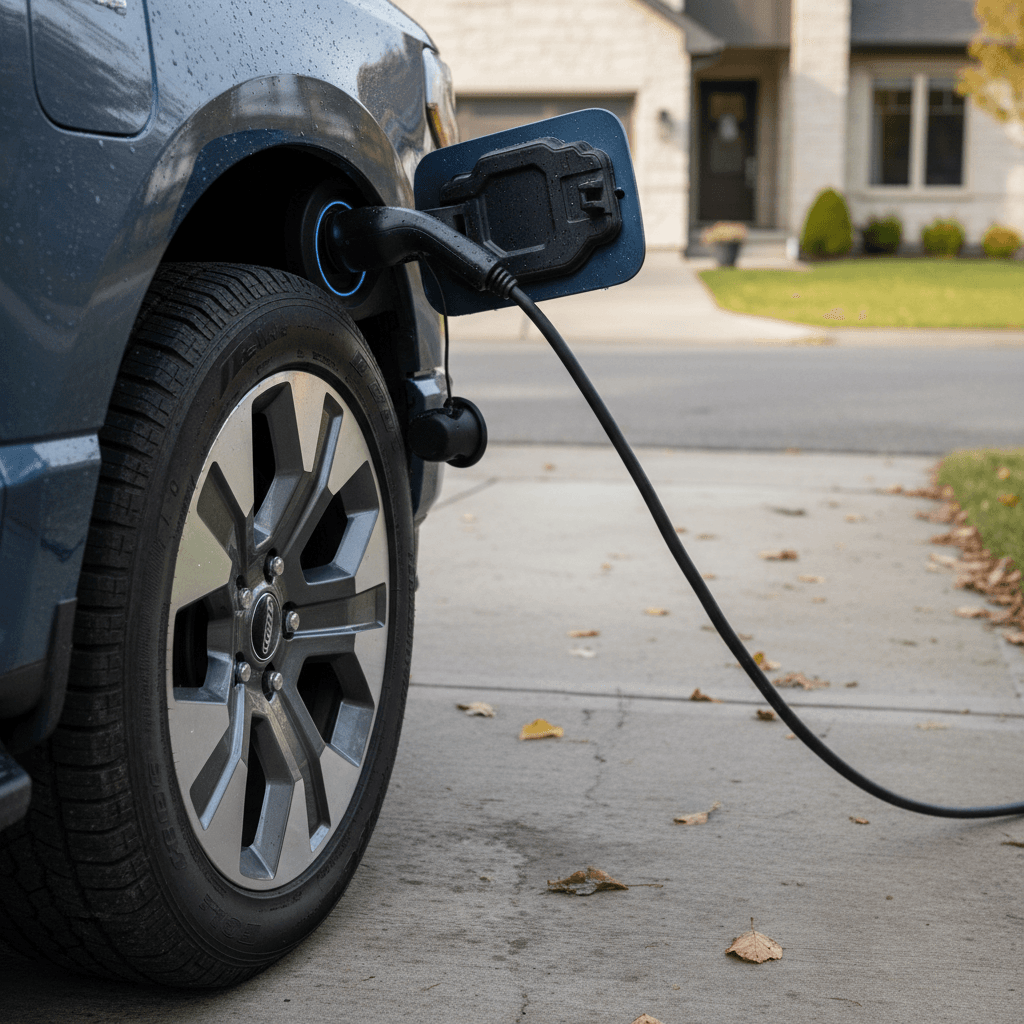
Plug into a Level 2 charger, confirm stable charging at the expected amperage, and listen for unusual noises from the onboard charger or contactors.
Validate Pro Power and outlets
If you care about jobsite or backup power, plug in tools or loads to the bed and cabin outlets. Confirm they power up, don’t trip, and show expected wattage in the infotainment.
Drive it the way you’ll use it
If you plan to tow, at least do a test drive with a loaded bed or small trailer to see how the truck feels, how range estimates react, and whether you’re comfortable with the tradeoffs.
How Recharged Helps F-150 Lightning Shoppers
The F‑150 Lightning sits at the intersection of three tricky domains: truck usage, EV batteries, and a rapidly shifting manufacturer strategy. That’s exactly where having a specialist in your corner matters.
Why Consider a Lightning Through Recharged
Used EVs are our entire business, not a sideline.
Verified battery health
Transparent history
End‑to‑end convenience
Ready to find your next EV?
Browse VehiclesIf you already own a Lightning and are thinking about exiting before warranties run out or mileage climbs, Recharged can also provide an instant offer or consignment option so you can capture current market value without navigating the used‑truck market alone.
2025 Ford F‑150 Lightning Problems: FAQ
Common Questions About 2025 F‑150 Lightning Problems
Bottom Line: Is the 2025 F-150 Lightning a Bad Bet?
The 2025 Ford F‑150 Lightning isn’t a disaster, it’s a capable, quick, and comfortable truck wrapped around first‑generation full‑size EV technology. Its real problems are more about physics and product strategy than catastrophic failures: sharp range loss under load, the complexity of a software‑heavy vehicle, and Ford’s decision to pivot away from big battery‑electric trucks just as the Lightning was maturing.
If you need a long‑distance tow rig, the Lightning’s limitations will feel like deal‑breakers. If you mostly commute, run local errands, and tow within a manageable radius, a carefully chosen used 2025 Lightning, with documented battery health and clean recall history, can be a smart way to get a modern electric truck for far less than its headline‑grabbing launch price. And if you want help decoding the fine print, Recharged is built precisely for this moment in the EV market.