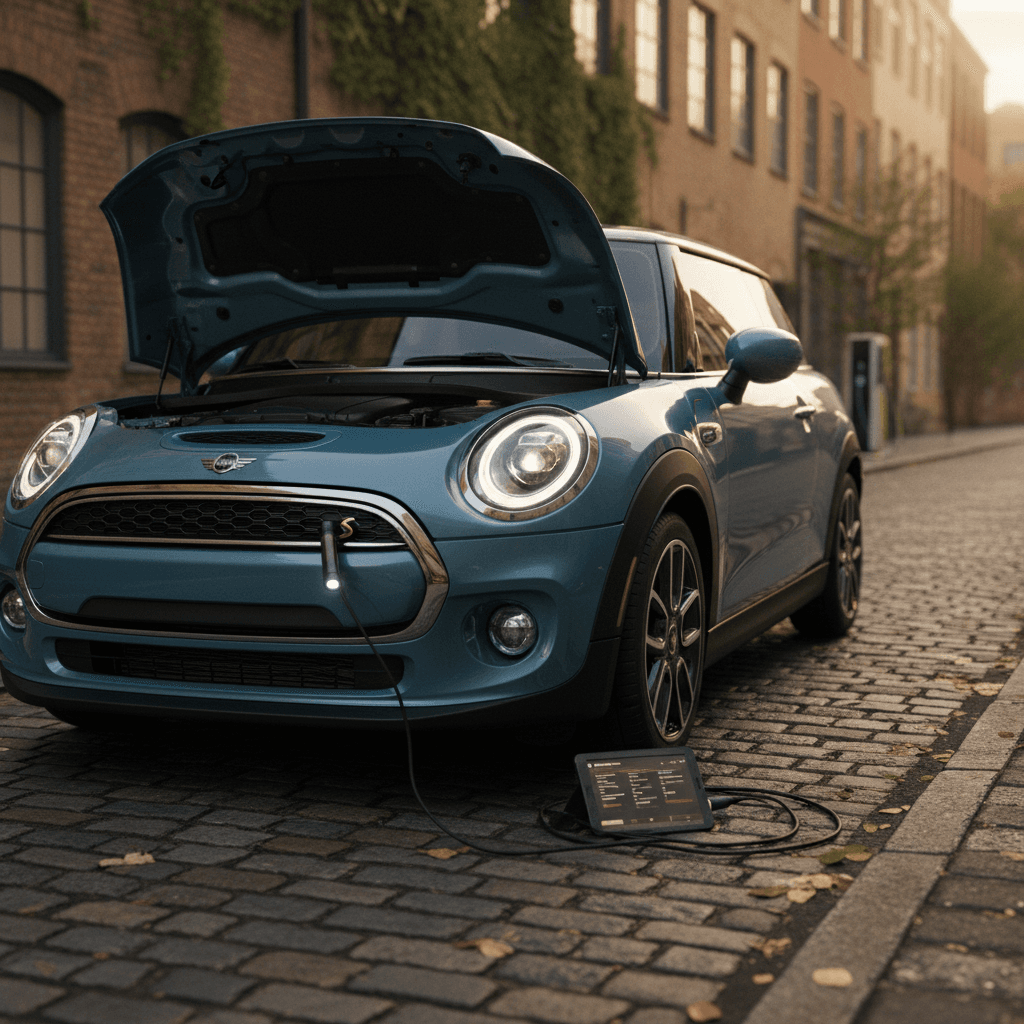
If you’re drawn to the go‑kart feel of a Mini but wondering about 2024 Mini Cooper Electric problems, you’re asking the right questions. The Cooper SE is one of the most fun city EVs on the market, but it also has real limitations around range, cold‑weather performance, and (more recently) a high‑voltage battery recall that 2020–2024 owners need to understand.
Model naming in 2024–2025
2024 Mini Cooper Electric at a Glance
Where the Mini Electric Shines, and Where It Struggles
Understanding the car helps you understand the problems users report.
What it does well
- Fun to drive: Instant torque and classic Mini handling.
- Perfect for short commutes: Owners routinely use it as a city runabout or second car.
- Simple ownership: Less maintenance than a gas Mini, especially if you can charge at home.
Where issues show up
- Short range: Real‑world range is far below many newer EVs.
- Cold weather sensitivity: Range can plunge in winter, and a few owners have reported heat system glitches.
- Battery recall: 2020–2024 Cooper SE models are under a high‑voltage battery recall related to potential fire risk.
Almost all of the real complaints about the Mini Electric are tied to its small battery, how that battery behaves in winter, and a recently expanded high‑voltage battery recall. The drivetrain itself is fairly simple and has, so far, looked more robust than some of the brand’s older gas engines.
Key Mini Cooper Electric Reliability Context
How Reliable Is the Mini Cooper Electric Overall?
If you look beyond the recall paperwork and online horror stories, the pattern that emerges is surprisingly consistent: most Mini Cooper SE owners report few serious mechanical problems. High‑mileage owners, 30,000 to 40,000 miles and beyond, often describe their cars as more reliable than their previous gas Minis, with minimal battery degradation and few unscheduled repairs.
What owners praise
- EV drivetrain robustness: Many 3–5‑year‑old SEs still show 98–100% reported battery health and near‑original range.
- Low running costs: Apart from tires and the occasional software update, there simply isn’t much to service.
- Everyday dependability: Once you accept the limited range, the car tends to be drama‑free for local use.
Where concerns persist
- Mini’s historical reputation: Gas Minis have been hit‑or‑miss for long‑term reliability, which makes shoppers cautious.
- Battery recall anxiety: Even if your pack is fine, recall language about potential fire risk understandably worries people.
- Software quirks: Range estimates, regen settings, and infotainment behavior can feel rough around the edges.
How to sanity‑check reliability on a used Mini Electric
Battery Problems and Recalls on the Mini Cooper SE
The most serious “problem” attached to the 2024 Mini Cooper Electric isn’t a roadside breakdown, it’s the high‑voltage battery recall that now encompasses 2020–2024 Cooper SE models. This is about how the pack was manufactured and sealed, not how you drive the car.
Mini Cooper SE Battery Recall: What You Need to Know
Key points about the high‑voltage battery recall affecting 2020–2024 Mini Cooper SE models.
| Issue | Model Years | What Can Happen | What Mini/BMW Is Doing | What You Should Do |
|---|---|---|---|---|
| Battery housing not properly sealed | 2020–2024 Cooper SE Hardtop 2‑Door | Water can enter the high‑voltage battery, potentially causing a stall or, in rare cases, a fire. | Issued a safety recall; dealers inspect and leak‑test the pack and repair or replace components as needed. | Run a VIN check on NHTSA or with a dealer and confirm recall repairs are marked as completed. |
| Battery produced out of spec | 2020–2024 Cooper SE | Manufacturing defects in the pack or high‑voltage system can lead to overheating and a higher risk of a thermal event. | BMW/Mini is notifying owners and installing updated software diagnostics; faulty batteries may be discharged and replaced. | Until it’s fixed, follow Mini’s guidance, often including parking outside and limiting state of charge. |
Always verify recall status by VIN before you buy any used Mini Electric.
Don’t ignore recall letters or warnings
Outside of the recall population, outright battery failures on the Cooper SE are rare in owner reports. You do not see a pattern of widespread packs dying early or massive, unexpected degradation. The big risk is simply: did this specific car get a battery that falls within the affected manufacturing window, and has it been properly inspected and updated?
Range Complaints, Winter Performance, and the "Guess-O-Meter"
By far the most common “problem” you’ll hear about the 2024 Mini Cooper Electric isn’t a defect, it’s short real‑world range combined with a dash display that can feel erratic or pessimistic. Mini quotes higher figures under optimistic test cycles, but owners routinely describe 110–130 miles on a full charge in mild weather and significantly less in winter.
- Small battery, big expectations: The SE’s pack is roughly 32 kWh gross with less than 30 kWh usable. That’s tiny compared with newer 60–80 kWh EVs, so high‑speed highway driving drains it quickly.
- The "guess‑o‑meter" effect: The car’s range estimate is heavily based on recent driving and climate control use. A week of 75‑mph freeway runs with the heat blasting will make the next full‑charge prediction look grim, even if your actual battery health is fine.
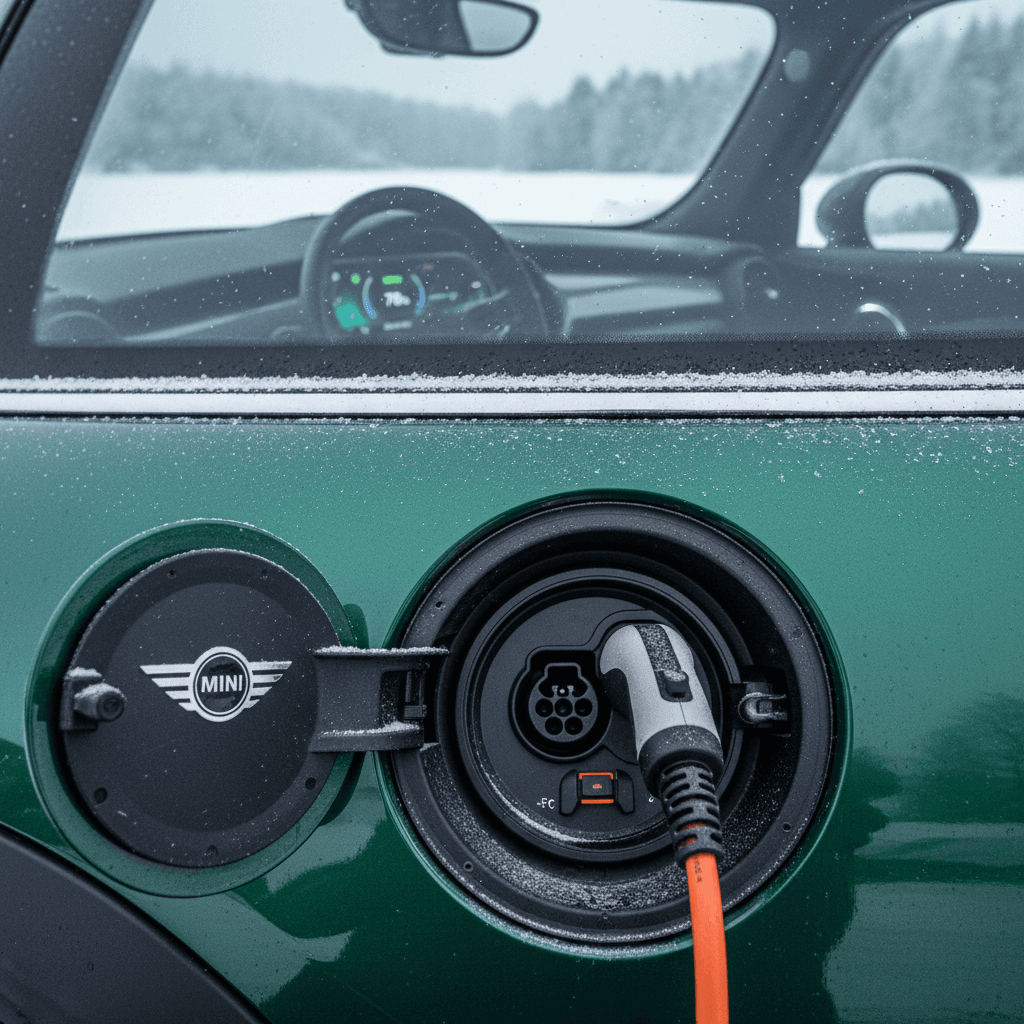
- Winter range hits: Owner anecdotes from colder climates regularly report 20–40% less usable range in freezing conditions. Short trips in sub‑freezing weather, especially without preconditioning, can make the SE feel “almost unusable” to some drivers.
- Speed is everything: Several owners report that the same commute can end with very different remaining range depending on whether traffic forces them to drive at 60 mph or allows 75–80 mph cruising. Aerodynamic drag punishes the Mini’s small pack at higher speeds.
What looks like degradation may just be the algorithm
Charging, Heating, and Everyday Ownership Quirks
On the hardware side, the Mini Cooper SE’s charging system is straightforward: AC charging via a J1772 connector and DC fast‑charging via CCS on most U.S. cars. Most complaints are less about outright failures and more about annoyances in day‑to‑day use.
Common Mini Cooper Electric Quirks (Not Always Defects)
Real owner annoyances that show up again and again in forums and reviews.
Charge‑port flap sensor
Heat pump & cabin heating
Infotainment & settings
When cold performance is a real problem
From an ownership‑cost perspective, the Mini Electric’s quirks are usually cheap to live with compared with a turbo MINI that eats timing chains and oil. But if you buy one assuming it will be a do‑everything, four‑season highway commuter, those quirks can feel like deal‑breakers.
What Actually Fails vs. What Just Annoys Owners
Patterns of real defects
- High‑voltage battery recall population: Packs built outside spec or with improper sealing pose a genuine safety risk and require inspection or replacement.
- Occasional heater failures: A small but real number of owners, especially in very cold climates, report losing cabin heat and needing dealer repair.
- Charge‑port hardware issues: Misreporting doors or sticky latches sometimes need replacement, generally under warranty.
Patterns of irritation, not failure
- Short range on the highway: This is baked into the battery size, not a mechanical problem.
- Wildly fluctuating range estimates: The “guess‑o‑meter” is notoriously twitchy and overreacts to driving style and climate use.
- Software UX decisions: Regen settings that don’t stick or menus that feel clunky are design choices, not reliability failures.
Good news for used‑car shoppers
Should You Worry About Long-Term Battery Life?
For all the noise about range, the 2019–2024 Cooper SE battery has held up better than many shoppers expect. Multiple long‑term owners with 30,000–40,000 miles report very mild capacity loss, often still getting over 100 miles on a full charge years into ownership.
- The pack has a built‑in buffer: Mini doesn’t let you use the full gross capacity, so “100%” on the dash is really something like 85–90% of the cells’ true capacity. That buffer helps slow apparent degradation.
- City‑car use is gentle: Many Minis live their lives as short‑trip commuters charged mostly at home, which is easier on the pack than frequent DC fast‑charging from low state of charge.
- Outliers still exist: Any individual pack can fail early, but there is no widespread pattern of SE batteries falling off a cliff at 60,000 miles the way some plug‑in hybrids have. The bigger risk factor today is whether a given car falls under the recall and how that was handled.
Three habits that help this battery age well
Used Mini Cooper Electric Problems Checklist
If you’re cross‑shopping used Mini Electrics, what matters most isn’t the odometer, it’s battery health, recall status, and how the first owner used the car. Here’s a quick checklist to separate a good SE from a headache.
Mini Cooper Electric Pre‑Purchase Checks
1. Run the VIN for open recalls
Confirm whether the car is in the 2020–2024 <strong>high‑voltage battery recall</strong> population and that any required inspection or battery work is complete. Ask for documentation, not just verbal assurances.
2. Get a real battery health report
Look for a measured <strong>state of health</strong> and usable kWh, not just the dash range estimate. At Recharged, this is baked into the <strong>Recharged Score</strong> so you can see how that specific car’s pack is aging.
3. Compare predicted vs. real‑world range
On a full charge in mild weather, take a test drive and see how quickly the percentage and miles drop. A healthy SE driven sanely should not feel like it loses 30–40 miles of range in a handful of city miles.
4. Check cabin heat and AC in extreme modes
Turn climate to high heat and then max cool. Listen for unusual noises and make sure the car can actually heat and cool the cabin effectively, especially important in regions with harsh winters.
5. Inspect charge port and flap behavior
Open and close the charge‑port flap several times, plug and unplug the cable, and watch for error messages. An SE that constantly thinks the flap is open may need a housing or sensor replaced.
6. Ask about charging habits
A car fast‑charged from 5–10% to 100% several times a week is more stressed than one that lived on a home Level 2 charger and rarely saw the pack below 20%. Prior use patterns matter over the long term.
7. Look for water ingress signs
Given the battery‑sealing recall, inspect under the car and in the trunk for corrosion, musty smells, or evidence of water where it shouldn’t be. Any suspicion here is a reason to walk or demand proof of proper repairs.
How Recharged Reduces the Risk on a Used Mini Electric
With a quirky car like the Mini Electric, the difference between a great ownership experience and a frustrating one comes down to information and transparency. That’s exactly what Recharged was built to provide for used EV buyers.
Why a Mini Electric From Recharged Isn’t a Blind Bet
We treat battery health and recall status as first‑class data, not fine print.
Recharged Score Report
Recall & safety verification
Nationwide EV‑savvy experience
Ready to find your next EV?
Browse VehiclesIf you’re near Richmond, VA, you can also visit the Recharged Experience Center to get hands‑on with EVs, ask hard questions about range and battery life, and compare the Mini Electric with longer‑range options before committing.
2024 Mini Cooper Electric Problems: FAQ
Frequently Asked Questions About Mini Cooper Electric Problems
Bottom Line: Who the Mini Electric Works For
Most of the headline‑grabbing 2024 Mini Cooper Electric problems boil down to three things: a serious but addressable battery recall, a genuinely short range that shrinks further in winter, and a handful of software and hardware quirks that can irritate more than they actually strand you.
If you need a compact, tossable EV for short commutes and city driving, and you go into it with eyes open about range and recall status, the Mini Electric can be one of the most satisfying used EVs you can buy. If you expect it to behave like a long‑range Tesla on the interstate in a blizzard, you’ll be disappointed, and that mismatch between expectation and reality is behind many of the “unusable” complaints you’ll see online.
Whichever side you’re on, the smart move is the same: insist on hard data about the battery and recall work instead of guessing from a test drive alone. That’s the gap Recharged is built to fill, pairing transparent battery health, fair pricing, financing, trade‑in options, and EV‑savvy support so your next Mini Electric is a delightful tool, not an expensive experiment.