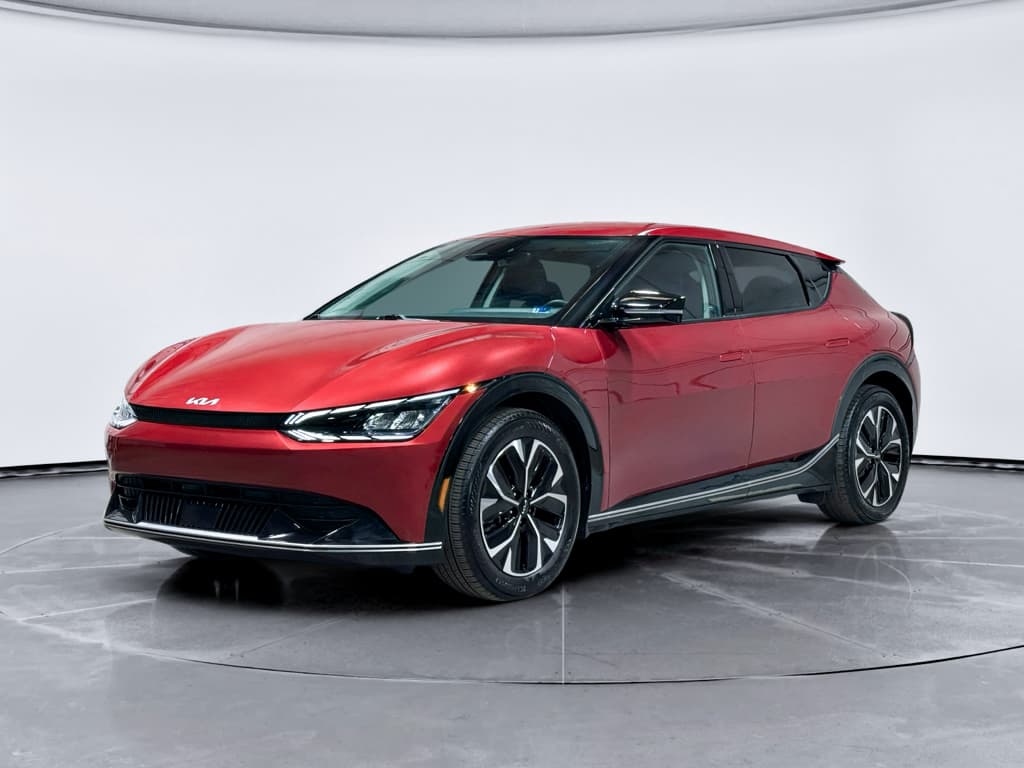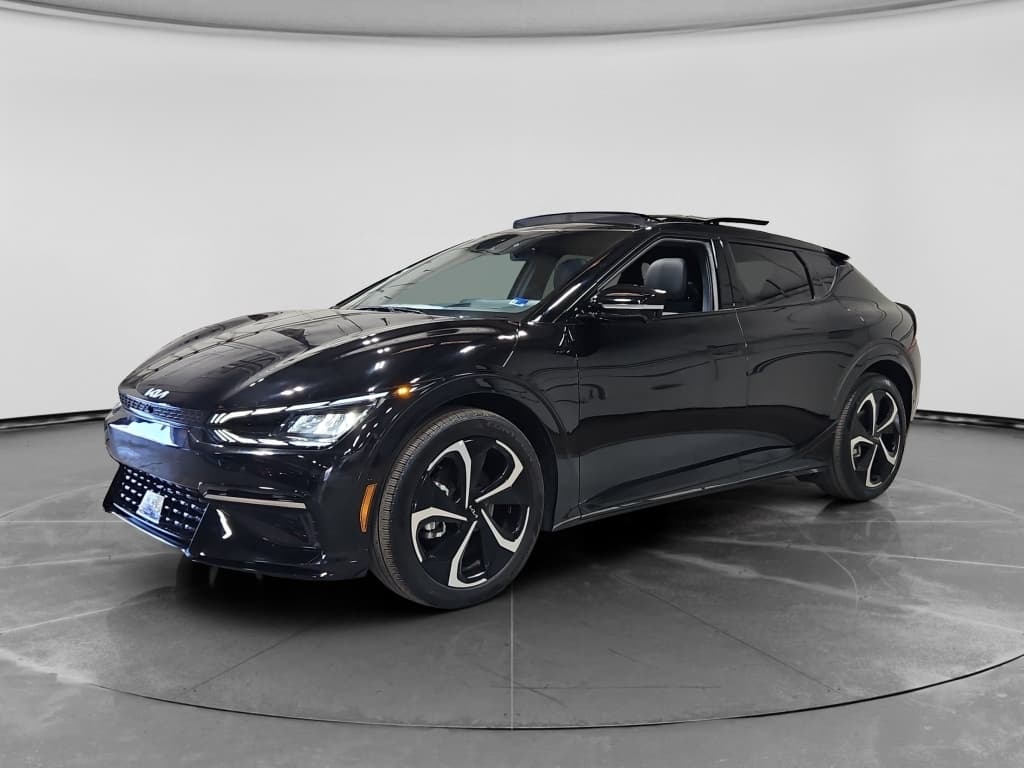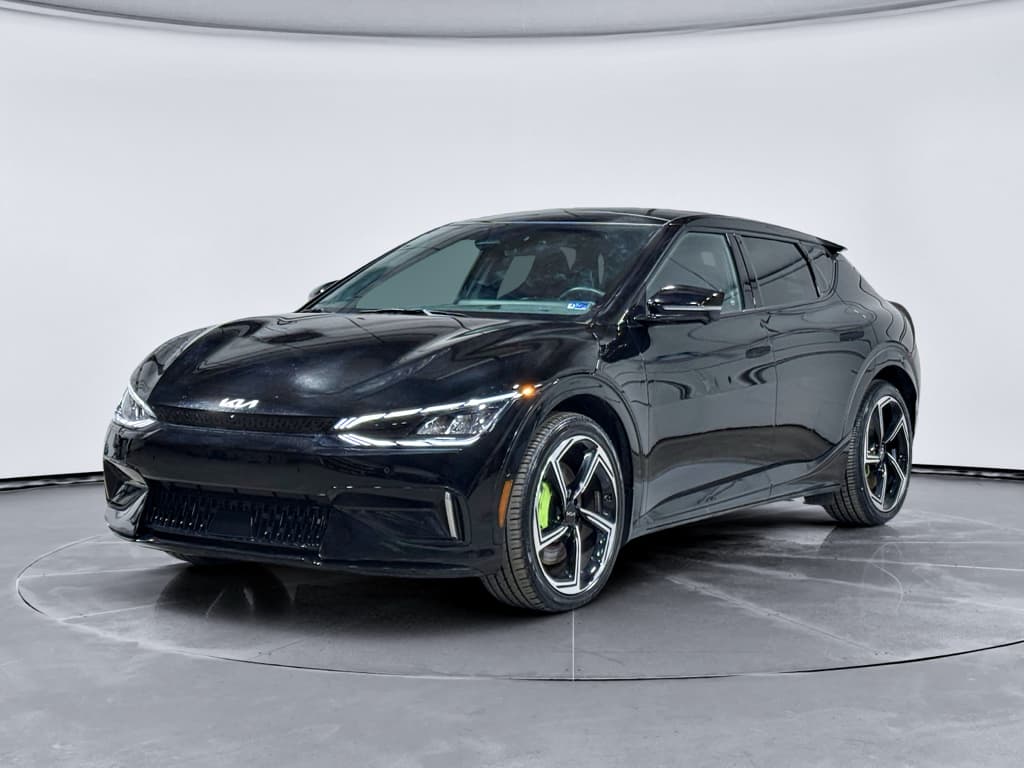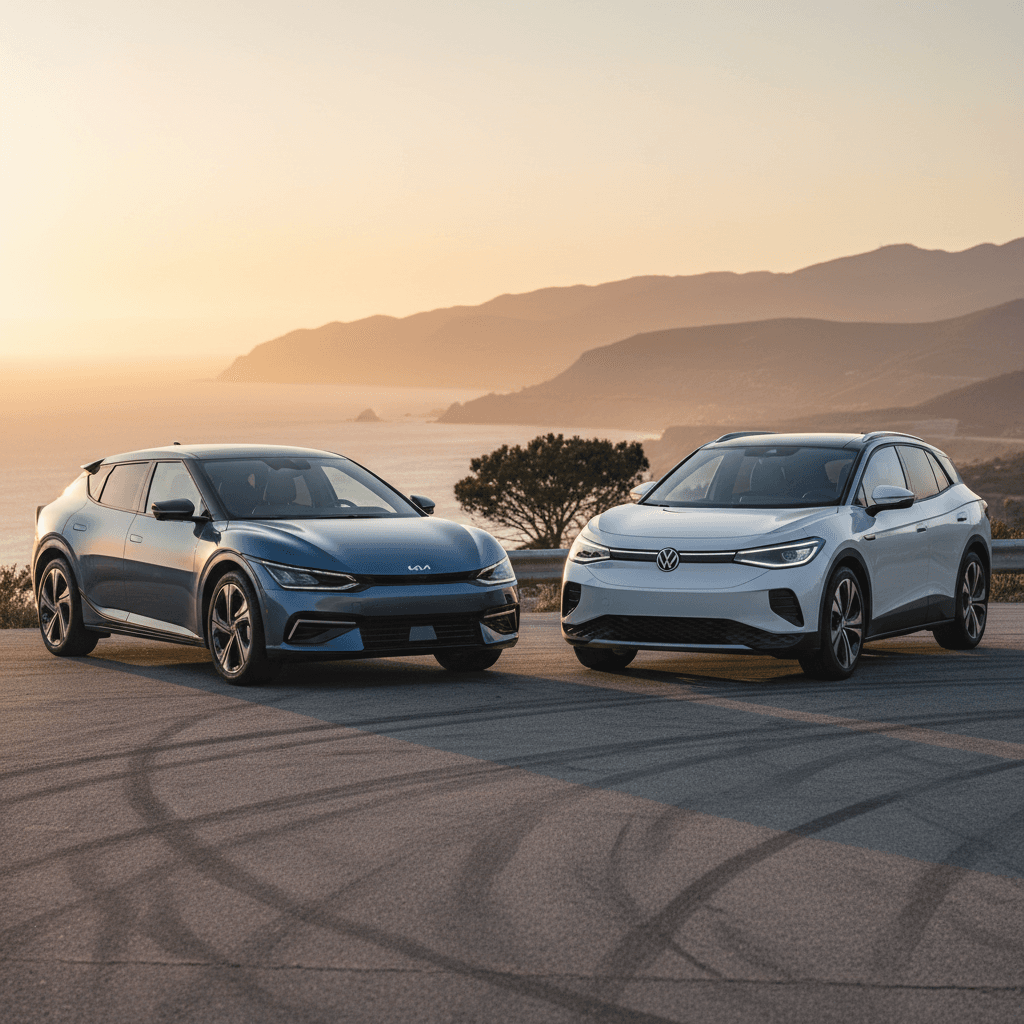
If you’re shopping for a compact electric SUV, the **Kia EV6 vs Volkswagen ID.4** matchup is probably on your short list. Both offer practical space, usable range, DC fast charging and family‑friendly pricing, especially on the used market, but they do it with very different personalities.
Two strong choices, very different vibes
Kia EV6 vs VW ID.4: quick overview
How the EV6 and ID.4 differ at a glance
A personality clash more than a specs war
Kia EV6: the sporty fast‑charger
- Platform: E‑GMP dedicated EV platform
- Vibe: Sleek, hatchback‑meets‑SUV styling
- Range: Strong EPA range, especially on long‑range RWD trims
- Charging: Ultra‑fast 800V DC charging (when you find a good charger)
- Best for: Drivers who prioritize performance, road trips, and future‑proof tech
Volkswagen ID.4: the comfy crossover
- Platform: MEB electric SUV architecture
- Vibe: Traditional compact SUV shape, easy step‑in height
- Range: Solid daily‑driver range, especially with the larger pack
- Charging: Respectable DC speeds, especially on newer 82 kWh models
- Best for: Families wanting space, comfort and a familiar driving feel
Headline numbers: EV6 vs ID.4 (typical U.S. 2024–2025 trims)
Key specs at a glance
Kia EV6 vs Volkswagen ID.4: core specs snapshot (2024–2025 U.S.)
Representative trims many U.S. shoppers and used‑EV buyers will encounter. Always confirm exact specs for the model year and trim you’re considering.
| Spec | Kia EV6 (typical Long Range RWD) | Volkswagen ID.4 (typical Pro RWD, 82 kWh) |
|---|---|---|
| Battery capacity | ≈77.4 kWh usable | ≈82 kWh gross (≈77–79 kWh usable) |
| EPA range | ≈280–310 miles | ≈275–290 miles |
| Drive layout | RWD or AWD; high‑power GT available | RWD or AWD (no high‑performance GT equivalent in U.S.) |
| DC fast‑charge peak | Up to ~230–240 kW | Up to ~170 kW on newer 82 kWh cars |
| Onboard AC charger | 11 kW | 11 kW |
| 0–60 mph (typical RWD) | 7–8 seconds | 7–8 seconds |
| Body style | Low, sporty crossover | Taller, more upright SUV |
| Rated seating | 5 seats | 5 seats |
Specs vary by model year and trim; treat this as a realistic ballpark, not a window‑sticker quote.
Reality check on specs
Range and battery: EV6 wins on road‑trip confidence
Range is the first filter for most EV shoppers, and here the **Kia EV6 generally has the edge**, especially in long‑range rear‑wheel‑drive trims. The **Volkswagen ID.4** isn’t far behind, but depending on year and battery pack, you’ll see more variation.
Typical Kia EV6 range
- Common long‑range RWD trims land around 280–310 miles EPA when new.
- AWD trims trade a bit of range for more power, landing roughly in the 250–280 mile zone.
- The high‑performance EV6 GT sacrifices range for speed, so it’s more of a niche choice.
Because the EV6 is built on an 800V platform, it’s efficient at highway speeds and does a good job holding higher consumption in check on long drives.
Typical Volkswagen ID.4 range
- Smaller‑battery ID.4s (around 62 kWh) usually sit near the 200–220 mile mark in real‑world use.
- Most 82 kWh Pro / Pro S RWD trims are closer to 260–290 miles EPA, with AWD slightly lower.
- Later‑model 82 kWh ID.4s get powertrain and efficiency updates that make them more competitive with newer rivals.
If you’re mostly doing suburban commuting and errands, any 82 kWh ID.4 will feel perfectly adequate; just be more cautious with the smaller‑battery trims in cold‑weather states.
Cold‑weather shoppers: favor larger packs
Charging speed & networks: fast vs familiar
Charging is where the Kia EV6 really flexes. Its 800V hardware lets it pull very high power from capable DC fast chargers, while the ID.4 focuses more on making the most of 400V CCS hardware and long‑term partnerships with Electrify America and, increasingly, Tesla’s Supercharger network.
Fast charging: EV6 vs ID.4 in the real world
On a healthy DC fast charger with a low state of charge and a warm battery
Kia EV6 charging behavior
- Peak DC power often in the 230–240 kW range on the larger pack.
- On a strong 350 kW charger, 10–80% can take on the order of 18–20 minutes in ideal conditions.
- Excellent for road‑trippers who want short stops and lots of miles per hour of charging.
Even if conditions aren’t perfect, the EV6 tends to be among the faster‑charging non‑Tesla EVs on the road today.
Volkswagen ID.4 charging behavior
- Earlier 82 kWh cars peaked closer to 125 kW; newer ones can reach around 170 kW on DC fast charge.
- Typical 10–80% sessions are around 25–35 minutes, again assuming a strong charger and a warmed‑up battery.
- Plenty fast enough for family road trips, just not in the EV6/Tesla speed league.
The ID.4’s real advantage isn’t sheer speed, but predictable charging curves and tight integration with Electrify America in its earlier model years.
Home charging: essentially a draw
Network and connector considerations (especially for used buyers)
1. Connector type and adapters
Older EV6 and ID.4 models use the CCS1 fast‑charge connector. Newer EVs increasingly ship with the Tesla‑style NACS port or include an adapter. When cross‑shopping used, confirm <strong>whether an official NACS adapter is included or supported</strong> so you can access Tesla Superchargers where available.
2. Electrify America benefits
Earlier new ID.4 purchases often included **free Electrify America DC fast charging** for a set number of years. On a used ID.4, those benefits may have expired or may not transfer, so don’t assume free charging, verify the fine print.
3. Local infrastructure reality
In some regions, Electrify America and other CCS networks are dense and reliable. In others, Tesla’s Supercharger network is clearly ahead. Look at the map around your home and common routes before deciding which SUV gives you better charging coverage.
4. Future‑proofing
As more brands move to NACS and as Tesla opens Superchargers to non‑Tesla EVs, any EV that supports **both CCS and NACS access** (via port or adapter) will age better. The EV6’s fast charging helps, but access often matters more than peak kW on paper.
Space, practicality & ride comfort
On paper the Kia EV6 and Volkswagen ID.4 are both two‑row compact SUVs, but in practice they feel very different. The **ID.4 leans harder into practicality and upright space**, while the **EV6 trades some cargo volume and headroom for style and a planted stance.
Volkswagen ID.4: family‑friendly packaging
- Upright roofline gives generous rear‑seat headroom.
- Cargo area is boxier and easier to load with strollers, coolers and gear.
- Ride tuning is soft and comfortable, especially at city speeds.
- Traditional SUV seating position feels natural if you’re coming from a Tiguan, RAV4 or CR‑V.
If you regularly carry adults in the back or haul bulky cargo, the ID.4 makes your life easier with its shape alone.
Kia EV6: sporty crossover feel
- Lower roof and sleeker tailgate mean a bit less vertical cargo space.
- Rear legroom is good, but very tall passengers may brush the headliner.
- Ride is firmer and more composed at higher speeds, especially on larger wheels.
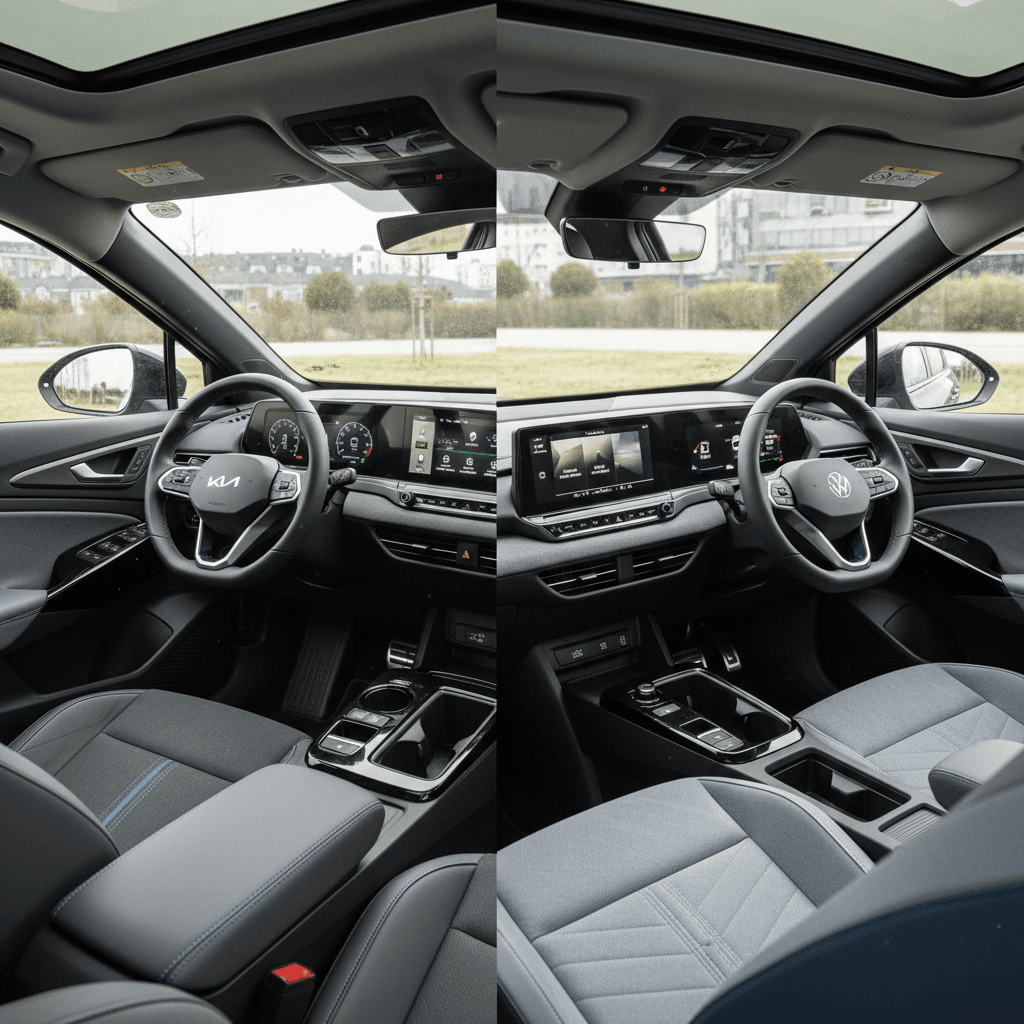
- Driving position is more car‑like, with a slightly sportier, cocooned cockpit feel.
Families who don’t routinely max out cargo space may actually prefer the EV6’s more athletic stance and planted feel, especially on longer highway drives.
If you’re on the fence, sit in the back
Technology and driving experience
Both SUVs deliver quiet, torquey EV acceleration and easy one‑pedal‑ish driving, but their personalities differ sharply behind the wheel and on the screen.
Driving feel and tech: who will like which?
Subjective impressions matter as much as numbers here
Kia EV6: engaging and futuristic
- Steering is quick and confidence‑inspiring, especially on highway sweepers.
- Available high‑power dual‑motor trims and the GT offer genuinely strong acceleration.
- Cabin design feels modern and slightly edgy, with a wraparound dual‑screen setup.
- Hyundai/Kia’s latest driver‑assist suite is polished and generally intuitive.
If you like the idea of an EV that feels more like a hot hatch than a traditional crossover, the EV6 is closer to that ideal.
Volkswagen ID.4: relaxed and familiar
- Softer suspension tuning puts comfort ahead of razor‑sharp handling.
- Acceleration is still punchy compared to most gas compact SUVs, but not dramatic.
- Earlier infotainment software drew criticism for lag and unintuitive touch controls; newer updates and model years improve things but still feel more conservative than Kia’s setup.
- Driver‑assist tech does a solid job once you learn VW’s button layout and menus.
The ID.4 will appeal to drivers who want an **EV that doesn’t shout about being an EV**, it mostly just feels like a quiet, smooth VW crossover.
You’re not just comparing two EVs; you’re choosing between a sporty, fast‑charging grand tourer and a mellow, practical family crossover that happens to be electric.
Pricing, incentives & ownership costs
Sticker prices move constantly with incentives and inventory, but as of 2024–2025 both the Kia EV6 and Volkswagen ID.4 tend to sit in similar territory when comparably equipped. For many shoppers, **monthly payment and total cost of ownership** matter more than MSRP.
Typical new and used pricing context (high level)
Broad U.S. market patterns as of 2024–2025; local deals and incentives will vary widely.
| Aspect | Kia EV6 | Volkswagen ID.4 |
|---|---|---|
| New MSRP ballpark | Often slightly higher than ID.4 at similar equipment levels, especially on sportier trims | Aggressively priced in many markets to stay competitive; smaller‑battery trims can undercut EV6 |
| Federal tax credit eligibility | Depends on model year, assembly location, and current IRS rules; often easier to capture via leasing or used purchases | Likewise depends on build and rules; VW has used attractive lease structures to pass credits through |
| Used pricing trend | Sportier image and fast charging keep resale values relatively strong | Heavy incentives and fleet sales in earlier years can mean softer used prices, good for value‑focused buyers |
| Energy and maintenance | Very similar; both benefit from low “fuel” costs at home and less routine maintenance than gas SUVs | Same story: watch tire wear, cabin filters and brake service, but no oil changes or timing belts |
Always check current federal, state, and local incentives, plus dealer discounts, before deciding which model is “cheaper.”
How Recharged can help with costs
Ready to find your next EV?
Browse VehiclesBuying used: Kia EV6 vs Volkswagen ID.4
On the used market, the **EV6 vs ID.4 decision can look very different** than it does on a new‑car lot. Incentives, early software issues, and how each car handles degradation all matter more when the odometer isn’t at zero.
Key checks when cross‑shopping used EV6 and ID.4
1. Battery health, not just mileage
Two EVs with the same odometer reading can have very different battery health if one lived on DC fast charging and the other did gentle home charging. A **battery health diagnostic** or a <strong>Recharged Score Report</strong> gives a much clearer view than guessing from range bars.
2. Software and recall history
Both Kia and Volkswagen have used software updates to improve efficiency, charging behavior, and infotainment quirks, and both have seen recalls affecting certain model years. Verify that a used EV6 or ID.4 has <strong>all relevant updates and recall work completed</strong> before you buy.
3. DC fast‑charge usage patterns
Ask the seller how often they used DC fast charging and on which networks. Heavy, repeated fast charging in hot climates can accelerate battery wear. Occasional road‑trip use is fine; daily DC charging at 100% is a red flag.
4. Warranty coverage remaining
Check how much of the **battery and drivetrain warranty** is left. EV batteries are typically covered for 8 years / 100,000 miles (or similar), so a 3‑ or 4‑year‑old EV6 or ID.4 can still have long runway under warranty, which is a big plus for peace of mind.
5. Real‑world range test
On a test drive, reset the trip computer, drive a known distance, and compare miles driven vs. percentage of battery used. It’s a simple sanity check on whether the car’s current range matches what you’d expect from that model and pack size.
Don’t buy a used EV on range bars alone
Who should choose which? Real‑world buyer profiles
Once you understand the specs, it’s easier to ask the only question that actually matters: **Which one fits your life better?** Here’s how the Kia EV6 vs Volkswagen ID.4 choice usually breaks down for real buyers.
Kia EV6 vs VW ID.4: best fit by driver type
Match your driving pattern and priorities, not someone else’s YouTube review
High‑mileage commuters & road‑trippers
Better fit: Kia EV6 (long‑range RWD or efficient AWD)
- Faster DC charging shortens road‑trip stops.
- Generally stronger highway range.
- More engaging dynamics make long drives less tiring.
Families prioritizing space and comfort
Better fit: Volkswagen ID.4 (82 kWh trims)
- Upright cabin and rear headroom.
- Boxier cargo area for strollers and gear.
- Softer ride and easy step‑in height.
Value‑focused used buyers
Better fit: Often the ID.4, but it depends
- Heavy past incentives can translate into attractive used pricing.
- If you find a well‑maintained 82 kWh Pro RWD, it can be a bargain.
- Always factor battery health and warranty into your math.
Reasons to lean Kia EV6
- You care a lot about DC fast‑charging speed and road‑trip time.
- You prefer a sportier driving experience and styling.
- You’re comfortable with a slightly lower roofline and hatch‑style cargo for the benefit of efficiency.
- You want an EV that still feels ahead of the curve a few years from now.
Reasons to lean Volkswagen ID.4
- You want a traditional SUV seating position and easy ingress/egress.
- Your top priority is everyday family usability, not brag‑worthy specs.
- You’ve found a strong deal on a well‑equipped 82 kWh trim, especially used.
- You like Volkswagen’s feel and are comfortable with their dealer network.
FAQ: Kia EV6 vs Volkswagen ID.4
Frequently asked questions about the Kia EV6 and VW ID.4
Bottom line: picking the right electric SUV for you
The **Kia EV6 vs Volkswagen ID.4** decision isn’t about which spec sheet “wins” in a vacuum. It’s about how you actually drive. If you value **fast road‑trip charging, sporty dynamics and a future‑leaning platform**, the EV6 is the more compelling choice. If you care more about **upright space, a calm ride, and a traditional SUV feel at a strong price**, the ID.4 is hard to beat, especially on the used market with its softer resale values.
Whichever way you’re leaning, take the time to line up **your routes, your charging reality and your budget** with real‑world examples, not just marketing numbers. And if you’re shopping used, consider working with a specialist like Recharged, where every EV6 and ID.4 comes with a Recharged Score battery‑health report, transparent pricing, nationwide delivery, and EV‑savvy support from first click to final signature.