If you’re eyeing a 2023 Ford Mustang Mach-E on the used market, reliability is probably the question that keeps you from signing on the dotted line. You’ve seen the sharp styling, the big touchscreen, the instant torque, but how well does a 2023 Mach-E actually hold up once the honeymoon phase is over?
Quick Take
Overview: How Reliable is the 2023 Mustang Mach-E?
Big picture, the 2023 Mustang Mach-E is a mid‑pack EV for reliability. J.D. Power gives the 2023 model a 69/100 “Fair” score for Quality & Reliability, with a strong 88/100 for Driving Experience and average resale expectations. In plain English: owners like how it drives and lives with it day to day, but they do report more issues than with the most reliable gas SUVs or the most sorted EVs.
2023 Mustang Mach-E at a Glance
Owner reviews are mixed, but not doom‑and‑gloom. Some 2023 Mach‑E drivers report zero issues beyond routine maintenance and love the quiet, quick performance. Others have dealt with nagging problems, usually charging faults, camera or sensor glitches, stuck software updates, or BlueCruise quirks, that take multiple dealer visits to iron out.
Key Reliability Theme
How the 2023 Mach-E Scores vs. Other EVs
Against Other EVs
- Better than average for a first‑wave legacy‑brand EV, Ford has already issued several fixes for early problems on 2021–2022 models before the 2023 hit driveways.
- Consumer surveys note the Mach‑E as one of the few EVs with roughly average reliability, in a field where many battery electrics still have more problems than gas cars.
- The powertrain itself (motors, reduction gear) has a relatively low rate of catastrophic failures so far.
Against Gas and Hybrid SUVs
- Compared with stalwart gas crossovers and hybrids from Toyota or Honda, the 2023 Mach‑E will usually have more trips to the dealer, mostly for software and electronics.
- However, you’re skipping engine, transmission, fuel‑system, and exhaust issues entirely, many traditional failure points simply don’t exist on a Mach‑E.
- If you’re coming out of an ultra‑reliable Camry or RAV4, expect a bit more tinkering and a lot more software.
Used Buyer Tip
Common 2023 Mustang Mach-E Problems & Complaints
By 2026, enough 2023 Mach‑Es have real miles on them that patterns are starting to emerge. Here are the issues you’re most likely to hear about if you dive into owner forums or review sites.
Typical Issue Areas on the 2023 Mach-E
Most are annoying more than catastrophic, but they matter if this is your daily driver.
1. Software & Infotainment Glitches
- Sync 4A freezing or rebooting mid‑drive.
- Apple CarPlay/Android Auto dropping connections.
- Laggy responses on the big central screen.
Often improved with over‑the‑air updates, but not always cured.
2. Cameras & Driver Assist Faults
- Front or surround‑view camera errors.
- Lane‑keeping or collision warning systems behaving too aggressively or inconsistently.
- Occasional BlueCruise dropouts on mapped highways.
Usually sensor or software calibration rather than hardware failure.
3. Charging Fault Messages
- Car refusing to start a DC fast‑charge session.
- "Charging Fault" or “Charger Communication Error” warnings.
- Public chargers and the car failing to shake hands even when both say they’re compatible.
Sometimes due to the charger, sometimes the car, dealer diagnosis can take time.
You’ll also see a smattering of more serious stories: a 2023 GT that sat at a dealer for weeks while Ford engineering chased a charging fault, or a car sidelined by a repeated front camera failure. These don’t represent most owners, but they’re important to factor into your risk tolerance if you rely on your car every single day.
Red Flag for Shoppers
Recalls, Software Updates, and What’s Been Fixed
Like many first‑ and second‑generation EVs, the Mustang Mach‑E has seen its share of recalls and service campaigns. The silver lining with the 2023 model year is that Ford has been actively patching problems via both recalls and over‑the‑air (OTA) updates, often before owners experience a failure.
Major Recall Themes Affecting the Mach-E
Exact recall numbers and coverage vary by model year, trim, and build date, always run the VIN through Ford or NHTSA before you buy.
| Issue Area | Typical Model Years | What Can Happen | Typical Fix |
|---|---|---|---|
| High‑voltage battery contactor / junction box | Primarily 2021–2022; some 2023s built early may be checked | Overheating under hard acceleration or DC fast charging can cause loss of motive power. | Replace high‑voltage junction box or update software, depending on build and prior repairs. |
| Rear‑view camera image | Select 2021–2025 Ford models including Mach‑E | Rear camera image can freeze or fail to display in Reverse. | Software update, sometimes OTA, to restore reliable camera function. |
| Door latch behavior | Early 2021–2025 Mach‑E | In rare cases, electronic latches may not behave as intended, affecting door opening/locking. | Software re‑flash or updated latch components, performed at dealer. |
| Park system / rollaway risk (newer years) | 2024–2026 Mach‑E and others | Vehicle may not fully engage Park in some situations. | Software or hardware remedy; 2023s are largely outside this specific recall window. |
Not every 2023 Mach‑E will be affected by every recall below.
How OTA Updates Help
Recall & Update Checklist for a Used 2023 Mach-E
1. Run the VIN for open recalls
Use Ford’s recall lookup tool or the NHTSA site with the car’s VIN to see if any <strong>safety recalls are still open</strong>. Walk away from any seller unwilling to share the VIN.
2. Ask for software‑update history
During a pre‑purchase inspection, have a Ford dealer confirm the <strong>vehicle is on the latest calibration</strong> for the battery, cameras, and driver‑assist systems.
3. Confirm recall repairs are documented
If the car was subject to a battery, camera, or latch recall, make sure there are <strong>service receipts or a digital history</strong> showing the work was done.
4. Test ADAS functions on your drive
On a long test drive, verify that lane‑keeping, adaptive cruise, and (if equipped) BlueCruise behave <strong>smoothly and predictably</strong> without constant warning chimes or dropouts.
Battery Life, Range, and Charging Reliability
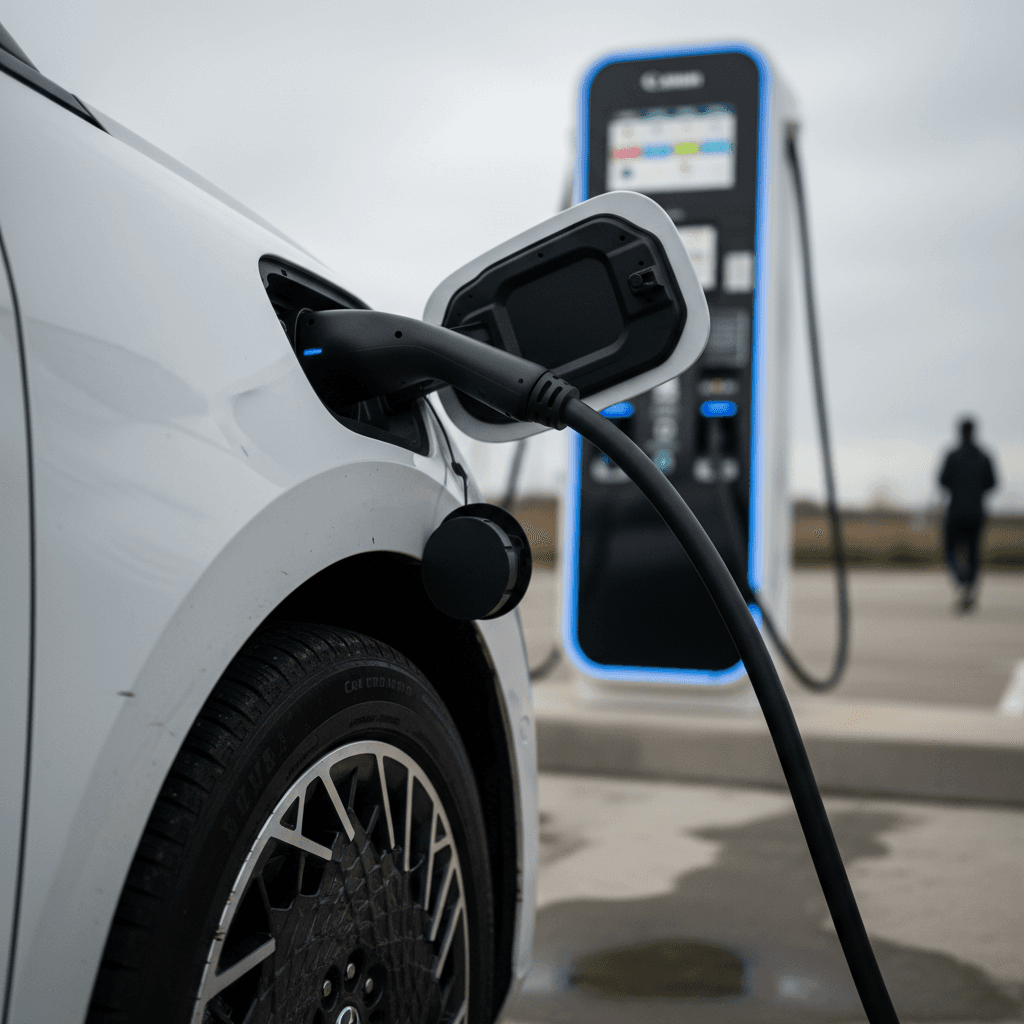
The heart of any EV reliability discussion is the battery. On that front, the 2023 Mach‑E is more reassuring than scary. Ford backs the pack with an 8‑year/100,000‑mile battery warranty that covers defects and excessive capacity loss, which is now the norm for major automakers.
Battery & Charging: What Owners Are Seeing
Less drama than early Internet stories suggest, but a few patterns matter.
Battery Degradation
Most 2023 owners report modest range loss after the first 2–3 years, often within what’s typical for modern EVs. Aggressive DC fast charging and frequent 100% charges can accelerate wear, but outright battery failures are rare.
Real‑World Range
Extended‑range 2023 Mach‑Es can see 240–300 miles in mixed driving, depending on trim, wheels, and speed. At 75 mph on the highway, expect less than the EPA sticker, as with nearly every EV.
Charging Experience
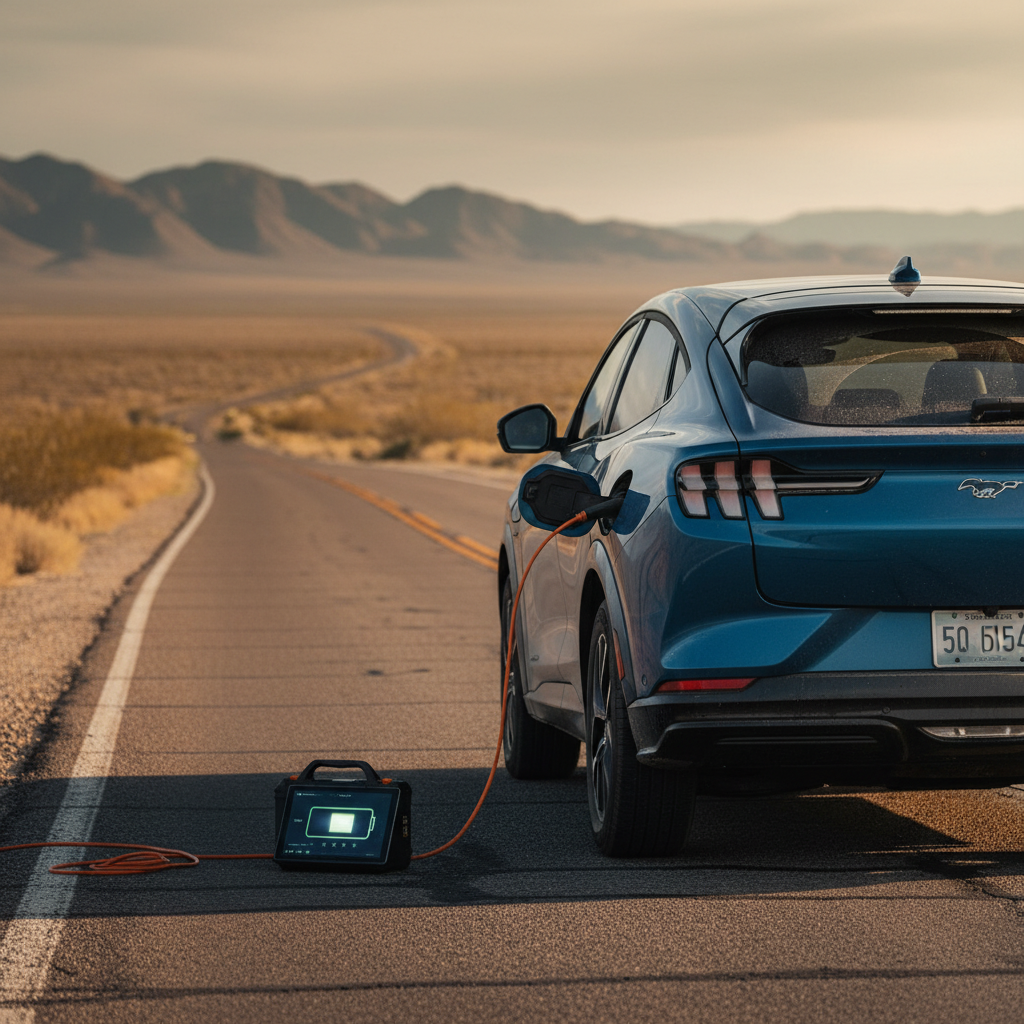
Home Level 2 charging is generally rock‑solid and predictable. Public fast charging is more of a wildcard: some owners report flawless road trips, others fight with charger communication errors and slow charge rates.
Battery-Health Tip
At Recharged, every used EV we list comes with a Recharged Score battery health report, so you’re not guessing about pack condition. We plug directly into the car, verify usable capacity, and show you how that compares to when it was new, arguably the single most important data point for EV longevity.
Ownership Costs, Warranty, and Depreciation
Reliability isn’t just about whether the car breaks, it’s about what it costs you in money and hassle when something does go wrong. Here’s how the 2023 Mach‑E shakes out on that front.
2023 Mach-E Ownership Snapshot
Approximate coverage and cost themes for a 2023 Mustang Mach‑E in the U.S.
| Area | Typical Coverage | What It Means for You |
|---|---|---|
| Basic warranty | 3 yr / 36,000 mi | Most electronics and interior components are covered for the early years of ownership. |
| Powertrain & EV components | 5 yr / 60,000 mi (varies by component) | Electric drive hardware is covered beyond the basic warranty. |
| High‑voltage battery | 8 yr / 100,000 mi | Defects and excessive capacity loss are covered for the long haul. |
| Maintenance | Lower than gas SUV | No oil changes, fewer moving parts, tire rotations and cabin filters are the big regular items. |
| Depreciation | Average for EV in this segment | By 2026 you can often buy a 2023 Mach‑E well under original MSRP, which helps offset potential reliability worries. |
Always verify exact coverage terms on the specific VIN you’re considering.
Upside for Used Buyers
What to Check on a Used 2023 Mustang Mach-E
If you’re serious about a used 2023 Mach‑E, your best defense against future headaches is a methodical inspection and test drive. Here’s what to focus on beyond the usual bodywork and tire checks.
Used 2023 Mach-E Reliability Checklist
1. Pull a full service & recall history
Ask for dealer service records and run the VIN through Ford and NHTSA tools. Look for <strong>completed recall work</strong> and avoid cars with frequent repeat visits for the same complaint.
2. Verify software and map versions
In the settings menu, confirm the car is on <strong>current software</strong>. An out‑of‑date system is more likely to suffer from glitches that have already been patched for other owners.
3. Deep‑dive the infotainment system
During the test drive, spend 10–15 minutes living with the screen: toggle menus, pair your phone, switch between CarPlay/Android Auto and built‑in nav. Anything that <strong>lags, freezes, or crashes</strong> in a short drive could annoy you daily.
4. Exercise every camera and sensor
Engage Reverse, check the rear camera clarity, and try a few parking and lane‑keeping assists. <strong>Warning lights, blank camera views, or overly jumpy lane correction</strong> deserve diagnosis before you buy.
5. Test charging in the real world
If possible, plug into both a <strong>Level 2 charger</strong> and a DC fast charger you plan to use regularly. Make sure sessions start cleanly, the car ramps up to expected speeds, and no “Charging Fault” messages appear.
6. Get a professional EV health check
Have a Ford EV‑certified dealer or an independent EV specialist scan the car. At Recharged, our <strong>Recharged Score report</strong> covers battery health, fault codes, and fast‑charge history so you see issues before they become yours.
Who the 2023 Mach-E Is (and Isn’t) a Good Fit For
Great Fit For
- Drivers who value performance and style as much as efficiency.
- Households that can charge at home most nights, minimizing reliance on public DC fast charging.
- Shoppers comfortable with the idea that their car is part smartphone, part SUV, and who don’t mind the occasional software quirk.
- Used buyers who want a relatively affordable, high‑tech EV with years of battery warranty remaining.
Maybe Not Ideal For
- People who must have bulletproof reliability above all else and are used to Toyota‑level dependability.
- Drivers who rely heavily on sparse public charging, where any charging glitch could be a major interruption.
- Owners far from a Ford dealer with a certified EV technician, where small issues can lead to long waits.
Consider Your Local Support Network
FAQ: 2023 Ford Mustang Mach-E Reliability
Common Reliability Questions About the 2023 Mach-E
Bottom Line: Should You Buy a 2023 Mach-E Used?
If you’re looking for a used EV that’s fun to drive, practical for family duty, and not a total unknown in terms of reliability, the 2023 Ford Mustang Mach‑E belongs on your short list. It’s not the appliance‑like, never‑think‑about‑it car a Corolla owner might dream of, but it also isn’t the rolling science experiment some early EV horror stories suggest.
Treat it like the sophisticated electric machine it is: check recalls and software levels, test its driver‑assist systems thoroughly, verify the battery’s health, and make sure you’ve got a competent Ford EV service center within reach. Do that, and a well‑vetted 2023 Mach‑E can deliver years of quick, quiet, low‑maintenance driving, without leaving you guessing about what’s going on under the floor.
If you’d like help finding a 2023 Mustang Mach‑E with verified battery health, transparent pricing, and expert EV guidance, that’s exactly what Recharged was built for. Browse our used EV inventory, or connect with an EV specialist who can walk you through options that match your range, budget, and reliability comfort zone.