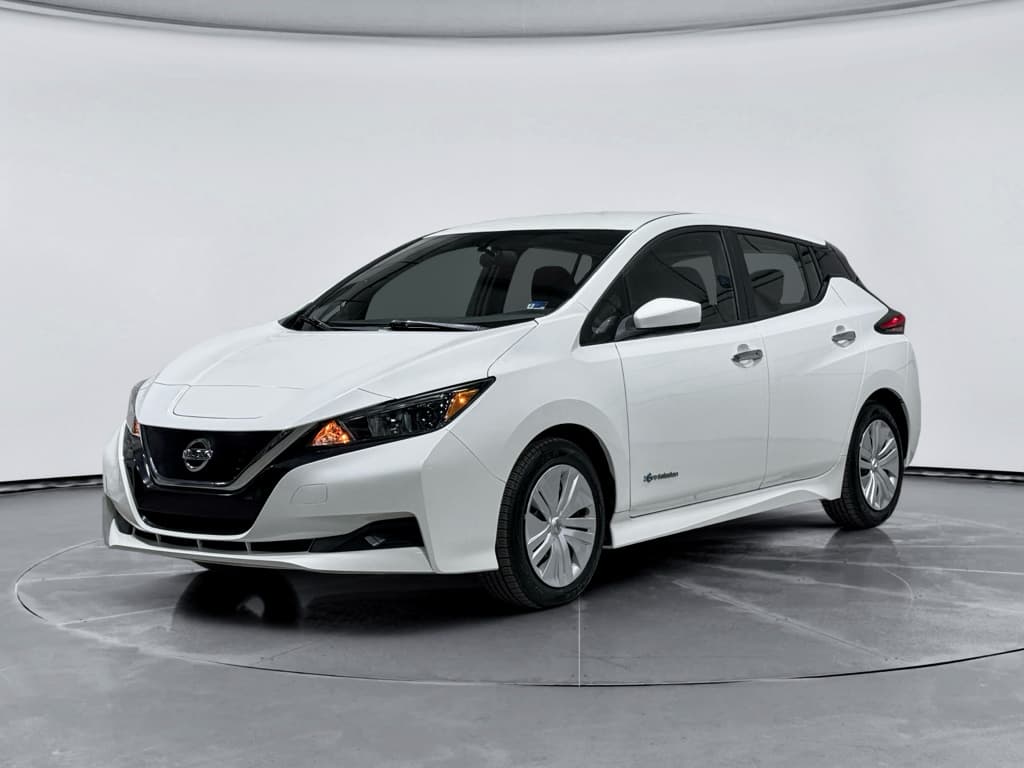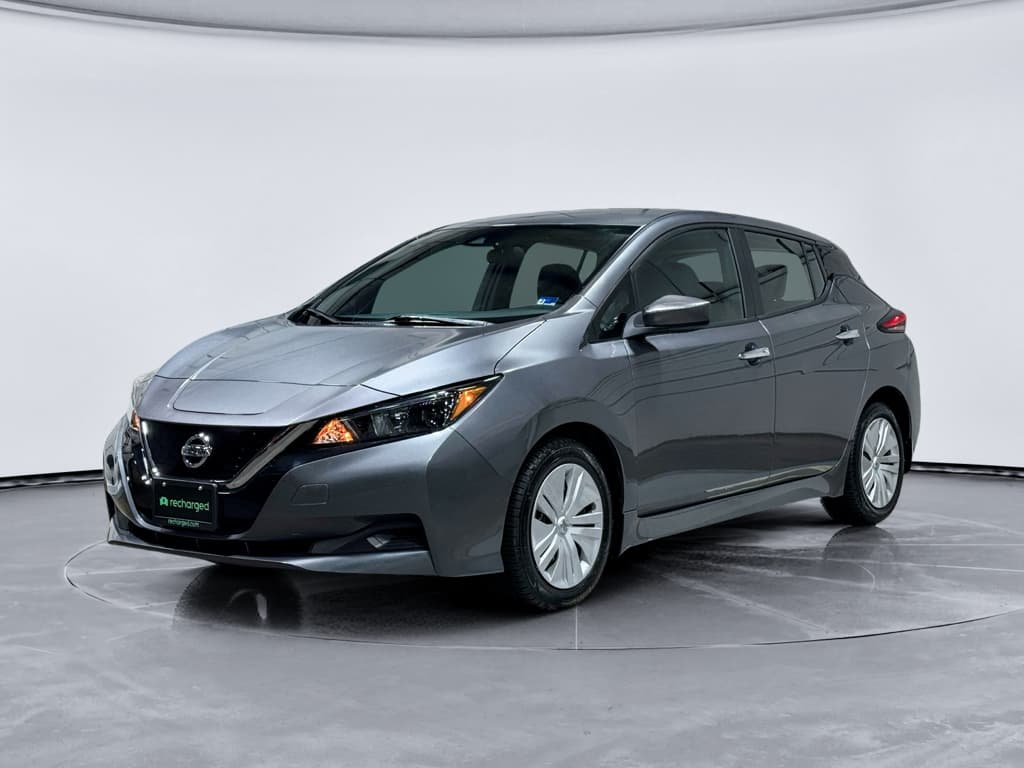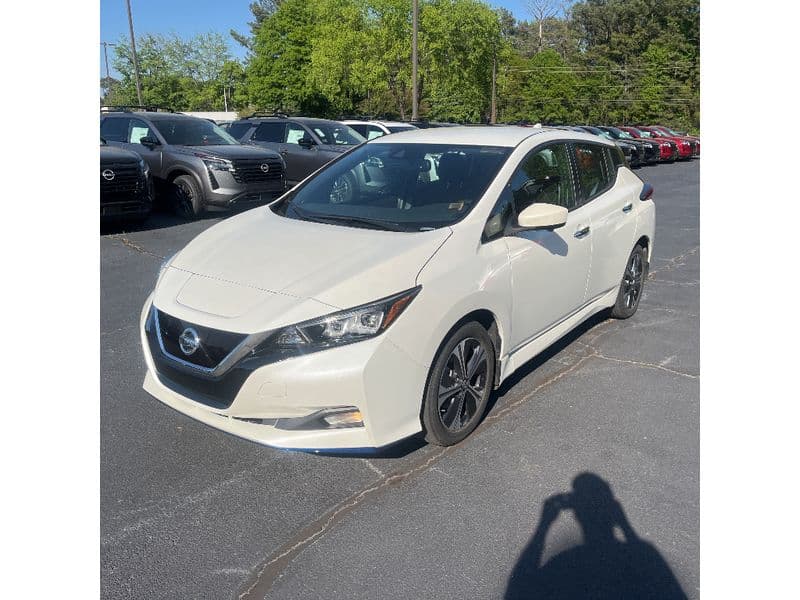
If you’re considering a 2024 Nissan Leaf, you’re probably asking one key question: **how far will it really go on a charge**, not just in lab tests, but on your commute, your highway runs, and in winter weather. This 2024 Nissan Leaf range test guide pulls together EPA numbers, independent tests, and real owner experiences so you know what to expect before you buy, especially if you’re looking at a used Leaf.
Two battery sizes, two very different ranges
2024 Nissan Leaf range at a glance
2024 Nissan Leaf range & efficiency snapshot
Officially, the **2024 Nissan Leaf S** with the 40 kWh battery is rated at up to 149 miles of EPA range, while the **Leaf SV Plus** with the 60 kWh battery is rated at up to 212 miles. Those numbers are useful benchmarks, but they assume a carefully controlled mix of city and highway speeds and moderate temperatures. Real‑world tests suggest the SV Plus often lands a bit short of its EPA rating on sustained highway drives, while city commuting can sometimes match, or even slightly beat, the official figures on mild‑weather days.
Cold and fast driving shrink range quickly
EPA ratings vs real‑world 2024 Leaf range tests
To understand how a 2024 Nissan Leaf behaves in the real world, it helps to break down the core test scenarios shoppers care about: mixed commuting, pure highway driving, and long stints between charges. Here’s how the Leaf tends to perform in each.
2024 Nissan Leaf: EPA vs typical real‑world range
Approximate ranges with a full charge, assuming a healthy battery and mild weather. Real‑world numbers are based on instrumented tests and owner reports; your results will vary.
| Trim & battery | EPA rated range | Typical city/suburban mix (55–60 mph max) | Typical highway (70–75 mph sustained) | Aggressive driving or cold weather |
|---|---|---|---|---|
| Leaf S (40 kWh) | 149 mi | 130–150 mi | 95–120 mi | 80–110 mi |
| Leaf SV Plus (60 kWh) | 212 mi | 180–210 mi | 135–170 mi | 120–160 mi |
Think of these numbers as planning tools, not guarantees.
Independent test drives of the 60 kWh SV Plus have shown that **steady highway use can bring the Leaf’s real‑world range down noticeably**. In one detailed evaluation of a similar Leaf SV Plus, the car’s digital range estimate dropped about 13 miles more than the actual miles driven on a 45‑mile highway commute, and on longer routes the indicated range consistently fell faster than the odometer. That’s typical of many EVs: highway air resistance and higher speeds eat into efficiency.
How to read the Leaf’s “guess‑o‑meter”
At the same time, owners of newer SV Plus models routinely report **efficiency in the low‑to‑mid 3s (3.3–3.7 mi/kWh)** on mixed routes. With a usable capacity in the high‑50 kWh range, that translates to roughly 190–220 miles under favorable conditions, close to, or slightly above, the EPA figure when you stay off the interstate and avoid extreme temperatures.
City vs highway: how driving and weather change your Leaf’s range
Why the Leaf shines in city and suburban use
At lower speeds with frequent stops, the 2024 Leaf benefits from regenerative braking and lower aerodynamic drag. That’s why many owners see their best efficiency on:
- Commutes under 40–50 miles round‑trip
- Average speeds around 30–50 mph
- Moderate weather where you don’t need full‑blast heat or A/C
In those conditions, it’s realistic to see or exceed the EPA range, especially in the SV Plus.
Why highway and winter driving are tougher
Above 65–70 mph, wind resistance climbs quickly, and the Leaf’s relatively simple thermal management lets the pack run colder in winter than some newer EVs. Expect:
- Noticeable range drop on long 70–75 mph runs
- Extra energy use from cabin heat in temps below freezing
- More conservative range estimates from the car itself
If you live in a cold‑weather state or do frequent 150+ mile highway trips, the SV Plus is the safer bet, and even then, plan conservative legs.
Don’t ignore winter preconditioning
Charging speeds, CHAdeMO, and what that means for road trips
Range is only half the story. The 2024 Nissan Leaf also uses the **CHAdeMO standard for DC fast charging**, while most new fast‑charge sites in North America emphasize CCS and NACS plugs. That doesn’t make the Leaf unusable for trips, but it does mean you’ll need to be more deliberate about planning.
How the 2024 Leaf charges in the real world
Know what to expect before you rely on DC fast charging
Level 1 (120V) at home
Included portable cord on a standard outlet adds ~3–5 miles of range per hour. Realistically, this is a last‑resort option, topping a big 60 kWh pack from empty can take more than two days.
Level 2 (240V) at home or work
With the Leaf’s 6.6 kW onboard charger, a 240V Level 2 station can add roughly 20–25 miles of range per hour.
- 40 kWh pack: about 7.5 hours from near empty to full
- 60 kWh pack: around 10–11.5 hours
DC fast charging (CHAdeMO)
On a compatible CHAdeMO fast charger, the Leaf can go from low state of charge to about 80% in roughly 40–60 minutes, depending on battery size and temperature. Peak power is modest, around 50 kW, so sessions are slower than many newer EVs.
Plan around shrinking CHAdeMO support
Taken together, the Leaf’s **modest highway range and slower fast charging** make it a better fit for regional errands and commutes than for coast‑to‑coast travel. That doesn’t mean road trips are impossible, but you’ll need to accept more frequent, longer charging stops than you would in a newer long‑range EV.
Battery health, degradation, and long‑term range
Nissan warrants the Leaf’s battery against excessive capacity loss for **8 years or 100,000 miles**, which is reassuring if you’re looking at a lightly used 2024 model. That said, earlier generations of Leaf, especially in hot climates, earned a reputation for faster‑than‑average degradation because they lacked active liquid cooling. While Nissan has improved the chemistry over time, the fundamental physics haven’t changed: heat, high states of charge, and frequent fast charging all nibble away at capacity.
- Most 2024 Leafs should retain the bulk of their capacity in the first 3–5 years if used mainly for commuting and charged on Level 2.
- High‑mileage or fleet vehicles that live on fast chargers will typically show earlier range loss.
- A healthy 2024 SV Plus might deliver 180–200 real‑world miles when new, dropping gradually as the pack ages.
- The car’s dashboard bars only tell part of the story; more detailed diagnostics can reveal hidden issues.
Watch for recalls and software updates
For used shoppers in particular, the key question isn’t “what did this Leaf do on day one?” but **“how much range is left today, and how quickly is that changing?”** That’s exactly where independent battery‑health testing becomes more important than reading the window sticker or relying on the original EPA rating.
Practical range‑boosting tips for Leaf owners
Seven simple ways to stretch your Leaf’s range
1. Aim for 60–65 mph on the highway
Aerodynamic drag rises rapidly above 65 mph. On a Leaf, trimming just 5–10 mph from your cruising speed can easily unlock 10–25 extra miles of real‑world range on a full charge.
2. Use Eco mode and e‑Pedal in town
The Leaf’s Eco mode softens throttle response, and e‑Pedal increases regenerative braking. In stop‑and‑go driving, that lets you recapture more energy and can raise your mi/kWh noticeably.
3. Precondition while plugged in
On hot or cold days, warm or cool the cabin while the car is still charging. That lets the grid do the heavy lifting so you start the drive with a full battery and a comfortable interior.
4. Avoid living at 100% state of charge
For day‑to‑day commuting, it’s easier on the battery to float between roughly 20% and 80% charge rather than topping to 100% every night, especially if the car then sits in the heat all day.
5. Be selective with DC fast charging
Occasional CHAdeMO sessions are fine, but relying on fast charging for most energy needs will accelerate battery wear. When possible, use Level 2 at home or work for the bulk of your charging.
6. Monitor mi/kWh, not just miles remaining
Reset a trip computer and track your average miles per kWh over a full day’s driving. That efficiency figure, multiplied by your remaining usable kWh, is the best real‑time predictor of range.
7. Check tire pressure regularly
Underinflated tires increase rolling resistance and cut range. Set pressures to the door‑jamb spec when the tires are cold, and check them monthly or anytime weather changes dramatically.
What “good” efficiency looks like in a Leaf
Is the 2024 Nissan Leaf’s range right for you?
Great fit: short‑to‑medium daily driving
- Commutes up to ~40–60 miles round‑trip, with Level 2 charging at home or work
- Households with a second gas or long‑range EV for road trips
- Drivers who do most of their miles in city and suburban traffic
- Buyers prioritizing low purchase price and low running costs over cross‑country capability
Think twice: frequent long‑distance or rural driving
- Regular 150+ mile highway trips, especially in cold climates
- Dependence on sparse charging infrastructure where CHAdeMO support is limited
- Drivers who want to fast‑charge from low to 80% in 20–30 minutes like newer 800‑V EVs
- Anyone needing to tow or haul heavy loads over long distances (the Leaf isn’t designed for it)
Range vs price: where the Leaf still makes sense
Used Leaf shopping: how Recharged helps you avoid range surprises
If you’re evaluating a **used 2024 Nissan Leaf**, the single most important factor for range isn’t the original trim or EPA number, it’s **the current health of the battery**. Two seemingly identical SV Plus cars can differ by 20–40 miles of real‑world range depending on how they were driven and charged.
How Recharged takes the guesswork out of Leaf range
Why a Recharged Score Report matters more than a sticker EPA number
Verified battery diagnostics
Every Leaf sold through Recharged comes with a Recharged Score Report that includes independent battery‑health diagnostics. You see state‑of‑health, projected usable capacity, and how that lines up with the range you can realistically expect.
Fair pricing based on real range
Because we factor battery condition and market data into pricing, you’re not overpaying for a car whose pack has already lost a big chunk of capacity. That’s especially important on older Leafs and high‑mileage commuters.
Guided EV‑specialist support
Our EV specialists can help you match a Leaf’s remaining range to your actual routine, whether that’s a 30‑mile city commute or occasional 120‑mile weekend drives, and compare it with other used EVs if you need more flexibility.
Ready to find your next EV?
Browse VehiclesOn top of transparent battery data, Recharged offers **financing, trade‑in options, instant offers or consignment, and nationwide delivery**, all wrapped in a fully digital buying experience. If you prefer to see and feel an EV in person first, you can visit our Experience Center in Richmond, VA before you decide.
2024 Nissan Leaf range test FAQ
Frequently asked questions about 2024 Nissan Leaf range
The 2024 Nissan Leaf isn’t the longest‑range EV on the market, and it was never meant to be. Its real strengths are predictable urban efficiency and a lower cost of entry, especially in the used market. If your daily driving fits comfortably within its real‑world range envelope, and you go in with clear eyes about highway and winter limitations, the Leaf can still be a smart, economical EV. Take the time to match the battery size and remaining range to your life, and if you’re shopping used, lean on objective battery‑health data like the Recharged Score so the range you expect is truly the range you get.