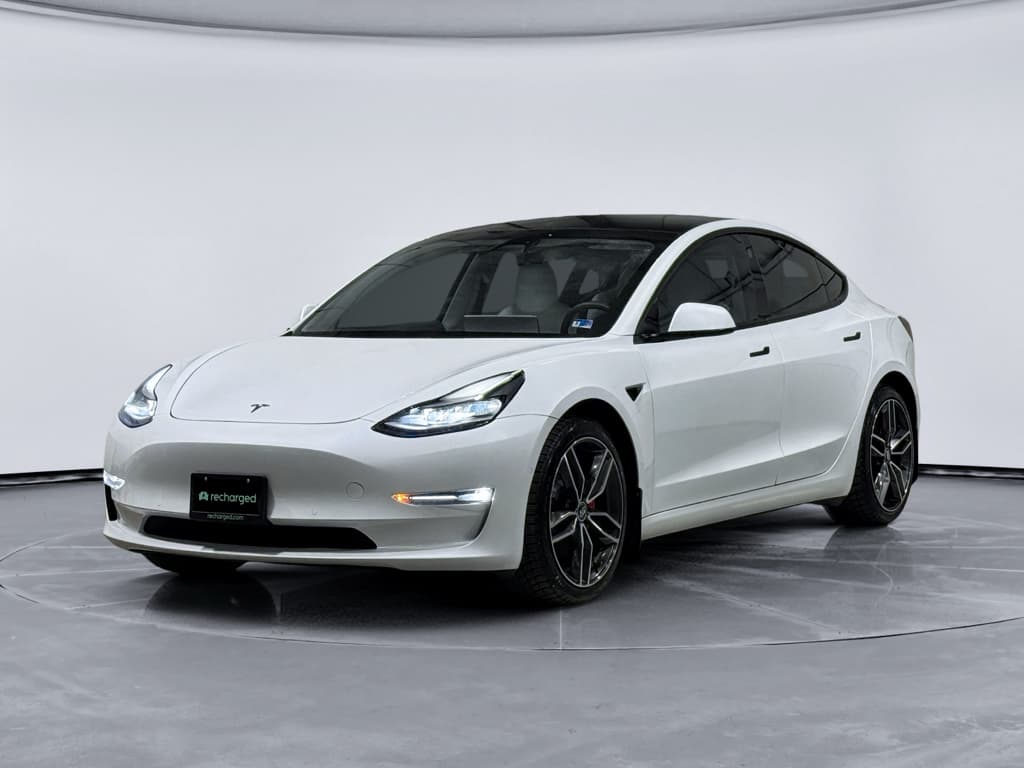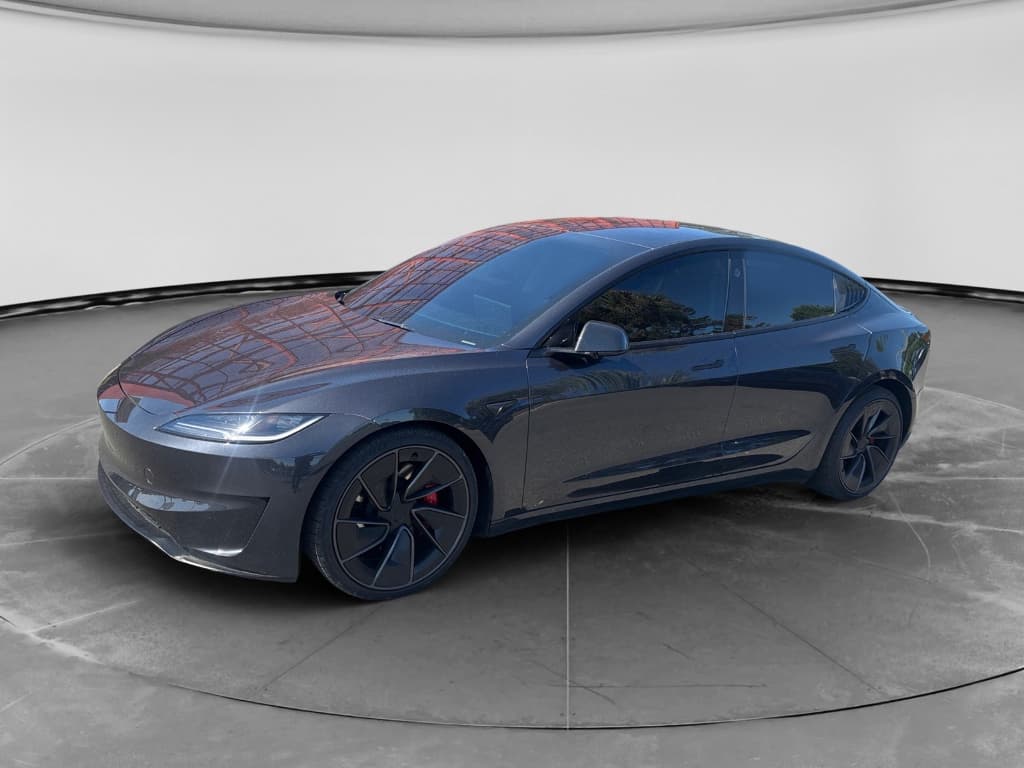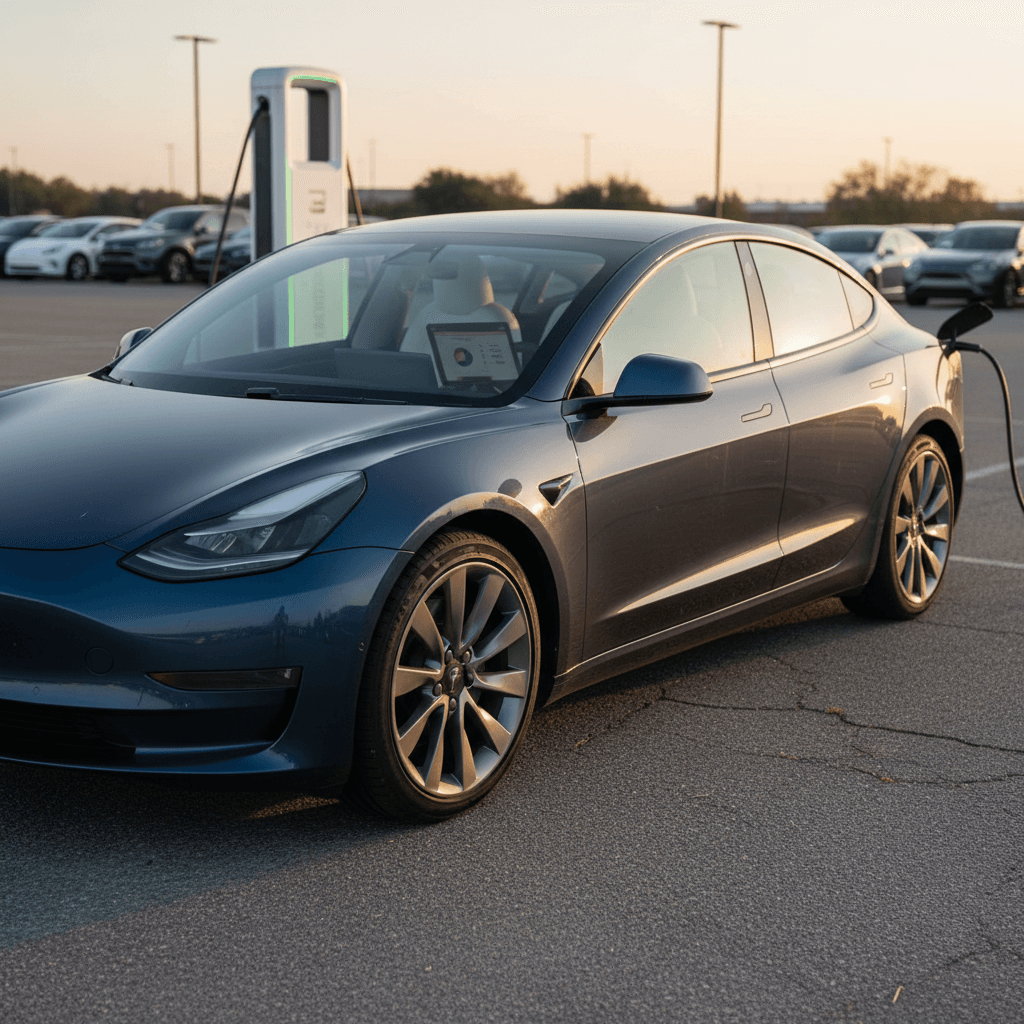
If you’re shopping the used EV market, a used 2022 Tesla Model 3 sits right in the sweet spot: new enough to have Tesla’s updated hardware and batteries, old enough to have taken the first big depreciation hit. This 2022 Tesla Model 3 review (focused on used buyers) walks through trims, real-world range, battery health, reliability and pricing so you can decide if it’s the right EV for your driveway.
Bottom line up front
2022 Tesla Model 3 as a used buy: quick take
2022 Tesla Model 3 used snapshot
As a used proposition, the 2022 Model 3 gives you modern range and charging performance, the heat-pump thermal system, updated interior bits and a lot of OTA software development behind it. At the same time, it’s old enough that many cars now have 30,000–70,000 miles, so you need to pay attention to battery health, suspension wear, cosmetic flaws and how the previous owner treated the car.
What changed for the 2022 Model 3 vs earlier years
To understand whether a 2022 is the right year to target, it helps to know what changed from earlier Model 3s. The biggest updates were actually spread across late-2020 to 2022, but by the 2022 model year most of the important hardware is baked in.
Key updates that define a 2022 Model 3
Most 2022s benefit from incremental hardware and software improvements over early cars
Newer battery chemistry
Heat pump thermal system
Vision-only parking & driver assist
A subtle but important 2022 change
Trims, batteries and real-world range
For 2022, Tesla simplified the Model 3 lineup to three main trims in North America: Rear-Wheel Drive (RWD), Long Range (AWD) and Performance (AWD). All share the same basic body and interior, but they differ significantly in battery chemistry, range and acceleration.
2022 Tesla Model 3 trim overview (U.S.)
Approximate specs when new; used examples will vary with battery degradation, tire choice, climate and driving style.
| Trim | Drivetrain | Battery type (typical) | EPA range when new | 0–60 mph (est.) | Best for |
|---|---|---|---|---|---|
| RWD | Single-motor RWD | LFP pack in most U.S. cars | ≈272 mi | ~5.8 s | Budget-conscious buyers, frequent 100% charging, urban use |
| Long Range | Dual-motor AWD | NCA pack | ≈334–358 mi depending on wheels | ~4.2 s | Road-trippers, colder climates, one-car households |
| Performance | Dual-motor AWD | NCA pack | ≈315 mi | ~3.1 s | Enthusiasts who want track-capable acceleration and firmer suspension |
Use these numbers as a starting point, not guarantees, when evaluating a specific used 2022 Model 3.
How to match trim to your lifestyle
Battery health & degradation on a 2022 Model 3
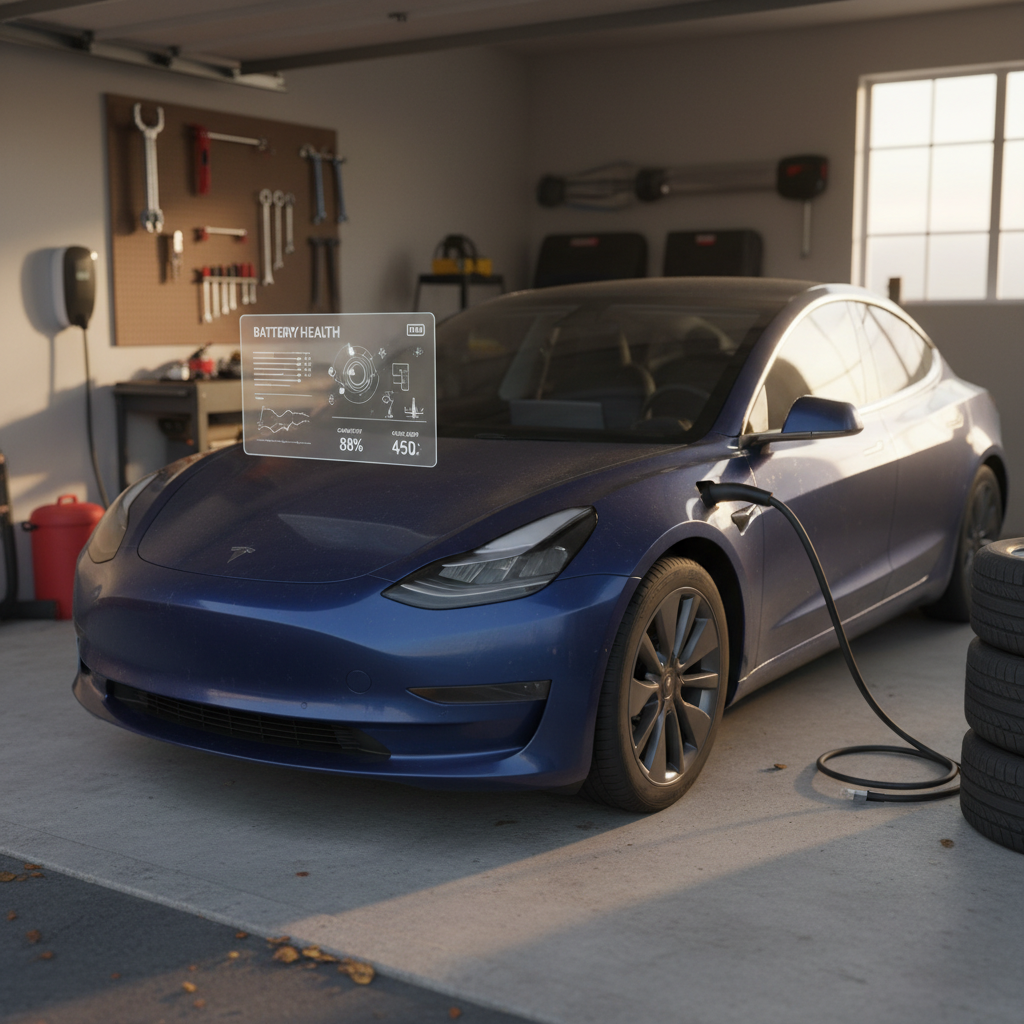
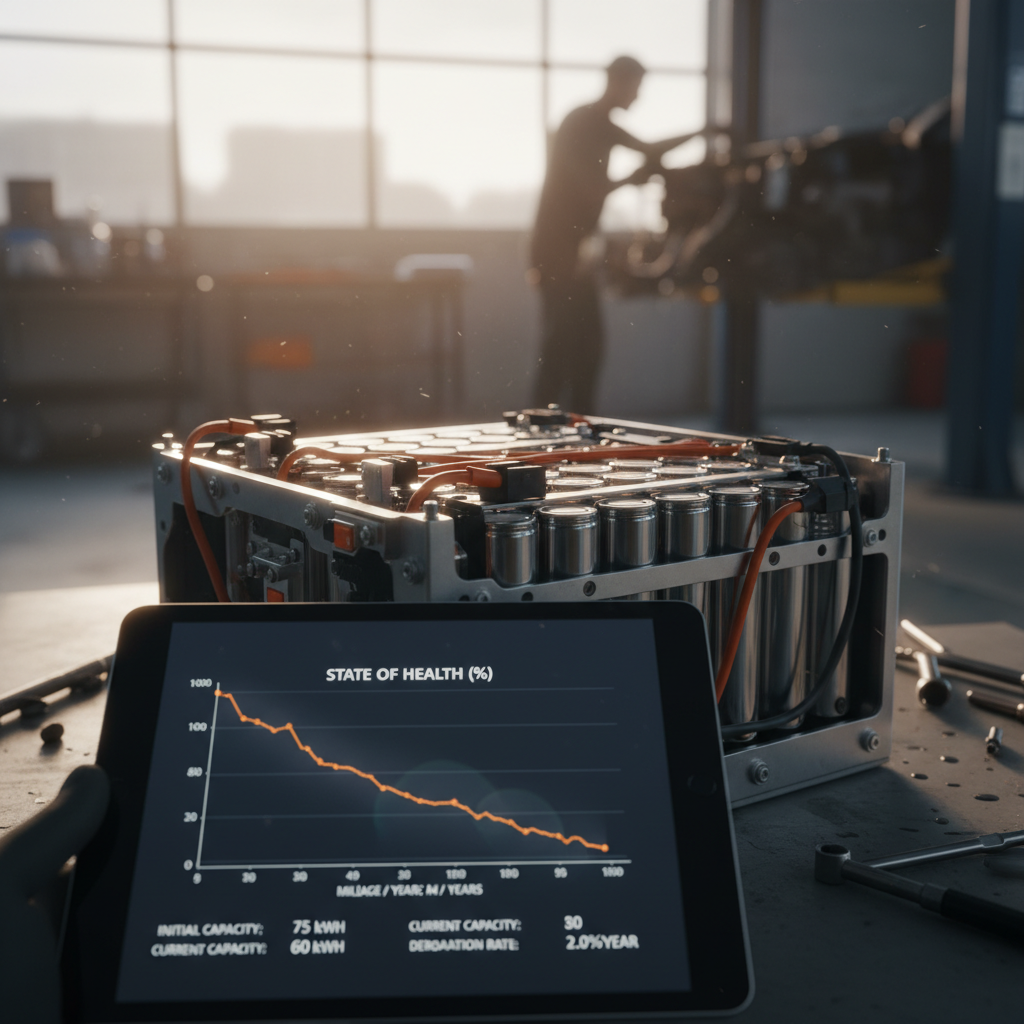
Battery health is the single biggest swing factor in the value of any used EV, and the 2022 Model 3 is no exception. The good news: by 2022, Tesla’s pack designs and battery management are mature, and real-world owner data suggests that moderate degradation in the first 3–4 years is normal rather than catastrophic.
LFP vs. NCA: why it matters
Most 2022 RWD Model 3s use an LFP battery. These packs:
- Are happier being charged to 100% daily
- Show a bit more noisy, step-like degradation early on
- Are slightly heavier but very robust chemically
Long Range and Performance trims keep the higher-energy NCA chemistry, which offers more range for a given pack size but prefers staying below 90% in daily use.
What’s “normal” degradation by 2026?
By 2026, many 2022 Model 3s have 30,000–70,000 miles. Across owner reports and fleet data, it’s common to see:
- 4–8% capacity loss on well-cared-for cars
- Occasional examples above 10% when heavily fast‑charged or driven hard
- Higher variability on LFP packs depending on how often they’re balanced to 100%
Outliers exist in both directions, which is why a car‑specific battery health report is so valuable.
Leverage objective battery diagnostics
Ready to find your next EV?
Browse VehiclesHow to sanity-check battery health on a used 2022 Model 3
1. Check the displayed range at 100%
Ask the seller for a recent photo of the car at 100% charge showing the estimated range. Compare that to the original EPA rating for that trim to estimate approximate degradation.
2. Confirm which battery chemistry you have
On most 2022 RWD cars you can charge to 100% daily thanks to LFP chemistry, but it’s worth confirming via the in-car charging screen or documentation. It affects how you should treat the pack long term.
3. Review fast-charging history
Heavy Supercharger use isn’t an automatic deal-breaker, but a car that lived on DC fast charging its whole life deserves closer scrutiny and ideally a third-party or Recharged battery health test.
4. Look at the warranty window
Tesla’s battery and drive-unit warranty typically covers 8 years/100k–120k miles from the original in‑service date. A 2022 Model 3 still has significant warranty runway left in 2026, especially if mileage is moderate.
Reliability, build quality and known issues
The 2022 Model 3 sits in an awkward middle ground on reliability. Powertrain and battery durability are generally strong for the segment, but traditional quality metrics, panel fit, trim, suspension, and in some markets inspection failure rates, are more mixed than many legacy competitors.
Where the 2022 Model 3 shines, and where it struggles
Understanding typical patterns helps you separate normal wear from red flags when buying used.
Mechanical & battery durability (strengths)
- Electric motors and reduction gearboxes show very low failure rates.
- Battery packs usually lose range gradually rather than failing abruptly.
- Brakes often have minimal wear thanks to strong regen.
For high-mileage drivers, this can offset some of the higher purchase price vs. a gas sedan.
Build quality & aging (trade-offs)
- More reports of rattles, trim misalignment and wind noise than class-leading compact sedans.
- Suspension components and tires can wear faster on rough roads.
- Camera-only parking on late-2022 cars is still evolving and not as confidence-inspiring as traditional sensors.
Don’t ignore safety system quirks
On the safety front, the 2022 Model 3 maintains the strong crash-test performance the nameplate is known for, with top-tier scores from major testing bodies. That’s one of the reasons it remains such a popular choice with families even as build-quality conversations continue. The tension between excellent crashworthiness and inconsistent fit-and-finish is something you should factor into your expectations, not just your test drive.
Software, Autopilot and ownership experience
A big part of the Model 3’s appeal, especially on the used market, is that it still feels like a modern piece of tech in 2026. Over‑the‑air updates mean many 2022 cars drive and behave differently today than they did on delivery.
Strengths: living with a 2022 Model 3
- OTA updates continue to refine UI, range estimation, charging behavior and safety features.
- Native route planning with Supercharger stops makes long trips largely painless.
- One of the best app experiences in the industry for preconditioning, charge control and remote access.
- Simple, quiet cabin that still feels futuristic compared with many 2020–2022 peers.
Trade-offs: Tesla’s ecosystem and service
- Service is increasingly mobile-first and app-based; some owners love the efficiency, others miss traditional dealership advocacy.
- Body repair and out-of-warranty fixes can be pricey, especially in markets with limited Tesla-certified shops.
- Driver-assistance branding can over-sell what Autopilot or FSD Beta can actually do; stay skeptical and hands-on.
If you value white‑glove dealership relationships more than software pace, you may prefer a used EV from a legacy brand.
Buying used? Confirm software and feature entitlements
Used pricing, depreciation and value for money
By 2026, most 2022 Model 3s have taken the steepest part of their depreciation curve. That’s good news if you’re buying: you’re less exposed to the sort of rapid price cuts Tesla has made on new vehicles in the last few years, but you still get a car that feels very current.
How the 2022 Model 3 typically prices on the used market
Numbers vary by region and mileage, but the patterns are consistent.
Rear-Wheel Drive value play
Long Range sweet spot
Performance as a niche buy
Compare total cost, not just sticker price
Inspection checklist for a used 2022 Model 3
Whether you’re buying from a marketplace, a Tesla location, or a private seller, a structured inspection makes the difference between a great deal and expensive regret. Use this checklist as a starting point; a Recharged Score Report and an independent inspection will take you even deeper.
Essential items to inspect on a used 2022 Model 3
1. Battery health & charging behavior
Check estimated range at a high state of charge, review DC fast-charging history if available, and test both AC charging (Level 2) and DC fast charging if possible. Look for error messages or noticeably slow charging rates.
2. Suspension, tires and wheels
Drive over rough pavement and listen for clunks or rattles. Uneven tire wear or repeated sidewall bubble replacements can signal alignment or suspension issues. Inspect 19"/20" wheels carefully for curb rash.
3. Panel gaps, glass and seals
Walk around the car looking for inconsistent panel gaps, misaligned trunk or frunk lids, and door seals that pinch or wave. Wind noise on the highway can often be traced back to these areas.
4. Interior squeaks, rattles and screens
During the test drive, listen for rattles from the dash, pillars and rear seat. Check that the central touchscreen and any secondary displays respond quickly, with no ghost touches or discoloration.
5. Driver-assistance and cameras
Test Autopilot or adaptive cruise on a clear, well‑marked road. Verify that lane-keeping, blind-spot visualization and parking assist work as expected. On late-2022, camera-only cars, pay extra attention to low-speed parking behavior.
6. Software, connectivity and app access
Confirm that the car is properly removed from the previous owner’s Tesla account and that you can add it to yours. Test the Tesla app for lock/unlock, preconditioning and charge control before you finalize the sale.
When a 2022 Model 3 is (and isn’t) the right choice
Great fit for these buyers
- First-time EV owners who want access to Tesla’s Supercharger network and an intuitive app experience.
- Commuters with home or workplace charging; a used 2022 RWD or Long Range will easily cover most daily needs.
- High-mileage drivers looking to cut fuel and maintenance costs with a powertrain that thrives on lots of use.
You may want to look elsewhere if…
- You prioritize dealer-style service and advocacy over app-based support and mobile technicians.
- You’re highly sensitive to cabin noise, squeaks or minor cosmetic flaws; some 2022s will annoy you.
- You expect hands-off autonomous driving; today’s Autopilot and FSD still require full driver supervision.
In those cases, a used EV from Hyundai, Kia, GM or Ford may be a better cultural and ownership fit, even if the charging experience is less seamless.
How Recharged fits into your search
Frequently asked questions about used 2022 Model 3s
2022 Tesla Model 3 used buyer FAQ
A used 2022 Tesla Model 3 isn’t perfect, but it does more things right than almost any other compact EV of its era: strong range, fast charging, mature software and an ownership experience that still feels a step ahead of most rivals. If you go in with clear eyes about build quality, driver-assistance limitations and the importance of verifying battery health, a well-chosen 2022 Model 3 can be a smart, future-friendly daily driver for years to come. Tools like Recharged’s Score Report, EV-specialist support and nationwide delivery are designed to make that decision as transparent and low‑stress as possible.