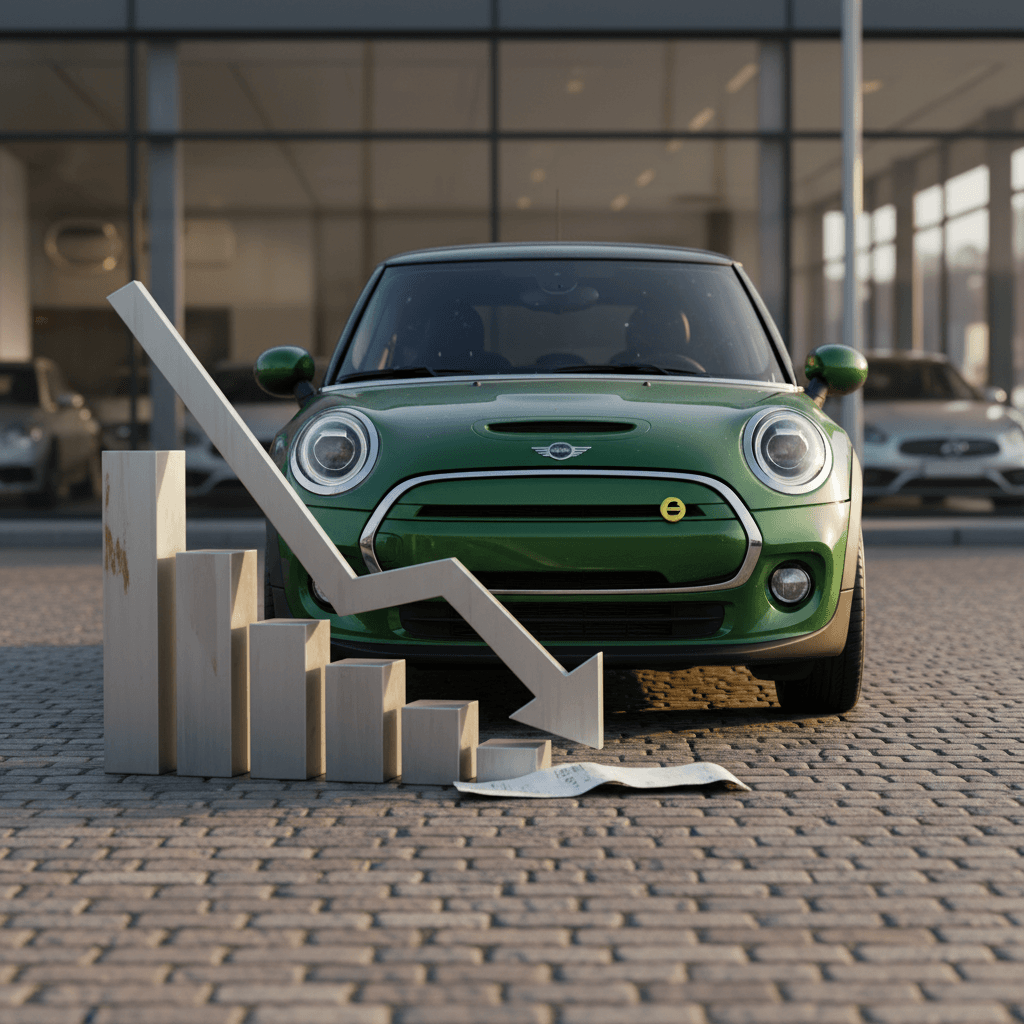
If you’re eyeing a quirky, city‑friendly EV, you’ve probably wondered: how fast does a Mini Cooper SE depreciate compared with other electric cars? The answer is nuanced. The Mini SE drops in value quickly in the first few years, especially because of its modest range, but that depreciation curve can actually turn it into one of the better used EV values on the market.
Quick take
Mini Cooper SE depreciation at a glance
Depreciation is simply how much value a vehicle loses over time. For the Mini Cooper SE, several factors, shorter range, EV incentives, and relatively low original MSRP, shape its resale story. While exact numbers vary by market and condition, a few broad patterns have emerged in the U.S. used‑EV market:
- The steepest drop is in the first 2–3 years of ownership, when many leases return and flood the used market.
- Because the Mini SE starts with a lower sticker price than many EVs, the dollar amount of depreciation can look smaller, even if the percentage drop is similar.
- Federal and state incentives on new EVs put additional downward pressure on nearly new used prices.
- Once the early drop is behind it, the Mini SE often settles into a relatively predictable, slower depreciation curve, especially if the battery is healthy.
Mini Cooper SE depreciation snapshot (big picture)
Shop the “value valley”
Why the Mini Cooper SE depreciates the way it does
The Mini Cooper SE doesn’t follow the exact same pattern as a gas Mini or a long‑range EV. Its depreciation is shaped by four main forces: range, incentives, brand positioning, and supply.
Four forces behind Mini Cooper SE depreciation
Understanding these helps you predict how values will move
1. Shorter real‑world range
The Mini SE’s compact battery and EPA range put it in the city commuter category, not the road‑trip EV class. That limits its shopper pool and typically pushes used prices down faster than longer‑range competitors.
2. New‑EV incentives
When new EVs qualify for federal or state incentives, shoppers mentally benchmark used prices against after‑incentive new pricing. That can make slightly used Minis look expensive unless their prices drop sharply.
3. Premium but niche appeal
Mini is a style‑driven, premium small‑car brand. The SE appeals strongly to a narrow audience that values design and urban agility over range. That niche demand profile can magnify price swings when inventory is high or low.
4. Lease returns and supply waves
Like many small EVs, the Mini SE has been popular with lease customers. When 2–3‑year‑old lease returns hit the market in waves, wholesale prices can dip, dragging retail values with them.
Don’t over‑index on MSRP
How Mini Cooper SE depreciation compares to other EVs
Compared with mainstream long‑range EVs, the Mini Cooper SE usually depreciates faster in percentage terms, especially in the early years. But against other short‑range or city‑focused EVs, it often holds its own, or better, thanks to brand desirability and interior quality.
Depreciation tendencies: Mini Cooper SE vs. common EV types
General patterns seen in the used market (exact percentages vary by market, year and condition).
| EV type | Typical range category | Early‑years depreciation tendency | Used‑market demand profile |
|---|---|---|---|
| Mini Cooper SE | Short range city EV | Relatively steep in first 2–3 years | Niche but loyal; strong appeal in urban markets |
| Long‑range mainstream EV (Model 3, Ioniq 5, etc.) | 200+ miles | Still steep, but supported by broad demand | Wide buyer pool; increasingly strong used demand |
| Older compliance or city EV (Fiat 500e, first‑gen Leaf) | Short range, older tech | Very steep; many values already bottomed | Budget shoppers; often limited by battery degradation |
| Premium luxury EV (early Model S, i‑Pace, etc.) | 200+ miles, older tech | Often very steep in dollars and % | Smaller buyer pool due to repair and range concerns |
How the Mini SE’s resale behavior stacks up against other EV segments.
Percentage vs. dollars lost
Mileage, battery health and range: what matters most
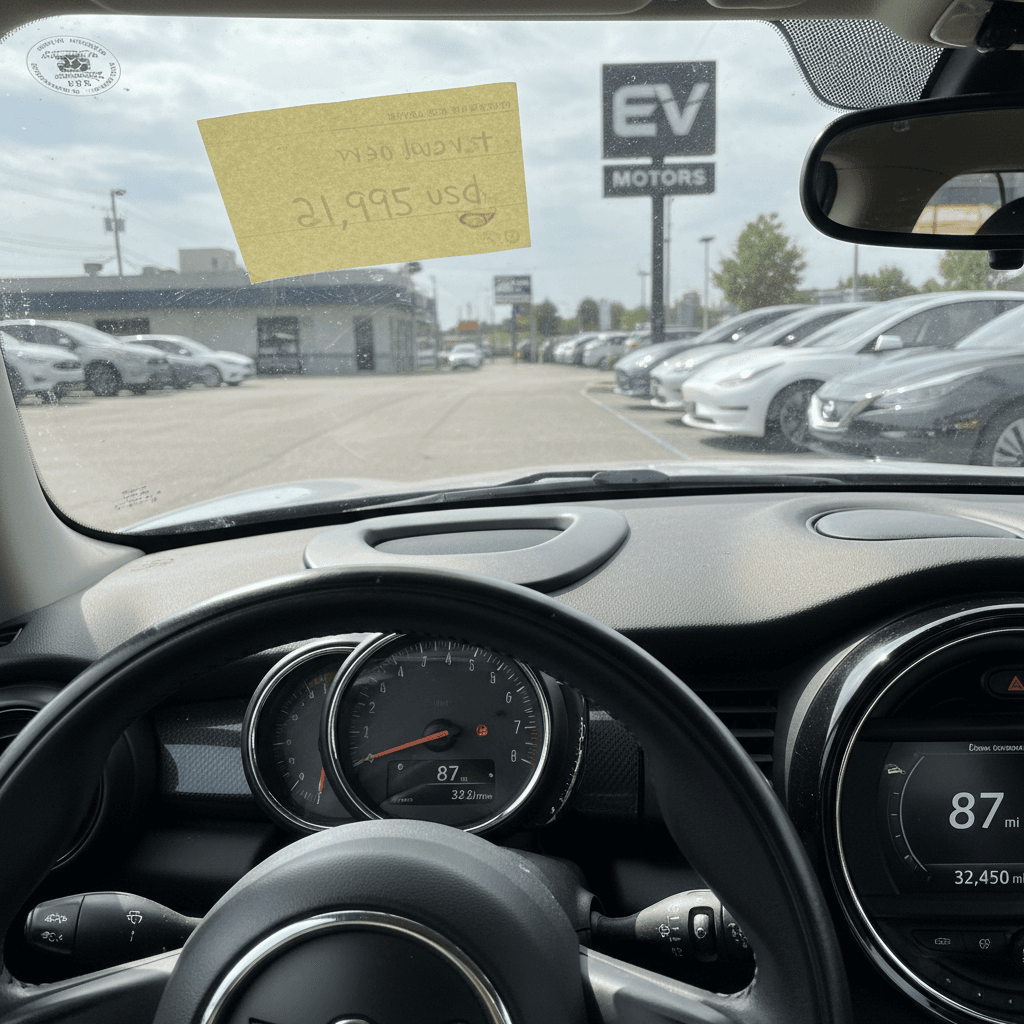
For any used EV, battery health is the main story. On a Mini Cooper SE, it’s even more important because the car starts with a relatively modest range. Losing 10–15% of usable capacity has a bigger impact when you’re starting from a smaller number.
Odometer mileage
Traditional gas‑car shoppers fixate on mileage, and it still matters with a Mini SE. Higher mileage usually means more cycles on the battery, more wear on suspension and brakes, and more cosmetic use.
But mileage alone doesn’t tell you how the car was charged or stored, or whether software updates were kept current.
Battery health and charging history
How the pack has been used and maintained can matter as much as the odometer. Frequent fast‑charging, long periods sitting at 100%, or extended storage at very low state of charge can all stress the battery.
That’s why tools like the Recharged Score focus on verified battery diagnostics, not just mileage, to give you a clearer picture of remaining life.
Checklist: evaluating a Mini Cooper SE’s battery and range
Confirm remaining battery warranty coverage
Look up the specific model year’s battery and high‑voltage component warranty, then confirm the in‑service date so you know how many years and miles remain.
Review a third‑party battery health report
Whenever possible, rely on <strong>independent diagnostics</strong>, like the Recharged Score battery report, instead of just the in‑dash range estimate or seller claims.
Compare real‑world range to your commute
Map your typical daily driving and consider weather. If your daily round‑trip is well under the Mini’s real‑world range, minor degradation may not matter to you.
Check for software updates and recalls
Ask for records showing that major software updates and any open recalls have been addressed; both can affect efficiency, charging behavior and resale.
Inspect charging behavior on a test drive
If possible, plug the car in briefly to check charge rates and confirm the onboard charger and port work as expected.
Don’t skip battery verification
Model years, trims and features that affect value
Not every Mini Cooper SE depreciates at the same rate. Updates to range, infotainment, and driver‑assistance tech can create clear price steps between model years, while cosmetic packages mostly influence appeal rather than underlying value.
What tends to boost or hurt Mini SE resale value
Think beyond paint color to the stuff buyers actually pay for
Newer model years
Later‑year Minis with software refinements, updated styling, or improved driver‑assist features typically hold value better than early builds, especially if they’re still deep in warranty.
Battery & corrosion warranty
A Mini SE with several years of high‑voltage battery coverage remaining is usually easier to sell and commands stronger prices than one that’s close to aging out.
Tech & driver‑assist packages
Buyers shopping premium small EVs often care about options like upgraded audio, navigation, adaptive cruise and parking aids. Well‑equipped cars usually depreciate more slowly.
Colors and trims
Iconic Mini color schemes, contrast roofs and wheel upgrades can make a car more desirable on the lot. They don’t change the underlying book value much, but can narrow the negotiation gap.
Service history
Documented maintenance, tire and brake replacement, and timely recall work help reassure used buyers and support stronger pricing.
Accident and damage history
Structural damage, airbag deployment or poorly repaired bodywork can knock values down sharply and make depreciation look much steeper than market norms.
Where Recharged fits in
Ready to find your next EV?
Browse VehiclesLeasing vs. buying a Mini Cooper SE with depreciation in mind
Because the Mini Cooper SE takes its biggest hit in the early years, leasing and then buying used are both strategies worth weighing. The right choice depends on your appetite for risk and how long you plan to keep the car.
Leasing a new Mini SE
- Pros: You avoid worrying about early‑years depreciation and battery degradation; you simply return the car at lease end.
- Often access to promotional lease rates that bake in expected future values.
- Easy path into the latest tech and features every few years.
- Cons: You’re paying for the steepest part of the car’s value curve and end up with no asset at the end of the term.
Buying used (2–5 years old)
- Pros: Someone else already absorbed the biggest depreciation hit, so you often get a premium small EV for economy‑car money.
- Plenty of life left if the battery is healthy and warranty coverage remains.
- Flexibility to sell or trade when your needs change.
- Cons: You take on more risk around battery aging and future EV price swings, especially if you buy without solid diagnostics.
Use financing to match your time horizon
Tips to protect your Mini Cooper SE’s resale value
If you already own a Mini Cooper SE, or you’re about to buy one, there’s plenty you can do to keep depreciation in check. You can’t control the broader market, but you can control how your car ages.
Five practical ways to slow your Mini Cooper SE’s depreciation
1. Treat the battery kindly
Avoid leaving the car at 0% or 100% state of charge for long periods, and only fast‑charge when you really need to. Gentle charging habits can help preserve capacity and value.
2. Keep up with software and service
Follow Mini’s service recommendations, take care of recall work promptly, and keep receipts. A tidy service history supports stronger used pricing.
3. Protect the interior and exterior
Mini buyers care about style. Fix curb‑rashed wheels, repair small dings, and keep the interior clean to avoid giving shoppers a reason to negotiate downward.
4. Time your sale around seasons and incentives
Urban EVs often sell better in the spring and summer, when buyers are thinking about road trips and commutes. Be aware of any new‑EV incentives that could undercut your ask.
5. Sell with data, not guesswork
When it’s time to list, pair your car with a third‑party battery report or sell through a platform like Recharged that already includes diagnostics and a pricing benchmark.
Why used Mini Cooper SE models can be smart buys
The same factors that make the Mini Cooper SE depreciate quickly can work strongly in your favor as a buyer. If your daily driving fits within its range envelope, depreciation turns this car into a high‑character EV at a mainstream used‑car price.
- You get a distinctive, premium‑feeling cabin and classic Mini driving dynamics for less than many economy‑brand EVs.
- Insurance and running costs can be relatively low, especially for city drivers who rarely visit fast‑chargers.
- Because many Minis are leased, the used pool often includes low‑mileage examples with clean histories.
- Short‑range EVs like the Mini SE can be ideal second cars in multi‑vehicle households that already have a road‑trip machine.
How Recharged helps used Mini SE shoppers
FAQs: Mini Cooper SE depreciation and used values
Frequently asked questions about Mini Cooper SE depreciation
Bottom line: Is a Mini Cooper SE a good value?
If you’re judging purely by depreciation percentages, the Mini Cooper SE won’t top the charts. It sheds value quickly in the early years, as many short‑range EVs do. But that same trait is what makes it appealing on the used market: you can step into a premium‑feeling, fun‑to‑drive city EV for the kind of money that might otherwise buy a basic gas hatchback.
The key is to anchor your decision in battery health, remaining warranty, and your real‑world driving needs. If your commute fits the Mini’s range envelope and you buy at the right point on the curve, depreciation becomes less of a liability and more of an opportunity. And whether you’re buying or selling, using a marketplace like Recharged, with transparent Recharged Score battery diagnostics, fair‑market pricing and EV‑specialist support, can take much of the guesswork out of putting a realistic number on your Mini Cooper SE.