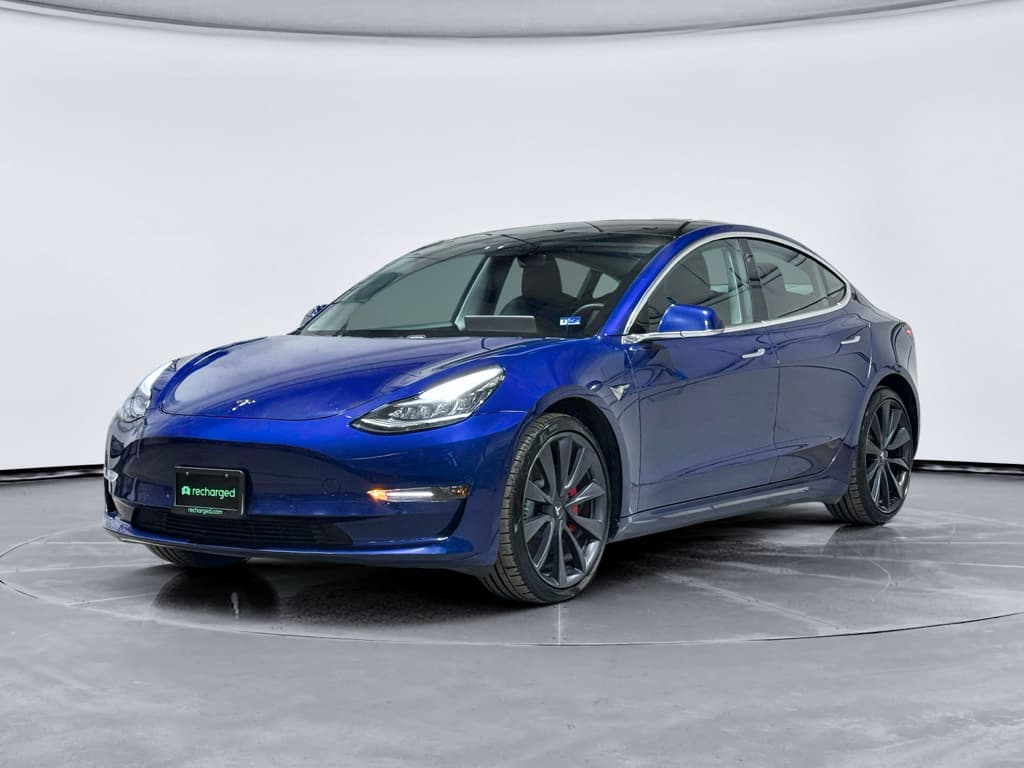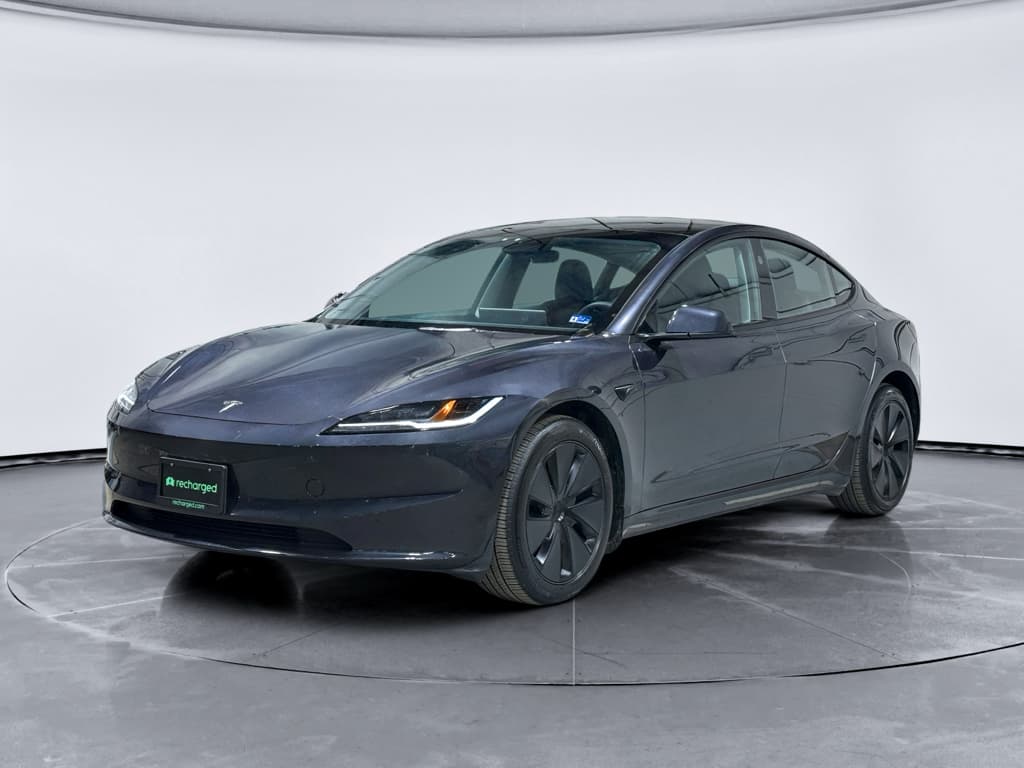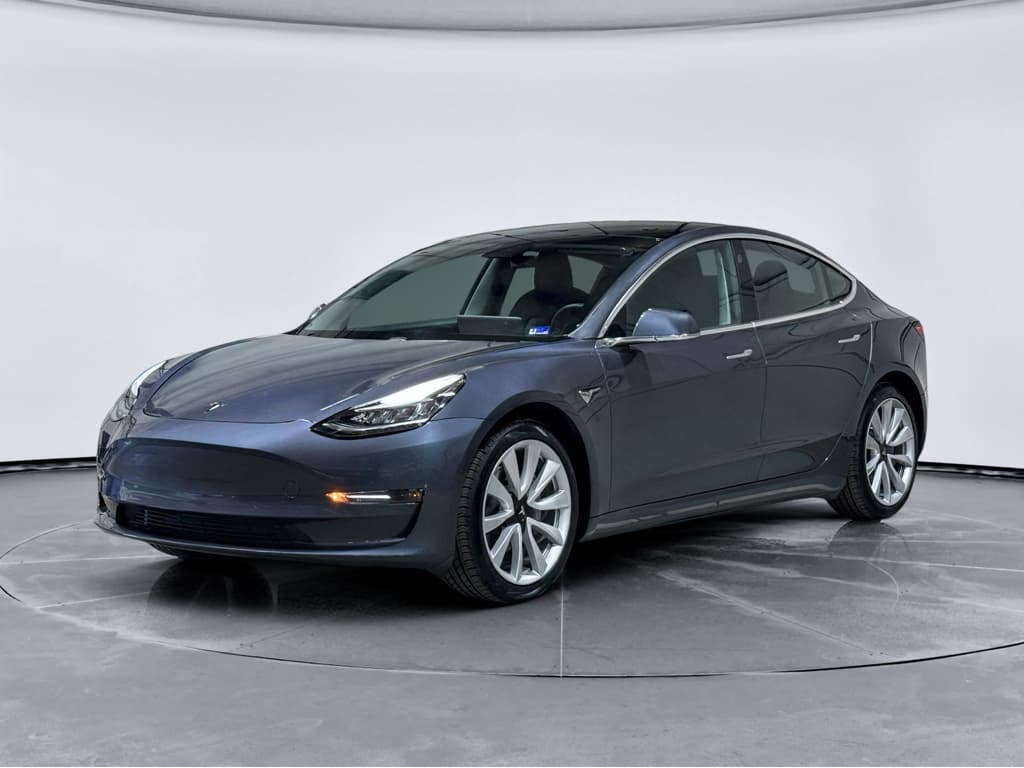
If you’re shopping used Teslas, you’ve probably asked yourself: is a 2022 Tesla Model 3 a good buy in 2026, or are you better off with a different year, or a different EV altogether? The answer is nuanced: the 2022 Model 3 can be a smart, tech-forward value play, but only if you understand its pricing, battery health, software quirks and recall history, and you shop carefully.
The short version
Quick answer: Is the 2022 Model 3 a good buy?
2022 Model 3 used-market snapshot (early 2026, U.S.)
Putting the numbers and real‑world reports together, the 2022 Model 3 is generally a good buy if you: - Want a compact EV with excellent efficiency and access to Tesla’s Supercharger network - Are okay living with Tesla’s minimalist interior and mostly touchscreen controls - Take the time to verify battery health, software status and recall completion on the specific car you’re considering If you need a taller SUV body style, often carry five adults, or dislike Tesla’s interface, you might be happier in a used Model Y or a non‑Tesla EV instead.
Who the 2022 Model 3 suits best
What’s special about the 2022 Tesla Model 3?
Tesla iterates constantly, so there’s no single “all‑new” 2022 Model 3. Instead, you’re getting a car that bundles many key updates from earlier years into a relatively mature package:
Key 2022 Model 3 hardware & feature highlights
Why 2022 often hits a sweet spot between price and modern tech
Updated battery setups
Heat pump & efficiency
Improved infotainment hardware
On top of that, you still get: - Access to most of Tesla’s latest software features via over‑the‑air updates (subject to hardware and subscription level) - The now‑standard Tesla North American Charging Standard (NACS) port, with growing third‑party support - A cabin and chassis that had several years of real‑world refinement behind them by 2022 That makes the 2022 Model 3 feel much closer to a current‑generation Tesla than, say, a 2018–2019 car, while usually costing thousands less than a 2023–2024 example.
Pricing: Are 2022 Model 3s good value today?
Used EV pricing has been volatile, but by early 2026 the market for the Model 3 has calmed down. Data from industry trackers and wholesale auctions show that later‑model used Teslas (2022–2024) typically sit in the low‑to‑mid $30,000s, with higher‑miles cars dipping into the high $20,000s. Enthusiasts and shoppers on owner forums report seeing 2022 base Model 3s around $24,000–$27,000 when mileage is higher or sellers are motivated.
Typical 2022 Model 3 asking-price bands (U.S., early 2026)
Real pricing will vary by mileage, condition, options, region and whether you buy from a dealer, marketplace or private party. These ranges describe where many listings are clustering today.
| Trim | Approx. mileage range | Typical asking range | Notes |
|---|---|---|---|
| RWD (Standard Range) | 35,000–70,000 mi | $24,000–$30,000 | Least expensive entry point; many use LFP packs and may have been heavily fast‑charged if used for commuting or rideshare. |
| Long Range AWD | 40,000–80,000 mi | $28,000–$34,000 | Extra range and all‑wheel drive; often better value per mile of range than RWD if priced close. |
| Performance AWD | 30,000–60,000 mi | $32,000–$38,000 | Quicker, sportier setup with larger wheels that can increase tire and suspension wear. |
Use these ranges as a starting point; condition and battery health should ultimately drive the price you’re willing to pay.
How depreciation looks
If you’re staring at a 2022 Model 3 priced suspiciously low, assume there’s a story: high miles, accident history, heavy DC fast‑charging, subtle battery issues, or pending repairs. Conversely, some 2022s are still priced so close to new that they don’t make sense, especially if they lack remaining bumper‑to‑bumper coverage or have expensive add‑ons like Full Self‑Driving (FSD) bundled into the sticker.
Battery life and range on a 2022 Model 3
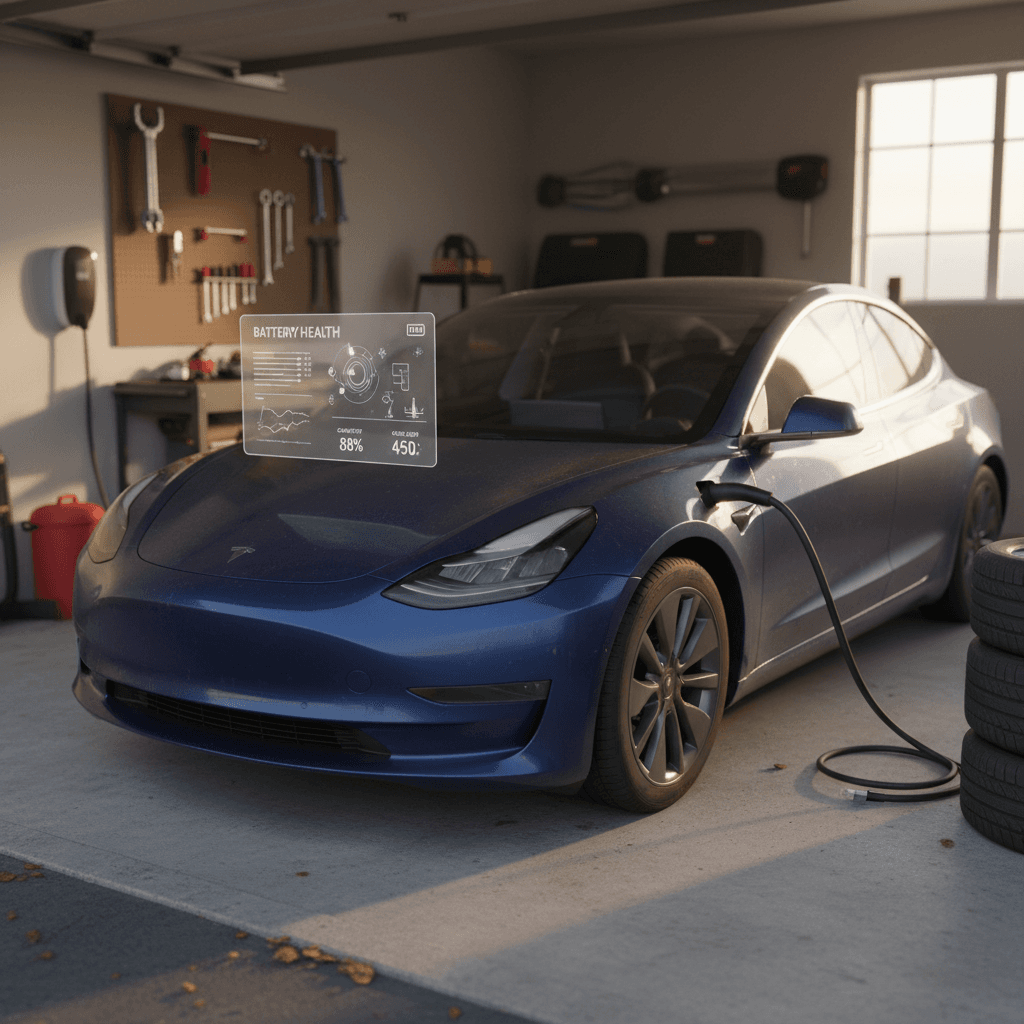
For any used EV, battery health is the main value driver. The good news: real‑world data from fleets and owners suggests Model 3 packs tend to lose most of their initial capacity in the first 1–2 years, then slow down, often hovering around a 5–10% loss for many additional years. Tesla backs that with an 8‑year / 100,000–120,000‑mile battery warranty (exact mileage cap depends on trim) that guarantees at least 70% capacity.
What range to realistically expect
- RWD (LFP): Originally ~260 miles EPA. A healthy pack might show 235–250 miles at 100% after a few years.
- Long Range AWD: Originally in the low‑350‑mile EPA band depending on wheel size. Many used cars show something in the 310–330‑mile range at 100% if well cared for.
- Performance: Slightly less than Long Range due to wheels/tires; daily usable range is still robust for most commutes.
Climate, driving style and wheel choice will move these numbers up or down; cold winters and frequent highway speeds can easily trim 15–30% off in day‑to‑day use.
What actually hurts or helps the battery
- Hurts: heavy DC fast‑charging, especially at high states of charge; frequent 0–100% swings; high‑speed driving in extreme heat; long periods sitting fully charged.
- Helps: moderate daily charge limits (for non‑LFP packs), covered parking, gentle acceleration and regen, keeping state of charge mostly in the middle of the pack.
- LFP note: Many 2022 RWD cars with LFP chemistry are fine living at 100% daily, but still dislike sitting hot and full for days on end.
Don’t rely on the dash alone
This is where a third‑party battery health check matters. Every EV on Recharged comes with a Recharged Score battery report that uses pack‑level diagnostics instead of guesses from the dash, so you can see how that specific 2022 Model 3 has aged before you commit.
Reliability, recalls and common issues
The 2022 Model 3 scores well for core mechanical reliability, no engine, no traditional transmission, fewer moving parts, but it’s not trouble‑free. Its issues tend to be software‑related, trim‑and‑fit complaints, and a handful of hardware concerns that have generated recalls and investigations.
- Multiple software and hardware recalls across recent Teslas, including 2022 Model 3s, often fixed via over‑the‑air updates (things like taillamp behavior, safety‑system tuning and warning chimes)
- A high number of NHTSA complaints and recalls tied to driver‑assist behavior and interface decisions, rather than catastrophic mechanical failures
- Isolated build issues: wind noise, water leaks, panel alignment, trunk or frunk seals requiring adjustment, and premature suspension or tire wear, especially on Performance variants with larger wheels
Autopilot & FSD under the microscope
When you’re shopping a used 2022 Model 3, ask for: - A recall completion printout or confirmation that all open recalls and key software updates are applied - Service history for suspension components, HVAC (occasional odor or moisture complaints have surfaced in some Teslas), and any repeated warning lights - Evidence of proper glass and seal repairs if the car has had windshield or roof work after a chip or crack
Software, Autopilot and tech considerations
Software is a big part of the 2022 Model 3’s appeal, and its controversy. On the plus side, you get a modern, updateable platform with features like phone‑as‑key, built‑in trip planning, fast app‑based control and access to Tesla’s proprietary Supercharger network. On the minus side, you’re buying into Tesla’s evolving strategy on paid driver‑assist options and subscription features.
Key software & tech questions to ask on a 2022 Model 3
These can move value thousands of dollars either way, read carefully before you buy.
Autopilot / FSD status
Every 2022 Model 3 originally came with basic Autopilot. Some also have Enhanced Autopilot or Full Self‑Driving (FSD) attached.
- Check what’s actually active in the car’s menus, and whether it stays with the car on transfer.
- Don’t overpay for FSD if you don’t truly need it, it’s expensive and its long‑term regulatory future is uncertain.
Infotainment & connectivity
Most 2022s use the quicker AMD Ryzen chip. Verify that:
- Screen responsiveness feels snappy
- All cameras and parking visuals function correctly
- Premium Connectivity (live traffic, streaming) is active or understand the subscription cost
Test the tech like you test the motor
Safety: crash tests and driver-assist scrutiny
From a pure crash‑structure perspective, the Model 3 is one of the safer small sedans on the road. It has 5‑star overall ratings in NHTSA testing and strong marks from other global programs, thanks to a stiff battery floor, generous crumple zones and low center of gravity.
Where the safety story is strong
- Excellent crash‑test scores and rollover resistance
- Standard active safety features like automatic emergency braking and lane‑keeping assist
- Good visibility from the driver’s seat compared with many compact sedans
Where you should think twice
- Ongoing federal investigations into Autopilot and FSD behavior in real‑world crashes
- Concerns about touch‑screen‑heavy controls vs. physical buttons, especially as ratings agencies revisit how they score driver distraction
- Fire risk after severe, high‑energy crashes, uncommon, but a factor in media coverage and some lawsuits involving Model 3s
Safety takeaway
2022 Model 3 vs alternatives (other years & rivals)
Before you sign on a 2022, it’s worth asking whether a slightly older or newer Model 3, or a rival EV, fits you better. Here’s the high‑level comparison many shoppers work through.
How a 2022 Model 3 stacks up
High‑level shopping comparison for common alternatives to a 2022 Model 3.
| Option | Pros vs 2022 Model 3 | Cons vs 2022 Model 3 |
|---|---|---|
| 2020–2021 Model 3 | Lower purchase price; still great range; some buyers prefer slightly earlier interface changes. | More battery aging; not all have heat pumps or newest infotainment hardware; may lack later safety tweaks. |
| 2023–2024 Model 3 (pre-Highland refresh) | Newer battery, fresher interiors; sometimes better financing; more warranty left. | Often several thousand dollars more for similar equipment; depreciation still working against you. |
| Used Tesla Model Y | More cargo and headroom; family‑friendlier seating position; shares much tech with 2022 Model 3. | Generally costs more; slightly less efficient; taller body not everyone’s preference. |
| Non-Tesla compact EV (e.g., Bolt EUV, Kona Electric, Niro EV) | Often cheaper; more physical buttons; some have longer basic warranties; less tied to Tesla ecosystem. | Less efficient at highway speeds; historically weaker fast‑charging networks (improving with NACS); lower resale strength than Model 3 in many markets. |
Prices are directional, assuming similar mileage and condition in early 2026.
When the 2022 Model 3 is the sweet spot
Buyer checklist for a used 2022 Tesla Model 3
Essential checks before you buy a 2022 Model 3
1. Pull a battery health report
Don’t guess from the dash. Ask for a recent <strong>battery state‑of‑health test</strong>. On Recharged, this is built into the Recharged Score; elsewhere, consider a specialist inspection or ask the seller for long‑term charging data.
2. Verify recall & software status
Have the seller show <strong>recall completion</strong> and that the car is on current software, or plan a service visit. Confirm Autopilot/FSD features, and don’t pay extra for options that may not transfer or that you don’t plan to use.
3. Inspect tires, brakes & suspension
Performance and Long Range cars with big wheels can eat tires and suspension components faster. Look for uneven wear, clunks over bumps, or steering wander, repairs here add up quickly.
4. Check for accident and paint history
Run a vehicle‑history report, but also inspect panel gaps, overspray and windshield/roof glass. Even minor repairs can affect resale and noise levels if not done correctly.
5. Test HVAC and interior comfort
Cycle the HVAC through heat and A/C, sniff for persistent musty odors, and test all defrost modes. Turn the car off and on a few times, creaks, rattles and odd fan noises are easier to hear that way.
6. Drive it like you’ll actually use it
Do a mix of city and highway, with Autopilot engaged where safe. Try tight parking maneuvers, check camera clarity at night if possible, and evaluate ride comfort on imperfect pavement.
Bring a structured checklist
How Recharged can help with a used Model 3
Used Teslas reward informed buyers. At Recharged, every Model 3 we list, 2022 or otherwise, comes with a Recharged Score Report that goes beyond cosmetics to focus on EV‑specific health and value:
What you get with a 2022 Model 3 from Recharged
Transparent battery data, fair pricing and EV‑specialist support reduce the guesswork.
Verified battery & charging health
Fair market pricing
Digital buying with EV experts
Ready to find your next EV?
Browse VehiclesIf you already own an EV and are looking to move into a 2022 Model 3, Recharged can also value your trade or provide an instant offer or consignment, helping you unlock equity from your current vehicle while you upgrade.
FAQ: 2022 Tesla Model 3 as a used buy
Frequently asked questions about buying a 2022 Model 3
Bottom line: Should you buy a 2022 Model 3?
If you’re asking whether the 2022 Tesla Model 3 is a good buy, the answer is: it absolutely can be, if you pick the right car at the right price. You’re getting a mature version of Tesla’s most popular model, with strong safety scores, modern hardware, very usable range and deep charging infrastructure behind it.
The risks are manageable but real: software‑driven recalls, ongoing Autopilot scrutiny, potential build‑quality quirks and the ever‑present question of how a previous owner treated the battery. A structured inspection, proper battery diagnostics and clear pricing are what turn that risk into value.
If you want help cutting through that complexity, browsing Recharged’s curated inventory of used EVs, including 2022 Model 3s with Recharged Score battery reports, transparent pricing, EV‑savvy support, and nationwide delivery, is an easy way to start. Whether you buy from Recharged or not, use the checklist and benchmarks in this guide to make your next used EV a car you’re happy to live with for years, not just a deal that looked good on paper.